
Now Reading: Best place to visit in Qom
-
01
Best place to visit in Qom
Best place to visit in Qom
1. Fatima Masumeh Shrine – The Spiritual Heart of Qom

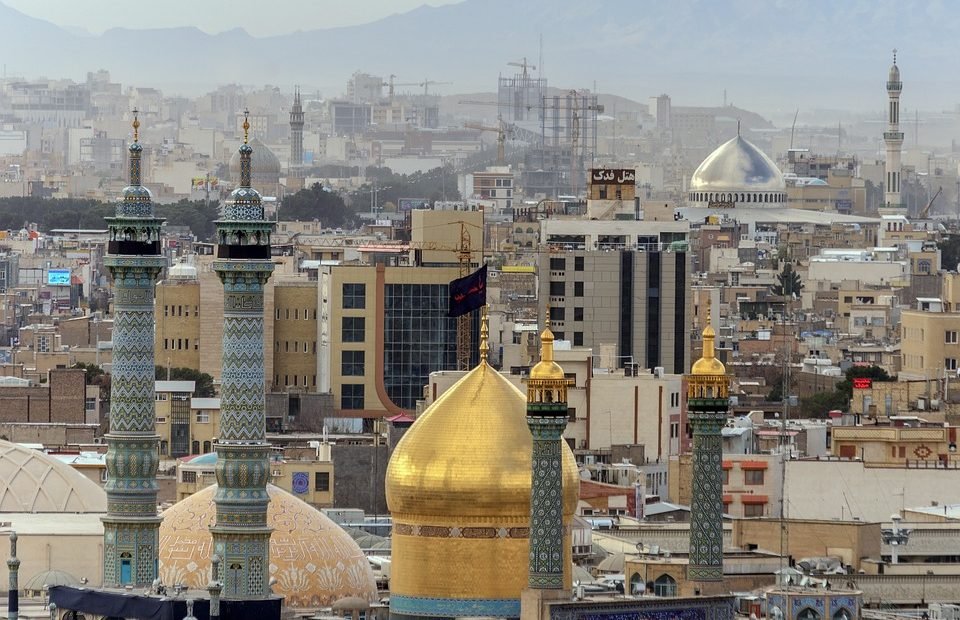
Fatima Masumeh Shrine is the most important landmark in Qom and one of the holiest pilgrimage sites in Shia Islam. The shrine contains the tomb of Fatima Masumeh, the sister of Imam Reza, and has attracted millions of pilgrims for centuries. Qom became a major religious center after her burial in the city during the 9th century.
Visitors exploring the shrine experience magnificent golden domes, elegant minarets, marble courtyards, mirror-work halls, colorful tile mosaics, and breathtaking Islamic architecture.
The shrine complex expanded greatly during the Safavid era and later became one of the most important centers of Shia scholarship and religious education.
At night, the illuminated domes create spectacular views across the city skyline.
Photography lovers especially appreciate the golden architecture and intricate decorations.
Every visit feels spiritual and unforgettable.
2. Jamkaran Mosque – The Sacred Pilgrimage Destination of Qom

Jamkaran Mosque is one of the most important religious sites in Iran and a major destination for Shia pilgrims.
According to religious tradition, the mosque was established after instructions connected to Imam Mahdi, a central figure in Shia belief. The site later developed into one of the largest pilgrimage centers in the country.
Visitors exploring the mosque experience vast prayer halls, blue domes, elegant minarets, beautiful courtyards, fountains, and peaceful spiritual atmosphere.
Millions of pilgrims visit the mosque during major Islamic events and religious celebrations throughout the year.
The large illuminated complex creates breathtaking scenery after sunset.
Photography lovers especially appreciate the blue domes and grand architecture.
Every visit feels peaceful and inspiring.
3. Qom Old Bazaar – The Historical Trading Center of the City

Qom Old Bazaar is one of the oldest commercial centers in the region and preserves the traditional atmosphere of Persian trade and daily life.
Many sections of the bazaar date back hundreds of years and reflect the city’s historical importance as a religious and commercial destination.
Visitors exploring the market discover carpets, saffron, spices, religious items, handicrafts, jewelry, textiles, traditional sweets, and local products.
The historic brick corridors, domed ceilings, and traditional Persian architecture create authentic cultural experience.
The lively atmosphere filled with merchants and shoppers preserves centuries-old trading traditions.
Photography lovers especially appreciate the historical passageways and colorful market scenes.
Every visit feels authentic and memorable.
4. Feyziyeh Seminary – The Intellectual Center of Shia Scholarship

Feyziyeh Seminary is one of the most influential religious schools in the Shia Islamic world and a major symbol of Qom’s scholarly heritage.
For generations, students from Iran and many other countries have traveled to Qom to study Islamic law, philosophy, theology, and religious sciences.
Visitors exploring the seminary experience traditional courtyards, Islamic architecture, scholarly atmosphere, historical classrooms, and important cultural heritage.
The institution played a major role in shaping modern religious thought and remains deeply connected to Iran’s contemporary history.
The peaceful environment reflects centuries of intellectual and spiritual tradition.
Photography lovers especially appreciate the elegant courtyards and architectural beauty.
Every visit feels educational and inspiring.
5. Gonbad Sabz – The Green Domes of Medieval Qom

Gonbad Sabz Historical Complex is one of the oldest surviving historical monuments in the city dating back to the 13th and 14th centuries.
The complex contains several tower-shaped mausoleums built during the Ilkhanid period and showcases remarkable Persian architectural design.
Visitors exploring the site experience turquoise domes, historical tombs, intricate decorations, peaceful gardens, and fascinating medieval architecture.
The structures provide valuable insight into the artistic achievements of Persian builders during the medieval era.
The quiet atmosphere creates relaxing environment for cultural exploration.
Photography lovers especially appreciate the turquoise domes and historical details.
Every visit feels historical and fascinating.
6. Jameh Mosque of Qom – One of the Oldest Mosques in the City
Jameh Mosque of Qom is one of the oldest religious monuments in the city and has stood at the center of community life for centuries.
Visitors exploring the mosque experience traditional Persian architecture, brick domes, elegant arches, historical courtyards, and peaceful spiritual surroundings.
The mosque reflects the evolution of Islamic architecture across different periods of Iranian history.
Its historical importance makes it one of Qom’s most valuable cultural landmarks.
The calm atmosphere allows visitors to appreciate the city’s deep religious heritage.
Photography lovers especially appreciate the architectural symmetry and historical atmosphere.
Every visit feels peaceful and meaningful.
7. Khezr Hill – The Panoramic Viewpoint of Qom

Khezr Hill is one of the most popular natural attractions in the city offering panoramic views across Qom and the surrounding desert landscapes.
Visitors climbing the hill experience scenic walking paths, mountain viewpoints, peaceful atmosphere, and breathtaking views of the city skyline.
The hill is also connected to local religious traditions and attracts both pilgrims and tourists.
Sunrise and sunset create especially beautiful scenery as golden light spreads across the desert environment.
The elevated location provides unique perspective of Qom’s architecture and urban landscape.
Photography lovers especially appreciate the panoramic city views.
Every journey feels peaceful and refreshing.
8. Qom Food Culture – The Traditional Taste of Central Iran

Qom is famous throughout Iran for its traditional sweets, Persian cuisine, and rich culinary culture.
The city’s most famous specialty is Sohan, a delicious saffron brittle made with wheat sprouts, butter, nuts, sugar, and aromatic spices.
Visitors exploring local restaurants and markets can enjoy Persian kebabs, saffron rice, stews, traditional breads, dried fruits, nuts, sweets, and regional specialties.
The city’s historic bazaars are filled with shops selling beautifully packaged Sohan that has become one of Iran’s most famous souvenirs.
Traditional tea houses and family restaurants preserve authentic Persian culinary traditions passed down through generations.
Food lovers especially enjoy tasting local desserts and saffron-based delicacies.
Every meal feels flavorful and unforgettable.
Qom beautifully combines religious heritage, Islamic scholarship, Persian history, sacred architecture, traditional bazaars, spiritual culture, and rich culinary traditions, making it one of the most important and fascinating cities in Iran.
Related artical : Best place to visit in Tabriz