
Now Reading: Best place to visit in Luang Namtha
-
01
Best place to visit in Luang Namtha
Best place to visit in Luang Namtha

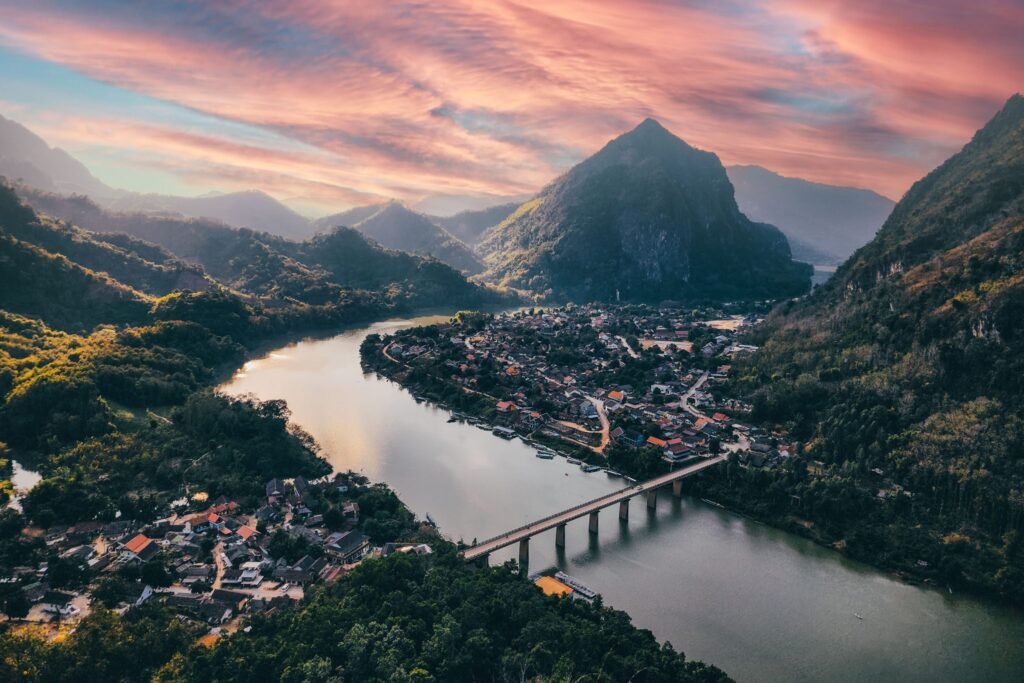
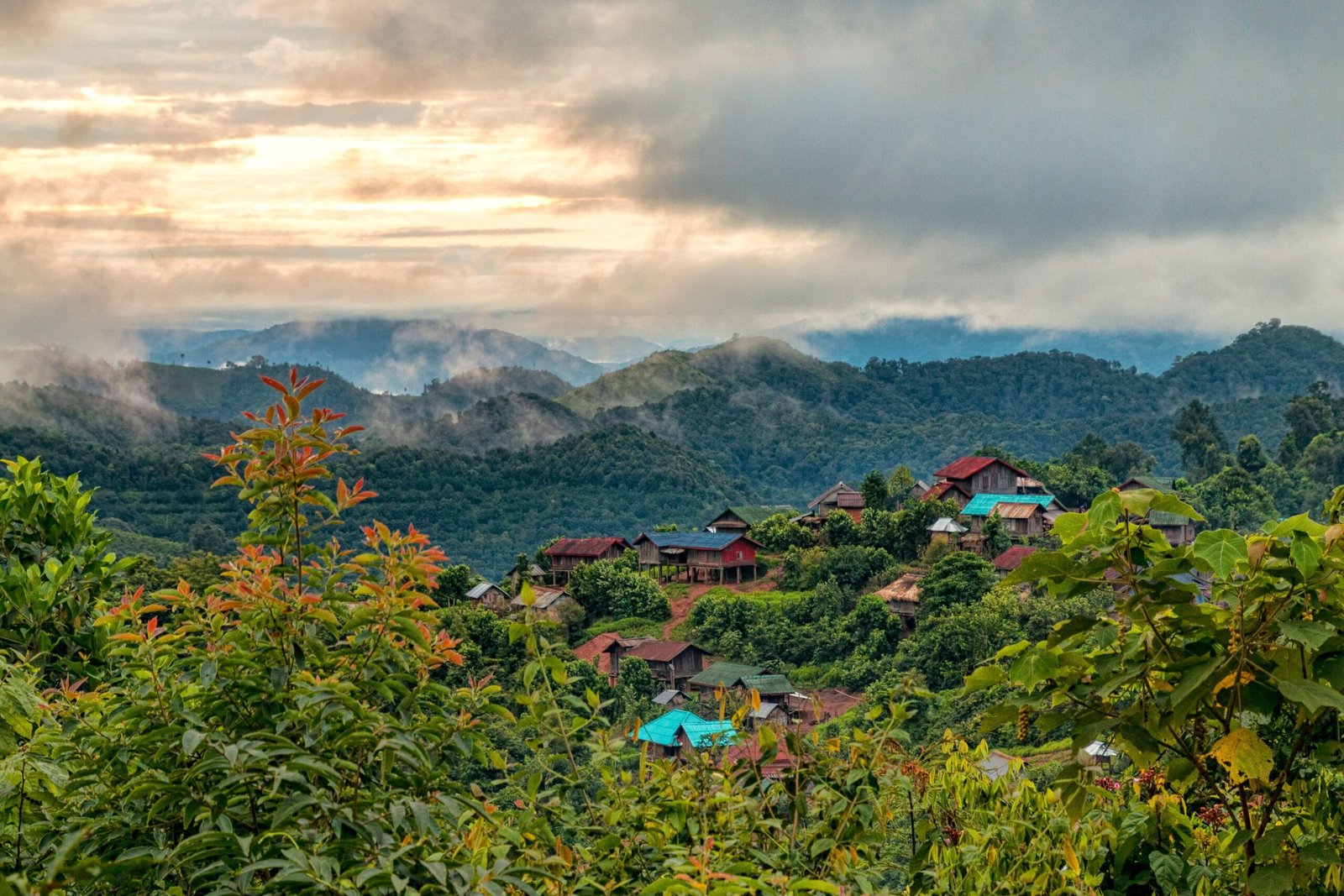
Luang Namtha is one of the most beautiful eco-tourism destinations in Laos. Located in the northwestern part of the country near the borders of China and Myanmar, the province is famous for its lush forests, mountain landscapes, ethnic diversity, and outdoor adventures.
For centuries, Luang Namtha served as an important crossroads for trade routes connecting Southeast Asia with southern China. Today, it is known as the gateway to the spectacular Nam Ha National Protected Area, one of Laos’ most important conservation regions.
Visitors are drawn to Luang Namtha for trekking, cycling, river expeditions, wildlife observation, cultural encounters, and opportunities to experience the traditional lifestyles of the region’s many ethnic communities.
The following attractions represent the best places to visit in Luang Namtha.
1. Nam Ha National Protected Area – The Wilderness Heart of Northern Laos

History
Established in 1993, Nam Ha National Protected Area was created to preserve one of the largest remaining forest ecosystems in Laos.
Covering more than 2,000 square kilometers, the reserve protects dense rainforest, mountain habitats, rare wildlife, and traditional ethnic villages.
The protected area later became an internationally recognized model for community-based eco-tourism.
Visitor Experience
Visitors can explore:
- Dense tropical forests
- Mountain trekking routes
- Wildlife habitats
- Scenic river valleys
- Traditional villages
Nam Ha remains the most famous attraction in Luang Namtha.
2. Nam Dee Waterfall – The Hidden Jungle Cascade
History
For generations, local communities have relied on the streams surrounding Nam Dee for water and agriculture.
The waterfall became a popular destination due to its accessibility and beautiful natural setting.
Visitor Experience
Visitors can enjoy:
- Scenic waterfall views
- Forest walking trails
- Photography opportunities
- Fresh mountain air
- Natural surroundings
The waterfall offers a peaceful escape into nature.
3. Luang Namtha Night Market – The Cultural Heart of the Town

History
Markets have long played a central role in the lives of the region’s diverse ethnic communities.
Farmers, artisans, and traders gather daily to exchange goods and preserve local traditions.
Visitor Experience
Visitors can discover:
- Traditional Lao cuisine
- Local handicrafts
- Ethnic textiles
- Fresh produce
- Cultural experiences
The market offers a taste of daily life in northern Laos.
4. Luang Namtha Museum – Preserving Regional Heritage

History
The museum was established to preserve the history and cultural diversity of Luang Namtha Province.
Its collections document the traditions, lifestyles, and history of the area’s many ethnic groups.
Visitor Experience
Visitors can learn about:
- Traditional clothing
- Historical artifacts
- Ethnic cultures
- Regional history
- Archaeological discoveries
The museum provides valuable insight into local heritage.
5. Ban Nam Dee Village – Traditional Ethnic Culture

History
Ban Nam Dee is home to the Lanten ethnic community, whose ancestors migrated from southern China centuries ago.
The village continues to preserve traditional customs, clothing, and handicraft techniques.
Visitor Experience
Visitors can experience:
- Traditional lifestyles
- Local weaving techniques
- Cultural exchanges
- Village walks
- Handmade crafts
The village offers an authentic cultural experience.
6. Nam Tha River – The Lifeline of the Region

History
The Nam Tha River has supported communities in the region for centuries.
Historically, it served as an important transportation and trade route linking remote settlements.
Visitor Experience
Visitors can enjoy:
- Kayaking adventures
- Boat trips
- Riverside landscapes
- Wildlife observation
- Photography opportunities
The river remains central to life in Luang Namtha.
7. Ethnic Minority Villages – Discover Laos’ Cultural Diversity

History
Luang Namtha is home to more than twenty ethnic groups, including the Akha, Khmu, Tai Dam, Hmong, and Lanten peoples.
These communities have maintained unique languages, customs, and traditions for generations.
Visitor Experience
Visitors can discover:
- Traditional architecture
- Cultural ceremonies
- Handicrafts
- Local customs
- Community life
The villages reveal the extraordinary diversity of northern Laos.
8. Vieng Phoukha Caves – Ancient Limestone Wonders

History
The caves formed over millions of years through natural geological processes.
Local communities have long associated the caves with legends and spiritual beliefs.
Visitor Experience
Visitors can explore:
- Limestone formations
- Underground chambers
- Geological features
- Scenic surroundings
- Natural beauty
The caves are among the region’s most impressive geological attractions.
9. Luang Namtha Cycling Routes – Exploring the Countryside

History
The rural roads surrounding Luang Namtha connect villages, farms, and markets that have existed for generations.
Today they form some of the most scenic cycling routes in Southeast Asia.
Visitor Experience
Travelers can ride through:
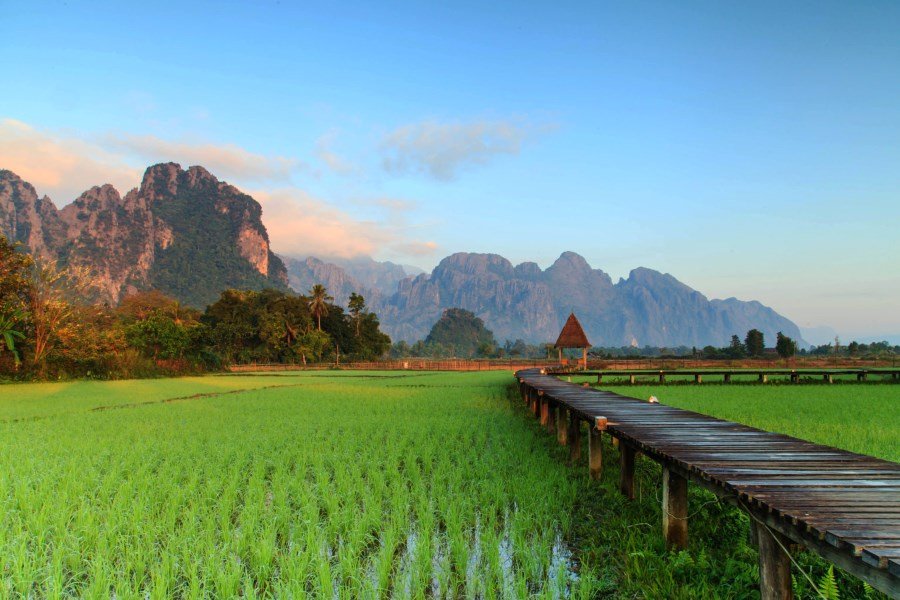
- Rice fields
- Mountain valleys
- Ethnic villages
- Forest landscapes
- Scenic countryside
Cycling provides a unique way to experience the region.
10. Phou Phieng Mountain Viewpoint – The Best Panorama of Luang Namtha
History
The mountains surrounding Luang Namtha have served as natural landmarks for travelers and local communities for centuries.
These elevated viewpoints offer a spectacular perspective of the region’s forests and valleys.
Visitor Experience
Visitors can enjoy:
- Panoramic mountain views
- Sunrise photography
- Sunset photography
- Forest landscapes
- Scenic hiking opportunities
The viewpoint provides one of the finest views in northern Laos.
Related artical : Best place to visit in Muang Xay