
Now Reading: Best place to visit in Ventspils
-
01
Best place to visit in Ventspils
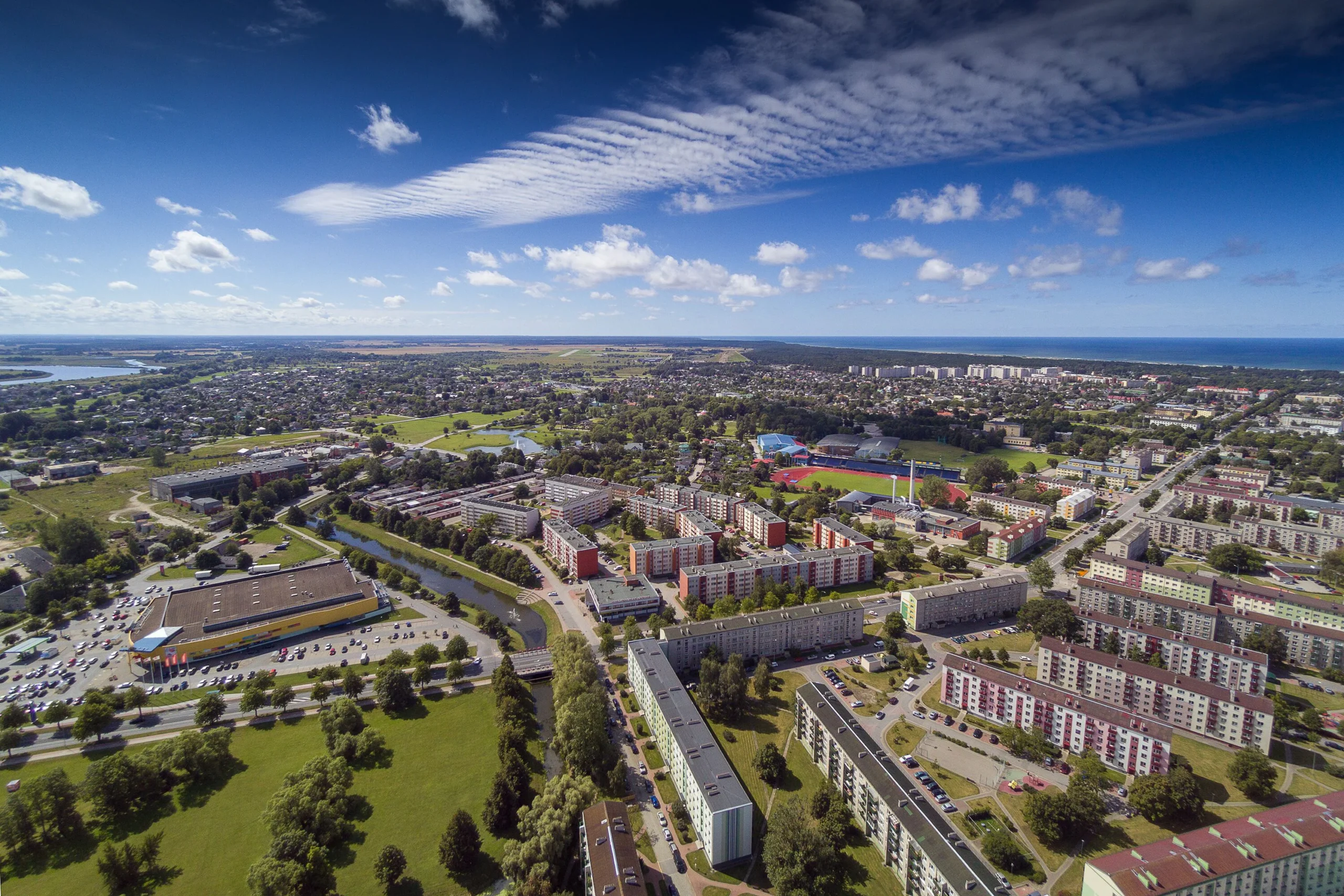
Best place to visit in Ventspils

Ventspils is one of Latvia’s most prosperous coastal cities and an important port on the Baltic Sea. Located at the mouth of the Venta River in the western region of Kurzeme, Ventspils has played a significant role in maritime trade, shipbuilding, and economic development for more than seven centuries.
Founded during the thirteenth century by the Livonian Order, Ventspils quickly developed into a major trading center due to its strategic position along Baltic Sea shipping routes. Throughout its history, the city has witnessed the influence of German merchants, Swedish rulers, Russian administrators, and modern Latvian governance. These historical periods have shaped the city’s architecture, culture, and identity.
Today, Ventspils is known for its award-winning beaches, colorful public spaces, family-friendly attractions, historic castle, modern port facilities, and well-preserved old town. The city successfully combines its rich historical heritage with contemporary urban development, making it one of Latvia’s most attractive travel destinations.
The following attractions represent the best places to visit in Ventspils.
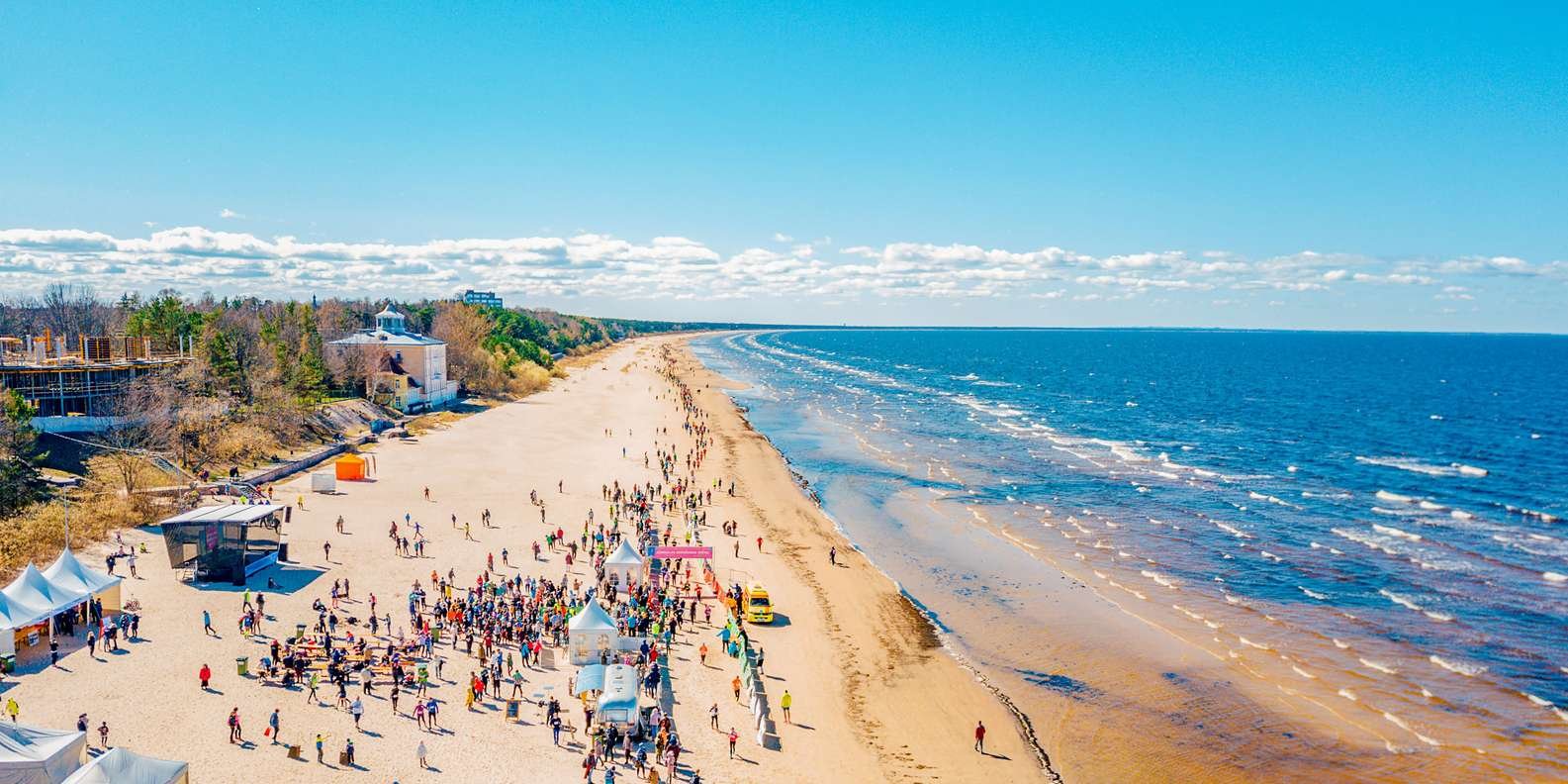
1. Ventspils Beach – Latvia’s Premier Blue Flag Beach

History
For centuries, the Baltic coastline has played an essential role in the development of Ventspils.
The city’s beaches supported fishing communities, maritime trade, and recreational activities long before tourism became important. As environmental standards improved, Ventspils Beach gained international recognition for its cleanliness and facilities.
Today, it consistently earns the prestigious Blue Flag designation, reflecting its high environmental quality.
Visitor Experience
Visitors can enjoy:
- Golden sandy beaches
- Swimming areas
- Coastal walks
- Beach sports
- Children’s attractions
- Baltic Sea sunsets
The beach remains one of the most popular destinations in Latvia.
2. Ventspils Castle – The Medieval Guardian of the City

History
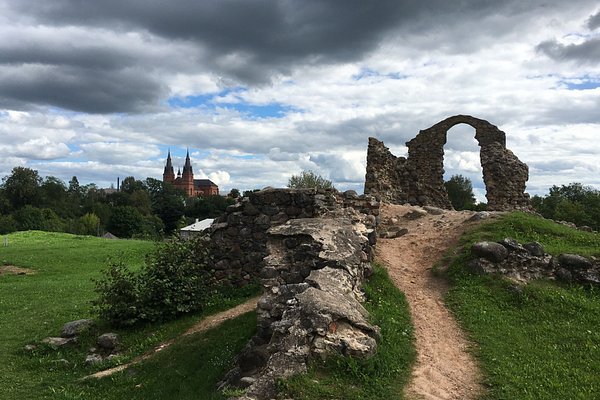
Built by the Livonian Order during the late thirteenth century, Ventspils Castle is one of the oldest and best-preserved medieval castles in Latvia.
The fortress served as a military stronghold, administrative center, and residence for regional rulers. Throughout its long history, the castle witnessed wars, political changes, and economic growth.
Today, it houses a museum dedicated to the history of Ventspils and the surrounding region.
Visitor Experience
Visitors can explore:
- Medieval architecture
- Historic exhibits
- Castle towers
- Archaeological collections
- Interactive displays
The castle provides a fascinating journey through centuries of history.
3. Seaside Open-Air Museum – Preserving Coastal Heritage

History
The museum was established to preserve the traditions of Latvia’s coastal communities.
Its collection includes fishing boats, windmills, farmhouses, and maritime artifacts that document life along the Baltic coast over several centuries.
The museum highlights the cultural heritage that shaped Ventspils and the wider Kurzeme region.
Visitor Experience
Visitors can discover:
- Historic fishing vessels
- Traditional buildings
- Maritime exhibits
- Cultural displays
- Educational programs
The museum offers valuable insight into Latvia’s coastal history.
4. Ventspils Promenade – The Waterfront Heart of the City

History
The waterfront has long been central to Ventspils’ identity as a major port city.
Merchants, sailors, and traders traveled through the harbor, contributing to economic growth and cultural exchange. Modern redevelopment transformed the area into an attractive public space while preserving its maritime character.
Visitor Experience
Visitors can enjoy:
- Harbor views
- Walking routes
- Public art
- Scenic photography
- Restaurants and cafes
The promenade is among the city’s most vibrant attractions.
5. Cow Sculpture Trail – The City’s Creative Symbol

History
In 2002, Ventspils participated in an international public art project known as the Cow Parade.
Decorated cow sculptures were placed throughout the city, quickly becoming beloved local landmarks.
Over time, the collection expanded and evolved into one of Ventspils’ most recognizable attractions.
Visitor Experience
Visitors can enjoy:
- Artistic sculptures
- Photography opportunities
- City walking tours
- Creative public art
- Family-friendly exploration
The sculptures add charm and personality to the city.
6. Adventure Park – Outdoor Fun for All Ages

History
Adventure Park was developed as part of the city’s efforts to create modern recreational facilities for residents and visitors.
The park transformed a former hill into a year-round destination for sports and leisure activities.
Today, it serves as one of Ventspils’ most popular family attractions.
Visitor Experience
Visitors can enjoy:
- Ski slopes
- Summer rides
- Observation tower
- Sports activities
- Family entertainment
The park offers recreation throughout the year.
7. Children’s Town – A Family Paradise

History
Children’s Town was created to provide a safe and imaginative environment for young visitors.
The project reflects Ventspils’ reputation as one of Latvia’s most family-friendly cities.
Its innovative design has attracted families from across the Baltic region.
Visitor Experience
Visitors can enjoy:
- Creative playgrounds
- Interactive activities
- Family events
- Outdoor recreation
- Educational entertainment
The attraction is especially popular with families.
8. Venta River Waterfront – The Lifeline of the City

History
The Venta River played a critical role in the establishment and growth of Ventspils.
Its waters supported shipping, trade, fishing, and transportation for centuries, helping transform the city into one of the most important ports in the Baltic region.
The river continues to define the city’s geography and economy.
Visitor Experience
Visitors can admire:
- River scenery
- Harbor activity
- Walking trails
- Photography locations
- Scenic viewpoints
The waterfront offers beautiful perspectives of the city.
9. South Pier Lighthouse – Guiding Ships Through the Baltic

History
The lighthouse has long served as a navigation aid for vessels entering the port of Ventspils.
As maritime trade expanded, the lighthouse became an essential component of the city’s harbor infrastructure.
Its location provides excellent views of the Baltic coastline and shipping activity.
Visitor Experience
Visitors can enjoy:
- Lighthouse views
- Harbor scenery
- Coastal photography
- Baltic Sea landscapes
- Maritime atmosphere
The lighthouse is a favorite destination for photographers.
10. Old Town of Ventspils – Discovering the City’s Origins

History
The Old Town preserves the historic core of Ventspils where merchants, craftsmen, and sailors once lived and worked.
Many buildings reflect centuries of architectural development and provide insight into the city’s evolution from a medieval settlement into a modern port city.
The district remains one of the most historically significant areas of Ventspils.
Visitor Experience
Visitors can explore:
- Historic streets
- Traditional buildings
- Local cafes
- Cultural landmarks
- Architectural heritage
The Old Town offers a glimpse into Ventspils’ rich past.
Related artical : Best place to visit in Jūrmala