
Now Reading: Best place to visit in Utena
-
01
Best place to visit in Utena
Best place to visit in Utena

Introduction
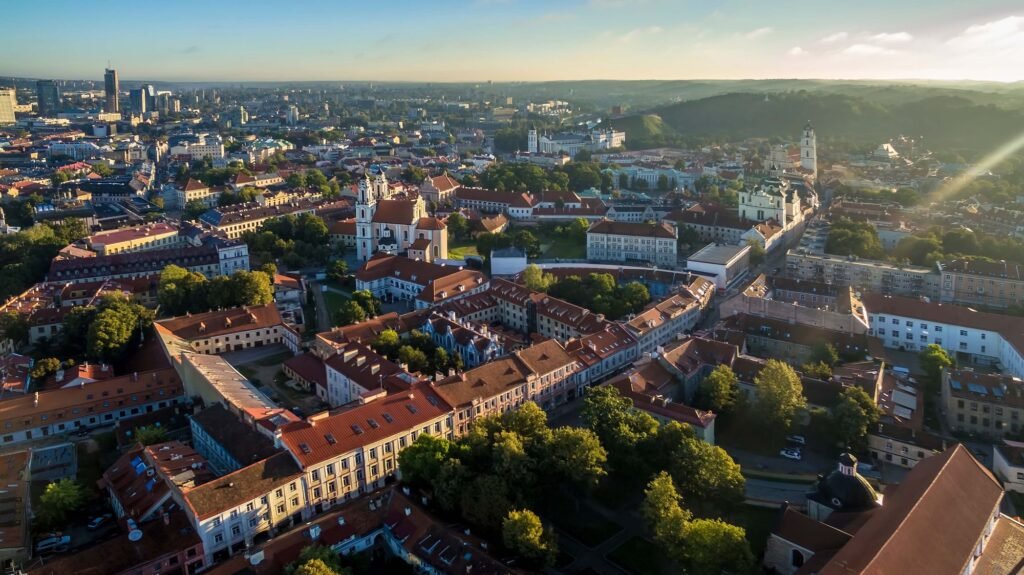
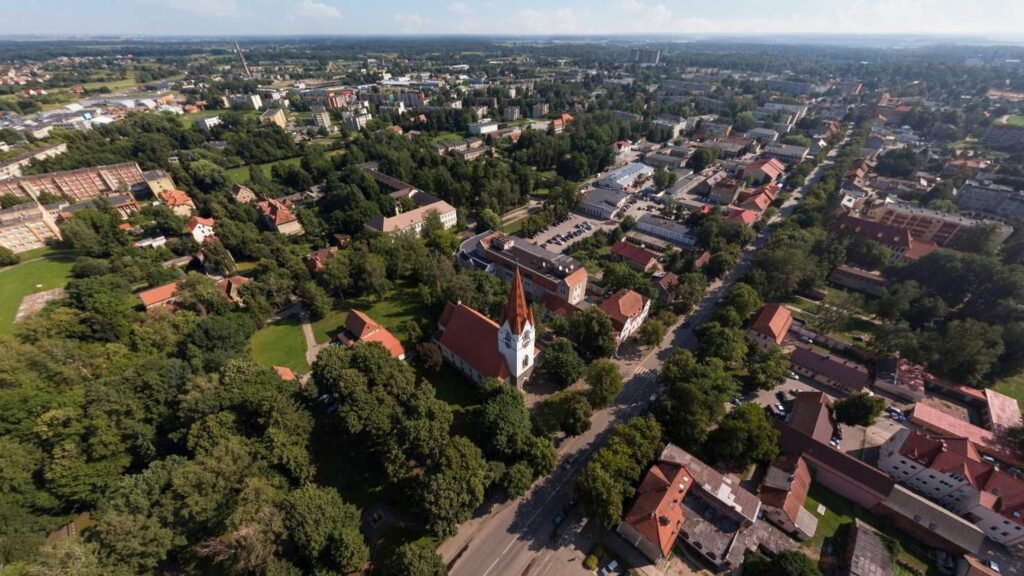
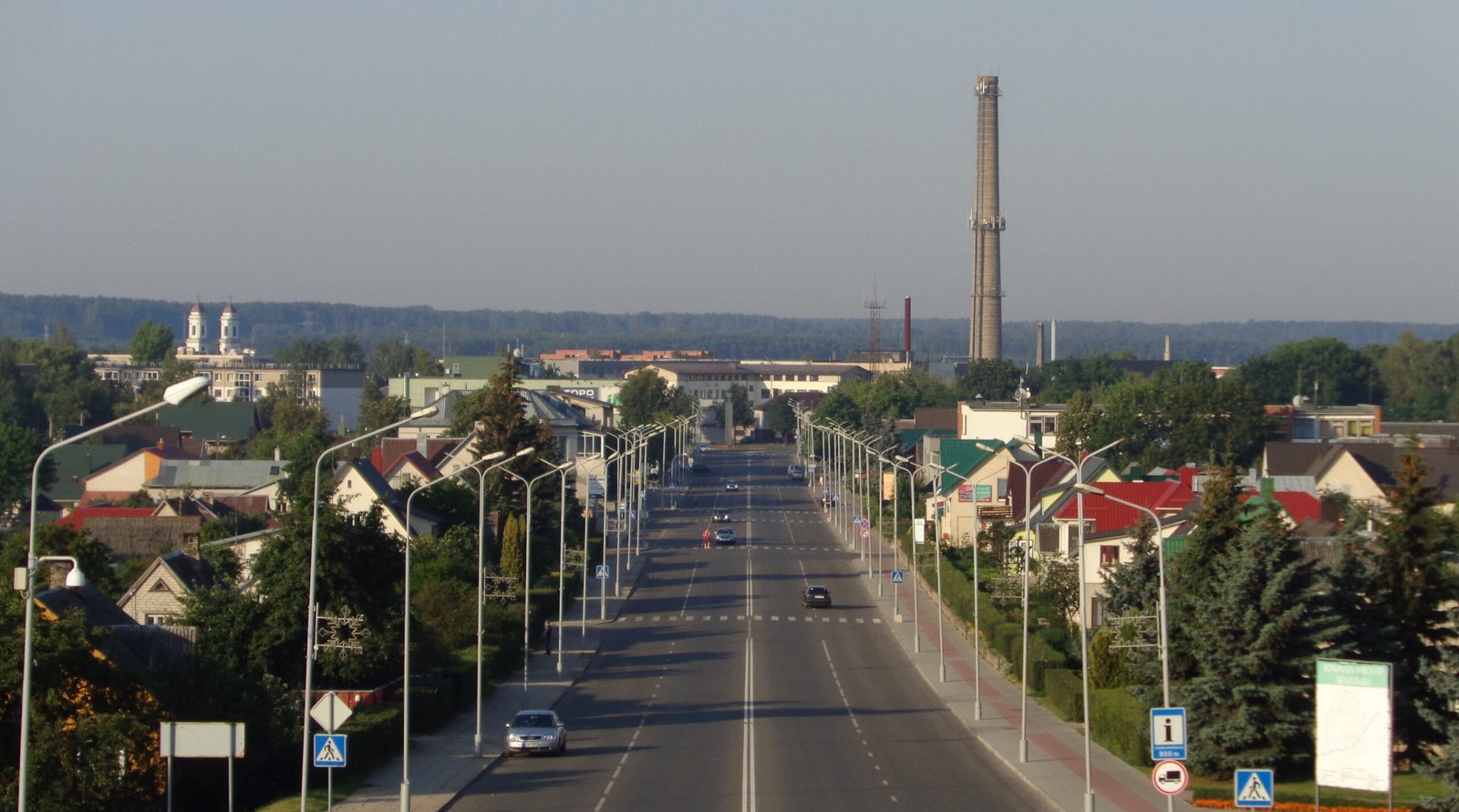
Utena is one of the oldest cities in northeastern Lithuania and serves as the cultural, economic, and administrative center of the Utena region. Known as the gateway to Lithuania’s famous lake district, Utena is surrounded by pristine forests, sparkling lakes, rolling hills, and some of the most beautiful natural landscapes in the country.
The city combines a rich historical heritage with modern urban development. Visitors are drawn to Utena for its scenic environment, vibrant cultural life, historic landmarks, recreational opportunities, and strong regional traditions. The city is also known for its brewing industry, educational institutions, and commitment to environmental sustainability.
Because of its strategic location among numerous lakes and protected natural areas, Utena serves as an ideal base for exploring the wider Aukštaitija region, one of Lithuania’s most picturesque and culturally distinctive areas.
Today, Utena stands as a welcoming destination where history, culture, and nature come together to create a memorable travel experience.
History of Utena
The history of Utena dates back more than seven centuries, making it one of Lithuania’s oldest settlements. Historical records mention the city as early as the 13th century during the period of the Grand Duchy of Lithuania.
Due to its location near important trade routes, Utena developed as a regional commercial and administrative center. Throughout the centuries, the city experienced growth through agriculture, trade, education, and craftsmanship.
Like many Lithuanian cities, Utena faced challenges during wars, occupations, and political changes. Despite these difficulties, the community preserved its cultural identity and continued to develop.
Today, Utena remains an important regional center while honoring the traditions and heritage that have shaped its history.
1. Dauniškis Lake and Fountain

The Scenic Heart of the City
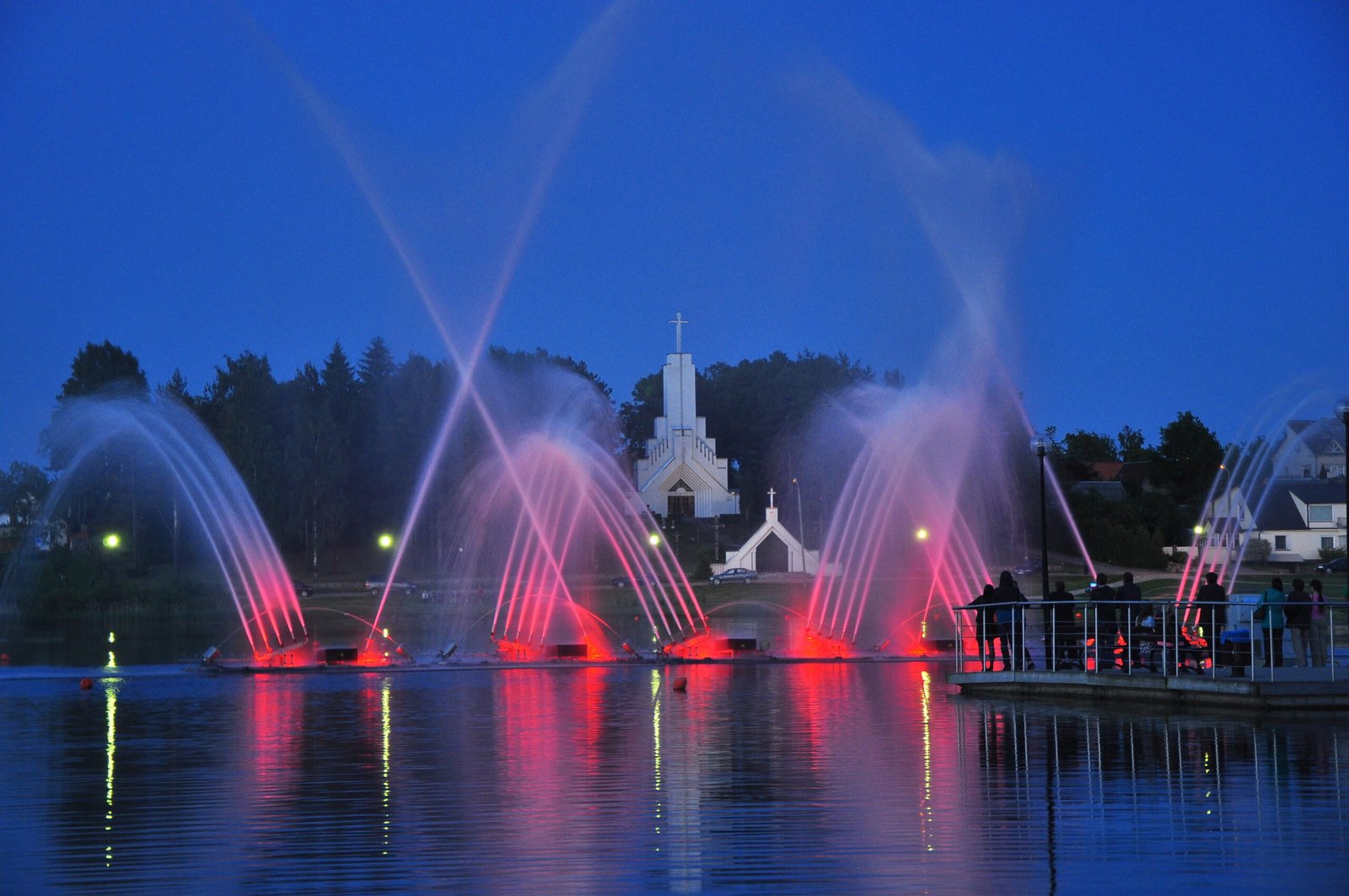
The beautiful Dauniškis Lake is one of Utena’s most recognizable attractions.
Located near the city center, the lake features walking paths, recreational areas, and a spectacular musical fountain that becomes particularly impressive during evening light displays. Visitors enjoy relaxing walks while admiring the scenic views and peaceful atmosphere.
The lake has become a symbol of modern Utena.
Its beauty attracts residents and visitors throughout the year.
2. Utena Church of Divine Providence

A Landmark of Faith and Community
The Church of Divine Providence is one of the city’s most important religious sites.
Its elegant architecture and historical significance make it a central feature of Utena’s cultural landscape. The church serves as a place of worship while also hosting important community events.
Visitors appreciate its peaceful atmosphere and beautiful interior design.
The church remains a symbol of the city’s spiritual heritage.
3. Utena Regional Museum

Discovering the History of Aukštaitija
The Utena Regional Museum offers visitors a comprehensive introduction to the history and culture of the region.
Its collections include archaeological discoveries, ethnographic exhibits, historical documents, and artifacts that illustrate centuries of local development.
The museum provides valuable insight into the traditions and identity of northeastern Lithuania.
It remains an important educational and cultural institution.
4. Utena Freedom Square

The Social Center of the City
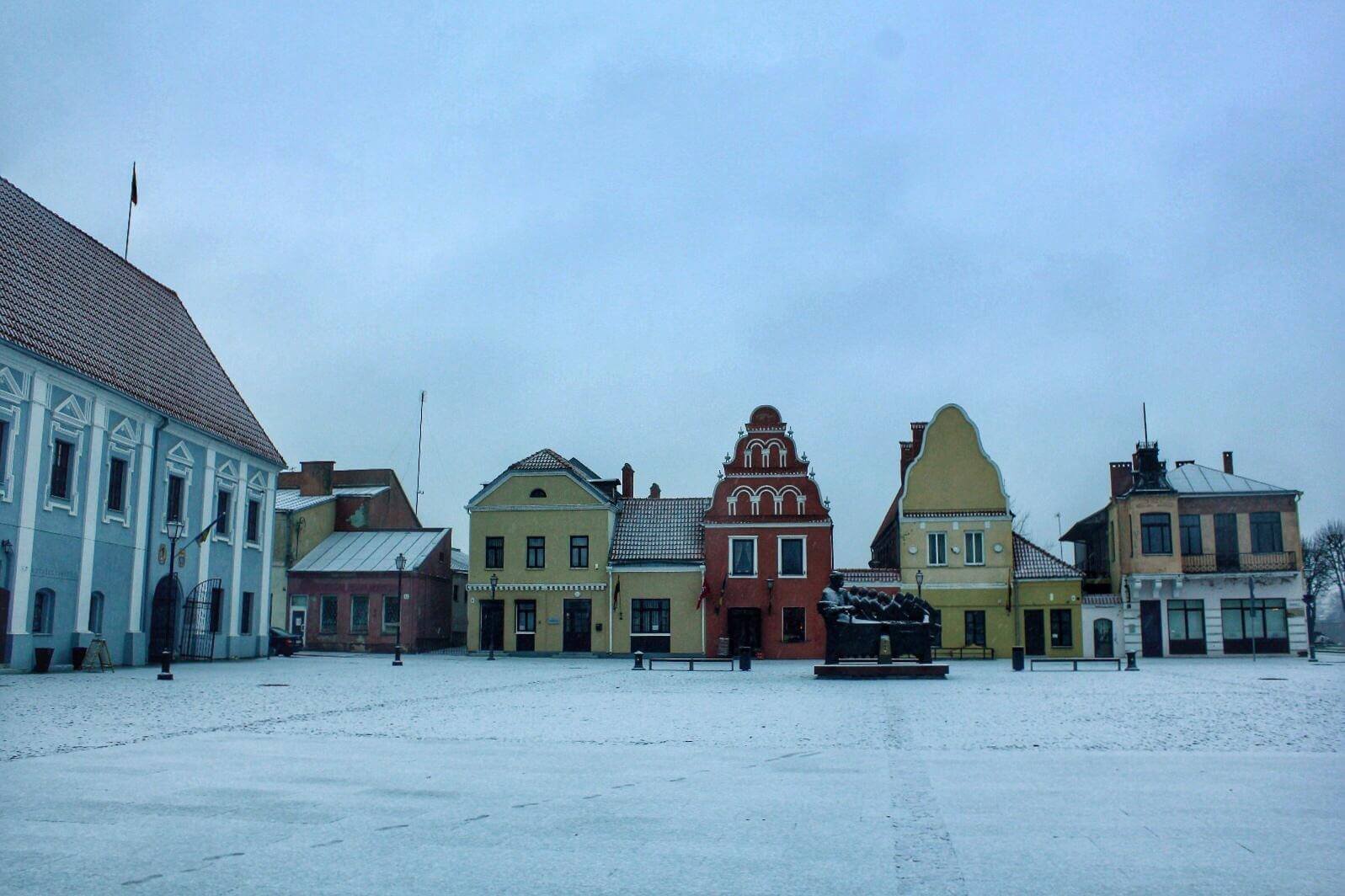
The Freedom Square serves as one of the city’s primary gathering places.
Surrounded by shops, cafés, government buildings, and cultural institutions, the square hosts public celebrations, festivals, concerts, and community events throughout the year.
Visitors can experience everyday life in Utena while enjoying the lively atmosphere.
The square reflects the city’s strong sense of community.
5. Vyžuonaitis Park

A Green Retreat for Relaxation
The beautiful Vyžuonaitis Park provides a peaceful natural environment within the city.
Featuring walking trails, gardens, ponds, and recreational facilities, the park is ideal for relaxation, exercise, and family activities.
Its scenic beauty contributes significantly to the quality of life enjoyed by local residents.
The park remains one of Utena’s most popular outdoor destinations.
6. Utena Brewery

A Proud Brewing Tradition
The Utenos Alus brewery is one of Lithuania’s most famous beverage producers and an important part of the city’s identity.
Founded in the 1970s, the brewery has become a nationally recognized brand known for its quality products and contribution to the local economy.
Its success has helped establish Utena as a significant industrial center.
The brewery remains a source of pride for the community.
7. Aukštaitija National Park Gateway

Gateway to Lithuania’s Most Beautiful Landscapes
Utena serves as an important gateway to Aukštaitija National Park, one of the country’s most spectacular protected natural areas.
The park is famous for its hundreds of lakes, dense forests, traditional villages, and exceptional biodiversity. Visitors can enjoy hiking, canoeing, cycling, birdwatching, and cultural exploration.
The proximity of the park greatly enhances Utena’s appeal as a tourism destination.
Nature lovers consider the region one of Lithuania’s greatest treasures.
8. Utena Cultural Center

The Creative Heart of the Region
The Utena Cultural Center plays a vital role in promoting arts, music, theater, and cultural education.
The center hosts performances, exhibitions, workshops, festivals, and community programs throughout the year.
Visitors can experience both traditional Lithuanian culture and contemporary artistic expression.
The institution remains a cornerstone of cultural life in Utena.
9. Narkūnai Hillfort

A Journey into Ancient Lithuania
The Narkūnai Hillfort is one of the region’s most important archaeological landmarks.
The hillfort served as a defensive settlement during ancient times and provides valuable insight into early Lithuanian civilization. Visitors can explore the site while enjoying panoramic views of the surrounding countryside.
The location combines historical significance with natural beauty.
It remains a favorite destination for history enthusiasts.
10. Utena Arena

The Modern Sporting Center
The Utena Arena is one of the city’s most modern public facilities.
The arena hosts basketball games, concerts, exhibitions, and community events while serving as an important center for sports and entertainment.
Its contemporary design reflects the city’s ongoing development and investment in public infrastructure.
The venue remains a major attraction for residents and visitors alike.
Related artical : Best place to visit in Jonava