
Now Reading: Best place to visit in Ukmergė
-
01
Best place to visit in Ukmergė
Best place to visit in Ukmergė

Introduction
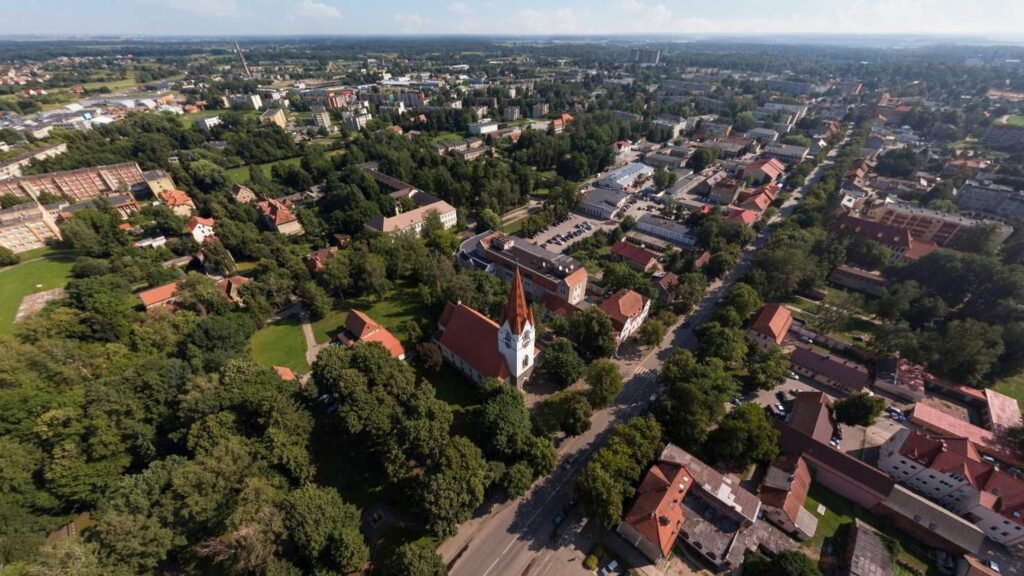
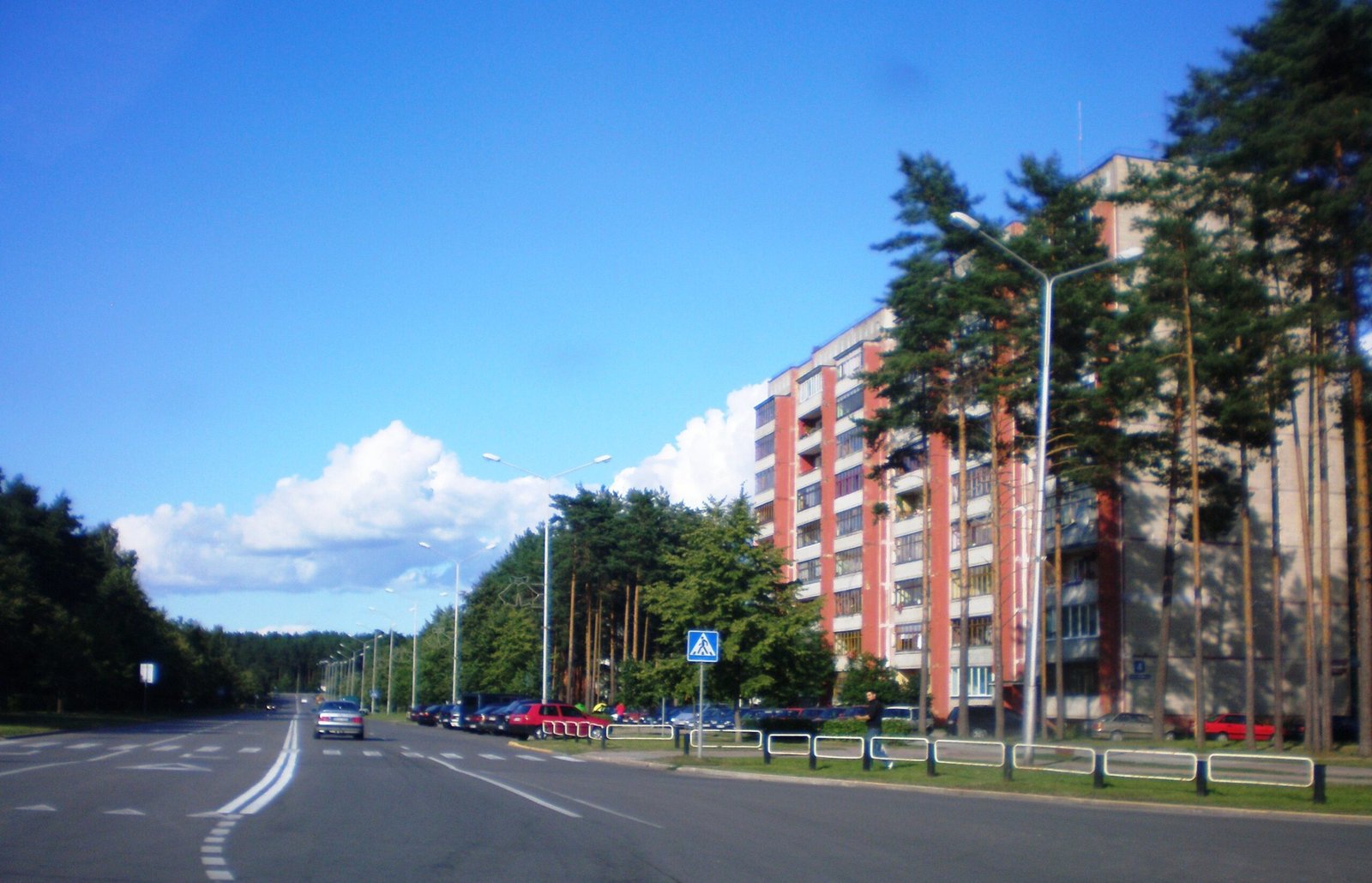
Ukmergė is one of the oldest cities in Lithuania, renowned for its rich historical heritage, architectural landmarks, cultural traditions, and strategic location in central Lithuania. Situated along the banks of the Šventoji River, Ukmergė has served as an important administrative, commercial, and transportation center for centuries.
The city is known for its beautifully preserved historic sites, charming urban landscape, churches, museums, and scenic natural surroundings. Visitors are drawn to Ukmergė by its authentic atmosphere, where centuries-old history blends harmoniously with modern community life.
As one of Lithuania’s oldest settlements, Ukmergė has witnessed many of the country’s most significant historical events. From medieval battles and noble influences to cultural development and modern growth, the city reflects the broader story of Lithuanian history.
Today, Ukmergė continues to thrive as a vibrant regional center while preserving the cultural treasures that make it one of the most fascinating destinations in central Lithuania.
History of Ukmergė
The origins of Ukmergė date back to the 13th century during the era of the Grand Duchy of Lithuania. The city developed around a hillfort that played an important defensive role in protecting the region from foreign invasions.
Throughout the medieval period, Ukmergė became an important trading and administrative center due to its location along major transportation routes. The city received Magdeburg rights in the 18th century, further strengthening its economic and political significance.
One of the most notable events associated with the region was the Battle of Vilkomir, a major conflict that influenced the political future of the Grand Duchy of Lithuania.
Despite periods of war, occupation, and economic challenges, Ukmergė preserved its historical character and remains an important cultural center today.
1. Ukmergė Old Town

Exploring the Historic Heart of the City
The Ukmergė Old Town is one of the city’s most attractive areas and showcases centuries of architectural development.
Visitors can stroll through historic streets lined with traditional buildings, public squares, churches, and cultural landmarks. The district preserves much of its historical character while serving as the city’s social and commercial center.
The Old Town offers an authentic glimpse into Lithuania’s urban heritage.
Its atmosphere reflects the city’s rich historical legacy.
2. Ukmergė Hillfort
The Birthplace of the City
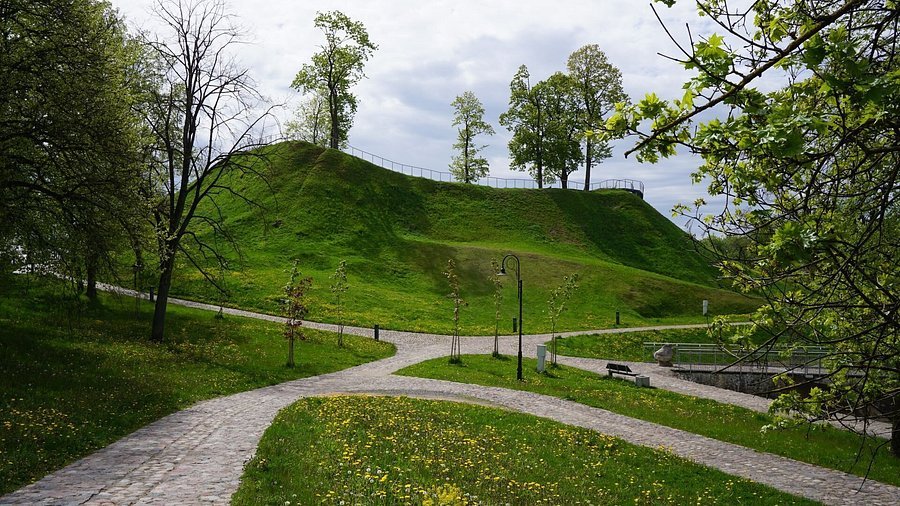
The Ukmergė Hillfort is one of the oldest historical sites in the region.
This ancient defensive settlement played a crucial role during the medieval period and helped establish the foundations of the modern city. Visitors can explore the site while enjoying panoramic views of the surrounding landscape.
The hillfort offers valuable insight into early Lithuanian history.
It remains an important symbol of local identity.
3. Church of St. Peter and St. Paul
A Spiritual Landmark
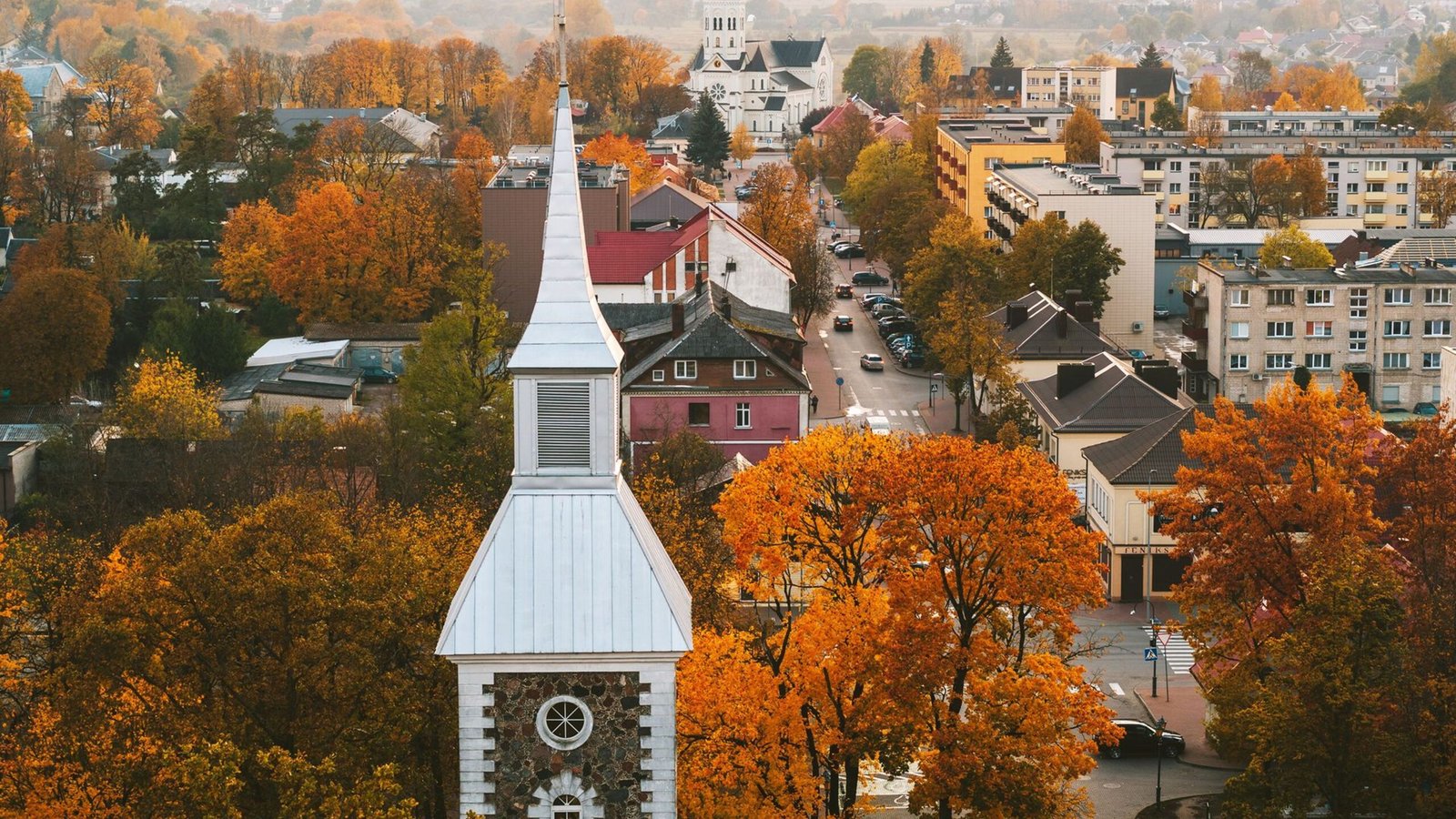
The magnificent Church of St. Peter and St. Paul is one of the city’s most important religious monuments.
Its impressive architecture, beautiful interior, and historical significance attract visitors interested in culture, history, and spirituality.
For generations, the church has played a central role in community life.
It remains one of Ukmergė’s most recognizable landmarks.
4. Ukmergė Regional Museum

Preserving Local Heritage
The Ukmergė Regional Museum provides visitors with a comprehensive overview of the city’s history and cultural development.
Its collections include archaeological finds, historical documents, ethnographic exhibits, photographs, and artifacts from various periods.
Visitors gain a deeper understanding of the people and events that shaped the region.
The museum serves as an important educational institution.
5. Freedom Monument

Honoring National Independence
The Freedom Monument commemorates Lithuania’s struggle for sovereignty and freedom.
The monument serves as a powerful reminder of the sacrifices made by previous generations in defense of national independence.
Visitors often stop to reflect on its historical significance.
The monument remains an important symbol of civic pride.
6. Šventoji River Promenade

The Natural Lifeline of the City
The Šventoji River Promenade offers scenic walking routes through beautiful riverside landscapes.
Visitors can enjoy peaceful views, recreational areas, cycling paths, and opportunities for photography while exploring the natural beauty of the city.
The river has played a vital role in Ukmergė’s development throughout history.
Today, it remains one of the city’s most cherished natural assets.
7. President Antanas Smetona Manor Nearby

Connected to Lithuania’s First President
Near Ukmergė lies the historic Antanas Smetona Manor, associated with Antanas Smetona.
The site offers valuable insight into the life of one of Lithuania’s most influential political leaders and the history of the interwar period.
Visitors interested in national history often include the manor in their itinerary.
It remains a significant cultural landmark.
8. Ukmergė Cultural Center

The Creative Heart of the Community
The Ukmergė Cultural Center hosts concerts, exhibitions, theatrical performances, educational programs, and cultural festivals throughout the year.
The institution plays a major role in preserving local traditions while promoting contemporary artistic expression.
Visitors can experience the vibrant cultural life of the city through its events and activities.
The center remains an important community hub.
9. Pašilė Forest Walking Trails

Exploring the Natural Beauty of the Region
The beautiful Pašilė Forest offers excellent opportunities for hiking, cycling, and nature observation.
Visitors can explore peaceful woodland trails while enjoying fresh air and diverse wildlife habitats.
The forest provides a perfect escape from urban life.
Its scenic landscapes are particularly attractive during autumn.
10. Battle of Vilkomir Memorial Sites

Remembering a Defining Historical Event
Several sites around Ukmergė commemorate the historic Battle of Vilkomir, one of the most important military conflicts in Lithuanian history.
The battle played a decisive role in shaping the political future of the Grand Duchy of Lithuania and remains a significant chapter in national history.
Visitors interested in medieval history often explore these memorial locations.
They provide important context for understanding Lithuania’s historical development.
Related artical : Best place to visit in Tauragė