
Now Reading: Best place to visit in Kretinga
-
01
Best place to visit in Kretinga
Best place to visit in Kretinga

Introduction
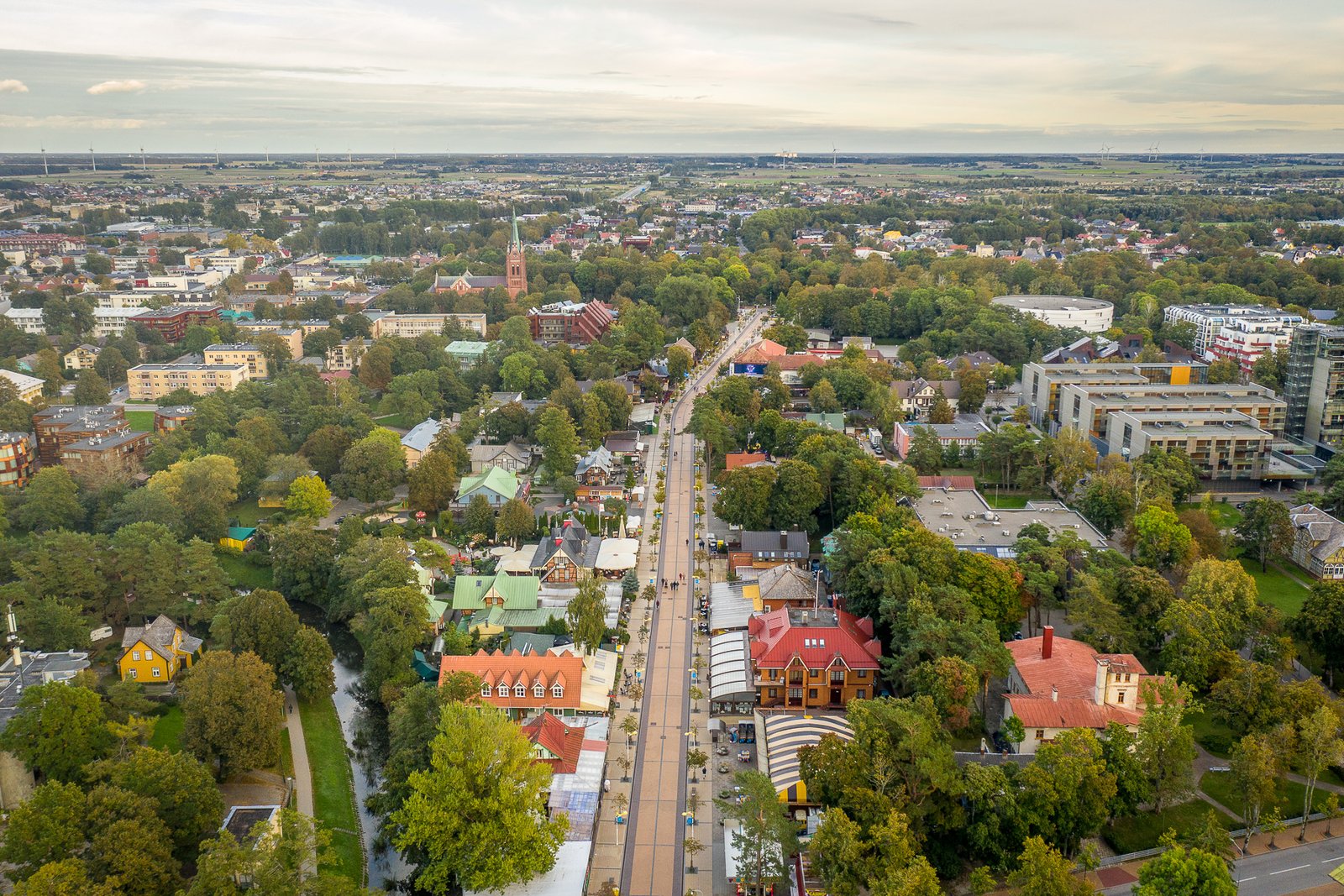
Kretinga is one of the oldest and most historically significant cities in western Lithuania. Located near the Baltic Sea and only a short distance from the popular seaside resort of Palanga, Kretinga serves as an important cultural, religious, and historical center of the Samogitia region.
Known for its magnificent manor estate, historic monastery, beautiful churches, botanical treasures, and rich cultural heritage, Kretinga offers visitors a fascinating blend of history, architecture, and natural beauty. The city has long been a center of education, spirituality, and regional development, attracting travelers interested in discovering Lithuania’s western heritage.
Kretinga is especially admired for its peaceful atmosphere, charming streets, well-preserved historical landmarks, and impressive green spaces. Visitors can explore centuries-old buildings, museums, gardens, and religious sites while enjoying the hospitality of one of Lithuania’s most attractive regional cities.
Today, Kretinga remains a vibrant destination where history, culture, and nature come together in perfect harmony.
History of Kretinga
The history of Kretinga dates back to the medieval period, with written records mentioning the settlement as early as the 13th century. Due to its location along important trade routes connecting inland Lithuania with the Baltic coast, Kretinga gradually developed into a prosperous regional center.
A major turning point came during the 17th century when the influential nobleman Jan Karol Chodkiewicz supported the construction of churches, monasteries, and civic infrastructure. These developments helped transform Kretinga into a significant cultural and religious center.
Throughout the centuries, the city experienced periods of prosperity, conflict, and renewal. Despite wars and political changes, Kretinga preserved much of its historical character and remains one of Lithuania’s most important heritage destinations.
Today, visitors can still see numerous landmarks that reflect the city’s remarkable past.
1. Kretinga Manor Estate

The Jewel of Kretinga
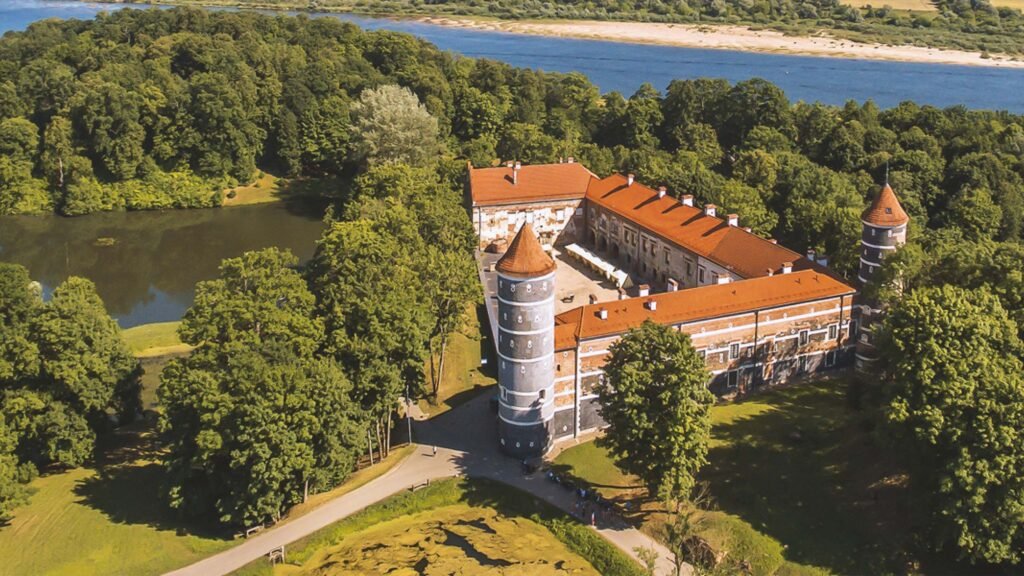
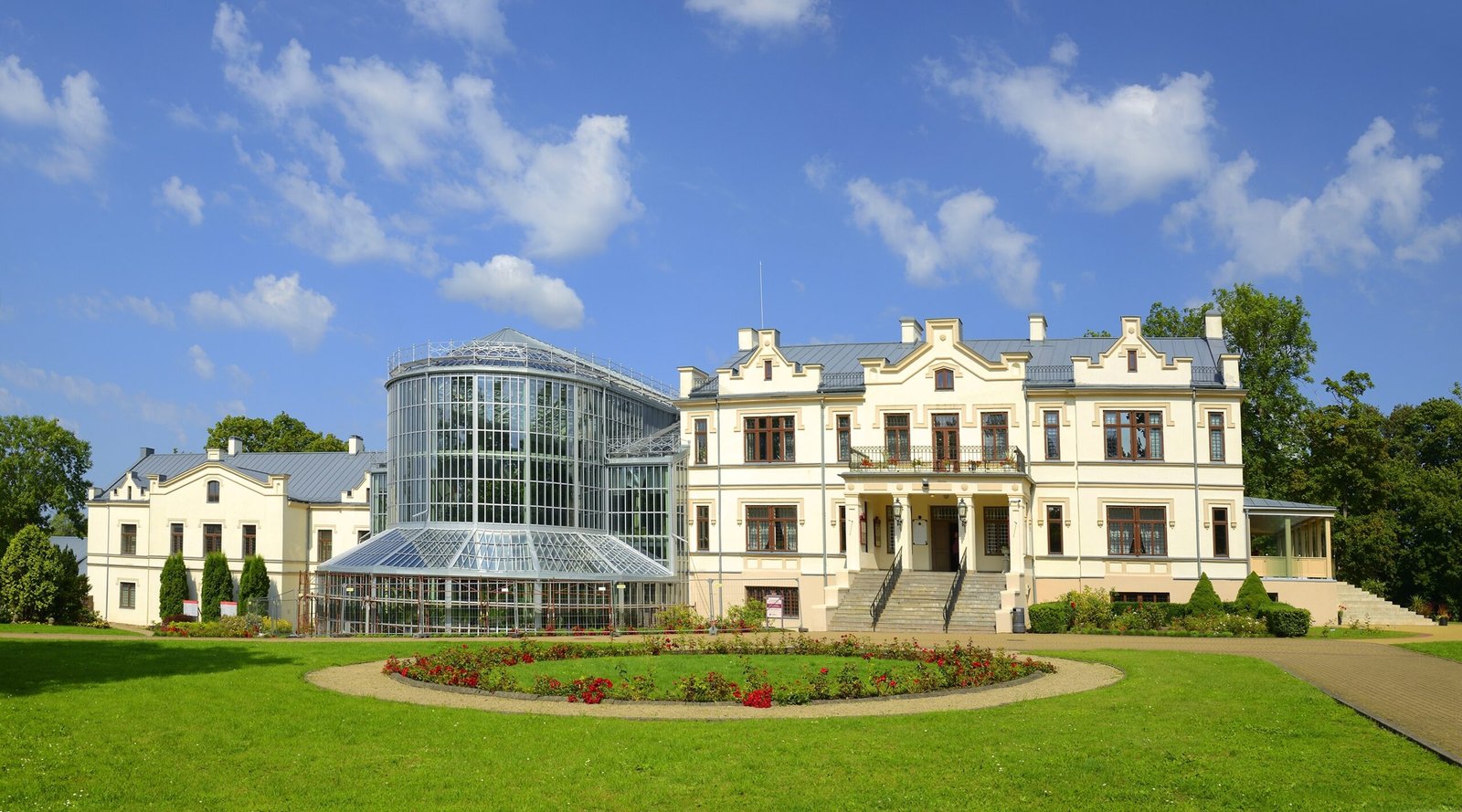
The magnificent Kretinga Manor Estate is the city’s most famous attraction and one of the finest manor complexes in Lithuania.
Originally developed by noble families and later expanded by the Tiškevičius family, the estate features elegant architecture, landscaped gardens, museums, and a remarkable winter garden.
Visitors can explore historical exhibitions while learning about aristocratic life in Lithuania.
The manor remains the symbol of Kretinga’s cultural heritage.
2. Winter Garden Conservatory

A Tropical Oasis in Lithuania
Located within the manor complex, the Winter Garden Conservatory is one of Lithuania’s most unique botanical attractions.
The conservatory houses exotic plants, palm trees, flowers, ponds, and tropical vegetation from around the world. Visitors can enjoy a warm and relaxing environment regardless of the season.
Its beauty attracts thousands of visitors every year.
The conservatory remains one of the city’s most beloved landmarks.
3. Church of the Annunciation to the Blessed Virgin Mary

A Masterpiece of Sacred Architecture
The Church of the Annunciation to the Blessed Virgin Mary is one of the oldest and most important religious buildings in western Lithuania.
Built during the early 17th century, the church features impressive architecture, beautiful interiors, and significant historical importance.
For centuries, it has served as a spiritual center for the region.
Visitors admire both its artistic beauty and historical significance.
4. Franciscan Monastery

A Center of Faith and Education
Adjacent to the church stands the historic Franciscan Monastery, one of Lithuania’s most important Franciscan institutions.
The monastery has played a major role in religious life, education, and community development for several centuries.
Visitors can learn about the Franciscan tradition while exploring the historic complex.
The monastery remains an active spiritual center today.
5. Kretinga Museum

Preserving Regional History
The Kretinga Museum provides visitors with a comprehensive introduction to the city’s history and cultural development.
Its collections include historical artifacts, ethnographic exhibits, photographs, and documents that illustrate life in the region throughout the centuries.
The museum helps preserve and promote local heritage.
It remains an important educational institution.
6. Town Square
The Social Center of the City
The Town Square serves as the heart of community life.
Surrounded by historic buildings, cafés, and local businesses, the square hosts festivals, concerts, markets, and public celebrations throughout the year.
Visitors can experience everyday life in Kretinga while enjoying its welcoming atmosphere.
The square remains a vibrant gathering place.
7. Akmena River Valley

Discovering Natural Beauty
The Akmena River Valley provides beautiful landscapes and outdoor recreational opportunities.
Visitors can enjoy walking trails, scenic viewpoints, wildlife observation, and photography while exploring the river’s natural surroundings.
The valley contributes significantly to the city’s environmental appeal.
It remains a favorite destination for nature lovers.
8. Lourdes Grotto

A Place of Reflection and Prayer
The Lourdes Grotto is an important pilgrimage and spiritual site.
Inspired by the famous grotto in France, it provides a peaceful setting for prayer, meditation, and reflection.
Visitors appreciate its tranquil atmosphere and religious significance.
The site remains an important destination for pilgrims.
9. Tiskevičius Family Heritage Sites

Remembering an Influential Noble Family
The legacy of the Tiškevičius Family is visible throughout Kretinga.
Their investments in architecture, education, landscaping, and community development helped shape the modern city.
Visitors can discover numerous landmarks connected to the family’s contributions.
Their influence remains an important part of Kretinga’s identity.
10. Salantai Regional Park Nearby

Exploring the Countryside of Samogitia
Located near Kretinga, Salantai Regional Park protects beautiful forests, rivers, wetlands, and cultural landmarks.
Visitors can enjoy hiking, cycling, wildlife observation, and exploring traditional Samogitian villages.
The park offers an excellent opportunity to experience the natural beauty of western Lithuania.
Its landscapes attract outdoor enthusiasts throughout the year.
Related artical : Best place to visit in Plungė