
Now Reading: Best place to visit in Lithuania
-
01
Best place to visit in Lithuania
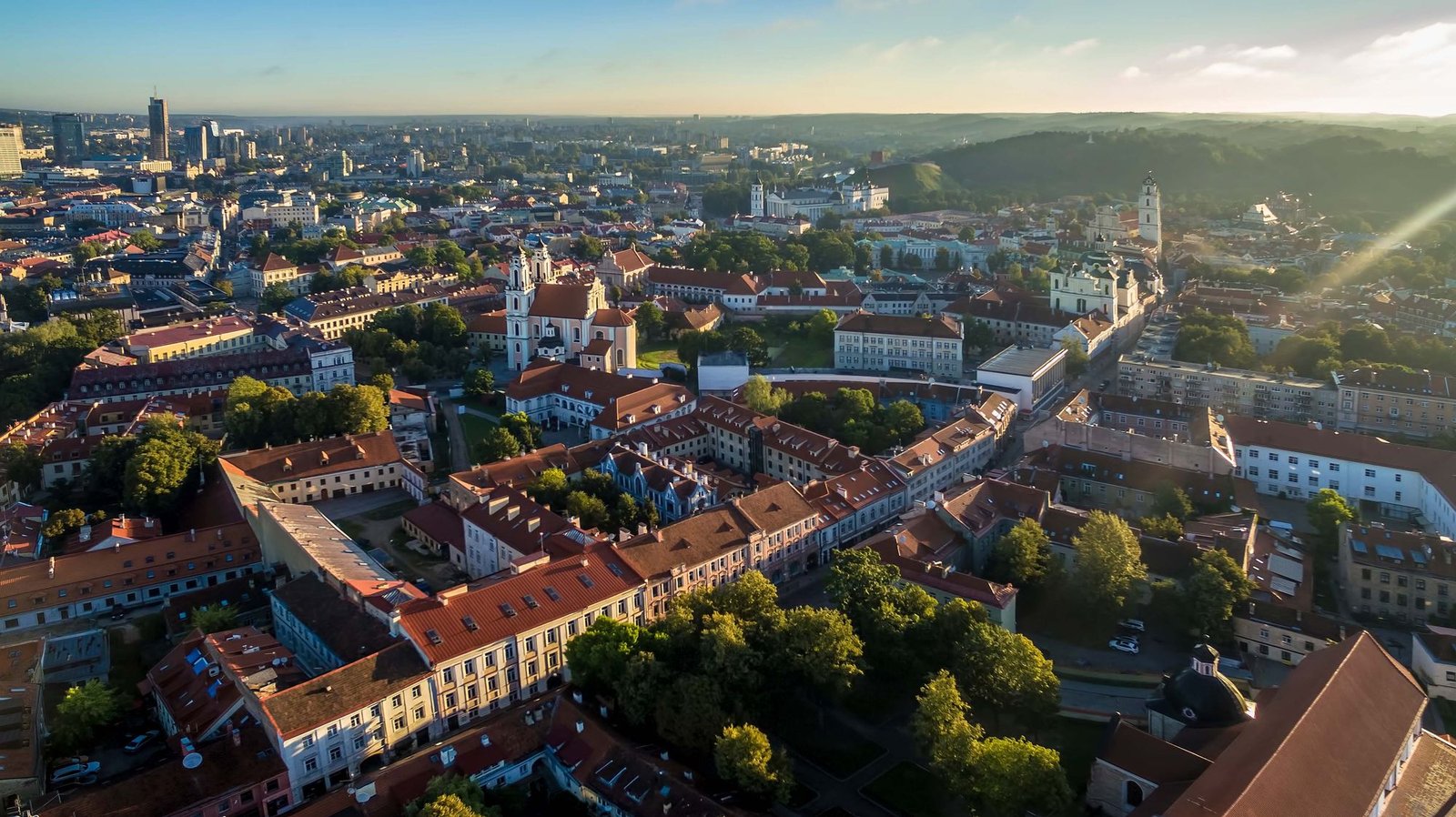
Best place to visit in Lithuania
1. Vilnius Old Town – The Historic Heart of Lithuania

Introduction
The magnificent Vilnius Old Town is one of the largest and best-preserved medieval old towns in Northern Europe. Located in the heart of Vilnius, it serves as the historical, cultural, and architectural center of Lithuania. With its winding cobblestone streets, historic churches, elegant squares, and centuries-old buildings, the Old Town offers visitors a fascinating journey through more than seven hundred years of history.
Recognized as a UNESCO World Heritage Centre World Heritage Site, Vilnius Old Town reflects a unique blend of Gothic, Renaissance, Baroque, and Neoclassical architecture. The district showcases the influences of various cultures, religions, and communities that shaped the city over centuries.
History of Vilnius Old Town
The origins of Vilnius date back to the early 14th century when Grand Duke Gediminas established the city as the capital of the Grand Duchy of Lithuania. Due to its strategic location at the crossroads of trade routes, Vilnius quickly became a major political, economic, and cultural center.
Throughout the centuries, the city welcomed merchants, scholars, craftsmen, and religious communities from across Europe. This diversity contributed to the unique architectural and cultural heritage visible today.
Despite wars, occupations, fires, and political upheavals, Vilnius Old Town preserved much of its historical character. Today it stands as one of Europe’s most remarkable medieval urban landscapes.
Highlights
- Cathedral Square
- Pilies Street
- Gate of Dawn
- St. Anne’s Church
- Vilnius University
- Presidential Palace
- Town Hall Square
Visitors can spend days exploring the historic streets, museums, churches, cafés, and cultural landmarks scattered throughout the district.
2. Gediminas Castle Tower – Symbol of Lithuanian Statehood

Introduction
The iconic Gediminas Castle Tower is one of Lithuania’s most recognizable landmarks and a powerful symbol of national identity. Rising above Vilnius from Castle Hill, the tower offers spectacular panoramic views of the city and serves as a reminder of Lithuania’s medieval heritage.
History
The original castle complex was constructed during the reign of Grand Duke Gediminas in the early 14th century. The fortress played a crucial defensive role in protecting the capital and served as an important political center of the Grand Duchy of Lithuania.
Over time, wars and natural disasters damaged much of the castle complex, leaving the surviving tower as the most visible remnant of the historic fortress.
Today, visitors can explore museum exhibits inside the tower while learning about Lithuania’s medieval history and the development of Vilnius.
Why Visit?
- Spectacular city views
- Historic museum exhibits
- Important national symbol
- Excellent photography location
- Insight into medieval Lithuania
3. Trakai Island Castle – Lithuania’s Fairytale Fortress

Introduction
The stunning Trakai Island Castle is one of the most beautiful castles in Eastern Europe. Situated on an island in Lake Galvė, the castle attracts visitors with its red-brick architecture, scenic surroundings, and rich historical significance.
History
Construction began during the 14th century under Grand Duke Kęstutis and was completed by his son Vytautas the Great.
The castle served as a military stronghold, royal residence, and administrative center. During the height of the Grand Duchy of Lithuania, Trakai was one of the most important political centers in the country.
After centuries of decline, extensive restoration efforts transformed the castle into one of Lithuania’s premier tourist attractions.
Main Attractions
- Historic castle museum
- Medieval architecture
- Lake cruises
- Cultural festivals
- Traditional Karaim heritage
4. Hill of Crosses – Lithuania’s Sacred Pilgrimage Site

Introduction
The extraordinary Hill of Crosses is one of the most unique religious sites in the world. Thousands upon thousands of crosses cover the hill, creating a powerful symbol of faith, hope, and resilience.
History
The origins of the site remain uncertain, but crosses began appearing during the 19th century. Over time, the hill became a symbol of Lithuanian resistance and religious devotion.
During Soviet occupation, authorities repeatedly removed the crosses, yet local people continued replacing them. This persistence transformed the hill into a powerful symbol of national identity and spiritual strength.
Today, pilgrims and visitors from around the world leave crosses at the site.
Why It Is Famous
- Over 100,000 crosses
- Important pilgrimage destination
- Symbol of resistance
- Unique cultural landmark
- Spiritual atmosphere
5. Curonian Spit – Lithuania’s Natural Wonder

Introduction
The breathtaking Curonian Spit is one of Europe’s most remarkable coastal landscapes. This narrow sand peninsula separates the Curonian Lagoon from the Baltic Sea and contains some of the largest moving sand dunes in Europe.
History
For centuries, the Curonian Spit served as home to fishing communities and maritime cultures. Strong winds and shifting sands historically buried entire villages, forcing residents to relocate.
Conservation efforts during the 19th century stabilized the dunes and protected the region’s fragile ecosystem.
Today, the Curonian Spit is recognized as a UNESCO World Heritage Site and one of Lithuania’s greatest natural treasures.
Main Attractions
- Parnidis Dune
- Nida village
- Baltic beaches
- Curonian Lagoon
- Nature reserves
6. Klaipėda Old Town – Lithuania’s Historic Port District

Introduction
The charming Klaipėda Old Town offers a fascinating blend of German, Prussian, and Lithuanian heritage. As Lithuania’s only seaport, Klaipėda has played a vital role in trade and maritime history for centuries.
History
Founded by the Teutonic Order during the 13th century, the city developed as an important Baltic trading center.
Its unique architecture reflects centuries of German influence, making it distinct from other Lithuanian cities.
Today, visitors enjoy exploring historic streets, public squares, sculptures, museums, and waterfront attractions.
7. Palanga Beach – Lithuania’s Summer Paradise

Introduction
The beautiful Palanga Beach is Lithuania’s most famous seaside destination. Stretching along the Baltic Sea coast, it attracts millions of visitors every year.
History
Palanga developed as a resort town during the 19th century when the noble Tiškevičius Family invested heavily in tourism infrastructure.
Since then, Palanga has become the country’s premier holiday destination, known for its beaches, pier, nightlife, and cultural attractions.
Activities
- Swimming
- Sunbathing
- Beach sports
- Cycling
- Sunset walks
8. Amber Museum – Home of Baltic Gold

Introduction
The world-famous Palanga Amber Museum houses one of the largest collections of Baltic amber in existence.
History
Located inside the elegant Tiškevičius Palace, the museum was established to preserve and showcase Lithuania’s amber heritage.
The collection contains thousands of amber specimens, including rare inclusions containing prehistoric insects and plants.
Highlights
- Ancient amber artifacts
- Scientific exhibits
- Jewelry collections
- Historic palace interiors
- Botanical park surroundings
9. Kaunas Castle – Medieval Guardian of Lithuania

Introduction
The impressive Kaunas Castle is one of Lithuania’s oldest stone castles and one of the country’s most important medieval landmarks.
History
Constructed during the 14th century, the castle played a crucial role in defending Lithuania against attacks from the Teutonic Order.
Its strategic position at the confluence of two major rivers made it a key military stronghold during medieval times.
Today, visitors can explore museum exhibits, historic towers, and archaeological remains.
Why Visit?
- Medieval architecture
- Historical exhibitions
- River views
- Cultural events
- Important national monument
10. Ninth Fort – A Powerful Historical Memorial

Introduction
The solemn Ninth Fort is one of Lithuania’s most significant historical memorial sites. It serves as a reminder of some of the darkest chapters in European history.
History
Originally constructed in the late 19th century as part of the Kaunas Fortress defensive system, the fort later became a prison and detention facility.
During the Second World War, the site was used by Nazi forces for mass executions, making it one of Lithuania’s most important Holocaust memorial locations.
Today, the museum and memorial complex educate visitors about war, occupation, human rights, and remembrance.
What Visitors Can Explore
- Historical museum exhibits
- Underground fortifications
- Memorial monuments
- Holocaust remembrance sites
- Educational programs
11. Aukštaitija National Park – Lithuania’s Oldest National Park

Introduction
The magnificent Aukštaitija National Park is the oldest national park in Lithuania and one of the country’s most treasured natural destinations. Established in 1974, the park protects a stunning landscape of forests, lakes, rivers, hills, and traditional villages in northeastern Lithuania.
Covering hundreds of square kilometers, the park is famous for its crystal-clear lakes, rich biodiversity, cultural heritage, and outdoor recreational opportunities. Visitors can explore untouched nature while discovering traditional Lithuanian rural life that has remained largely unchanged for centuries.
History
The region has been inhabited for thousands of years, with archaeological evidence showing human settlements dating back to prehistoric times. Throughout history, local communities lived in harmony with nature, developing unique traditions closely connected to the forests and lakes.
Recognizing the area’s ecological and cultural importance, Lithuanian authorities established the national park to preserve its landscapes, wildlife, and heritage.
Today, Aukštaitija National Park remains one of Lithuania’s premier eco-tourism destinations.
Main Attractions
- Lake Tauragnas
- Ginučiai Watermill
- Ladakalnis Hill
- Traditional villages
- Forest hiking trails
- Canoeing routes
12. Druskininkai Resort – Lithuania’s Wellness Capital

Introduction
Druskininkai is Lithuania’s most famous spa and wellness destination. Located among forests and rivers in southern Lithuania, the resort town has attracted visitors seeking relaxation and healing treatments for more than two centuries.
Known for its mineral springs, therapeutic mud treatments, luxury wellness centers, and beautiful natural surroundings, Druskininkai is one of the Baltic region’s leading health tourism destinations.
History
The healing properties of local mineral springs became widely recognized during the late 18th century. In 1794, Druskininkai was officially designated as a health resort, beginning its transformation into a world-class wellness destination.
Throughout the 19th century, aristocrats, artists, scholars, and travelers visited the town to benefit from its natural therapies. Modern wellness centers continue this tradition today.
Why Visit?
- Mineral water treatments
- Luxury spas
- Snow Arena
- Aquapark
- Scenic parks
- Cultural attractions
13. Grūtas Park – Lithuania’s Open-Air Soviet History Museum
Introduction
The unique Grūtas Park is one of Lithuania’s most unusual museums. Often called “Stalin World,” the park preserves Soviet-era monuments, sculptures, and historical artifacts that were removed after Lithuania regained independence.
History
Following the collapse of the Soviet Union in 1991, numerous statues and monuments associated with communist leaders were dismantled across Lithuania. Rather than destroying these historical objects, they were collected and preserved in Grūtas Park.
Today, visitors can explore exhibits documenting Soviet occupation, political propaganda, and daily life during the communist era.
Highlights
- Soviet leader statues
- Historical exhibitions
- Open-air museum
- Educational displays
- Cultural history exhibits
14. Devil’s Museum – One of the World’s Most Unique Museums

Introduction
The fascinating Devil’s Museum houses one of the largest collections of devil-themed artwork and sculptures in the world.
Located in Kaunas, the museum attracts visitors with its unusual exhibits, cultural stories, and artistic creativity.
History
The museum originated from the personal collection of Lithuanian artist Antanas Žmuidzinavičius, who began collecting devil figurines and artworks during the early 20th century.
Over time, the collection expanded significantly and became a public museum featuring thousands of exhibits from Lithuania and around the world.
Museum Highlights
- Devil sculptures
- Folk art collections
- International exhibits
- Mythology displays
- Cultural folklore
15. Kernavė Archaeological Site – Lithuania’s Ancient Capital

Introduction
The remarkable Kernavė Archaeological Site is one of Lithuania’s most important historical landmarks and a UNESCO World Heritage Site.
Often referred to as Lithuania’s first capital, Kernavė preserves evidence of human settlement spanning more than 10,000 years.
History
Kernavė flourished during the medieval period and served as an important political center before Vilnius became the capital. The area contains five impressive hillforts overlooking the Neris River valley.
Archaeological excavations have uncovered artifacts that provide valuable insight into early Lithuanian civilization and medieval life.
Main Attractions
- Five hillforts
- Archaeological museum
- Medieval festival
- Neris Valley viewpoints
- Ancient settlement remains
16. Pažaislis Monastery – Baroque Masterpiece of Lithuania

Introduction
The magnificent Pažaislis Monastery is widely regarded as the finest example of Baroque architecture in Lithuania.
Located near Kaunas Reservoir, the monastery complex is famous for its elegant design, artistic decoration, and spiritual significance.
History
Construction began during the 17th century under the patronage of Kristupas Zigmantas Pacas. Italian architects and artists contributed to the creation of one of the most impressive religious complexes in Northern Europe.
Despite wars and occupations, the monastery has survived and remains one of Lithuania’s greatest architectural treasures.
Highlights
- Baroque architecture
- Frescoes and artworks
- Peaceful gardens
- Religious heritage
- Music festivals
17. Nemunas Delta Regional Park – Lithuania’s Birdwatching Paradise

Introduction
The spectacular Nemunas Delta Regional Park protects one of Europe’s most important wetland ecosystems.
Located near Šilutė, the delta is famous for its rivers, islands, floodplains, and extraordinary birdlife.
History
For centuries, communities living within the delta depended on fishing, agriculture, and river transportation. The region’s ecological significance led to the establishment of protected areas aimed at preserving biodiversity and cultural traditions.
Today, the park is internationally recognized for bird conservation.
Popular Activities
- Birdwatching
- Boat tours
- Nature photography
- Fishing
- Cycling routes
18. Anykščiai Treetop Walking Path – Above the Forest Canopy

Introduction
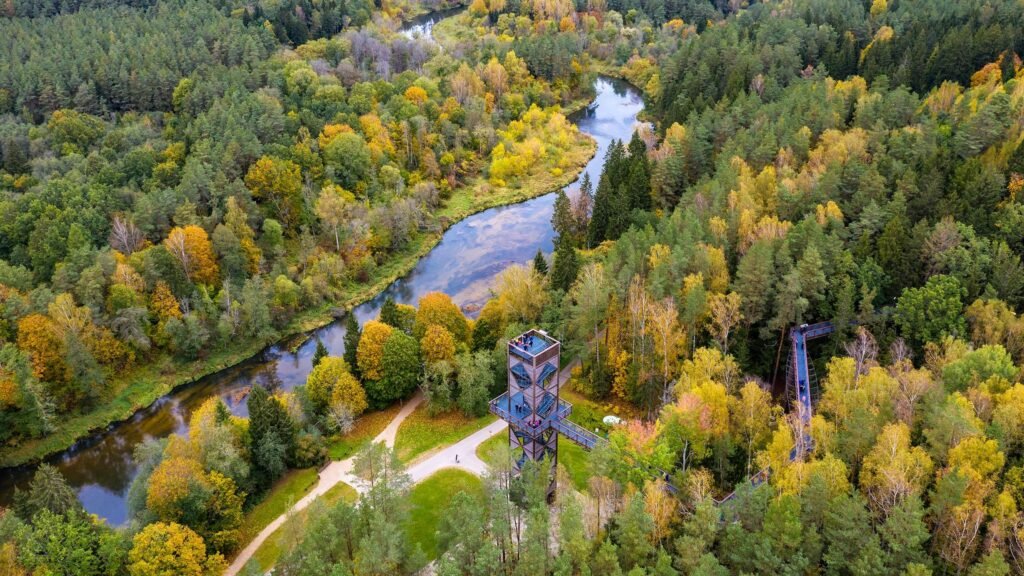
The spectacular Anykščiai Treetop Walking Path offers one of the most unique nature experiences in the Baltic region.
The elevated walkway allows visitors to stroll through the forest canopy while enjoying breathtaking views of trees, valleys, and surrounding landscapes.
History
Opened in 2015, the attraction quickly became one of Lithuania’s most visited tourism destinations. Designed to promote environmental awareness and sustainable tourism, the walkway provides a rare opportunity to observe forest ecosystems from above.
Attractions
- Elevated wooden walkway
- Observation tower
- Forest views
- Nature trails
- Photography opportunities
19. Museum of Occupations and Freedom Fights – Witness to Lithuania’s Struggles

Introduction
The powerful Museum of Occupations and Freedom Fights is one of the country’s most important historical museums.
Often known as the KGB Museum, it documents the occupations of Lithuania by Nazi Germany and the Soviet Union, as well as the resistance movements that fought for independence.
History
The museum is located in the former headquarters of the Soviet KGB. During Soviet rule, the building served as a center for interrogations, imprisonment, and political repression.
Today, the museum preserves this difficult history and honors those who struggled for freedom.
What Visitors Learn
- Soviet occupation
- Lithuanian resistance
- Political repression
- Independence movement
- Human rights history
20. Birštonas Spa Town – Lithuania’s Peaceful Wellness Retreat

Introduction
Birštonas is one of the most beautiful spa towns in the Baltic region, famous for its healing mineral waters, scenic river landscapes, and peaceful atmosphere.
Located within the picturesque loops of the Nemunas River, Birštonas attracts visitors seeking relaxation, health treatments, and nature experiences.
History
The town’s mineral springs have been known for centuries, but Birštonas gained prominence as a spa resort during the 19th century. Wealthy visitors and health travelers came to experience the therapeutic benefits of its mineral waters and clean environment.
Modern wellness centers continue this tradition while offering state-of-the-art facilities and luxury spa experiences.
Top Attractions
- Mineral water pavilion
- Observation tower
- Wellness centers
- Nemunas River promenade
- Regional parks
Related artical : Best place to visit in Jurbarkas