
Now Reading: Best place to visit in Belo sur Tsiribihina
-
01
Best place to visit in Belo sur Tsiribihina
Best place to visit in Belo sur Tsiribihina

Introduction
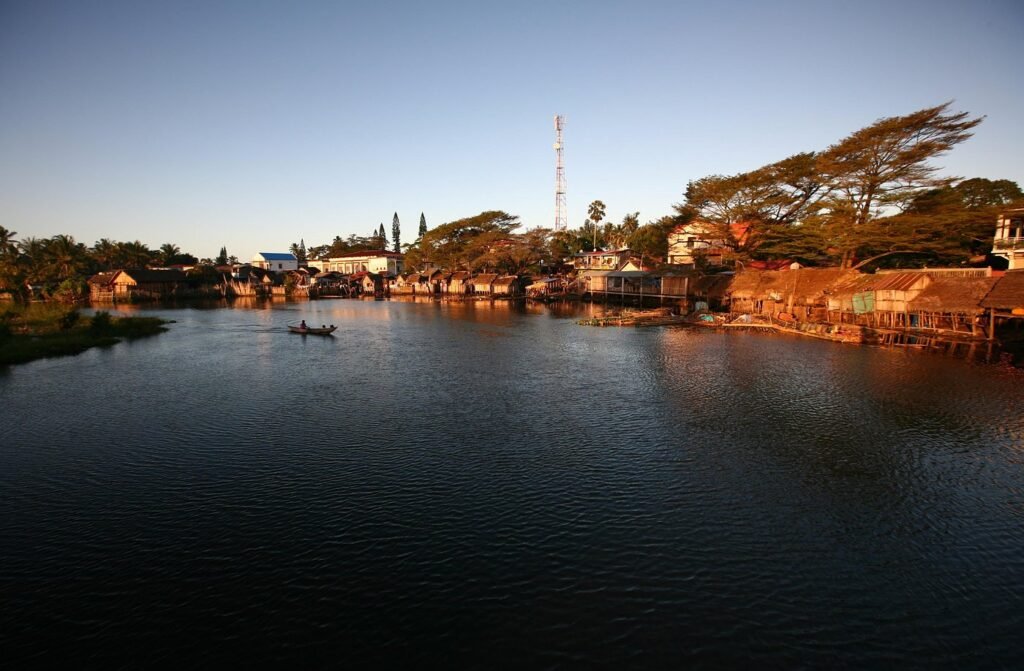
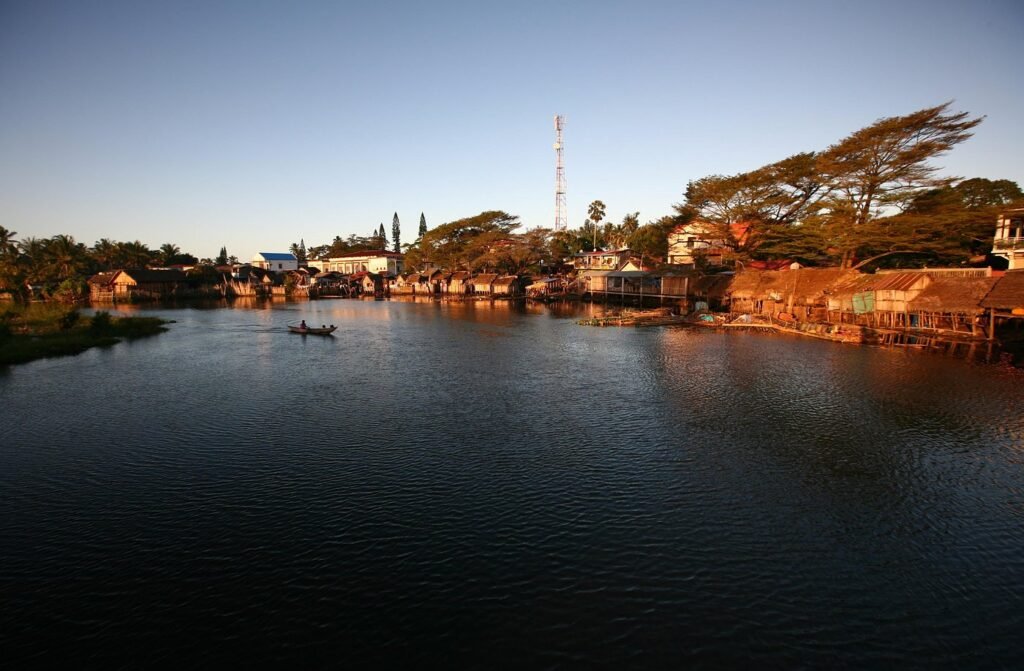
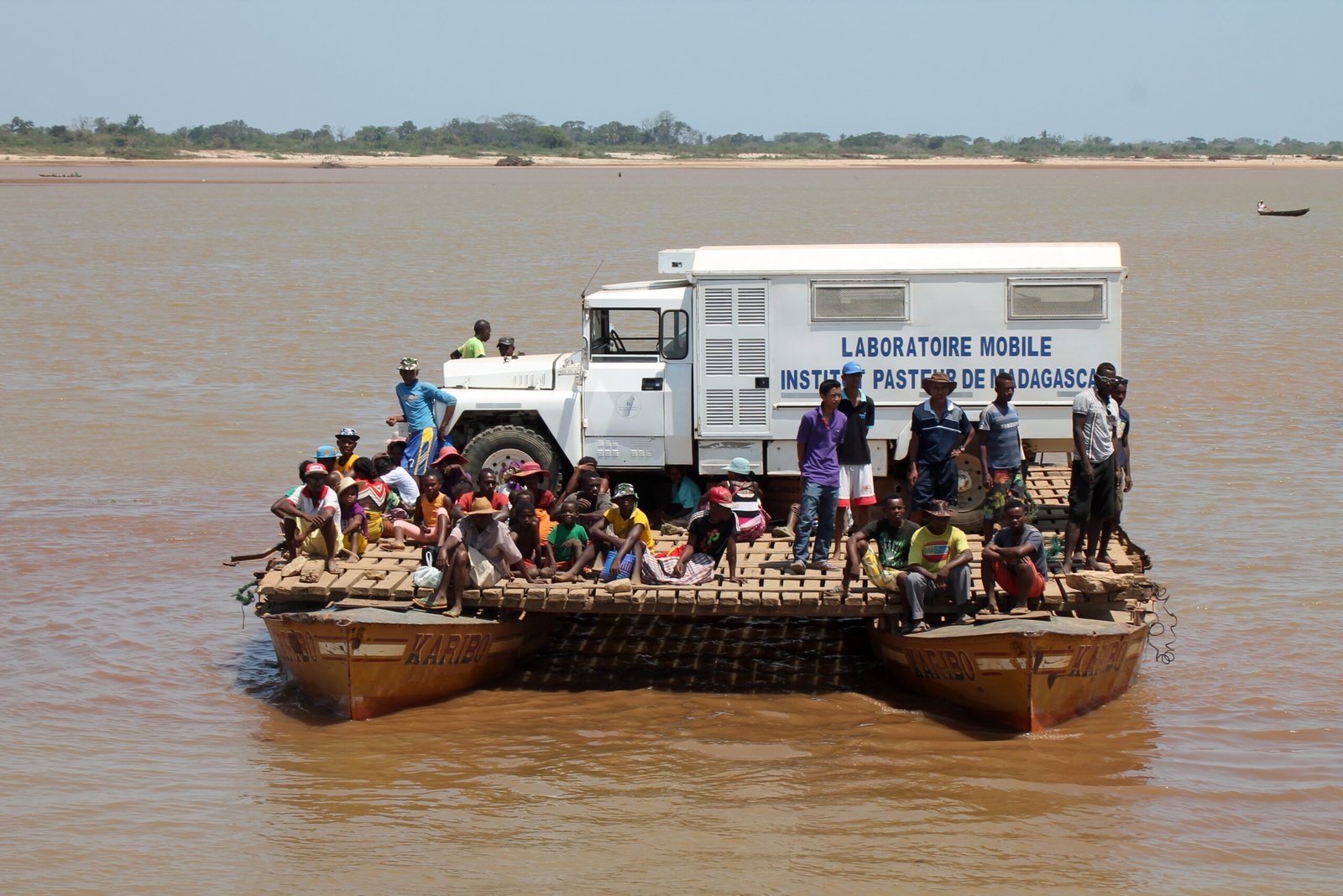
Belo-sur-Tsiribihina is a charming riverside town located in western Madagascar, along the banks of the mighty Tsiribihina River. Although relatively small, Belo-sur-Tsiribihina serves as one of Madagascar’s most important gateways to some of the island’s most spectacular natural attractions, including the famous Tsingy de Bemaraha National Park, the Avenue of the Baobabs, and the remote wilderness of western Madagascar.
Historically, the town developed as a trading and transportation hub due to its strategic location on the Tsiribihina River. Today, it remains an essential stop for travelers exploring Madagascar’s western regions and serves as a starting point for river cruises, wildlife expeditions, and cultural tours.
Surrounded by vast savannas, baobab forests, rivers, and traditional villages, Belo-sur-Tsiribihina offers visitors a unique opportunity to experience the untamed beauty and authentic culture of western Madagascar.
Whether cruising down the river, exploring dramatic limestone formations, or discovering local traditions, visitors will find Belo-sur-Tsiribihina to be one of Madagascar’s most fascinating adventure destinations.
1. Tsiribihina River

The Lifeline of Western Madagascar
The magnificent Tsiribihina River is the region’s most famous natural attraction and one of the most scenic waterways in the country.
Flowing through dramatic landscapes, the river passes sandstone cliffs, waterfalls, forests, and traditional villages. Multi-day river cruises allow visitors to experience breathtaking scenery while observing wildlife such as lemurs, crocodiles, birds, and turtles.
The river has served as an important transportation route for centuries and remains central to life in the region.
A journey along the Tsiribihina is considered one of Madagascar’s greatest travel experiences.
2. Tsingy de Bemaraha National Park

Madagascar’s Most Extraordinary Landscape
The world-famous Tsingy de Bemaraha National Park is a UNESCO World Heritage Site and one of the country’s most spectacular attractions.
The park is renowned for its towering limestone pinnacles known as tsingy, which form a dramatic stone forest unlike anything else on Earth. Visitors can explore suspension bridges, caves, canyons, and hiking trails while observing unique wildlife.
The extraordinary geological formations were created over millions of years through erosion and tectonic activity.
It remains one of Madagascar’s most iconic natural wonders.
3. Avenue of the Baobabs

The Most Famous Road in Madagascar
The legendary Avenue of the Baobabs lies within reach of Belo-sur-Tsiribihina and is one of the most photographed locations in Africa.
Ancient baobab trees line a dusty road, creating a stunning landscape that has become a symbol of Madagascar. Many of these trees are estimated to be several centuries old.
Visitors often arrive at sunrise or sunset to witness the spectacular colors illuminating the giant trunks.
The avenue offers one of the most unforgettable sights in Madagascar.
4. Anosin’Ampela Waterfall

A Refreshing Natural Oasis
The beautiful Anosin’Ampela Waterfall is a popular stop during river expeditions.
Surrounded by lush vegetation and dramatic rock formations, the waterfall provides visitors with opportunities to swim, relax, and enjoy the peaceful natural environment.
The site offers a refreshing contrast to the dry landscapes of western Madagascar.
Its scenic beauty makes it one of the highlights of a Tsiribihina River journey.
5. Traditional Sakalava Villages

Discovering Local Culture
The surrounding Traditional Sakalava Villages offer visitors authentic cultural experiences.
Residents maintain customs and traditions that have been passed down through generations, including music, dance, agriculture, and spiritual practices.
Visitors can learn about daily life, traditional architecture, and local customs while interacting with community members.
These villages preserve an important part of Madagascar’s cultural heritage.
6. Wildlife Observation Along the River

Encounter Madagascar’s Unique Fauna
The ecosystems surrounding the Tsiribihina River Wildlife Area support a remarkable variety of species.
Visitors may encounter lemurs, crocodiles, chameleons, turtles, bats, and numerous bird species while traveling along the river.
Wildlife observation is particularly rewarding during guided river excursions.
The area provides excellent opportunities for nature photography and ecotourism.
7. Belo-sur-Tsiribihina Market

The Center of Community Life
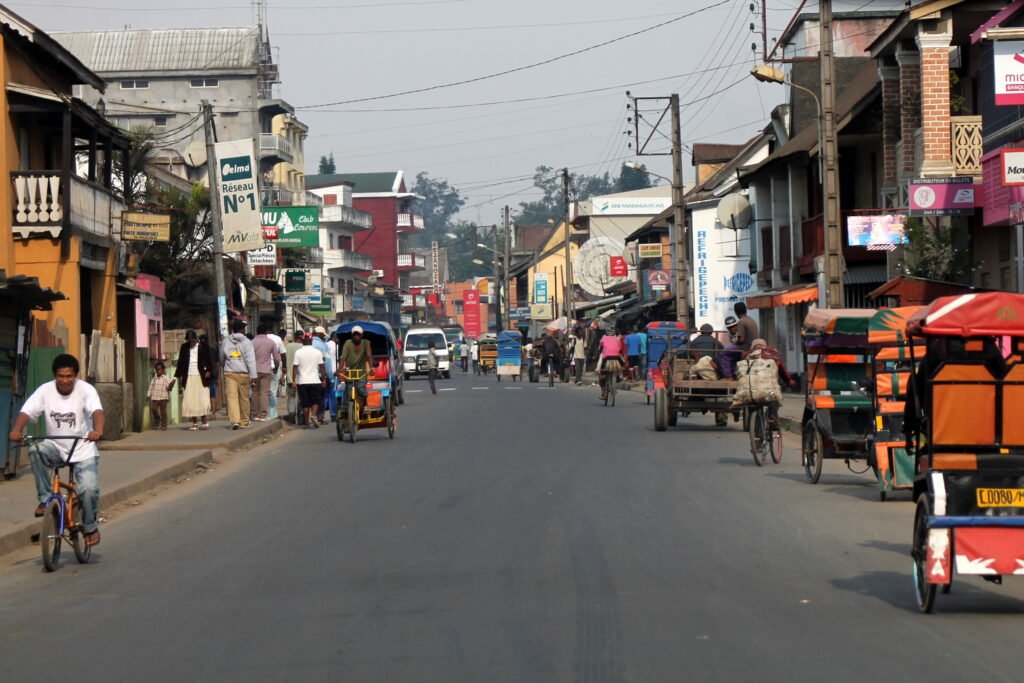
The lively Belo-sur-Tsiribihina Market is one of the best places to experience local culture.
Visitors can browse stalls selling fresh produce, spices, seafood, textiles, handicrafts, and traditional Malagasy products.
The market serves as an important economic and social gathering place.
Its vibrant atmosphere reflects the everyday life of western Madagascar.
8. Baobab Forests of Menabe

Exploring Madagascar’s Legendary Trees
The surrounding Menabe Baobab Forests contain some of the island’s most impressive baobab populations.
Visitors can explore landscapes dominated by these iconic trees while learning about their ecological and cultural significance.
The forests provide spectacular opportunities for photography and nature exploration.
They represent one of Madagascar’s most distinctive ecosystems.
9. River Camping Experiences

Sleeping Under the Stars
Many travelers enjoy Tsiribihina River Camping during multi-day river expeditions.
Campsites along sandy riverbanks provide opportunities to experience Madagascar’s wilderness while enjoying spectacular sunsets and clear night skies.
The experience combines adventure, nature, and cultural interaction.
It remains one of the most memorable activities in the region.
10. Scenic Western Madagascar Landscapes

A Land of Untamed Beauty
The region surrounding Belo-sur-Tsiribihina features some of Madagascar’s most dramatic and diverse scenery.
Visitors encounter rivers, savannas, baobab forests, limestone formations, and remote villages while exploring this vast wilderness.
The landscapes reveal a side of Madagascar that remains largely untouched by modern development.
They provide endless opportunities for adventure and discovery.
Related artical : Best place to visit in Fort Dauphin