
Now Reading: Best place to visit in Phalombe
-
01
Best place to visit in Phalombe
Best place to visit in Phalombe
1. Mount Mulanje Eastern Slopes

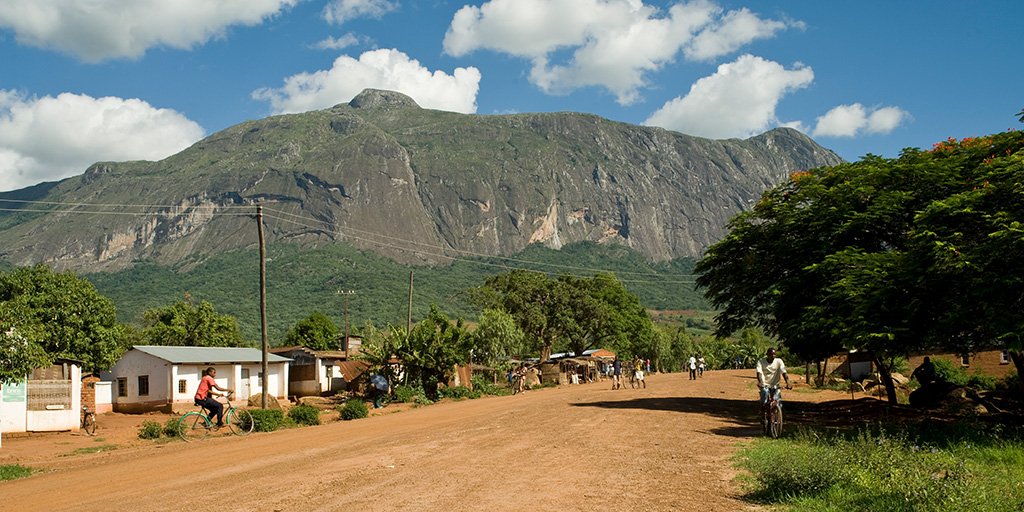
The eastern slopes of Mount Mulanje are the most spectacular attraction in Phalombe District. Towering above the surrounding plains, these magnificent granite mountains create one of the most dramatic landscapes in Malawi. The area is characterized by steep cliffs, dense forests, waterfalls, streams, and breathtaking viewpoints that attract nature lovers and photographers from across the world.
Visitors can enjoy hiking through scenic trails while admiring panoramic views of valleys, rivers, and traditional villages below. The mountain environment supports unique plant species, wildlife, and cool temperatures that provide a refreshing contrast to the warmer lowlands. The combination of natural beauty, biodiversity, and adventure opportunities makes the eastern slopes of Mount Mulanje one of the most rewarding destinations in Phalombe.
2. Migowi Highlands

The Migowi Highlands offer some of the most beautiful scenery in the district. Rolling hills, fertile valleys, and cool mountain air create an attractive environment for both residents and visitors. The region is known for its agricultural productivity and spectacular natural landscapes.
Travelers exploring the highlands can enjoy scenic drives, hiking opportunities, and interactions with local farming communities. The area’s elevated viewpoints provide stunning panoramas that showcase the beauty of southern Malawi’s countryside.
3. Phalombe Plain

The Phalombe Plain is one of Malawi’s most important agricultural regions and a defining feature of the district. Stretching across vast areas beneath Mount Mulanje, the plain supports farming communities that cultivate maize, rice, beans, and various other crops.
Visitors can experience authentic rural life while exploring picturesque landscapes filled with fields, rivers, and traditional villages. The fertile plain plays a vital role in the local economy and offers insight into the agricultural traditions that sustain the region.
4. Thuchila River

The Thuchila River originates from Mount Mulanje and flows through the Phalombe district, creating fertile valleys and beautiful natural scenery. The river serves as an important source of water for agriculture, wildlife, and local communities.
Visitors can enjoy peaceful riverside environments, birdwatching opportunities, and scenic views of the surrounding countryside. The river’s importance to the region’s economy and ecosystem makes it one of Phalombe’s most significant natural features.
5. Traditional Lomwe Villages

Phalombe is home to many Lomwe communities whose customs and traditions have shaped the cultural identity of the district. Traditional villages offer visitors opportunities to learn about local lifestyles, ceremonies, music, dance, and agricultural practices.
Interactions with local residents provide meaningful cultural experiences and valuable insights into the heritage of southern Malawi. The hospitality and strong community traditions of the Lomwe people make these visits especially memorable.
6. Nambazo Forest Area

The forested areas surrounding parts of Phalombe contribute significantly to the district’s biodiversity and environmental health. These woodlands provide habitat for birds, insects, and small mammals while helping protect watersheds and prevent soil erosion.
Visitors can enjoy nature walks and opportunities to observe native plant species in peaceful natural settings. The forests offer a refreshing escape and highlight the ecological diversity of the region.
7. Phalombe Market

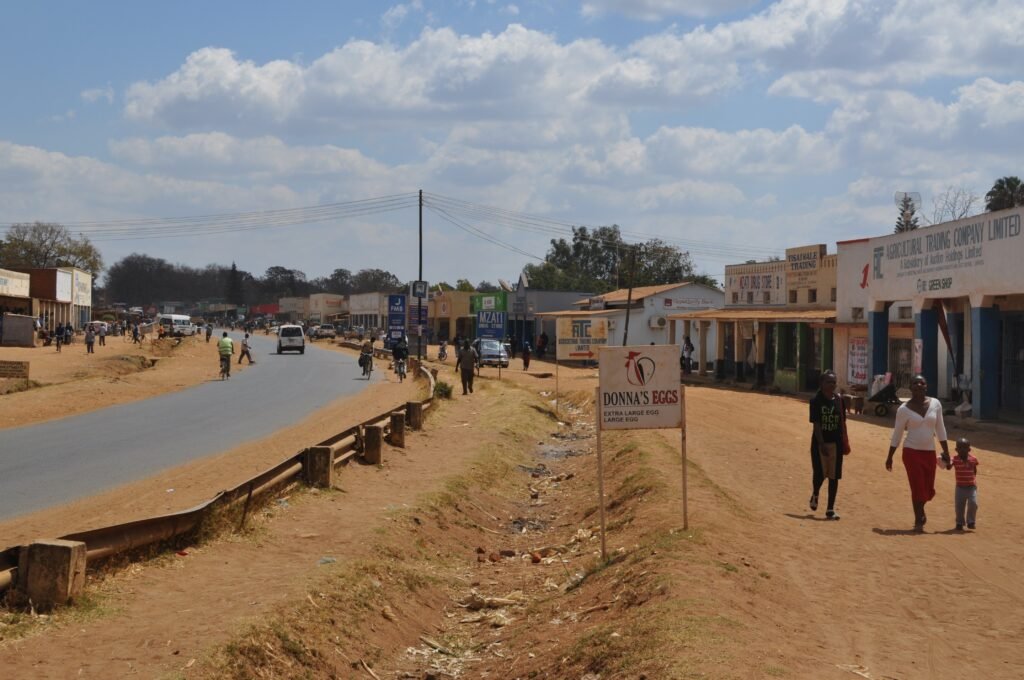
Phalombe Market serves as the commercial center of the district and provides visitors with an authentic glimpse into local life. Farmers and traders gather to sell fresh produce, grains, textiles, livestock, household goods, and handmade crafts.
The market’s vibrant atmosphere allows visitors to interact with local residents and experience the economic and social activities that define daily life in the district. It is also an excellent place to observe local traditions and purchase regional products.
8. Mulanje-Phalombe Scenic Route
The scenic route connecting Mulanje and Phalombe offers some of the most beautiful road-trip experiences in Malawi. Travelers pass through dramatic mountain landscapes, fertile plains, rivers, forests, and traditional villages while enjoying continuous views of Mount Mulanje
The journey itself becomes an attraction, providing countless opportunities for photography and sightseeing. The route showcases the diverse natural beauty that makes southern Malawi such a rewarding travel destination.
9. Mikoko Hills

The Mikoko Hills offer visitors a chance to explore lesser-known but highly scenic landscapes within the district. Characterized by rocky terrain, grasslands, and impressive viewpoints, the hills provide excellent opportunities for hiking and nature photography.
Visitors can enjoy peaceful surroundings while admiring panoramic views of the Phalombe Plain and Mount Mulanje in the distance. The area’s natural beauty makes it an attractive destination for outdoor enthusiasts.
10. Cross-Border Cultural Region

Phalombe’s proximity to Mozambique has created a fascinating cultural landscape influenced by centuries of interaction between communities on both sides of the border. The region reflects a blend of traditions, languages, agricultural practices, and cultural customs that contribute to its unique identity.
Visitors can learn about cross-border trade, community relationships, and the shared heritage that links neighboring populations. This cultural diversity adds another layer of interest to Phalombe and enriches the travel experience for those exploring the district.
Related artical : Best place to visit in Machinga