
Now Reading: Best place to visit in San
-
01
Best place to visit in San
Best place to visit in San
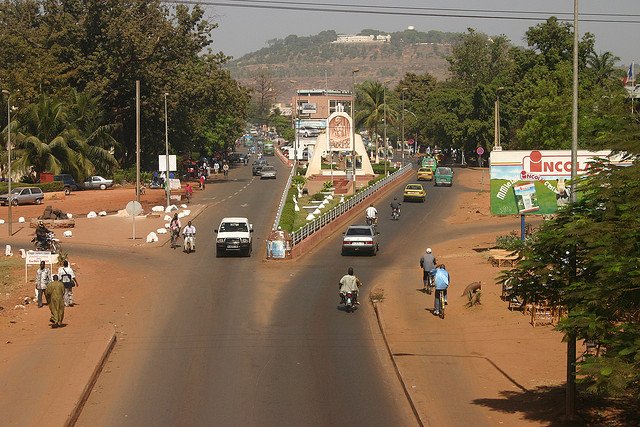
San is a charming city in southeastern Mali, located in the Ségou Region. Often referred to as the “Crossroads of the Minianka Country,” San is known for its rich cultural heritage, traditional architecture, lively markets, and surrounding rural landscapes. The city serves as an important commercial and agricultural center while preserving the customs and traditions of the Minianka people. Visitors can experience authentic Malian culture through colorful markets, cultural festivals, artisan workshops, historic mosques, and nearby villages that showcase centuries-old traditions.
Below are the top tourist attractions to visit in San.
1. San Great Mosque

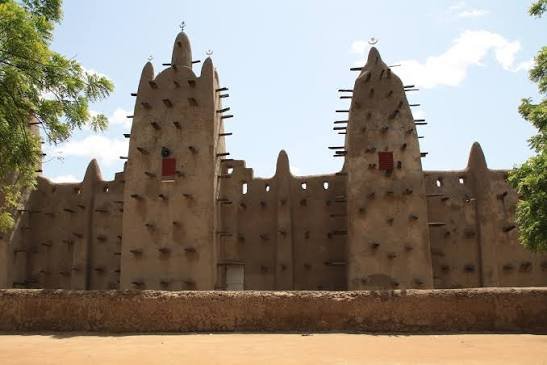
The Great Mosque of San is one of the city’s most recognizable landmarks and an outstanding example of traditional Sudano-Sahelian architecture. Built using mud bricks and reinforced with wooden beams, the mosque reflects centuries of Islamic architectural traditions that remain an important part of Mali’s cultural identity.
Visitors can admire the impressive façade, observe the peaceful surroundings, and learn about the religious significance of the mosque within the local community. Its timeless design and cultural importance make it one of the most photographed landmarks in San.
Discover Traditional Islamic Architecture
Visitors can appreciate the craftsmanship of traditional mud-brick construction while learning about the religious heritage that has shaped San for generations.
2. San Central Market


San Central Market is the commercial heart of the city, where traders from nearby villages gather to sell fresh produce, grains, spices, livestock, handmade textiles, pottery, leather goods, jewelry, and traditional handicrafts. The lively atmosphere offers visitors an authentic glimpse into daily life in southern Mali.
Visitors can browse colorful stalls, meet friendly vendors, sample local specialties, and purchase handmade souvenirs while experiencing the vibrant culture of the region.
Experience Authentic Market Life
The market provides an excellent opportunity to interact with local residents and discover traditional products that reflect the heritage of the Minianka region.
3. Minianka Cultural Villages
The villages surrounding San preserve the customs, architecture, music, and traditions of the Minianka people, one of Mali’s important ethnic communities. These villages provide visitors with an authentic cultural experience through traditional homes, ceremonies, handicrafts, and farming practices.
Guests can learn about local customs, observe traditional dances, and experience the warm hospitality that has been passed down through generations.
Discover Traditional Village Life
Visitors can immerse themselves in authentic rural culture while gaining a deeper understanding of the customs and heritage of the Minianka people.
4. San Artisan Village
The Artisan Village showcases the remarkable craftsmanship of local artisans producing handwoven textiles, wood carvings, pottery, leather goods, woven baskets, jewelry, and decorative artwork. Traditional techniques continue to be preserved by skilled craftsmen who pass their knowledge from one generation to the next.
Support Local Artisans
Visitors can watch artisans at work, learn about traditional craftsmanship, and purchase authentic handmade souvenirs directly from local workshops.
5. San Cultural Center

The San Cultural Center promotes the artistic and cultural heritage of the region through music, dance, storytelling, exhibitions, and educational programs. Throughout the year, the center hosts cultural festivals and community events celebrating local traditions.
Experience Local Traditions
Visitors can enjoy traditional performances, discover regional music, and gain insight into the customs that define life in San.
6. Traditional Farming Communities

The countryside surrounding San is known for its fertile farmland, where local communities cultivate millet, sorghum, maize, rice, cotton, and vegetables using traditional farming methods. These agricultural landscapes provide a peaceful setting and an opportunity to learn about rural life in Mali.
Explore Mali’s Agricultural Heartland
Visitors can meet local farmers, observe seasonal farming activities, and enjoy the scenic beauty of the surrounding countryside.
7. Traditional Pottery Workshops

San is home to talented potters who continue producing handmade clay pots, decorative ceramics, and household items using traditional techniques that have remained unchanged for generations.
Watch Master Potters at Work
Visitors can observe the pottery-making process, learn about local ceramic traditions, and purchase beautifully handcrafted pieces as memorable souvenirs.
8. Seasonal Wetlands

During the rainy season, the areas surrounding San transform into seasonal wetlands that attract a variety of bird species and support local agriculture. These natural landscapes offer peaceful scenery and opportunities for wildlife observation.
Enjoy Nature and Birdwatching
Visitors can explore tranquil wetlands, observe native birds, and appreciate the ecological importance of these seasonal habitats.
9. Traditional Livestock Market

The Traditional Livestock Market is an important center for buying and selling cattle, sheep, goats, and other livestock. It reflects the significant role that animal husbandry plays in the local economy and rural communities.
Experience Traditional Commerce
Visitors can observe lively trading activities while learning about one of the region’s oldest economic traditions.
10. San Countryside
The countryside surrounding San offers picturesque landscapes of open farmland, traditional villages, baobab trees, and peaceful rural scenery. It provides an ideal opportunity to experience authentic village life, explore Mali’s agricultural landscapes, and enjoy the warm hospitality of local communities.
Discover the Beauty of Rural Mali
Visitors can take scenic drives, photograph beautiful landscapes, interact with village residents, and experience the simple charm that makes San one of the most welcoming destinations in southeastern Mali.
Related artical : Best place to visit in Nioro du Sahel