Now Reading: Best place to visit in Bandiagara
-
01
Best place to visit in Bandiagara
Best place to visit in Bandiagara
Bandiagara is one of Mali’s most extraordinary cultural destinations and serves as the gateway to the world-famous Bandiagara Escarpment. Located in central Mali, the town is renowned for its dramatic sandstone cliffs, ancient cliff dwellings, traditional Dogon villages, and remarkable cultural heritage. The region has been inhabited for centuries by the Dogon people, whose unique architecture, spiritual traditions, and way of life have attracted travelers, historians, and anthropologists from around the world. Recognized as a UNESCO World Heritage Site, Bandiagara offers visitors an unforgettable journey through one of Africa’s most fascinating cultural landscapes.
Below are the top tourist attractions to visit in Bandiagara.
1. Bandiagara Escarpment

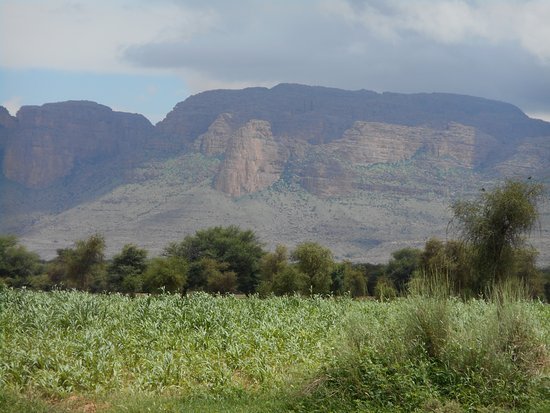
The Bandiagara Escarpment is the region’s most iconic attraction and one of Africa’s most spectacular natural and cultural landmarks. Stretching for nearly 150 kilometers, the towering sandstone cliffs rise dramatically above the surrounding plains and have provided shelter for communities for centuries. The escarpment is home to ancient cave dwellings, sacred sites, traditional villages, and breathtaking viewpoints that showcase the region’s extraordinary beauty.
Visitors can hike along scenic trails, admire panoramic landscapes, explore centuries-old cliff settlements, and learn about the unique relationship between the Dogon people and their environment. The escarpment remains one of Mali’s greatest travel destinations for nature lovers, photographers, and cultural enthusiasts.
Discover a UNESCO World Heritage Landscape
Visitors can experience dramatic cliffs, ancient settlements, and unforgettable scenery while exploring one of West Africa’s most remarkable natural and cultural treasures.
2. Dogon Villages

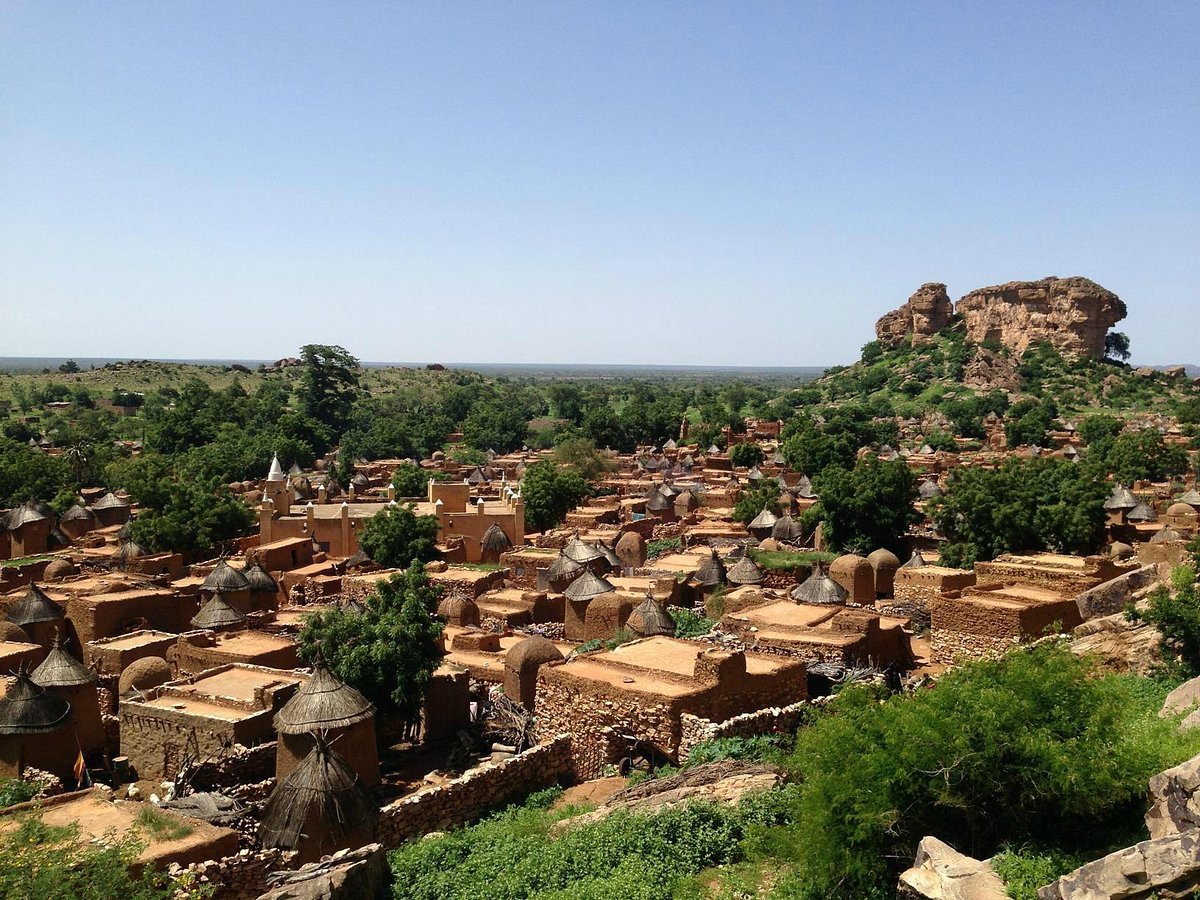
The traditional Dogon villages surrounding Bandiagara are internationally famous for their distinctive mud-brick architecture, granaries, ceremonial buildings, and rich cultural traditions. Many villages have preserved their customs, farming techniques, and spiritual practices for generations.
Visitors can walk through narrow village pathways, admire traditional homes built into the cliffs, meet local residents, and gain insight into one of Africa’s most fascinating indigenous cultures.
Experience Authentic Dogon Culture
Visitors can discover traditional ceremonies, architecture, craftsmanship, and daily life while learning about the remarkable heritage of the Dogon people.
3. Tellem Cliff Dwellings

High on the cliffs of the Bandiagara Escarpment are the ancient Tellem cliff dwellings, built by the Tellem people who inhabited the region before the arrival of the Dogon. These remarkable structures, carved into the cliff face, served as homes, storage areas, and burial sites.
Visitors can admire these extraordinary archaeological remains while learning about the mysterious civilization that once flourished in the region centuries ago.
Explore Ancient Cliff Settlements
The Tellem dwellings provide a fascinating glimpse into Mali’s ancient history and demonstrate remarkable engineering adapted to the rugged landscape.
4. Bandiagara Grand Mosque

The Grand Mosque of Bandiagara is one of the city’s most important religious landmarks. Built in the traditional Sudano-Sahelian architectural style using mud bricks and wooden beams, the mosque reflects the region’s Islamic heritage while blending harmoniously with the surrounding landscape.
Admire Traditional Architecture
Visitors can appreciate the elegant design of the mosque and learn about the religious traditions that have influenced Bandiagara for generations.
5. Bandiagara Market

The Bandiagara Market is a vibrant gathering place where local traders and artisans sell fresh produce, colorful textiles, pottery, wood carvings, leather goods, jewelry, woven baskets, and traditional Dogon crafts.
Visitors can experience the lively atmosphere, meet friendly local vendors, and purchase authentic handmade souvenirs while learning about regional trading traditions.
Shop Traditional Dogon Handicrafts
The market offers an excellent opportunity to support local artisans and discover beautifully crafted cultural products unique to the Dogon region.
6. Dogon Cultural Center

The Dogon Cultural Center preserves and promotes the history, art, music, dance, and traditions of the Dogon people. Exhibits feature traditional masks, ceremonial objects, sculptures, textiles, and educational displays explaining the region’s rich cultural heritage.
Learn About Dogon Traditions
Visitors can explore exhibitions, attend cultural demonstrations, and gain a deeper understanding of one of Africa’s most distinctive civilizations.
7. Traditional Mask Workshops

Bandiagara is famous for its traditional wooden masks used in Dogon ceremonies and festivals. Local artisans continue to hand-carve these intricate masks using techniques that have been preserved for generations.
Watch Master Craftsmen at Work
Visitors can observe skilled woodcarvers creating ceremonial masks and purchase authentic handcrafted artwork directly from local artisans.
8. Hiking Trails of the Bandiagara Escarpment

The Bandiagara region offers some of Mali’s finest hiking routes, passing through dramatic cliffs, ancient villages, fertile valleys, and scenic viewpoints. Guided treks allow visitors to experience the region’s spectacular landscapes while learning about local history and traditions.
Explore on Foot
Hiking through the escarpment provides unforgettable views, encounters with traditional villages, and opportunities to appreciate the area’s unique geology and biodiversity.
9. Traditional Dogon Granaries

The traditional granaries of the Dogon people are among the region’s most recognizable architectural features. Built from mud with distinctive pointed roofs, these structures have been used for centuries to safely store grain and protect harvests from the elements.
Discover Ingenious Traditional Architecture
Visitors can learn how these unique buildings reflect the Dogon people’s agricultural knowledge, sustainable design, and cultural traditions.
10. Bandiagara Countryside

The countryside surrounding Bandiagara is filled with dramatic cliffs, fertile valleys, rocky plateaus, and traditional farming villages. The landscapes provide excellent opportunities for photography, birdwatching, and exploring the natural beauty of central Mali.
Experience the Beauty of Central Mali
Visitors can enjoy scenic drives, panoramic viewpoints, peaceful rural landscapes, and authentic cultural encounters while discovering why Bandiagara is considered one of Mali’s most extraordinary destinations.
Related artical : Best place to visit in Kita