<p>The post Tucumán, Argentina: Birthplace of Independence first appeared on Traveling Info World.</p>
]]>Located in northwest Argentina, Tucumán is a fascinating blend of colonial history, indigenous heritage, green valleys, and vibrant urban life. From the historic streets of San Miguel de Tucumán to the serene landscapes of Tafí del Valle, from the powerful legacy of the Quilmes Ruins to the modern lifestyle of Yerba Buena, the province offers a rich and diverse travel experience.
Tucumán may be Argentina’s smallest province by area, but it delivers one of the country’s most complete cultural and natural journeys.
San Miguel de Tucumán – Birthplace of a Nation

San Miguel de Tucumán, the provincial capital, is one of Argentina’s most historically significant cities. Founded in 1565, it is best known as the birthplace of Argentine independence, making it a must-visit destination for anyone interested in the nation’s past.
The city blends colonial architecture with modern urban life. Tree-lined avenues, lively plazas, universities, and cafés give San Miguel a youthful and energetic atmosphere. At the same time, historic buildings and museums preserve its colonial roots.
Plaza Independencia is the heart of the city, surrounded by government buildings, churches, and cultural centers. Museums such as the Museo Histórico Provincial provide insight into the region’s colonial period, independence movement, and indigenous history.
San Miguel de Tucumán is also a cultural hub for music, theater, and gastronomy. Traditional dishes like empanadas tucumanas are considered among the best in Argentina. The city offers a perfect starting point for exploring both the history and landscapes of the province.
Casa Histórica de la Independencia – Where Argentina Was Born
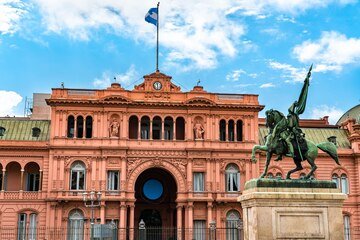
No site in Argentina is as symbolically powerful as the Casa Histórica de la Independencia. Located in the center of San Miguel de Tucumán, this historic house is where, on July 9, 1816, representatives from the United Provinces of the Río de la Plata declared independence from Spanish rule.
Today, the Casa Histórica is a carefully preserved museum that allows visitors to step into the very rooms where history was made. Exhibits include original documents, period furniture, portraits, and multimedia displays that explain the political, social, and regional context of independence.
The simple white façade and central courtyard reflect colonial architecture, emphasizing that one of South America’s most important political events took place in a modest setting. This contrast gives the site immense emotional power.
Every year, national celebrations draw thousands of visitors, but even on ordinary days, the Casa Histórica remains a place of reflection and national pride. It is the single most important landmark in Tucumán and a cornerstone of Argentina’s identity.
Tafí del Valle – Mountain Retreat in the Andes
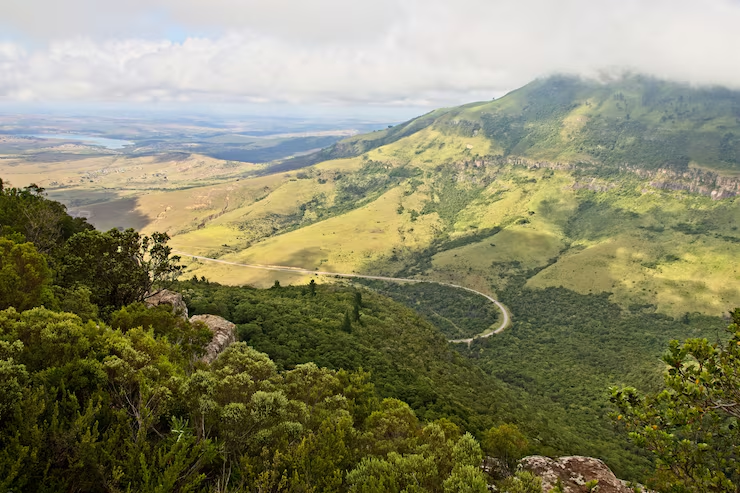
Nestled in the Calchaquí Valleys, Tafí del Valle is one of the most beautiful destinations in northwest Argentina. Surrounded by rolling green hills, mountain peaks, and open skies, this charming town offers a refreshing contrast to Tucumán’s urban life.
Tafí del Valle is known for its cool climate, scenic landscapes, and relaxed atmosphere. It is a favorite escape for both locals and travelers seeking peace, fresh air, and outdoor activities. The area is ideal for hiking, horseback riding, cycling, and photography.
The town itself has a rustic charm, with stone houses, local craft markets, and traditional restaurants serving regional cuisine. Nearby lakes and viewpoints provide stunning panoramas, especially at sunrise and sunset.
Tafí del Valle also has archaeological significance, with remnants of pre-Hispanic cultures scattered throughout the region. Its combination of natural beauty, history, and tranquility makes it one of Tucumán’s most beloved destinations.
Quilmes Ruins – Legacy of an Ancient Civilization

The Quilmes Ruins are one of the most impressive archaeological sites in Argentina and a powerful reminder of the region’s indigenous past. Located at the western edge of Tucumán Province, these ruins belonged to the Quilmes people, who built one of the largest pre-Columbian settlements in the country.
The city was strategically constructed on a hillside, featuring stone houses, terraces, fortifications, and irrigation systems. At its peak, it housed thousands of inhabitants and resisted Spanish conquest for over a century before eventually falling in the 17th century.
Today, visitors can walk through the reconstructed ruins, gaining insight into the engineering skills, social organization, and resilience of the Quilmes civilization. An on-site interpretation center explains indigenous history and the impact of colonization.
The surrounding desert valley and mountain backdrop add to the site’s dramatic atmosphere. The Quilmes Ruins are not just an archaeological attraction—they are a place of memory, resistance, and cultural identity.
Yerba Buena – Nature, Wellness, and Gastronomy
Located just west of San Miguel de Tucumán, Yerba Buena is one of the province’s most modern and attractive areas. Known for its green surroundings, upscale neighborhoods, and high-quality restaurants, it offers a perfect blend of nature and contemporary lifestyle.
Yerba Buena sits at the foothills of the Yungas, a subtropical rainforest ecosystem rich in biodiversity. Walking trails, parks, and nearby hills make it ideal for hiking, jogging, and outdoor recreation.
The area is also Tucumán’s gastronomic center, featuring gourmet restaurants, cafés, and bars that showcase both traditional flavors and modern cuisine. Locals often visit Yerba Buena to relax, dine, and enjoy scenic views.
With its clean environment, cultural activities, and proximity to nature, Yerba Buena represents the modern face of Tucumán while maintaining a strong connection to its natural surroundings.
Why Visit Tucumán Province?
Tucumán is a province where Argentina’s past and present come together. It offers a rare combination of national history, indigenous heritage, green landscapes, and vibrant urban life—all within a compact area.
Key reasons to visit Tucumán include:
- Exploring the birthplace of Argentine independence
- Visiting the historic Casa Histórica
- Relaxing in the mountain beauty of Tafí del Valle
- Discovering ancient civilizations at the Quilmes Ruins
- Enjoying nature, food, and modern culture in Yerba Buena
Whether you are a history enthusiast, nature lover, or cultural traveler, Tucumán delivers a deep, meaningful, and unforgettable experience. It is a province that tells Argentina’s story from its very beginning—and continues to shape its identity today.
Related artical : Tierra del Fuego & Antarctica: Argentina’s End of the World
<p>The post Tucumán, Argentina: Birthplace of Independence first appeared on Traveling Info World.</p>
]]><p>The post Tierra del Fuego & Antarctica: Argentina’s End of the World first appeared on Traveling Info World.</p>
]]>This province is not just geographically unique; it is emotionally powerful. Traveling here feels like reaching the edge of civilization, where nature reigns supreme and the world feels vast, quiet, and untouched. From the iconic city of Ushuaia to windswept national parks, icy channels, towering glaciers, and penguin colonies, Tierra del Fuego offers an experience unlike anywhere else in Argentina — or the world.
Ushuaia – The World’s Southernmost City

Ushuaia, the capital of Tierra del Fuego Province, proudly holds the title of the southernmost city in the world. Nestled between the snow-capped Andes Mountains and the icy waters of the Beagle Channel, Ushuaia is both a gateway to Antarctica and a destination in its own right.
Despite its remote location, Ushuaia is lively and welcoming. The city combines modern infrastructure with frontier charm, offering museums, seafood restaurants, cozy cafés, and a vibrant port atmosphere. The End of the World Museum and the Maritime and Prison Museum provide insight into the city’s indigenous heritage, early settlers, and its past as a penal colony.
Ushuaia is also an adventure hub. From here, travelers can embark on cruises to Antarctica, explore national parks, hike glaciers, or sail among islands filled with wildlife. The long summer days and dramatic winter snowfalls create year-round appeal, whether you’re seeking outdoor adventure or simply the thrill of standing at the edge of the world.
Tierra del Fuego National Park – Subantarctic Wilderness

Just a short drive from Ushuaia lies Tierra del Fuego National Park, one of Argentina’s most unique protected areas. This park marks the southernmost national park in the country and showcases a rare subantarctic ecosystem where forests, mountains, rivers, and coastline exist side by side.
The park is home to lenga and ñire forests, peat bogs, crystal-clear lakes, and dramatic mountain scenery. Well-maintained hiking trails allow visitors to explore landscapes shaped by glaciers and wind over thousands of years. Trails vary from gentle walks along lakeshores to more demanding hikes with panoramic views of the Beagle Channel.
Wildlife is abundant, including foxes, birds, and marine species near the coast. The park’s raw beauty and silence create a powerful sense of isolation and peace. Tierra del Fuego National Park is not about dramatic monuments — it’s about immersion in nature at the end of the continent.
Beagle Channel – Sailing at the Edge of the World

The Beagle Channel is one of the most iconic waterways in the Southern Hemisphere. Stretching between Argentina and Chile, this narrow channel connects the Atlantic and Pacific Oceans and serves as a natural corridor through Tierra del Fuego.
Boat tours along the Beagle Channel are among the most popular activities in Ushuaia. These excursions offer close encounters with sea lions lounging on rocky islands, colonies of cormorants, and breathtaking views of snow-covered mountains reflected in icy waters.
One of the highlights is the Les Eclaireurs Lighthouse, often mistakenly called the “Lighthouse at the End of the World.” Standing isolated against wind and waves, it has become a symbol of the region’s rugged beauty.
Sailing the Beagle Channel provides a profound sense of scale and solitude. The cold air, endless horizon, and silence broken only by seabirds make it a deeply memorable experience that defines any visit to Tierra del Fuego.
Martial Glacier – Ice and Panoramic Views

Rising above Ushuaia, Martial Glacier offers one of the most accessible glacier experiences in Argentina. Named after explorer Louis Martial, this glacier provides stunning views over the city, the Beagle Channel, and surrounding mountains.
Visitors can reach the glacier via hiking trails or a chairlift partway up the mountain. As you ascend, the landscape changes dramatically — forests give way to rocky slopes and icy terrain. Even though the glacier has retreated due to climate change, it remains a powerful reminder of the region’s glacial past.
The views from Martial Glacier are spectacular in all seasons. In summer, hikers enjoy cool temperatures and endless daylight, while winter transforms the area into a snow-covered wonderland. Martial Glacier perfectly combines adventure, accessibility, and breathtaking scenery.
Penguin Colonies – Wildlife at the End of the World

One of the most magical experiences in Tierra del Fuego is visiting penguin colonies. The region is home to Magellanic penguins, Gentoo penguins, and occasionally King penguins, depending on the area and season.
Boat tours and guided excursions allow visitors to observe these animals in their natural habitat without disturbing them. Watching penguins waddle along shores, swim gracefully through icy waters, and interact within their colonies is unforgettable.
The Martillo Island penguin colony, accessible via Beagle Channel tours, is one of the most popular wildlife experiences near Ushuaia. These excursions highlight the importance of conservation and responsible tourism in fragile ecosystems.
Penguin encounters represent the wild, untouched spirit of Tierra del Fuego and remind travelers of how unique and precious this region truly is.
A Gateway to Antarctica and Beyond
Tierra del Fuego Province also includes Argentina’s territorial claims in Antarctica and the South Atlantic Islands, making Ushuaia one of the world’s main departure points for Antarctic expeditions. Massive icebreakers and expedition ships dock at its port, carrying scientists, explorers, and travelers toward the frozen continent.
This connection reinforces Ushuaia’s global importance and its role in scientific research, environmental conservation, and international exploration.
Why Tierra del Fuego Is a Once-in-a-Lifetime Destination
Tierra del Fuego is not just a destination — it is an experience that stays with you forever. Its appeal lies in contrasts: extreme isolation paired with warm hospitality, harsh climates alongside serene beauty, and ancient landscapes meeting modern exploration.
Key reasons to visit include:
- Standing in the world’s southernmost city
- Exploring subantarctic national parks
- Sailing the legendary Beagle Channel
- Hiking glaciers and mountain trails
- Observing penguins and marine wildlife
- Connecting with the gateway to Antarctica
For travelers seeking adventure, solitude, and a deeper connection with nature, Tierra del Fuego truly represents the end of the world — and the beginning of unforgettable memories.
Related artical : Santiago del Estero, Argentina: Hot Springs & Heritage
<p>The post Tierra del Fuego & Antarctica: Argentina’s End of the World first appeared on Traveling Info World.</p>
]]><p>The post Santiago del Estero, Argentina: Hot Springs & Heritage first appeared on Traveling Info World.</p>
]]>Located in northern Argentina, Santiago del Estero is a land of thermal waters, colonial history, religious devotion, and rural landscapes shaped by the Monte forests. It is also the heartland of Argentine folklore music and traditional customs that remain alive today.
From the world-famous hot springs of Termas de Río Hondo to the historic streets of Santiago City, from peaceful lakes and dams to sacred pilgrimage sites and untamed forests, Santiago del Estero invites travelers to slow down and connect with Argentina’s deepest roots.
Termas de Río Hondo – Argentina’s Thermal Capital
Termas de Río Hondo is the most famous destination in Santiago del Estero Province and one of the most important spa towns in South America. Renowned for its natural hot springs, the city attracts visitors year-round seeking relaxation, wellness, and therapeutic treatments.
The thermal waters here emerge from underground at high temperatures and are rich in minerals believed to help with joint pain, muscle relaxation, stress relief, and skin conditions. As a result, Termas de Río Hondo has developed into a modern spa destination, offering luxury thermal hotels, wellness centers, and public bathhouses.
Beyond relaxation, the city offers cultural attractions such as the Termas de Río Hondo Museum, which showcases regional history, indigenous cultures, and local art. Nearby, the Autódromo Internacional de Termas hosts international motorsport events, adding a surprising adrenaline element to this tranquil destination.
Tree-lined streets, parks, and lakeside promenades create a peaceful atmosphere, while local restaurants serve traditional northern Argentine cuisine. Termas de Río Hondo perfectly blends health tourism, culture, and leisure, making it a cornerstone of Santiago del Estero’s tourism identity.
Santiago City – The Oldest City in Argentina

Founded in 1553, Santiago del Estero City is the oldest continuously inhabited city in Argentina. This historical distinction gives the capital a unique character, shaped by colonial architecture, religious heritage, and living traditions that date back centuries.
Walking through Santiago City feels like stepping into Argentina’s early history. Landmarks such as the Cathedral Basilica of Santiago del Estero, one of the oldest churches in the country, reflect the city’s spiritual and architectural legacy. Nearby plazas, museums, and government buildings preserve colonial design elements alongside modern life.
The city is also the birthplace of Argentine folklore. Traditional music styles like chacarera and zamba are not museum pieces here—they are part of everyday life. Cultural festivals, peñas (folk gatherings), and live performances keep music and dance alive throughout the year.
Santiago City offers a calm, welcoming atmosphere, where history is not staged for tourists but lived naturally by its residents. It is an essential stop for travelers who want to understand Argentina beyond its big cities.
Dique Frontal – Water, Recreation, and Scenic Views
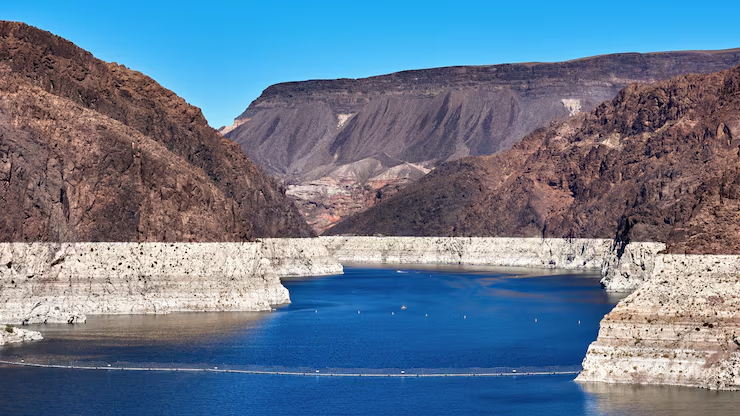
The Dique Frontal reservoir, located near Termas de Río Hondo, adds a refreshing contrast to the province’s dry landscapes. Created by damming the Dulce River, the lake plays a crucial role in water regulation while also serving as a recreational hub.
The reservoir is popular for water sports, including kayaking, jet skiing, sailing, and fishing. Calm waters and wide open spaces make it ideal for family activities and relaxed outdoor experiences. The lakeside area also features picnic spots, viewpoints, and walking paths.
Sunsets over Dique Frontal are particularly striking, with golden reflections across the water and silhouettes of distant hills. The reservoir attracts both tourists and locals seeking a peaceful escape from the heat and urban routines.
Dique Frontal demonstrates how Santiago del Estero integrates natural resources into leisure and sustainability, offering a refreshing environment that complements the province’s thermal and cultural attractions.
Copacabana Sanctuary – Faith and Pilgrimage
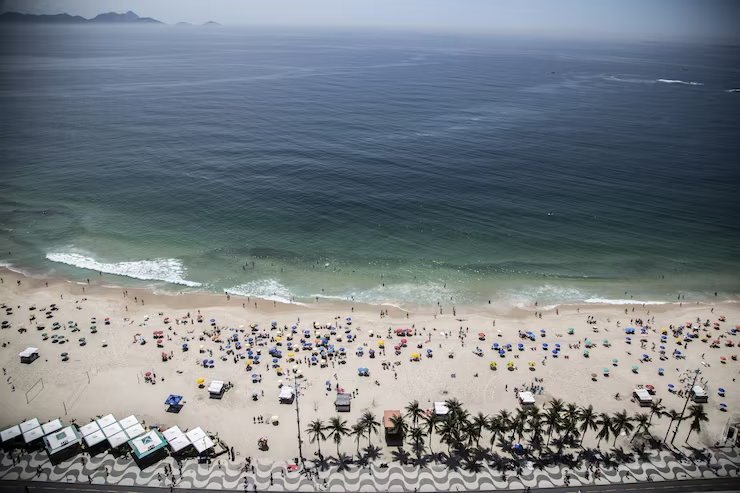
The Sanctuary of Our Lady of Copacabana of Sumampa is one of Argentina’s most important religious sites and a major pilgrimage destination. Nestled in a rural setting, the sanctuary represents centuries of devotion and spiritual tradition.
Every year, thousands of pilgrims travel from across Argentina to honor the Virgin of Copacabana, especially during major religious festivals. The sanctuary’s simple yet powerful architecture reflects humility, faith, and endurance.
The journey to Copacabana is as meaningful as the destination itself. Pilgrims often walk long distances, passing through rural landscapes and small communities, reinforcing a deep sense of collective belief and tradition.
For visitors, the sanctuary offers insight into the spiritual life of northern Argentina. Even for non-religious travelers, the site provides a moving cultural experience rooted in history, devotion, and community identity.
Monte Forests – Rural Landscapes and Traditional Life
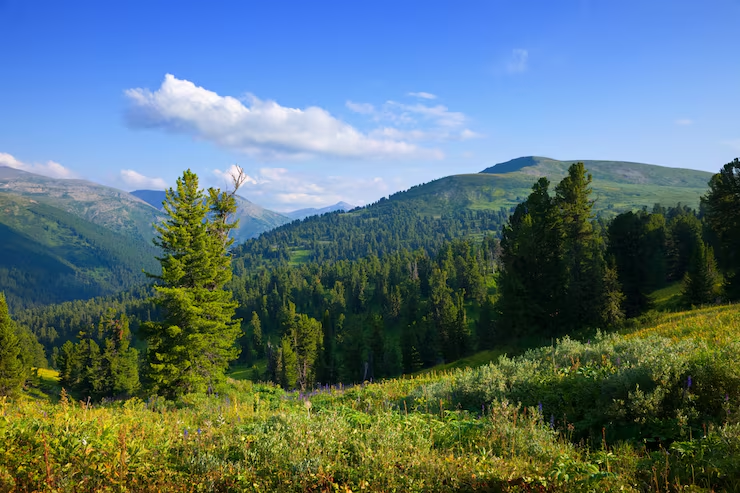
Much of Santiago del Estero Province is covered by Monte forests, a dry woodland ecosystem unique to northern Argentina. These landscapes define the province’s rural character and support traditional livelihoods such as cattle ranching, small-scale farming, and artisanal crafts.
The Monte forests are home to native plant species like quebracho trees and wildlife adapted to hot, semi-arid conditions. While less dramatic than rainforests or mountains, these forests possess a quiet beauty that reflects resilience and balance with nature.
Rural communities scattered throughout the Monte region preserve traditional customs, folklore, and gastronomy. Visitors can experience authentic Argentine countryside life, far removed from mass tourism.
Exploring the Monte forests offers a deeper understanding of Santiago del Estero’s identity—one rooted in land, tradition, and adaptation to challenging environments.
Why Visit Santiago del Estero Province?
Santiago del Estero is not a province of flashy attractions—it is a province of meaning, history, and authenticity. What makes it special is its ability to offer experiences that feel real and deeply connected to Argentina’s origins.
Key reasons to visit include:
- World-class thermal tourism in Termas de Río Hondo
- Argentina’s oldest city and living colonial history
- Relaxing water recreation at Dique Frontal
- Powerful religious and cultural heritage at Copacabana
- Traditional rural life within the Monte forests
This province invites travelers to slow down, listen to folklore music under starry skies, soak in healing waters, and walk through places where Argentine history truly began.
For those seeking an authentic, soulful journey into Argentina’s past and present, Santiago del Estero Province offers an unforgettable experience that goes far beyond typical tourist routes.
Related artical : Santa Fe, Argentina: Rivers, Culture & History
<p>The post Santiago del Estero, Argentina: Hot Springs & Heritage first appeared on Traveling Info World.</p>
]]><p>The post Santa Fe, Argentina: Rivers, Culture & History first appeared on Traveling Info World.</p>
]]>From the energetic riverfront city of Rosario, birthplace of football legend Lionel Messi, to the historic streets of Santa Fe City, from wetland ecosystems of the Paraná Delta to ancient ruins and flamingo-filled lagoons, Santa Fe Province is a destination where nature and culture exist in perfect balance.
This province plays a vital role in Argentina’s economy, history, and identity, yet remains underrated by international travelers—making it an ideal destination for those seeking authentic experiences beyond the typical tourist routes.
Rosario – Dynamic River City and Birthplace of Messi
Rosario is the largest city in Santa Fe Province and one of Argentina’s most important urban centers. Located on the banks of the Paraná River, Rosario is known for its vibrant culture, modern skyline, riverside parks, and deep sporting heritage. Most famously, it is the birthplace of Lionel Messi, a fact proudly celebrated throughout the city.
The heart of Rosario’s identity lies along its riverfront. The Parque Nacional a la Bandera and the iconic National Flag Monument dominate the waterfront, commemorating the creation of Argentina’s national flag. From the monument’s tower, visitors enjoy sweeping views of the Paraná River and surrounding islands.
Rosario is also a cultural powerhouse. The city boasts theaters, art galleries, live music venues, and a thriving food scene. Local cuisine highlights fresh river fish, grilled meats, and modern Argentine gastronomy. At night, Rosario comes alive with cafés, bars, and riverside promenades filled with locals.
With its blend of history, creativity, sports culture, and river landscapes, Rosario represents the modern, energetic spirit of Santa Fe Province.
Santa Fe City – Colonial Roots and Political Heritage
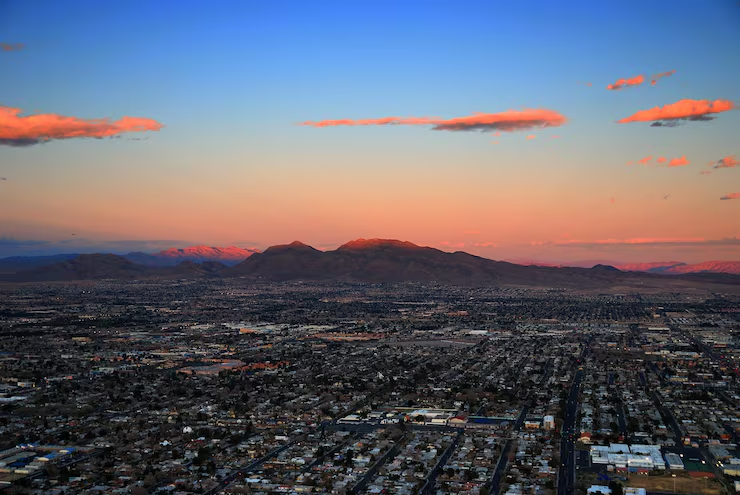
Santa Fe City, the provincial capital, is one of the oldest cities in Argentina, founded in the 16th century. Its historic significance is immense—it is the city where Argentina’s national constitution was drafted and signed, making it a cornerstone of the country’s political history.
The city’s colonial past is visible in its architecture, churches, and historic buildings. The Metropolitan Cathedral, with its elegant façade and religious importance, stands as one of Santa Fe City’s most recognizable landmarks. Nearby, museums and cultural centers preserve artifacts and documents that tell the story of early colonial life.
Santa Fe City sits at the meeting point of rivers, creating a landscape shaped by water. Riverbanks, lagoons, and bridges form scenic surroundings, while the city itself maintains a slower, more traditional rhythm compared to Rosario.
Cultural festivals, folklore music, and regional cuisine reflect the province’s identity. Santa Fe City offers visitors a deeper understanding of Argentina’s origins, blending history, politics, and everyday life in a setting that feels authentic and welcoming.
Paraná Delta – Wetlands, Islands, and River Life

The Paraná Delta is one of South America’s largest and most important wetland systems, and a significant portion of it lies within Santa Fe Province. This vast network of rivers, channels, islands, and marshlands supports an incredible diversity of wildlife and traditional river communities.
Exploring the Paraná Delta offers a completely different experience from urban Argentina. Boat tours navigate narrow waterways lined with reeds, trees, and floating vegetation. Fishermen, island dwellers, and small wooden houses give insight into a lifestyle deeply connected to the river.
The delta is a paradise for birdwatching, fishing, and nature photography. Capybaras, caimans, herons, and countless bird species thrive in this ecosystem. The calm atmosphere and constant presence of water create a sense of tranquility rarely found in cities.
For eco-tourism enthusiasts, the Paraná Delta showcases the ecological richness of Santa Fe Province and highlights the importance of wetland conservation in Argentina.
Cayastá Ruins – Birthplace of Colonial Santa Fe

The Cayastá Ruins mark the location of Santa Fe la Vieja, the original settlement founded in 1573 before the city was relocated. Today, the archaeological site offers visitors a rare look into Argentina’s early colonial history.
Walking through Cayastá, visitors can explore the remains of streets, houses, churches, and public buildings that once formed a thriving colonial town. Informational signs and guided tours explain how floods, indigenous conflicts, and environmental challenges led to the settlement’s abandonment.
The surrounding landscape of rivers and wetlands provides context for understanding early colonial life and its struggles. The site is both educational and atmospheric, allowing visitors to imagine the beginnings of European settlement in the region.
Cayastá Ruins are a powerful reminder of Santa Fe Province’s foundational role in Argentine history and the resilience of early communities.
Melincué Lagoon – Flamingos and Natural Serenity
Located in southern Santa Fe Province, Melincué Lagoon is a stunning natural attraction known for its seasonal populations of flamingos and other migratory birds. This shallow lagoon is part of an important wetland system that changes throughout the year depending on rainfall and water levels.
During certain seasons, thousands of flamingos gather in the lagoon, creating breathtaking scenes of pink reflections against the water. Birdwatchers and photographers are drawn to the area for its biodiversity and peaceful atmosphere.
Beyond wildlife observation, Melincué Lagoon offers opportunities for relaxation, nature walks, and quiet reflection. The surrounding landscape of flat plains and open skies enhances the sense of space and calm.
The lagoon also holds ecological importance, supporting regional biodiversity and highlighting the environmental diversity of Santa Fe Province beyond its rivers and cities.
Why Santa Fe Province Is Worth Exploring
Santa Fe Province offers a rich and balanced travel experience, combining urban energy, deep history, and natural beauty. What makes the province special is its diversity:
- Rosario’s modern culture and riverfront life
- Santa Fe City’s colonial and political heritage
- The Paraná Delta’s wetlands and wildlife
- Cayastá’s archaeological significance
- Melincué Lagoon’s serene natural beauty
Santa Fe is not defined by extremes but by harmony—between water and land, past and present, city and nature. It is a province where travelers can explore Argentina’s roots, experience vibrant contemporary life, and connect with some of the country’s most important ecosystems.
For those seeking an authentic, meaningful journey through Argentina’s heartland, Santa Fe Province is an essential destination that rewards curiosity and appreciation for culture, history, and nature.
Related artical : Santa Cruz, Argentina: Glaciers, Peaks & History
<p>The post Santa Fe, Argentina: Rivers, Culture & History first appeared on Traveling Info World.</p>
]]><p>The post Santa Cruz, Argentina: Glaciers, Peaks & History first appeared on Traveling Info World.</p>
]]>Santa Cruz is a place where ice meets sky, where ancient human stories are preserved on stone walls, and where wildlife thrives along untouched coastlines. From iconic glaciers and world-class trekking routes to prehistoric cave art and rich marine ecosystems, the province showcases Patagonia at its most powerful and authentic.
El Calafate – Gateway to the Glaciers of Patagonia

El Calafate is the main tourism hub of Santa Cruz Province and the starting point for most visitors exploring the region’s famous glaciers. Situated on the shores of Lake Argentino, Argentina’s largest freshwater lake, the town serves as the gateway to Los Glaciares National Park.
Despite its popularity, El Calafate maintains a calm Patagonian charm. Low-rise buildings, wide skies, and open landscapes surround the town, creating a relaxed atmosphere. Visitors will find a wide range of accommodations, restaurants, and tour operators offering glacier excursions, boat trips, and adventure activities.
El Calafate is also home to cultural attractions such as the Glaciarium Museum, which explains the science behind glaciers and climate change through interactive exhibits. Walking paths along the lake provide scenic views, especially at sunset when the sky reflects off the water.
More than just a base, El Calafate introduces travelers to the scale and beauty of Patagonia, preparing them for one of the world’s greatest natural spectacles just beyond the town.
Perito Moreno Glacier – Patagonia’s Living Ice Wonder

The Perito Moreno Glacier is the most famous natural attraction in Santa Cruz and one of the most impressive glaciers on Earth. Located within Los Glaciares National Park, this massive ice formation stretches over 30 kilometers and rises dramatically above Lake Argentino.
What makes Perito Moreno truly unique is that it is constantly advancing, unlike many glaciers that are retreating. This movement causes enormous chunks of ice to break off and crash into the lake below, creating thunderous sounds that echo across the landscape.
Visitors can explore a network of viewing platforms and walkways that offer breathtaking perspectives of the glacier’s towering ice walls. The deep blue cracks, towering formations, and shifting ice patterns change throughout the day, making every visit different.
For those seeking adventure, guided ice trekking tours allow travelers to walk directly on the glacier’s surface, exploring crevasses, ice caves, and frozen landscapes. Boat tours provide close-up views from the water, emphasizing the glacier’s immense size.
Perito Moreno is more than a sight—it is an experience that leaves a lasting emotional impact, reminding visitors of nature’s power and beauty.
El Chaltén – Trekking Capital of Argentina

Nestled at the northern edge of Los Glaciares National Park, El Chaltén is known worldwide as the trekking capital of Argentina. This small mountain village lies beneath the iconic peaks of Mount Fitz Roy and Cerro Torre, whose jagged silhouettes dominate the skyline.
El Chaltén attracts hikers, climbers, and outdoor enthusiasts from around the world. Its extensive network of well-marked trails ranges from easy day hikes to challenging multi-day treks, making it accessible to all levels of experience.
Popular trails lead to stunning destinations such as Laguna de los Tres, offering panoramic views of Fitz Roy, and Laguna Torre, known for its glacier-fed waters and dramatic mountain backdrop. Along the way, hikers pass through forests, rivers, and open valleys, experiencing Patagonia’s raw beauty up close.
The village itself has a laid-back, adventurous atmosphere. Cafés, hostels, and small lodges cater to travelers sharing stories of the day’s hikes. El Chaltén is less about luxury and more about immersion in nature, physical challenge, and unforgettable scenery.
Cueva de las Manos – Ancient Art of Patagonia
One of Santa Cruz’s most culturally significant sites is Cueva de las Manos, or the “Cave of the Hands.” This UNESCO World Heritage Site preserves prehistoric rock art created by indigenous hunter-gatherers over 9,000 years ago.
The cave walls are covered with hundreds of hand stencils, created by blowing pigment over hands placed against the rock. Alongside these are paintings of animals, hunting scenes, and symbolic patterns that provide insight into early human life in Patagonia.
Set within a remote canyon landscape, visiting Cueva de las Manos is a powerful experience. The isolation of the location enhances the sense of stepping back in time, offering a rare connection to the region’s earliest inhabitants.
The site is carefully protected, and guided visits help visitors understand the cultural significance and preservation efforts. Cueva de las Manos stands as a reminder that Patagonia’s history extends far beyond glaciers and mountains—it is also a cradle of human creativity and survival.
Puerto Deseado – Coastal Wildlife and Untouched Nature

On the Atlantic coast of Santa Cruz lies Puerto Deseado, a town known for its rich marine life and rugged coastal landscapes. Unlike the glacial interior, Puerto Deseado offers a completely different side of the province, shaped by the ocean and coastal ecosystems.
The Deseado Estuary, a protected natural area, is one of the best places in Argentina for wildlife observation. Boat tours allow visitors to see sea lions, dolphins, penguins, and a wide variety of seabirds in their natural habitat. During certain seasons, the waters are filled with activity, making it a paradise for nature lovers and photographers.
Puerto Deseado also has historical importance as one of Patagonia’s oldest ports. Its maritime heritage is reflected in local museums, old docks, and the fishing industry that still supports the town today.
With fewer tourists than other Patagonian destinations, Puerto Deseado offers a peaceful, authentic experience where visitors can enjoy nature without crowds.
Why Santa Cruz Province Captivates Travelers
Santa Cruz Province stands out as one of Argentina’s most extraordinary destinations because of its scale, diversity, and authenticity. Few regions offer such a powerful combination of:
- Massive glaciers and ice fields
- World-class trekking and mountain scenery
- Ancient human history preserved in stone
- Rich coastal and marine wildlife
- Vast, untouched Patagonian landscapes
Whether standing before the thunderous ice walls of Perito Moreno, hiking beneath towering peaks in El Chaltén, exploring prehistoric art at Cueva de las Manos, or observing marine life in Puerto Deseado, Santa Cruz delivers experiences that are deeply moving and unforgettable.
For travelers seeking adventure, solitude, and the true spirit of Patagonia, Santa Cruz is not just a destination—it is a journey into the wild heart of southern Argentina.
Related artical : San Luis Argentina: Mountains, Microclimates & History
<p>The post Santa Cruz, Argentina: Glaciers, Peaks & History first appeared on Traveling Info World.</p>
]]><p>The post San Luis Argentina: Mountains, Microclimates & History first appeared on Traveling Info World.</p>
]]>With clean air, excellent infrastructure, and a strong focus on environmental preservation, San Luis is ideal for slow travel, hiking, wellness tourism, and scenic road trips. From lakeside resorts and mountain waterfalls to historic mining towns, the province invites visitors to reconnect with nature and history at their own pace.
Potrero de los Funes – A Perfect Harmony of Lake and Mountains

Potrero de los Funes is one of San Luis Province’s most iconic destinations. Nestled in a mountain valley just minutes from the provincial capital, this picturesque town is centered around a circular lake surrounded by forested hills.
The lake is ideal for kayaking, paddleboarding, fishing, and leisurely walks along its scenic perimeter. A well-maintained path circles the water, making it perfect for jogging, cycling, or sunset strolls. The surrounding mountains offer hiking trails with panoramic viewpoints that reveal the valley’s full beauty.
Potrero de los Funes is also known for hosting international sporting events, including motorsports and triathlons, yet it retains a peaceful resort-town atmosphere. With boutique hotels, lakeside cafés, and fresh mountain air, it is an excellent destination for relaxation and outdoor recreation.
Merlo – Argentina’s Famous Microclimate and Wellness Capital

Villa de Merlo, commonly known as Merlo, is one of Argentina’s most popular wellness destinations thanks to its unique microclimate, considered among the healthiest in the world. Located at the base of the Comechingones Mountains, Merlo enjoys mild temperatures, low pollution, and abundant sunshine year-round.
The town is a hub for health tourism, offering yoga retreats, meditation centers, spa resorts, and alternative therapies. Beyond wellness, Merlo boasts scenic viewpoints such as Mirador del Sol, where visitors can enjoy sweeping views of valleys and mountain ridges.
Nature lovers can explore nearby hiking trails, waterfalls, and nature reserves, while the town itself offers lively plazas, artisan markets, and local gastronomy. Merlo combines tranquility with accessibility, making it a favorite destination for both relaxation and adventure.
Sierras Puntanas – Untamed Landscapes and Outdoor Adventure

The Sierras Puntanas form the natural backbone of San Luis Province, offering dramatic mountain landscapes, hidden valleys, and rich biodiversity. These ranges are ideal for travelers who enjoy hiking, trekking, birdwatching, and photography.
Trails vary from gentle walks through forested areas to challenging ascents with sweeping views of the surrounding plains. Along the way, visitors encounter crystal-clear streams, granite formations, and native flora and fauna.
The mountains also play a vital role in shaping the region’s climate and water systems, creating fertile valleys and natural springs. Whether explored independently or with local guides, the Sierras Puntanas provide an authentic and immersive nature experience away from mass tourism.
La Carolina – Gold-Mining Heritage in the Mountains
Tucked into the hills of northern San Luis, La Carolina is a beautifully preserved colonial village with deep historical roots. Founded during Argentina’s gold rush in the late 18th century, the town still reflects its mining heritage through stone houses, narrow streets, and traditional architecture.
Visitors can explore former gold mines, learn about early mining techniques, and even try gold panning in nearby streams. La Carolina also holds cultural significance as the birthplace of Juan Crisóstomo Lafinur, a renowned Argentine poet and philosopher.
Surrounded by mountain landscapes, the village is an excellent base for hiking and horseback riding. Its quiet charm and historical atmosphere make La Carolina one of the most enchanting destinations in San Luis Province.
Salto del Tabaquillo – Waterfall Adventure in the Mountains

One of the most impressive natural attractions in San Luis is Salto del Tabaquillo, a stunning waterfall hidden deep within the mountain terrain near Merlo. Reaching the waterfall requires a scenic hike through native forests, rocky paths, and clear streams.
The trail itself is part of the experience, offering chances to observe wildlife and enjoy the peaceful sounds of nature. Upon arrival, visitors are rewarded with a powerful cascade plunging into a natural pool surrounded by cliffs and vegetation.
Salto del Tabaquillo is a favorite among hikers and adventure travelers, especially during warmer months when the pool offers a refreshing swim. The site represents the raw beauty and untouched landscapes that define San Luis Province.
Why Visit San Luis Province?
San Luis stands out for its balance of nature, wellness, and history, offering:
- Clean air and peaceful environments
- Lakes, mountains, and waterfalls
- Wellness tourism and healthy microclimates
- Preserved historic villages
- Excellent infrastructure with low crowds
Whether you are walking along the lake in Potrero de los Funes, rejuvenating in Merlo, hiking the Sierras Puntanas, exploring history in La Carolina, or reaching the majestic Salto del Tabaquillo, San Luis delivers an enriching and restorative travel experience.
For travelers seeking a quieter, more authentic side of Argentina, San Luis Province is a destination that rewards curiosity and invites deeper connection with nature.
Related artical : Salta, Argentina’s Land of Colors, Culture, and High-Andean Wonders
<p>The post San Luis Argentina: Mountains, Microclimates & History first appeared on Traveling Info World.</p>
]]><p>The post San Juan Argentina: Deserts, Dinosaurs & Dark Skies first appeared on Traveling Info World.</p>
]]>With one of the highest numbers of sunny days in Argentina, San Juan is ideal for outdoor exploration year-round. From dinosaur fossil sites and moon-like valleys to mountain observatories and quiet vineyards, the province offers a truly unique travel experience.
Ischigualasto Provincial Park – Valley of the Moon and Dinosaur World

The most famous attraction in San Juan is Ischigualasto Provincial Park, also known as the Valley of the Moon. This UNESCO World Heritage Site is one of the world’s most important paleontological areas, containing fossil remains dating back over 230 million years.
The park’s surreal landscape of sculpted rock formations, canyons, and desert plains resembles the surface of the moon. Natural landmarks such as the Submarine, Bowling Ball Field, and Mushroom add to its otherworldly atmosphere.
Guided tours take visitors along designated routes while explaining the park’s geological and scientific significance. Ischigualasto offers a rare opportunity to walk through Earth’s prehistoric past, making it a must-visit destination for nature and science enthusiasts.
San Juan City – Culture, Museums, and Wineries

San Juan City, the provincial capital, is a modern and relaxed city shaped by earthquakes and rebirth. Wide avenues, green spaces, and contemporary architecture define its layout.
The city is home to several excellent museums, including the Museo de la Memoria Urbana and the Franklin Rawson Fine Arts Museum, which showcase regional history and art. San Juan also plays an important role in Argentina’s wine industry, particularly for Syrah and Bonarda wines.
Nearby wineries welcome visitors for tastings and vineyard tours, offering a quieter alternative to more crowded wine regions. San Juan City blends culture, gastronomy, and Andean landscapes with a calm, welcoming atmosphere.
Ullum Dam – Oasis of Water and Adventure
In a province dominated by arid landscapes, the Ullum Dam creates a striking contrast. Located just outside San Juan City, this reservoir is a popular destination for water sports and recreation.
Visitors enjoy sailing, kayaking, windsurfing, fishing, and swimming, while scenic viewpoints offer panoramic views of the blue waters framed by desert hills. The dam also plays a vital role in irrigation and renewable energy.
Ullum Dam is a favorite weekend escape for locals and travelers alike, offering relaxation and outdoor fun in a desert setting.
Barreal – Wind, Stars, and Mountain Silence

Nestled in the Calingasta Valley, Barreal is a small mountain village surrounded by towering peaks and open skies. It is best known for stargazing, land sailing, and wind sports on the nearby Pampa del Leoncito, a vast dry lakebed with perfect wind conditions.
Barreal’s peaceful atmosphere attracts travelers seeking tranquility and nature. Hiking, horseback riding, and photography are popular activities, while the area’s dark skies make it ideal for night sky observation.
The village also serves as a base for exploring the Andes and nearby national parks.
El Leoncito Observatory – Gateway to the Universe

One of San Juan’s most unique attractions is the El Leoncito Astronomical Complex, located within El Leoncito National Park. Thanks to minimal light pollution and clear skies, the region is one of Argentina’s top astronomy destinations.
Visitors can tour the observatory during the day to learn about astronomical research or participate in nighttime stargazing sessions using professional telescopes. The experience offers breathtaking views of stars, planets, and galaxies.
El Leoncito Observatory highlights San Juan’s growing reputation as a center for science tourism and cosmic exploration.
Why San Juan Is a Must-Visit Destination
San Juan Province offers a rare combination of:
- Prehistoric fossil sites and desert landscapes
- Clear skies ideal for astronomy tourism
- Wine culture and modern cities
- Water sports and mountain adventures
- Peaceful villages and untouched nature
From the ancient wonders of Ischigualasto, the cultural richness of San Juan City, the refreshing waters of Ullum Dam, the silent beauty of Barreal, to the cosmic views at El Leoncito Observatory, San Juan reveals Argentina’s lesser-known yet extraordinary side.
For travelers seeking discovery beyond the usual routes, San Juan is a journey through time, space, and nature.
<p>The post San Juan Argentina: Deserts, Dinosaurs & Dark Skies first appeared on Traveling Info World.</p>
]]><p>The post Salta, Argentina’s Land of Colors, Culture, and High-Andean Wonders first appeared on Traveling Info World.</p>
]]>Salta is a place where Spanish colonial architecture meets indigenous culture, where vineyards thrive in desert climates, and where railway tracks climb into the clouds. From charming colonial cities to remote Andean villages, Salta offers travelers a journey through Argentina’s history, geography, and soul.
Salta City – Colonial Elegance and Cultural Heart

Salta City, the provincial capital, is one of Argentina’s best-preserved colonial cities. Surrounded by mountains and bathed in warm light, the city features elegant plazas, pastel-colored buildings, and historic churches.
The heart of the city is Plaza 9 de Julio, bordered by the iconic Salta Cathedral, the Cabildo, and museums showcasing regional history. The Museum of High Altitude Archaeology (MAAM) is a highlight, housing Inca artifacts and the famous Llullaillaco mummies.
Salta City is also known for its vibrant peñas—traditional folk music venues where visitors can enjoy live music, regional cuisine, and local wines. With its blend of history, culture, and hospitality, Salta City is the perfect starting point for exploring the province.
Cafayate – Wine, Sun, and Desert Landscapes
Nestled within the Calchaquí Valleys, Cafayate is Argentina’s second most important wine region and is famous for its high-altitude vineyards. The region’s dry climate and intense sunlight produce distinctive wines, particularly Torrontés, a floral white variety unique to Argentina.
Cafayate’s wineries range from small family-run bodegas to internationally recognized producers. Wine tastings are often paired with stunning views of vineyards framed by red rock mountains.
Beyond wine, Cafayate offers access to dramatic landscapes such as the Quebrada de las Conchas, known for colorful rock formations like the Amphitheater and Devil’s Throat. Cafayate perfectly blends gastronomy, nature, and relaxation.
Train to the Clouds – Engineering Above the Andes
The Train to the Clouds (Tren a las Nubes) is one of the world’s highest railways and one of Argentina’s most iconic experiences. The journey climbs to over 4,200 meters above sea level, crossing bridges, viaducts, and mountain tunnels.
The highlight of the trip is the La Polvorilla Viaduct, an engineering marvel suspended high above the desert floor. The route passes through remote Andean villages, salt flats, and rugged landscapes that feel otherworldly.
More than a train ride, this experience offers insight into Argentina’s highland culture and geography, making it a once-in-a-lifetime adventure.
Valles Calchaquíes – Valleys of Color and Silence

The Valles Calchaquíes stretch across Salta, Tucumán, and Catamarca provinces, but Salta’s section is particularly spectacular. These desert valleys are characterized by colorful mountains, cacti forests, and ancient agricultural terraces.
Scenic drives wind through red, orange, and ochre landscapes shaped by wind and time. Indigenous communities maintain traditions dating back centuries, and small villages dot the valleys.
The Valles Calchaquíes offer travelers tranquility, raw beauty, and a deep connection to the land. Sunsets here paint the mountains in surreal colors, creating unforgettable moments.
Cachi – Timeless Andean Village

Located at the base of snow-capped peaks, Cachi is one of Salta’s most charming villages. With white adobe houses, cobblestone streets, and a peaceful plaza, Cachi feels frozen in time.
The village sits at over 2,200 meters above sea level and serves as a gateway to the Los Cardones National Park, home to vast forests of giant cacti. The nearby Cuesta del Obispo offers one of the most scenic drives in Argentina.
Cachi is ideal for travelers seeking authenticity, silence, and breathtaking landscapes. Its simple beauty and Andean spirit make it one of Salta’s most memorable destinations.
Why Salta Is a Must-Visit Destination
Salta Province captures the essence of northwestern Argentina through:
- Rich colonial and indigenous heritage
- High-altitude deserts and colorful valleys
- World-renowned wine regions
- Iconic rail journeys
- Authentic Andean villages
From the colonial charm of Salta City and the vineyards of Cafayate, to the awe-inspiring Train to the Clouds, the vast Valles Calchaquíes, and the timeless village of Cachi, Salta delivers an immersive travel experience filled with beauty, history, and soul.
For travelers seeking culture, adventure, and unforgettable landscapes, Salta is Argentina at its most poetic.
Related artical : Río Negro, Argentina: Lakes, Mountains & Coast
<p>The post Salta, Argentina’s Land of Colors, Culture, and High-Andean Wonders first appeared on Traveling Info World.</p>
]]><p>The post Río Negro, Argentina: Lakes, Mountains & Coast first appeared on Traveling Info World.</p>
]]>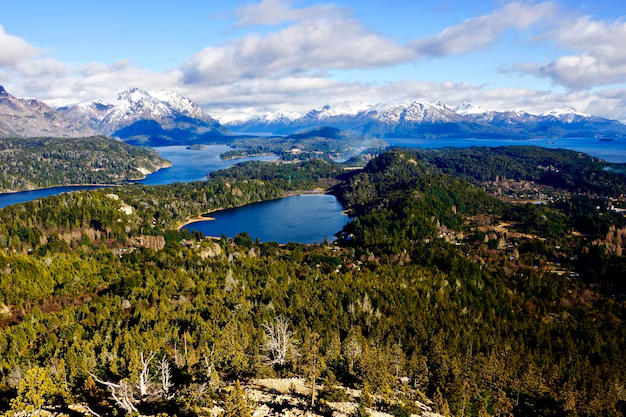
Stretching from the snowy Andes Mountains to the Atlantic Ocean, Río Negro Province is one of Argentina’s most geographically diverse and visually stunning regions. Known for alpine lakes, world-class ski resorts, bohemian mountain towns, and unexpectedly warm beaches, Río Negro offers an extraordinary variety of experiences within a single province.
From the iconic city of San Carlos de Bariloche and the wild beauty of Nahuel Huapi National Park to the artistic spirit of El Bolsón and the sun-soaked shores of Las Grutas, Río Negro blends Patagonian adventure with relaxation, culture, and natural wonder.
San Carlos de Bariloche – Patagonia’s Alpine Capital

Bariloche is the most famous destination in Río Negro and one of Argentina’s top tourist cities. Set along the shores of Lake Nahuel Huapi and surrounded by snow-capped peaks, the city is often compared to a Swiss alpine resort.
Bariloche is known worldwide for its chocolate shops, alpine architecture, and outdoor recreation. In winter, the city becomes a skiing and snowboarding hub, while summer offers hiking, kayaking, mountain biking, and lake cruises.
The city also serves as a gateway to the Lake District, with scenic drives, panoramic viewpoints, and access to some of Patagonia’s most beautiful landscapes. Bariloche’s vibrant nightlife, craft breweries, and culinary scene make it appealing to all types of travelers.
Nahuel Huapi National Park – Patagonia’s Outdoor Playground
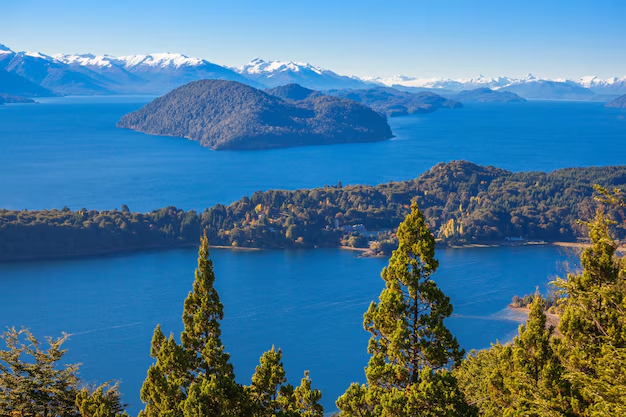
One of Argentina’s oldest national parks, Nahuel Huapi National Park spans parts of Río Negro and Neuquén provinces. It protects vast areas of lakes, forests, rivers, and mountains.
The park offers endless outdoor activities, including trekking, camping, fishing, sailing, and wildlife observation. Trails lead to hidden waterfalls, mountain refuges, and breathtaking viewpoints overlooking turquoise lakes.
In winter, snow transforms the park into a winter wonderland, while autumn brings colorful forests. Nahuel Huapi National Park is essential for anyone wanting to experience Patagonia’s raw natural beauty.
Cerro Catedral – South America’s Premier Ski Resort
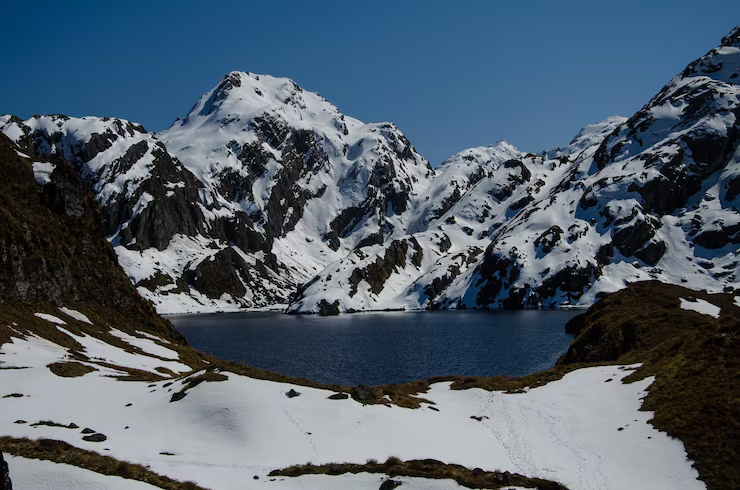
Located just outside Bariloche, Cerro Catedral is South America’s largest and most developed ski resort. With extensive ski runs, modern lifts, and panoramic views of the Andes, it attracts winter sports enthusiasts from around the world.
The mountain offers activities year-round. In summer, it becomes a hub for hiking, mountain biking, and scenic gondola rides. Restaurants and mountain huts provide spectacular views over Lake Nahuel Huapi.
Cerro Catedral is a cornerstone of Río Negro’s tourism and a must-visit for adventure seekers.
El Bolsón – Bohemian Spirit and Natural Harmony
Nestled in a fertile valley near the Andes, El Bolsón is known for its hippie culture, artisanal markets, and eco-friendly lifestyle. The town attracts artists, musicians, and travelers seeking simplicity and nature.
El Bolsón’s famous craft market features handmade jewelry, clothing, organic foods, and local products. The surrounding area offers hiking trails, waterfalls, and access to nearby mountains.
With its relaxed pace, natural beauty, and strong sense of community, El Bolsón represents Patagonia’s alternative and creative soul.
Las Grutas – Patagonia’s Warm-Water Beach Surprise
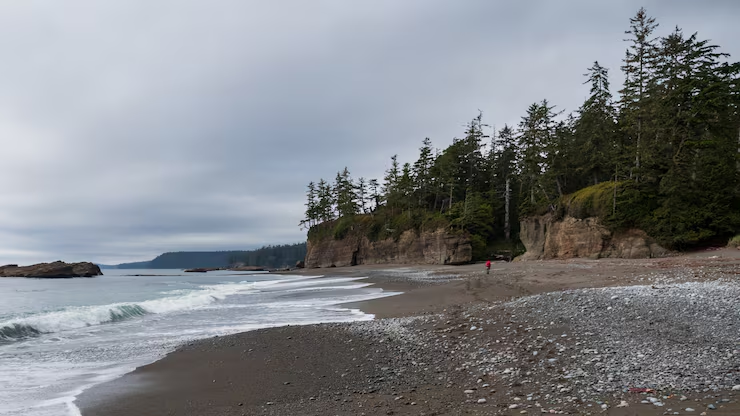
On the Atlantic coast lies Las Grutas, Río Negro’s most unexpected attraction. Unlike the cold waters typical of Patagonia, Las Grutas is famous for having some of the warmest ocean waters in Argentina, thanks to its unique geography.
The resort town offers sandy beaches, sea caves, cliffs, and calm waters ideal for swimming. During summer, Las Grutas becomes a lively destination with restaurants, nightlife, and family-friendly activities.
Its combination of beach tourism and Patagonian scenery makes Las Grutas a unique coastal getaway.
Why Río Negro Is a Must-Visit Destination
Río Negro stands out for its remarkable diversity. In one province, travelers can experience:
- Alpine lakes and mountain resorts
- National parks and outdoor adventures
- Bohemian culture and artisan traditions
- World-class skiing
- Warm Atlantic beaches
From the iconic landscapes of Bariloche and Nahuel Huapi National Park, the adventurous slopes of Cerro Catedral, the artistic energy of El Bolsón, to the sunny shores of Las Grutas, Río Negro showcases Patagonia in all its variety.
Whether you seek adventure, relaxation, culture, or nature, Río Negro delivers unforgettable experiences in every season.
Related artical : Neuquén, Argentina: Lakes, Volcanoes & Patagonia Beauty
<p>The post Río Negro, Argentina: Lakes, Mountains & Coast first appeared on Traveling Info World.</p>
]]><p>The post Neuquén, Argentina: Lakes, Volcanoes & Patagonia Beauty first appeared on Traveling Info World.</p>
]]>Unlike the windswept plains often associated with Patagonia, Neuquén surprises visitors with lush landscapes, alpine-style villages, thermal springs, and some of the most scenic roads in South America. From world-class hiking and skiing to tranquil lakeside retreats, the province invites travelers to experience Patagonia at its most picturesque.
San Martín de los Andes – Gateway to Patagonian Serenity

Nestled along the shores of Lake Lácar, San Martín de los Andes is one of Patagonia’s most beloved mountain towns. Surrounded by forests and Andean peaks, the town combines natural beauty with a relaxed yet refined atmosphere.
San Martín serves as a major access point to Lanín National Park and offers year-round attractions. In summer, visitors enjoy hiking, kayaking, fishing, cycling, and lake excursions. In winter, nearby ski centers transform the region into a snowy playground.
The town itself features wooden architecture, artisan markets, gourmet restaurants, and cozy cafés. Its lakeside promenade and tranquil beaches make it ideal for families, couples, and solo travelers alike. San Martín de los Andes perfectly balances outdoor adventure with comfort and charm.
Villa La Angostura – Alpine Elegance by the Lake

Often called the “Garden of Patagonia,” Villa La Angostura is a picturesque resort town located on Lake Nahuel Huapi, near the border with Río Negro Province. With its alpine-style chalets, flower-filled streets, and stunning lake views, the town feels like a European village set in Patagonia.
Villa La Angostura is famous for its tranquility, luxury lodges, and nature-based tourism. One of its highlights is the Arrayanes Forest, home to rare cinnamon-colored trees found nowhere else in the world. Hiking, mountain biking, sailing, and kayaking are popular activities during warmer months.
In winter, nearby ski resorts attract snow lovers, while the town remains quieter and refined compared to larger destinations. Villa La Angostura is ideal for travelers seeking elegance, nature, and peaceful surroundings.
Lanín National Park – Volcanoes, Forests, and Sacred Landscapes

Covering more than 400,000 hectares, Lanín National Park is one of Argentina’s most spectacular protected areas. Dominated by the perfectly conical Lanín Volcano, the park features ancient forests, turquoise lakes, rivers, and vast wilderness.
Lanín Volcano, rising over 3,700 meters, is sacred to the indigenous Mapuche people and serves as the park’s iconic landmark. Adventurous travelers can attempt guided climbs, while others enjoy hiking trails, camping areas, and scenic viewpoints.
The park protects native species such as Araucaria (pehuén) trees, foxes, deer, and rare birds. It also plays a crucial role in preserving Mapuche cultural heritage. Lanín National Park offers a deep connection to Patagonia’s natural and spiritual landscape.
Caviahue – Thermal Springs and Volcanic Wonders

Located near the Chilean border, Caviahue is a unique mountain village famous for its thermal hot springs, volcanic scenery, and winter sports. Sitting at the base of Copahue Volcano, the town blends wellness tourism with adventure.
The Copahue Thermal Complex attracts visitors seeking natural treatments using mineral-rich waters, volcanic mud, and sulfur baths known for therapeutic benefits. These hot springs remain active even in winter, offering a magical contrast between snow and steam.
Caviahue also features ski slopes, snowshoeing trails, frozen waterfalls, and volcanic landscapes that feel otherworldly. In summer, hiking and photography reveal colorful mineral formations and lava fields. Caviahue is a destination where geology, wellness, and adventure meet.
Ruta de los Siete Lagos – One of Argentina’s Most Scenic Drives
The Ruta de los Siete Lagos (Seven Lakes Route) is one of the most beautiful drives in Argentina, connecting San Martín de los Andes to Villa La Angostura through a stunning sequence of lakes, forests, and mountains.
Along the route, travelers encounter lakes such as Lácar, Machónico, Falkner, Villarino, Escondido, Correntoso, and Espejo, each offering breathtaking viewpoints, picnic spots, and hiking opportunities. The road winds through Andean-Patagonian forest, creating postcard-perfect scenery in every season.
In autumn, fiery foliage colors dominate the landscape. In winter, snow transforms the route into a fairytale drive. Summer brings crystal-clear waters ideal for swimming and kayaking. The Ruta de los Siete Lagos is more than a road—it is an unforgettable journey through Patagonia’s heart.
Why Neuquén Is a Must-Visit Patagonian Destination
Neuquén Province stands out as one of Argentina’s most complete travel destinations. It offers:
- Alpine towns with charm and comfort
- National parks with pristine wilderness
- Volcanoes, lakes, forests, and hot springs
- Scenic routes ranked among the best in the world
- Year-round tourism opportunities
From the peaceful lakes of San Martín de los Andes, the refined beauty of Villa La Angostura, and the wild landscapes of Lanín National Park, to the volcanic wonders of Caviahue and the unforgettable Ruta de los Siete Lagos, Neuquén captures the essence of Patagonia in its purest form.
For travelers seeking nature, adventure, relaxation, and stunning scenery, Neuquén is Patagonia at its most enchanting.
Related artical : Misiones, Argentina | Waterfalls & Rainforests
<p>The post Neuquén, Argentina: Lakes, Volcanoes & Patagonia Beauty first appeared on Traveling Info World.</p>
]]>