<p>The post Best Places Visiting in Udhampur – Explore Top Attractions & Hidden Gems first appeared on Traveling Info World.</p>
]]>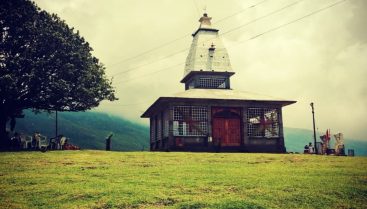
Shankri Devta temple rests atop a hill in village Meer under block Panchari at a picturesque location containing varied vegetation of grasslands and hills along with forested areas. The pucca road connects Block Headquarter Panchari together with Village Meer to Udhampur town.
The District Administration schedules the Shankri Devta Mela at the beginning of April and throughout May annually.
Youth Services and Sports Department of Udhampur conducted rural sports competitions which combined Kabbadi events with Tug of war contests and weight lifting competitions for both recreational purposes and student talent recognition in cultural and sports activities. The district administration established complete water access and medical care systems together with power supply and transport services and sanitary facilities throughout the area. Different state and centrally sponsored government schemes receive education to the public through department stalls set up at the mela site. Various security arrangements assured the availability of water facilities and medical services as well as power provision at the site. Local traders maintained their Jalebi, Pakora, bangles and toy stalls. During the first mela day J&K Indian Style Wrestling Association together with Local Dangal Committee staged wrestling matches where famous wrestlers from distinct areas competed.
2.Moungri Cave
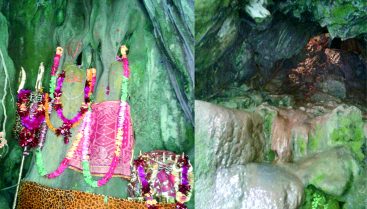
During ancient times the settlement known by name Sonara now exists as the village Moungri. The name Sonara describes territory with numerous natural water springs. Water springs receive their Dogri language name as Naaras. The local legend states this location was a home where Nag Devta resided while hundreds of stone springs naturally flowed at one time. The area still maintains this number of natural water springs despite passing years.
A local villager found the small stone shrine of Lord Shiva while obtaining revenge according to traditional beliefs from the Kansar Shrine. Agriculture remaining as the key occupation of the villagers they disrupted the stone formation and threw it into the Kansar stream in order to clear the farming pathway. The villagers automatically faced disaster after completing this action. Using intense haste the shrine was pulled from the flowing river before local people built a temple on top of a nearby hill. The temple still stands as a testimony to their labors
The Moungri Cave Shrines exist in Moungri village located in the Sonara land which contains one hundred water springs and serves as the residence of Nag Devta within the Panchari Block of District Udhampur under the leadership of Shri Swatantra Dev Kotwal. This holy place features a naturally occurring rock Shiv Lingam that reaches nine 1/2 feet while Parvati shares a joined stone representation with Shankhas, Amrit Kund, Kansar Shrine, Damroo statue and Nandi.
3.Sudh Mahadev And Mantalai
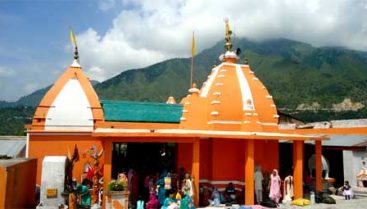
This highly revered Shiva temple is located at a distance of 42 Kms from Patnitop and 112 Kms from Jammu ,Legend has it that after bathing at a spring called Gouri Kund, just short of Sudh Mahadev ,the Goddess Parvati would worship the Shivling here that is believed to be at least 3000 years old .The temple also houses a black marble statue of local Shiva and Parvati .A trishul of Lord Shiva is also preserved here.Pilgrims in large number visit the shrine on the full moon night Of Sawan to participate in the festival to worship Lord Shiva. The underground stream Devak flowing from Sudh Mahadev is deemed similarly significant to Ganges whereas portions of this water disappear beneath rocks until reaching a distant location. Tourist Saraj under J&K Tourism Development Corporation management operates as the main accommodation option alongside Dharamshala offered by Dharamarth Trust.
The scenic forest area of Mantalai (1450 meters) lies approximately several kilometers past Sudh Mahadev. Legend claims that Lord Shiva married goddess Parvati at this location while Swami Dhirendra Brhamchari constructed a tree-shaped house and an unfinished assortment of projects including an airfield and hostel at the site. Visitors can enjoy panoramic mountain scenery by walking through the woods to Naina Devi which lies 5 Kms from Mantalai.
4.Krimachi
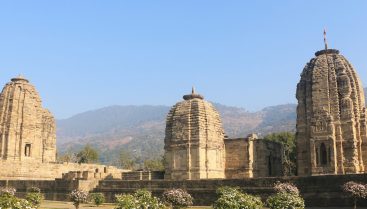
Krimachi stands as a small village within Udhampur district of Jammu & Kashmir UT. The village exists 12 km north of Udhampur through Udhampur-Lander road while maintaining a distance of 67 km from Jammu. Five temples together with two tiny shrines form the complex. The valley exists in mountain ranges that reach 730 meters above the mean sea level. The drainage system of this area relies on Birunala Stream as well as Krimachi.
The local people believe that the site served travelers using the Jammu-Kashmir path which passed through Banihal. The foundation of this site was established by a Mahabharata modern figure according to local records. Local legends describe Krimachi as Bhuti’s capital before it was one of the principalities in Jammu that descended from Daya-Karan’s rule over Kashmir. The descendents of king Daya- Karan ruled for numerous centuries during which their clan was known as “Bhutials” according to Diwan Narsingh Dass Nargis. Himmat Singh emerged as the final ruler of the dynasty before Maharaja Ranjit Singh defeated him to transfer the powers of his territory to Raja Gulab Singh. Bhuti entered into the realm of Jammu Kingdom during the year a.d. 1834.
5.Devika
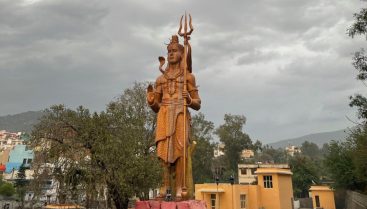
Udhampur city is also famous city of Devika river. Devika is also called as the sibling of river Ganges.
In Nilmat Puran, the seven-century and written book by Nela Muni, it describes that Devika River is an incarnation of mother Goddess Parwati to help people residing in an area lying between Ravi and Chenab rivers known Mader Desha is a region of Devika River that appeared on Shiv Ratri. The lord Shaiva himself remains side by side with his consort Uma in form of Shiv Lingas at eight places along Devika river.
The river at present is running under its sandy bottom.In Devi Mahatmays it is written that it is not required to perform any Japa or some ritual to get the spiritual benefits from this Pilgrimage Site, only the touch of the Devika waters or bathe in her waters will serve the purpose of spiritual benefits. Water flows as 1ft deep digging in sand bed. Cremation on the banks of Devika is considered as pious as the seer Sabamuni was who was in the habit of performing cremation on the banks of Ganges at Kashi.
Related articles : Best Places Visiting in Srinagar – Explore Top Attractions & Hidden Gems
<p>The post Best Places Visiting in Udhampur – Explore Top Attractions & Hidden Gems first appeared on Traveling Info World.</p>
]]><p>The post Best Places Visiting in Srinagar – Explore Top Attractions & Hidden Gems first appeared on Traveling Info World.</p>
]]>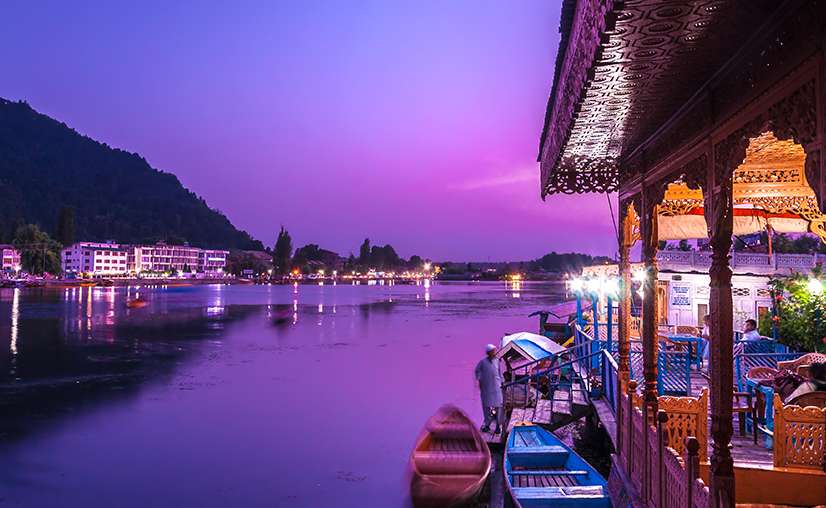
Dal Lake stands as a symbol of Kashmir tourism pride which constitutes the most notable destination within Srinagar. Family vacationers and honeymoon couples with solo travelers can find peace at Dal Lake which sits beneath glorious Pir Panjal and Mughal Gardens.
Film productions select Dal Lake as their prime shooting location because the scene includes beautiful pictures of gentle slopes and distant snowy mountain peaks together with peaceful shikaras and the elegant relaxed houseboats.
Visitor attractions at Dal Lake mainly consist of the covered Shikaras cruising through its surface. Tourists consider houseboat accommodations at Lake Dal the most desirable lodging option in Srinagar.
The pleasant environment of Dal Lake attracts both naturalists as tourists because its vast fish population includes Carp among other species. Visitors find the floating vegetable and flower market to be one of the significant sites worth seeing.
2. Tulip Garden
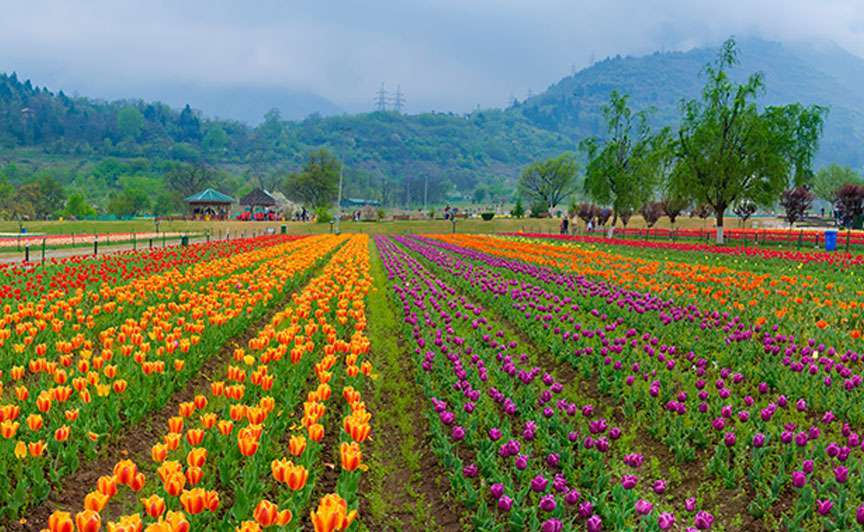
Asian residents and visitors consider the Indira Gandhi Memorial Tulip Garden the biggest tulip garden in Asia since it rests beneath Zabarwan Mountain. With its seven levels of garden beds the site displays 48 types of tulip flowers which appeal to both adults and children.
Apart from tulips the garden displays various flower species including daffodils hyacinths roses narcissus and ornamental plants. Romantic couples will find the water channel path through the terraces breathtaking since it provides an ideal spot for taking memorable photos.
During the spring season visitors flock to this main Srinagar tourist site occupying 30 hectares because the Tulip Festival occurs there. People from all travel backgrounds must visit this festival at this open-to-the-public event which displays both natural garden beauty and Kashmiri culture alongside handicrafts and food.
3.Pari Mahal
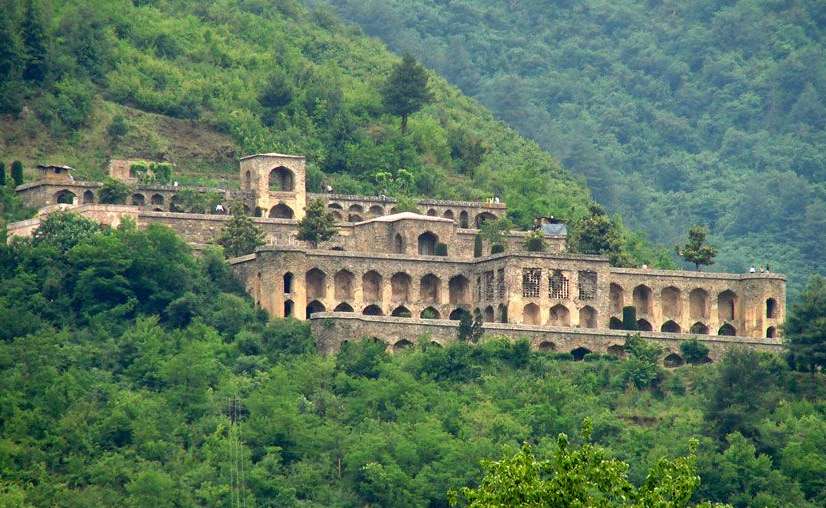
Tourists should visit Pari Mahal located within Zabarwan Mountain as one of the main attractions of Srinagar. The Mughal Prince Dara Shikoh resided at Pari Mahal during the 1600s thus it acquired its current name of Abode of Fairies. This site presents to visitors seven terraced gardens decorated by multiple plant species.
The Mughal Prince Dara Shikoh built the palace to function both as his home and to store books and use it later as an astronomical observatory for teaching students science. A bright light emanating from Pari Mahal illuminates the entire structure so that its reflection appears on Dal Lake during nighttime. Dara Sikoh installed this garden as a gift to his spiritual instructor Mullah Shah.
Best Time to Visit
Pari Mahal presents its optimal sightseeing conditions between April and October when visitors can enjoy pleasant weather throughout the season.
4.Shalimar Bagh
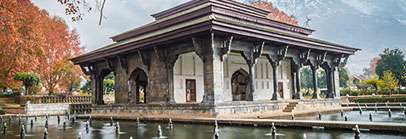
Shalimar Bagh marks its position alongside flawless Dal Lake while standing as the Kashmir valley’s biggest Mughal Garden thus earning itself recognition as a top Srinagar tourist attraction. The garden extended over 31 acres where Emperor Jahangir and his court used to spend their summers at this location. The house of love is another name for this beautiful work of art which maintained its original name as ‘Farah Baksh’ meaning delightful.
A serine environment emerges from the Shalimar Bagh thanks to the combination of Chinar tree forests with numerous flower varieties. A graceful water canal stretches from the middle of this garden which adds additional appeal to its ambiance.
The primary highlight of Shalimar Bagh consists of ‘Chini Khanas’. At night ‘Chini Khanas’ received their lighting from oil lamps producing a magical appearance. The historical ‘khanas’ now display flower pots as decorative additions although the nighttime illumination remains absent.
Best Time to Visit
People should visit Shalimar Bagh between May and October to enjoy the favorable weather conditions. During this era visitors can experience both the magnificent light and sound spectacle.
5.hashme Shahi
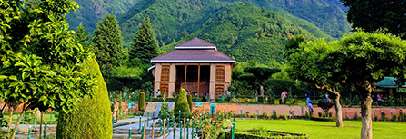
Chashme Shahi Garden earns its fame through its natural spring while belonging to the Mughal Gardens making it an essential stop for Srinagar visitors. Visitors at this Srinagar’s prime destination discover the attractive natural spring. The great female saint of Kashmir Rupa Bhawani uncovered the spring which later received its name from her family lineage and was previously known as ‘Chashme Sahibi’.
People flock to this location in Srinagar to sample the water from its spring based on folklore that it holds healing properties. Tourists should know the spring water stays cold during any time of the summer season peak.
Father of Mughal Emperor Shah Jahan commissioned Chashme Shahi to his son Dara Shikoh through his governor Ali Mardan during 1632.
Related articles : Best Places Visiting in Shopian – Explore Top Attractions & Hidden Gems
<p>The post Best Places Visiting in Srinagar – Explore Top Attractions & Hidden Gems first appeared on Traveling Info World.</p>
]]><p>The post Best Places Visiting in Shopian – Explore Top Attractions & Hidden Gems first appeared on Traveling Info World.</p>
]]>
Before Mughal control over Kashmir the road bore the name Namak Road referring to its role as a salt trading route. During its original operation the circuit became famous due to salt shipment activities from Western Punjab to Kashmir. The roadway permitted only pony and horse transportation until the commencement of human movement. The prominent Mughal Emperors Akbar to Aurangzeb used this path/road to journey to Kashmir Valley thereby making it gain the name Mughal Road.
Sheikh Muhammad Abdullah headed the government that made the decision to develop Mughal Road between Bufliaz Poonch and Shopian to provide Kashmir Valley with an alternative route and establish connections between Rajouri – Poonch during 1978. The actual construction work started during 1981 on each side from Bufliaz Poonch to Shopian as two Mughal road divisions were formed. The death of Sheikh Muhammad Abdullah in 1982 brought an abrupt halt to project development because the project lacked necessary funding. The construction goals of Mughal Road met failure after the Indian Defence Ministry made the project come to a complete halt. The continuous calls by Rajori and Poonch citizens for Mughal Road re-opening as a Kashmir Valley access alternative led to its inclusion in Prime Minister’s Reconstruction Program in 2005. Two Mughal road divisions experienced restoration and revitalization in two separate areas: one located at Surankote Poonch and the second at Shopian Kashmir. Mufti Muhammad Syed the then Chief Minister launched the foundation stone for Mughal road reconstruction at Bufliaz and Hirpure on October 1st 2005 before actual construction began in February 2006. Construction efforts for Mughal road stopped in 2007 because Wild Life Organization had concerns that the wildlife sanctuary facing risk from road developments.
2.Aharbal

The hill station holds its place in the south-western section of kashmir valley within jammu and kashmir union territory through a southern route from srinagar summer capital (Sub district: Damhal Hanjipora, District: Kulgam). This location provides a serene environment that attracts people who want to stream, take walks, make videos or take photographs or go fishing. The waterfall at Aharbal has mesmerized visitors with its scenic meadows combined with pine and fir tree forests and snow-clad mountains to bring many tourists from India and around the world. Aharbal Waterfall maintains its reputation as the Niagara Waterfall of Kashmir territory.
3.Kausar Nag

The popular Kousarnag lake exists within the Pir Panjal mountain range in Kulgam district of Jammu and Kashmir. The oligotropic lake sits between three mountains that reach elevations of great height. Kousarnag Lake covers approximately 3 kilometers of length along with a half-mile width scale. The lake agua hovers below the frost point while remaining crystal clear. The water at this location is slightly warmer than glacial streams yet offers an opportunity for swimming. The ridge peaks that face this lake are completely covered with snow during almost every season of the year. The waterbody stays frozen across the period from November until June. During July and August the seasonal snowfall completes its melting process which allows Kousarnag lake water to touch its shores. River veshaw takes its origins from this major water source and later flows into jhelum River. The lake contains several valuable medicinal plants which include koth, dhoop and pamsalan. The religious significance of Kousarnag attracts numerous individuals who come to worship here. Also, Gujjar and Bakerwal people rear sheep in the pastures lying below the lake during summer months. Throughout these months they use rocky caves as their dwelling. A delightful trekking path leads towards Kousarnag. The pathway differs from tosamaidan trail because it consists of rocky terrain. Travelers most often arrive at Aharbal to reach the lake. The access to Kousarnag can be achieved through Nadibal yet this journey extends longer than other paths. The distance from Aharbal to Kungwatan amounts to 9 km followed by a journey from Kungwatan to Mahinag that takes 7 km before completing the last portion of 7 km from Mahinag to Kousarnag. Below Kousarnag lies the wide valley Nekisar or Neelam Valley ranked among nature’s finest masterpieces. At the beginning of the Nadibal route exists the starting points in KB Pora followed by Avil. The trail for reaching Nadibal starts at KB Pora or Avil where hikers can navigate 3 km until they arrive at the destination. The rocky path of Telgogul Pathri reaches Alismud through a path starting from Nadibal. The trail from Alismud along the Cheran Bal to Sunderbouk forests links Manzipal to Lehan Patri. Journey to Lehan Patri requires about four hours duration for completion. The journey from Lehan Patri follows Kachoie then Kholi Galli before uniting with the route toward Aharbal at Kong Watan. The routes converge into Kousarnag after this point.
Related articles : Best Places Visiting in Samba – Explore Top Attractions & Scenic Spots
<p>The post Best Places Visiting in Shopian – Explore Top Attractions & Hidden Gems first appeared on Traveling Info World.</p>
]]><p>The post Best Places Visiting in Samba – Explore Top Attractions & Scenic Spots first appeared on Traveling Info World.</p>
]]>
Located in Ghagwal the sacred Shri Narsingh Dev Ji Temple exists as an ancient devotionally significant temple that honors Lord Vishnu. Thousands of pilgrims visit this holy temple which exists near the National Highway at 300 meters distance particularly during Hindu festivals as well as Navratras.
Devotees consider this temple to be hundreds of years old and it carries great spiritual significance. The temple worships Lord Narsingh who emerges as the protector incarnation of Vishnu. Both spiritual devotees and history lovers consider this temple sacred enough to be essential destinations.
The spiritual sanctuary Shri Narsingh Dev Ji Temple provides sacred religious blessings to its visitors. A large number of devotees make pilgrimage to the temple where they particularly pray to Lord Vishnu at Navratras which includes special rituals The temple serves as a center where visitors from the entire region gather because of its devotion-driven celebrations and religious enthusiasm.
2.Baba Sidh Goria Shrine

Residents can access Baba Sidh Goria Shrine by traveling 8 kilometers from Vijaypur on the National Highway which makes it one of the most revered spiritual locations in the region. This holy destination welcomes millions of devotees throughout the year who come to receive blessings and homage Baba Sidh Goria Shrine. This religious site obtains great importance for devotees who view it as their principal deity for numerous clans.
People visit Baba Sidh Goria Shrine because it contains a powerful spiritual energy along with its rich historical past. The shrine gathers devotees who believe prayers enable them to receive blessings together with financial prosperity and health as well as their desired objective fulfillment. Every year this site welcomes many pilgrims from distant places during its well-known annual mela celebration. During the fair various religious ceremonies perform along with communal feasting while a unified devotion brings together all types of community members.
At the temple one can admire the detailed architecture which represents the enriched cultural past of the local area. Religion seekers experience stronger spiritual impact because the shrine exists in a tranquil setting. Devotees choose to spend their time in meditation along with prayer rituals at this peaceful religious location.
3.Utterbehani

The spiritual destination of Utterbehani sits by the historical Devika River as a place of great religious importance. The holy location contains numerous temples that have existed for generations because they appeal to both worshippers and visitors who want to explore the historical religious traditions of the area.
Visitors to Purmandal temples normally include Utterbehani in their pilgrimage itinerary since these shrines operate as significant religious destinations in the Jammu region. The peaceful atmosphere of the riverbank complements the holy essence of historic shrines which invites all those who want spiritual peace at this sacred destination.
The religious heritage of this region exists permanently through the temples of Utterbehani. Religious festivals energize this site so the active participation of pilgrims from many regions across the nation happens. The peaceful environment and important historical value make Utterbehani serve both as a spiritual center of worship alongside being an exclusive sanctuary for discovering spirituality and history.
Anyone visiting both the devoted and the history-loving or religious site-exploring traveler will discover in Utterbehani a special and tranquil experience which continues to influence them even after their departure.
4.Baba Chamlyal

Millions of devotees from both sides of the Indo-Pak border visit the respected shrine Baba Chamliyal which stands exactly at the ZERO Line. A sacred location of vital importance welcomes devotees from both Indian and Pakistani sides because persons from these countries visit to receive blessings while participating in their yearly gathering.
The dedication of this shrine exists to Baba Dalip Singh Manhas whose spiritual title is Baba Chamliyal who earned recognition as a saint because of both his vast knowledge and miraculous power to heal. The religious and mystical value of the sanctuary grows due to beliefs that Shakkar soil and Sharbat water present at the shrine possess healing properties for skin disorders.
The worldwide event known as Baba Chamliyal’s mela (fair) each year draws religious enthusiasts who deeply want to experience the traditions stemming from the saint’s presence. The event creates a platform for spiritual connection because visitors assemble from various nationalities to express their unified worship.
Religious devotion remains strong at this temple which continues to enlighten its politically charged location while welcoming numerous devotees and global news representatives. The sacred atmosphere of Baba Chamliyal’s sanctuary teaches that worship extends past international limitations since religious belief creates spiritual connections between people from diverse nationalities.
5.Chichi Mata
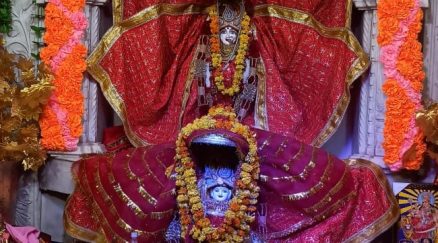
Located in Samba, the religious site that is Chichi Mata Temple carries important spiritual meaning from mythological origins. The sacred Shakti Peeths listing includes this site because the littlest finger of Goddess Sati descended from the Yagya when she gave her life. The sacred link between the goddess and this shrine has converted the site into a leading religious place which fulfills devotee pilgrims seeking divine blessings.
The temple lies only 3 kilometers outside Samba town where many pilgrims visit it with special devotion during Navratras. Devotees find peace and devotion within the blessed atmosphere of Chichi Mata Temple which resides in its peaceful environment.
When people visit Chichi Mata they believe their prayers obtain fulfillment which in turn brings health and success to their household members. The temple serves multiple pilgrimages traveling to Shri Mata Vaishno Devi and thus strengthens its religious importance.
Related articles : Best Places Visiting in Reasi – Explore Top Attractions & Scenic Spots
<p>The post Best Places Visiting in Samba – Explore Top Attractions & Scenic Spots first appeared on Traveling Info World.</p>
]]><p>The post Best Places Visiting in Reasi – Explore Top Attractions & Scenic Spots first appeared on Traveling Info World.</p>
]]>
Among all waterfalls in North India Siyad Baba Waterfall stands out as one of the largest. Siyad Baba Waterfall stands on the Chenab River within the Reasi district of Jammu and Kashmir at a height of 466 meters. Its more than 100-foot drop into the depths produces a captivating sight which draws both nature lovers and vacationers together.
Siyad Baba Waterfall serves as a perfect stop for people searching for outdoor thrills. Thrilling visitor experiences at the location include trekking and rock climbing and natural landscape exploration. Winter time visitors enjoy the thrilling challenge of jumping into the continuously flowing and freezing water at Siyad Baba Waterfall.
Best Time to Visit
Visiting Siyad Baba Waterfall is possible throughout the entire year yet July through October provides the optimal conditions for discovery. The waterfall reaches its peak during these months because it drops its water powerfully from the tall cliffs.
2.Shiv Khori
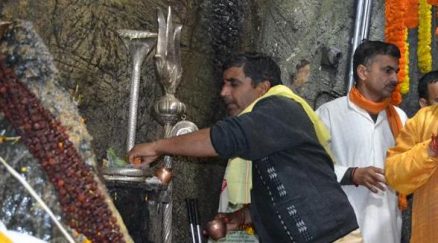
Shiv Khori stands as a sacred temple located within Ransoo in Jammu and Kashmir which honors Lord Shiva. The sacred cave holds naturally occurring Shiva Lingam which draws vast numbers of worshippers during each year.
Shiv Khori has achieved fame because it displays Shiva Lingam shapes that appear naturally. The mountainous passage stretches far into the depths where natural rock shapes become regarded as depictions of Hindu deities. Travelers attain spiritual euphoria when walking through the sacred path that leads to the sanctum.
During Shivratri festival a grand fair runs over three days every year to welcome thousands of devotees who seek blessings from Lord Shiva. A total of 16,000 pilgrims venerate the holy shrine during July whereas the temple welcomes about 20 lakh devotees yearly making it a major pilgrimage destination in northern India.
3.BHIM GARH FORT

The architectural and historical artwork of Bhim Garh Fort exists as Reasi Fort within the Reasi district territory of Jammu and Kashmir. This fort rests upon a hill by the Anji River bank to showcase historical as well as strategic importance of the region.
The local Reasi rulers first built the fortress before General Zorawar Singh enhanced it with defensive measures to protect against Chinese military attacks in Ladakh. His work to strengthen Bhim Garh Fort made it a fortress which effectively defended the region from outside aggression.
The military fortification showcases perfect examples of defensive architecture through its impressive stone construction with elaborate carvings as well as its calculated defensive systems. The defensive aspects of the structure are demonstrated through watchtowers and secret tunnels which are supported by sturdy gates that emphasize its strategic importance. Despite centuries of wear and tear, the fort still stands as a symbol of resilience and strength.
4.Salal Power

A substantial hydroelectric facility operates at Salal Power Project within the Reasi district of Jammu and Kashmir. Its status as both efficient energy source and engineering masterpiece together with its picturesque environment draws numerous visitors to the site.
Tourists have discovered Salal Power Project not only because of its industrial role but also because it functions as a visitor hotspot. People visit the Salal Dam because it presents visitors with a mesmerizing vista of the grand Chenab River. The site attracts tourists to its location as visitors want to see the excellent hydroelectric facilities while enjoying the area’s natural scenery.
Why Visit?
- Guests find the huge dam combined with the picturesque landscape to be nothing short of spectacular.
- The site holds substantial educational value because it teaches visitors about hydroelectric power generation and regional development after implementing this technology.
- Visitors experience complete enjoyment from the combination of rugged mountains and the picturesque river during their expedition.
5.Baba Aghar Jitto

Baba Aghar Jitto stands today as a symbol for people to express devotion with his commitment to justice together with his sacrificial acts. People respect him because he followed Shri Mata Vaishno Devi while using his dedication to farmers’ rights to face injustice before making the biggest sacrifice of his life. The inspirational effect of his life story impacts countless people who visit his commemorative site.
As a straightforward farmer Baba Aghar Jitto devoted all his years to maintaining righteousness and fairness. His life dedicated itself to the fight for justice where he worked to achieve fair agricultural yield distribution. The local administrator Bir Singh and Baba Aghar Jitto shared an agreement about crop ownership despite their opposing social classes. Baba Aghar Jitto made a strong protest after the Jagirdar refused to give him what rightfully belonged to him. He gave up everything to demonstrate his opposition against injustice throughout his life until his death. His decision to sacrifice himself elevated him to an iconic status within farming communities because it demonstrated both anti-oppression resistance and personal rights advocacy.
Related articles : Best Places Visiting in Ramban – Explore Top Attractions & Scenic Spots
<p>The post Best Places Visiting in Reasi – Explore Top Attractions & Scenic Spots first appeared on Traveling Info World.</p>
]]><p>The post Best Places Visiting in Ramban – Explore Top Attractions & Scenic Spots first appeared on Traveling Info World.</p>
]]>
Visitors who enjoy exploring natural beauty together with adventure activities must include Dogan Top among their priorities because it stands as Jammu and Kashmir’s spectacular center. The enchanting destination exists 10 kilometers beyond Gool along the Gool-Mahore road at approximately 2000 meters about sea level. Travelers experience an unforgettable time at Dogan Top because of its panoramic views and lush green meadows while enjoying visiting throughout every season.
The location of Dogan Top allows visitors to see remarkable views of Gool town and its surrounding areas. Dogan Top presents an incredible escape from city life because of its expansive hills and clean mountain breezes thus attracting visitors wanting to relax. The location provides breathtaking natural scenery so photographers and nature lovers declare it as their paradise.
The unique advantage of Dogan Top includes easy access to its location. An aerial helipad serves as a useful feature at the top of Dogan Top which improves visitor access to this scenic location through quick and comfortable flights. Automobile tourists can tour this destination easily due to its well-linked roads which create a comfortable exploration experience.
2.Tattapani

Tattapani stands as a popular tourist destination which lives near Ramban town at about 40 kilometers distance because of its natural sulphur springs. Thousands of visitors travel yearly to these springs because believers consider their water to have miracle healing powers.
People respect the therapeutic properties of Tattapani’s sulphur-rich water which flows from the spring. Late June until November draws individuals from Punjab state and other near locations to worship at these holy pools. The mineral hot water baths contain healing powers which people use to treat dermatitis and arthritis.
Best Time to Visit
A trip to Tattapani should be planned for the period between June and November because these months offer satisfactory weather conditions and optimal performance from the sulphur springs.
3. Sanasar

The Indian province Jammu and Kashmir features the spectacular town of Sanasar within its borders. The tourist destination of Sana and Sar gets its name from these two tiny settlements because it features stunning mountain scenery, lakes along with verdant grassy plains. The town of Sanasar fits nature enthusiasts and adventure fans because it exists 20 kilometers west of Patnitop in Udhampur district along National Highway 1A.
The town of Sanasar sits within thick coniferous forests where visitors can experience full mountain views all around. Due to its exceptional natural environment of clean air and expansive pastureland combined with alluring vistas this location provides optimal setting for leisure and adventure-based recreation.
Best Time to Visit
Visiting Sanasar becomes ideal during the months from April through October when visitors can enjoy pleasant conditions with the meadows in their blooming state. The winter season turns this area into a snow-covered enchantment enabling visitors to enjoy numerous snow-related activities.
4.Patnitop

Jammu and Kashmir showcases Patnitop as its most beautiful hill station which combines spectacular mountain views with many points of interest. Patnitop exists within the Lower Himalayan Range where it remains near the Pir Panjal mountains at a distance of 47 km from Udhampur and 112 km from Jammu.
As a favored hill resort Patnitop keeps a position at 2024 meters elevation and offers visitors panoramic views coupled with serene surroundings fresh by verdant fields. Tourists can reach this attractive location effortlessly through the Jammu-Srinagar Highway.
Tourists find this district to be the perfect destination for their thrilling outdoor activities. Trekking and paragliding activities together with skiing during winter seasons are popular in Patnitop because of its extensive pine forest landscapes. Outdoor lovers combined with nature enthusiasts find Patnitop perfect because of its cool climate and clean mountain breezes.
Best Time to Visit
Patnitop is a year-round destination. During the months of May through June visitors can experience comfortable temperatures thus becoming a suitable getaway destination from plain area heat. Patnitop receives snow during its winter months of December through February that turns the town into a perfect environment for skiing together with various additional snow-based activities
Related articles : Best Places Visiting in Rajouri – Explore Top Attractions & Scenic Spots
<p>The post Best Places Visiting in Ramban – Explore Top Attractions & Scenic Spots first appeared on Traveling Info World.</p>
]]><p>The post Best Places Visiting in Rajouri – Explore Top Attractions & Scenic Spots first appeared on Traveling Info World.</p>
]]>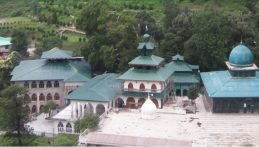
The Ziyarat Baba Ghulam Shah Badshah (R.A) Shahdara Sharief exists in the northern mid-section of Rajouri district where north latitudes measure 33.30 degrees as well as east longitudes measure 74.26 degrees at an altitude of 5807 feet above mean sea level. The average annual temperature for this area remains at 20 degree celsius because it is situated within the Middle mountains (Pir-Punjal) Himalayas range. The temperature at the Ziyarat Baba Ghulam Shah Badshah (R.A) Shahdara Sharief decreases by 1 degree celsius during winter and snow but reaches as high as 30 degrees celsius during June. The climate area of this region normally belongs to the temperate mountain zone.
The charming geographical features and natural landscapes at Shahdara possess a resemblance to the setting of Kashmir Valley. Shahdara Sharief shines during every season because it faces Manu Naka to the east while Bagla Kopra top lies in the west and endears visitors at Dehragalli (5900ft) and Chamrede Galli in the north. During spring the blossoming flowers give off fragrance and summer blankets the landscape with vegetation but winter presents snowy mountaintops and a bluish white cover at the Dargah’s 100k mesmerizing location. Shahdara has gained fame through its popular name “SeinDara”. The two words in Persian express Loin as Sein while Dara represents the term Maskin which stands for abode. This site changed its name to Shahdara Sharief after Baba (R.A) arrived while previously being known as Sein Dara.
2.Doodadhari Temple

Doodadhari Temple exists as Dudhadhari Barfani Ashram in the peaceful Rajouri town where devotees gather each year. Thousands of devotees along with tourists visit this place annually because it serves as an image of devotion combined with divine blessing.
Local residents built Doodadhari Temple as an expression of gratitude toward Saint Doodadhari Baba because he traditionally survived only by consuming milk. Through his steadfast faith and religious devotion Doodadhari Baba gained rich followership which continues to motivate generations. Through its existence this temple honors both the harsh lifestyle and spiritual growth of Saint Doodadhari Baba.
Visitors are attracted to Doodadhari Temple because it stands as the highest temple structure in Rajouri district. A perfect combination of complex carvings with stunning domes together with a tranquil environment produces a visual enchantment that promotes spiritual joy. The temple builders combined conventional Indian architecture with elements that create an atmosphere of peace.
Best Time to Visit
Visitors should favor visiting during the major Hindu holidays which include Mahashivratri and Navratri because the temple becomes embellished with decorations coupled with special devotional ceremonies.
3.Dhanidhar Fort
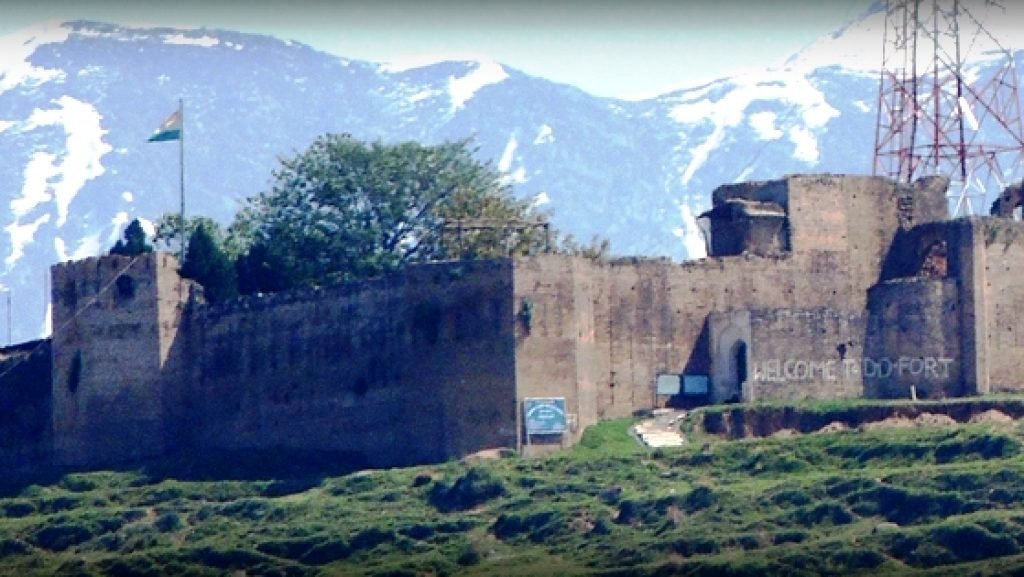
Dhanidhar Fort presents itself as an important historical site located within Rajouri in the Jammu and Kashmir region. During the mid-19th century builders constructed this structure which demonstrated the prevailing military and administrative objectives. The site continues to hold great historical significance after serving crucial functions of regional administration and military strategies during past times.
In 1819 Ranjit Singh the Maharaja took control of Rajouri during his Kashmirian conquest then gave governance to Mirza Raheem Ullah Khan by removing Raja Agar Khan from power. Under the authority of the Khalsa Darbar Lahore Raheem Ullah Khan ruled Rajouri during the time between 1846. The March 15, 1846 Treaty of Amritsar enabled the British to sell Ladakh and Kashmir and Jammu to Maharaja Gulab Singh. Rajouri became part of his administrative rule following this jurisdiction transfer.
The deteriorating relationship between Maharaja Gulab Singh and Raheem Ullah Khan compelled the British to force Raheem Ullah Khan to give up his power. He resisted British authority and lost his position after Maharaja Gulab Singh and his military force claimed Rajouri on October 26, 1846. Afterward Raheem Ullah Khan along with his family members had to depart from ruling his principality.
4.Kotranka Budhal
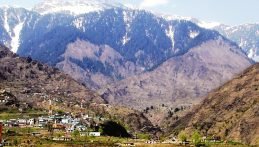
Kotranka serves as an appealing tourist destination that stands by the right bank of river Ans at a 40-kilometer distance. This location draws visitors who love nature alongside tourists throughout summertime. This location provides an enchanting atmosphere of relaxation during hot summer months. Kotranka serves as the administrative center which controls the largest Tehsil of Budhal. Local people refer to Budhal as the wood type present in the area because of its tough texture found across PirPanjal. The district Rajouri maintains its coldest place at this location where snow covers the land during four to five months straight. People use this location as their base as they prepare to navigate the rugged treks leading to ARNAS and SEDHUE both for tourists and nomadic groups with their cattle. The track passes through this area which actively draws travelers who wish to explore a route leading to Kashmir valley. Klhad represents a scenic attraction situated in the vicinity of Budhal. This small beautiful plateau maintains waters that stay cool in summertime and develop hot temperatures in wintertime. Nambal stands 6 kilometers outside Budhal as an attractive spot because of its picturesque landscapes.
The district authorities currently endeavor to secure its placement on the Tourist Map of the State by establishing touring infrastructure at Chingus, Rajouri, Dera-ki-Gali, etc. The Special Commissioner of Rajouri-Poonch stands out for his admirable work through his direct journey to Pir Panjal’s mountainous region to create a video documentary showing those region’s lakes and meadows. The film gained such high acclaim that Door-Darshan aired it two times on its channel.
Related articles : Best Places Visiting in Pulwama – Explore Top Attractions & Hidden Gems
<p>The post Best Places Visiting in Rajouri – Explore Top Attractions & Scenic Spots first appeared on Traveling Info World.</p>
]]><p>The post Best Places Visiting in Pulwama – Explore Top Attractions & Hidden Gems first appeared on Traveling Info World.</p>
]]>
The Avantipora Ruins stand as a major historical site located in Pulwama district of Kashmir. These ancient temple ruins dating from the 9th century exist as a tribute to Lord Shiva and Lord Vishnu after King Avantivarman built them during that time.
Despite all the damage that time has caused the site maintains its interest for enthusiasts who study history. The intricate stone carvings and architectural grandeur of the ruins showcase the remarkable craftsmanship of Kashmiri artisans. With its mesmerizing natural landscape surrounding the site the location offers visitors both historical depth and beautiful scenic views.
Tourists visiting Pulwama discover the serene cultural value of Avantipora Ruins which attracts both couples and history enthusiasts and spiritual travelers as their exclusive attraction.
Why Visit ?
- A visit reveals both prehistoric cave sites and legendary forts together with Mughal-period monuments and temples of religious dedication.
- Architectural Marvels: Witness ancient carvings, fort ruins, and religious sites.
- The destination offers several chances for adventurers to trek along with exploring caves while taking in natural scenery during their sightseeing trips.
- Tourists can discover the remarkable landscapes of Kashmir through its waterfalls and mountains as well as valleys during their visit.
- Cultural and Trade Importance: Observe cross-border trade activities at Chakkan Da Bagh Trade Centre, an essential hub for economic and familial ties across the LOC.
- Visitors can experience sacred peaceful moments by visiting both divine temples and historical religious sites.
2.Tarsar and Marsar Lakes

Kashmir features the Tarsar and Marsar Lakes as its most stunning natural attractions which exist as two tiny alpine lakes within the Pulwama district. Issued among green meadows and mountain peaks these lakes draw tourists because of their pristine waters which perfectly show mountain scenery.
The Tarsar Marsar Trek presents itself as a top adventure destination because it guides participants between valleys with picture-perfect sights and forests with dense alpine vegetation while passing through attractive camping areas. The trek provides trekkers with a priceless experience as they discover unexplored parts of Kashmir’s landscapes while nature lovers and photographers find pure beauty in this area. The Tarsar Marsar Lakes can be accessed by all visitors searching for either thrilling expeditions or serene experiences while traveling in Pulwama.
3.Payer Temple

Residents can find the Payer Temple 3 km south of Pulwama within a monolithic rock formation that was constructed in the 10th century AD. The historical and distinctive value of this temple from the tenth century continues to draw admirers.
The temple provides a peaceful environment because it exists in dense forest territory where streams run by while it serves as an ideal site for those looking for history or spirituality. The temple welcomes everyone despite its religious background to witness its craftsmanship alongside its historical and natural elements.
4.Saffron Fields

Visitors should experience the Saffron Fields of Pampore in Pulwama because they are one of its most beautiful attractions. Saffron fields in this region supply the world with its most expensive spice which they produce. Saffron Fields of Pampore transform into a breathtaking vista due to their purple flowers which bloom during the period extending from late October until mid-November. Visitors can participate in traditional saffron collection at Pampore then meet farmers before buying the original Kashmiri saffron from its authentic growing areas.
5.Pulwama Town

The residential area of Pulwama Town stretches 25 kilometers south of Srinagar in Jammu and Kashmir. The location plays an essential role as both cultural and historical center for the area and provides diverse views from natural surroundings to traditional community life.
Related articles :Best Places Visiting in Poonch – Explore Top Attractions & Scenic Spots
<p>The post Best Places Visiting in Pulwama – Explore Top Attractions & Hidden Gems first appeared on Traveling Info World.</p>
]]><p>The post Best Places Visiting in Poonch – Explore Top Attractions & Scenic Spots first appeared on Traveling Info World.</p>
]]>
The LOC Trade Centre located at Chakkan Da Bagh serves as a major spot in the region. This facility occupies a position on the 46-km cross-border Poonch-Rawalakote road while resting about 8 kilometers south of Poonch town. The trade centre maintains an essential position for connecting international trade and border movement operations.
The Trade Operations section provides unloading services to POK trucks which arrive from Monday through Friday for transportation beyond Muslim Tank crossing. Trucks which depart from Jammu and Poonch need to come to this center prior to moving across the LOC boundary for unloading operations.
Apart from facilitating trade operations the facility operates as a control point for relatives separated during the division to pass through the LOC. Military and border protection procedures must be completed by all travelers before their journey continues.
Why Visit?
- Research the historic caves that link areas believed to be separated by other lands.
- Architectural Marvels: Witness ancient carvings and rock formations.
- The visitor can enjoy forest trekking and cave maze exploration during their adventure experience.
- The area promises both the natural serenity of Lolab Valley and the panoramic views from Sadhana Pass which lies at high elevations.
- Cultural and Trade Importance: Observe cross-border trade activities at Chakkan Da Bagh Trade Centre, an essential hub for economic and familial ties across the LOC.
2.Mughal Road & Pir ki Gali

Agra served as the origin point of the Mughal road because it functioned as the Mughal capital located in UP. From Lahore in current Pakistan the road went through Poonch and Rajouri before crossing into Srinagar within the Kashmir valley. Before Jehangir (early 17th century) traveled the Poonch route it was known as Namak road but he renamed it the Mughal road. Mughal Road serves as an alternate route to Kashmir valley while decreasing the travel distance for both districts of Rajouri and Poonch. From Bafiaz to Shopian it extends 84 kilometers through locations such as Buffliaz, Behramgala, Chandimarh, Dugran, Pushana, chatta pani, Mansar, and Peer Ki Gali. During the journey through this road visitors can view both Sarimastan and Girjan which are well-known meadows found in this region.
Pir ki Gali
- Pir ki Gali stands as an appealing natural site at 1140fts above sea level. This site rises above the sea level near the shared border between Poonch and Shopian districts. Pir marg (meadow) surrounded with snow clad peaks, cool breeze and tribal life satyle starts from pir gali which is known as the crown of 240km log Pir panchal range the 84km long Mughal road passes through the heart of Pir Panchal via Pir gali which is 43km away from Buffliaz Poonch and 41km from Shopian with the opening of Mughal road great hustle bustle starts at Pir gali and simultaneously the surrounding natural resort and beautiful valley of seven lakes, Panj tarnimeadow, Girjan Doke, Tata kutti, peak, Chatta pani, Glacier come into lime light which are ideal for scenic and adventure Tourism.
3.Loran

Loran exists as a beautiful settlement located 35 kilometers outside Poonch town at the base of the Pir Panjal mountain range. Loran Nallah runs through the village as a glorious stream that makes the area even more attractive.
The political center of Poonch state served under Hindu governance until 1542 A.D. when Loran used to exist as its capital. At that time the settlement bore the name Loran-Kote. Travelers should add Loran to their destination list due to its historic legacy which includes the ruins of Lohar Kote Fort that were historically named the Gateway of Kashmir.
Why Visit ?
- Research Sites of Historical Importance Includes Both Ancient Caves and Legendary Forts and Old Trade Routes.
- Architectural Marvels: Witness ancient carvings and fort ruins.
- The destination provides chances to explore historical sites while trekking and exploring caves.
- Tourists can find unstained landscapes throughout Lolab Valley and Sadhana Pass as well as Loran.
- Cultural and Trade Importance: Observe cross-border trade activities at Chakkan Da Bagh Trade Centre, an essential hub for economic and familial ties across the LOC.
4.Noori Chammb

About 45 kilometers from Poonch town stands Noori Chammb as one of the most scenic attractions near Behram Galla in Surankote Tehsil. Mughal Queen Noor Jahan admired the waterfall so deeply that her husband Emperor Jahangir named it after her.
Visitors experience a remarkable scene at Noori Chammb when falling water generates heavy mist clouds which obscure the entire vicinity. The legend states that Noor Jahan used to retreat to this peaceful spot for rest and rejuvenation. Once she bathed in the clear waterfall water she would stand in front of the installed mirror on the mountain wall to assess her appearance.
Why Visit ?
- The Site Contains a Combination of Historical Sites that Include Historical Caves and Famous Forts Together with Mughal-Era Architectural Masterpieces.
- Architectural Marvels: Witness ancient carvings, fort ruins, and Mughal relics.
- The site offers visitors an opportunity to explore mountain trails while they experience caving and observe beautiful locations.
- While visiting Kashmir visitors can admire the breathtaking beauty of waterfalls alongside mountains and valleys.
- Cultural and Trade Importance: Observe cross-border trade activities at Chakkan Da Bagh Trade Centre, an essential hub for economic and familial ties across the LOC.
5.Mandi

Mandi Village settles in a tight valley among high grassy hills that extend 20 km from Poonch town. The peaceful village exists where two streams Gagri and Pulsta join together.
Mandi attracts visitors because it houses the highly respected Mandir Swami Budha Amar Nath Ji Temple which draws devotees together with tourists. Mandi attracts many summer travelers who desire relaxation during its pleasant weather because it lies not far from Poonch town.
All inhabitants of Mandi primarily use Kashmiri as their spoken language which gives the place its exclusive cultural appeal. Visitors active in exploring the Poonch district must not miss the chance to see this village because it unites religious value with natural settings and inclusive community culture.
Why Visit ?
- Travelers can experience both ancient sites and legendary fortifications as well as Mughal-era landmarks when they visit historical sites and sacred temples.
- Architectural Marvels: Witness ancient carvings, fort ruins, and religious sites.
- The area provides opportunities for trekking along with cave exploration and superb recreational experiences.
- The spectacular scenes of Kashmir let visitors explore its astounding combination of waterfalls, mountains and valleys.
- Cultural and Trade Importance: Observe cross-border trade activities at Chakkan Da Bagh Trade Centre, an essential hub for economic and familial ties across the LOC.
- You can find spiritual peace by visiting Mandir Swami Budha Amar Nath Ji which provides religious and spiritual exploration.
Related articles : Best Places Visiting in Kupwara – Explore Top Tourist Attractions & Scenic Spots
<p>The post Best Places Visiting in Poonch – Explore Top Attractions & Scenic Spots first appeared on Traveling Info World.</p>
]]><p>The post Best Places Visiting in Kupwara – Explore Top Tourist Attractions & Scenic Spots first appeared on Traveling Info World.</p>
]]>
Bangus Valley sits at 10,000 feet above sea level with an ecological system including combination of lush grasslands dense forests and taiga ecosystems. The mesmerizing valley rests west of Handwara in Kupwara Tehsil with its upper and lower parts dubbed Bodh Bangus (big valley) and Lokut Bangus (small valley) situated between Chaukibal and Samasheri mountain ranges.
Bangus Valley gains fame through its mountain stream from Mani Sankudhari Mountains where people can find wild orchids and green grasslands and high snowy mountain peaks. The peaceful environment achieves enhanced beauty through the combination of bird chirping sounds and the sight of sheep and cattle grazing. The setting feels unreal like a dream.
The pristine paradise of Bangus Valley exists as people reach it through two different access points: one leads from Handwara Tehsil to Satkoji and requires 12 kilometers of walking and another connects Chowkibal Marsari until reaching the valley after a 15-kilometer trek. Several developers are creating Asia’s biggest golf course project at this location to increase its position as a leading tourist destination.
2.DRANGYARI

Drangyari presents itself as a secret utopia hidden among the stunning Kashmiri scenery. Drangyari exists as one of the unnamed wonders of Kashmir despite its renowned stunning appearance because it continues to present unspoiled tranquility for explorers.
Drangyari lies near Chowkibal town at a 60-minute drive distance from Kupwara. Drangyari residents can explore this beautiful valley because it is situated 6 km from Chowkibal along the Chowkibal-Tangdhar Road and is easily accessible to nature enthusiasts.
The local name Drangyari describes this site due to its multiple vast bodies of water flowing together. Drangyari Nar stands as the noteworthy stream that runs along the road as it passes through the valley. The valley starts with three small streams which join together until Chowkibal marks their destination.
Why Visit Drangyari?
- Unmatched Natural Beauty
Drangyari hosts a combination of brilliant green pastures and lively pure springs and active waters from melting snow. Nature-lovers seeking peace will find Drangyari the perfect dream destination because of its breathtaking landscapes. - A Haven for Adventure Lovers
Drangyari provides extraordinary trekking opportunities that let nature enthusiasts explore its woods and hills and see its rolling hills and alpine meadows. All types of hikers will find outdoor adventures that meet their preferences in the valley. - Perfect for a Relaxing Getaway
Drangyari serves as the best location for people seeking natural seclusion. People can find peaceful relaxation at this destination because it exists outside traditional tourist concentration areas. - Accommodation and Facilities
Therelief of lodging is provided by the District Administration through its rest house facilities for tourists. Drangyari provides both comfort and convenience during any period of stay whether it is brief or prolonged.
Best Time to Visit
The most favorable period to visit Drangyari extends from April to September because the meadows achieve their floral peak during this season while the weather remains agreeable. People who enjoy winter conditions can witness a snowy landscape by visiting during low temperatures.
3.LOLAB VALLEY

Among the scenic landscapes of Kashmir Lolab Valley emerges as a spectacular cultural destination which captivates visitors with its picturesque charm. Tourists should travel to this valley because it displays a combination of stunning meadows alongside bewitching waterfalls and colorful orchards.
Visitors can easily reach Lolab Valley because it exists only 9 kilometers from Kupwara. This valley extends across 25 kilometers from end to end and encompasses almost 30 villages while being framed with the Lalkul (also known as Lahwal) green tree path.
Best Time to Visit Lolab Valley
The months between April and September deliver the perfect opportunity to visit Lolab Valley since the meadows display their green coloration and orchards display their full blossoms. The winter season creates an enchanting snowy environment which brings joy to people who seek experienes under snowfall.
4.Satbaran Kalaroos

The Satbaran Peeth consists of ancient caves which display remarkable architectural elements as the term ‘Seven Doors’ implies. Local myths indicate that these caves during ancient times operated as hidden passageways between Kashmir and Russia and Central Asia. Visitors show curiosity towards the caves even though scientific proof for their hidden connections remains unavailable.
The most captivating elements of these caves include the multiple ancient rock wall carvings as well as ancient inscriptions found on the walls. Archeologists discover ancient civilizations through the historical carvings displayed at Satbaran Kalaroos which establishes it as a priceless archaeological site.
Why Visit Satbaran Kalaroos?
- The site holds important historical value since ancient caves exhibit remains connecting to other geographical areas.
- Architectural Marvels: Witness ancient carvings and rock formations.
- The site offers both adventure through dense forests along with cave exploration trails.
- The natural wilderness of Lolab Valley along with its picturesque locations can be seen in their pristine state while visiting.
5.Sadna pass

One can find the important Jammu and Kashmir mountain pass Sadhana Pass nearby the caves. The Shams Bri mountain range hosts Sadhana Pass at 3130 meters above sea level where it links Karnah tehsil of Kupwara district to the Kashmir Valley throughout its elevation. This mountain pass lies about thirty kilometres outside Kupwara town while enjoying fabulous Himalayan natural vistas all around it.
From the Sadhana Viewpoint visitors can admire the spectacular Lolab Valley panorama as local people continue to retell the myth about blind fairies with no sense of hearing. Kandi village stands as the cultural and traditional center of Karnah at exactly one kilometer from Tangdhar.
Why Visit Satbaran Kalaroos and Sadhana Pass?
- Guests can explore ancient caves here because they contain unexplainable connections to other geographical areas.
- Architectural Marvels: Witness ancient carvings and rock formations.
- The site provides hiking opportunities through wooded regions as well as cave exploration.
- Explore both the pristine Lolab Valley while also exploring the elevation-highest Sadhana Pass point.
Related articles : Best Places Visiting in Kulgam – Top Tourist Attractions & Scenic Spots
<p>The post Best Places Visiting in Kupwara – Explore Top Tourist Attractions & Scenic Spots first appeared on Traveling Info World.</p>
]]>