<p>The post Best place to visit in Liechtenstein first appeared on Traveling Info World.</p>
]]>
Introduction
Vaduz Castle is the most recognizable landmark in Liechtenstein and a powerful symbol of the country’s sovereignty, history, and royal heritage. Perched high on a hillside overlooking the capital city of Vaduz, the castle dominates the skyline and offers a striking reminder of the principality’s medieval origins.
As the official residence of the Prince of Liechtenstein and the princely family, Vaduz Castle occupies a central place in the nation’s identity. Although not generally open to the public, its commanding presence and historical significance make it one of the most visited and photographed sites in the country.
Surrounded by vineyards, forests, and breathtaking Alpine scenery, the castle represents the perfect blend of history, culture, and natural beauty.
History
The origins of Vaduz Castle date back to the 12th century when it was constructed as a defensive fortress overlooking the Rhine Valley. Throughout the centuries, the castle underwent numerous expansions and renovations as various noble families occupied the site.
In the early 18th century, the House of Liechtenstein acquired the County of Vaduz and later established the Principality of Liechtenstein. The castle eventually became the official residence of the ruling family.
Today, Vaduz Castle remains a living symbol of the country’s monarchy and political independence.
2. Kunstmuseum Liechtenstein – The Modern Art Treasure of the Alps

Introduction
The Kunstmuseum Liechtenstein is the national museum of modern and contemporary art in Liechtenstein and one of the country’s most important cultural institutions.
Located in the heart of Vaduz, the museum is instantly recognizable due to its striking black cubic architecture. The building itself is considered a masterpiece of modern design and has become one of the capital’s most iconic landmarks.
The museum attracts art enthusiasts from around the world and plays a vital role in promoting cultural dialogue and artistic innovation.
Collections and Exhibitions
The museum houses an extensive collection of modern and contemporary artworks from Europe and beyond. Visitors can explore paintings, sculptures, installations, photographs, and multimedia exhibits created by internationally acclaimed artists.
Rotating exhibitions ensure that every visit offers something new and inspiring.
The institution has helped establish Liechtenstein as a significant destination for contemporary art within Europe.
3. Liechtenstein National Museum – Preserving the Nation’s Story

Introduction
The Liechtenstein National Museum offers visitors a comprehensive journey through the history, culture, traditions, and natural heritage of Liechtenstein.
Situated within a historic building complex in Vaduz, the museum combines centuries of history with modern exhibition techniques to create an engaging educational experience.
For anyone seeking to understand the identity of Liechtenstein, the National Museum serves as an essential destination.
Historical Importance
The museum’s collections cover thousands of years of history, from prehistoric settlements and Roman artifacts to medieval traditions and modern nation-building.
Visitors can explore exhibits on agriculture, religion, politics, industry, wildlife, and daily life throughout the country’s development.
The museum provides valuable insight into how one of the world’s smallest nations has preserved its independence and cultural identity.
4. Cathedral of St. Florin – The Spiritual Heart of Vaduz

Introduction
The magnificent Cathedral of St. Florin is one of the most important religious landmarks in Liechtenstein and a defining feature of Vaduz’s skyline.
Built in the Neo-Gothic style during the 19th century, the cathedral features elegant architecture, soaring spires, and beautiful stained-glass windows that attract visitors throughout the year.
Today, it serves as the seat of the Roman Catholic Archdiocese of Vaduz.
Architectural Beauty
The cathedral’s impressive stonework, decorative details, and harmonious proportions make it one of the country’s finest architectural achievements.
Its peaceful interior provides a place for reflection and worship while showcasing exceptional craftsmanship.
The cathedral remains an enduring symbol of faith and cultural heritage.
5. Red House – A Medieval Landmark of Vaduz

Introduction
The Red House, known locally as Rotes Haus, is one of the oldest and most distinctive buildings in Liechtenstein.
Located on the outskirts of Vaduz, the structure dates back to the Middle Ages and is easily recognizable due to its red exterior and prominent tower.
Surrounded by vineyards and rolling hills, the Red House offers a glimpse into the architectural heritage of the region.
Historical Significance
Originally built as a residence and agricultural estate, the building has survived centuries of political and social change.
Its preservation provides valuable insight into medieval construction techniques and rural life in Liechtenstein.
Today, it remains one of the country’s most photographed historic landmarks.
6. Gutenberg Castle – The Medieval Guardian of Balzers

Introduction
Gutenberg Castle is one of the best-preserved medieval castles in Liechtenstein and one of the nation’s most treasured historical sites.
Situated on a rocky hill above the town of Balzers, the castle offers spectacular views of the Rhine Valley and surrounding Alpine landscapes.
Unlike many European castles that have fallen into ruin, Gutenberg Castle remains remarkably intact and continues to host cultural events and exhibitions.
Historical Legacy
The castle’s origins date back to the High Middle Ages when it served as a defensive stronghold and noble residence.
Over the centuries, it played a significant role in regional politics and security.
Today, Gutenberg Castle stands as a symbol of Liechtenstein’s medieval heritage and architectural achievement.
7. Malbun – Liechtenstein’s Alpine Resort Paradise

Introduction
Malbun is Liechtenstein’s premier mountain resort and one of the country’s most popular tourist destinations.
Nestled high in the Alps, Malbun offers year-round opportunities for outdoor recreation, attracting visitors seeking adventure, relaxation, and breathtaking scenery.
Its picturesque setting, surrounded by dramatic peaks and alpine meadows, makes it one of the most beautiful places in the principality.
Activities and Attractions
During winter, Malbun becomes a family-friendly ski resort featuring slopes for skiing, snowboarding, and sledding.
In summer, visitors enjoy hiking, mountain biking, wildlife observation, and panoramic sightseeing.
The resort remains the heart of Alpine tourism in Liechtenstein.
8. Sareis Chairlift – Gateway to Spectacular Alpine Views

Introduction
The Sareis Chairlift provides one of the most scenic journeys in the country.
Departing from Malbun, the chairlift transports visitors high into the mountains, offering breathtaking views of valleys, forests, and snow-capped peaks along the way.
The experience itself is considered one of Liechtenstein’s top tourist attractions.
Scenic Experience
At the summit, visitors enjoy panoramic views stretching across Liechtenstein, Switzerland, and Austria.
Numerous hiking trails begin at Sareis, making it a popular destination for outdoor enthusiasts.
The chairlift offers an unforgettable perspective on the beauty of the Alps.
9. Princes’ Way Trail – The Ultimate Hiking Adventure

Introduction
The Princes’ Way Trail, locally known as Fürstensteig, is one of the most famous hiking routes in the Alps.
The trail traverses dramatic mountain ridges and steep rock faces while offering spectacular views of the Rhine Valley and surrounding peaks.
For experienced hikers, it provides one of the most rewarding outdoor experiences in Liechtenstein.
Historical and Natural Significance
Constructed during the late 19th century, the trail was designed to provide access to remote mountain regions.
Today, it combines historical significance with extraordinary natural beauty.
The route remains one of the country’s most iconic outdoor attractions.
10. Three Sisters Mountains – The Legendary Peaks of Liechtenstein

Introduction
The Three Sisters Mountains, known as Drei Schwestern in German, are among the most famous mountain formations in Liechtenstein.
These dramatic peaks rise above the Rhine Valley and form part of the border region between Liechtenstein and Austria. Their striking appearance has inspired local legends and attracted adventurers for generations.
The mountains represent one of the country’s most iconic natural landmarks.
Hiking and Adventure
The Three Sisters offer challenging hiking routes that reward climbers with spectacular panoramic views across the Alps.
Visitors encounter rugged ridges, alpine meadows, and unique geological formations throughout the journey.
For outdoor enthusiasts, the Three Sisters Mountains provide an unforgettable adventure and a deeper appreciation of Liechtenstein’s remarkable natural beauty.
11. Eagle Adventure Park – Liechtenstein’s Ultimate Outdoor Adventure Destination

Introduction
Eagle Adventure Park is one of the most exciting outdoor recreational attractions in Liechtenstein, offering visitors a thrilling combination of adventure, nature, and physical challenges. Nestled amidst the breathtaking Alpine landscapes, the park provides an unforgettable experience for families, groups, and adventure enthusiasts seeking excitement in a safe and scenic environment.
Designed to combine outdoor recreation with environmental appreciation, the park features climbing courses, rope bridges, zip lines, obstacle challenges, and adventure circuits suitable for various age groups and skill levels. Visitors can test their courage while enjoying panoramic views of forests, mountains, and valleys.
The park has become a popular destination for both residents and tourists who wish to experience Liechtenstein’s natural beauty in an active and engaging way.
Adventure Activities
The park offers numerous elevated rope courses that challenge balance, coordination, and confidence. Participants navigate suspended bridges, swinging platforms, climbing walls, and zip lines while safely secured with professional equipment.
The experience encourages teamwork, personal achievement, and outdoor exploration.
For many visitors, Eagle Adventure Park provides one of the most memorable recreational experiences in the country.
12. Walser Museum – Preserving the Heritage of the Mountain People

Introduction
The Walser Museum is one of Liechtenstein’s most important cultural institutions, dedicated to preserving the history and traditions of the Walser people.
Located in the mountain village of Triesenberg, the museum tells the story of the Walser settlers who migrated from the Swiss Alps during the 13th century and established communities throughout the region.
Visitors gain valuable insight into the customs, language, architecture, farming methods, and daily life of this unique Alpine culture.
Cultural Significance
The Walser people developed a distinct identity that continues to influence the cultural character of Triesenberg today. Through artifacts, photographs, documents, and interactive exhibits, the museum helps preserve this important heritage for future generations.
The institution serves as both an educational resource and a cultural landmark.
Visitors often leave with a deeper appreciation for the resilience and traditions of the Walser communities.
13. Ruggeller Riet Nature Reserve – The Ecological Treasure of Liechtenstein

Introduction
The Ruggeller Riet Nature Reserve is one of the most important ecological areas in Liechtenstein and a sanctuary for biodiversity.
Located in the northern municipality of Ruggell, the reserve protects extensive wetland habitats that support numerous plant and animal species. Its unique ecosystem provides valuable environmental benefits while offering visitors exceptional opportunities for nature observation.
The reserve is particularly famous for its colorful wildflower displays and abundant birdlife.
Natural Importance
The wetlands serve as breeding grounds for birds, amphibians, insects, and other wildlife. Conservation efforts help maintain the ecological balance of the area while promoting environmental education.
Visitors can explore walking trails and observation points designed to minimize environmental impact.
The reserve remains one of the country’s most beautiful natural destinations.
14. Eschnerberg Trail – A Journey Through Nature and History

Introduction
The Eschnerberg Trail is one of the most scenic hiking routes in northern Liechtenstein, combining natural beauty with historical significance.
The trail follows the Eschnerberg ridge, offering breathtaking views of the Rhine Valley, neighboring Austria, and Switzerland. Along the route, visitors encounter forests, meadows, archaeological sites, and cultural landmarks.
The hike provides an excellent opportunity to experience both the natural and historical landscapes of the principality.
Historical Highlights
Archaeological discoveries along the ridge reveal evidence of prehistoric settlements and ancient human activity dating back thousands of years.
Educational signs help visitors understand the significance of these sites while enjoying the surrounding scenery.
The trail remains a favorite destination for hikers and history enthusiasts.
15. Bendern Church – A Landmark of National Heritage

Introduction
The St. Peter and Paul Church, commonly known as Bendern Church, is one of the most historically important religious sites in Liechtenstein.
Situated on a hill overlooking the Rhine Valley, the church has played a central role in the spiritual and cultural life of the region for centuries.
Its prominent location and historical significance make it one of the country’s most recognizable landmarks.
Historical Importance
Bendern is particularly significant because local representatives gathered here during important moments in Liechtenstein’s early history.
The church continues to serve as a place of worship while attracting visitors interested in architecture, history, and cultural heritage.
Its scenic setting further enhances its appeal.
16. Schaan–Vaduz Hiking Trail – Connecting Two Important Communities

Introduction
The Schaan–Vaduz Hiking Trail is one of the most popular walking routes in the country.
Connecting the municipalities of Schaan and Vaduz, the trail allows visitors to explore urban landmarks, cultural attractions, scenic landscapes, and beautiful viewpoints in a single journey.
The route is accessible to a wide range of visitors and provides an excellent introduction to Liechtenstein’s cultural and natural diversity.
Scenic Experience
The trail passes through vineyards, forests, public parks, and historic neighborhoods while offering magnificent views of the surrounding Alps.
Visitors can experience both modern city life and traditional countryside landscapes.
The hike remains one of the country’s most enjoyable outdoor activities.
17. Alp Gaflei – The Mountain Retreat Above the Rhine Valley

Introduction
Alp Gaflei is one of the most scenic mountain destinations in Liechtenstein, located high above the Rhine Valley near Triesenberg.
Known for its peaceful atmosphere, breathtaking scenery, and excellent hiking opportunities, Alp Gaflei attracts visitors seeking relaxation and outdoor adventure.
The area offers spectacular panoramic views of mountains, forests, and neighboring countries.
Outdoor Attractions
Numerous hiking trails begin at Alp Gaflei, leading visitors through pristine Alpine environments.
The area is also home to mountain lodges and scenic rest points where visitors can enjoy the natural beauty of the region.
Its combination of tranquility and accessibility makes it a favorite destination among locals and tourists alike.
18. Rheinpark Stadium – The Sporting Heart of Liechtenstein

Introduction
The Rheinpark Stadium is the national stadium of Liechtenstein and the country’s most important sports venue.
Located in Vaduz, the stadium hosts international football matches, domestic competitions, athletic events, and major community gatherings.
It serves as the home ground of the Liechtenstein national football team and several local clubs.
Sporting Importance
Since its opening, Rheinpark Stadium has played a crucial role in promoting sports and national pride.
The modern facility provides excellent amenities for athletes and spectators while contributing to the country’s sporting development.
It remains one of the most recognizable landmarks in Vaduz.
19. Nendeln Roman Villa – A Window into Ancient History

Introduction
The Nendeln Roman Villa is one of the most significant archaeological sites in Liechtenstein.
The villa provides evidence of Roman settlement in the Rhine Valley and offers valuable insights into life during antiquity. Excavations have uncovered foundations, artifacts, and structural remains that reveal the sophistication of Roman architecture and agriculture.
Historical Significance
The villa demonstrates the importance of the region within the Roman Empire and highlights the long history of human habitation in Liechtenstein.
Visitors interested in archaeology and ancient history find the site particularly fascinating.
It remains an important reminder of the country’s Roman heritage.
20. Augstenberg Mountain – The Roof of Northern Liechtenstein

Introduction
Augstenberg Mountain is one of the highest and most spectacular peaks in northern Liechtenstein.
Rising dramatically above the surrounding landscapes, the mountain attracts hikers, climbers, photographers, and nature enthusiasts from across Europe.
Its rugged terrain and panoramic views make it one of the country’s premier outdoor destinations.
Hiking and Scenic Beauty
The ascent to Augstenberg takes visitors through forests, alpine meadows, and rocky mountain terrain before reaching the summit.
From the top, visitors enjoy extraordinary views of Liechtenstein, Switzerland, Austria, and the distant Alpine ranges.
The mountain represents one of the finest examples of the natural beauty that defines the principality.
Related artical : Best place to visit in Planken
<p>The post Best place to visit in Liechtenstein first appeared on Traveling Info World.</p>
]]><p>The post Best place to visit in Planken first appeared on Traveling Info World.</p>
]]>
Introduction
Planken is the smallest municipality in the Principality of Liechtenstein, yet it possesses some of the country’s most spectacular scenery and richest cultural heritage. Located on a high plateau above the Rhine Valley, Planken offers visitors breathtaking Alpine landscapes, peaceful surroundings, traditional village life, and remarkable historical significance.
Unlike larger municipalities, Planken has maintained a quiet and intimate atmosphere that allows visitors to experience the authentic charm of rural Liechtenstein. Surrounded by forests, mountain slopes, alpine meadows, and panoramic viewpoints, the village provides an ideal escape for those seeking tranquility and natural beauty.
The municipality is renowned for its commitment to preserving local traditions, protecting the environment, and maintaining the unique character that has defined the community for centuries. Visitors are often captivated by the stunning views, fresh mountain air, and welcoming atmosphere that make Planken one of Liechtenstein’s hidden treasures.
Today, Planken stands as a symbol of sustainable living, cultural preservation, and Alpine beauty.
History of Planken
The history of Planken dates back many centuries, with archaeological evidence indicating human settlement in the area since prehistoric times. Early inhabitants were attracted by the elevated location, fertile mountain land, and strategic vantage points overlooking the Rhine Valley.
During the Roman period, the surrounding region formed part of the Roman province of Raetia. Although Planken remained relatively small, the area benefited from regional trade networks and agricultural development.
Throughout the Middle Ages, residents relied primarily on farming, forestry, and livestock breeding. The challenging mountain environment required resilience and cooperation, helping shape the strong community spirit that remains evident today.
Despite modernization throughout Liechtenstein, Planken has successfully preserved much of its traditional identity and rural character. Visitors can still experience many aspects of Alpine life that have remained unchanged for generations.
1. St. Joseph Chapel

A Spiritual Landmark in the Mountains
The beautiful St. Joseph Chapel is one of the municipality’s most cherished landmarks.
Nestled within the peaceful village landscape, the chapel has served as a place of worship and community gathering for generations. Its simple yet elegant architecture reflects the humility and devotion of the local community.
Visitors often admire the chapel’s tranquil atmosphere and picturesque setting against the backdrop of the Alps.
The structure remains an important symbol of Planken’s cultural and spiritual heritage.
2. Planken Village Center

Experiencing Authentic Village Life
The village center of Planken offers visitors a glimpse into one of Liechtenstein’s most traditional communities.
Charming homes, quiet streets, beautifully maintained gardens, and public spaces create an atmosphere of peace and simplicity. The architecture reflects local building traditions and centuries of adaptation to mountain living.
Walking through the village allows visitors to appreciate the close-knit community and relaxed pace of life that define Planken.
The village remains the cultural heart of the municipality.
3. Panoramic Rhine Valley Viewpoints

Spectacular Views Across the Region
One of Planken’s greatest attractions is its extraordinary panoramic views.
The municipality’s elevated position provides breathtaking vistas of the Rhine Valley, neighboring Switzerland, Austria, and the surrounding Alpine mountains. Visitors can enjoy some of the finest viewpoints in Liechtenstein without traveling far from the village center.
Sunrise and sunset create especially dramatic scenes that attract photographers and nature enthusiasts.
The views remain among the most memorable experiences in Planken.
4. Alpine Hiking Trails

Exploring the Mountain Landscape
Planken serves as an excellent starting point for outdoor exploration.
A network of hiking trails leads through forests, meadows, mountain ridges, and scenic viewpoints. The routes offer opportunities to experience the beauty of Liechtenstein’s natural environment while enjoying fresh Alpine air.
Trails vary in difficulty, making them suitable for both casual walkers and experienced hikers.
Outdoor recreation remains one of the municipality’s most popular attractions.
5. Gafadura Mountain Area

Gateway to High Alpine Adventure
The nearby Gafadura mountain area is one of the region’s most beautiful outdoor destinations.
Known for its scenic trails, mountain hut, and panoramic views, Gafadura attracts hikers seeking authentic Alpine experiences. The area offers spectacular landscapes characterized by forests, rocky slopes, and expansive mountain vistas.
Visitors can enjoy both day hikes and longer excursions into the surrounding mountains.
The area remains a favorite destination for nature lovers.
6. Forests and Nature Reserves

Preserving Natural Beaut
The forests surrounding Planken play a vital role in the municipality’s ecological health and scenic appeal.
Visitors can explore peaceful woodland trails while observing native wildlife and diverse plant species. Conservation efforts help maintain the integrity of these ecosystems and ensure their protection for future generations.
Nature enthusiasts appreciate the tranquility and biodiversity of the area.
The forests contribute significantly to Planken’s reputation as a nature destination.
7. Agricultural Heritage

Life Shaped by the Mountains
Agriculture has been central to Planken’s history for centuries.
Mountain pastures, small farms, and grazing areas reflect traditional agricultural practices that have sustained local families for generations. Visitors can observe how residents adapted farming techniques to the challenging Alpine environment.
The agricultural heritage remains an important part of the municipality’s identity.
It continues to influence local culture and landscape management.
8. Cultural Traditions and Community Life

Preserving Local Identity
Planken hosts various cultural events and community celebrations that reflect the municipality’s strong traditions.
These gatherings bring residents together while preserving local customs, music, food, and social values. Visitors often appreciate the authenticity and hospitality that characterize these events.
The celebrations strengthen community bonds and maintain cultural continuity.
They remain an important aspect of life in Planken.
9. Wildlife Observation Areas

Discovering Alpine Biodiversity
The natural habitats surrounding Planken support a variety of wildlife species.
Visitors may encounter birds, small mammals, and diverse plant communities while exploring the municipality’s trails and natural areas. Wildlife observation provides valuable opportunities for environmental education and appreciation.
The area’s biodiversity highlights the ecological richness of the Liechtenstein Alps.
Nature lovers find Planken particularly rewarding for outdoor exploration.
10. Modern Planken

A Model of Sustainable Alpine Living
Modern Planken successfully balances development with environmental protection and cultural preservation.
The municipality offers excellent public services, infrastructure, and quality of life while maintaining its rural character and commitment to sustainability. Residents benefit from a strong sense of community and close connection to nature.
Planken’s approach to development serves as an example of how small communities can thrive while protecting their heritage.
The municipality continues to look toward the future while honoring its past.
Related artical : Best place to visit in Schellenberg
<p>The post Best place to visit in Planken first appeared on Traveling Info World.</p>
]]><p>The post Best place to visit in Schellenberg first appeared on Traveling Info World.</p>
]]>
Introduction
Schellenberg is the northernmost hillside municipality of the Principality of Liechtenstein and one of the country’s most historically significant destinations. Situated on elevated terrain overlooking the Rhine Valley, Schellenberg offers visitors a unique combination of medieval heritage, breathtaking Alpine scenery, ancient archaeological sites, and peaceful rural charm.
Known primarily for its historic castle ruins, panoramic viewpoints, and rich cultural history, Schellenberg provides a fascinating glimpse into Liechtenstein’s past. The municipality occupies a strategic position that has been valued by settlers, nobles, and military forces for thousands of years.
Surrounded by forests, rolling hills, and beautiful countryside, Schellenberg remains one of the most picturesque communities in the principality. Visitors are drawn to its historical landmarks, hiking opportunities, and spectacular views stretching across Liechtenstein, Switzerland, and Austria.
Today, Schellenberg preserves its heritage while offering a tranquil escape into one of the country’s most scenic regions.
History of Schellenberg
The history of Schellenberg dates back thousands of years and is closely tied to the development of northern Liechtenstein. Archaeological discoveries indicate that prehistoric communities inhabited the area due to its elevated position, fertile land, and strategic location along important transportation routes.
During the Roman era, the region formed part of the Roman province of Raetia. Roman influence contributed to agricultural development and trade throughout the Rhine Valley.
The municipality gained particular importance during the Middle Ages when powerful noble families constructed defensive fortifications on the surrounding hills. These castles protected trade routes and provided control over the region.
The historic County of Schellenberg eventually became one of the territories purchased by the House of Liechtenstein, contributing directly to the formation of the modern Principality of Liechtenstein in 1719.
Today, Schellenberg remains one of the most historically important municipalities in the country.
1. Upper Castle Ruins (Obere Burg)

The Medieval Guardian of the Rhine Valley
The Upper Castle Ruins represent one of the municipality’s most iconic historical landmarks.
Built during the medieval period, the fortress once served as a defensive stronghold controlling important routes through the Rhine Valley. Although much of the structure is now in ruins, visitors can still admire impressive stone walls and architectural remnants.
The elevated location offers breathtaking views across the surrounding countryside and neighboring countries.
The site remains a powerful reminder of Schellenberg’s medieval significance.
2. Lower Castle Ruins (Untere Burg)

Another Window into the Middle Ages
The Lower Castle Ruins provide further insight into the region’s medieval past.
Constructed as part of the local defensive network, the fortress played an important role in protecting the area and maintaining regional authority. Today, visitors can explore the surviving ruins while learning about the history of feudal society in the Alps.
The site offers a fascinating combination of history, archaeology, and scenic beauty.
It remains one of the municipality’s most valuable cultural landmarks.
3. Schellenberg Village Center

A Charming Alpine Community
The village center of Schellenberg reflects the municipality’s traditional character and strong community spirit.
Visitors can stroll through peaceful streets lined with attractive homes, gardens, churches, and public buildings. The architecture blends historical influences with modern Alpine design.
The relaxed atmosphere allows visitors to experience authentic life in one of Liechtenstein’s smallest communities.
The village remains the cultural and social heart of the municipality.
4. St. George Church
A Symbol of Faith and Tradition
The beautiful St. George Church serves as one of the municipality’s most important landmarks.
The church has long played a central role in religious and community life. Its elegant architecture and peaceful setting make it a favorite destination for visitors interested in cultural heritage.
The structure reflects centuries of local history and spiritual tradition.
It remains a cherished symbol of Schellenberg’s identity.
5. Eschnerberg Ridge Trails
Exploring the Scenic Highlands
The nearby Eschnerberg ridge provides excellent opportunities for hiking and outdoor recreation.
Trails pass through forests, meadows, and scenic viewpoints while offering magnificent views of the Rhine Valley. The routes are suitable for visitors of varying fitness levels and provide opportunities to experience the natural beauty of northern Liechtenstein.
Nature enthusiasts particularly appreciate the area’s biodiversity and tranquility.
The trails remain among the municipality’s most popular attractions.
6. Panoramic Rhine Valley Viewpoints

Spectacular Views Across Three Countries
Due to its elevated location, Schellenberg offers some of the finest panoramic views in Liechtenstein.
Visitors can admire sweeping landscapes that extend across the Rhine Valley into Switzerland and Austria. The scenery includes forests, farmland, rivers, villages, and distant mountain peaks.
Sunrise and sunset provide particularly memorable viewing experiences.
The viewpoints remain one of the municipality’s greatest attractions.
7. Prehistoric Archaeological Sites
Evidence of Ancient Settlement
Schellenberg contains some of Liechtenstein’s most important prehistoric archaeological sites.
Excavations have uncovered evidence of early human habitation dating back thousands of years. These discoveries provide valuable insight into the lives of the region’s earliest inhabitants.
Visitors interested in archaeology can learn about the development of human settlement in the Alps through local exhibits and educational materials.
The archaeological heritage highlights the municipality’s long historical significance.
8. Forest Nature Trails

A Haven for Nature Lovers
The forests surrounding Schellenberg offer peaceful environments for walking, hiking, and wildlife observation.
Visitors can explore well-maintained trails while enjoying fresh mountain air and diverse natural landscapes. The area supports a variety of plant and animal species that contribute to its ecological importance.
Nature lovers often consider these forests among the most beautiful in northern Liechtenstein.
The trails provide excellent opportunities for relaxation and exploration.
9. Community Festivals and Cultural Traditions

Preserving Local Heritage
Throughout the year, Schellenberg hosts festivals and cultural events that celebrate local traditions and community life.
These gatherings feature traditional music, food, crafts, and social activities that strengthen community identity and preserve cultural heritage. Visitors often enjoy experiencing the warmth and hospitality of local residents.
The events reflect the strong cultural values that continue to shape the municipality.
They remain an important aspect of life in Schellenberg.
10. Modern Schellenberg

Preserving the Past While Embracing the Future
Modern Schellenberg balances development, environmental stewardship, and heritage preservation.
The municipality offers high-quality infrastructure, public services, educational opportunities, and recreational facilities while maintaining its rural charm and historical character.
Residents enjoy a peaceful lifestyle supported by strong community values and sustainable planning.
Schellenberg continues to thrive while honoring the traditions and landmarks that define its identity.
Related artical : Best place to visit in Gamprin
<p>The post Best place to visit in Schellenberg first appeared on Traveling Info World.</p>
]]><p>The post Best place to visit in Gamprin first appeared on Traveling Info World.</p>
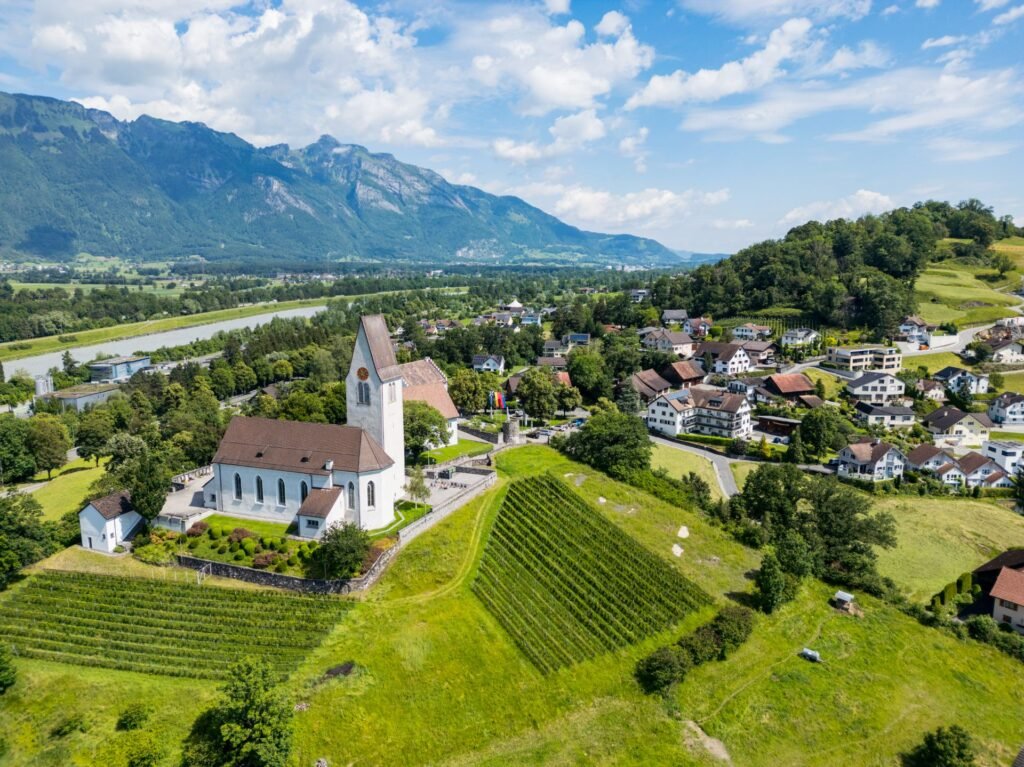
]]>
Introduction
Gamprin is one of the most picturesque municipalities in the Principality of Liechtenstein, located in the northern Rhine Valley between rolling hills, fertile farmland, and the majestic Alpine landscape. Known for its peaceful atmosphere, natural beauty, historical heritage, and strong sense of community, Gamprin offers visitors an authentic glimpse into traditional Liechtenstein life while providing easy access to some of the country’s most beautiful natural attractions.
The municipality includes the village of Bendern, an area of immense historical significance that played an important role in the formation of modern Liechtenstein. Together, Gamprin and Bendern create a destination where centuries of history coexist with modern development, creating a unique cultural landscape.
Surrounded by forests, wetlands, meadows, and scenic walking trails, Gamprin is particularly attractive to visitors who appreciate nature, outdoor recreation, and cultural heritage. Its central location in northern Liechtenstein makes it an excellent base for exploring the wider region.
Today, Gamprin continues to thrive as a welcoming community that values both tradition and progress.
History of Gamprin
The history of Gamprin extends back many centuries. Archaeological discoveries suggest that the region was inhabited during prehistoric times due to its fertile land and favorable location along important transportation routes.
During the Roman era, the area formed part of the Roman province of Raetia. Roman settlements and trade routes contributed to regional development and influenced local agriculture and commerce.
Throughout the Middle Ages, Gamprin evolved into an agricultural community where farming and livestock breeding played central roles in daily life. The nearby village of Bendern gained particular importance due to its strategic position overlooking the Rhine Valley.
One of the most significant moments in Liechtenstein’s history occurred in Bendern during the seventeenth century when local representatives pledged allegiance to the ruling House of Liechtenstein, helping establish the foundations of the modern principality.
Today, Gamprin proudly preserves its historical legacy while embracing contemporary development.
1. Bendern Village

The Historic Heart of the Municipality
The village of Bendern is one of the most historically important locations in the country.
Situated on an elevated terrace above the Rhine Valley, Bendern offers spectacular views while preserving centuries of architectural and cultural heritage. The village played a vital role in the political development of Liechtenstein and remains a symbol of national identity.
Visitors can explore charming streets, historic buildings, and beautiful viewpoints that reflect the area’s rich history.
Bendern continues to be one of the municipality’s most treasured destinations.
2. St. Peter and Paul Church

A Landmark of Faith and History
The magnificent St. Peter and Paul Church stands as one of the oldest and most important religious landmarks in Liechtenstein.
The church has served the local community for centuries and remains a significant symbol of spiritual and cultural life. Its elevated location provides stunning views of the surrounding countryside.
Visitors often admire the architecture, peaceful atmosphere, and historical significance of the site.
The church remains a centerpiece of Bendern’s identity.
3. Rhine Valley Viewpoints

Panoramic Beauty Across Three Nations
The elevated terrain around Gamprin and Bendern offers some of the finest viewpoints in northern Liechtenstein.
Visitors can enjoy sweeping vistas of the Rhine Valley, neighboring Switzerland, Austria, and the surrounding Alpine peaks. The landscape changes dramatically with the seasons, creating unique photographic opportunities throughout the year.
These viewpoints provide excellent opportunities to appreciate the geographical beauty of the region.
They remain among the municipality’s most popular attractions.
4. Gamprin Nature Trails

Exploring the Countryside
Gamprin offers a network of walking and hiking trails that allow visitors to experience the area’s natural beauty.
Routes pass through forests, meadows, agricultural fields, and scenic landscapes rich in wildlife and plant diversity. These trails provide opportunities for relaxation, photography, and environmental education.
The peaceful environment makes Gamprin an ideal destination for outdoor enthusiasts.
Nature remains an integral part of life within the municipality.
5. Rhine River Landscapes

The Lifeline of the Region
The nearby Rhine River has influenced the history and development of Gamprin for centuries.
The river provided transportation routes, agricultural benefits, and economic opportunities that helped local communities flourish. Today, visitors can enjoy beautiful riverside scenery and recreational opportunities along the river corridor.
The Rhine continues to shape the landscape and identity of the municipality.
Its presence adds significantly to the region’s natural appeal.
6. Agricultural Heritage

A Tradition Rooted in the Land
Agriculture has long been central to life in Gamprin.
The municipality’s fertile fields support farming activities that have sustained local communities for generations. Traditional agricultural practices remain visible throughout the countryside, contributing to the area’s cultural identity and scenic beauty.
Visitors can enjoy peaceful rural landscapes while learning about the agricultural heritage of northern Liechtenstein.
The farmland remains an important component of the municipality’s character.
7. Historical Monuments and Heritage Sites
Preserving the Story of Liechtenstein
Several monuments and historical markers throughout Gamprin and Bendern commemorate important events in the nation’s history.
These sites provide insight into the development of Liechtenstein and the role local communities played in shaping the country’s identity.
Visitors interested in history can explore these landmarks while gaining a deeper understanding of the principality’s past.
The preservation of heritage remains a priority for the municipality.
8. Wildlife and Birdwatching Areas

A Haven for Nature Enthusiasts
The natural habitats surrounding Gamprin support a variety of bird species and wildlife.
Visitors can observe local fauna while exploring forests, meadows, and wetland environments. Educational trails and observation points enhance the experience for nature lovers and photographers.
The municipality’s commitment to environmental conservation helps protect these valuable ecosystems.
Wildlife observation remains a popular activity throughout the year.
9. Community Festivals and Traditions

Celebrating Local Identity
Gamprin hosts various festivals, cultural events, and community celebrations that showcase local customs and traditions.
These gatherings feature music, food, crafts, and social activities that strengthen community bonds and preserve cultural heritage. Visitors often enjoy experiencing the warmth and hospitality of local residents.
The events reflect the strong sense of identity that defines the municipality.
They remain an important aspect of community life.
10. Modern Gamprin

Progress with Respect for Tradition
Modern Gamprin successfully balances economic development, environmental sustainability, and cultural preservation.
The municipality offers excellent infrastructure, educational facilities, public services, and recreational opportunities while maintaining its rural charm and historical character.
Residents enjoy a high quality of life supported by strong community values and careful planning.
Gamprin continues to evolve while honoring the traditions that have shaped its identity.
Relatede artical : Best place to visit in Ruggell
<p>The post Best place to visit in Gamprin first appeared on Traveling Info World.</p>
]]><p>The post Best place to visit in Ruggell first appeared on Traveling Info World.</p>
]]>
Introduction
Ruggell is the northernmost municipality of the Principality of Liechtenstein and one of the country’s most scenic natural destinations. Located along the banks of the Rhine River near the borders of Austria and Switzerland, Ruggell is known for its beautiful wetlands, fertile agricultural landscapes, rich biodiversity, and peaceful rural atmosphere.
Unlike many of Liechtenstein’s mountain communities, Ruggell is characterized by its flat terrain, expansive meadows, nature reserves, and river landscapes. This unique geography has helped the municipality develop into one of the most important ecological regions in the country.
For centuries, local residents have lived in harmony with the natural environment, relying on agriculture, livestock farming, and sustainable land management. Today, Ruggell remains a destination where visitors can experience pristine nature, cultural heritage, and the relaxed pace of life that defines northern Liechtenstein.
Whether exploring protected wetlands, cycling through picturesque countryside, or discovering local traditions, visitors find Ruggell to be one of Liechtenstein’s most rewarding hidden gems.
History of Ruggell
The history of Ruggell stretches back many centuries. Archaeological discoveries indicate that the area was inhabited during prehistoric times due to its fertile soils and proximity to important transportation routes.
During the Roman period, the region formed part of the Roman province of Raetia. Roman settlements and trade routes influenced the development of local agriculture and commerce throughout the Rhine Valley.
Throughout the Middle Ages, Ruggell remained primarily an agricultural community. Farmers worked the fertile lands surrounding the Rhine River while adapting to periodic flooding and changing environmental conditions.
Over time, improvements in flood protection and land management allowed the municipality to prosper. Today, Ruggell continues to maintain its agricultural traditions while embracing environmental conservation and sustainable development.
1. Ruggeller Riet Nature Reserve

The Ecological Heart of Liechtenstein
The Ruggeller Riet is one of the most important nature reserves in Liechtenstein and among the municipality’s greatest attractions.
This protected wetland ecosystem supports a remarkable variety of plant and animal species, including rare birds, insects, and wildflowers. During spring and summer, colorful blooms transform the landscape into one of the most beautiful natural areas in the country.
Visitors can explore walking trails, observation points, and educational routes that highlight the importance of environmental conservation.
The reserve remains a paradise for nature lovers and photographers.
2. Rhine River Landscapes

Life Along Europe’s Great River
The Rhine River has played a crucial role in the history and development of Ruggell.
Flowing along the municipality’s western boundary, the river provides beautiful scenery and supports local ecosystems. Visitors can enjoy peaceful riverside walks while learning about the historical importance of the Rhine for trade, transportation, and agriculture.
The river landscapes offer excellent opportunities for photography and relaxation.
The Rhine remains one of Ruggell’s defining natural features.
3. Historic Village Center

Discovering Rural Liechtenstein
The village center of Ruggell preserves much of its traditional charm and community atmosphere.
Visitors can explore quiet streets lined with attractive homes, public buildings, gardens, and local businesses. The architecture reflects the municipality’s agricultural heritage and long history of rural settlement.
The center serves as the social and cultural heart of the community.
Its welcoming atmosphere provides insight into everyday life in Liechtenstein.
4. St. Fridolin Parish Church

A Symbol of Community and Faith
The beautiful St. Fridolin Parish Church is one of the municipality’s most recognizable landmarks.
The church serves as a center of worship and community life while showcasing attractive architectural features and historical significance.
Visitors often admire its peaceful setting and important role in local traditions.
The church remains a symbol of Ruggell’s cultural and spiritual identity.
5. Cycling Routes Through the Countryside

Exploring the Region on Two Wheels
The flat terrain surrounding Ruggell makes it one of the best cycling destinations in Liechtenstein.
Visitors can enjoy well-maintained bike routes that pass through farmland, wetlands, forests, and river landscapes. The trails provide opportunities to experience the natural beauty of the municipality at a relaxed pace.
Cycling remains a popular activity for both residents and tourists.
The routes connect Ruggell with neighboring communities and scenic attractions.
6. Agricultural Heritage and Farmland
The Foundation of Local Life
Agriculture has shaped the identity of Ruggell for centuries.
Fertile fields, pastures, and farmsteads continue to dominate much of the surrounding landscape. Traditional farming practices remain an important part of the municipality’s economy and cultural heritage.
Visitors can appreciate the beauty of the countryside while learning about local agricultural traditions.
The farmland contributes significantly to Ruggell’s unique character.
7. Birdwatching Opportunities

A Haven for Wildlife Enthusiasts
The wetlands and nature reserves around Ruggell attract numerous bird species throughout the year.
Birdwatchers can observe migratory birds, waterfowl, and other wildlife in their natural habitats. Observation points provide excellent opportunities for wildlife photography and ecological study.
The municipality’s commitment to conservation has helped preserve these valuable ecosystems.
Birdwatching remains one of the most rewarding activities in the area.
8. Community Festivals and Traditions

Celebrating Local Culture
Ruggell hosts various festivals and community events that celebrate local traditions, music, food, and heritage.
These gatherings strengthen social connections and provide visitors with opportunities to experience authentic Liechtenstein culture.
Traditional customs remain an important part of community identity.
The festivals contribute to the municipality’s warm and welcoming atmosphere.
9. Forest and Nature Trails

Peaceful Outdoor Exploration
The natural areas surrounding Ruggell offer numerous opportunities for walking and hiking.
Visitors can explore forest paths, wetland trails, and countryside routes while enjoying the tranquility of the landscape. Educational signs provide information about local ecology and conservation efforts.
The trails allow visitors to connect with nature while experiencing the beauty of northern Liechtenstein.
Outdoor recreation remains one of the municipality’s greatest attractions.
10. Modern Ruggell
Sustainable Development and Quality of Life
Modern Ruggell successfully balances economic growth, environmental protection, and cultural preservation.
The municipality offers excellent infrastructure, public services, educational facilities, and recreational opportunities while maintaining its rural charm and ecological integrity.
Residents enjoy a high quality of life supported by strong community values and sustainable planning.
Ruggell continues to serve as a model for environmentally responsible development.
Related artical : Best place to visit in Triesenberg
<p>The post Best place to visit in Ruggell first appeared on Traveling Info World.</p>
]]><p>The post Best place to visit in Triesenberg first appeared on Traveling Info World.</p>
]]>
Introduction
Triesenberg is one of the most spectacular and culturally unique municipalities in the Principality of Liechtenstein. Perched high above the Rhine Valley on the slopes of the Alps, Triesenberg is renowned for its breathtaking mountain scenery, traditional wooden houses, rich Walser heritage, and outdoor recreational opportunities.
Often regarded as the most scenic village in Liechtenstein, Triesenberg offers visitors stunning panoramic views of the Rhine Valley, neighboring Switzerland, and the surrounding Alpine peaks. The municipality is also famous for preserving the traditions of the Walser people, a German-speaking Alpine community that settled in the region during the Middle Ages.
The combination of natural beauty, cultural heritage, and authentic village life makes Triesenberg one of the most rewarding destinations in the country. Whether exploring mountain trails, discovering centuries-old traditions, or simply enjoying the peaceful atmosphere, visitors find an unforgettable Alpine experience.
Today, Triesenberg stands as a symbol of Liechtenstein’s mountain culture and remains one of the principality’s most treasured destinations.
History of Triesenberg
The history of Triesenberg is closely connected to the arrival of the Walser People during the 13th century. Originating from the Swiss canton of Valais, the Walser settlers migrated across the Alps in search of new farmland and opportunities.
They established communities in the high mountain regions surrounding Triesenberg and developed a distinct culture, language, and way of life that continues to influence the municipality today. The Walser dialect spoken in Triesenberg remains one of the most unique linguistic traditions in Liechtenstein.
Throughout the centuries, residents adapted to the challenging mountain environment through farming, forestry, livestock breeding, and craftsmanship. Their resilience and strong community spirit helped shape the municipality’s identity.
Today, Triesenberg proudly preserves its Walser heritage while embracing modern tourism and development.
1. Walser Museum
Discovering the Story of the Walser People
The Walser Museum is one of the municipality’s most important cultural attractions.
The museum tells the story of the Walser settlers who established communities in the Alps centuries ago. Exhibits explore traditional lifestyles, language, clothing, farming practices, and historical migration patterns.
Visitors gain valuable insight into the cultural heritage that distinguishes Triesenberg from other communities in Liechtenstein.
The museum remains essential for understanding the region’s unique identity.
2. Triesenberg Village Center

The Heart of the Mountain Community
The village center of Triesenberg is characterized by charming streets, traditional Alpine architecture, and stunning mountain views.
Wooden chalets, historic buildings, flower-filled balconies, and welcoming public spaces create a picturesque environment that reflects centuries of local tradition.
Visitors can stroll through the village while enjoying panoramic views of the Rhine Valley below.
The center provides an authentic experience of Alpine life in Liechtenstein.
3. Malbun Mountain Resort

Liechtenstein’s Premier Alpine Destination
Malbun is the country’s most famous mountain resort and one of its top tourist destinations.
During winter, Malbun becomes a popular skiing and snowboarding center offering slopes suitable for families and beginners. In summer, the area transforms into a paradise for hikers, cyclists, and nature enthusiasts.
Visitors enjoy spectacular mountain scenery and excellent recreational facilities throughout the year.
Malbun remains one of Liechtenstein’s most beloved attractions.
4. Sareis Mountain

Panoramic Views Above the Alps
Sareis offers some of the most breathtaking viewpoints in the principality.
Accessible by chairlift from Malbun, Sareis provides spectacular panoramic views of mountain peaks, valleys, forests, and neighboring countries.
Visitors can enjoy hiking, photography, and sightseeing while experiencing the grandeur of the Alpine landscape.
The scenery makes Sareis one of the most memorable destinations in Liechtenstein.
5. Alpine Hiking Trails

Exploring the Alpine Wilderness
Triesenberg is a paradise for hikers and outdoor enthusiasts.
An extensive network of trails leads through forests, mountain meadows, alpine ridges, and scenic valleys. Routes vary from easy family walks to challenging high-altitude treks.
Visitors can enjoy fresh mountain air, diverse wildlife, and incredible views throughout the journey.
The hiking opportunities are among the finest in the Alps.
6. Steg Valley

A Hidden Alpine Retreat
The peaceful Steg valley is one of the municipality’s most beautiful natural areas.
Surrounded by mountains and forests, the valley offers opportunities for hiking, fishing, picnicking, and nature observation. Its tranquil environment provides a perfect escape from urban life.
Visitors appreciate the area’s scenic beauty and relaxed atmosphere.
Steg remains a favorite destination for outdoor recreation.
7. Traditional Walser Architecture

Preserving Centuries of Craftsmanship
The traditional buildings of Triesenberg showcase the architectural heritage of the Walser people.
Constructed primarily from local timber and stone, these homes were designed to withstand harsh Alpine conditions while providing comfortable living environments.
Visitors can admire beautifully preserved examples of traditional craftsmanship throughout the municipality.
The architecture remains a defining feature of Triesenberg’s cultural identity.
8. Rhine Valley Viewpoints
Stunning Views Across Three Countries
The elevated position of Triesenberg provides extraordinary views across the Rhine Valley and neighboring Switzerland and Austria.
Visitors can observe dramatic mountain scenery, fertile valleys, and picturesque villages stretching across the landscape.
The viewpoints are particularly spectacular during sunrise and sunset.
Photography enthusiasts often consider these among the best views in Liechtenstein.
9. Cultural Festivals and Walser Traditions

Celebrating a Unique Heritage
Triesenberg hosts numerous cultural events that celebrate Walser traditions, music, cuisine, and community life.
These festivals provide opportunities for visitors to experience authentic local customs while learning about the municipality’s distinctive cultural history.
Traditional clothing, folk music, and regional foods often feature prominently in these celebrations.
The events help preserve and promote Triesenberg’s unique identity.
10. Modern Triesenberg

Balancing Tourism and Tradition
Modern Triesenberg successfully combines sustainable tourism, economic development, and cultural preservation.
The municipality offers high-quality infrastructure, hospitality services, educational facilities, and recreational opportunities while maintaining its traditional character and environmental beauty.
Residents continue to protect their heritage while embracing innovation and progress.
This balance ensures that Triesenberg remains both prosperous and culturally authentic.
Related artical : Best place to visit in Mauren
<p>The post Best place to visit in Triesenberg first appeared on Traveling Info World.</p>
]]><p>The post Best place to visit in Mauren first appeared on Traveling Info World.</p>
]]>
Introduction
Mauren is one of the most charming and historically significant municipalities in the Principality of Liechtenstein. Located in the northern part of the country near the Austrian border, Mauren is renowned for its peaceful atmosphere, rich cultural heritage, scenic countryside, and strong community traditions. Surrounded by rolling hills, fertile farmland, forests, and Alpine landscapes, the municipality offers visitors an authentic experience of Liechtenstein beyond its more famous tourist destinations.
Mauren is among the oldest settlements in the principality, with a history that stretches back thousands of years. Archaeological discoveries have revealed evidence of prehistoric and Roman habitation, demonstrating the area’s long-standing importance within the Rhine Valley region. Over the centuries, the municipality developed as an agricultural and cultural center while preserving many aspects of its traditional identity.
Today, Mauren combines historical charm with modern amenities, making it an attractive destination for visitors interested in culture, nature, and local heritage. Its welcoming environment, beautiful landscapes, and fascinating history provide a rewarding experience for travelers exploring northern Liechtenstein.
History of Mauren
The history of Mauren dates back to prehistoric times, making it one of the oldest continuously inhabited areas in Liechtenstein. Archaeological excavations have uncovered artifacts from ancient settlements, indicating that people were attracted to the area due to its fertile land, favorable climate, and strategic location.
During the Roman period, Mauren became part of the Roman province of Raetia. Roman roads and agricultural settlements contributed to regional development, and evidence of Roman influence can still be found in archaeological discoveries throughout the municipality.
In the Middle Ages, Mauren developed into an agricultural community supported by farming, livestock breeding, and local trade. The municipality maintained strong connections with neighboring regions while preserving its distinct cultural traditions.
As Liechtenstein modernized during the nineteenth and twentieth centuries, Mauren experienced steady growth while carefully protecting its historical landmarks and rural character. Today, the municipality continues to celebrate its heritage while embracing contemporary development.
1. St. Peter and Paul Church

The Spiritual Heart of Mauren
The magnificent St. Peter and Paul Church stands as one of the municipality’s most important landmarks.
The church has served as a center of worship, education, and community life for generations. Its elegant architecture, beautiful interior decorations, and prominent location make it a focal point of the municipality.
Visitors often admire the church’s peaceful atmosphere and historical significance. The structure reflects centuries of religious and cultural development within the community.
Today, the church remains a symbol of Mauren’s spiritual heritage and community identity.
2. Mauren Village Center
Discovering Traditional Liechtenstein Life
The village center of Mauren preserves much of the municipality’s traditional Alpine character.
Visitors can explore charming streets lined with historic homes, community buildings, gardens, and public spaces. Many structures showcase traditional architecture that reflects local craftsmanship and cultural heritage.
Walking through the village provides a glimpse into daily life in one of Liechtenstein’s most authentic communities.
The peaceful atmosphere and well-preserved surroundings make the center one of Mauren’s most attractive areas.
3. Schaanwald Nature Area

Exploring a Beautiful Natural Landscape
The nearby Schaanwald area is known for its forests, walking trails, and scenic landscapes.
Visitors can enjoy peaceful nature walks through wooded environments rich in wildlife and plant life. The area provides excellent opportunities for photography, birdwatching, and outdoor recreation.
Schaanwald serves as an important ecological and recreational resource for the municipality.
Its natural beauty attracts both residents and visitors throughout the year.
4. Roman Heritage Sites

Traces of Ancient Civilization
Mauren possesses a remarkable archaeological heritage that reflects its long history of human settlement.
Excavations have uncovered Roman artifacts, building foundations, and evidence of agricultural activity dating back nearly two thousand years. These discoveries demonstrate the municipality’s importance during the Roman era.
Visitors interested in history can learn about the region’s ancient past through local exhibits and historical information.
The Roman heritage remains one of Mauren’s most fascinating cultural assets.
5. Mauren Forest Trails
Hiking Through Peaceful Woodlands
The forests surrounding Mauren offer excellent opportunities for hiking and outdoor exploration.
Well-maintained trails lead visitors through scenic woodland areas where they can experience the tranquility of nature while enjoying fresh Alpine air. The routes are suitable for both casual walkers and experienced hikers.
The forests support diverse ecosystems and contribute significantly to the municipality’s environmental value.
Nature lovers often regard these trails as some of the most enjoyable in northern Liechtenstein.
6. Agricultural Landscapes

The Rural Heritage of the Municipality
Agriculture has shaped the development of Mauren for centuries.
Fertile fields, pastures, and farmsteads continue to characterize much of the surrounding landscape. Traditional farming practices remain an important aspect of local culture and contribute to the municipality’s distinctive identity.
Visitors can enjoy scenic rural views while learning about the agricultural traditions that have sustained the community for generations.
The countryside remains one of Mauren’s greatest attractions.
7. Rhine Valley Viewpoints

Panoramic Views Across the Region
The elevated areas surrounding Mauren provide spectacular views of the Rhine Valley and neighboring countries.
Visitors can admire expansive landscapes stretching across Liechtenstein, Austria, and Switzerland. The combination of mountains, forests, farmland, and villages creates stunning scenery throughout the year.
Photography enthusiasts particularly appreciate the dramatic perspectives available from these viewpoints.
The views showcase the remarkable geography of northern Liechtenstein.
8. Cultural Festivals and Traditions

Celebrating Community Heritage
Mauren hosts a variety of cultural festivals and community events throughout the year.
These celebrations feature traditional music, local cuisine, crafts, and social gatherings that strengthen community bonds and preserve cultural heritage. Visitors often have opportunities to participate in authentic local traditions.
The festivals highlight the strong sense of identity that characterizes the municipality.
They remain an important part of Mauren’s cultural life.
9. Educational and Community Institutions

Supporting Local Development
Mauren places strong emphasis on education, community engagement, and social development.
Modern schools, community centers, and public facilities contribute to a high quality of life while supporting lifelong learning and cultural participation. These institutions help maintain the municipality’s strong community spirit.
Visitors can gain insight into how local residents balance tradition and modernity.
The commitment to education remains an important aspect of Mauren’s success.
10. Modern Mauren

Preserving Heritage While Looking Forward
Modern Mauren successfully combines economic development with cultural preservation.
The municipality offers excellent infrastructure, public services, recreational facilities, and business opportunities while maintaining its traditional charm and environmental quality. Residents enjoy a high standard of living supported by strong community values.
This balance between innovation and heritage ensures that Mauren continues to thrive.
The municipality remains one of the most desirable places to live and visit in Liechtenstein.
Related artical : Best place to visit in Eschen
<p>The post Best place to visit in Mauren first appeared on Traveling Info World.</p>
]]><p>The post Best place to visit in Eschen first appeared on Traveling Info World.</p>
]]>
Introduction
Eschen is one of the oldest and most historically significant municipalities in the Principality of Liechtenstein. Located in the northern part of the country, Eschen combines centuries of history with modern development, offering visitors a unique blend of cultural heritage, natural beauty, and Alpine charm.
Surrounded by rolling hills, fertile farmland, scenic forests, and breathtaking mountain views, Eschen has long been an important settlement within the Rhine Valley. The municipality includes the village of Nendeln and serves as a center of education, culture, and community life. Despite its relatively small size, Eschen possesses a rich historical legacy that stretches back thousands of years.
Visitors to Eschen can discover archaeological treasures, traditional architecture, historic churches, nature trails, and welcoming local communities. The municipality provides an excellent opportunity to experience authentic Liechtenstein culture away from the busier tourist centers while enjoying some of the country’s most beautiful landscapes.
Today, Eschen stands as a symbol of the deep historical roots and cultural richness that define Liechtenstein.
History of Eschen
The history of Eschen extends back to prehistoric times, making it one of the oldest inhabited areas in Liechtenstein. Archaeological discoveries have revealed evidence of early settlements dating back thousands of years, demonstrating the area’s long-standing importance within the region.
During the Roman period, Eschen became part of the Roman province of Raetia. Roman roads and settlements contributed to the development of trade, agriculture, and transportation throughout the area. Remains from this period continue to provide valuable insights into ancient life in the Rhine Valley.
Throughout the Middle Ages, Eschen developed as an agricultural community supported by farming, livestock breeding, and local commerce. The fertile soils and strategic location helped the municipality prosper while maintaining strong connections with neighboring Alpine regions.
As Liechtenstein evolved into a modern state, Eschen continued to grow while preserving its historical identity and cultural traditions. Today, visitors can still experience many aspects of the municipality’s rich heritage.
1. St. Martin Parish Church

A Landmark of Faith and History
The beautiful St. Martin Parish Church is one of the municipality’s most important historical and religious landmarks.
For centuries, the church has served as a center of worship, community gatherings, and cultural life. Its elegant architecture reflects traditional Alpine influences while preserving elements of its historical development.
Visitors often admire the peaceful atmosphere, impressive interior, and picturesque setting within the village.
The church remains a powerful symbol of Eschen’s cultural and spiritual heritage.
2. Pfrundhaus Cultural Center

Preserving Local Culture
The Pfrundhaus serves as an important cultural venue dedicated to preserving local traditions and heritage.
The historic building hosts exhibitions, community events, educational programs, and cultural activities that highlight the history and identity of Eschen. Visitors can learn about traditional customs, regional history, and local artistic achievements.
The center plays a vital role in maintaining the municipality’s cultural legacy.
It remains one of Eschen’s most valuable community institutions.
3. Nendeln Historic Village

Discovering a Charming Alpine Community
The village of Nendeln, which forms part of the municipality of Eschen, offers visitors a fascinating glimpse into traditional Liechtenstein life.
Historic buildings, quiet streets, and beautiful rural surroundings create a peaceful environment where local traditions remain strong. The village’s architecture reflects centuries of development and adaptation to Alpine conditions.
Visitors can enjoy leisurely walks while appreciating the authenticity and charm of this historic settlement.
Nendeln remains an important component of Eschen’s cultural identity.
4. Roman Archaeological Heritage
Traces of Ancient Civilization
Eschen possesses one of the richest archaeological histories in Liechtenstein.
Excavations have uncovered evidence of Roman settlements, roads, and artifacts that demonstrate the area’s importance during antiquity. These discoveries provide valuable insight into how people lived, worked, and traded within the Roman Empire.
Visitors interested in history can explore sites and exhibits that reveal the municipality’s ancient past.
The archaeological heritage remains one of Eschen’s most fascinating attractions.
5. Eschnerberg Ridge

Spectacular Views Across the Rhine Valley
The Eschnerberg ridge rises above the municipality and provides some of the most impressive viewpoints in the country.
Visitors can enjoy panoramic views of the Rhine Valley, neighboring Switzerland and Austria, and the surrounding Alpine peaks. Hiking trails lead through forests and meadows while offering breathtaking scenery throughout the year.
The ridge remains a favorite destination for nature enthusiasts and photographers.
Its elevated position highlights the extraordinary beauty of northern Liechtenstein.
6. Nature Trails and Forest Walks

Exploring the Natural Environment
The forests and countryside surrounding Eschen offer excellent opportunities for outdoor recreation.
Visitors can enjoy peaceful walking paths, hiking routes, and nature trails that pass through diverse landscapes rich in wildlife and vegetation. The area provides a perfect setting for relaxation and environmental exploration.
The natural beauty of Eschen contributes significantly to its appeal as a destination.
Outdoor enthusiasts often consider the municipality an ideal place to experience Liechtenstein’s landscapes.
7. Traditional Farmhouses and Rural Heritage

Preserving Agricultural Traditions
Agriculture has shaped the development of Eschen for centuries.
Historic farmhouses and agricultural buildings throughout the municipality reflect traditional construction techniques and rural lifestyles. These structures provide insight into the daily lives of earlier generations who depended on farming and livestock breeding.
Visitors can appreciate the craftsmanship and cultural significance of these preserved buildings.
The agricultural heritage remains an important part of Eschen’s identity.
8. Rhine Valley Landscapes

A Landscape of Remarkable Beauty
The Rhine Valley surrounding Eschen offers some of the most picturesque scenery in Liechtenstein.
Fertile fields, forests, rivers, and distant mountain peaks combine to create breathtaking landscapes that change with the seasons. The region’s natural beauty has supported human settlement for thousands of years.
Visitors can enjoy photography, cycling, and sightseeing while exploring the countryside.
The valley remains one of the municipality’s greatest natural assets.
9. Community Festivals and Local Traditions
Celebrating Heritage and Community
Throughout the year, Eschen hosts a variety of cultural festivals, traditional celebrations, and community events.
These gatherings showcase local music, cuisine, crafts, and customs while strengthening social connections within the municipality. Visitors have opportunities to experience authentic Liechtenstein traditions and hospitality.
The festivals reflect the strong sense of identity and community pride that characterize Eschen.
They remain an important aspect of local cultural life.
10. Modern Eschen

Balancing Progress and Heritage
Modern Eschen continues to develop through investments in education, infrastructure, public services, and economic opportunities.
The municipality offers a high quality of life while preserving its historical landmarks, cultural traditions, and natural environment. Residents benefit from excellent facilities and strong community values.
This balance between modernization and preservation has helped Eschen maintain its unique character.
The municipality continues to play an important role in the future of Liechtenstein.
Related artical : Best place to visit in Triesen
<p>The post Best place to visit in Eschen first appeared on Traveling Info World.</p>
]]><p>The post Best place to visit in Triesen first appeared on Traveling Info World.</p>
]]>
Introduction
Triesen is one of the oldest and most picturesque municipalities in the Principality of Liechtenstein. Situated in the beautiful Rhine Valley between the capital city of Vaduz and the towering peaks of the Alps, Triesen offers a captivating combination of natural beauty, historical significance, cultural heritage, and modern Alpine living.
Surrounded by lush forests, mountain slopes, vineyards, and scenic hiking trails, Triesen has preserved its traditional character while embracing modern development. The municipality is known for its charming architecture, centuries-old churches, historic farmhouses, and strong community spirit. Visitors are often drawn to Triesen for its peaceful atmosphere and breathtaking views of the surrounding Alpine landscape.
Throughout its long history, Triesen has played an important role in the cultural and economic development of Liechtenstein. Today, it remains one of the country’s most attractive destinations for travelers seeking authentic Alpine experiences, historical landmarks, and outdoor adventures.
History of Triesen
The history of Triesen extends back thousands of years. Archaeological evidence suggests that the region was inhabited during prehistoric times due to its fertile land, abundant water resources, and favorable location within the Rhine Valley.
During the Roman era, the area became part of the province of Raetia, and Roman settlements contributed to the development of local agriculture and trade. Remains discovered in and around Triesen provide valuable insights into life during this period.
Throughout the Middle Ages, Triesen developed into an important agricultural community. Farming, livestock breeding, forestry, and viticulture formed the foundation of the local economy. The municipality’s strategic location along regional trade routes encouraged economic growth and cultural exchange.
Over the centuries, Triesen maintained its importance while preserving traditional customs and architectural heritage. Today, visitors can still experience the historical atmosphere that has shaped the municipality for generations.
1. Historic Village Center

Walking Through Centuries of History
The historic center of Triesen is one of the municipality’s most charming attractions.
Visitors can stroll through narrow streets lined with traditional houses, historic buildings, and beautifully maintained public spaces. The architecture reflects centuries of Alpine craftsmanship and local building traditions.
Many homes feature wooden balconies, colorful flower displays, and decorative details that showcase the region’s cultural heritage.
The village center provides an authentic glimpse into everyday life in one of Liechtenstein’s oldest communities.
Walking through the area feels like stepping into a living history book where the past and present coexist harmoniously.
2. St. Gallus Church

A Spiritual Landmark of the Community
The beautiful St. Gallus Church is one of the most important landmarks in the municipality.
The church has served as a center of worship and community life for generations. Its elegant architecture, peaceful interior, and historical significance make it a major attraction for visitors interested in culture and heritage.
The church tower rises prominently above the surrounding village, creating a recognizable feature of the local skyline.
Visitors often admire both its architectural beauty and its important role in the history of Triesen.
3. Lawena Valley

Exploring an Alpine Paradise
The stunning Lawena Valley is one of the municipality’s most beautiful natural attractions.
Surrounded by mountains, forests, rivers, and meadows, the valley offers exceptional opportunities for hiking, nature observation, and photography. Visitors can explore peaceful trails while enjoying spectacular Alpine scenery.
The area supports diverse plant and animal life, making it particularly attractive for nature enthusiasts.
The Lawena Valley showcases the pristine beauty of Liechtenstein’s mountain landscapes.
4. Triesen Vineyards

A Tradition of Winemaking
Viticulture has been an important part of Triesen’s heritage for centuries.
The sunny slopes surrounding the municipality provide ideal conditions for grape cultivation, allowing local vineyards to produce high-quality wines. The vineyards contribute to both the local economy and the scenic beauty of the landscape.
Visitors can walk among the vines while learning about traditional wine production methods that have been passed down through generations.
The vineyards remain an important symbol of the municipality’s agricultural heritage.
5. Alpine Hiking Trails
Gateway to the Mountains
Triesen serves as an excellent starting point for exploring Liechtenstein’s extensive network of hiking trails.
Routes lead through forests, mountain meadows, rocky ridges, and panoramic viewpoints. Hikers can enjoy breathtaking views of the Rhine Valley and the surrounding Alpine peaks.
The variety of trails makes the area suitable for both casual walkers and experienced mountain adventurers.
Outdoor recreation remains one of the municipality’s greatest attractions.
6. Rhine Valley Panorama

Spectacular Views Across Central Europe
The elevated terrain surrounding Triesen provides magnificent panoramic views across the Rhine Valley.
Visitors can admire sweeping landscapes that extend into Switzerland and Austria while enjoying some of the finest scenery in the region. Sunrise and sunset transform the mountains and valleys into spectacular displays of color.
Photography enthusiasts particularly appreciate the dramatic beauty of these viewpoints.
The Rhine Valley panorama remains one of Triesen’s most memorable attractions.
7. Traditional Farmhouses and Rural Heritage
Preserving Agricultural Traditions
Throughout Triesen, visitors can find historic farmhouses and agricultural buildings that reflect centuries of rural life.
These structures demonstrate traditional construction techniques and provide insight into the lifestyles of earlier generations. Farming has played a central role in shaping the municipality’s identity and economy.
The preservation of rural heritage remains an important priority within the community.
These buildings contribute greatly to the area’s cultural character.
8. Forest Nature Reserves

Discovering Alpine Biodiversity
The forests surrounding Triesen support a rich variety of wildlife and plant species.
Visitors exploring nature reserves can observe birds, small mammals, and diverse vegetation while enjoying peaceful outdoor environments. Educational trails help promote environmental awareness and conservation.
The forests contribute significantly to the municipality’s ecological value and recreational opportunities.
Nature lovers often consider these areas among the most rewarding destinations in Liechtenstein.
9. Cultural Festivals and Community Events

Celebrating Local Traditions
Throughout the year, Triesen hosts numerous festivals, concerts, and cultural events that showcase local customs and traditions.
These celebrations provide opportunities for residents and visitors to experience traditional music, cuisine, crafts, and community spirit. Seasonal events strengthen social connections and preserve cultural heritage.
Visitors often find these gatherings to be among the most authentic cultural experiences in Liechtenstein.
The festivals reflect the strong sense of identity that characterizes the municipality.
10. Modern Triesen

Progress While Preserving Heritage
Modern Triesen successfully balances economic development with historical preservation.
The municipality offers excellent educational facilities, healthcare services, transportation infrastructure, and recreational amenities while maintaining its traditional Alpine character. Residents enjoy a high quality of life supported by strong community values and environmental stewardship.
This balance between innovation and heritage ensures that Triesen remains both prosperous and culturally rich.
The municipality continues to play an important role in the future of Liechtenstein.
Related artical : Best place to visit in Balzers
<p>The post Best place to visit in Triesen first appeared on Traveling Info World.</p>
]]><p>The post Best place to visit in Balzers first appeared on Traveling Info World.</p>
]]>
Introduction
Nestled in the southernmost part of Liechtenstein, Balzers is one of the country’s most beautiful and historically significant municipalities. Surrounded by dramatic Alpine peaks, fertile valleys, vineyards, and the Rhine River, Balzers offers visitors a perfect blend of natural beauty, medieval heritage, and modern Swiss-Alpine charm.
Often regarded as the gateway to southern Liechtenstein, Balzers is best known for the magnificent Gutenberg Castle, which rises majestically above the village and dominates the surrounding landscape. The municipality has preserved much of its traditional character while embracing modern development, making it one of the most attractive destinations in the principality.
Visitors to Balzers are greeted by breathtaking mountain scenery, charming streets, historic landmarks, and a peaceful atmosphere that reflects the unique identity of Liechtenstein. Whether exploring centuries-old castles, hiking through Alpine trails, or learning about local traditions, travelers discover a destination rich in history, culture, and natural wonder.
History of Balzers
The history of Balzers stretches back thousands of years. Archaeological discoveries indicate that human settlements existed in the region during prehistoric times due to the fertile land and strategic location along important trade routes connecting the Alpine regions of Central Europe.
During Roman times, the area became part of the Roman province of Raetia, and evidence of Roman settlements has been uncovered throughout the region. The fertile Rhine Valley provided ideal conditions for agriculture and commerce, helping local communities flourish.
Throughout the Middle Ages, Balzers gained importance due to its strategic position along transportation routes and the construction of defensive fortifications. The most significant of these was Gutenberg Castle, which became a symbol of political authority and regional security.
As centuries passed, Balzers evolved into a thriving agricultural and cultural center. Despite modernization, the municipality has successfully preserved its historical landmarks and traditional way of life.
Today, Balzers stands as one of Liechtenstein’s most treasured communities, offering visitors a fascinating journey through the country’s rich past.
1. Gutenberg Castle

The Crown Jewel of Balzers
The magnificent Gutenberg Castle is undoubtedly the most famous attraction in Balzers and one of the most iconic landmarks in Liechtenstein.
Perched on a rocky hill overlooking the village, the castle dates back to the High Middle Ages and has served as a defensive fortress, noble residence, and cultural symbol for centuries. Unlike many castles in Europe that have fallen into ruin, Gutenberg Castle remains remarkably well preserved.
Visitors approaching the castle are greeted by impressive stone walls, elegant towers, and panoramic views of the Rhine Valley and surrounding Alps. The elevated location provides breathtaking scenery in every direction.
Throughout the year, the castle hosts cultural events, concerts, exhibitions, and community celebrations that bring history to life. The structure remains one of the finest examples of medieval architecture in the region.
Exploring Gutenberg Castle allows visitors to step back into the age of knights, noble families, and medieval fortifications while enjoying some of the most spectacular views in Liechtenstein.
2. Gutenberg Hill

A Scenic Viewpoint Above the Village
Surrounding Gutenberg Castle is Gutenberg Hill, a natural elevation that provides some of the most impressive viewpoints in the country.
The hill offers visitors panoramic views across Balzers, the Rhine Valley, neighboring Switzerland, and the snow-capped peaks of the Alps. During sunrise and sunset, the landscape transforms into a spectacular display of colors that attract photographers and nature enthusiasts.
Walking paths lead through the hillside, allowing visitors to appreciate both the natural environment and the historical significance of the area.
The combination of cultural heritage and stunning scenery makes Gutenberg Hill one of the most rewarding destinations in Liechtenstein.
3. Historic Village Center

Discovering Traditional Alpine Heritage
The historic center of Balzers preserves much of the municipality’s traditional Alpine character.
Visitors can stroll through charming streets lined with well-maintained homes, historic buildings, churches, and public squares. The architecture reflects centuries of local craftsmanship and adaptation to the mountain environment.
Many buildings feature decorative facades, flower-filled balconies, and architectural details that highlight the region’s cultural heritage.
Walking through the village provides an authentic glimpse into everyday life in one of Europe’s smallest nations.
The atmosphere remains peaceful, welcoming, and deeply connected to local traditions.
4. St. Nicholas Parish Church

A Spiritual Landmark
The beautiful St. Nicholas Parish Church serves as one of the municipality’s most important religious and architectural landmarks.
The church’s elegant design, impressive interior, and historical significance make it a focal point of community life. For generations, it has served as a place of worship, celebration, and cultural continuity.
Visitors appreciate the peaceful atmosphere and the craftsmanship visible throughout the structure.
The church remains an enduring symbol of Balzers’ spiritual and cultural heritage.
5. Alpine Hiking Trails

Exploring the Beauty of the Alps
Balzers serves as an excellent starting point for outdoor adventures throughout the Liechtenstein Alps.
A network of well-maintained hiking trails leads visitors through forests, mountain meadows, scenic ridges, and panoramic viewpoints. Routes range from easy walks suitable for families to challenging alpine treks for experienced hikers.
The surrounding landscapes showcase the extraordinary natural beauty that has made Liechtenstein a favorite destination for outdoor enthusiasts.
Each season offers a different experience, from colorful wildflowers in spring to snow-covered scenery in winter.
6. Rhine Valley Landscapes

Where Mountains Meet the River
The Rhine Valley surrounding Balzers creates one of the most picturesque environments in Central Europe.
Fertile farmland, vineyards, forests, and river landscapes combine to create a diverse and beautiful natural setting. The valley has supported agriculture and settlement for centuries due to its rich soils and favorable climate.
Visitors can enjoy cycling, walking, photography, and sightseeing throughout the region.
The landscapes provide a stunning backdrop to the municipality’s historical attractions.
7. Vineyards of Balzers

A Tradition of Alpine Winemaking
Wine production has played an important role in Balzers for generations.
The sunny slopes surrounding the municipality provide excellent conditions for grape cultivation. Local vineyards produce quality wines that contribute to Liechtenstein’s growing reputation as a wine-producing country.
Visitors can explore vineyard trails, learn about traditional winemaking methods, and admire the scenic beauty of the cultivated hillsides.
The vineyards add both cultural and visual richness to the landscape.
8. Archaeological Heritage

Traces of Ancient Civilizations
Balzers possesses a rich archaeological heritage that extends back thousands of years.
Discoveries from prehistoric settlements, Roman occupation, and medieval communities provide valuable insight into the region’s long history. Archaeological research continues to reveal new information about the people who lived in the area long before the formation of modern Liechtenstein.
Visitors interested in history can gain a deeper appreciation for the municipality’s ancient roots.
The archaeological record highlights Balzers’ importance throughout European history.
9. Seasonal Festivals and Cultural Events

Celebrating Community and Tradition
Throughout the year, Balzers hosts a variety of cultural festivals, concerts, traditional celebrations, and community gatherings.
These events showcase local music, food, customs, and artistic traditions while strengthening community connections. Visitors often have opportunities to experience authentic Liechtenstein culture through these celebrations.
The festivals reflect the pride residents take in preserving their heritage.
They also provide a welcoming atmosphere for travelers interested in local traditions.
10. Modern Balzers
Preserving Heritage While Building the Future
Modern Balzers successfully combines historical preservation with economic development and innovation.
The municipality offers excellent infrastructure, educational institutions, healthcare services, and business opportunities while maintaining its traditional charm. Residents enjoy a high quality of life supported by strong community values and environmental stewardship.
Balzers demonstrates how a modern Alpine community can grow while respecting its cultural and historical legacy.
Its continued success contributes significantly to the prosperity of Liechtenstein.
Related artical : Best place to visit in Schaan
<p>The post Best place to visit in Balzers first appeared on Traveling Info World.</p>
]]>