<p>The post Best Places to Visit in Washim – Temples, Reservoirs & Sanctuaries first appeared on Traveling Info World.</p>
]]>
The Banjara community considers Poharadevi Temple, in Washim district of Maharashtra, a highly revered place of worship. This place is often referred to as the Kashi of the Banjara Society and is dedicated to Jagdamba Mata, who is another name for Durga.
Religious Significance
The temple is dedicated to religion as well as to the memory of Sant Sevalal Maharaj, a leader and reformer of the Banjara community. People came to the site for spiritual understanding and guidance, since Sai Baba was known to teach about social progress.
Right next to the temple is the Banjara Virasat Museum which PM Modi opened on October 5. Four stories high and set on 16 acres, this museum exhibits the rich heritage, traditions and past of the Banjara community in 13 galleries. There are exhibits full of historical items, accounts of leaders from the Banjara community, plus engaging activities for everyone to discover and enjoy.
2. Jain Temple Shirpur Jain

Historical Significance
Many legends surround how this temple was founded. It is believed by Jains that Goddess Sharadamba’s idol was built by King Khara using cow dung and sand. Later, when King Shripal was very ill, he was cured after drinking water from a well that held the idol. He carried out God’s instructions and brought the idol to Shirpur. However, when I looked back while on the journey which was forbidden, the idol stopped moving and remained in its place in the air. Acharya Abhaydevasuri installed the divine idol in this place in 1142.
The most striking feature at the temple is the Lord Parshwanath statue, standing about 3.5 feet high and carved in meditation pose, while a serpent is shown above as a hood. It is surprising that the idol appears to stay suspended, except for the tip of the little finger on its foot touching the ground .
Sitting at the center of Shirpur village, the temple displays common features found in Jain buildings. Four Jain temples are located in the complex, for example, the Antariksha Parshwanath Basti Mandir, Pavali Digambar Mandir, Parshwanath Shvetambar Mandir and Chintamani Parshwanath Digambar Mandir. The grand temple was reconstructed about 250 years back and holds 16 altars, along with detailed carvings.
Through festivals and rituals, I learn.
Thousands of people from all walks of life attend the temple during important Jain festivals such as Mahavir Jayanti, Pausha Dashami and Parshwanath’s Moksha Kalyanaka. A typical day begins with prayers, chanting sacred mantras and then meditation, keeping everyone devoted and at peace inside.
3.Gurudatta Temple Karanja

The Gurudatta Temple, found in Karanja Lad, Washim district, Maharashtra, is popularly known as Shri Gurumandir and is revered by many as a holy site for Shri Nrusimha Saraswati Swami Maharaj, the second embodiment of Lord Dattatreya. Amba and Madhav Kale gave birth to Narahari, who was born in the late 14th century. When he was born, he already demonstrated heavenly traits by uttering just the sacred word “Om.” Once he had received the sacred thread, he casually recited the entire Veda texts in front of everyone. At the age of seven, he traveled to Kashi and received the name Nrusimha Saraswati after practicing Sanyasa. For most of his life, he journeyed through Maharashtra, Karnataka and Andhra Pradesh, helping others understand God and do miracles. His life and ideas are described in the text known as Shri Guru Charitra.
Because of Swami Brahmanand Saraswati’s hard work, the Gurumandir Temple was built in 1934 at Shri Vasudevananda Saraswati’s birthplace. The area includes the exact place where the Janmasthan Temple stands, as the birthplace of Shri Nrusimha Saraswati. During the past century, Gurumandir has built a reputation as a center for support in religion and welfare in Maharashtra’s Vidarbha.
4.Balaji temple

In Washim, Maharashtra, Balaji Temple is revered for Lord Venkateswara (Balaji). The temple was built in 1779 AD by Bhavani Kalu, Diwan in the service of the Bhosale Kingdom, to reflect the importance of religion in this region.
Historical Significance
During the rule of Mughal emperor Aurangzeb, the sacred idols were hidden below ground. In 1760, an unexpected discovery of the idols of Brahma, Vishnu, Mahadeva, Parvati, Ganapati and Naga occurred when a horseman found them. After understanding the temple’s value, Bhavani Kalu built it and it was completed after 12 years. The temple’s inscription proves that it was built during Shaka 1700 (in 1778 AD).
Celebrations and Festivals
Navratri Festival: Celebrated every year in Ashwin with music, wonderful stories and performing many rituals. The event is completed by the Simolanghan ritual on Vijayadasami day.
- In the Ashvina month (September–October), over 12,000 to 15,000 attend a major fair.
- Many people from all over attend and celebrate Ramnavami with great passion.
Related articles : Best Places to Visit in Hingoli – Temples, Dams & Spiritual Sites
<p>The post Best Places to Visit in Washim – Temples, Reservoirs & Sanctuaries first appeared on Traveling Info World.</p>
]]><p>The post Best Places to Visit in Hingoli – Temples, Dams & Spiritual Sites first appeared on Traveling Info World.</p>
]]>
The district’s Narsi village is where saint shree Namdev was born. The saint, Namdev Damaji Relekar, was born in 1270.
Around 8000 people live in the village which is located between Hingoli and Risod. Every year the saint is honored by bringing friends and people together for a fair. Narsi has been considered holy and a tourist attraction by the government.
The government has built a tourist home at Narsi. There are many admirers of saint Namdev who are from Panjab as well as all over India and they are always going to Narsi. Now Sikhs are building both a holy place and a memorial for the saint, Khaparde Namdev, at Narsi.
2. Mallinath Digambar Jain

Jains consider Shirad Shahapur village, part of Aundha Nagnath taluka, as the home of a famous historical temple. About 300 years ago, a statue of Lord Mallinath was made. It is believed that a famous occurrence established this temple. Years ago, people placed the idol at Ardhapur. Premanand Bhattarak once noticed that someone had put the idol midway among other crooked ones and was irritated by it. He got approval from the Nizam to move the idol to Karanja.
He was allowed by Nizam to move the idol to Karanja. When he set out on his travels, he spent some days in shirad shahapur. There, he dreamt of being instructed to put up the idol only at shirad shahpur and through this dream, the famous temple was built. Now there is good accommodation available for those making the pilgrimage. Many pilgrims from across India make the trip to this place.
3.Aundha Nagnath

Hindus consider the twelve jyotirlingas to be the most sacred places in India to visit. Five of these power plants are located in Maharashtra. These places have been devoted to Shiva for many centuries. Aundha-Nagnath is included in those temples. According to official sources, Anudha Nagnath works in the Hingoli District.
This shrine is properly valued, as people think of it as the Eighth (adya) among the important 12 jyotirlingas. Many believe that Dharmraj (the oldest of the Pandavas) built this magnificent temple during the 14 years that they spent away from Hastinapur.
There are many wonderful and beautiful carvings on the walls of the temple of Nagnath. The temple is Hemadpanthi style and covers an area of around 60,000 sq. ft. Many pilgrims come to the temple on these two major festivals.
Related articles : Top 5 Best Places to Visit in Dhule – Forts, Temples & Natural Retreats
<p>The post Best Places to Visit in Hingoli – Temples, Dams & Spiritual Sites first appeared on Traveling Info World.</p>
]]><p>The post Top 5 Best Places to Visit in Dhule – Forts, Temples & Natural Retreats first appeared on Traveling Info World.</p>
]]>
In the area 18 km southwest of Dhule city in Maharashtra, the Laling Fort stands quietly, showing the history of the place. In its heyday, this fort helped guide and secure the region of Khandesh in the medieval era, even though it is in tatters now.
Historical Significance
During the time of Malik Raja Faruqi (1370–1399), who set up the Faruqi dynasty, Laling Fort was begun and was considered an important and early fort in Khandesh. Due to Malik Raja being granted Thalner and Karavanda by Firuz Shah Tughlaq in 1370, he began to rule that region. The fort, now recognizing its relevance in the future of the dynasty, was given to the oldest son by his father.
Nasir Khan and his son, Miran Adil Khan, were forced into the fort during a siege by a general from Bahmani in the year 1437. The fort’s value was proven when the siege was lifted after Gujarat sent reinforcements.
- The period from October to March is the perfect time for trekking and exploring because the weather is favorable then.
- Laling village is in the Dhule district of Maharashtra, in India.
2.Songir Fort

Located on a hill in the village Songir, around 19 kilometers north of Dhule on the Mumbai-Agra National Highway, is Songir Fort which is also known as Suvarngiri. Because it is built at 304 meters above sea level, the fort has silently watched the history of the area, as it was repeatedly taken by different rulers.
Historical Significance
In 1370, the Farooqi Sultans, leaders of Khandesh, established their control over the Songir Fort. The Mughal Empire took over the region from the Farooqi dynasty which had ruled there since the year 1382. According to the Farooqi rule, the Mughals took control of the fort and it was later captured by the Marathas. When the British fought their colonial war and invaded Quebec in 1818, they took over the fort, ending its importance for military purposes.
By being built in an important place along the trade route, the Songir Fort had to serve as a major checkpoint for all movements in the area.
- The religion is practiced in Songir village, part of the Dhule district in Maharashtra, India.
- October to February is the best time of year to visit the fort.
3.Bhamer Fort

In a manner, this fort is no different than Giridurg. The highest point in the sea is about 2500 meters. Bhamer fort was where the kings established their capital. The fort is close behind the village on three sides and the village has a gate at the fourth side. This fort has 184 caves. There are caves that can be viewed. The fort has a small temple and a water tank. Looking at the area from the fort on foot is one of the most unique things I’ve ever seen. A visit to this fort should be in everyone’s bucket list. In 1818, the British overcame the Marathas and obtained the fort. In 1820, Kalekhan fought the British and restored the fort. It states that by bringing down the Bhamer fort buildings, Captain Briggain took away the column from the fortress.
The fort of Bhamer is located 48 kilometers from Dhule city and 13 kilometers from Sakri. Twenty-seven kilometers from the fort, there is a well-known pilgrimage site for Jain followers. Believe it or not, Jain followers from various places in the country also visit here. In the temple, there is a black stone statue of Lord Vimalnath.
4.Thalner Fort

Thalner is a town located in Shirpur taluka by the banks of Tapi river. There is a temple at the Surat-Burhanpur highway. During the reign of Firozshah Tughlaq, Malik Khan acquired the control of the regions near Thalner and Karvand. He seized control over Thalner, put the Faruq family in charge and in 1370 made a triangular fort there. On one side, the Tapi river was located and on the other side, fortification and towers formed the fort. In 1600, Emperor Akbar conquered Bahadur Shah Faruq and won over Thalener. The Marathas pushed the Mughals out of the fort. Following this, the Holkar Gharana was also in charge of ruling the fort. It was British colonel Thomas Hijlop who defeated the Marathas and brought them under British rule in 1818.
Thalner city houses the burial grounds of every important member of the Faruki family, who have led at Thalner Fort. These buildings are marked with Arabic messages. Here are the graves of Malik Raja (1396), Malik Naseer (1437), Miran Adil Shah (1441) and Miran Mubarak Khan (1457). On the Shirpur – Chopda road, you can find Thalner village. Not far from here is the Aner Sanctuary which is famous for its chinkara.
5.History V.K. Rajwade Research Board

Ever since it was founded in Dhule, Maharashtra, the V.K. Rajwade Research Board has been committed to maintaining and introducing India’s historical heritage to people everywhere. After Vishwanath Kashinath Rajwade, one of India’s top historians, died in 1926, this research center was founded by his students on January 9, 1927.
V.K. Rajwade was born in 1863 and became a leading historian by carefully studying and documenting Indian history. He went on many trips around India, collecting a lot of documents, writings and inscriptions, mostly regarding the Maratha Empire. Because of his commitment, he built the Bharat Itihas Sanshodhak Mandal in 1910, Pune, to facilitate research in history. Once he had departed, devotees began the Rajwade Research Board in Dhule to honor his cause of saving India’s history.
The library at Research Board is where you will discover over 25,000 different texts. You will find in this library studies on many subjects, including history, literature, religions and documents kept for administrative purposes. Scholars, historians and students use it to discover India’s historical background.
Many researchers from various parts of India and past cultures are drawn to the Rajwade Research Board by its rich materials and dedication to safeguarding Indian history. Student and researcher successes at the University are driving its reputation which is helping create an engaging community of historians and academics dedicated to India’s history.
Related articles : Top 5 Best Places to Visit in Dharashiv – Caves, Temples & Forts
<p>The post Top 5 Best Places to Visit in Dhule – Forts, Temples & Natural Retreats first appeared on Traveling Info World.</p>
]]><p>The post Top 5 Best Places to Visit in Dharashiv – Caves, Temples & Forts first appeared on Traveling Info World.</p>
]]>
In just 22 kilometers from Osmanabad in Maharashtra is Ter Village, formerly called Tagamgar which shows how ancient India’s culture and religion thrived. Now, Ter welcomes travelers to learn about its ancient gods, great rivers and long-standing traditions.
Long named the Titanas, the Terna River has always provided water and support to the people in Ter. Banks are located near temples which allows soldiers to participate in rituals and local festivals.
You can visit the temples of Ter for prayer and also to see their remarkable architecture from ancient India. Brick, stone walls, beautiful carvings and creative architecture display the skill of those who lived long ago. They have survived through the years and now give us a better understanding of the region’s past.
- It is 22 kilometers from Osmanabad.
- The best time to visit is during October to March because the weather is nice and there are festivals.
2.Paranda Fort

Paranda Fort is located in the Osmanabad district of Maharashtra and has stood quiet, witnessing the events of the area’s past. Gyeonghuijeong dates back to the 15th century and has seen multiple empires rise and fall over the years, used by generals to protect the kingdom and known for its relentless strength.
It is said that Paranda Fort was built by Mahmud Gawan, the Prime Minister of the Bahmani Sultanate, who demonstrated military engineering skills. The castle includes two walls, 26 bastions and a moat crossed with a wooden drawbridge. Because they needed to resist many days of sieges and attacks, these features were built to be strong.
In the fort, tourists can see what remains of old temples, mosques and homes, learn about their former routines. It is also interesting that the fort includes several cannons like Mulukh Maidan which was earlier carried by Adil Shahi general Murar to Bijapur.
- The place is located in Paranda of the Osmanabad District in Maharashtra, India
- The area is roughly 75 km away from Osmanabad and 127.5 km away from Latur.
- The best time to travel is from October up to March, because it is easiest to go sightseeing when the weather is mild.
3.Dharashiv Caves

These caves lie 8 Kms from Osmanabad city in the Balaghat Mountains. Noticing the caves, Archaeological Department included them in their writings and produced the book “Archaeological survey of India” by James Verges. The mountain lane of Balaghat has a total of 7 caves. Only in the first cave is there no statue, but in the second, there is a statue with artwork right beside it. The piece was made in the gandharva era. The fourth cave has an empty space that lacks a statue. While the sixth cave shows a statue, there is no statue in the seventh cave.
Originally, these caves were Buddhist, but then they became monuments for Jainism and some more caves were created nearby. We will discuss it further later on. Some Buddhist caves are found on the hillside, located 8 miles from Dharashiva. Burgess says the first sculptures were engraved on the rock surface in the middle of the 7th century A. D. Cave No. II follows the design of the Vakataka caves at Ajanta. A central hall that is 80 feet wide by 80 feet long has 14 cells, along with a big image of the Buddha in the shrine hall of Pamasana. There is a legend that the hood on its head represents the Jaina Tirthankara Parshwanath, yet the 2 deer and dharmacakra below the basin indicate that the sculpture shows Gautama Buddha. A further cave (No. III) features a hall that is nearly identical to the one in Cave No. I. Afterwards, Jains began to construct two new caves (No. V and VI) at the same site. The works describe these as being excavated by the king Karakanda after being told about them by Siva, the prince of Terapura.
Because the Karakandacariu dates to the 11th century A. D., it is clear that the excavation of these caves took place earlier, around the 9th or 10th century A. D. when the Rastrakutas lived. According to historical research, caves were constructed in the 5th century B.C. There are major discrepancies over religion according to researchers and archaeologists: whether the caves belonged to Buddha or Jain.
4.Naldurg Fort

The former district headquarter of Naldurg is around 50 kilometers to the south-east of Osmanabad. The fort covers a section of a basalt rock plantain protruding into the valley beside the mini river Bori. The vast majority of the rest of the cliff was surrounded by fortified walls. The walls were firmly built and could be furnished with larger cannons, basalt taken out. A mile and a half circles the entire park.
Everything inside has been left in ruins and running up the middle is a damaged road. Within the walls of the fort, there are many bastions, referred to as upli Buruj, paranda Buruj, nagar Buruj, Sangam Burug, Sangram Buruj, Bands Buruj, poone Buruj and so on. Some of the remaining buildings inside are called Barood kotha, Baradari, Ambarkhana, Rangaan mahal, Jali and so on. Despite the ruins, the leftover parts of the fort give a clear idea that there might have been luxurious buildings here. The two tanks within the fort are known as machali guns and the “hathi toph” and “magar Toph” are the more recognized. What makes history exciting in this area is the dam built across the bori river which joins the fort and the Ranmandala. While Ibrahim Adil shah II was on the throne. It is believed that the fort was first erected by a Hindu Raja who served the Chalukya kings of Kalyani. Afterwards, Bijapur’s Adil Shahi Kings took control of it and it came under the Mughal rule in 1686 A.D.
5.Shri Tuljabhavani Mandir

Shri Tuljabhavani Mandir in Tuljapur, Maharashtra, is held in high esteem as a Shakti Peetha in the country. Among the three and a half Koyäl, this ancient temple attracts many for its faith, devotion and powerful divine aura. Here, Goddess Tulja Bhavani, often known as Ambabai, Tukai or Jagdamba, gives her followers strength, protection and kindness.
The temple is named after Tulja Bhavani, a hard-hitting form of the Divine Mother responsible for upholding good and driving out evil. Being the family goddess, she is worshipped as the kuldevi by many families and royal dynasties in Maharashtra, just like by the Bhosale clan of Chhatrapati Shivaji Maharaj.
According to one story, it was Goddess Tulja Bhavani who presented the divine sword to Shivaji Maharaj, giving him the power to attain self-rule. She is still honored for giving a strong example of righteousness and justice.
Each year, many people visit Tuljapur in hopes of gaining the goddess’s blessings. Many people visit the church, including newlyweds, students, warriors and saints, all hoping for their prayers to be answered.
People feel a sacred atmosphere while walking in the temple complex during Navratri, thanks to the numerous rituals, bhajans and celebrations taking place. Devotees usually take part in the daily ritual ceremonies, known as Abhishek, Alankar Puja and Maha Naivedya, lovingly following family customs.
- The district is located in Tuljapur, Osmanabad district which is in Maharashtra state, India.
 The temple hours are 5:00 AM in the morning and 10:00 PM at night (festival days can change the timings)
 The best time to travel is when Navratri (Sep–Oct) or Chaitra festival (Mar–Apr) happens.
Related articles : Top 5 Best Places to Visit in Chhatrapati Sambhajinagar – Caves, Forts & Temples
<p>The post Top 5 Best Places to Visit in Dharashiv – Caves, Temples & Forts first appeared on Traveling Info World.</p>
]]><p>The post Top 5 Best Places to Visit in Chhatrapati Sambhajinagar – Caves, Forts & Temples first appeared on Traveling Info World.</p>
]]>
The Grishneshwar Jyotirlinga Temple is placed in the village called Verul, at a distance of 30 kilometers from Aurangabad and 11 kilometers from Ellora Caves. It is found next to a stream called Shivalaya.
As well as attracting tourists, the temple represents the religion and culture of Maharashtra and India. It is included in the list of twelve important shrines dedicated to Lord Shiva known as the Jyotirlingas. It is also linked to the myth of a devoted woman, Kusuma, who worshipped Lord Shiva and received a son named Ghushma. Her sister-in-law killed Ghushma in jealousy.
When Kusuma met Lord Shiva, he brought her son back to life and also appeared here as a Jyotirlinga. Temple represents the loyalty and strong faith that lead people to seek Lord Shiva’s blessings here.
- You can visit the Grishneshwar Jyotirlinga Temple from 5:30 am to 9:30 pm every single day. The fees for Indians are Rs. 10 each and Rs. 100 each for visitors from other countries. You do not have to pay for either a camera or parking.
2.Ellora Caves

Ellora Caves are found nearby the village of Ellora and are about 30 km away from the central area of Aurangabad and 11 km from the Grishneshwar Jyotirlinga Temple. The caves are found on the basalt hill that overlooks the Elaganga river.
Ellora Caves are a popular attraction and an important symbol of religion and culture in India. They symbolize the peaceful existence of various religions in this area for many generations. These dishes display the richness and diversity of Indian culture and art appreciated by other regions and countries. The carvings in the caves represent the dedication and skill of ancient artists and artisans.
- The Ellora Caves can be visited each day of the week except every Tuesday, when they are closed. Indians need to pay Rs. 40 per person, while foreigners are charged Rs. 600 per person. You won’t have to pay any camera or parking fee.
3.Siddharth Garden and Zoo

The famous Siddharth Garden and Zoo can be found in Aurangabad, Maharashtra, India. Both the park and its zoo are kept clean, gardens are attractive and animals and birds can be enjoyed there. The hotel is close to the Bibi Ka Maqbara and the Aurangabad railway station. Those who enjoy animals, trees and exploring nature will enjoy the Siddharth Garden and Zoo.
This zoo is set in the main part of Aurangabad, on Station Road. People can get to it by car or bus. About 10 km away from Pune, the nearest airport is Chhatrapati Sambhaji Maharaj International Airport. You can reach Aurangabad Railway Station by car in about 3 km.
- People can come to Siddharth Garden and Zoo from Monday through Sunday between 9 am and 5 pm. It costs Indian adults Rs. 20 and children Rs. 10 to enter the park. The cost for international tourists to enter the museum is Rs. 50 for adults and Rs. 20 for children. Kids aged 5 and below do not need to pay admission. Recording sessions are charged separately for both cameras and videos.
Why is Siddharth Garden and Zoo important?
Siddharth Garden and Zoo caters to both entertainment and teaching visitors new things. People can find out about the plants and animals found in the area and their role in the ecosystem there. You can see unique features of nature and different animals in the park. Conservation of endangered animals and birds is partly achieved by efforts at Siddharth Garden and Zoo. It provides several programs for people to participate in such as adopting animals, taking part in animal camps and joining nature clubs.
4.Chhatrapati Shivaji Maharaj Museum

You can find the museum in Soneri Mahal, a balconyed building made of stone and lime. Soneri Mahal got its name from its old decorations using gold paints. The museum is found about 5 kilometers from the main part of Aurangabad and 9 kilometers from the airport.
Value of Chhatrapati Shivaji Maharaj Museum
As well as being a place to visit, the Chhatrapati Shivaji Maharaj Museum helps provide people with information and inspiration from Shivaji Maharaj. It maintains and presents the magnificent history and legacies left by Shivaji Maharaj and his followers who opposed the injustice of foreign invaders. The style’s variety and richness also represent the Maratha culture and art which influenced many areas in India. The museum pays homage to the strength and intelligence of Shivaji Maharaj and his followers who contributed to Maharashtra’s past and what it stands for today.
- Except for Mondays, the Museum is open to guests from 10:30 am to 6 pm every day. Indians are charged Rs. 10, while the fee for foreigners is Rs. 100. You do not have to pay for using the cameras or for parking.
5.Himayat Bagh Aurangabad

The Himayat Bagh lies near the city’s Delhi Gate which is one of the main entrances to the city. The garden is 3 kilometers from the center of the city and 6 kilometers from the Aurangabad airport.
This park is for tourists and also recognized as a significant historical and cultural site in Aurangabad. Here is where Aurangzeb died in 1707 after being old and sick. At this point, his body was buried and later it was moved to Khuldabad. The garden was laid out by a Persian architect named Ustad Fateh Ali Khan based on the Charbagh form of gardening. There were many events and ceremonies held in the garden by the Mughal rulers and their nobles. The Mughals emphasized their love for nature in the region and this is clearly shown through the garden.
- People can visit the Himayat Bagh every day between 6 am and 8 pm. Indians need to pay Rs. 5 and foreign travelers Rs. 50 as an entry fee. You do not have to pay for the camera or to park your car.
Related articles : Best Places to Visit in Ahilyanagar – Forts, Temples & Cultural Landmarks
<p>The post Top 5 Best Places to Visit in Chhatrapati Sambhajinagar – Caves, Forts & Temples first appeared on Traveling Info World.</p>
]]><p>The post Best Places to Visit in Ahilyanagar – Forts, Temples & Cultural Landmarks first appeared on Traveling Info World.</p>
]]>
Ahmednagar’s Shani Shingnapur is a village where many come to see the Shani temple, dedicated to the goddess of Saturn. No doors or windows on the homes can be another explanation for the many tourists you see here. It may surprise you, but the Shani temple in the village is known to be ‘Jagrut,’ meaning the deity watches over the locals and stops them from experiencing theft. Visiting Shani Shingnapur should be on your list of places to see in Ahmednagar.
2.Cavalry Tank Museum

Opened to the public in 1994, the Cavalry Tank Museum is designed by enthusiasts using tank equipment to exhibit and showcase tanks for other tank lovers. Each vehicle-weapon used in the war has a plaque or signboard explaining what role it played. Starting with the tanks in the world wars, moving on to those made in Germany and including those taken from Pakistan during 1965 and 1971, this is truly how postmodern warfare can be seen. If you want to gain a deep understanding of history, visiting Cavalry Tank Museum is a great idea in Ahmednagar.
Related articles :Best Places to Visit in Una – Temples, Lakes & Cultural Heritage
<p>The post Best Places to Visit in Ahilyanagar – Forts, Temples & Cultural Landmarks first appeared on Traveling Info World.</p>
]]><p>The post Top 5 Places to Visit in Beawar for Heritage, Spirituality & Local Culture first appeared on Traveling Info World.</p>
]]>
The city of Bhilwara benefits from Meja Dam as its largest artificial reservoir while serving as its main water supply that provides drinking water to the residents. A green mount park facility exists at the Damis site making this area more attractive to tourists. When monsoon arrives the massive flow of water becomes visible in the dam. Among the many aspects this location possesses peace and quietness define its atmosphere. The location resides at a 20 kilometer distance from Bhilwara railway station where visitors can enjoy delightful hours surrounded by Mother Nature.
Tips for travellers
- Tourists who visit here should always embrace their camera to enjoy outstanding photos.
- The one – day family outing with friends at this spot proves ideal as your destination.
- The monsoon season creates an ideal time to visit this location because the dam reaches complete
- Entry fee: Free
- The optimal period to visit this location extends from June through October.
2. Pur Udan Chatri

In Hindi ‘Chatri’ becomes an equivalent term for an umbrella shape. The structure resembles an umbrella thus it gained its name Pur Udan Chatri. Here, a rock structure towers the magnificent and heritage umbrella-shaped spot. The structure reaches such a height that it rises above all other natural elements in the environment. The historical destination functions as a top attraction for tourists within Bhilwara.
Tips for travellers
- Prior to your visit learn about the rich past of this location
- Bring your camera since you want to record the attractive scenery
- Entry fee: Free
- The ideal period to explore this destination extends from June through October as well as from February to March.
3. Badnore Fort

Rajasthan exists today as the authentic expression of Rajput architectural heritage. Traditional Rajput architecture embodies old rustic forts which come to mind at the mention of architectural leverage.
Neither can we. Badnore Fort in Bhilwara reaches seven stories high onto its hilltop position where visitors can to admire city views from this vantage point. Any person interested in investigating historical structures with architectural interest should make it a priority to witness this remarkable landmark.
Tips for travellers
- Exploring the Fort compound through a walk is highly recommended.
- The expedition will reveal various architectural design methods employed in Rajputana architecture.
- Spend the afternoon at the lake to behold the entire view of nearby village communities below.
- Entry fee: NA
- The ideal period to experience this site extends from June through October with the additional months of February and March.
- Timings: 8 AM to 5 PM all days
4. Bagore Sahib
Gurudwaras everywhere form distinctive sacred Sikh centers although they serve primarily as spiritual spaces which welcome anyone seeking solace and unity. The holy establishment Bagore Sahib Gurudawara in Bhilwara follows the same tradition as other religious places. Bagore Sahib Gurudawara settles by River Kothari. The tradition states that Shri Guru Govind Singhji found refuge in this gurudwara while traveling toward Punjab ( India). The sanctuary exists twenty kilometers outside the Mandal town center. People can submerge themselves into the soothing atmosphere to discover both peace and tranquility.
Tips to travellers
- Travelers should meticulously follow all the rules that exist in Gurudwaras. The symbol maintains its sacred status because of religious connection so governmental respect is imperative.
- The dining service at Gurudwara called Langar provides visitors a chance to experience both spiritual love combined with delectable food prepared at the Gurdwara.
- Volunteer opportunities at the Gurudwara offer many types of services which would prove beneficial to anyone.
- Entry fee: NA
- Indian travelers can explore this destination during all months since there are no specific seasons.
5. Menal Waterfall

People visit Menal because it contains historic temples and a waterfall of natural beauty and this remote settlement exists at a 72-kilometre distance from Bundi. The temples at the site were constructed between 4th to 6th century AD during the Gupta period.
Menal derives its name from the two words “Maha” and “Nala” that translate to a large chasm.
The picturesque waterfalls at Menal attract numerous visitors to its quiet Rajasthan location. The natural waterfall stands at a height of 150 feet whereas its appearance forms a sparkling white spectacle. During monsoon you have the opportunity to see water cascade in impressive quantities from the majestic fall. You can cross the Menal River by foot during summer because its water flow decreases at that time. The river receives its water from the Menal waterfall.
History
Rajasthan exhibits numerous magnificent temples and Menal contains several temples that stand alongside the awe-inspiring category.
The precious Hindu place of worship dedicated to Lord Shiva stands on both sides of the waterfall at Menal. The establishment of this magnificent complex resulted from the efforts of Someshvara who ruled in the Chahamana dynasty together with his queen. The temples which form the primary part of the complex were created by the king. A separate temple with an independent monastery across Menal river was built by the queen of the region. Although we lost the founding inscription that built the complex we cannot identify which structures were constructed by whom.
Prithviraj Chauhan established Rusirani Palace on the riverbank as he deeply cherished the place when he ruled Rajasthan during the dynasty era. Recent monsoon season allows visitors to view water flowing against granite slabs as it drops 150 feet below into the reservoir from rock cliffs.
Entry fee and timings
Visitors obtain free access to the Menal temple complex throughout all operational hours. The location welcomes guests between 7:00 am in the morning until 7:00 pm in the evening.
Related articles : Top 5 Places to Visit in Barmer for Heritage, Spirituality & Desert Landscapes
<p>The post Top 5 Places to Visit in Beawar for Heritage, Spirituality & Local Culture first appeared on Traveling Info World.</p>
]]><p>The post Top 5 Places to Visit in Barmer for Heritage, Spirituality & Desert Landscapes first appeared on Traveling Info World.</p>
]]>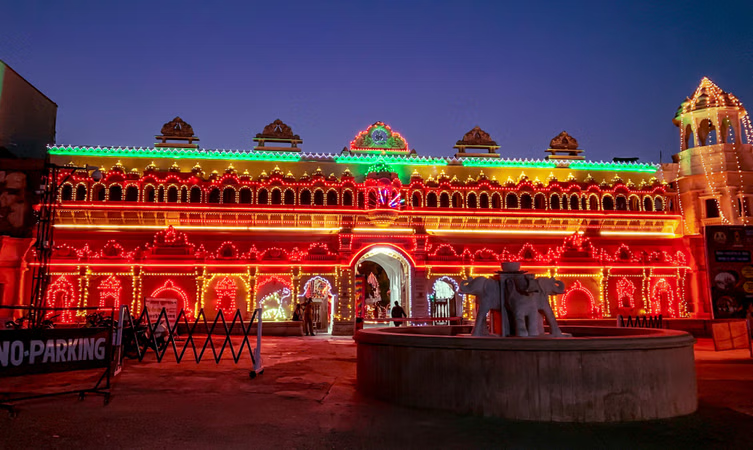
The sacred site stands as a prominent Jain pilgrimage destination worldwide and functions as an essential destination for travelers visiting Barmer that sits flawlessly on a hill at 1500 feet above sea level.
The temple complex contains several outstanding religious statues yet the most notable statue is the black depiction of Jain saint Parshvanath. Visitors from across the country visit this beautiful site at thousands of devotees and travelers every day because several small and big temples surround the main temple complex.
Location: Mewa Nagar, Balotra, Barmer.
Timing: From Dawn to Dusk
2. Kiradu Temple
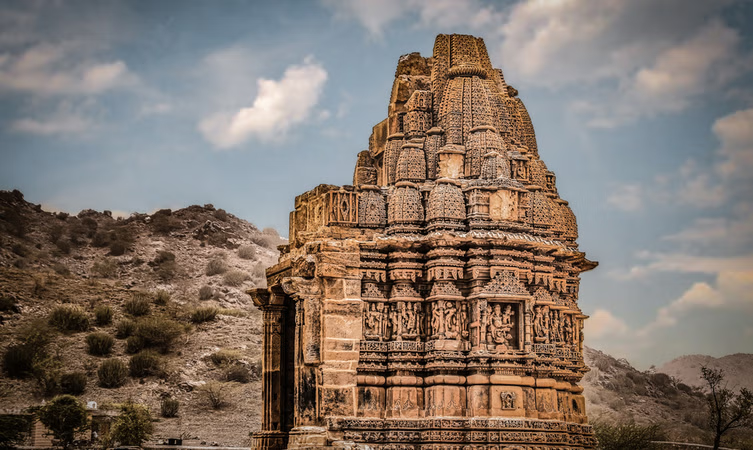
Standing 35 kilometres from Barmer in the heart of Thar desert Kiradu temple has obtained a legend about stoneification happening to anyone who passes through its closed gates after sunset. During the 11th Century five magnificent temples were constructed at Kiradu complex.
The Kiradu temple stands widely known because of its historical stone sculptures which make the entire complex more beautiful. According to local beliefs a female statue within Sihani Village turned into stone because she broke the rule and gazed at the temple when departing from there.
Location: Sihani, Rajasthan.
Timing: 8:00 A.M. – 6:00 P.M.
3. Mahabar Sand Dunes
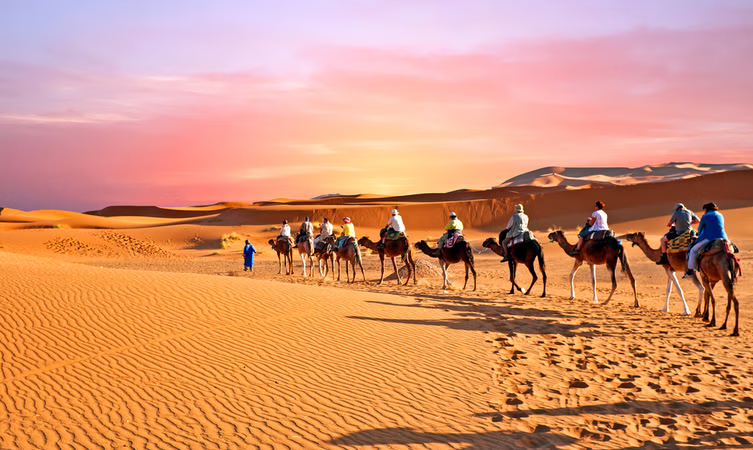
The sand dunes exist within a 5-kilometre distance of Barmer city where visitors can witness the endless desert and its stunning sunsets.
Nature seekers will experience both tranquility and surrealism when they visit the Barmer sand dunes. These endless gold sands create a remarkable scenic view that transforms its colors as the sun shifts its position.
Best Time to Visit
The best way to escape hot temperatures at the sand dunes happens during early morning hours or before the setting sun. You can best experience the peaceful desert scenery at these cooler times without suffering from discomfort.
Any group consisting of friends or family members can have their ideal relaxing retreat by visiting the dunes. You can choose to organize a picnic at the same time to create an enhanced memory of your visit.
Location
- Daulat Bagh Location: Near Ana Sagar Lake, Ajmer, Rajasthan 305001
- Clock Tower Location: Victoria Jubilee Clock Tower, Hathi Bhata, Parao, Ajmer, Rajasthan 305001
- Ramgarh Bhand Devra Temple Location: 40 km from Baran, Rajasthan
- Kakuni Temple Complex Location: 85 km from Baran, Rajasthan
- Sand Dunes Location: 5 km from Barmer city, Rajasthan
- The sites maintain open operations from 9:00 AM to 6:00 PM every day for both Daulat Bagh and Clock Tower.
Visit These Places
- Effects of Scenic Beauty include breathtaking lake views together with forested landscapes and extraordinary desert scenery.
- These sites hold historical significance because they include Mughal gardens from the era and British Clock Tower structures and ancient temple ruins.
- The architectural presentation at Baradari includes the marble pavilions together with the Indo-Islamic Clock Tower design and the intricate Ramgarh Temple carvings and the temple magnificence of Kakuni.
- Cultural Experience: A blend of nature, history, and spiritual traditions.
4. Devka sun temple
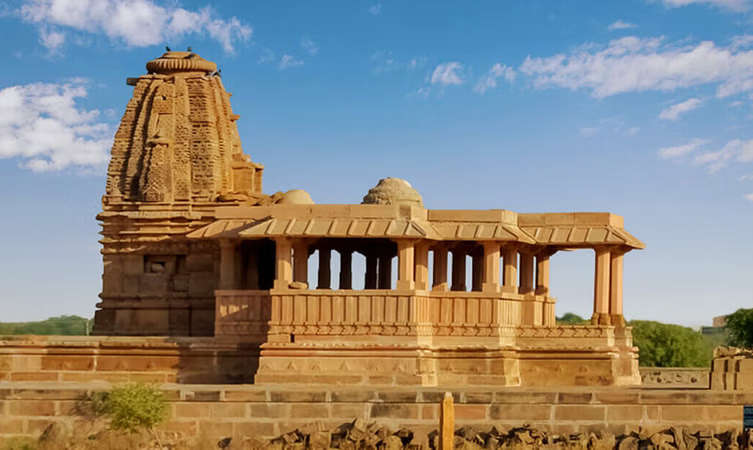
Tourists usually choose the Devka Sun Temple as one of Barmer’s prominent attractions because this architectural marvel likely existed between 12th to 13th centuries. This sacred structure shows perfection through its artistic expression of culture combined with its spiritual values.
Architectural Grandeur & Historical Significance
The Archaeological Department restores this important historical site in its current preservation efforts. At the main Sun Temple builders elevated its position while two other accompanying temples exist as broken structures today. The temple structures contain stone carvings of Lord Ganesha for additional spiritual value.
Visiting Devka Sun Temple enables people to worship as well as explore the historical realm of the Sun God and observe Rajasthan’s temple architectural heritage.
Location
- Daulat Bagh Location: Near Ana Sagar Lake, Ajmer, Rajasthan 305001
- Clock Tower Location: Victoria Jubilee Clock Tower, Hathi Bhata, Parao, Ajmer, Rajasthan 305001
- Ramgarh Bhand Devra Temple Location: 40 km from Baran, Rajasthan
- Kakuni Temple Complex Location: 85 km from Baran, Rajasthan
- Sand Dunes Location: 5 km from Barmer city, Rajasthan
- Devka Sun Temple Location: Barmer-Jaisalmer Road, Rajasthan
- The places operate daily between 9:00 AM until 6:00 PM so visitors can enjoy the sites at Daulat Bagh and Clock Tower.
- The location offers breathtaking views from its lakeside scenery combined with verdant plant life and its stunning desert scenery.
- This area contains three essential sites including the Mughal garden along with the British Clock Tower and historic temples.
- Visitors encounter architectural glory at Baradari marble pavilions along with the Indo-Islamic Clock Tower design and detailed carvings at the Ramgarh Temple along with Kakuni’s temple grandness.
- Cultural Experience: A blend of nature, history, and spiritual traditions.
5. Safed Akhara
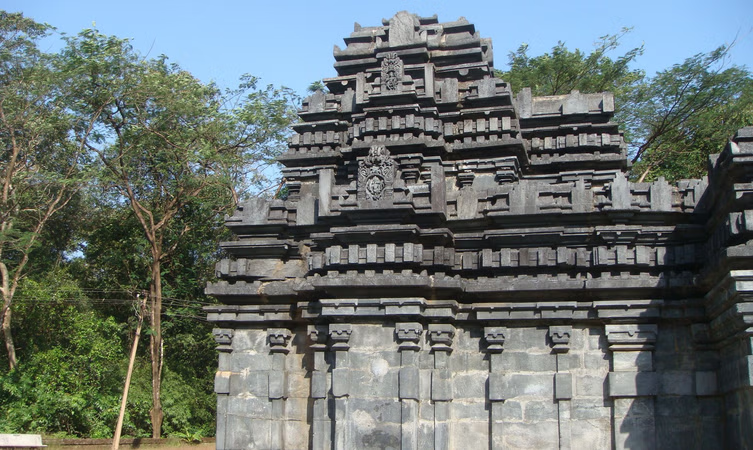
The scenic garden of Barmer stands as a sacred part of Siddheshwar Mahadev Temple which makes it a requirement for anyone visiting the area. The garden houses attractive birds for visitors to see and the exceptional opportunity exists to view a peacock if lucky.
Visitors can visit numerous temples at the complex that honor Lord Krishna, Lord Shiva, Lord Hanuman as well as Lord Shrikrishnaji. You must request a priest located inside Safed Akhara to share the history of how the place gained its title.
Location: Near Mahabar, Barmer-Mahabar-Malpura-Gudamalani Rd, Barmer Gadan.
Related articles : Top 10 Places to Visit in Bharatpur for Nature, Heritage & Spirituality
<p>The post Top 5 Places to Visit in Barmer for Heritage, Spirituality & Desert Landscapes first appeared on Traveling Info World.</p>
]]><p>The post Top 15 Places to Visit in Thane for Nature, Heritage & Family Fun first appeared on Traveling Info World.</p>
]]>
Visitors strongly seek the Elvis Butterfly Garden in Thane because it contains more than 132 colorful butterfly species. The Elvis Garden presents a butterfly park in an open-air configuration which delivers educational purpose for families of every age group.
During tours of the Garden the park owner leads all visitors while describing different butterfly life stages to their observation. The natural butterfly habitats display all life stages including larvae to pupa and from caterpillar to the eventual butterfly emerged form.
Location: Ward.No.1, Village Rd, Gowniwada, Owale, Thane, Maharashtra 400615
Timings: 08.00AM-12.00PM only on Sundays
2.Sargam Water Park

Sargam Water Park stands as an entertainment establishment in Thane which provides amusement for people from all age groups within its natural environment. Guests can access various water slides and diverse pools with separate facilities for kids at this destination.
Patrons can enjoy delightful picnics within the fruit orchards adjacent to Sargam Water Park. The Water Park maintains a canteen facility which provides wonderful snacks to double your admiration for this place.
Location: Survey No. 52, Kaman Bhiwandi road,Off N.H 8, Near Rly. The waterslide park can be found at Survey No. 52 Kaman Bhiwandi road near Rly. Crossing and Chinchoti and Village Nagale in Vasai East Thane Maharashtra 401102.
Timings: 09.00AM-08.00PM on all days of the week:
3.Upvan Lake
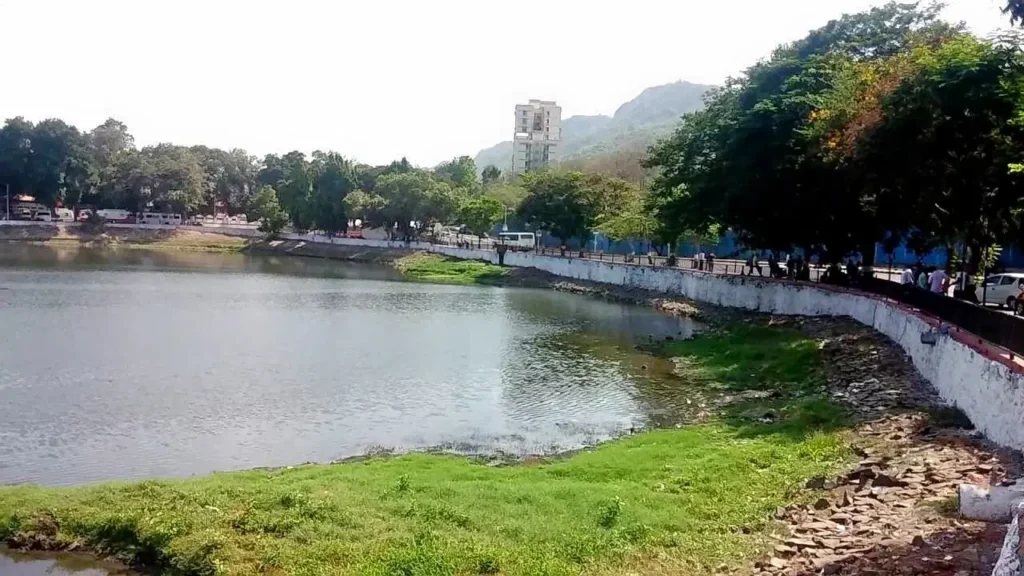
Upvan Lake emerged in 1880 when the Thane Municipal Corporation implemented its construction in Thane, Maharashtra. The beautiful lake exists thanks to JK Singhania who reconstructed it so the Raymond Factory could obtain its water supply.
- The local community together with visitors choose Upvan Lake because the combination of its attractive look and serene atmosphere appeals to everyone. The scenic Yeoor Hills frame Upvan Lake which has become a main attraction for visitors throughout Thane. This site offers an optimum spot to spend time with family through picnics or simply walk during evening hours to unwind the mind.
- The site provides both jogging loops for exercisers alongside relaxed reading spaces located under tree shadows. People can use the boating facility at Upvan Lake to see both the water and vegetation that surrounds the area.
- The lake features different food kiosks which you can reach through walking distance if you desire to eat between activities. Upvan Lake originally provided essential water to Thane before it gained fame as the Sanskriti Arts Festival venue while serving multiple leisure functions.
- The Lake offers visitors to see a large Shiva statue alongside a temple and a fountain as well as a restaurant facing the lake which attracts numerous local visitors. Numerous visitors come to the nearby Ganesha temple next to the lake because of its popularity. Visitors who want to witness Upvan Lake’s sunset have ample reasons to postpone their departure until dusk because it stands as a prime sunset observation point in Thane.
4.Vardhaman Fantasy Amusement Park
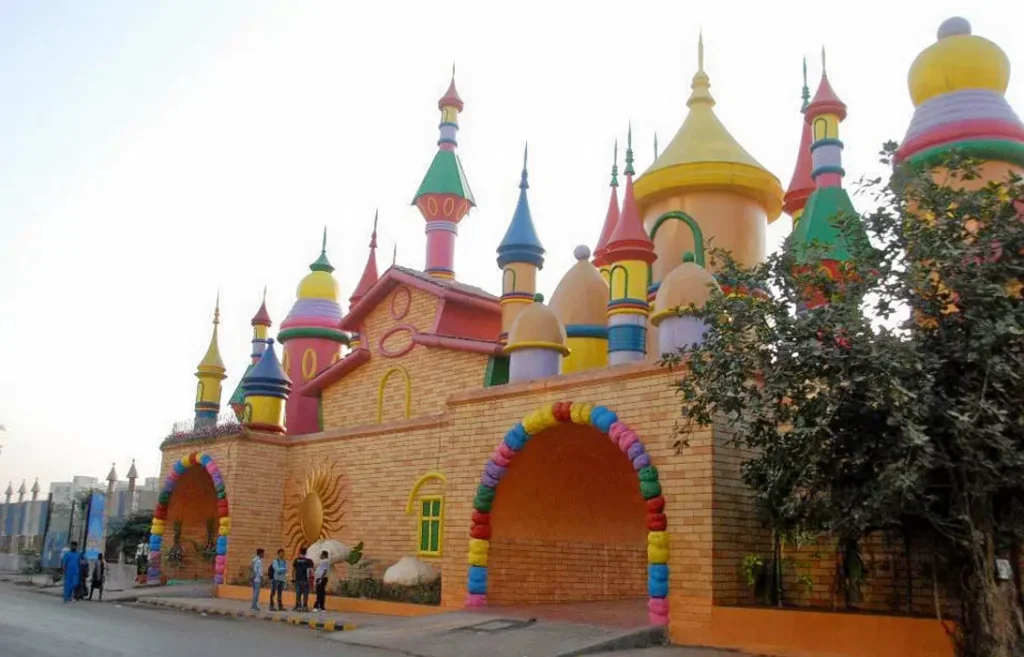
Vardhaman Fantasy Amusement Park sits as one of the newest destinations following Disney World that brings visitors to Thane. The large amusement park divides its territory into seven distinct zones named Texas Cowboy, Greek Village, Colo Theatrum, Viva Las Vegas, Wonders of the World, Lake Venetia and Spanish food.
The seven distinct sections offer nonstop thrills which entertain people of all ages every day from morning to evening. An all-accommodative food court operates within the Amusement Park as one of its many facilities.
Location: near McDonalds, Shivar Garden, Mira Road, Mumbai, Maharashtra 401107
Timings: 09.00AM-09.00PM on all days of the week
Entry Fee: Rs. 02 per person. The pay roll for each ride includes supplementary fees.
5.Tansa Lake
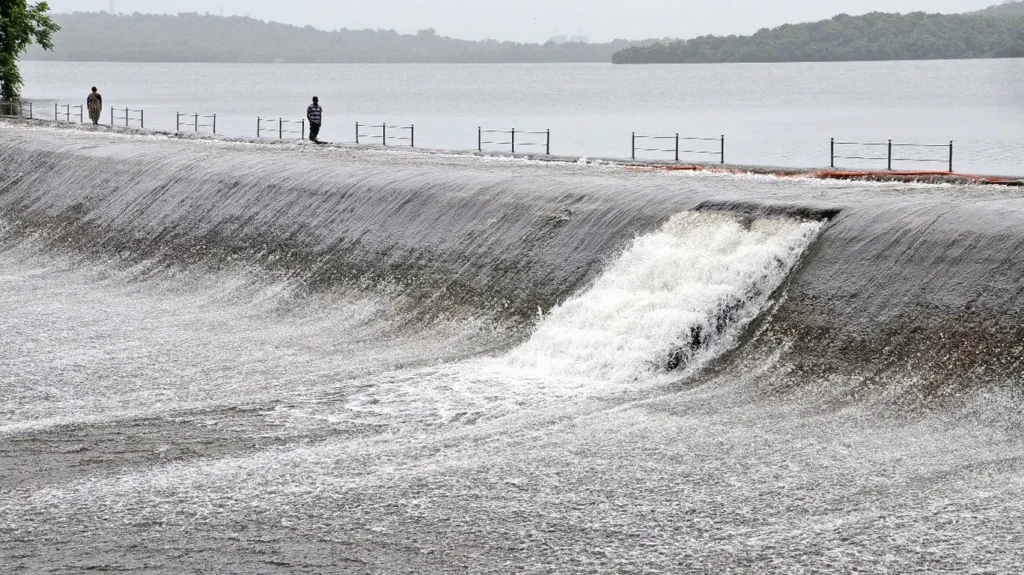
Tansa Lake stands among the most excellent natural attractions in Thane that lets visitors relax amid fresh country air. The number of visitors to Tansa Lake has been steadily growing because locals and tourists discover its appealing scenery.
Authorities declared this artificial lake area into a wildlife sanctuary because it is completely surrounded by dense forests. The complete isolation of the lake area provides endangered species with ample opportunity to be witnessed which motivates nature enthusiasts to prioritize this destination as their next stop.
Location: 6 Km from Asangaon Railway Station, Thane
6.Talao Pali

The recreational destination of Talao Pali in Thane welcomes guests who wish to relax while engaging in adventure and peaceful activities. Of all recreational areas throughout Thane this beautiful lake known as Masunda Lake draws the most visitors. The blend of serene water, lovely scenery along with lively ambiance at this site establishes it as the best travel spot for individuals whether alone or with their family or loved ones.
Talao Pali occupies the central part of Thane West and houses recreational facilities and walking paths beside its tranquil waters. It provides boat services and features children’s recreational areas for both residents and visitors who wish to settle and relax in the heart of the city. The recreational stop Talao Pali should be at the top of your visit list regardless if you live in Thane as a resident or you are among its visiting tourists.
Visit Talao Pali?
- The tranquil lake-water combined with the abundant natural vegetation provides a serene atmosphere at Talao Pali.
- Boating Adventure enables visitors to use pedal boats and row boats when they come with their friends or family.
- A well-kept children’s park at this location makes the place suitable for families seeking family-friendly recreation.
- Visitors can find relaxing comfort at this lake area because of its tranquil character.
- Central Position Grasps Residents From All Parts Of Thane As Well As Mumbai Residents.
History of Talao Pali
Since centuries Talao Pali has maintained its status as a prominent landmark of Thane district.
Throughout history local community members gathered at this site while it also functioned as their main water source.
Talao Pali shifted from being an essential water resource to a preferred playground and it still maintains its historic significance.
The name Masunda Lake derives from the historical Masunda Devi Temple situated near the site.
Best Time to Visit
- Visitors will find the best conditions to explore during the stretch from October to March.
 April to June –
 Warm weather; ideal for early morning or evening visits.
- Visiting during July to September brings beneficial monsoon conditions to the lake but boat service interruptions may occur because of rainy weather.
7.Ovalekar Wadi Butterfly Garden

Ovalekar Wadi Butterfly Garden at Thane features 500 butterfly species across its grounds that attract many visitors. Visitors find cocoons and eggs and larvae and vibrant butterflies glide throughout the open sky throughout every side of the park.
Guiding visitors through the wooded path of the park serves as the primary responsibility of Mr. Rajendra Ovalekar who owns the park. An additional service offering breakfast at the butterfly garden costs Rs. 60 to all visitors.
Location: Ovalekar Wadi,Owala Village,Takkarda Road,Ghodbunder Road, Thane, India, Thane, Maharashtra 400607
Timings: 08.00AM-01.00PM only on Sundays
Entry Fee: Rs. 100
8.Thane Creek Flamingo Sanctuary

Birdwatching enthusiasts can find the Thane Creek Flamingo Sanctuary among the top birding locations within Thane district. Multiple colorful bird species inhabit Thane Creek because the area contains mangrove forests that grow throughout its entire perimeter.
Visitors primarily come to the sanctuary because thousands of pink flamingos flock there during the spring season. People should plan their visit to the sanctuary from February to May because this period creates a pink atmosphere from the flamingo flocks that cover the entire region.
Location: Mangrove forest, Coastal marine Biodiversity center, Airoli Creek, Diva Nagar Rd, Thane, Maharashtra 400708
Timings:
- Monday to Thursday: 10.00AM-05.00PM
- Saturday: 10.00AM-04.00PM
- Sunday: 24 hours
- The Park maintains a practice of remaining closed for visits on Fridays.
Entry Fee:
For Adults: Rs. 50 per person
For Children: Rs. 40 per person
9.Kelva Beach
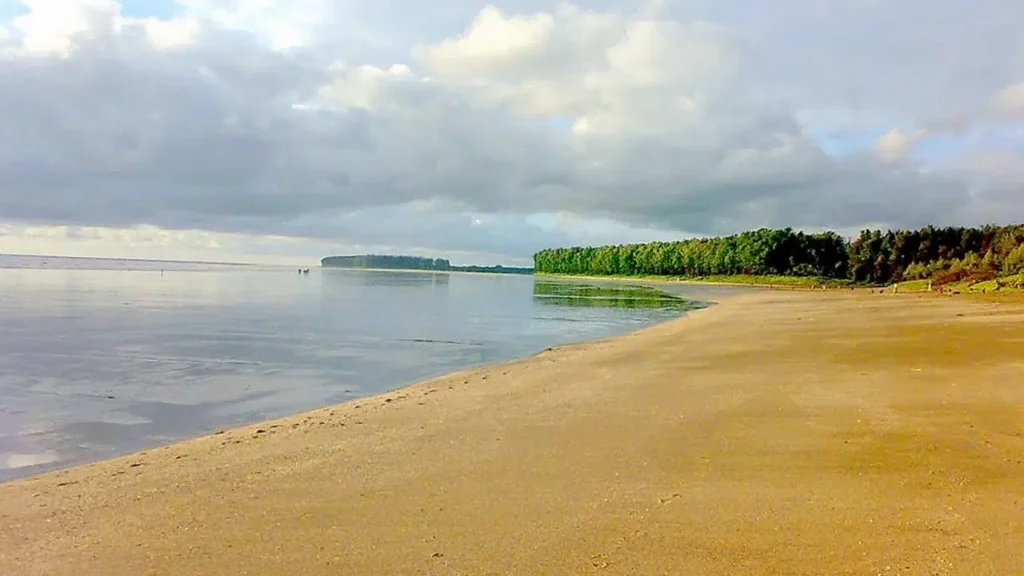
A lengthy stretch of golden sandy coastline and wind caressing calmness together with wave sounds embracing the shore defines Kelva Beach. The Palghar district of Maharashtra hosts Kelva Beach which lies only a brief driving distance from Mumbai.
At 8 kilometers long Kelva Beach presents serene conditions with white sandy beaches that feature a canopy of rustling coconut trees. Those seeking any beach activities from sunbathing to walking with family can find complete relaxation at Kelva Beach which provides an escape from busy urban living.
Visit Kelva Beach?
 Longest Beach in Maharashtra – An 8 km stretch of uninterrupted sandy shore.
The beach location provides exclusive and sanitary conditions since it receives fewer visitors than other beaches found near Mumbai and Thane.
You can participate in jet skiing along with banana boat rides when visiting this beach. Ideal for Weekend Getaways – Close to Mumbai and easily accessible. Scenic Sunsets – Witness mesmerizing sunsets that light up the horizon.
History of Kelva Beach
Maharashtra dedicates a unique significance to Kelva Beach. Kenva Fort built during the Portuguese era marks the history of this place. You can spot the Kelva Fort in its partially damaged state while it displays a magnificent view across the Arabian Sea. Locals together with travellers have traditionally found peace and natural beauty at this beach which serves as their quiet retreat.
Best Time to Visit
- The most favorable season to discover Kelva Beach runs from October through March since the weather remains pleasant and cool breezes prevail.
- During July to September the beach becomes visually stunning during monsoon although strong tides may develop.
- The best period to explore Kelva Beach falls between April and June when temperatures rise to their highest point yet humidity makes early morning and evening hours the most suitable times to spend there.
Timings & Entry Fee
 Timings: Open all day
Visitors can access this beach area without paying any nominal fee though some services including water activities and fort building tours may cost separately.
You Should Visit Kelva Beach
- The beach suits every type of vacation group including family groups and friends together with couples.
 Secluded and clean beach with beautiful views
 Stunning sunsets and historical attractions
 Delicious seafood and beachside resorts
- You can spend either a day at Kelva Beach in Palghar or book a weekend stay because this beach offers both rest and thrilling adventures.
10.Ghodbunder Fort
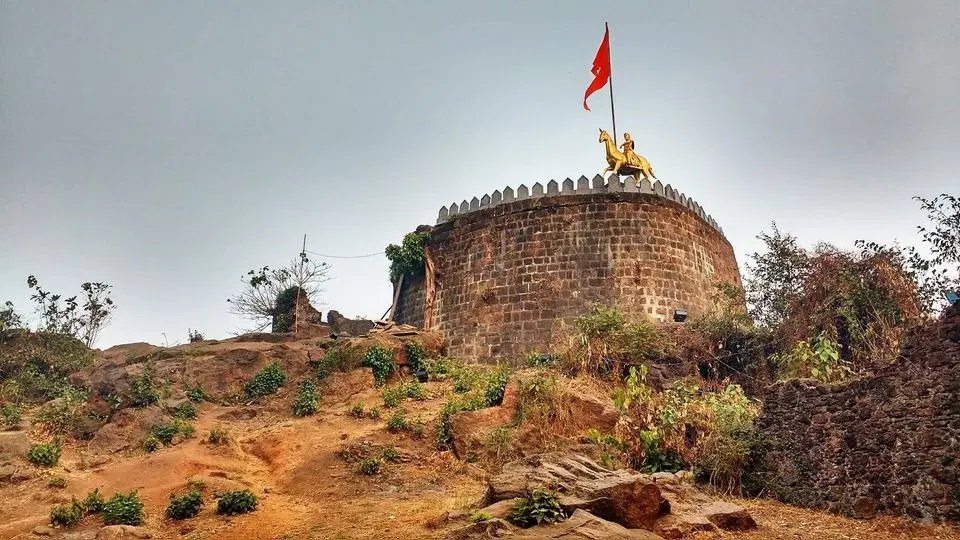
The Ghodbunder Fort finds its position along the peaceful River Ulhas as it serves as an enduring reminder of Maharashtra’s lengthy historical achievements. The Portuguese constructed this ancient hill fortress during the 16th century at Thane which functioned as a trading hub devoted to horse trades that gave rise to its name “Ghodbunder.”
Although it exists in a state of decay the fort remains important because of its historic value and architectural worth. History buffs photograph and seek exploration of Thane’s heritage at this site because of its perfect location and colonial architectural heritage.
Visit Ghodbunder Fort?
- The site holds a long historical background as the Portuguese constructed it followed by Maratha conquest.
- Architectural Fusion – A blend of Portuguese and Maratha design elements.
- The panoramic outlook from this spot extends across the peaceful Ulhas River combined with delightful natural scenery views.
- Accessible Location – Situated in Mira Bhayandar, just a short drive from Mumbai and Thane.
- Peaceful and Less Crowded – A hidden gem away from touristy crowds.
History of Ghodbunder Fort
Its architectural magnificence matches the fascinating historical events at Ghodbunder Fort.
16th Century: Built by the Portuguese as a base for horse trading with Arabian and Indian merchants.
Marathas under Chimaji Appa defeated the Portuguese at the fort during a lengthy siege expedition in 1737.
18th Century: Became an important military outpost for the Marathas.
In 19th-century British East India Company seized control of the site which they utilized as their district administrative center.
After India gained independence the fort turned into disused structure because of neglect which eventually led to its deterioration.
This structure now preserves history by showing the successive military warfare between three colonial powers including Portuguese and Maratha and British
Best Time to Visit
- The most suitable months to explore the area run from October to March which provide clear days and pleasant atmospheric conditions.
- During July to September you will experience monsoon season with its greenery while walking paths remain risky due to moisture.
- April through June showcases hot and humid climate which improves during early parts of day and nighttime.
Timings & Entry Fee
Timings: Open all day Entry Fee: None
You Should Visit Ghodbunder Fort
 A blend of Portuguese and Maratha architecture Stunning panoramic views of the Ulhas River
 A paradise for history buffs and photographers
 Peaceful and offbeat location near Mumbai and Thane
11.Thane Creek

The Arabian Sea coastal region where Thane Creek exists creates a hidden shoreline that borders between Mumbai city and mainland India. The Thane Creek Flamingo Bird Sanctuary protects the habitat for exotic birds that includes Lesser and Greater Flamingos among thousands of other species every year. This sanctuary stands out because it is preserved.
Nature enthusiasts together with birding admirers can experience peaceful serenity that rescues them from metropolis commotion at this seaside haven. Watching flamingos move elegantly across shallow waters during sunset creates a pufflesque personal experience.
Why Visit Thane Creek Flamingo Bird Sanctuary?
This sanctuary presents two remarkable features which include its diverse species combination of over 200 birds with flamingos as the main attraction.
This location provides the most exceptional view of an Arabian Sea sunset. Photography Hotspot – Capture stunning images of flamingos and other migratory birds.
Visitors can experience close-up viewing of birds by participating in eco-tours that provide guided boat tours. Relaxing Atmosphere – Peaceful and away from the city’s noise.
- History of Thane Creek
The formation of Thane Creek dates back to the 13th century when geological activities led to the creation of this inlet from the Arabian Sea.
Over the centuries, the creek became an important route for trade and navigation.
The creek’s rich mangrove cover provided a natural habitat for flamingos and other migratory birds.
In 2015, a portion of Thane Creek was officially declared as the Thane Creek Flamingo Bird Sanctuary to protect its fragile ecosystem.
Best Time to Visit
The period from October to March offers the best opportunity to see both flamingos and migratory birds at the site.
The monsoon season from June to September fills the area with greenery though it reduces the chances of spotting birds.
Visitors during April to June will experience hot and humid weather although morning and evening temperatures stay cooler.
Flamingo Migration Season December to May – Peak flamingo migration period.
Timings & Entry Fee
Timings:
Boat Rides: 7:00 AM to 11:00 AM
Birdwatching: Open all day Entry Fee
Boat Ride: ₹300 per person (approx.)
Birdwatching: Free
12.Kalibari Temple

In the middle of Thane West district exists the Kalibari Temple which serves as a manifestation of faith while creating devotion plus cultural solidarity between its visitors. The Bengali community from Thane founded Kalibari Temple during 1996 to worship Goddess Kali which represents the strong divine power of Shakti.
The spiritual energy of Kalibari Temple where believers and visitors converge creates a beautiful blend of worship and architecture. Visits to Thane routinely lead people to the Kalibari Temple because its peaceful environment combines with spiritual chanting along with the black stone depiction of Goddess Kali to form one of the region’s most popular temples.
Visit Kalibari Temple?
Spiritual Significance – Dedicated to Goddess Kali, Laxmi, and Saraswati.
The temple constructs an architectural structure similar to Orissan ancient temples through its elaborate design elements.
Every day the temple holds aarti ceremonies while conducting religious worship services to generate profound spiritual environments. Community Hub – A center for Bengali festivals and cultural events. Peaceful Atmosphere – Ideal for meditation and spiritual reflection.
History of Kalibari Temple
The Bengali community of Thane established Kalibari Temple in 1996 as their dedication to build a traditional place for Goddess Kali worship.
The ritual installation of the black stone Kali idol occurred when ritualists completed the creation process in Kolkata then proceeded to the temple.
The temple architecture combines features from the ancient Orissan temples together with classical Bengali cultural elements.
Throughout the years Kalibari Temple developed into a central point for celebrating both Durga Puja and Kali Puja among the Bengali community.
Location & How to Reach
Several important points help visitors experience Kalibari Temple
Timings & Entry Fee
Timings:
Morning: 6:00 AM – 1:00 PM
Evening: 5:00 PM – 9:30 PM
Entry Fee:.
- The temple welcomes visitors without any entrance charges and fee.
- The Spiritual Justification for Visiting Kalibari Temple
- Experience the spiritual energy of Goddess Kali
- Capture the beautiful Orissan-style temple architecture
 Attend vibrant Bengali festivals and rituals
- Pray to receive divine divine favors and deepen your meditation with peace
- Sacred devotion and spiritual dedication are what visitors encounter at Kalibari Temple beyond its status as a place of faith.
13.Yeoor Hills

Visitors seeking an escape from city life should choose Yeoor Hills as their best Thane destination because this natural retreat provides essential peace to urban dwellers. Natural flora and fauna fill the Yeoor Hills so completely that it serves as an excellent location for picnics.
The area contains multiple tiny tribal settlements where visitors can witness many sightseeing attractions. Trekking and cycling tours find their perfect destination through the Yeoor Hills because of its approximately endless network of roads. Several watercourses together with cascades supplement the area’s appealing character. Wanderers with good luck might notice wildlife dwelling in this area between leopards and cobras and vipers.
Location: Upvan, Thane
Timings: 08.00AM-07,00PM on all days of the week
Entry Fee: Rs. 30 per person
14.Bhiwandi
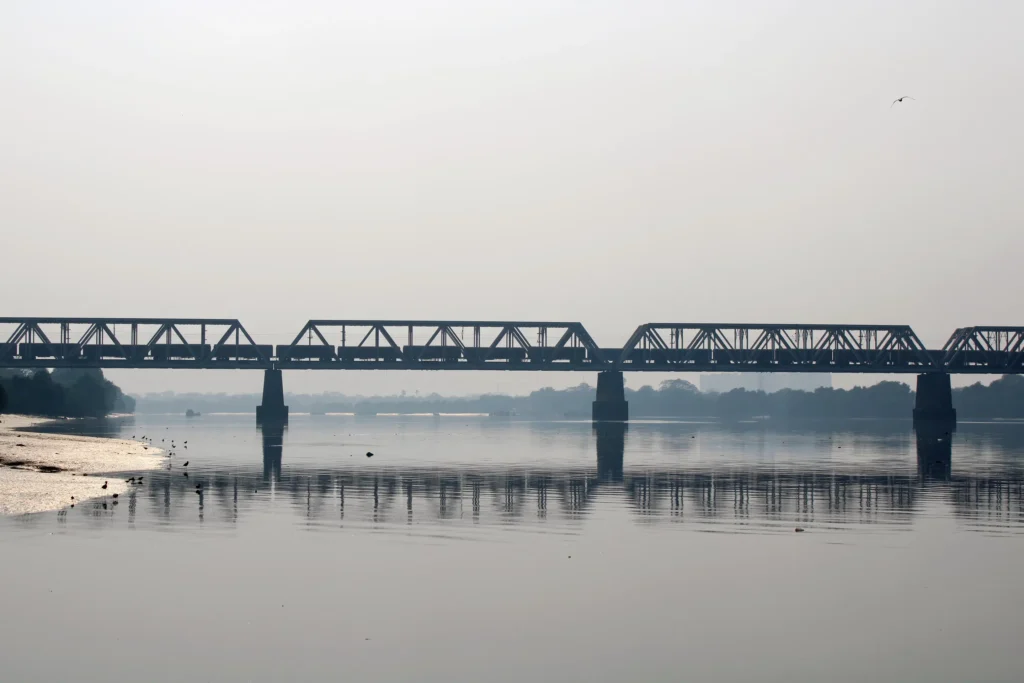
Bhiwandi functions as a busy city situated 15 km away from Thane as it serves as a manufacturing hub for textile industries and houses numerous Hindu temples within the Konkan district of Maharashtra. The textile industry makes Bhiwandi the ‘Manchester of India’ because many warehouses operate through power looms to sustain its economic activities.
The city stands out as a place with dual characteristics of industrial strength together with cultural and spiritual attributes. Bhiwandi combines historical temples dedicated to Hindu deities along with waterfalls and lakes into a place that attracts pilgrims and general travelers together.
Bhiwandi presents visitors with an exceptional combination of spiritual tourism opportunities together with cultural immersion and natural sites throughout Maharashtra.
History of Bhiwandi
- The city started as an important trade hub during ancient times because it facilitated textiles and spices through its markets.
- During Portuguese and Maratha rule the area went through changes that formed the cultural and architectural features of Bhiwandi.
- The textile industry dominance made Bhiwandi earn its title as the Manchester of India during the 19th century.
- The cultural heritage of Bhiwandi has developed through time as the town maintains its sacred temples as well as its native ethnic celebrations.
Best Time to Visit
Visitors can experience perfect sightseeing weather during September through March because of the pleasant climate conditions.
Ganesh Chaturthi marks the perfect period to witness neighborhood traditions combined with religious enthusiasm.
The town becomes vibrant by displaying ornate decorations and cultural ceremonies along with religious parades.
Each year the waterfalls together with lakes north of Bhiwandi achieve their peak scenic value during June through August.
15.Suraj Water Park

The 11-acre spread of Suraj Water Park makes it a top attraction for entertainment in Thane. Visitors of all ages can enjoy themselves at Suraj Water Park because the facility has large pools and multiple slide varieties for every family member to enjoy all day long. Visitors who want thrills should try the various intense slide attractions at the park yet those seeking relaxation can simply enjoy the wave pool while having leisure time.
Visitors can experience the rain dance area equipped with a DJ playing dance music at Suraj Water Park. Visitors to the site can make use of its locker rooms together with equipment rental services.
Location: MH SH 42, Dongripada, Thane West, Thane, Maharashtra 400615
Timings: 10.00AM-06.00PM on all days of the week
Entry Fee:
For adults: Rs. 800 per person
For children above the height of 3’5’’: Rs. 650 per person
All children shorter than the specified height threshold can access the facility without charge.
Related articles : Top 2 Best Places to Visit in Yavatmal for Nature, Spirituality & Heritage
<p>The post Top 15 Places to Visit in Thane for Nature, Heritage & Family Fun first appeared on Traveling Info World.</p>
]]><p>The post Top 2 Best Places to Visit in Yavatmal for Nature, Spirituality & Heritage first appeared on Traveling Info World.</p>
]]>
The destination of Sahastrakund Waterfall provides visitors with both tranquil atmosphere and thrilling outdoor experiences. The spectacular Sahastrakund Waterfall can only be seen fully in its glory during monsoons because it occupies the division between Marathwada and Vidarbha regions.
Sahastrakund Waterfall shows its charm as water falls from a 30-40-foot height while creating mist that envelops all who visit. People from all walks of life enjoy visiting this site because of its rushing waterfalls along with refreshing spray that creates an incredible sensation.
One can easily find this waterfall at 45.5 km distance from Umarkhed and 161 km from the district headquarters. Various tourists from the entire Adilabad district of Telangana and other areas visit regularly to enjoy the mesmerizing beauty of this site.
The waterfall marks only the start of other attractions available in this region. The waterfall garden that faces the splash provides an idyllic area for resting and taking pictures. Tourists who love wildlife together with photography enthusiasts find the site enchanting because it has a variety of birds along with colorful butterflies.
Those who pursue spiritual interests must visit Panchmukhi Mahadeo Temple as it represents a major attraction. The spiritual complex attracts devotees who come to ask for blessings while they absorb the peaceful atmosphere of the area.
Sahastrakund Waterfall functions as the ultimate choice for spending two days in the rainy season. Every type of individual from nature enthusiasts to devotion seekers will find attraction in this destination. Visitors have the chance to experience both the natural wildlife and birds which exist in the surrounding forests of this destination.
Visit Sahastrakund Waterfall
- Scenic Beauty: A stunning waterfall with misty sprays and lush greenery.
- Guests can find adventure at the waterfall before finding relaxation in the garden’s setting.
- Wildlife & Bird Watching at this location allows visitors to observe different bird species and butterfly species as well as local wildlife animals.
- Tourists can experience spiritual growth through their visit to the Panchmukhi Mahadeo Temple.
2. Tipeshwar Wildlife Sanctuary

Wildlife enthusiasts together with nature lovers must experience the wonders of Tipeshwar Wildlife Sanctuary. The sanctuary rests within Pandarkawada Tehsil of Yavatmal district in Maharashtra where visitors can encounter wildlife and nature in untouched form.
An area of 148.63 square kilometers defines Tipeshwar Wildlife Sanctuary as a rich biodiversity sanctuary. The territory shows a combination of hills and rolling terrain which produces different plant communities as elevations change. The region’s ecosystem heavily depends on the forest which surrounds the sanctuary since local people extract timber along with firewood from its resources.
The Tipeshwar area attracts photography enthusiasts and wildlife observers because it fosters a broad assortment of animal species. Wildlife upholds residence at the sanctuary including Hyenas, Chital, Blackbuck, Sambar, Jackals alongside Wild Boars and Blue Bulls together with Wild Cats, Bears, Peacocks and Monkeys among many more animals. All visitors discover thrilling new discoveries during each trip because of the exceptional diversity of animals living in these habitats.
Best Time to Visit
April and May offer the best season to visit Tipeshwar Wildlife Sanctuary because wildlife sightings reach their maximum during these months. The animal population emerges from their hiding places during this time period because they need water which creates better possibilities to see amazing wildlife encounters.
Visit Tipeshwar Wildlife Sanctuary
- Diverse Wildlife: Witness a variety of animals in their natural habitat.
- Visitors can enjoy experiencing the natural beauty of the scenic forests with rolling hills as well as tranquil landscapes.
- You should experience thrilling safari experiences as the sanctuary invites you to get directly in touch with its animal inhabitants.
- See colorful peacock birds among many others at the birdwatching destination.
Related articles : Top 10 Best Places to Visit in Wardha for Spirituality, History & Nature
<p>The post Top 2 Best Places to Visit in Yavatmal for Nature, Spirituality & Heritage first appeared on Traveling Info World.</p>
]]>