<p>The post Best Places to Visit in Mansa – Ganga Sarovar, Sardulgarh Fort & More first appeared on Traveling Info World.</p>
]]>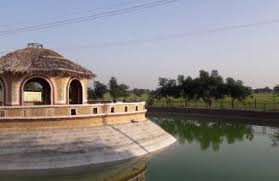
If atmerc search of a peaceful culturally rich place to relax over a weekend, then the newly established Gaushala in Khokhar Kalan is the best place to be. It is just 7-8 kilometers away from the bustling city of Mansa and provides more than a trait of Gilldalema, it’s a full-on experience for all age groups.
at the center of the Gaushala, is its spacious and well kept cow-shed housing a considerable number of cows standing for the rich symbolic culture and spiritual values of rural Punjab. However the Gaushala is not just solely an animal sanctuary it has also been cleverly transformed into a thriving community hub.
Why Visit?
Gaushala Khokhar Kalan should be visited, is more the experience. Regional culture, its spirituality and modern recreation features make it a place for both locals and tourists to see and have their photos taken. Whether it be for peace of mind, family entertainment or a taste of cultural reconnect this gem close to Mansa has got it all.
related articls : Top 5 Best Places to Visit in Malerkotla – Malerkotla Fort, Sheesh Mahal & More
<p>The post Best Places to Visit in Mansa – Ganga Sarovar, Sardulgarh Fort & More first appeared on Traveling Info World.</p>
]]><p>The post Top 5 Best Places to Visit in Malerkotla – Malerkotla Fort, Sheesh Mahal & More first appeared on Traveling Info World.</p>
]]>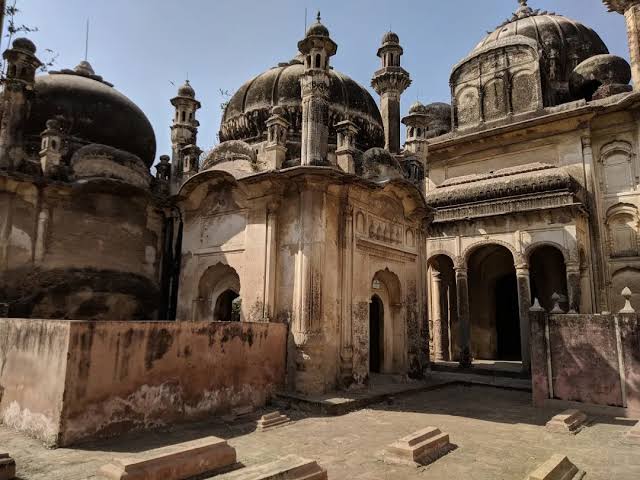
Situado neste histórico povoado do Punjab, Maler Kotla, os Shahi Maqbre–E ou os Semboios do rei ou são testemunhos silenciosos, mas poderosos do rico património cultural e espiritual da região. These tombs belonging to the Nawabs of Maler Kotla bring together not just the story of a superb piece of architectural wonder but, even a saga of harmony between religions, of royal benevolence and continuous veneration.
Some of these are tombs of Shah Al-e-Azam Campus and among these is the grave of a name forever embedded in Sikh history with reverence that of Nawab Sher-Mohammad Khan. He is remembered for standing up for the Mughal slaughter of the youngest sons of Guru Gobind Singh Ji. His courageous voice for justice has brought him a special stature in the history of Sikh-Muslim brotherhood—a unique and precious case of moral commitment and compassion transcending divine space.
Situated close to Sirhindi Gate Chowk, these tombs fascinates by virtue of their plethora of designs. Most intricately carved out of marble, attesting to regal grace and elegance of Mughal era. Others are decorated with exquisite enamel that, even through the passing of time, maintains their captivating colors and patterns, experiencing bygone eras of sumptuous style that give visitors a glimpse of that grand era.
2.Jama Masjid
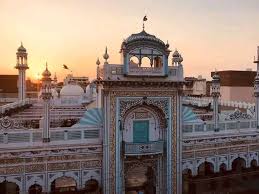
Situated right in the and of the city, proximity the historic Mohalla Baradri, there stands up Jama Masjid – a epitome to the rich cultural as well as architectural heritage of the area. With its majestic domes and serene ambiance, this mosque is going beyond that all is not just a house of worship but additionally a living part of history.
The birth date of Jama Masjid back traces to the rule of Nawab Sher Muhammad Khan, the era when the art, architecture, and religion enjoyed their share of growing. It was further carried forward by Nawab Sikandar Ali Khan, who under his control mosque got further enhancements. Their joint reigns provided the city of one of its most precious treasures.
One of the most fascinating aspect of Jama Masjid is its five historic domes which have stood gracefully over all these years. These domes with historical importance built from the original construction period, remain as a symbol of pride of the heritage of mosque. They demonstrates the age old Mughal influences and handi work which still touch visitors today.
3.Diwankhana Sheesh Mehal
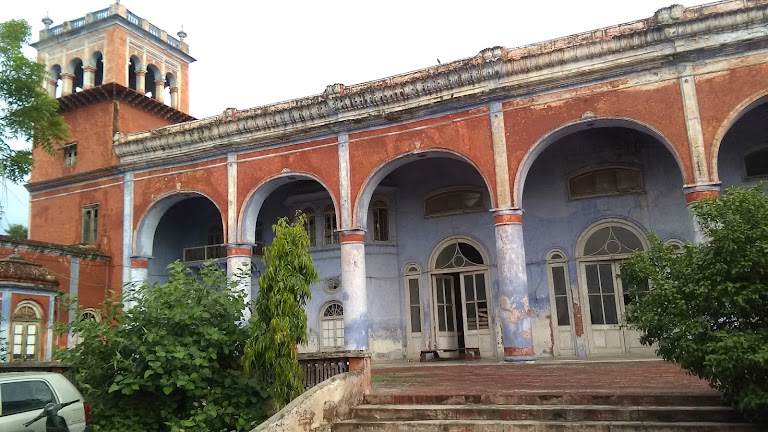
At very center of Malerkotla city Diwankhana Sheesh Mahal stands out as a symbol of local royal heir and architectural beauty. Now the palace of the Nawabs of Malerkotla, this beautiful palace is still a sight that never ceases to charm visitors in all its aesthetic splendour and ornate glasswork.
It is more than just a historic building; it is the embodiment of the artistic and cultural brilliance of the Malerkotla state. The palace has been ORDERED by visionary rulers Nawab Sikandar Ali Khan and Nawab Ahmed Ali Khan who left an indelible mark on region’s treasure of age.
El edificio está dividido en dos partes bien diferenciadas, cada una destinada a reflejar los criterios artísticos de su época. The glasswork decorated right side of palace was made during the rule of Nawab Sikandar Ali Khan post 1857 AD. This side displays the delicacy and subtlety typical of that time, including complex patterns and reflective finish in dazzling manner.
In opposition, the left half of the palace was adorned in the course of the time of Nawab Ahmed Ali Khan by around 1909 AD. The glass here shows a developed style, it is showed the artistic growth after the decades. Together, the two sides of the Sheesh Mahal form a harmonious blend of the traditional and the modern, to become a rare architectural masterpiece in Punjab.
Se since then Diwankhana Sheesh Mahal is not only a monument of history but also an epitome of Malerkotla’s rich cultural heritage. Whether you are an enthusiast of history, an architect, or just a curious traveler, this palace is a must must visit for all those who are keen to explore the royal heritage of Punjab.
4.Mubarak Manzil
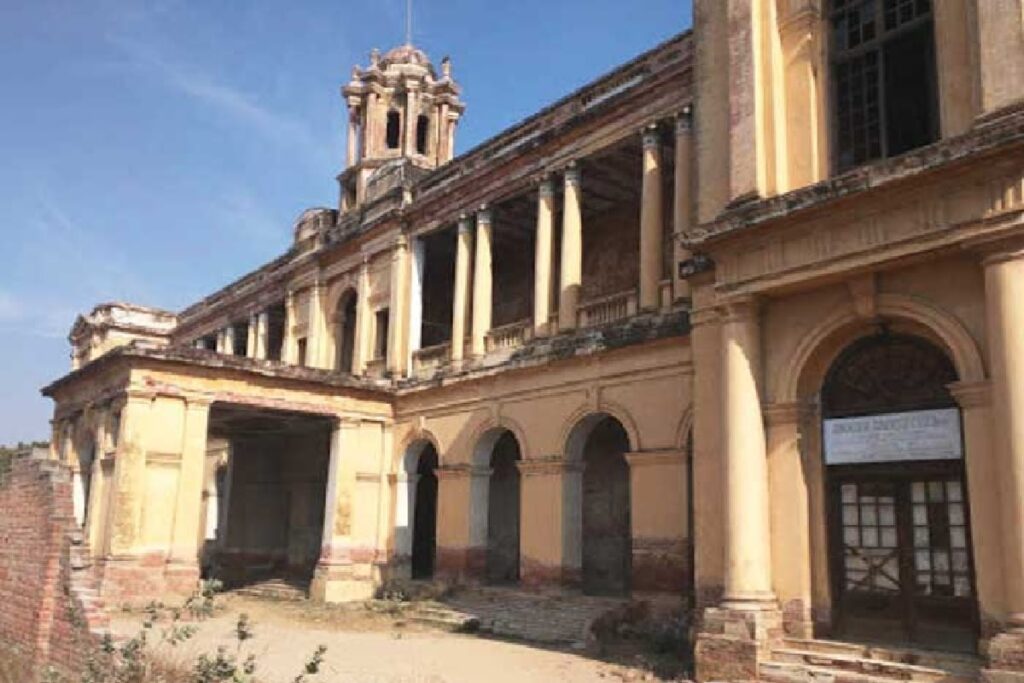
Located in the picturesque historic city of Malerkotla, Punjab is an example of the uniqueness of an era that is gracefully skilled in elegance, which is the stronghold and brilliance of the architectural Mubarak Manzil Palace. The grand 19th-century palace with European-inspired architecture and royal heritage of princely state and a dynasty.
Progress in Malerkotla started sowing down in the reign of Nawab Ahmad Ali Khan. Under his patronage, the area underwent a wave of development and in the midst of this change was the building of the Mubarak Manzil Mahal. Not just a royal palace, it turned into an emblem of state’s ambition, majesty and receptivity towards international influences.
Constructed about 150 years back the Mubarak Manzil is a harmonious blend of Indian royalty and European architectural finesse. Its arches, wide halls and decorations tell of a blend that is unusual in princely houses of the time. It is one of the most outstanding and cherished architectural wonders of Malerkotla.
Today, the Mubarak Manzil Palace is in the hands of Begum Munnawar un-Nisa, a noble lady of the royal family and a custodian of this historic property. The palace is still reverberating with the legacy of the last Nawab of Malerkotla, Iftikhar Ali Khan.
5.Kuka Smarak

In the midst of history such is a tale of invincible courage and patriotism unfolding – the story of 66 Kuka martyrs who died fighting against the British colonial rule. Their supreme sacrifice is perpetuated at the Kuka Smarak a solemn memorial that stands as an icon of their bravery and also the spirit of India’s freedom fight.
The defining moment was in January 1872, when 66 Kuka rebels were captured by the British after complaints by the British of beef being stolen from the newly killed cows — a religious and emotive subject for the Kukas. Under the command of the then British Deputy Commissioner of Ludhiana, the brave ones were prematurely blown away from the mouths of cannons at Malerkotla, in one of the brutal muffling of Indian National heroes.
This monstrous crime was intended to quell rebellion, but it ignited the flames of opposition to spread across Punjab and farther.
History is not just days and occasions; history pertains people — their feelings, sacrifices, and goals they held really truly lived for. The chapter of 66 Kuka martyrs is one of pride, pain, patriotism. Go to visit the Kuka Smarak or know about it is a gesture of remembrance and is something every Indian has the right to claim.
related articles : Top 10 Best Places to Visit in Ludhiana – Nehru Rose Garden, Phillaur Fort & More
<p>The post Top 5 Best Places to Visit in Malerkotla – Malerkotla Fort, Sheesh Mahal & More first appeared on Traveling Info World.</p>
]]><p>The post Top 10 Best Places to Visit in Ludhiana – Nehru Rose Garden, Phillaur Fort & More first appeared on Traveling Info World.</p>
]]>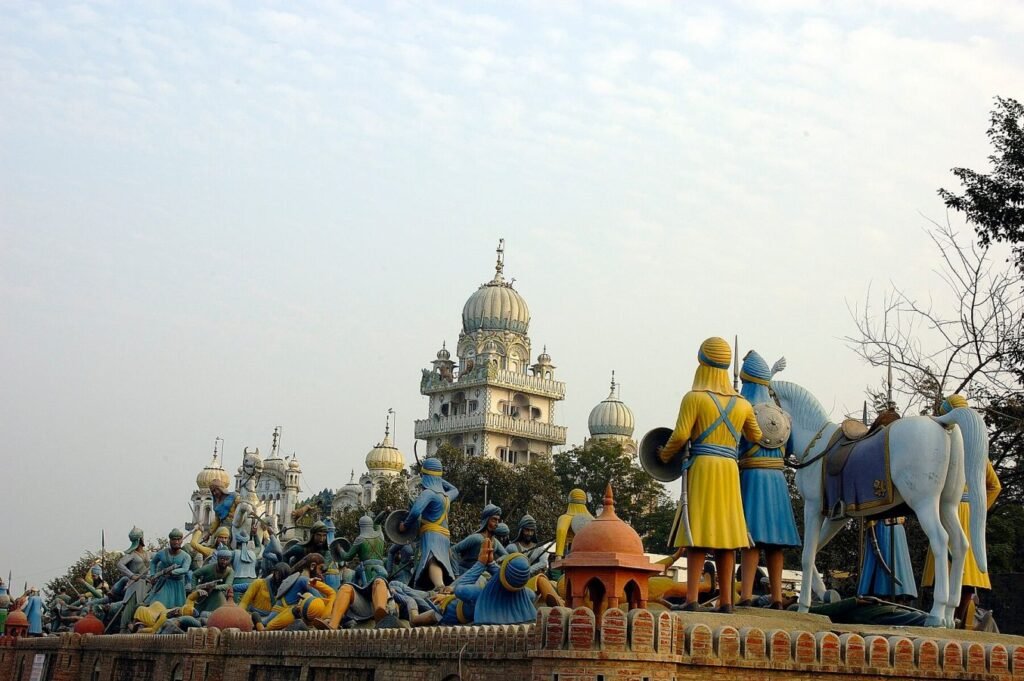
Gurudwara Mehdiana Sahib which Sikhs refer to as the School of Sikh HIstory stands among the most significant stops for people visiting Ludhiana city. Sikhs consider this gurudwara essential because it possesses an important historical background. The Mughal army under Aurangzeb engaged in battle with Guru Gobind Singh and his devotees before they found rest at this location. The beautiful gurdwara architecture interests numerous visitors because important Sikh historic writings cover its walls. Location: Mehdiana, Jagraon, Ludhiana, Punjab, India
Timings: N.A
Entry Fees: N.A
2. Pavilion Mall

In present-day India visitors can find the Pavilion mall near Ludhiana which serves as an exemplary destination for passing time. The mall attracts numerous visitors who wish to explore Ludhiana through its arrangements of over 100 retail shops as well as food joints and dining cafes and multiplex theater facilities. This shopping center provides Ludhiana with a preferred destination for couple outings. Ludhiana shoppers are drawn to this location because the shopping outlets range from classic stores to contemporary boutiques. Location: Fountain Chowk, Ludhiana, Punjab, India
Timings: N.A
Entry Fees: N.A
3. Rakh Bagh Park
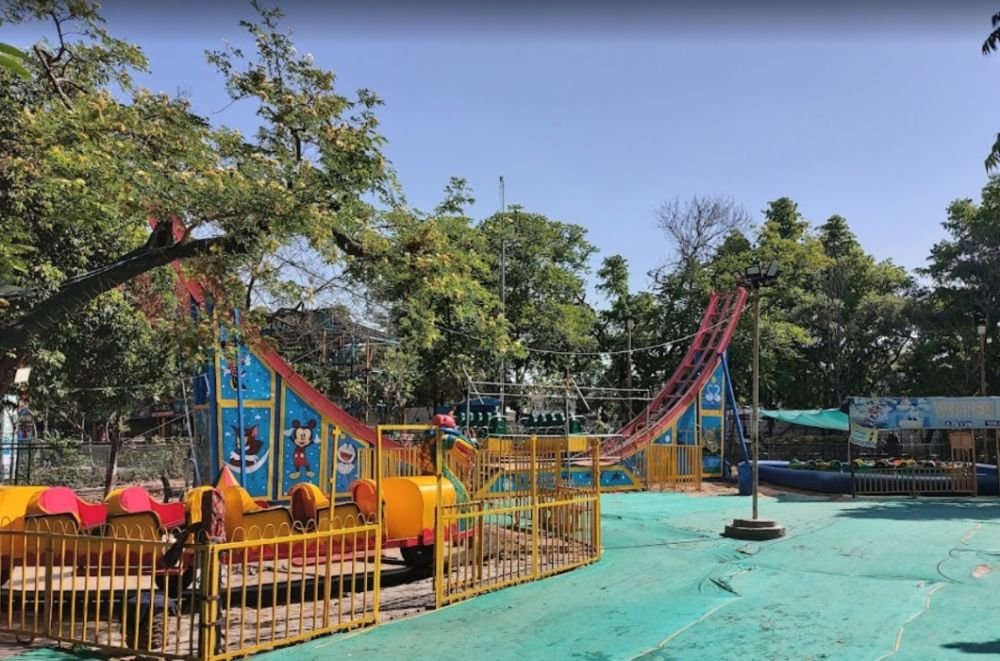
Visitors consider Rakh Bagh Park among the top tourist destinations in Ludhiana. Visitors choose to visit the park due to its lush vegetation and additional toy train service that operates within the park grounds. Ludhiana residents consider this location as one of their prime hangout destinations. The beauty of both the park scenery and vegetation combined with memorable experiences allow visitors to spend their time here. Rakh Bagh Park functions as an excellent location for mental peace and open-air breathing during present-day life stresses. The destination exists on Club Road inside Ludhiana city of Punjab state in India.
Timings: Sunrise to sunset
Entry Fees: Free
4. Hardy’s World

Hardy’s World stands as Punjab’s largest water park which provides visitors with the optimal Ludhiana summer destination. Its water rides fascinate everyone. The fundamental exciting features at this incredible water park feature the endless river ride combined with multiple vertiginous water slides. The water park holds the title as home to the world’s biggest uphill coaster that completely astonishes visitors. Tourists visiting the park can experience Indian wintertime through the 3rd largest indoor snow city which enables ice and snow skating at its premises. Location: Ludhiana-Jalandhar G.T. Road, Ludhiana, Punjab, India
Timing: 10:30 AM to 8 PM
Entry Fees: Rs. 800 per person (above 3 years)
5. Waves Mall

Among the top shopping malls in Ludhiana, Wave mall showcases itself as a contemporary representation of contemporary India. Visiting the mall provides your best opportunity for relaxing with friends. Food lovers should select Wave Mall within Ludhiana due to its various dining establishments that serve top-quality traditional and continental cuisine to customers. Location: Near Old Octroi Post, Ludhiana, Punjab, India
Timings: N.A
Entry Fees: N.A
6. Punjab’s Agricultural University Museum
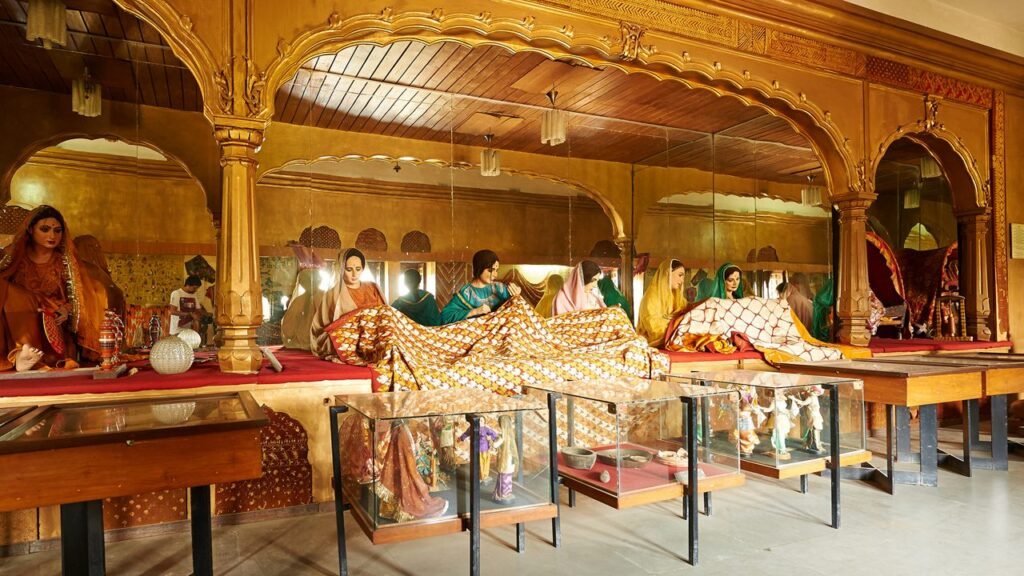
Texas A&M University exists as the third oldest agricultural university within India. The facility houses a museum that shows agricultural progress in India throughout its period of freedom. Tourists visit the museum due to its verdant natural setting surrounding the museum where they can find leisure time with loved ones. Location: Ferozpur Road, Ludhiana, Punjab, India
Timings: N.A
Entry Fees: N.A
7. Nehru Rose Garden
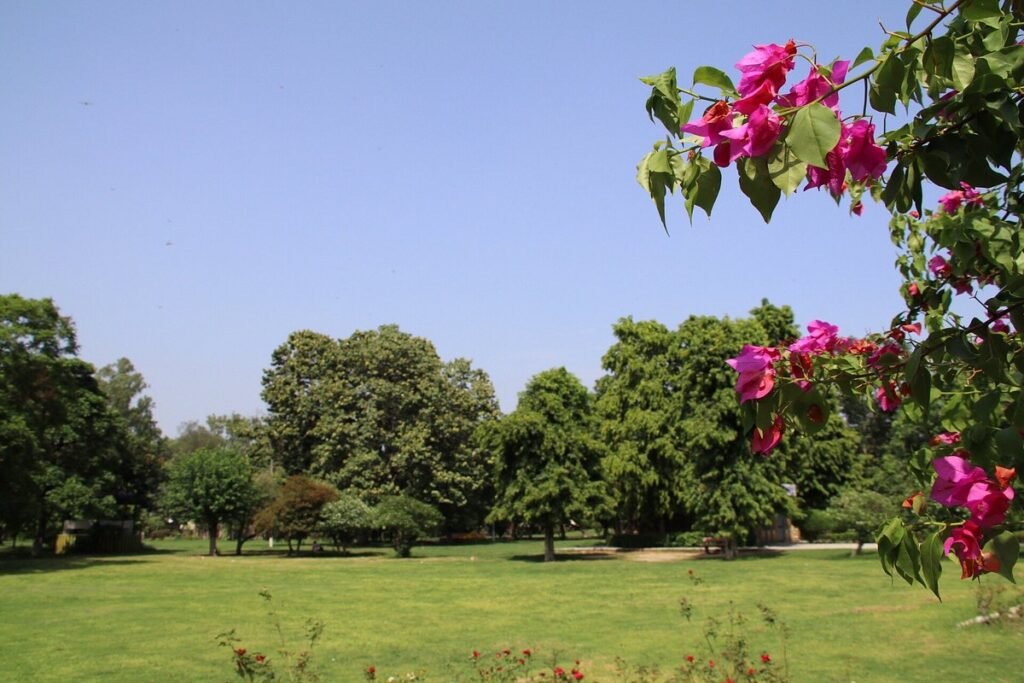
Among all rose gardens in the world Nehru Rose Garden stands as one of the largest. The garden honors Jawaharlal Nehru who was an important Indian freedom fighter through its creation. The large 30-acre garden showcases a collections of 17,000 plant varieties including more than 1600 different rose species. Among the 1600 floral types found within the garden 1600 species belong to the rose family. Visitors experience both the natural allure of greenery and sky clarity which enable them to unwind while enjoying this unreserved setting. People can find musical fountains along with walkways among other attractions in this garden. The location is Civil Lines in Ludhiana within Punjab state of India.
Timing: Sunrise to Sunset
Entry Fees: Free
8. Guru Nanak Stadium
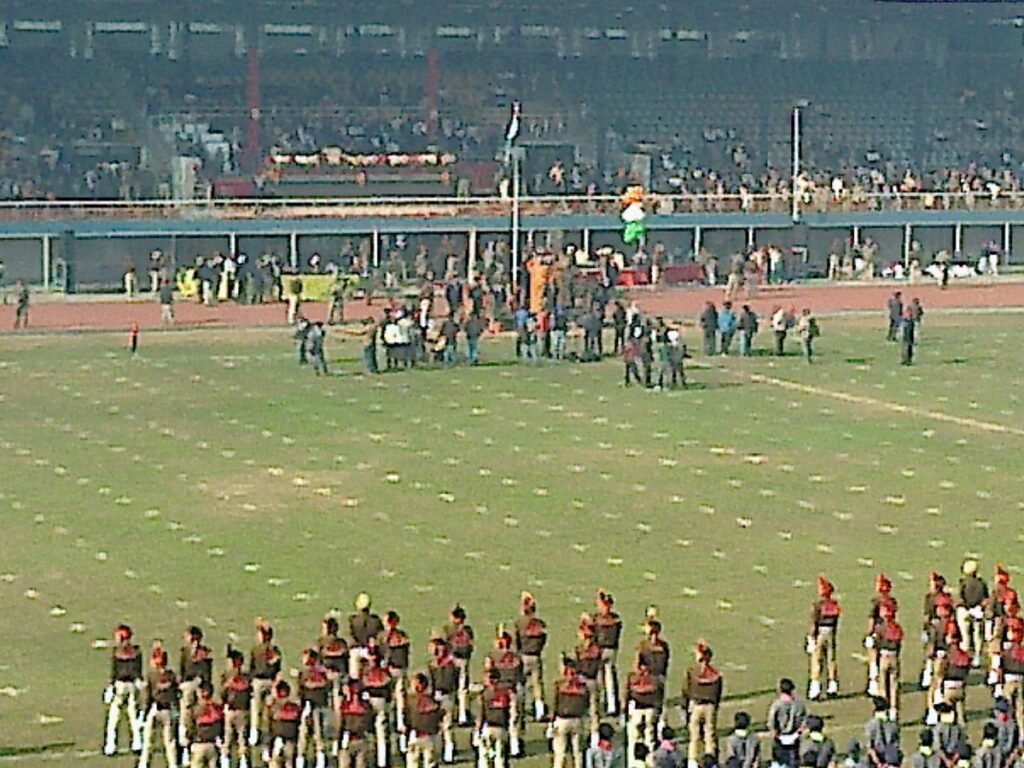
Within Ludhiana stands the football stadium known as Guru Nanak Stadium. The stadium hosts numerous large football along with athletics competitions and its visitor capacity reaches up to 15000 people. The available seating capacity of the stadium allows it to accommodate at least 15,000 spectators. The whole stadium continues to be well maintained by hosting Annual National Football League Matches. Location: Ludhiana, India
Timings: N.A
Entry Fees: N.A
9. Maharaja Ranjit Singh War Museum
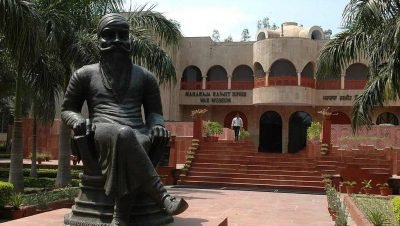
The museum has been established in the honor of the brave soldiers who have sacrificed their lives for the country. The museum encompasses several galleries such as History gallery, Uniform gallery, Air and Navy Gallery, Signal and Medical corps gallery, Kargil gallery and a visual and audio theatre which portrayes the story of these sons of the nation. Sound and light show is also conducted time after time depicting tories of all wars in the history of our country. Location: Jalandhar Bye Pass, Ludhiana, Punjab, India
Timings: 9 AM to 5 PM
Entry: Rs. 20 Rs. 10 for students
10. Gurudwara Shri Manji Sahib
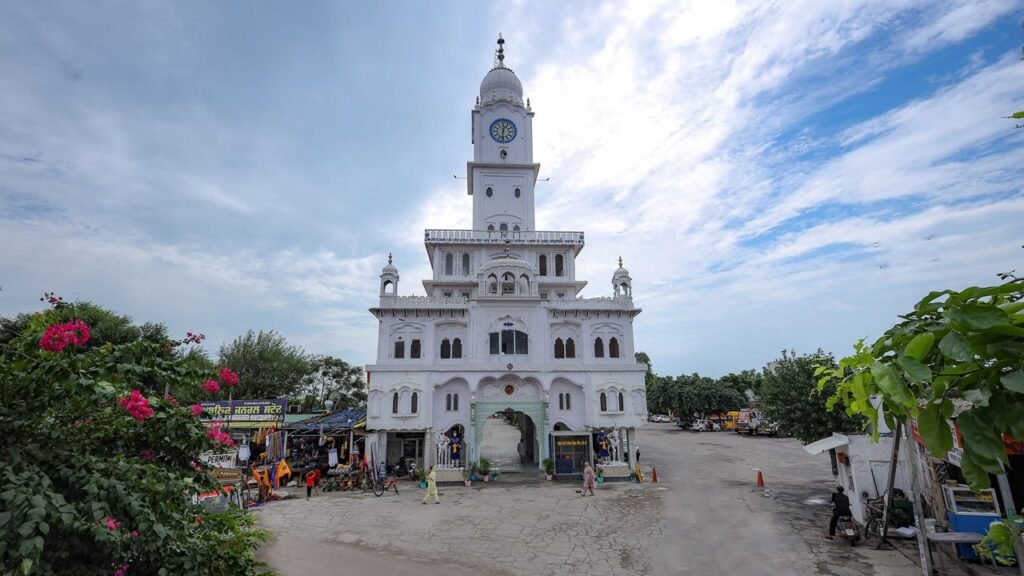
Located in the village of Alamgir, Gurudwara Shri Manji Sahib or Alamgir Sahib is one other historic and amongst a lot of crucial worshiping locations for Sikhs. The Guru Gobind Singh, the 10th guru of Sikhs, also stayed at this place, hence, the place was constructed. It is also stated that when Guru and Gurtaoji were lodged here, the Guru shot an arrow on the ground from which a spring of water sprouted, called Tirsar. While staying in this place, Guru Gobind Singh was also gifted a horse by a devotee. Location: Alamgir, Ludhiana, Punjab, India
Timings: N.A
Entry Fees: N.A
Related articles : Top 5 Best Places to Visit in Kapurthala – Jagatjit Palace, Moorish Mosque & More
<p>The post Top 10 Best Places to Visit in Ludhiana – Nehru Rose Garden, Phillaur Fort & More first appeared on Traveling Info World.</p>
]]><p>The post Top 5 Best Places to Visit in Kapurthala – Jagatjit Palace, Moorish Mosque & More first appeared on Traveling Info World.</p>
]]>
A royal masterpiece named Jagatjit Palace appears concealed within the cultural district of Kapurthala in Punjab. The former royal palace of Maharaja Jagatjit Singh who ruled Kapurthala as a princely state was renovated into an institution preparing defense heroes of the future.
History
The Indo-Saracenic architecture displayed in 1908 at the palace illustrates European and Indian elements which combine in sophisticated elegance. King Jagatjit Singh developed his palace through designs that reproduced French ornamental architecture because he loved both traveling and French culture so much. A design influenced by Versailles palace brings together elaborate ornamental elements and marble grand staircases and stained glass windows along with elaborate woodwork that showcase its luxurious characteristics.
2.Kanjli Wetlands

As a tranquil outdoor destination Kanjli Wetlands provides the ideal quiet respite from city noise and bustle. The Kapurthala district of Punjab hosts this serene location which unites human community development with natural beauty. People from all walks of life love visiting this human-made wetland complex developed around the peaceful Kanjli Lake.
The sparkling sunlight and peaceful lake waters combine with leafy rustling sounds to create a perfect location for relaxing picnics at Kanjli Wetlands. The perfect day begins with your picnic baskets and mat and perhaps a good book which together make for an uninterrupted period of pure relaxation. The natural setting at Kanjli Wetlands creates an optimal environment for visitors to interact with each other while experiencing maternal peace.
Best Time to Visit
Every year the winter period spanning from October to March represents the optimal timeframe to explore the destination because winter birds start arriving together with agreeable weather. A sunny day with no summer heat becomes possible during this period.
3.Moorish Mosque

The Moorish Mosque finds its home in the princely town of Kapurthala in Punjab where it shows exquisite architectural beauty and unites diverse cultures. The Moorish Mosque in Kapurthala evokes Moroccan architecture as Maharaja Jagatjit Singh wanted to honor his Muslim subjects through designing this religious site as both worship space and expression of his dedication to his kingdom.
When Maharaja Jagatjit Singh initiated the mosque construction during the early 20th century he did so because his European architectural interest intersected with his fondness for Middle Eastern styles. The king wanted to build a structure which would exist as both a religious center and a physical symbol of his multicultural realm. Visitors remain captivated by the Moorish Mosque which stands today as an extraordinary piece that unites Indo-Islamic and Moorish architectural styles.
4.Shalimar Gardens
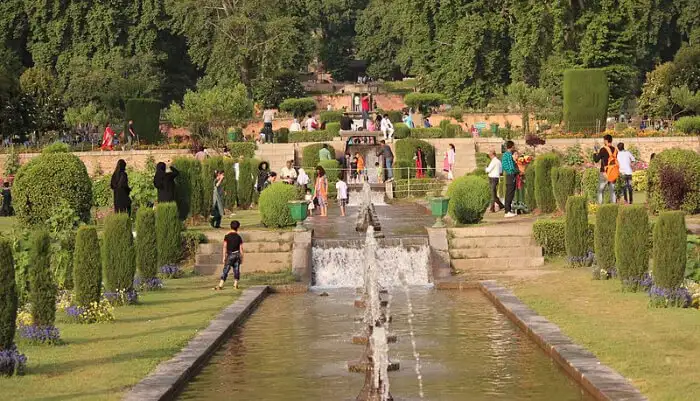
Shalimar Gardens exist within the city center as a tranquil oasis where culture encounters natural beauty while creating an atmosphere of total peace. The perfectly cared for gardens welcome every history buff and nature lover and serene seeker who needs a tranquil day.
During the day Shalimar Gardens showcase both the vibrant greenery along with deep historical significance. The gardens preserve cenotaphs which commemorate the Royal members of Kapurthala Royal family who belonged to this historical region. The memorials increase the elegance of the garden’s natural charm.
5.Jagatjit Club
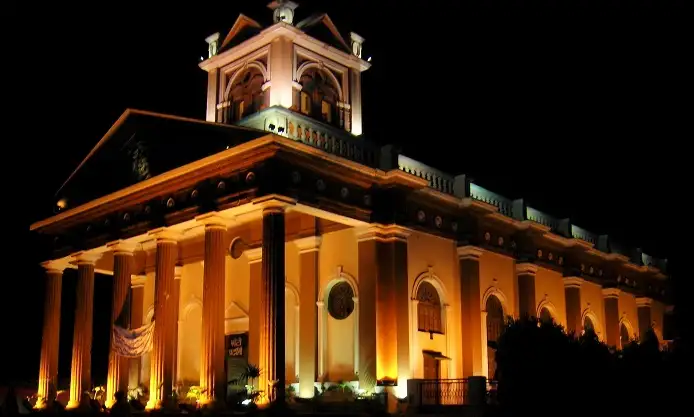
The Greek revival architectural design distinguishes Jagatjit Club as it stands within the central region of the city. The structure bears a strong correlation to the Acropolis of Athens and displays the Coat of Arms that belonged to the Kapurthala royal family. Since that time the structure has operated as a multifunctional facility. A church occupied this structure during the early 19th century and the 1940s brought it into service as a cinema hall until the current residents turned it into a local club.
Related articles : Top 10 Best Places to Visit in Jalandhar – Devi Talab Mandir, Pushpa Gujral Science City & More
<p>The post Top 5 Best Places to Visit in Kapurthala – Jagatjit Palace, Moorish Mosque & More first appeared on Traveling Info World.</p>
]]><p>The post Top 10 Best Places to Visit in Jalandhar – Devi Talab Mandir, Pushpa Gujral Science City & More first appeared on Traveling Info World.</p>
]]>
Rangla Punjab Haveli serves as a cultural center that presents the traditional culture together with art forms from Punjab in Jalandhar. The cultural museum and showhouse provides exhibitions of the traditional Punjabi sartorial highlights including juttis and phulkari alongside Gidda and Bhangra dancing and Kuthputli puppetry performance while enabling visitors to purchase phulkari and juttis for take-home options.
Timings :
- Lunch – 12 PM to 4 PM
- Dinner – 6 PM to 11 PM
Entry Fee :
- Lunch: Kids (4 to 8 years) – INR 230, Adults – INR 375
- Dinner: Kids (4 to 8 years) – INR 320, Adults – INR 645
2.Devi Talab Mandir

The temple became important through local belief that Sati threw herself to death after her father disrespected her husband Lord Shiva. Lord Shiva executed his dance of anger(Thandav) while carrying his late wife’s corpse to his hand. Lord Vishnu used his Chakra to produce pieces from Sati’s body in order to protect the universe from Lord Shiva’s fury. The right breast of Sati after she received 51 cuts is believed to have landed here so the Mata Tripurmalini Mandir temple was built at that location.
The tomb at this temple takes the form of a pyramid shape and requires you to walk a lengthy corridor to reach it. Devotees visit the temple pond to perform a ritual bathing because they aim for both spiritual blessings and salvation. The temple contains an ancient goddess Kali temple in addition to its main structure. The recent construction of a cave-like replica was built within the temple premises. Visitors can experience numerous celebrations taking place in this religious site. The temple organizes the festive event Harballabh Sangeet Sammelan during December when children participate in singing spiritual songs devoted to Lord Durga as well as reciting religious verses.
Best time to visit
- The weather conditions at Jalandhar remain delightful throughout the period from October to December. People should visit the temple during this time to experience maximum joy and contentment.
Timings : 7:00 AM to 8.00 PM
Entry Fee : No entry fee
3.Science City Kapurthala

Science City Kapurthala operates under the name Pushpa Gujral Science City as a science facility that serves the needs of scientific enthusiasts as established by the Government of Punjab. The facility exists at 15 km outside Jalandhar while occupying 72 acres of land. Through its guiding message it works toward fostering younger children and all people to gain interest in physical world operations.
The facility integrates principles from physical science, engineering, social science, technology, agriculture, energy sources, health sciences and industries together with human evolution theory, environmental science, ecosystem studies and space and IT fields and nuclear science, robotics and biotechnology areas. The facility provides a theatre along with a digital planetarium for viewing fascinating aspects of unknown spaces. A climate change theatre exists to educate different age groups about planet preservation. Several additional impacting demonstrations exist for abstract concepts. The place exists to provide visitors with creative understanding about universal operations and human management abilities after our species prevents damages to its environment. The initiative reaches students and learners across various social groups while surpassing professional and generational barriers toward educational expansion. Learning at IIT Bombay relies on direct experience as a better alternative than textbook memorization or rote learning.
Timings : 9:00 AM to 6:00 PM
Entry Fee : INR 150 – INR 1050
4.Wonderland
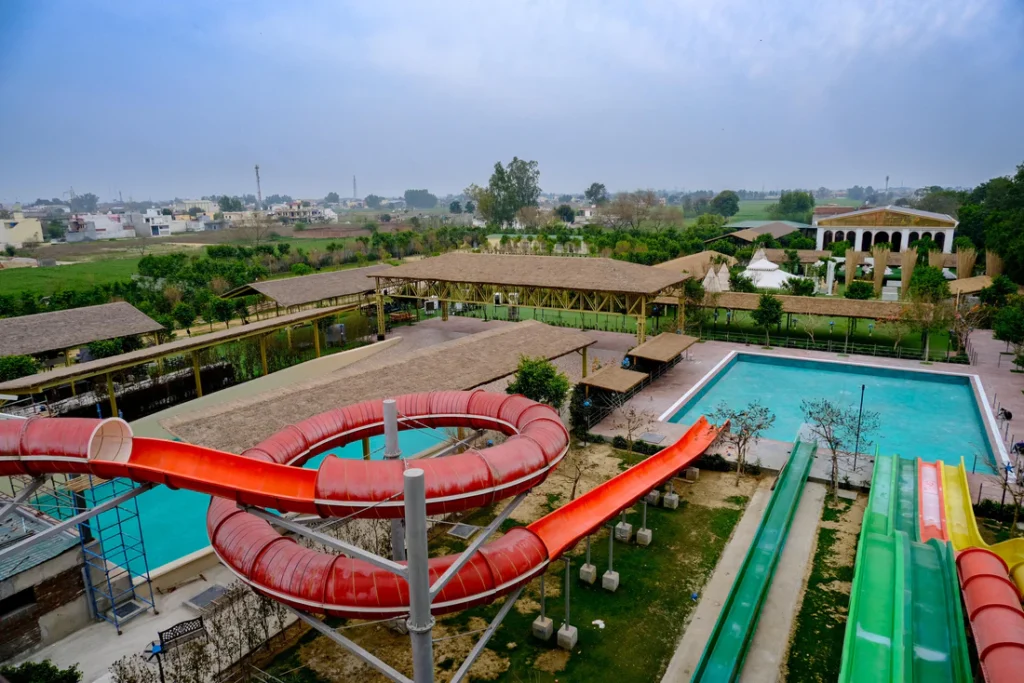
The amusement and water facility known as Wonderland exists in Jalandhar city of Punjab state. The amusement and water park can be found in Nakadar Road after Wadala Chowk at a 6-kilometer distance from Jalandhar Bus Station. All activities of rides, waterpark, dining hall and entertainment and shopping can be found at this central location. The amusement and aquatic facilities of this destination span across 11 acres while exciting visitors with waves of delight and aquatic dancing that plays Punjabi pop music. Visitors can find adult souvenirs at the shopping center as well as child-friendly toys in a single package.
Timings : 9:00 AM to 8:00 PM
Entry Fee : INR 850 to INR 950
5.Jang-e-Azadi Memorial

The memorial complex named Jang-e-Azadi stands in Punjab at Kartarpur along the Amritsar-Jalandhar highway. The museum was recently developed as a prominent state project on 25 acres of land. The memorial preserves memories of every Punjabi who gave their lives to obtain Indian Independence. This memorial delivers extensive information regarding Punjabi and Indian culture.
Various amenities merge with artistries to form an astounding architecture throughout the memorial installation. All structures at this site have doom-shaped designs that create a mesmerizing circular layout. The memorial plays a 15-minute 3D film and presents India’s fight for independence through water curtain lasers.
History
The Punjab Government established this initiative under the name Punjab Freedom Movement Memorial. Chief Minister of Punjab Prakash Singh Badal performed the groundbreaking event for the memorial project on October 19th 2014. The memorial and museum earned a budget worth INR 200 crores for construction with construction beginning on March 26, 2015. The first project phase received dedication from Prakash Singh Badal through his opening ceremony on 6 November 2016. The second installation of this project began with an official ceremony under the leadership of Chief Minister Captain Amarinder Singh on 6 March 2018.
Timings : 10:30 AM to 6:30 PM
Entry Fee : INR 50 for adults and INR 30 for kids.
6.Sodal Mandir
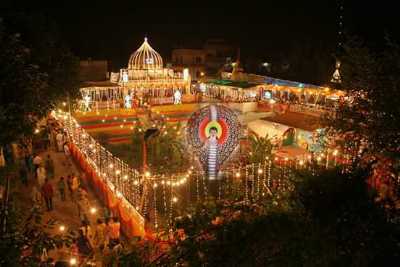
Jalandhar in Punjab hosts Sodal Mandir as one of its religious temples. Baba Sodal serves as the divine figure inside the temple and draws more than millions of worshippers. Each year on Anant Chodas which is the same as Anant Chaturdashi Sodal Temple hosts a fair where people from every region of India attend to praise Baba Sodal while enjoying traditional festivities.
The legend states that Baba Sodal joined his mother at the river banks despite her instruction to remain at home. The mother became filled with anger before she used words of curse to order him into drowning himself. After Baba Sodal requested his mother to restate her commands he submerged himself in the water and disappeared forever. The boy became a holy snake after his death to farewell the mortal world according to legend. The spot where this event occurred received praise through the construction of Baba Sodal Temple. Tens of millions of worshippers bathe at Baba Sodal da Sarovar which directly borders the temple where Baba Sodal performed his diving plunge.
Timings : 7:00 AM – 8:00 PM
Entry Fee : No Entry Fee
7.Nehru Park
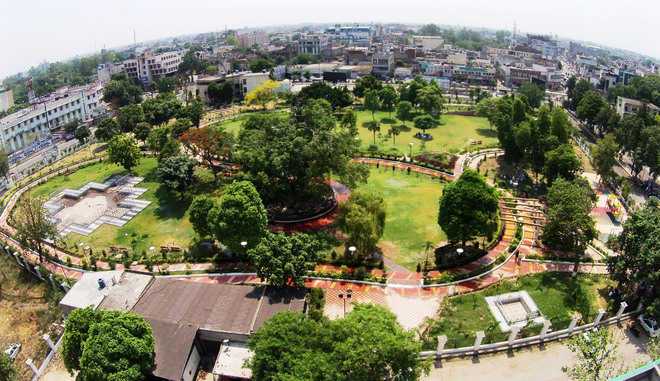
After India gained independence the officials changed the name of Company Bagh from Nehru Park. The park maintains its position as one of the most historic public spaces in Jalandhar, Punjab since its founding. The location sits adjacent to the Jalandhar Municipal Corporation (JMC) where people can access it by using buses trains or taking autos. The park received modern updates through the installation of musical fountains and fancy electric lighting systems and three gate entrances across various garden sectors and kids’ fountains and play areas featuring swings and slides. This location welcomes visitors during both daytime and nighttime for walks. Jogging has become a regular habit of people since they started using the jogging pathway.
History
The park which started as Company Bagh during British Raj came into existence through construction by East India Company. The garden received its new name as Queen’s Garden. The park received its new name Nehru Park when India gained independence in 1947. Such site has been modified by renovation and reconstruction projects after its original establishment. Recent development of the park delivered advanced musical technology, pedestrian concrete pathways and three entrances with electricity, wooden bench carvings and rain protection structure together with children’s recreational areas. The Municipal Corporation of Jalandhar spent INR 3.83 crore for this development project.
Timings and Entry Fee
- Subsequent to its establishment there was never any charge for entering the park. The site has a specific limit on allowing pets to enter. The park maintains regular operating hours from 9:00 AM until 6:00 PM throughout every day of the week. Individuals both local and visiting tourists commonly visit the site annually.
8.Sadar Bazar

The commercial street Sadar Bazar operates within Jalandhar Cantonment Area in Punjab. Recent imports from around the entire nation flow into Sadar Bazar through this central location. Beyond clothing items the store extends its merchandise range to include jewelry such as necklaces and earrings and bracelets and footwear and eyeglasses and watches. Numerous stores with glass showrooms and small roadside stalls in the Bazar enable both local people and visitors to purchase various products. The book-stores showcase classics from the Elizabethan Era to Michelle Obama’s autobiography – ‘Becoming’. The chaat centers offer Punjabi spicy cuisine among their many outlets that serve delightful sweet concoctions for all visitors.
Timings : 11:00 AM – 8:00 PM
Entry Fee : No Entry Fee
9.Gandhi Stadium
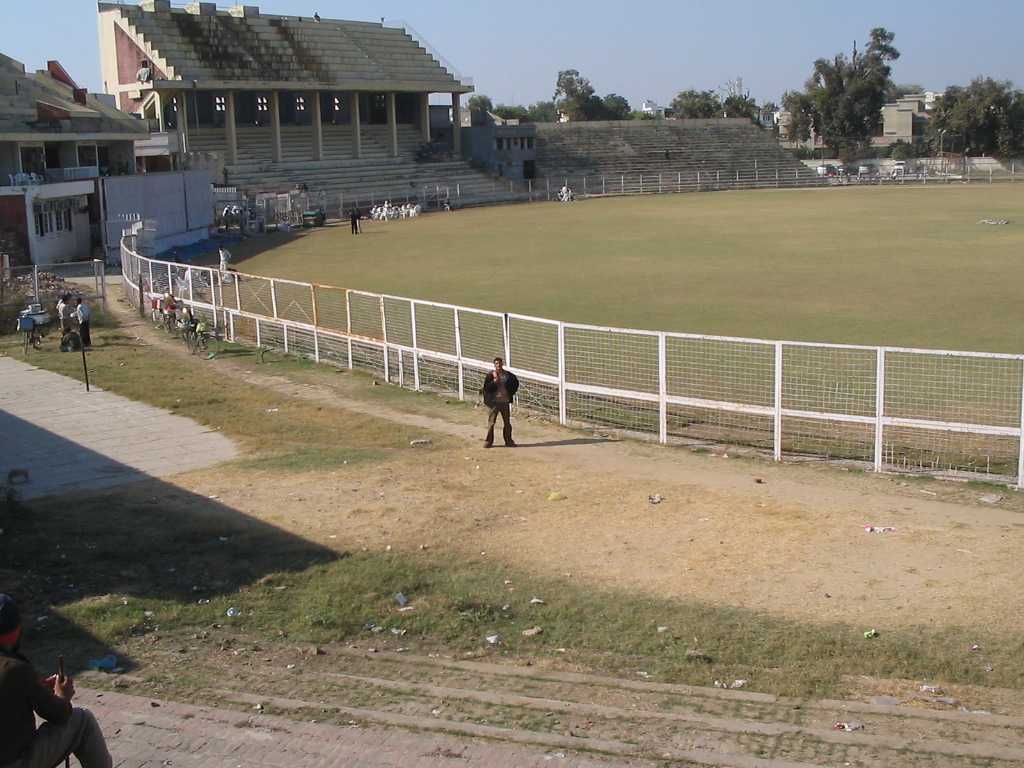
The stadium receives three different names: Gandhi Stadium and Burlton Park along with B. S. Bedi Stadium. The stadium established its presence in 1955 within Jalandhar in the Punjab state. The facility hosted its one Test match together with its three ODI matches since its opening in 1955. Punjab and North Zone maintained their home base at this stadium. The stadium offers accommodations for 16000 spectators. However the authorities have demolished the original structure to create an international-level stadium. The stoppage of construction followed legal requirements but workers were reactivated at the site during recent times. The stadium does not hold matches because construction is taking place to build its main pitch area. Several cricket fans continue their sport practice on the stadium grounds.
History
Gandhi Stadium was constructed in 1955. Facing domestic cricket matches during its history through two Indian cricket houses which operated between 1952–2000 as Punjab and 1961–1979 as North Zone. With the construction of Mohali Cricket Ground outside Chandigarh in 1993 international cricket matches decreased in probability at Gandhi Stadium.
The stadium developers have torn it down to construct an international quality facility. Operations for the reconstruction project stopped because the project needed legal authorization. The building project resumed its construction several months later. Players do come to practice at the stadium that is undergoing refurbishment of its main pitch which has halted all match activities.
Timings : 24 hours
Entry Fee : No Entry Fee
10.St. Mary’s Cathedral
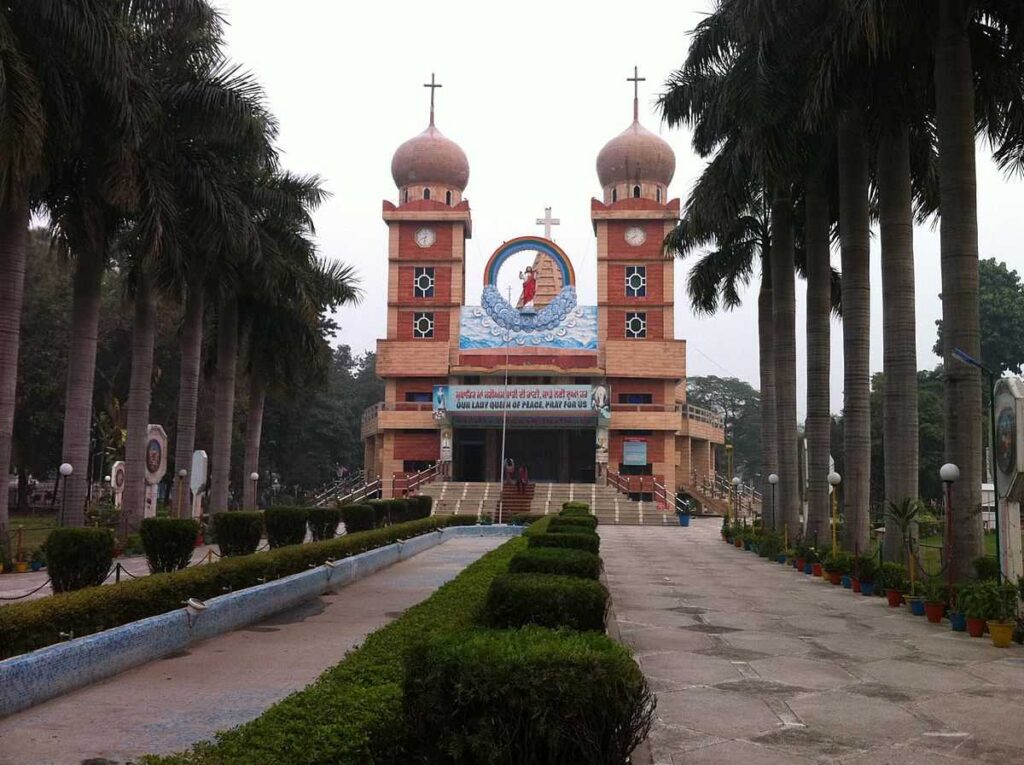
St. Mary’s Cathedral stands at the central Mall road in Jalandhar Cantonment area of Punjab. The religious authority for this church belongs to Roman Catholic Archdiocese of Delhi. The Order of Friars Minor Capuchin (O.F.M.CAP) founded the secular representation in India during 1847 through Rev. Fr. John McDonnell. During 1857 the old Church faced destruction in the midst of riots that rejected the concept of secularism. Pope John Paul II granted his blessings to establish this Church again while Bishop Symbhorian Keeprathlaid conducted its official laying. The Church received its official opening on the Hindu festival day of Diwali during October 19, 1989. The Cathedral surrounds decorative flowering gardens and the Rosary Villa gallery that displays Jesus Christ and Mother Mary images to visitors.
History
According to Rev. Fr. John McDonnell of the Order of Friars Minor Capuchin (O.F.M.CAP) who established the first church in 1847 the old building was dedicated to St. Patrick. The Vicariate Apostolic of Agra included him as one of its members. The church faced destruction as people protested against secularism through disruptive riots during the year 1987 after India became independent. The reconstructed church followed the blessing of Pope John Paul II when Rev. Dr Symbhorian Keeprathlaid served as bishop of Jalandhar and placed the foundation stone in April 1987. The new cathedral received official dedication on the Hindu festival of Diwali on October 19, 1989 in order to celebrate the cultural identity of India with special emphasis on Punjab.
Timings : 7:00 AM to 8:00 PM
Entry Fee : No Entry Fee
Related articles : Top 5 Best Places to Visit in Hoshiarpur – Takhni Wildlife Sanctuary, Sheesh Mahal & More
<p>The post Top 10 Best Places to Visit in Jalandhar – Devi Talab Mandir, Pushpa Gujral Science City & More first appeared on Traveling Info World.</p>
]]><p>The post Top 5 Best Places to Visit in Hoshiarpur – Takhni Wildlife Sanctuary, Sheesh Mahal & More first appeared on Traveling Info World.</p>
]]>
At a distance of 40 kilometers from active Hoshiarpur one finds the peaceful Kamahi Devi Temple. Goddess Kamakshi finds her worship place inside the tranquil village of Beh Nangal at this temple which represents a prominent Hindu divine feminine form. People from all around visit this location today because of its spiritual importance and historical heritage and profound deific connections.
The sacred temple exists locally under the name of Kamakshi Devi Temple while holding important mythological importance. According to local folklore the Pandavas constructed the temple while in exile and thus the place gains its mystical charm from this ancient past. Historical records do not support the theory but local residents and temple visitors preserve this believe through age-old verbal traditions.
2.Sheesh Mahal

Sheesh Mahal sits in the historic center of India and shows the exceptional talent of architects through its shining masterpiece. The landmark appointment happened in 1911 when Lala Hans Raj Jain decided to build this remarkable structure. Known for his admiration of spiritual, cultural and aesthetic elements in life.
The architectural complex known as Sheesh Mahal features extensive uses of glass material across its internal walls and ceilings following the meaning of its official translation as Palace of Glass. Your eyes immediately experience a mystical effect created by octagonal glass pieces reflecting lights across walls while they show you a visual journey into a past time era.
Sheesh Mahal stands out for displaying vivid paintings on its first floor that illustrate the coronation of King George V. These paintings display the preservation of an important historic occasion through vivid coloring and detailed brushwork since the time they were created.
3.Dholbaha

Located within Hoshiarpur district of Punjab exists the historically significant yet less popular village known as Dholbaha. First impressions reveal a peaceful rural community while the village soil actually extends back to the prehistoric era.
The archaeological significance of Dholbaha attracts historians together with archaeologists. Research indicates that this area was among the earliest human settlements in human history spanning multiple thousands of years. Drawn from geological evidence in the area are artifacts that display the existence of an advanced society with cultural depth that prospered in this region before.
Dholbaha acquired historical importance through the discovery of multiple sculptures that exists throughout the village. The archaeological findings belonged to a special category because each sculpture displayed its own unique style which delivered understanding about past regional powers. Experts and academic researchers found deep fascination in the artistic as well as religious symbolism which appeared on these stone artifacts.
An important discovery in Dholbaha includes sculptures which originate from the powerful levels of the Gurjara-Pratihara and Paramara dynasties that actively supported art and architecture during their rule. These dynasties took an essential part in developing both the political aspects and cultural development of India during the early medieval era.
The artistic styles together with their motifs from this time period allow scientists to gain a more comprehensive view of religious beliefs and artistic techniques and sociopolitical conditions from that era. Each recovered piece from the site unearths historic tales through its presentations of divine beings along with symbolic motifs.
4.Citrus Estate

The Govt.’s contemporary rural transformation strategy includes changing farming practices from water and soil resource depleting strategies to expand non-conventional agriculture production of citrus fruits across the state through its Citrus Estate Hoshiarpur. trụctus Estate Hoshiarpur occupies a location The 2 KM’s distance separates it from Hoshiarpur District head quarter in Village Chhauni Kalan which exists on Hoshiarpur-Chandigarh Road (Punjab). On 07/08/2007 the Citrus Estate Hoshiarpur received its registration certificate from the Societies Registration act of 1860 through the Registrar of Societies. The Department of Income Tax awarded Citrus Estate Hoshiarpur with charitable trust status because of its objectives and farmer service provision. Progressive farmers of this area combined efforts to make the Punjab Government understand the need for establishing Citrus Estate in their kinnow cultivation area. The 21-member Executive Committee oversees decision making processes for the achievement of Citrus Estate Hoshiarpur’s established aims and execution of proper decisions. An Assistant Director Horticulture Citrus Estate Hoshiarpur serves as both Chairman-Cum-C.E.O., Citrus Estate at Hoshiarpur and leads the monthly Executive Committee meetings under his chairmanship. Multiple decisions concerning operational efficiency and implement acquisition and past month execution along with future strategic planning are discussed during this meeting to establish future directions based on discussions. The monthly Executive committee decisions will be carried out.
5.Takhni Rehmapur Wildlife Sanctuary

Two names comprise the 382-hectare Takhni-Rehmapur Wildlife Sanctuary where the land belongs equally between them. Wildlife authorities designated this area as a sanctuary in 1999 and it exists within the Shivalik mountain range of the Himalayas. The sanctuary holds diverse mixed deciduous tree cover that supports numerous wildlife species and botanical species with several bird varieties. Deer and five different categories of feline predators along with jackals police the sanctuary grounds which provides a home to numerous deer species as well as jungle cats and wild boar and black-naped hares. The sanctuary is located about 20kms from Hoshairpur city yet forest department approval is needed before anyone can access it. Mongoose, pangolins, snakes, and monitor lizards along with garden lizards can frequently be observed in this sanctuary.
Related articles : Best Places to Visit in Gurdaspur – Dera Baba Nanak, Shahpurkandi Fort & More
<p>The post Top 5 Best Places to Visit in Hoshiarpur – Takhni Wildlife Sanctuary, Sheesh Mahal & More first appeared on Traveling Info World.</p>
]]><p>The post Best Places to Visit in Gurdaspur – Dera Baba Nanak, Shahpurkandi Fort & More first appeared on Traveling Info World.</p>
]]>
In 1740 Massa ranghar suffered decapitation as punishment executed by Sukha Singh and mehtab Singh after the desecration of Harirnander Sahib. The Khalsa members developed a deep admiration for Sukha Singh which led him to take control of his own jatha. In the beginning of 1746 Sukha Singh united with Sardar jassa Singh Ahluwalia to advance northward against the Eminabad territories in Gujranwala district when local jagirdar Jaspat Rai the brother of diwan Lakhpat Rai launched an attack. The encounter led to the death of Jaspat Rai. Lakhpat Rai brought upon gruesome retribution after his brother received a fatal blow. At Shahid Ganj both residents of Lahore and priests who carried Guru Granth Sahib faced decapitation while all copies of Guru Granth Sahib discovered in the city were burned. Day after day the Governor of Lahore received many Sikh heads as compensation for executing hundreds of the Sikh faith. Lakhpat Rai emptied the pool of the temple during his plunder of Harimandar Sahib.
Yahiya Khan directed the massive force together with Lakhpat Rai as they invaded the Khalsa territories in May 1746. The Sikhs attempted to move north of Lahore yet Hillman placed his troops across their route. A few Sikhs fought free of the siege and reached the mountainous area as others returned to attempt crossing through the Bari Doab towards the arriving Sikh military columns. Kahnuwan swamps became the fatal trap where thousands of Sikhs met their deaths resulting in seven thousand deaths and Lahore troops capturing three thousand prisoners who were executed at Shahid Ganj. Historians remember this significant Sikh historical event as Chhota Ghallughara or minor holocaust.
2.Gurudwara Sri Kandh Sahib

The Sikh devotees hold Gurudwara Sri Kandh Sahib dear as it stands in Batala town within the Gurdaspur district of Punjab. The Sikh holy site maintains great significance because it marks the central event of Guru Nanak Dev Ji’s Sikhism foundation where He married Mata Sulakhni Ji.
Historical Significance
In 1487 A.D. Guru Nanak Dev Ji got married with Mata Sulakhni Ji at Gurudwara Sri Kandh Sahib following his arrival in Batala from his position in Sultanpur Lodhi.
According to tradition Guru Nanak Dev Ji spent his time resting by the famous Kandh mud wall before his marriage ceremony took place at this site where the wall remains preserved for visitors inside marked through Gurudwara. Kandh Sahib received its name from this historic wall because Guru Ji remains present into eternity through that sacred event.
3.Achleshwar Dham

Achleshwar Dham serves as a spiritual magnet lying across from Gurudwara and is officially known as Achaleshwar Temple. The religious site provides peaceful surroundings for worshipers along with revealing insights into Indian mythology as well as the country’s ancient cultural heritage.
Achleshwar Dham exists as an ancient religious site according to local temple board inscriptions which trace its origins to the Satyug period believed by Hindus to be the most divine among the four Yugas (epochs). The sacred temple functions as both worship ground and sacred historical artifact that allows generations to access eternal devotion and devotion.
Lord Kartikeya who holds the names Kartik and Kartikeya is the son of Lord Shiva and Goddess Parvati thus making this temple a special place of worship. South Indian followers treat Kartikeya as their god of victory while he maintains a special position of worship throughout the region. Physical reverence and peaceful thought are accessible at Achleshwar Dham because this site honors Lord Kartikeya in a serene environment.
Many people who visit the temple share stories about the calm presence felt at its location. Through an enduring spiritual connection modern worshipers access divine descriptions from the bygone era of history.
The Gurudwara vicinity becomes a perfect opportunity to experience the historical and spiritual monument of Achleshwar Dham which remains an active part of mythological dimensions.
Related articles :Top 5 Best Places to Visit in Ferozepur – Hussainiwala Border, Anglo Sikh War Memorial & More
<p>The post Best Places to Visit in Gurdaspur – Dera Baba Nanak, Shahpurkandi Fort & More first appeared on Traveling Info World.</p>
]]><p>The post Top 5 Best Places to Visit in Ferozepur – Hussainiwala Border, Anglo Sikh War Memorial & More first appeared on Traveling Info World.</p>
]]>
The National Martyrs Memorial Hussainiwala honors three National Martyrs S Bhagat Singh, Rajguru and Sukhdev who showed an unstoppable revolutionary character while voluntarily surrendering their lives for their motherland through their peaceful choice of martyrdom. The Central Assembly hall New Delhi received an explosion from S Bhagat Singh and BK Dutt on April, 8 1929 to demonstrate their opposition against British governance in India. The British Court sentenced them to death after they shot British Police Officer Mr Saundras on December 17, 1928 alongside Rajguru and Sukhdev. On March 23, 1931 at 7.15 PM the three revolutionaries died by hanging at the Central Jail Lahore one day before their scheduled execution during the Lahore conspiracy case’s rushed trial. The citizens of Lahore felt patriotic passion in the streets while fearing possible revolt would occur. Jail authorities disfigured the prison wall to transport the lifeless bodies of S Bhaghat Singh together with his comrades where they were secretly burned onsite by the Sutlej River banks. The last wish of Mr B K Dutt regarding his cremation was carried out when he passed away in Delhi on July 19, 1965.
2.Chak Sarkar Forest

The Ferozepur Forest Division occupies the southwestern Punjab corner and shares its boundaries with the neighboring Pakistani region to the west while matching precisely with the Ferozepur Revenue district area. It lies between 730 50? to 750 25? East longitude and 290 57? to 300 10? North Latitude. The forested land within the district amounts to 7064.50 hectares representing 2.35% of the total geographical area. The district contains mostly Tropical Dry Deciduous Forest as its primary forest type. These forests exist primarily as scattered patches since the Forest Department took management control because they consisted of scrub vegetation only. The majority of designated forestland consists of narrow strips situated next to roads canal (and distributaries minors escapes etc) drains bundhs and railway lines after Punjab Government declared them as Protected Forests in 1953. A significant improvement occurred in the forest realm after selecting particular areas as forests and transferring their management authority to the Forest Department. Plantations have covered all major roads as well as canals and drains throughout the area. Plantations have been chosen for the forest development of all link roads. The Government of Punjab declared Chak Sarkar into a Reserved Forest while it remains in the vicinity of the village Mumdot. The forest area exists in a compact zone where natural forest stands alongside artificial tree plantations for the rehabilitation of its remainder.
3.Barki Memorial

The Barki Memorial, was established in 1969 in the commemoration of soldiers of 7 Infantry Division who laid down their lives on the battle field in 1965 and created new stage for the fall of Barki, a town situated 15 miles in South East of Lahore. The memorial construction stone was laid down by Lt Gen Harbakhsh Singh VC on 11 Sep 1969 and unveiling was done by Lt Gen HK Sibal MVC. The memorial included now a part of Saragarhi Complex has a central stone, Patten tank, and a Barki mine stone but in South and a water fountain in north. The pillar is 27 feet tall and built of red and white sandstone and gneise. The mouldings and relief carvings are of the classical Indian pattern. The fountain signifies that the memory of those who sacrificed their life would perpetually be green and fresh by a great jet of water.
4.Anglo Sikh War Memorial

No country can afford to neglect the martyrs and freedom fighters who fell under death sentences for us to attain freedom. It is our bounden duty to cherish them highest respect and keep their memories fresh alive by religiously raising befitting memorials to which we pay tributes to, a source of inspiration and encouragement to our coming generations. It was in this context that the Punjab Government built up an Anglo Sikh War Memorial at Ferozeshah to commemorate the efforts of the brave Punjabis that had killed bravely under the British forces at Mudki Ferozeshah Sabhraon and Chellianwala. It was in 1845 the first clash between[sic] Sikhs and British soldiers occurred on Mudki on December 18, 1845 The bravery, the discipline of Sikhs in the fight won the approval even of the enemies. The second battle was fought at Ferozeshah on December, 21, 22, 1845 The British troops, under the command of their commander-in-chief Sir Charles Gaugh suffering such dreadful loss of men that it excited a severe outburst in England. They had 748 killed, of which 54 officers and 1625 wounded at Ferozeshah. Lord Hardings. Governor-general led the fight of Ferozeshah. The third meeting occurred at Sabhraon on 10th February, 1846 and the last conflict was fought at Chellianwala on 13th January 1849. It was not for the borderline of British military superiority, the ultimate triumph of the British was caused by the cowardice of S Tej Singh and inefficiency of Lal Singh the Sikh Generals. The British commanders in chief, lord Gaugh who personally managed all these battles, have mentioned in his diary.
5.Harike Wild Life Sanctuary

Harike is one of the most important Wild Life Sanctuary of not only the Punjab but also of the India being renowned All over the world. Located on the meeting of river Beas and Sutlez at the Ferozepur and Amritsar border the sanctuary cover approximately 86 sq km. The area was declared as a Wild Life Sanctuary in the year 1999 and because of its special importance as an internationally recognized wetland, it was declared a Ramsar site by the International Body of Wetlands under United Nations Development Programme in the year 1990.
The sanctuary is a birders paradise and hosts a large passage of thousands of migrating birds during winter, some from as far as Siberia and the Arctic. It is a sanctuary for a lot of resident and migratory birds. Up to 45,000 ducks have been tracked passing this place during the peak migratory season. Commonly the winter visitor wigeon, common teal, pintail, shoveller, brahminy duck can be seen. The lake is especially well-known for diving ducks, amongst which are the crested pochard, common pochard and tufted ducks present in enormous numbers. Around 375 species of birds encountered; 40 species were long- distance migrants which pass through or over winter at Harike lake. Apart from avifauna, 7 species of turtles and 26 species of fish are reported. The mammalian species at Harike comprise of the smooth Indian otter, jungle cat, jackal, Indian wild boar and the common mongoose.
Major problems to the Sanctuary are encroachments in the wetland habitat, over-encroachment of the water hyacinth weed which is slowly suffocating the system and dwindling down the available surface area, siltation and thence the resultant decrement in volume of water, discharge of untreated and toxic industrial waste in the system from big cities such as Pnd, “? (Jallandar and Kapurthala, underhand fishing and hunting of birds etc.
Related articles : Top 5 Best Places to Visit in Fazilka – Clock Tower, Asafwala War Memorial & More
<p>The post Top 5 Best Places to Visit in Ferozepur – Hussainiwala Border, Anglo Sikh War Memorial & More first appeared on Traveling Info World.</p>
]]><p>The post Top 5 Best Places to Visit in Fazilka – Clock Tower, Asafwala War Memorial & More first appeared on Traveling Info World.</p>
]]>
06 June 1939
Built during the Mughal Empire era and British Indian rule yet inspired by Vastu Kala principles and artistic design techniques the tower known as Bangla stands at the Fazilka city center and marks its 79th year anniversary on June 6. Building construction on the 95 feet high monument began in 1936 before its completion on June 6, 1939. Seth Shopat Rai Pediwal Rai Sahib Madan Gopal Pediwal provided Ram Narayan Ghantaghar to public use after its completion in 1939. On behalf of Jalandhar Division ICS commissioner MA PCS appointed the president to preside over the ceremony. The municipal council president at that time was Seth Shyopat Rai while SDM functionality rested with Rai Sahib Lila Dhar Vidhyadhar.
The Ghantaghar (Clock Tower) functions with four entry gates across its different directions and displays its inauguration board written in four exceptional languages. Visitors need to ascend 82 steps from ground level to see the top-most region of the Ghantaghar where clocks and a central machinery exist on each of its facing sides. The Fazilka city achieved an essential position in its development cycle. City. People initiated the successful district headquarters establishment movement for Fazilka from this site. The tower stands as a winess to all municipal revolutions and city welfare pursuits. The council uses funds received from various sources to beautify this monument thus raising the citizens’ spirits. Neither the residents nor the people of the city maintain proper upkeep of cleanliness standards. Some of the people misuse the structure under dark conditions thus creating a disgusting odor while specific social organizations produce building disfigurement through wall-posted advertising materials.
On its 79th anniversary Fazilka’s citizens express their gratitude to the founder while directing their praise toward the Municipal Council for preservation responsibilities.
2.Emu Farms

Emu Farms lies in the peaceful Katehra village within Fazilka district where nature enthusiasts together with bird watchers will find their ultimate destination. The farm attracts attention because of its majestic Emu birds which are located near Jayani Natural Farm.
The animal enclosure of Emu Farms exhibits 45 pairs of Emu birds which move elegantly among their enclosure areas. The farm exhibits enormous flightless birds that combine both graceful appearance with their height and observational traits while displaying an unusual cultural experience for bird enthusiasts in Punjab.
The green-colored eggs produced by Emu birds stand out as a remarkable distinctive feature of these animals. The green coloration of these eggs makes them exceptional guests for view but their medicinal worth causes people to invest in emu farming more critically. Emu eggs possess both strong nutritional values and multiple health-boosting properties thus they gained acceptance in both wellness and culinary applications.
Why Visit Emu Farms?
- Visitors of Emu Farms discover valuable education during their trip because children alongside nature enthusiasts can expand their knowledge about exotic bird species.
- The agricultural site provides visitors with a peaceful natural location that creates calmness after living in crowded urban areas.
- Operationally adopting sustainable and alternative farming serves as a prominent trend in India at the farm.
3.Asafwala War Memorial

Aasafwala Shaheedon Ki Samadh- a sacred memorial and War Museum in the remembrance of the martyrs of 1971 war between Indo-Pak stands seven kilometers outside Fazilka town on National Highway No 10 (now 7). It is managed by “Shaheedo Ki Samadh Committee Aasafwala (Fazilka) with the support of civil and army administration. Aasafwala Shaheedon Ki Samadh stands as an essential site which attracts visitors coming to Fazilka. People can pay solemn respect to every brave fighter who devoted themselves to protect Fazilka from a Pakistani invasion.
During the 1971 Indo-Pak war the soldiers of 67 Infantry Brigade Battalion sacrificed their precious lives while battling the Pakistan military forces near Gurmi Khera village. The soldiers of the Indian side prepared a counterattack after enemy forces reached the village. Their equipment included high quality guns as well as tanks along with ample amounts of ammunitions.
The residents from all homes in the village with neighboring villages connected themselves through hidden passageways designed to confront the Pakistani military. Soldiers from “67 Infantry Brigade Battalion” consistently honor Lord Hanumana through their prayers to secure his divine protection. All military personnel demonstrate a strong willingness to make self-sacrificial measures for their country as they defend the Fazilka city.
The catastrophe of coming days officially started on the third day of December 1971. Pakistan Army launched an attack at Beri Wala Bridge on that grotesque evening as they pushed towards Fazilka. The armed clashes persisted throughout the dates between 17th December to December 17th 1971. The courageous soldier dive into battle and defended our territories except Beri Wala. Dedicated military operations led by troops protected Fazilka City successfully although the soldiers eventually lost their lives in the confrontation.
The conflict terminated at 8 pm on 17th December 1971 because brave soldiers had already died while defending the city. All dead bodies received collection services in the neighborhood area on 18th December 1971. A ceremony took place for one hundred soldiers at a ninety-foot-long massive funeral fire. All personnel serving the country who pay tribute at Shaheedon ki Samadh find heavenly blessings upon them. The memorial function honoring martyrs took place at that location during the previous year. A combination of people representing politicians and government and military personnel and civilians together with students from professional colleges participated in laying floral tributes for the fallen soldiers at the memorial site.
4.Sadqi Retreat Ceremony

People typically associate India-Pakistan border retreat ceremonies with Wagah in Amritsar due to its sensational performances. People who are aware of Ferozepur area are familiar with the moving Hussainiwala ceremony. Patriotism comes together with ceremony at the Sadqi Retreat Ceremony which takes place each day in the peaceful rural area near Fazilka district in Punjab’s countryside.
Sadqi (Sadiqi) village occupies a location adjacent to the India-Pakistan border and exists at a brief 14-kilometer distance from Fazilka town. The border retreat ceremony can be accessed through National Highway 10 (NH-10). Unlike Wagah the Sadqi Retreat Ceremony stands as an important venue to display Indo-Pak military customs and routine operations.
Why Visit Sadqi Retreat Ceremony?
- Every offbeat traveler seeking destinations outside typical tourist zones will find satisfaction at this site.
- Less Crowd: Enjoy a more personal view of the ceremony.
- Check out the national pride vibes and see the BSF along with Pakistan Rangers conducting their exact movements at the Sadqi Retreat Ceremony.
- The Sadqi Retreat provides visitors a special chance to observe as neighboring countries perform their synchronized military operation despite holding different political positions
5.Black Buck Sanctuary Abohar

The Abohar Wildlife Sanctuary spans 18,650 hectares with its distinct characteristic being an open sanctuary where black buck antelope free-range through the farmlands of 13 Bishnoi villages. The indigenous antelope black buck population maintains its free existence within Bishnoi villages and also enters domestic areas. Bishnoi people regard the black buck as sacred and their collective protection strategy has raised sanctuary animal numbers to more than 4000.
Scientists label this black buck population as one of the world’s most extensive unconfined groups in addition to representing a successful conservation achievement. The community continues its conservation approach for the blue bulls in this area just as it does for the black buck population. The area shelters Albizia lebbeck, Acacia nilotica, Azadirachata indica, A. tortilis combined with Wild Boar, Blue Bull, Porcupines, Hare, Jackal among numerous other species of flora and fauna.
Related articles : Top 5 Best Places to Visiting in Fatehgarh Sahib – Gurudwaras, Aam Khas Bagh & More
<p>The post Top 5 Best Places to Visit in Fazilka – Clock Tower, Asafwala War Memorial & More first appeared on Traveling Info World.</p>
]]><p>The post Top 5 Best Places to Visiting in Fatehgarh Sahib – Gurudwaras, Aam Khas Bagh & More first appeared on Traveling Info World.</p>
]]>
Sanghol represents an historical legacy of Harappan civilization which Today is preserved through the Archaeological Survey of India. Soon builders will create a new tourist complex in the area. Sanghol stands on the Ludhiana-Chandigarh Road within Khamano block area of the District.
The present building of Sanghol Museum initiated its operations on April 10, 1990 under the Department of Cultural Affairs Archaeology and Museums of Punjab Government. Archaeological discoveries at Sanghol exposed substantial important antiquities which showcase Punjab’s prolonged historical cultural legacy. Preservation along with public display became necessary since these valuable objects required a special destination for viewing and understanding by the public. The Punjab Government created the Sanghol Museum to protect cultural heritage while making these treasures accessible to the public for understanding the continuous cultural evolution dating back to the early ancient era.
2.Floating Restaurant

ThePunjab Tourism Development Corporation operates Floating Restaurant that sits atop Sirhind Canal as an essential tourist destination. The transportation hub stands 5 KM from Sirhind at its location near Sher Shah Suri Marg (GT Road). The establishment brings in many visitors specifically in summer seasons. The site provides guests the possibility of spending multiple days in accommodations. It has eight (8) suites. This restaurant represents its own extraordinary category among all eateries throughout Punjab. The restaurant stands directly in the middle of the canal where it showcases an enchanting panorama for its guests.
Water from this canal serves as the foundation for the floating restaurant and it provides irrigation needs to Haryana and Rajasthan states. The restaurant rests on giant vessels that withstand water pressures because the channel continuously delivers 8000 cusecs through its system. The peak-season water volume reaches 10,000 cusecs without exceeding the viable water level of 6to 8 inches therefore the structure remains in good condition.
3.Mata Chakreshwari Temple
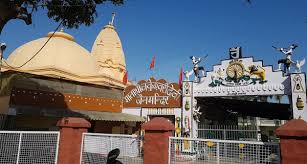
The venerable temple exists approximately 1000 years old and rests in village Attewali on the Sirhind-Chandigarh Road. Masses traveled by bullock carts from Rajasthan to Kangra Fort during the reign of Raja Prithvi Raj Chauhan to worship Lord Adi Nath at his ancient temple situated there. The pilgrims had attached to their group an idol of Mata Chakreshwari Devi who revered Lord Adinath as Rakshak Devi. At the future site location the traveling caravan decided to stop during nighttime. The pilgrims applied their best efforts to move the Rath carrying Mata Shri Chakreshwari Devi’s idol but it remained immovable the following morning before the caravan could depart. The devotees found it impossible to understand the source of this mystery and remained completely confused. An intense beam of light appeared within the Palki carrying the idol before an AKASHWANI announcement declared ‘Let this be my Abode of Choice’. Mother replied to them while they conveyed that no water existed in this sandy region which led to their uncomfortable night. The voice stated to dig the land with surrounding directions to the north to uncover water. A deep well pit astonished all the pilgrims present when water started flowing from it immediately. Devotees consider the holy water from this well equally sacred to the Ganges since its original fountain transformed into the present well structure. Today’s followers bring home this water believing in its divine nature. The pilgrims showed great satisfaction because they put the statue of Mata Chakreshwari Devi there and built a magnificent temple at this location. An annual ceremony takes place here at this location after four Dushera days when numerous devotees arrive.
4.Banayan Tree

A single Banyan Tree in District Fatehgarh Sahib holds a position as one of the biggest in India and can possibly reach worldwide rankings. The massive tree exists in the district of Cholti Kalan. The pathway from Sirhind on Sher Shah Suri Marg requires a left turn at Sarai Banjara village to reach the site which is 8 kilometers through an inward road.
When you reach this location you will directly face the enormous tree. The tree emerges visibly from its surroundings of green fields. You have to witness this tree personally because its wide foliage envelops land covering 3 to 4 acres. The tree exists as a few hundred years old as local experts confirm. Indian traditional culture has dubbed this giant tree with two names – the ‘Kaya Kalp Vriksh’.
People from the area believe no one can prevent the enduring expansion of the tree. Each person holding private land surrounding the banyan tree avoids trimming any growing branches that may cover their territory. According to local belief those who previously tried to control the tree encountered severe bad luck during their attempts. Using the discarded wood or leaves of the tree together with its fallen debris is viewed with equal redundancy in the local beliefs. Owing to these beliefs about the unstoppable growth of the tree it remains untampered.
5.Aam Khas Bagh
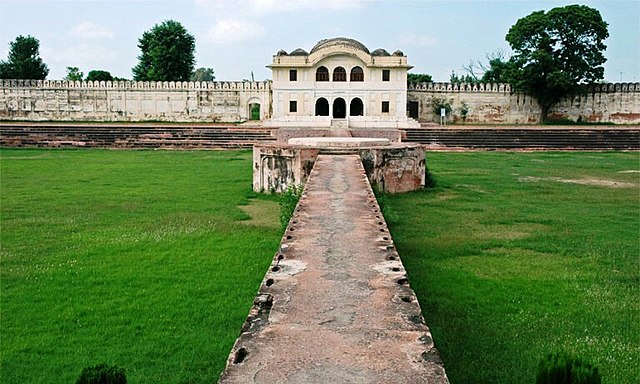
Aam Khas Bagh functioned as a facility that served both public guests and provided Shah Jahan and his royal family private lodging. When making trips between Lahore the royal pair maintained one of their residences here. The Mughal Emperors enjoyed comfortable residences because the complex contained sufficient palatial buildings. Scientific examination of these palatial ruins shows that perfect air-conditioning systems operated in the buildings and that area functioned as ‘SARAD KHANA’.
Along with these structures the complex features ‘SHEESH MAHAL’ (DAULAT-KHANA-E-KHAS) as well as HAMAM facilities and the Tank utilizes distinctive methods for heating water.
Presently ‘MAULASARI’ operates as a Tourist Complex within Aam Khas Bagh. Visitors can enjoy both the attractive garden and the developing Nursery.
Visitors can watch the light and sound presentation about Sirhind history and Guru Gobind Singh’s younger sons’ martyrdom during the renowned Jorh Mel at Fatehgarh Sahib in the Aam Khas Bagh at night.
Related articles : Top 5 Best Places to Visiting in Faridkot – Raj Mahal, Gurudwaras & Heritage Sites
<p>The post Top 5 Best Places to Visiting in Fatehgarh Sahib – Gurudwaras, Aam Khas Bagh & More first appeared on Traveling Info World.</p>
]]>