<p>The post Top 5 Best Visiting Places in Sirohi for Heritage, Spirituality & Nature first appeared on Traveling Info World.</p>
]]>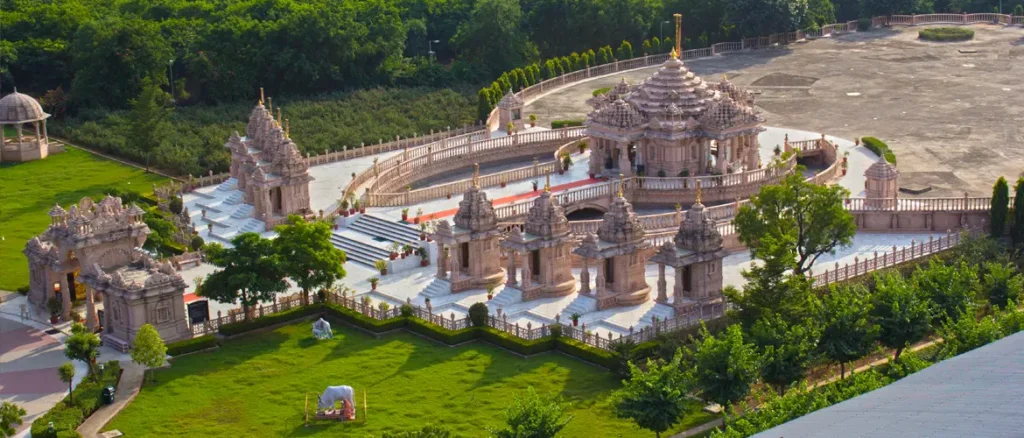
Shree Pavapuri Tirth has the Jiv Metri Dham Animal Sanctuary as a central component of its premises. The sanctuary implements care for animals as part of its mission to protect them according to Jain philosophical principles of non-violence. Visitors to the sanctuary can freely roam its grounds as they make contact with the sanctuary’s various residents such as cows and birds as well as peacocks. These animals find refuge within the sanctuary through protections provided to them along with solid examples illustrating our care for all living things.
The peaceful environment of the temple becomes complete because of its expansive garden areas which create the perfect space for both contemplation and relaxation. Shree Pavapuri Tirth – Jeev Maitridham has beautifully kept gardens that provide an excellent space for exploring during a peaceful walk. People who want spiritual growth can find a broad selection of Jain ceremonies at the temple which lead them toward stronger relationships with Jain principles.
Visitors can experience the calm atmosphere of Shree Pavapuri Tirth – Jeev Maitridham between 6:00 AM and 9:00 PM each day because it remains open throughout the entire period. Visitors can find diverse fulfillment at this site through holy worship and natural appreciation and peaceful relaxation.
2. AJARI SARASWATI TEMPLE
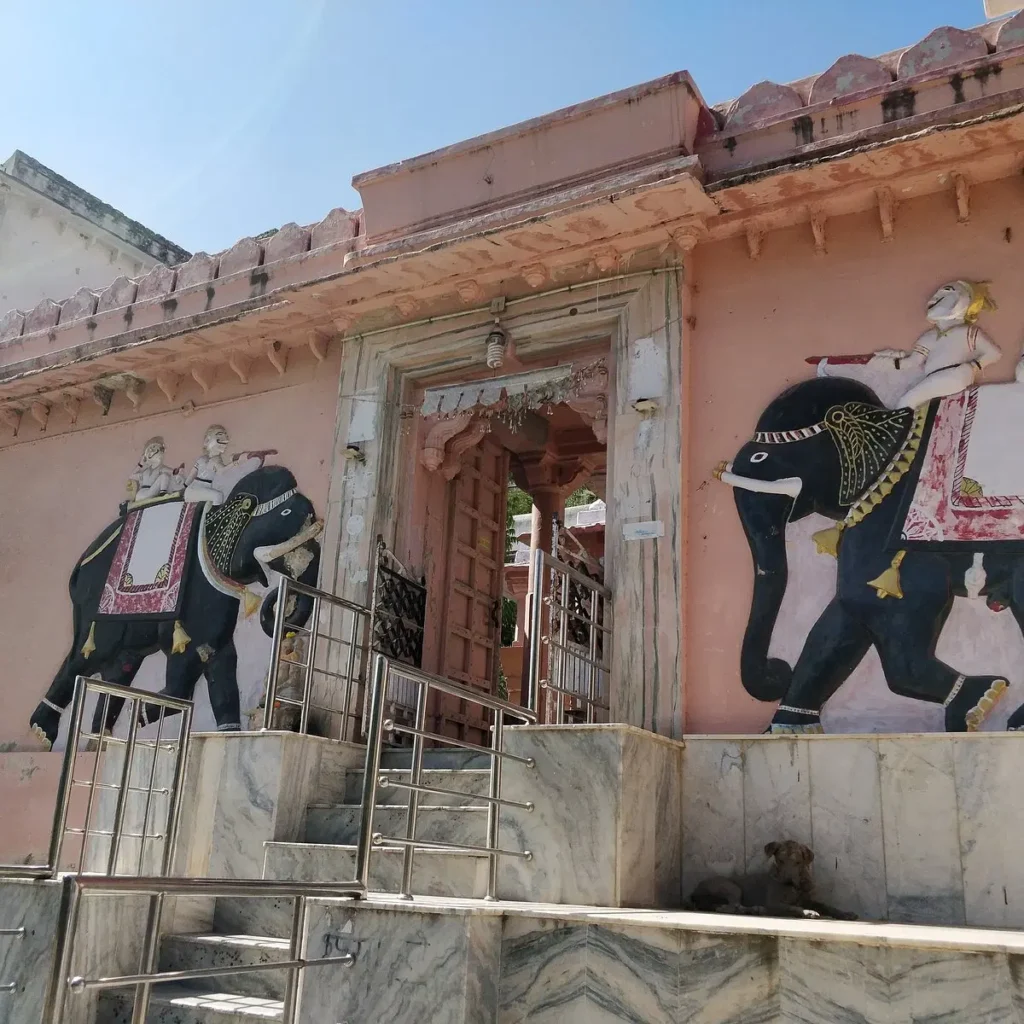
Guests who visit Ajari Saraswati Temple can pray to its deities while experiencing both its extraordinary architecture and complete cultural foundation. Regard the amazing stone carvings that display religious figures and stories dedicated to worship at this site. This religious site stands out because of its exceptional location between date trees and a flowing stream and surrounding hills. The peaceful surrounding of date trees with a gentle stream flowing under a scenic hill range creates at the temple a respectful sanctuary that deliver comfort to those searching for peaceful beauty.
Ajari Saraswati Temple, Rajasthan Highlights
- You should visit the 19th-century spiritual Ajari Saraswati Temple in Sirohi to experience its peaceful environment.
- During your visit to offer prayers please venerate Saraswati who symbolizes wisdom and knowledge as well as Vishnu and Shiva.
- Go through the main temple area because its grand central hall showcases magnificent pillars and a high ceiling together with sophisticated mastery of work.
- The beautiful Ajari village spreads its green scenery and natural scenery to enhance your visiting experience.
- You will come across cultural heritage along with traditional stories and historical narratives that decorate the temple pillars while they retell stories of religious dedication.
The Ideal Period for Visiting Ajari Saraswati Temple in Rajasthan
People can see and appreciate the Ajari Saraswati Temple during any month of the year to experience its peaceful charm. Visitors can find ideal visiting conditions at Ajari Saraswati Temple during either the months of January through April or August to December because temperatures remain cooler. People can visit the temple when they wish but weekdays tend to be less busy and provide tranquility. The most favorable time to experience the temple is in the beginning or end of the daily prayer sessions.
Ajari Saraswati Temple, Rajasthan Other Essential Information
- This holy site demands modest clothing and visitors must follow all temple traditions that exist at this place.
- Pay attention while walking through the temple area by refraining from using a loud speaking voice.
- Review the weather predictions before arriving at the temple since hot afternoons should be avoided.
3. TOAD ROCK
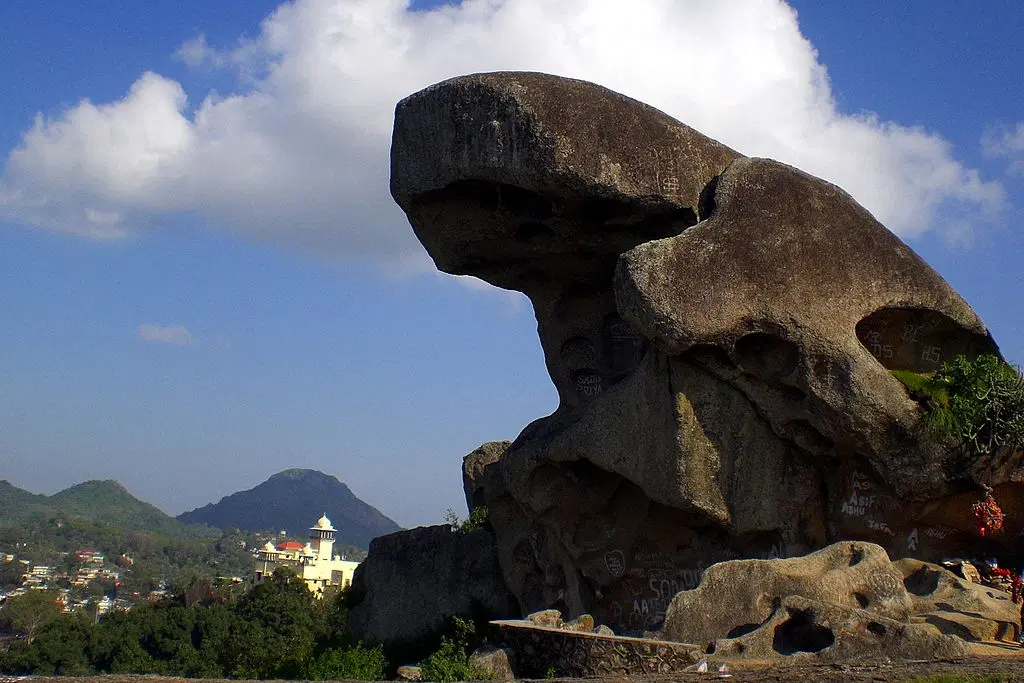
For several centuries the natural granite formation known as Toad Rock developed through a combination of erosion and weathering processes. The geological wonder stretches 15 meters high and has transformed into a well-known area for both nature walks and taking photographs. Tourists who want to see Mount Abu natural attractions together with visitors who enjoy Nakki Lake and families will find Toad Rock to be an excellent destination because of its distinctive geologic formation.
A panoramic view stands as the top feature when people visit Toad Rock. Artists and photographers love Toad Rock for its superior viewpoints of Mount Abu town along with Nakki Lake and the surrounding hills. Most visitors including children can easily reach the peak of Toad Rock through a straightforward climb. You will experience complete reward from the breathtaking view as well as a powerful feeling of achievement when you climb all the way to the summit.
People can enjoy many outdoor adventures as well as picnics at Toad Rock. The land surrounding Toad Rock offers numerous shaded areas and resting spots that serve as ideal locations for enjoyable relaxation by the natural scenery. The tranquil atmosphere at Toad Rock suits solitary moments just as well as it suits spend time with loved ones.
All travelers planning a visit in Rajasthan must consider Toad Rock as one of their essential sightseeing destinations and particularly target those exploring the surrounding areas of Sirohi. The region’s most notable destination emerges from this site because of its balanced natural elements together with accessible location and geological uniqueness. All types of visitors including explorers and picture-takers together with nature-loving individuals will discover something unique at Toad Rock.
Toad Rock represents the natural beauty of Rajasthan through its exceptional geological formation beyond typical geological structures. Visitors seeking top destinations around Sirohi should note that this destination offers them an irreplaceable journey through stunning vistas along with tranquil times and stronger connections to nature.
4. DILWARA TEMPLE
Within the peaceful Aravalli Hills stands the temple which contains five separate sanctuaries honoring the five most important Jain Tirthankaras. The religious buildings at Ranakpur consist of three temples where Vimal Vasahi and Pittalhara Temple serve Shri Adinatha the first Tirthankara and Luna Vasahi Temple worships Shri Neminatha who is the 22nd Tirthankara. Unexpectedly two additional sanctuaries operate in Ranakpur Temple complex at Rajasthan – the Parshvanatha Temple and the Mahavir Swami Temple respectively celebrate their 23rd and 24th Tirthankaras.
The white marble quarried structures boast elaborate interior details together with decorative portal works besides decorative pillars and decorative wall panels. Rajasthan residents should definitely add Dilwara Temple to their travel itinerary because it provides visitors numerous satisfactory experiences through religious fulfillment and architectural enlightenment and Jain historical learning.
Dilwara Temple, Mount Abu Highlights
The five temples of Dilwara provide visitors with a chance to experience the historical and value-based heritage of the Jain Community.
Visitors can admire Dilwara temples because they showcase both pure white marble and intricate stone carvings.
- Delve into the spiritual teachings of Jainism through the detailed carvings and inscriptions throughout the temple.
- The Vimal Vasahi Temple honors Lord Adinath and remains the oldest in the Dilwara Complex through its petals flowers and lotus buds designs engraving.
- Worshippers can find peace by praying in the temple’s calm space while they observe both the natural scenery and professional stone details.
The path to visit Dilwara Temple starts from Mount Abu.
Travelers can reach the Dilwara Temple through main road travel from Mount Abu’s urban center that lies 2.5 kilometers away. The temple can be reached within ten minutes by following Delwara road. The temple access is available through taxi services and personal driving.
Members of the public can visit Dilwara Temple in Mount Abu during specific optimal times.
- The Dilwara Jain Temples welcomes visitors throughout the entire year thus there is no specific time to visit them. People should visit Dilwara Temple between November and February to experience pleasant weather during their temple visit. Visiting the temple is most ideal on weekday afternoons when you can experience a more peaceful ambience among fewer visitors. Tourists can visit Dilwara Temple between 12 PM until 5 PM while it is open for visitors.
The Dilwara Temple of Mount Abu Requires Other Important Details for Visitors
- Wear appropriate clothing which covers your shoulders and knees when visiting Dilwara Temple because it serves as a religious shrine for worship.
- Visit Dilwara Temple according to the designated hours for tourists.
- The temple prohibits all photography therefore you must avoid taking any pictures at any time. The sanctity of the site requires visitors to follow this rule for preservation.
- Having a local guide during your visit will significantly improve your experience because they share comprehensive information about the marble temple carvings along with architectural details and historical information.
5. ACHALGARH FORT
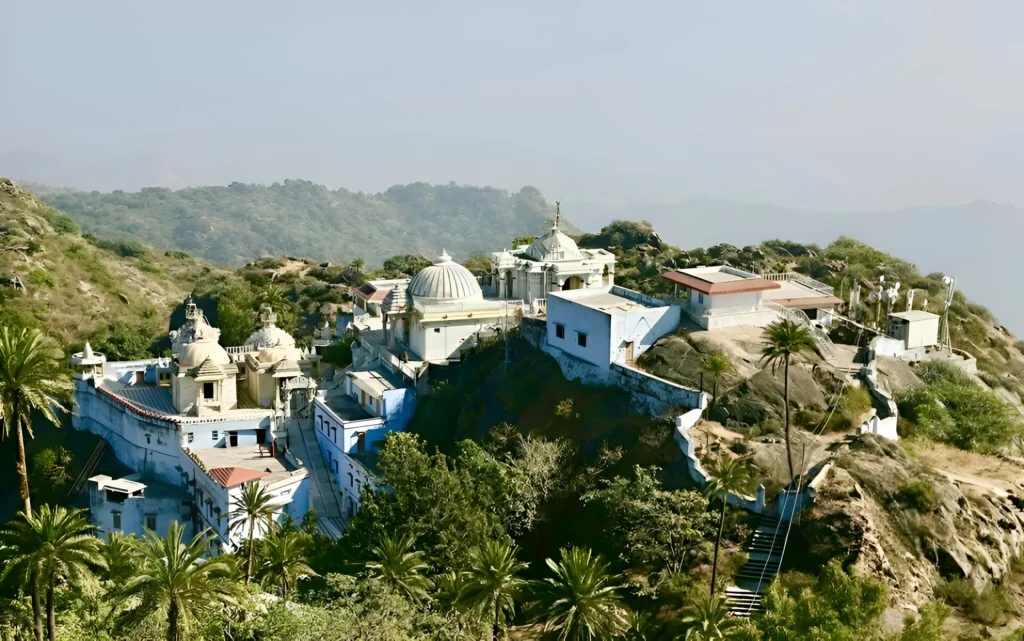
Achalgarh Fort displays structural elements that combine the architectural elements of both Rajput and Mughal styles. Giant doorways and spacious courtyards at the fort receive their elegance from ornate decorations. Visitors inside Achalgarh Fort can witness the Achaleshwar Mahadev Temple together with multiple Jain temples leading up to the ancient Adinath Temple.
Visitors especially love the stunning Mandakini Lake as one among the prime Mount Abu attractions. Visiting the lake during sunset presents you with an opportunity to spend quiet moments beside your family. Visitors can enjoy exciting hiking trails throughout the surrounding areas of the fort to experience adventure in the scenic landscape.
Achalgarh Fort Highlights
Traversing through Mount Abu reveals the majesty of Rajput architectural accomplishment which can be witnessed at the Achalgarh Fort.
You can experience the superior artistry of ancient times through both the precise details and floral designs with geometric shapes that adorn this structure.
Devotees should visit Achaleshwar Mahadev Temple which stands as a temple dedicated to Lord Shiva built 1000 years ago.
The breathtaking sunset time accompanies scenic hiking trails to create a peaceful experience.
You can examine local destinations around the fort that include the Mandakini Lake as well as the ancient Jain temples and Kali Mata Temple.
Visiting Achalgarh Fort presents suitable conditions throughout the entire year.
Time does not affect Achalgarh Fort in Mount Abu making it available for exploration throughout the year. The weekdays offer better opportunities to explore peacefully at the fort because the weekends bring heavy crowds. Spending your visit to the fort during the late afternoon will allow you to see the magnificent sunset from its location.
Achalgarh Fort Other Essential Information
Choose clothing that is both lightweight and footwear designed for tough surfaces since the ground is rough with irregular paths.
The combination of sunscreen and a hat will help you avoid get burns to your skin.
For energy maintenance during your excursion you should have sufficient water bottles alongside some convenient snacks.
A guided tour would be beneficial for visitors to see Achalgarh Fort together with the main places of interest in Mount Abu.
Watch out for cliff edges during your hike and maintain safe distance from untamed wild animals when you observe them.
Related articles : Top 3 Best Places to Visit in Anakapalli for Heritage, Spirituality & Nature
<p>The post Top 5 Best Visiting Places in Sirohi for Heritage, Spirituality & Nature first appeared on Traveling Info World.</p>
]]><p>The post Top 3 Best Visiting Places in Sikar for Heritage, Spirituality & Culture first appeared on Traveling Info World.</p>
]]>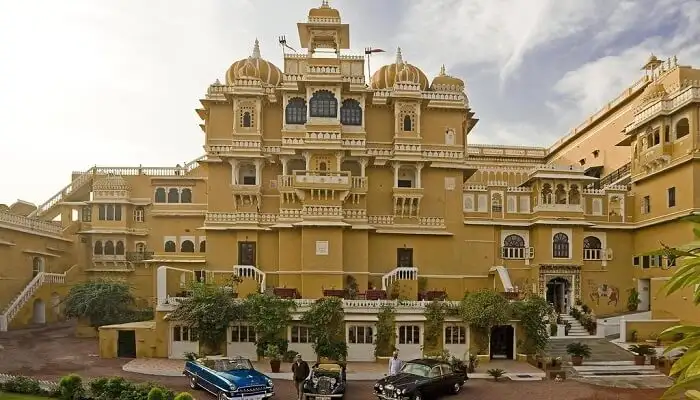
Deogarh Mahal stands as an architectural masterpiece that represents royal heritage while establishing itself in the central region of Rajasthan. The historical site stands at 2100 feet above sea level as it ranks among the most captivating attractions for tourists in Sikar. The combination of a distinguished historical legacy together with magnificent ornate features and peaceful countryside settings creates Deogarh Mahal into an exceptional destination for those who desire to explore royal Rajasthan’s historic past.
The Aravalli mountain range provides Deogarh Mahal its base as it stands transfinitely beautiful. Centuries back craftsmen designed this royal palace through mural work and mirror art and reliefs that showcase Rajasthani aristocratic splendor. The entire heritage site communicates powerful narratives about heroism and magnificent regality as well as artistic achievement that qualifies it as an essential sight in Sikar.
Deogarh Mahal functions as a more than palace installation because it delivers an immersive journey into the great era of royal magnificence. The main attraction at the palace is the Maharana Suite which stands as its crowning achievement among its splendid designed chambers. The heritage site gains its aesthetic value from its grand courtyards as well as jharokhas and its numerous intricately carved pillars. The hilltop position of Deogarh Mahal provides exceptional scenery of nearby landscapes while scenic lakes further heighten its charm.
All visitors must sample Deogarh Mahal’s genuine Rajasthani food when they come to the palace. The palace presents its guests with traditional culinary dishes that draw from authentic Rajasthan traditions. Every traditional Rajasthani dish at Deogarh Mahal functions together as royal culinary delights which present feast-like gustatory pleasure to visitors.
Visitors should make time to visit the Dashavatar Temple since it stands as a must-see attraction away from the palace. This historic temple dedicated to Lord Vishnu presents an architectural masterpiece through its elaborate carvings which elaborate mythological events from its walls. The temple visit brings spiritual energy to the royal exploration experience in Deogarh.
Visitors who step into Deogarh Mahal will feel more than just sightseeing since this place transports them deep into Rajasthan’s royal way of life. All components of Deogarh Mahal provide travelers with remarkable experiences from its magnificent buildings to its peace-bringing natural scenery and exclusive dining options. Include Deogarh Mahal in your Sikar travel plans to experience the grand Rajasthan atmosphere as it has never been experienced before.
2. Laxmangarh Fort: For A Bird’s Eye View Of Laxmangarh

The landscape of Sikar reveals two magnificent historical landmarks with Laxmangarh Fort as one of them. The monumental construction made during the 19th century by Laxman Singh (the former ruler of Sikar) boasts a remarkable vantage point above Laxmangarh town from its hilltop location. The architectural masterpiece which combines scattered colossal rocks constitutes Laxmangarh Fort near Sikar at a 30 kilometer distance. This rock foundation gives the fort its status as one of the prominent sites for visitors in the region.
This structure represents both power and practical foresight of its designer. Massive stone construction and several architectural details along with strong defensive walls symbolize the majesty of Rajasthan’s royal traditions. Photography enthusiasts alongside history fans visit the fort because it possesses both a premium positioning which offers scenic vista views and popular appeal among these groups.
The legacy of Rajasthan becomes accessible through Laxmangarh Fort which makes an astounding artistic statement. Upon standing at this majestic fortress one can feel bewitched by the magical view of observing the town from above. These sturdy ramparts and impressive bastions demonstrate the triumphant legacy of the Rajput rulers in their rule.
The site of Laxmangarh Fort offers travelers the opportunity to experience both the Laxmangarh Fort and other important historical and cultural attractions including Char Chowk Haveli and the Clock Tower and Radhi Murlimanohar Temple and Sanganeria Haveli and Mirijam Kayla Haveli.
- The intricate frescoes and vibrant artwork on the walls of Char Chowk Haveli create a splendid picture that adorns this splendid haveli.
- The Clock Tower functions as a point of pride because it showcases the heritage history of the town.
- The Radhi Murlimanohar Temple presents Lord Krishna with exceptional temple design.
- Sanganeria Haveli presents Rajasthani architecture alongside its intriguing collection of elaborate artwork.
- Mirijam Kayla Haveli stands as a historical site famous for its extensive fresco artwork.
Visitors who want to encounter the aristocratic allure of Rajasthan must place Laxmangarh Fort at the top of their sightseeing list. The fort presents interests to people from all walks of life from historical enthusiasts to skillful architectural observers and those pursuing picturesque sights. Laxmangarh Fort stands as a remarkable attraction for Sikar because it features an impressive collection of beautiful architecture and historical treasures. Rajasthan travelers must not overlook the opportunity to see this outstanding royal fortress during their visit.
3. Harshnath Temple: Seek Blessings
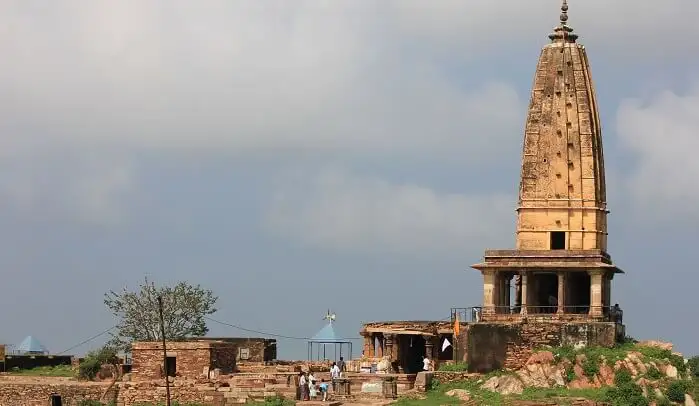
The town of Sikar stands at a convenient 14 km from a sacred shrine where people venerate Lord Shiva at Harshnath Temple. The architectural wonder was constructed in the 10th century by Chahamana King Vigraharaja when he ruled during the historical period. It resides within the beautiful Aravalli Hills setting. Its detailed stone carvings and its holy atmosphere have made this temple one of the main religious sites throughout the local area.
The Hindu deities expressed through detailed sculptures demonstrate the artistic skill of craftsmen who existed during the ancient times at this temple complex. Visitor attraction at this temple becomes stronger because its stone craftsmanship displays captivating intricate details. People from two groups visit Harshnath Temple because its serene environment and spiritual atmosphere welcome travelers seeking either a holy experience or cultural exploration.
Hundreds of devotees attend the Maha Shivratri festival at Harshnath Temple during February and March of each year. Religious fervor accompanies devotees during their attendance of prayers and temple rituals at Harshnath Temple while they worship Lord Shiva. The temple gains a supernatural charm from its position among the Aravalli hills which captivates all who visit it.
Near the spiritual Harshnath Temple visitors can discover both the Shyam Kund and Madho Niwas Kothi which enrich the complete enchantment of this sacred place.
Harshnath Temple extends an opportunity for visitors to experience perfect tranquility
Visitors must include a journey to Harshnath Temple if they desire both religious tranquility and traditional architectural excellence. The temple welcomes visitors for divine appreciation along with past artistic reverence through its peaceful manifestation in natural splendor. This holy place invites you to witness its eternal beauty as you make this unmissable Sacred site visit.
Related articles : Top 8 Best Visit Places in Tonk for Heritage, Spirituality & Nature
<p>The post Top 3 Best Visiting Places in Sikar for Heritage, Spirituality & Culture first appeared on Traveling Info World.</p>
]]><p>The post Top 8 Best Visit Places in Tonk for Heritage, Spirituality & Nature first appeared on Traveling Info World.</p>
]]>- Also known for the name of golden mansion Sunehri kothi is one of thereno knowns visitor in Tonk. Constructed during the tenure of Nawab Mohammed Ibrahim Ali Khan it is an excellent example of Indo-Saracenic style with the golden walls, the beautifully carved ceilings and beautiful frescos.
2.Bisalpur Dam:
- Bisalpur Dam, which is nearly 17 km from Tonk, is a spot enjoyed by visitors for picnic and a serene retreat from the corruptions of the world. Visitors have the opportunity to boating, picnic and are birdwatch in while enjoying the picturesque view of the surroundings.
3.Jama Masjid:
- This ancient mosque in Tonk is famous for its beautiful and highly intricate design of making. It is most largest mosques of Rajasthan and has a blend of islamic and rajput architectural style.
4.Hathi Bhata:
- Hathi Bhata is a natural rock formation which is situated on the banks of Banas River. The rock looks like an elephant and is also a photo standpoint and sightseeing attractions.
5.Raza Masjid:
- Also a very famous mosque in Tonk, Raza Masjid is recognized for its magnificent structure and serene atmosphere. It is decorated with elaborate artwork, coming lattice screens and crisp stucco design.
6.Rajmahal Palace:
- Located in Tonk, Rajmahal Palace is an ancient age palace for its stunning Traditional Rajput architecture. Although the building is not open to visitors, its magnificent front and decorative balconies can be viewed from the outside.
7.Tonk Market:
- Visit the lively markets of Tonk to browse traditional Rajasthani artisans located craft, local clothing, local jewelry boxes and local spices. The markets are a lively setting and selling various local goods.
8.Nawab Gate:
- Nawab Gate is a 19th century historical gateway in Tonk, and it is appearing in the rule of the Nawabs of Tonk. It is a major point of interest and memory of town’s heritage.
Related articles : Top 5 Best Visit Places in Rajsamand for Heritage, Spirituality & Nature
<p>The post Top 8 Best Visit Places in Tonk for Heritage, Spirituality & Nature first appeared on Traveling Info World.</p>
]]><p>The post Top 5 Best Visit Places in Rajsamand for Heritage, Spirituality & Nature first appeared on Traveling Info World.</p>
]]>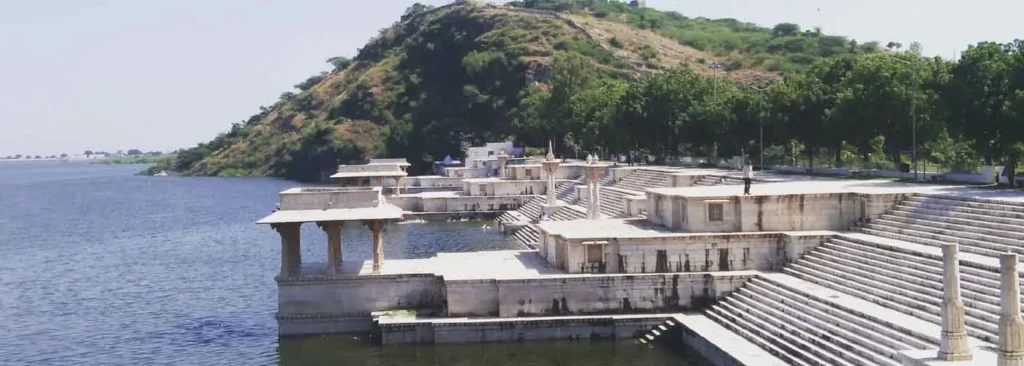
The major enjoyable site of the district Rajsamand Lake salutes customers with calmness and beautifully all around view. This planned lake, erstwhile conceptualised by Maharana Raj Singh at back 17th century is one of the largest lakes one had ever seen here which signifies why Rajputs believes they are destined to be numero uno when it revolves to engineering.
Why Visit?
- Spectacular Sunsets: The lake is quite celebrated for its shimmering sunsets, where the sky transforms into a kaleidoscope of bright colors to be reflected on the serene waters.
- History & Architecture: Lakhs are overcome by the lake with ghats and marble pavilions of intricate carvings, that unfolds the rich historic past of the place.
- Peaceful – Vibe: A walk along the ghats or a boat ride and you know the vibe is all for relaxation and relaxation only.
- Must-Do: Aarti on the premises of a beautiful Lake Nothing quite like a beautiful mix of mystical energy and stunning views that is quite soul cleansing.
2. Kumbhalgarh Fort

Standing tall in the Aravalli Hills Kumbhalgarh Fort is majestic landmark that the stories of valor and grandeur. This UNESCO World Heritage Site which has a width of more than 36 kilometres is the second wall in the world after the Great Wall of China.
Why Visit?
- Historical Significance: Kumbhalgarh has legends of Maharana Pratap the greatest warrior of India. The history of the fort is essential in knowing of its Rajput kings.
- Architectural grandeur: The fort has over 360 temples, palaces and gardens that leave no stone unturned to set forth the rich cultural heritage of Rajasthan.
- Broad Views:- It also very beautiful sight of the region with green forests of Aravalli Range and complete surrounding area.
- MUST DO: Descend into the forts secret passageways and tunnels. The journey and suspense provide an extra taste of entertainment in your visit.
3. Haldi Ghati
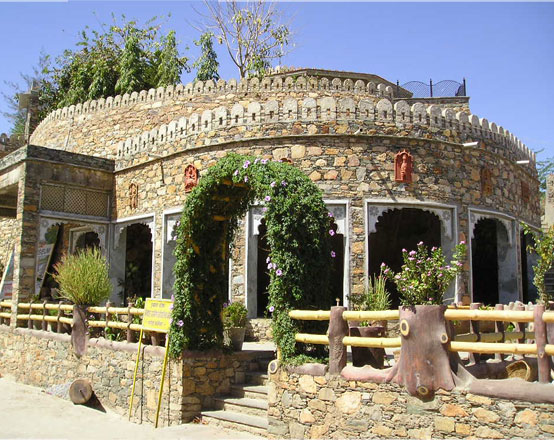
One of the pass mountain runs through Aravali Range, Haldi Ghati has also a history of many significant events. This is widely known as Battle of HaldiGhati where Maharana Pratap and his army bravely battled against Akbar’s Mughal Army. The soil here is of bright yellow color, similar to Yellow spice (haldi) from which the name is derived.
Why Visit?
- Historical Reverence: A symbol of valour and sacrifice, So Haldi Ghati. To this day, locals boast about bravery from battlefield.
- Scenic Point: The paths is lined by dense woodland and picturesque hills very statically suitable for keeping in mind to photography.
- Chetak Memorial: The memorial of the horse of Maharana Pratap’s, which also died after it lost the battle but surrendered.
- Do Not Miss: Book a guided tour in order to understand the historical importance of the site. Come to life the stories of the battle with a knowledgeable guide.
4. Charbhuja Temple

Charbhuja Housing a temple based at Charbhuja Urban center by Garhbor, status of Segregated Lord Vishnu. Its architecture is a heritage of filial Rajputs and Mughasl with prominent carvings all of the walls thus decorated with mural drawings.
Why Visit?
Spiritual Significance: This temple is one of the very famous pilgrim destination and one of the 108 Divya Desams or holy abodes of Lord Vishnu.
Architectural Aesthetic: The temple’s grand entrance and absolutely designed indoors have a lot.
Festivals and Fairs: Attend in the annual fair held in homage to Lord Vishnu, when the temple stands with cheerfully adorned, sounds and dance.
Must-Do: Take part in the evening Aarti to get a soulful spiritual experience.
5. Entartica Rajsamand
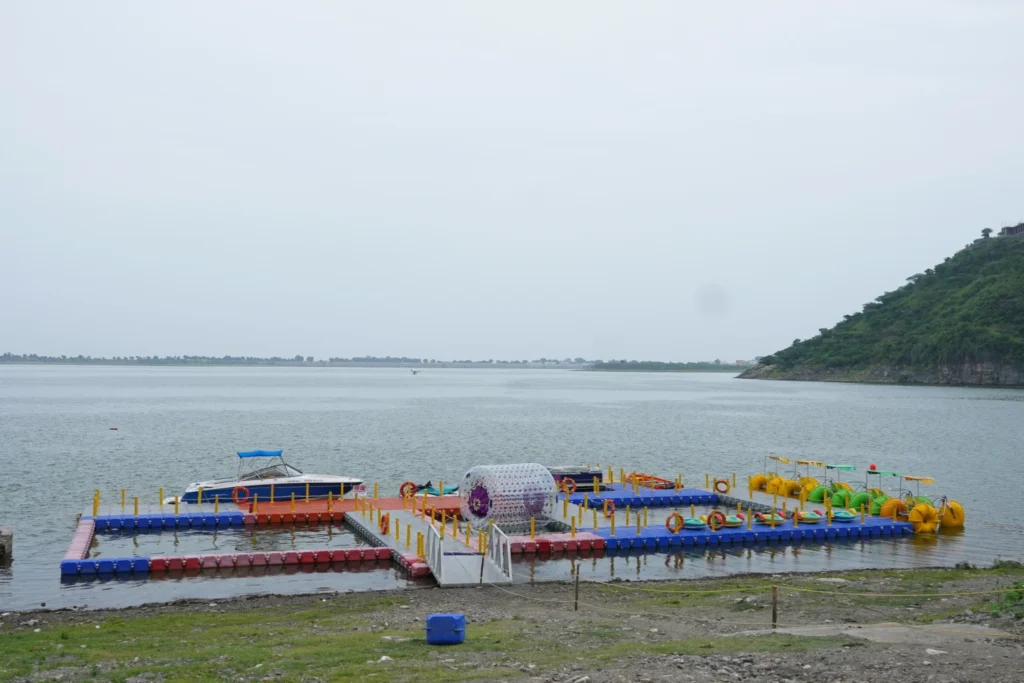
For those seeking a blend of adventure, fun, and relaxation, Entartica Rajsamand is the place to be. This water adventure, situated on the banks of Rajsamand Lake, offers a variety of activities that cater to all age groups.
Why Visit?
- Thrilling Water Sports: Here at Entarctica Rajsamand, adventure lovers can enjoy jet skiing as well as kayaking along with paddle boating and Luxurious Speed Boat.
- Family-Friendly Activities: It’s the water zone that caters to every family member, and ensures most of them have an excellent time. There are kid-friendly, safe activities and zones for adults to relax.
- Stunning Backdrop: The park’s location by the lake provides a stunning natural backdrop, making it a perfect spot for a day out with loved ones.
- Memorable Photoshoots: With its beautiful surroundings and unique attractions, Entartica Rajsamand is an ideal location for capturing unforgettable moments.
Must-Do: Try the night boating experience. The calm waters, cool breeze, and starry sky create a magical atmosphere that you’ll remember forever.
Related articles : Top 5 Best Visiting Places in Pratapgarh for Heritage, Spirituality & Nature
<p>The post Top 5 Best Visit Places in Rajsamand for Heritage, Spirituality & Nature first appeared on Traveling Info World.</p>
]]><p>The post Top 5 Best Visiting Places in Pratapgarh for Heritage, Spirituality & Nature first appeared on Traveling Info World.</p>
]]>Anuppura Village houses this site which sits 32 km away from the district administrative area. The construction of this reservoir received completion status during 1986. River Jakham serves as the location for this construction since it flows as a tributary from river Mahi. Through this project tribes gain irrigation benefits together with Pratapgarh City obtaining access to drinking water. The typical sub-tropical sub-humid to humid climate zone in the catchment area features mild winter seasons followed by moderate summers which become very humid during July-September months. The surrounding forest of Jakham dam creates a beautiful landscape that attracts many tourists to visit this location. Forest Department operates a small guest accommodation facility at a hill position not far from the Dam for visitors to stay at.
2. SITAMATA WILDLIFE SANCTUARY
Sitamata Wildlife Sanctuary exists within the connected regions of Aravali and Vindhyachal landscapes across a total area of 422.95 square kilometers. The Government of Rajasthan established the protected forest area status through an official declaration in 1979. The forest contains the largest concentration of teak trees in India. A dense vegetation cover in this sanctuary supports about 50 percent of teak trees together with Salar, Tendu, Amla, Bamboo and Bel and other species. The forest receives water from Jakham and Karmoj rivers. The key fauna of the sanctuary include Leopard, Hyena, Jackal, Fox, Jungle Cat, Porcupine, Spotted Deer, Wild Bear, Four Horned Antelope and Nilgai etc. Within the sanctuary the Flying Squirrel (Petaurista Philippensis) stands out as its most noticeable animal because visitors can observe its gliding behavior through the timber during night hours. Mata Sita spent her time with Lord Rama at this location while being in the Ashram of Rishi Valmiki during the exile according to mythological tales. Each year people visit the location for fair celebrations on the Amavasya of Jyeshtha month.
3. DEVGARH (Devaliya)
Devgarh exists on a little hill just 13 kilometers from Pratapgarh city at 1809 feet above sea level. The area serves as an important historical location for the district. Devaliya serves as one of the popular names for this location. Before Pratapgarh had this location as its administrative center and the area became known as Devaliya State. The Tejasagar pond stands as one of numerous local ponds while it was constructed by Maharawat Tej Singh. Royal cremation grounds together with memorial cenotaphs were built in the vicinity. A solar clock appears on the roof of the Temple of Lord Raghunath which stands in Rajmahal. Time on this clock depends on the solar illumination. The designations Devaliya and Devaliyagarh both find perfect justification at these four sacred temples: Hari Temple together with Raghunath Temple and Goverdhan Temple and Beej Mata Temple. Many religious sites of Vaishnavite and Shaivite and Jain faiths exist in Devaliya.
4. DEEPNATH MAHADEV TEMPLE
Deepnath Mahadev temple exists behind the pond in a mountain stream that flows south of Pratapgarh following construction by Deep Singh who served as prince of Maharawat Samant Singh. Every year during Mahashivratri the upper grounds hosting the Deepnath temple operate a three-day annual fair. The evening fairs in Shravan attract visitors on both Hariyali Amavasya and Sukhiya Somvar(Monday). Several temples and Dev-Kulikas exist in the vicinity of this sacred site while it gets completely entwined in a forested area. Cenatoph structures memorializing Maharawat Uday Singh and Maharaja Kumar Man Singh can be found at this State crematorium that lies close by.
5. DEEPNATH MAHADEV TEMPLE
Deep Singh built this temple as Deepnath Mahadev when he constructed it behind the mountain stream pond located on the southern boundary of Pratapgarh. Every year a three-day fair takes place on Mahashivratri at Deepnath temple in its upper ground during the festival season. Fairs occur every evening of Shravan during Sukhiya Somvar Monday and Hariyali Amavasya. Numerous temples and Dev-Kulikas stand in the surrounding area in addition to being included in a dense forested region. Adjoining the crematorium of State stands a memorial structure dedicated to Maharawat Uday Singh and Maharaja Kumar Man Singh built as cenatoph.
Related articles : Top 5 Best Visit Places in Sawai Madhopur for Wildlife, Heritage & Culture
<p>The post Top 5 Best Visiting Places in Pratapgarh for Heritage, Spirituality & Nature first appeared on Traveling Info World.</p>
]]><p>The post Top 5 Best Visit Places in Sawai Madhopur for Wildlife, Heritage & Culture first appeared on Traveling Info World.</p>
]]>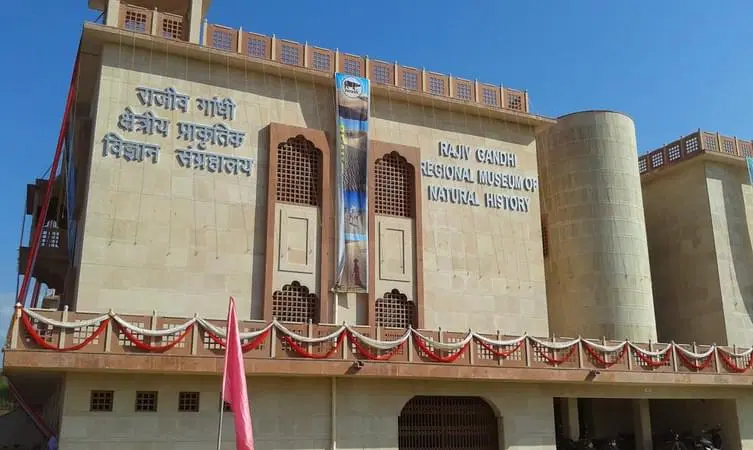
Ranthambore Nature Interpretation Centre operates as a remarkable museum which sets out to teach deep understanding about Rajasthan’s diverse wildlife along with its various ecosystems. This educational facility operates in Ramsinghpura near Sawai Madhopur which stands adjacent to the well-known Ranthambore National Park to provide wildlife learning opportunities for people interested in nature.
 A Peek into Rajasthan’s Ecosystem
Visitors to the museum can see how Rajasthan demonstrates its wide variety of plant and animal species through its exhibitions.
Through its focus this facility demonstrates how essential it is to protect Rajasthan’s exceptional ecosystems together with the continuous support from local communities.
The museum presents its exhibits in an organized manner to help visitors grasp how wildlife interacts with forests together with human settlements.
 Best Time to Visit
- Winter: (October to March) – Comfortable weather and increased wildlife activity.
- Wildlife near water bodies becomes visible across the park months from April through June yet the summer temperatures in this period become extremely hot.
- Ranthambore National Park stays closed while the center remains accessible throughout July to September.
2.RANTHAMBORE NATIONAL PARK
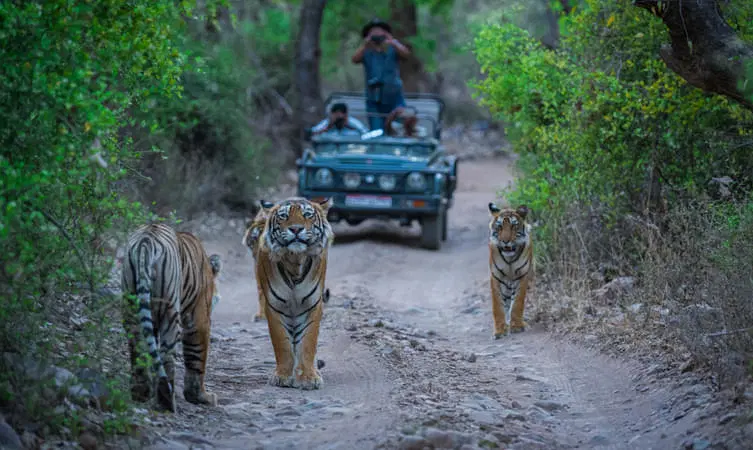
The largest and most celebrated national park in India operates in the center of Rajasthan at Ranthambore National Park. The 1,334 square kilometer expansion features itself as a perfect space where wildlife lovers can connect with photographers and nature enthusiasts alike. Tourists visit Ranthambore specifically due to its Royal Bengal Tigers which thrive within its boundaries while it also combines historic sites with wildlife encounters and outdoor activities.
 About Ranthambore National Park
The Sawai Madhopur Game Sanctuary originated in 1955 yet transformed into one of the Project Tiger reserves in 1973. The government made Ranthambore National Park an official national park during 1980. Visitors can enjoy a breathtaking overlook of the park from Ranthambore Fort which stands as one of the ancient ruins in this area.
 Timings
- Season Morning Safari Evening Safari
- Visitors can enter the park during winter mornings from 6:30 AM to 10:00 AM and same times apply during winter evenings.
- Visitors can participate in morning and evening safaris during summer season that runs from April to June from 6:00 AM to 9:30 AM and 3:30 PM to 7:00 PM respectively.
 Entry Fees and Safari Charges
 1. Jeep Safari (6-Seater)
- INR 1500 per passenger (Indian Nationals)
- INR 2900 per passenger (Foreign Nationals)
 2. Canter Safari (20-Seater)
- INR 1200 per passenger (Indian Nationals)
- INR 2300 per passenger (Foreign Nationals)
 3. Special Safari (Exclusive Experience)
- Half-Day Safari:
- INR 46,000 per Jeep (Indian Nationals)
- INR 56,000 per Jeep (Foreign Nationals)
- Full-Day Safari:
- INR 57,000 per Jeep (Indian Nationals)
- INR 72,000 per Jeep (Foreign Nationals)
Best Time to Visit
- October to March: Ideal for tiger sightings and pleasant weather.
- At this time the park provides optimal opportunities to spot tigers near watery areas yet the summer heat becomes intense.
- July to September marks the period when the park is entirely unavailable to visitors.
3.TRINETRA GANESH TEMPLE
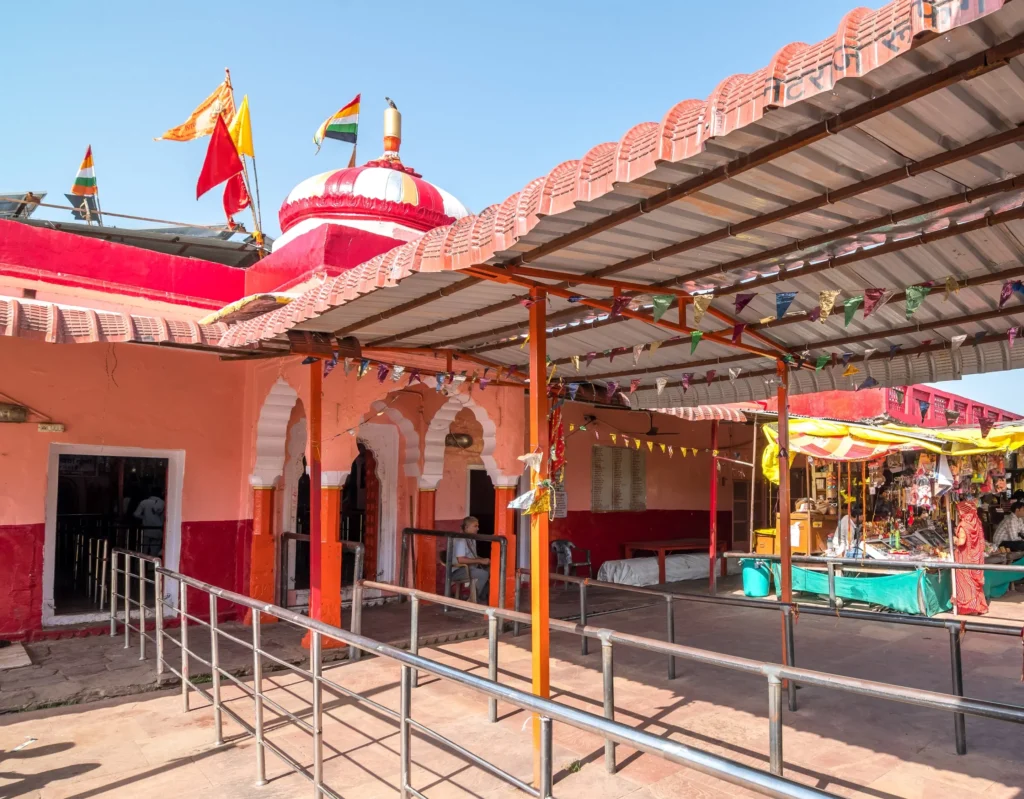
The Temple of Trinetra Ganesh represents one of the oldest religious structures in India because it uses red Karauli stone for its construction. The temple exists within the historical boundaries of the Ranthambore Fort that draws many tourists to Rajasthan. This temple exhibits a unique structure because Lord Ganesha appears alongside all relatives from his family. Guests can explore the Trinetra Ganesh Temple when they take excellent Rajasthan tour packages.
The Hindu mythological texts identify Lord Ganesha as the deity who holds power over wealth together with fortune wisdom and educational blessings. This temple welcomes thousands of marriage invitations together with wish-fulfillment letters to Lord Ganesh throughout the entire year since devotees place faith in His power to grant their prayers.
Many people from different parts of the world choose to visit this temple throughout the year while also establishing miniature houses by the temple grounds as a unique characteristic of the site. Religious individuals submit their requests to their Lord because they hope He will bring their dreams of owning property to life. The deity of Ganesha receives worship through various “aartis” five times in a day. The first worshipping ritual begins each morning with a Prabhat Aarti that serves as the morning aarti.
Worshippers conduct the Sringar Aarti at 9:00 in the morning. A Bhog ceremony dedicated to the Lord takes place exactly at 12:00 noon. During summer months people perform the evening Aarti known as Sandhya Aarti at 6:00 pm while in winter they do it at 5:45 pm. Devotees perform the Shayan Aarti at 8:00 pm in the late evening followed by a chorus prayer led by temple priests and essential worshipers of the Lord. People can admire the aartis despite their religion or their reasons for visiting the fort and temple.
Location: Ranthambore Fort, Rajasthan 322001.
Timings: Open 24 Hours.
The most ideal period to see Trinetra Ganesh Temple exists between November through February.
Visiting the Trinetra Ganesh Temple should take place within the season spanning November to February. Devotees experience less crowds in the temple during November to February so they can conduct their worship activities in peace. Religious devotees should choose weekdays to participate in the “aarti” ceremonies at the temple. Devotees pay special attention to Wednesday since it is dedicated to Lord Ganesh and the temple holds exclusive weekly prayers for Him.
During the day five spiritual “aarti” ceremonies take place at the temple. At dawn during morning prayers hilarious to visit the temple because the Lord receives divine sun illumination at the time when devotees perform their religious mantras. Ganesh Chaturthi festival provides visitors with an incredible chance to participate in magnificent temple events during this time.
4.RANTHAMBORE FORT
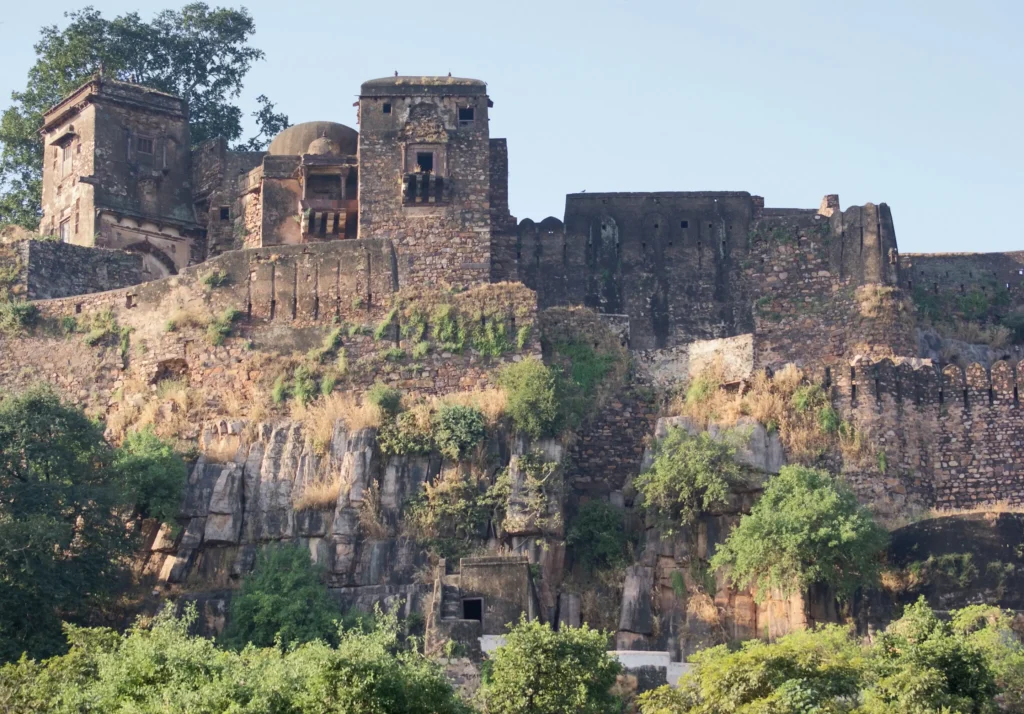
Rajasthan stands as a crucial historical region of India because numerous forts like Ranthambore Fort showcase the prosperous dominance of the past. Among all forts constructed by Rajput rulers, Ranthambore Fort stands as the most magnificent and most representative in the entirety of Rajasthan. It holds the distinction of being among the oldest structures in the region. A 12th-century creation of the royal Chauhan family makes this fort part of the UNESCO World Heritage Sites. Visitors seeking to connect with authentic Rajasthan must experience both Ranthambore and its impressive royal fort which sits as the majestic jewel of the city.
A panoramic view of settlements and surrounding landscape beneath becomes visible as visitors approach the Ranthambore Fort because the fort stands tall on the Ranthambore National Park’s skyline. Numerous tourists from across the country visit the fort to experience the combination of dense plant life and grasslands within Ranthambore National Park’s boundaries.
Unforgettable historic and beautiful expedition through Rajasthan’s culture and architecture becomes possible with our unique tour packages designed to fascinate visitors.
The Ranthambore Fort showcases Rajput architecture in an exceptional way. The imposing appearance of Ranthambore Fort arises from its construction with big stone walls and stone steps as well as pillars and large domes. The National Park and wildlife reserve near this fort increases the chances of spotting birds as well as monkeys and peacocks roaming through the fort complex. People traveling to Rajasthan should visit Ranthambore Fort for its excellent possibilities of sightseeing and trekking and hiking and natural walking.
History of Ranthambore Fort
Ranthambore Fort is one of the oldest and most famous historicals forts in all over Rajasthans. Being strategically located it brought itself into view as a major trade route between North and Central India and was captured and fortified by various rulers throughout century after its construction.
The authentic date of construction of the fort is unknown. However many people believe that the actual construction of Ranthambore fort began in 8th century by the Chauhan ruler, Jayant. The castle was finished sometime in the very early 1100s.
Since then, the fort was fought upon and fortified by many dynasties including Prithviraj Chauhan I, Muhammad Ghori, Prithviraj Chauhan III, Iltutmish, Sultan Balban and the Delhi Sultanate decides by the emperor- Alauddin Khilji. The fort eventually captured by the rule of Mughal – Akbar in 1558 and remained under the possession of Mughal till the half of 18th century.
In 1763, Next, when influence of Mughal empire deteriorated, Rajput ruler Sawai Madho Singh tried to capture the fort in vain, instead fortified a village Sherpur near the fort and called it Sawai Madhopur.
He was then on the throne of Jaipur state and on establishing Sawai Madhopur, he was transferred to Ranthambore Fort by the Mughal Emperor. Aars was restless to utilize his archaeological knowledge and excelled in the hunting trips in the jungle. This railway station afterwards increased to become a major entry place of Ranthambore Fort.
Best Time For Visit Ranthambore Fort
The best time to travel to Ranthambore Fort, and the great state of Rajasthan – to be more precise, is betrebenn the months of October and February. This is a time of winter season in Rajasthan and this is a most suitable time to visit Rajsthan wherein you can visit the places in full happiness. The state, being desert like area, is unbearable in summer, making two of your travel very tiring.
Ranthambore Fort Other Essential Information
Timing: Sunday to Thursday (6:00 am ? 6:00 pm), Friday to Saturday (5:00 am – 10 pm)
Location: Sawai Madhopur, Rajasthan 322001
Ticket Price: INR 10 kids, INR 15 adults.
5.JOGI MAHAL
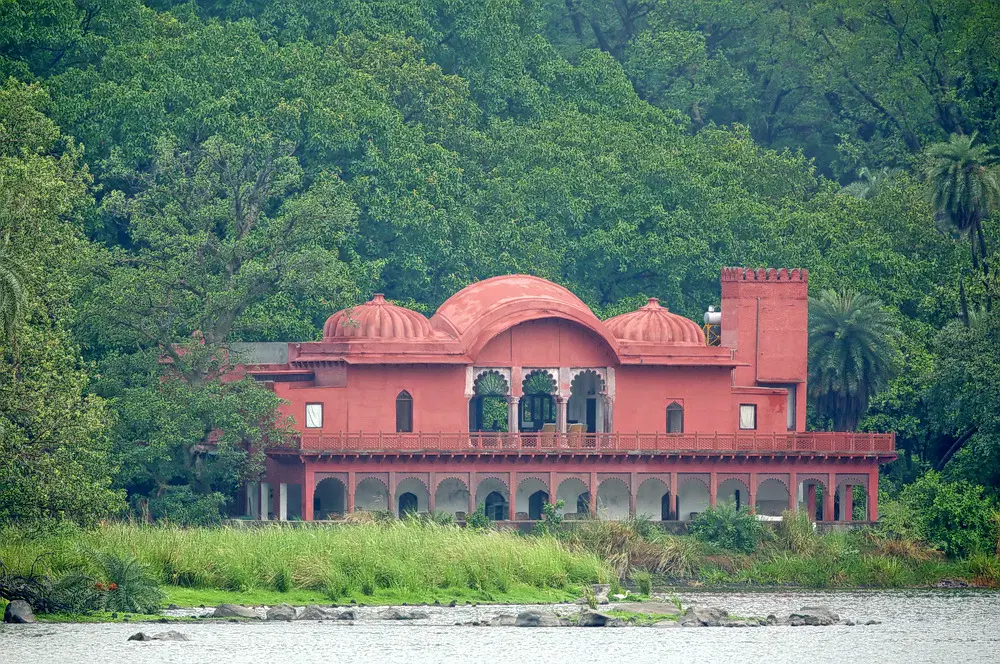
Jogi Mahal is called as one of the locations in Rajasthan where tigers once used to rule. This is because of its neighborhood to the hub of the tigers – Ranthambore National Park. The Mahal is 0.5 km away from Ranthambore Fort. It is taken as one oldest historical site in the expanse of Ranthambore. The Mahal turned out to be hunting lodge for the prince families. In the times past, the royal family would spend sometime at the Jogi Mahal during their hunting trip to the surrounding forests of Ranthambore.
Though it was a hunting lodge in the midst of the woods, it looked very much the Indian building in spite of its position. The Mahal will see very intricate design specifics and the architecture will certainly be wonderful for the kind of visitors. Surrounding by two pretty lungs of the second largest tree banyan India and a beautiful lake.
Today no tourist wishes to spend some of the time in this Mahal and take rest in between the Ranthambore tour. The presence of food and water at this place make it more pleasing and attractive for travelers and spending a while here would for sure revitalize the souls as it had done for the royal families for centuries. The Mahal is a vital evidence of the previous rich traditions of the royal family of Rajasthan as it works as a tribute to the beautiful age-old ways of Rajasthan as it raises a piece of Rajasthani engineering and mechanical element.
Location: Ranthambore Fort, Rajasthan 322001.
Best Time To Visit Jogi Mahal
Visiting back to exact bearing of the Jogi Mahal in the middle totality of the October to wholly December months is still noticed as the best time for the tourism. This is the period when Ranthambore is the best to be seen by visitors. You can come here, witness the grandeur of Mahal, and also spot variety of wild animals in the Ranthambore National Park in nice vicinity.
It is the only time when tourists visit Rajasthan to visit the age-old architectural and cultural destinations.
Related articles : Best Visiting Place in Phalodi for Heritage, Spirituality & Nature
<p>The post Top 5 Best Visit Places in Sawai Madhopur for Wildlife, Heritage & Culture first appeared on Traveling Info World.</p>
]]><p>The post Best Visiting Place in Phalodi for Heritage, Spirituality & Nature first appeared on Traveling Info World.</p>
]]>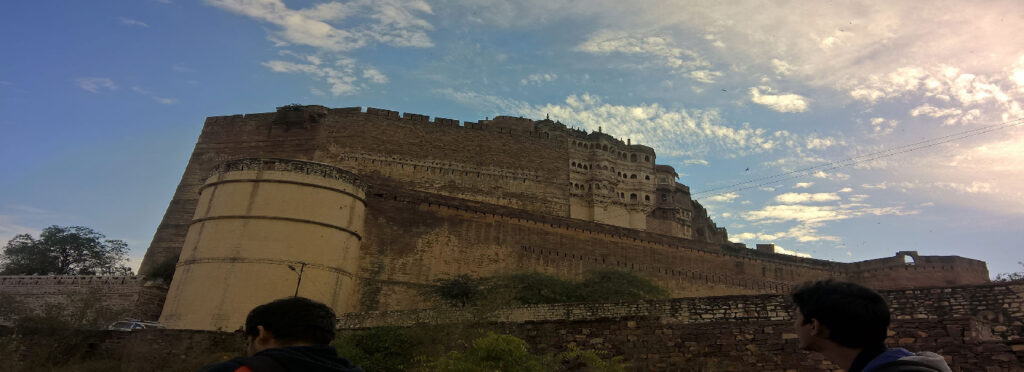
Due to its extensive population from salt industries Phalodi holds the title of ‘Salt City’ while remaindering a delightful small town in Jodhpur district which connects Jodhpur with Jaisalmer. This delightful desert town occupies an edge of the Great Thar Desert where residents maintain notable historical buildings like Lal Niwas and Phalodi Fort as well as traditional Rajasthani Phalodi Fort. The historical site of Phalodi Fort stands in the Jodhpur city center of Phalodi in the small town. Phalodi Fort serves as another cultural treasure of the city which illustrates the historical timeline of Jodhpur.
Local history asserts that Phalodi established itself as an inhabited settlement during the 15th century. The historic accounts identify this place through its aggregation of Jain and Hindu temples. Research indicates that a number of these temples exist since over 300 years ago. According to historical records Phalodi Fort found its origins when Rao Hammir Narawat built it in 1488 during the reign of his grandfather Rao Suja Maharaja. Phalodi Fort stands on Sadar Bazar Road of Phalodi where it is situated 135 km northwest of Jodhpur city. This historical structure demonstrates the outstanding abilities of Marwar artists that existed during that era. The noteworthy architectural features make the fortress highly well-known.
Lal Niwas
The red sandstone construction of Lal Niwas stands as the main historic site close to Phalodi Fort. In 1750 the entire garden received its construction using only red sandstone. Since gone through restoration the site began operating commercially despite its prior use as a fortress. The interior significance of this location stems from its fort murals along with cut glass chandeliers that bring to mind the times of Rajwara.
Ramdevra Temple
The Ramdevra Temple attracts numerous tourists as one of Phalodi’s chief destinations. The holy site maintains prominence because of its notable historical statue established during the 8th century.
Khichan Bird Sanctuary
The sanctuary stands at 7 Km distance from Phalodi Fort in Jodhpur. This location recently became known globally. A single person initiated bird feeding yet started with only 100 wild birds and made this proportion grow into one thousand yearly since their arrival. The experience of viewing native birds is strongly advised to everyone.
Sanchaya Mata Temple and the Mahavira Temple
The Ossian temples include several historical temples which possess stone carvings decorating their exterior and interior walls across the eighth to twelfth centuries. The Sanchaya Mata Temple together with the Mahavira Temple continue their operation for religious practices today.
Ideal Time to Explore Phalodi Fort
The location next to the desert makes summer and winter temperatures reach very high levels. Travel days to Phalodi Fort Rajasthan should span from October through March. Summer reaches 45 °C as its highest temperature whereas winter presents its coldest point at 5 °C. Visitors should select the winter season as the ideal time to enjoy their holiday in Phalodi. The tourist season at this location offers excellent opportunities in terms of visitor traffic.
All our professionals at Go Rajasthan Travel assist clients in finding optimal vacation solutions that promote safety and tranquility during their travels. Our company established partnership with premium Tour Operators Hotels and Airlines since launching operations. We maintain a strict selection process of our partners to provide a whole and dependable service range which serves every client’s needs from travel packages to hotel booking services. The platform features cost-effective options hand-picked through specific selection methods.
Related articles : Top 10 Best Visiting Places in Pali for Heritage, Spirituality & Nature
<p>The post Best Visiting Place in Phalodi for Heritage, Spirituality & Nature first appeared on Traveling Info World.</p>
]]><p>The post Top 10 Best Visiting Places in Pali for Heritage, Spirituality & Nature first appeared on Traveling Info World.</p>
]]>The magnificent Nagaur Fort belongs to Rajasthan where kings reside and numerous historical forts remain. The rulers of Nag Dynasty constructed this huge fort structure in the 4th century to showcase Rajasthan’s cultural legacy. Nagaur Fort earns its status as a top local attraction in Nagaur by going by the name Ahhichatragarh Fort or the Fort of the Hooded Cobra.
History
The 36-acre Amphitheater that is Nagaur Fort has existed throughout numerous centuries as it watched history unfold. Various buildings reveal Rajput-Mughal architectural magnificence through intricate carving and massive gates and splendid courtyards. Across its vast fortress old frescoes together with fountains temples and gardens and preserved buildings tell the stories of the past.
The Tarkeen Dargah finds its place inside Nagaur Fort walls where it ranks as the second most vital Muslim holy place following the Ajmer Dargah. An edifice at Tarkeen built to honor Khwaja Hamiduddin Nagauri who dedicated his life to Khwaja Moinuddin Chisti.
In Nagaur stands the crucial historical structure Cenotaph of Amar Singh Rathore which commemorates the fearlessness of Rathore through Rajput-style architecture. History enthusiasts should make a stop to admire this Rajput-style cenotaph because it showcases elaborate pillar carvings along with its traditional architecture.
Visitors who seek uncommon and remarkable places must place Om Banna Dham in Pali, Rajasthan at the top of their travel destinations. The unique temple in Rajasthan lacks religious artifacts since it displays nothing except a Royal Enfield motorcycle making it stand out as a singular attraction in the state.
The temple presents the motorcycle through a glass showcase where visitors can see a shrine containing a photo of Om Singh Rathore the Bullet Baba.
The local Rajput youth Om Banna rode from Bangdi to Chotila Village in Pali at the time of his fatal accident while he hit a tree before his death. Stray occurrences became common after his fatal death. The police stored Om Banna’s bike at the station but the bike disappeared the following day and returned to the exact location where he met his fatal accident. The locals experienced this several times which made them believe that the spirit of Om Banna protects people while traveling on the highway. Believers make regular temple visits to give prayers at this holy place in order to receive protection from Om Banna during their trips.
Location: Opp Rajputana Hotel, National Highway 62, Om Banna, Rajasthan 306421
Distance from Pali Bus Stand: 27 km
Visiting Information
Entry Charges:
- ₹15 per person for Indians
- ₹50 per person for Foreigners
- Cenotaph of Amar Singh Rathore Location: Amar Singh Colony, Nagaur, Rajasthan
Best Time to Visit
Nagaur Fort offers its best visiting opportunity during the period from October to March since the weather remains favorable. Traversing to Nagaur Cattle Fair during January-February will allow you to witness the vibrant cultural traditions of Rajasthan while visiting the fort.
2. PARSHURAM MAHADEV TEMPLE

Lord Parshuram the sixth incarnation of Lord Vishnu finds his place of worship at the Parshuram Mahadev Temple located within the Aravalli mountain ranges. Among all tourist destinations in Pali, Rajasthan the temple ranks as one of the most captivating sites for visitors.
People traveling to the temple face an exciting challenge since they must navigate along winding paths through the mountains. Travelers find eternal beauty in the meeting of lush treasure with natural kund water bodies as they journey through the path. Guests reach the temple where they find both divine spiritual vibes and the chance to ask Lord for his blessings.
- Location: Naher Rd, Adarsh Nagar, Pali, Rajasthan 306401
- Distance from Pali Bus Stand: 3.1 km
Visiting Information
- Location: Bhandariyon Ki Gali, Nagaur, Rajasthan 341001
- Timings: 9 AM – 1 PM, 2 PM – 5 PM (Daily)
Entry Charges:
- ₹15 per person for Indians
- ₹50 per person for Foreigners
- Cenotaph of Amar Singh Rathore Location: Amar Singh Colony, Nagaur, Rajasthan
Best Time to Visit
Exploration of Nagaur Fort should be done during the period between October and March when pleasant conditions prevail. People visiting during January-February will witness the lively traditions of Rajasthan at the Nagaur Cattle Fair.
3. Lakhotia Garden
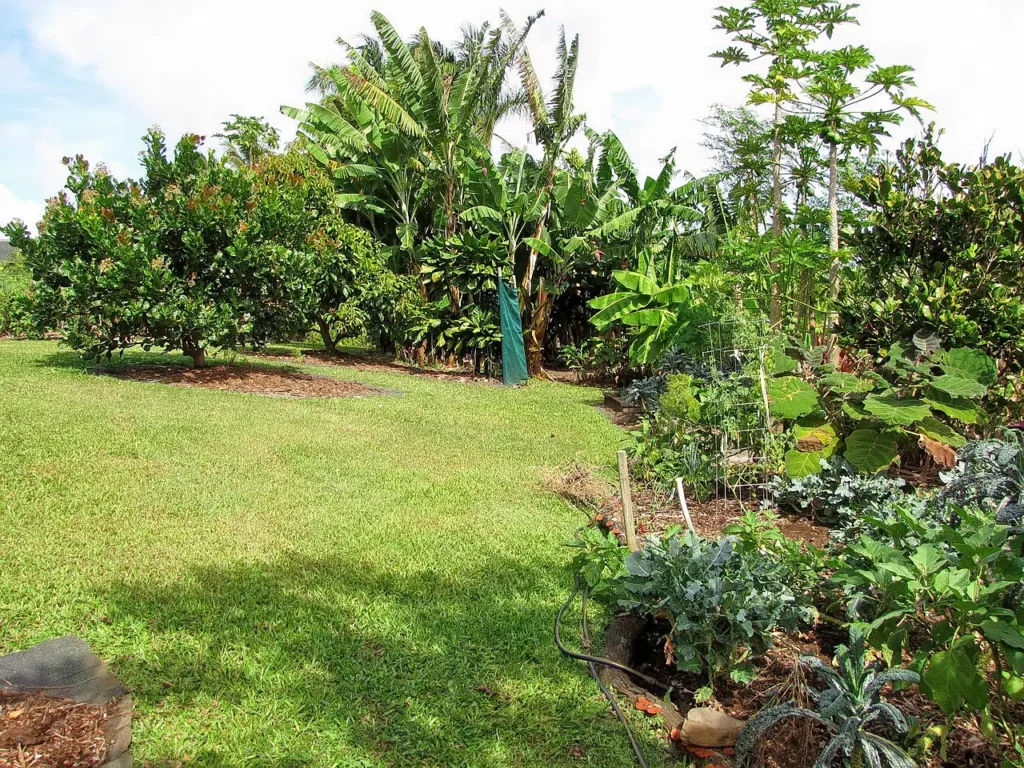
The peninsula-shaped Lakhotia Garden stands as a major destination in Pali, Rajasthan because it displays a picturesque scenery that combines a city tank and a pond in its beautiful landscaped grounds.
The garden provides the perfect environment for nature enthusiasts who also enjoy leisure activities because it offers relaxation in beautiful green scenery. The extensive pond at this garden offers visitors an excellent spot for admiring the surrounding landscape. The temple dedicated to Neelkanth in this garden serves as a major attraction because its stunning engravings create a magnificent traditional architectural viewpoint while attracting numerous visitors.
- Location: Lakhotiya Rd, near Lakhotiya tank, Sindhi Colony, Pali, Rajasthan 306401
- Distance from Pali Bus Stand: 2.7 km
Entry Charges:
- ₹15 per person for Indians
- ₹50 per person for Foreigners
- Cenotaph of Amar Singh Rathore Location: Amar Singh Colony, Nagaur, Rajasthan
Best Time to Visit
The optimal period to visit Nagaur Fort occurs during October through March because of comfortable climate conditions. The Nagaur Cattle Fair takes place in January-February so visitors can experience the traditional festivities of Rajasthan.
4. JAWAI DAM
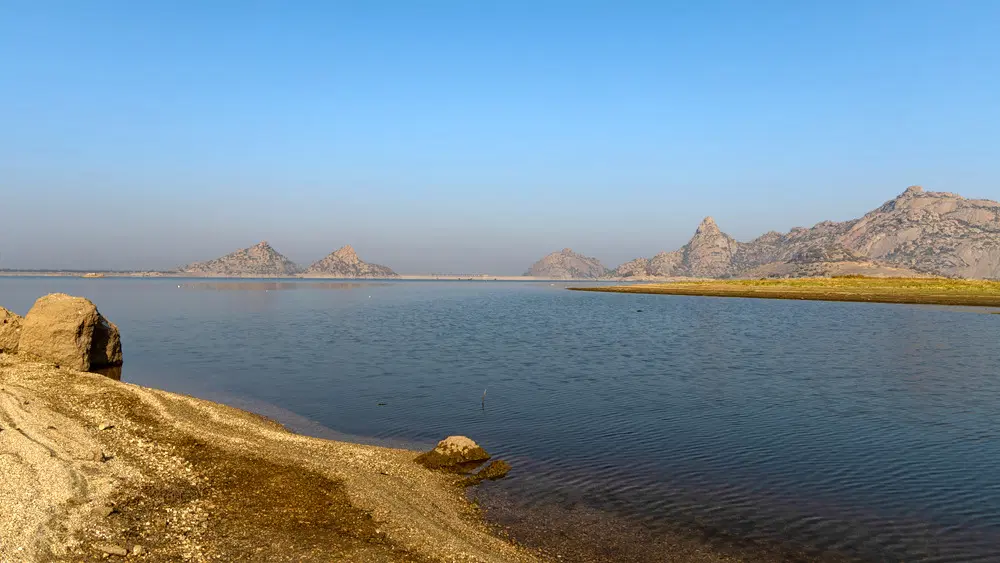
The Jawai River hosts Jawai Dam which stands as the biggest dam within Rajasthan while becoming a prominent attraction in Pali. The beautiful dam stands along a spectacular mountain range after its initial construction took place seventy years ago. This destination attracts nature enthusiasts and photography enthusiasts.
Jawai Dam presents people with an astonishing chance to observe birds including cranes and geese during their migration period. The perimeter around Jawai Dam functions as a natural wildlife sanctuary where spectators can see hyenas and bears drinking water by the waterline. This location presents itself as a pure delight to any person interested in birds or wildlife photography.
Best Time to Visit
People should visit Nagaur Fort during October through March for the most favorable weather conditions. You can witness the cultural bonanza of the Nagaur Cattle Fair during your visit in January or February.
5. ADISHWAR TEMPLE
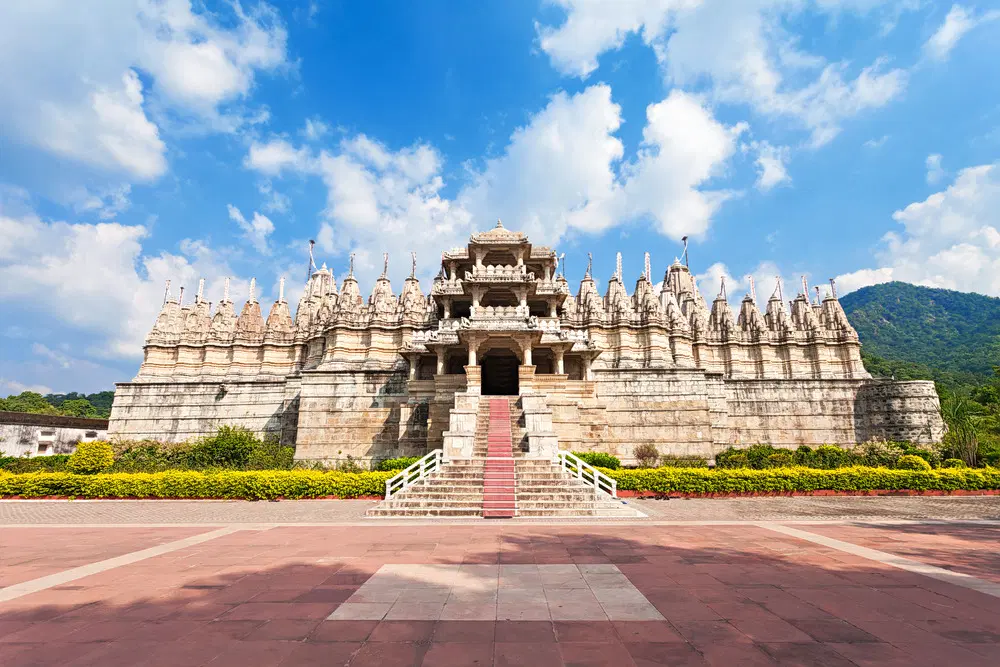
In the peaceful environment surrounding Sanderao and Pali city stands the Adishwar Temple that people call the Chaumukha Temple which showcases magnificent Jain architectural forms. The 1500s temple holds distinction because its distinct design resembling space vessels is named Nalini Ghulam Vimana by Sanskrit scholars.
The comprehensive building process for the Adishwar Temple took an exceptional 65 years. The temple demonstrates exceptional dedication since devoted craftsmen labored on it for a remarkable sixty-five years.
- The Adishwar Temple represents the largest Jain temple through its impressive three-story building and its magnificent artistic expression. These are some extraordinary elements that define the temple:
- A total of 29 halls stand out because they all display particular artistic and elaborate carvings making them unique to each.
- Structural support and visual excellence come from 1444 different pillars which each pillar features an individual decorative design.
- Eighty domes integrated into the temple structure strengthen its architectural greatness while generating serenity for prayer.
- Inside the most sacred room the same four-faced idol of Lord Adinath stands as a representation of his eternal omnipresence and wise nature.
A Spiritual and Architectural Gem
The Adishwar Temple transcends its role as a house of worship to become simultaneously a piece of peaceful spirituality and a work of magnificent art for those who believe or study architecture. People exploring Rajasthan’s cultural heritage should not miss visiting the temple because of its unmatched beauty and peaceful atmosphere.
6. RANAKPUR DAM

People come to the Ranakpur Dam frequently because it stands as a relaxing attraction in Pali that welcomes numerous visitors. Visitors find peace in running to the Ranakpur village where this dam offers comforting escape from city noise.
A Perfect Weekend Getaway
Your search for peaceful relaxation will be satisfied by planning a weekend visit to Ranakpur Dam. Surroundings that capture the breath, the constant flow of water augmented by mountain peaks in the distance produces an exquisite experience.
During sunrise and sunset the golden sky lights paint the water in a bewitching way that creates strikingly bewitching water reflections.
7. SOMNATH TEMPLE
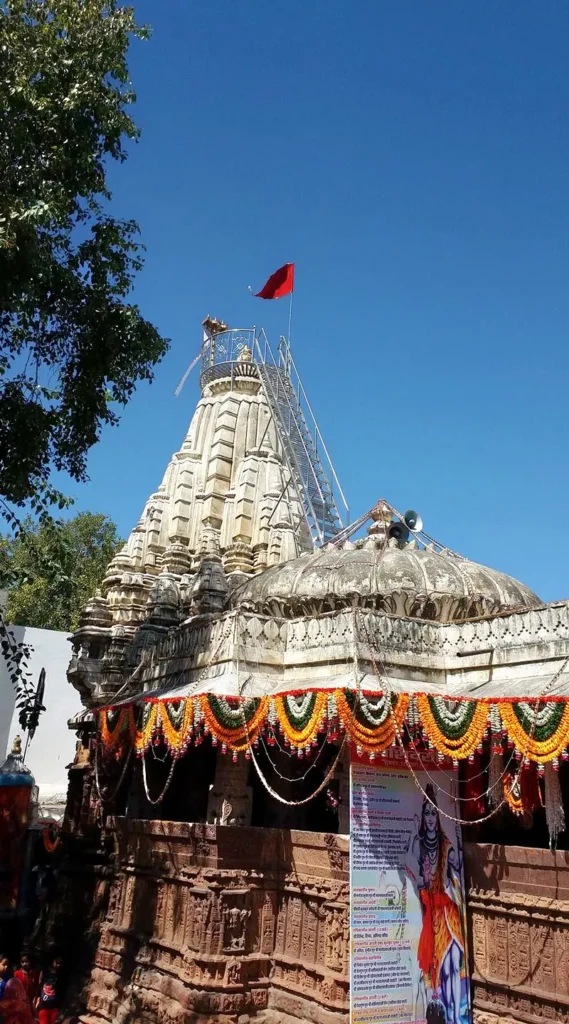
The historic sacred temple of Somnath Temple stands as a top attraction in Pali because of its ancient symbolism and majestic architectural construction. The temple built during 1209 by the Gujarat king has successfully survived numerous Ghazni opposition attacks to become a strong symbol of endurance and worship.
Traditional artisans perfectly embraced the traditional style when designing this temple. In the shrine where worshippers find a sacred Shivling folks will see the idols of Nandi Ganesha and Parvati positioned alongside the Shivling. The detailed artistry on the temple walls showcases the rich cultural heritage of Rajasthan.
All devotees and history lovers should include Somnath Temple on their visit list. Devotees should prioritize visiting this site because of its deep meaning and outstanding history of survival. All who explore the temple feel at ease while finding connections to divine forces within its tranquil surroundings.
Location & Accessibility
- Location: Somnath Mandir, Suraj Pole Rd, Suraj Pole, Pali, Rajasthan 306401.
- Distance from Pali Bus Stand: 2.6 km.
8. THE NAVLAKHA TEMPLE

Tourists from Pali Rajasthan frequently visit the tenth-century Navlakha temple and find it to be one of Rajasthan’s primordial sites with remarkable background details.
The Naulakha Jain Temple receives its alternative name from Jain religion followers because it honors the 23rd Tirthankara. The temple located on Punagiri hill experienced unmatched prosperity during ancient times because its present-day sculptures and art continue to display its former greatness.
- Location: 4A, Janata Colony, Pali Marwar, Pali, Rajasthan 306401.
- The temple keeps its doors open between 9:00 AM to 8:30 PM on Monday to Saturday.
- Distance from Pali Bus Stand: 1.8 km.
9. GHANERAO
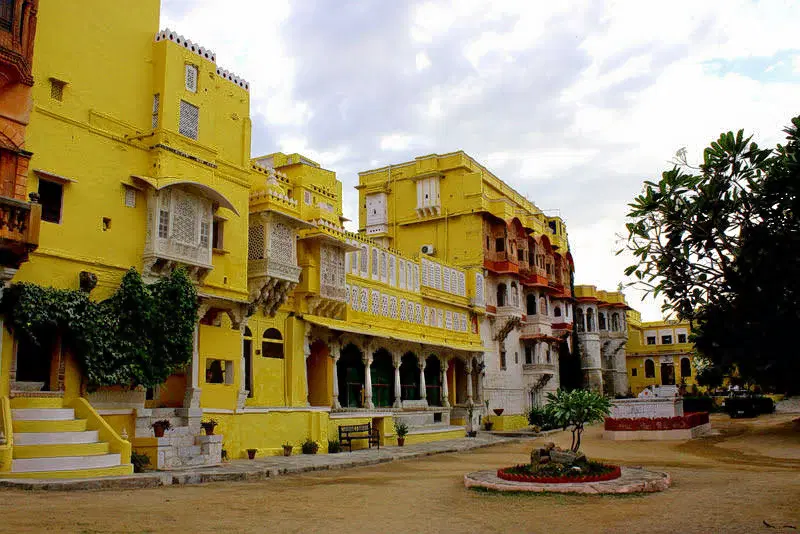
Tourists flock to Ghanerao on account of its many marble arches as well as step-wells and temples. Numerous Hindu and Jain temples based on Mahadev and Chabiya and Murlidhai and Laxmi Narayan Ji occupy this holy architectural site.
A prime attraction within Ghanerao residents visit the Gajanand Temple because it contains a giant Lord Gajanand statue facing goddesses Siddhi and Riddhi. History enthusiasts together with spiritual devotees should visit this temple because of its calming atmosphere and complex craftsmanship.
Ghanerao presents itself to visitors as a historical treasure with its untouched heritage sites. Step-wells together with marble archways remind visitors of the former magnificent architectural achievements in Rajasthan. Visitors exploring the region will find Ghanerao fascinating because every structure showcases devotion and artistic skills.
Location
- The location of this site exists at Sadri-Desuri Road on State Highway 16 within Desuri tehsil in Pali district of Rajasthan 306704.
- Distance from Pali Bus Stand: 78.1 km.
10. SOJAT

All henna enthusiasts should put Sojat at the top of their travel destinations since it stands as the primary destination for henna production. The Mishri City of India maintains its henna prominence because Sojat benefits from optimal environmental and agricultural terrain.
Visitors to Sojat must experience the extensive mehndi farms during their trip. Visitors to Sojat can observe the complete journey of henna experience as the plant grows in fields before it gets processed into body art-friendly henna powder. Visitors can observe the traditional manufacturing processes of henna into quality mehndi at local processing mills throughout Sojat.
Sojat earns its fame from mehndi but it also possesses the historical structure known as the Sojat Fort which stands on hills in the region. Visitors from Sojat Fort can see spectacular views across the region while exploring the historical significance of Rajasthan. A visit to the fort enables people to unhurriedly experience firsthand the historical importance behind this delightful settlement.
Location
- Location: Sojat Tehsil, Pali district, Rajasthan.
- Distance from Pali Bus Stand: 40.1 km.
Related articles : Top 10 Best Visiting Places in Kota for Heritage, Nature & Culture
<p>The post Top 10 Best Visiting Places in Pali for Heritage, Spirituality & Nature first appeared on Traveling Info World.</p>
]]><p>The post Top 10 Best Visiting Places in Kota for Heritage, Nature & Culture first appeared on Traveling Info World.</p>
]]>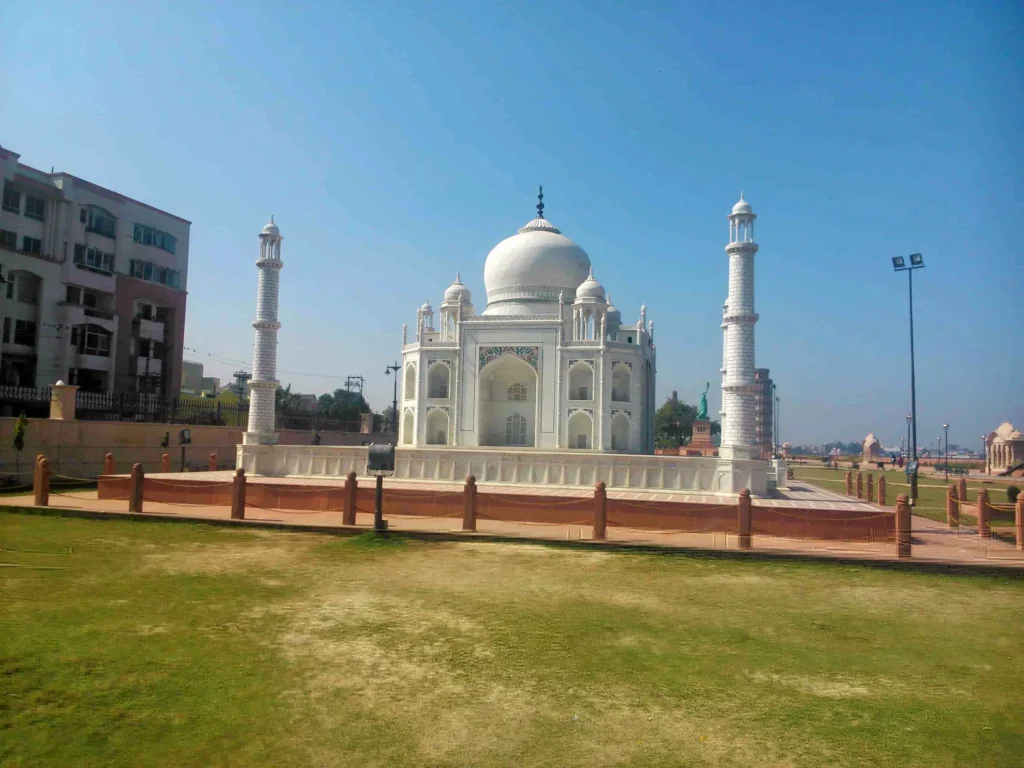
This exceptional city park provides visitors with the chance to see multiple amazing seven wonders united in one location. The site stands out among Kota’s main attractions by providing miniature re-creations of every worldwide seven wonder.
The urban development department invested 20 crores to accomplish the project’s modification. The park contains miniaturized versions of both Taj Mahal along with Great Pyramid and the Eiffel Tower as well as four additional marvels.
The park finds its place at the Kishore Sagar Lake bank therefore adding beauty to the entire area. People visit the park to enjoy picnics with family and friends while they can find food stalls located within its premises.
Location– Kishore Sagar Lake, Kota, Rajasthan
Entry Fee – INR 2
Timing – 4:30 PM – 10PM
 Best Time to Visit
The park maintains operating hours from 4:30 PM until 10:00 PM during late evening.
Sunset Time: Best views and cool weather.
Visitors can appreciate a better experience during the winter months from October to March because of the pleasant environmental conditions.
2.Jagmandir Palace
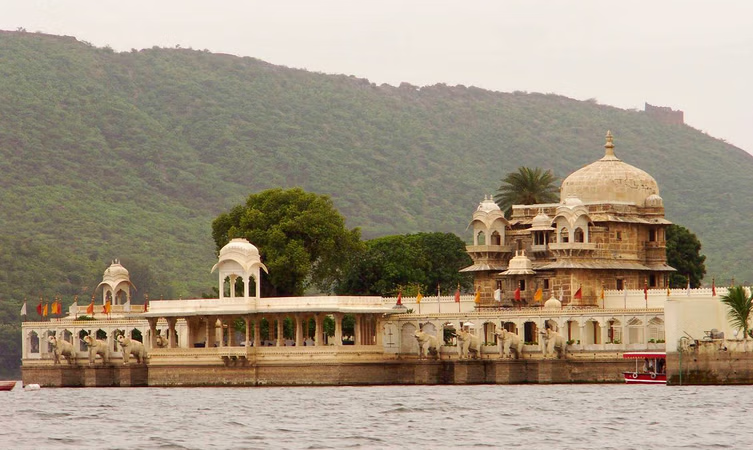
Jag Mandir Palace stands as a beautiful architectural masterpiece at Kishore Sagar Lake in the center of Kota, Rajasthan. The royal queen constructed this summer retreat from red sandstone during 1740. Towering above other Kota attractions because of its peaceful spot along with historic significance and royal elegance.
 A Glimpse into History
The building rose in 1740 after construction by a Kota queen.
The royal family made this establishment their summer royal residence.
The palace combines red sandstone materials with an elegant architectural style.
Best Time to Visit
- Sunrise or Sunset: For the most stunning views and pleasant weather.
- People should visit during the winter months spanning from October to March for excellent sightseeing conditions and perfect boat rides operations.
- The flood waters increase during monsoon season because boat transportation could become limited.
3.Kishore Sagar
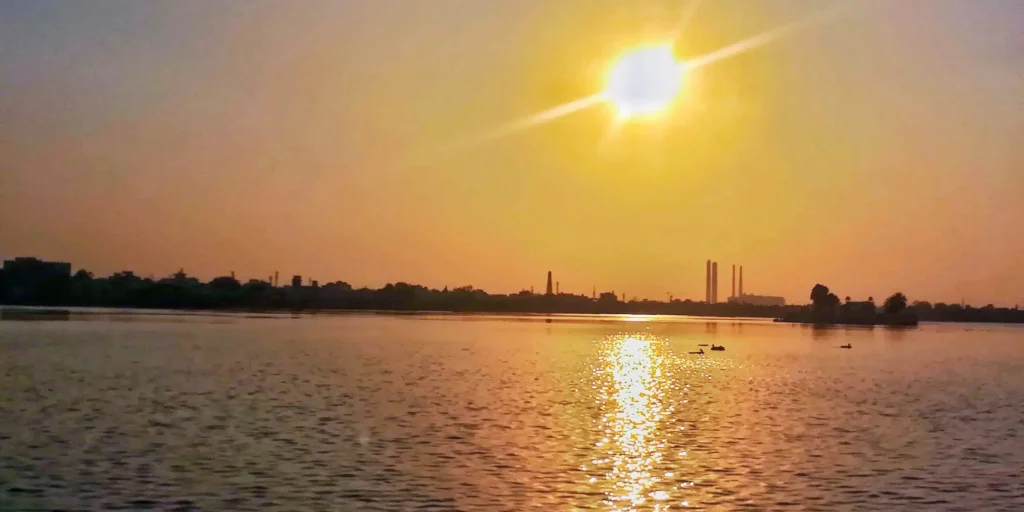
Kishore Sagar Lake stands as an artificial attraction in Kota Rajasthan which attracts visitors with its pastoral appearance alongside its heritage value. Bundi Prince Dehra Deh established this peaceful water body when he built it in 1346 and now the reservoir draws many tourists to its tranquil oasis in Kota’s central area. The tranquil waters of Kishore Sagar Lake together with its surrounding landscapes and positions of the impressive Jagmandir Palace has established this destination as one of the most beautiful sites in Kota.
 A Glimpse into History
The architecture of this water structure comes from Bundi Prince Dehra Deh during 1346.
The water reservoir was built by Bundi Prince Dehra Deh for both practical water supply needs and royal beauty purposes.
Throughout the years Kota’s regal heritage and architectural excellence has transformed the lake into an important representation of the city’s royal history.
Best Time to Visit
- Sunrise or Sunset: For the best views and golden reflections.
- The weather conditions during winter months from October through March create perfect conditions to explore the city by boat together with visiting attractions.
- The monsoon season should be avoided because boat services get limited and water levels increase.
4.Garadia Mahadev Temple
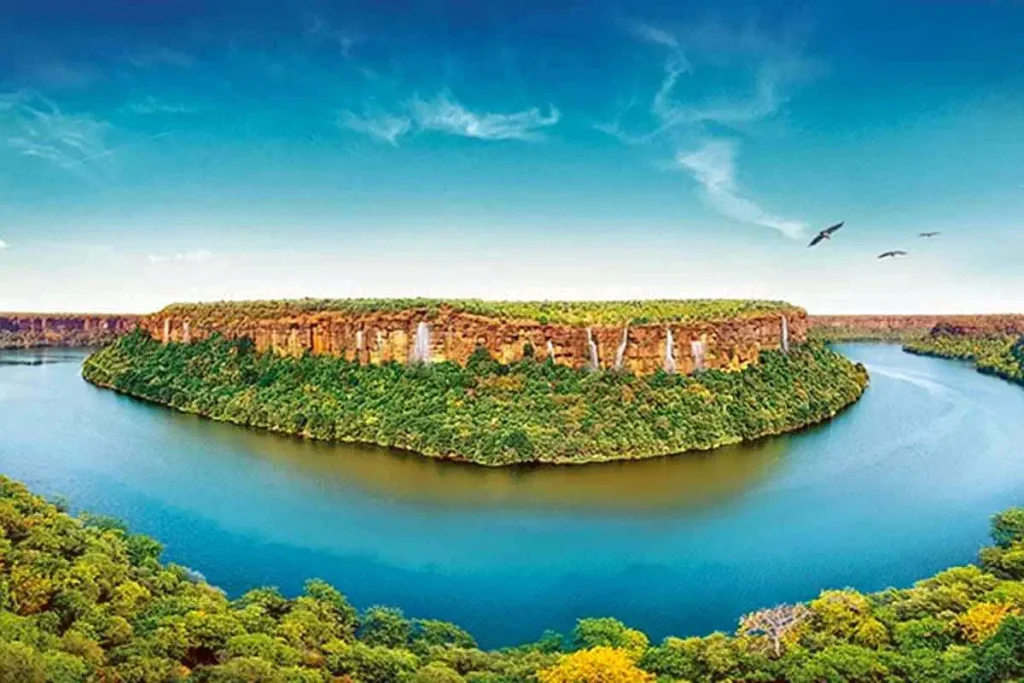
A prime sacred landmark of Kota in Rajasthan presents itself as Garadia Mahadev Temple. This temple stands at 500 feet above sea level on its vantage point with a spectacular view of the Chambal River as it cuts through the dramatic gorge. Tourists experience profound attraction toward this significant site because its natural sights and religious values make Garadia Mahadev Temple a truly distinguished attraction in Kota.
 Things to Do at Garadia Mahadev Temple
 1. Enjoy the Stunning View
Experience the breathtaking scene of the Chambal River meandering through the valley by standing at the cliff edge.
The enchanting atmosphere appears during both sunrises and sunset periods. 2. Photography and Sightseeing
Vacationers who visit the location can find superb photos because of the combine between temple architecture and flowing river and dramatic cliffs.
Amateur photographers will find the combination of landscape photography and Rajasthan nature exploration best achieved at this location. 3. Offer Prayers and Seek Blessings
People can join temple priest rituals as he performs them during religious ceremonies.
People seek emotional tranquility and spiritual unity during their visit to this holy location. 4. Picnic and Relaxation
These surroundings create an excellent environment to spend peaceful moments while having a picnic.
Sitting beside the cliffs you can experience natural freshness along with the soothing sounds of the surrounding environment.
Best Time to Visit
The soft lighting from morning or sunset hours creates an ideal atmosphere because of sky color transformations.
The pleasant winter weather during October through February reveals a completely transparent view of the area.
Tour the site during any time except during monsoon since the cliffs and walking paths turn into slippery surfaces and visibility remains limited.
5.Kota Barrage
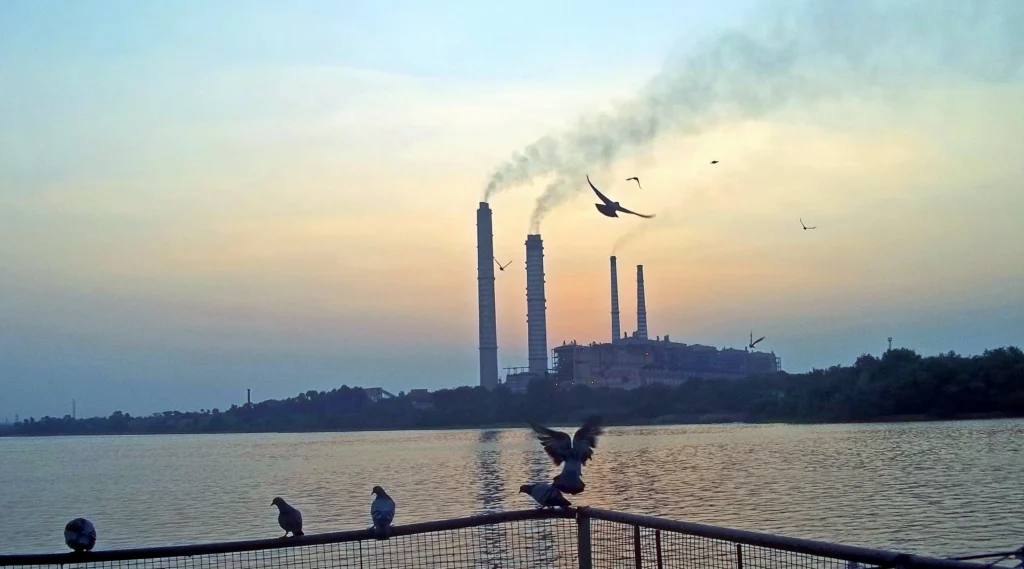
Tourists rank Kota Barrage among the most distinctive landmarks that Kota in Rajasthan possesses. It plays an essential role in the Chambal Valley Project as engineers built it for Chambal River water quantity regulation and storage before using it for irrigation and hydroelectric generation. People come to the barrage for both its critical agricultural function and its tranquil natural appeal and pleasing views.
Beauty and Thrilling Water Flow
The barrage gates create a view of white froth that brings excitement as well as tranquility.
The site benefits from both the scenic charm and misty effects that result from the strong water flow.
Visitors find opportunities at the viewing point to observe the enchanting water descent that occurs when the barrage gates operate.
Visitors find the site attractive because it combines green landscapes with views of the Chambal River.
Best Time to Visit
Monsoon Season (July to September):
This moment brings forward the strongest water current which presents a breathtaking view to spectators.
The natural vegetation in the area shows its peak bloom.
Winter Months (October to February):
The weather during this time enables visitors to perform walking activities along with sightseeing activities.
This location is optimal for both wandering at ease and taking photographs.
6.Chambal Garden
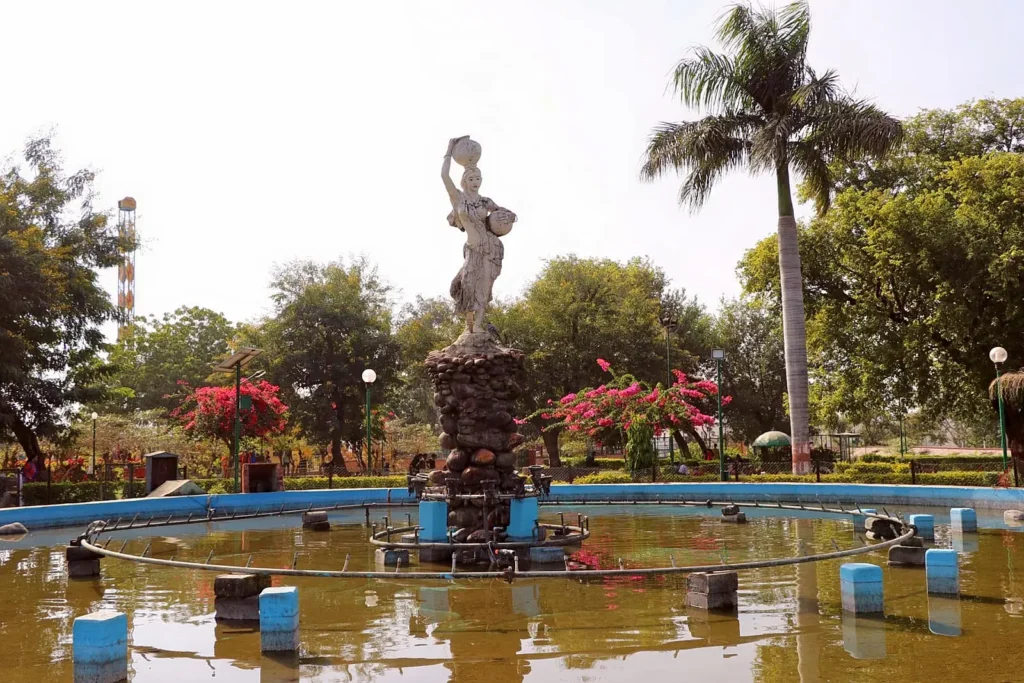
People throughout Rajasthan consider Chambal Garden to be one of the most beautiful tourism sites in Kota. The gardens stretch beautifully along the Chambal River banks offering visitors an opportunity to rest after the urban routine. People can enjoy both relaxation and family time and picnics because of the peaceful atmosphere and colorful flower beds and beautifully landscaped pathways.
A Green Oasis in the City
Visitors love Chambal Garden because its horticulture teams preserve the garden areas and plants brilliantly.
Beautiful flower beds and neatly arranged shrubs and lined trees throughout the park create a rejuvenating environment.
The running waters of the Chambal River enhance the garden’s appeal while providing a fantastic venue for rest and photography sessions.
Many visitors visit this spot to relax in addition to walking around and sitting among the natural environment.
Best Time to Visit
- Winter (October to March):
- Wonderful climate conditions combined with flowers in bloom give the garden a beautiful appearance.
- This place provides the best conditions for both relaxing via picnics and casual walking.
- Early Morning or Late Evening:
- The setup of peaceful conditions results from cool weather and soothing room illumination.
- Ideal for photography and quiet reflection.
7.Khade Ganesh Ji Temple
People throughout Rajasthan consider Khade Ganesh Ji Temple to be one of their oldest revered spiritual sites in the city of Kota. This distinguished holy place maintains an exceptional Ganesha idol which stands more than 600 years old making it singular throughout the nation of India. Each year thousands of devotees and tourists make their pilgrimage to the temple for blessings and to admire its historical as well as spiritual value.
A Unique Standing Idol of Lord Ganesha
A standing idol of Lord Ganesha inside this temple distinguishes it as different from all Ganesha temples throughout India.
The status of Ganesha deity at Khade Ganesh Ji Temple presents a standing posture to symbolize defendership and prayer readiness which blesses all devotees.
Visitors admire the idol as it rests under extravagant decorations that include luxurious garlands with colorful ornamentation and traditional clothing.
People who worship at this temple think both obstacles will vanish and financial abundance and triumph will come to them.
Best Time to Visit
Early Morning or Evening:
The religious experience reaches its peak when the environment is at its most peaceful together with decreased temperature levels.
The Chambal River along with its scenic views is most picturesque at this specific time period.
Ganesh Chaturthi (August–September):
The temple fundishes its energy through exuberant celebrations while people sing and decorate it with vibrant decorations.
Many devotees join together to honor the birth of Lord Ganesha.
8.City Palace
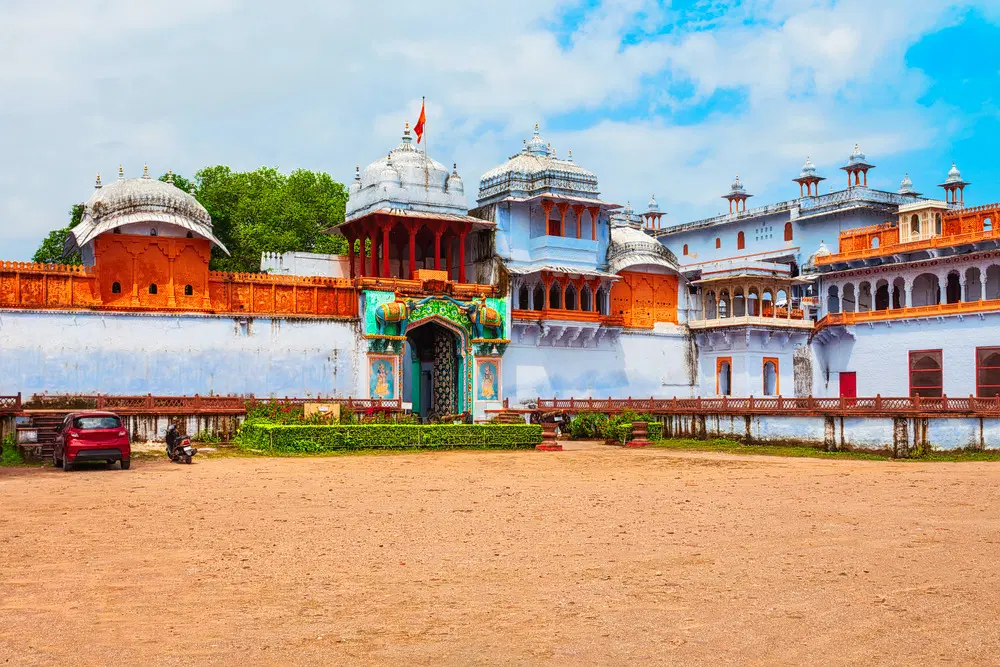
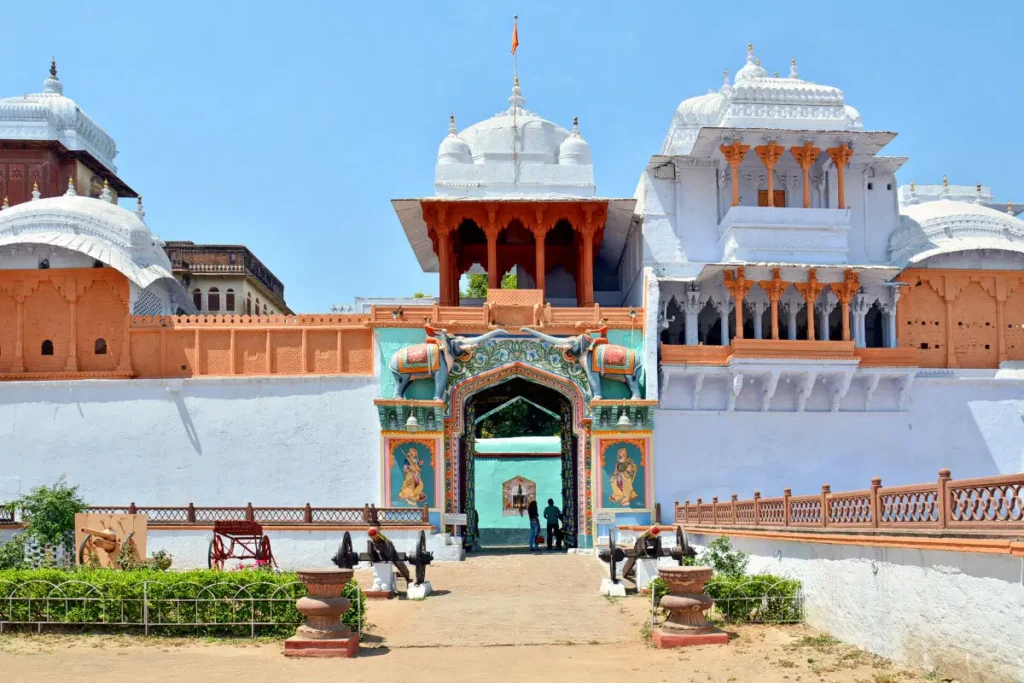
The Royal heritage of Kota finds its grand expression through City Palace which stands as a magnificent symbol in the city. The Kota rulersTailored this architectural masterpiece to combine Mughal and Rajasthani styles resulting in an expression of their Rajput dynastic greatness. Visitors who come to the palace will experience the royal era of greatness through its historical relics along with intricate carvings and fresco paintings. Through its magnificent gateways and ornamental balconies and impressive courtyards together with its historic splendor the structure demonstrates past craftsmanship and artistry which positions it as one of Kota’s most famous sights.
A Glimpse into Royal History
The Rao family of Kota erected the City Palace during the early 17th century because they descended from the Rajput ruling lineage.
The Kota royal family utilized this palace as their official domicile and the structure represented their royal power in both political and cultural domains.
The palace unites Mughal court magnificence with Rajasthani beauty in its architectural style.
Over many centuries multiple rulers have expanded the palace through successive renovations which added both historical and architectural value to its design.
Best Time to Visit
Pleasant autumn and winter months from October through March create the ideal climate for both sightseeing in the palace complex and valley scenery observation.
The palace presents its most attractive sight during early hours or late afternoon when the gentle natural lighting creates its best visual impact.
9.Kaithoon

The village of Kaithoon stands close to Kota where residents maintain an outstanding standing in Indian textile history. The famous Kota Doria weaving tradition reaches its center within this town through delicate fabric production created through artistic precision and masterful craftsmanship of handloom weaving. The traditional textile-making process utilizes delicate threads of cotton together with silk along with the addition of zari elements which are gold and silver for creating light yet long-lasting textiles. This weaving technique creates a special checkered pattern which transforms Kota Doria fabric into a sought-after material for sarees along with dupattas and multiple other clothing products.
 History and Significance of Kota Doria
The art of fine weaving arrived in Rajasthan during the 17th century due to Mughal influence which established Kota Doria as it exists today.
The present-day fabric-making tradition developed to its highest quality at Kaithoon through funding by Maharaja Bhim Singh of Kota.
Kota Doria first appeared exclusively for royal families and nobility because its lightweight luxurious feel made it appealing to them.
“Doria” is a Hindi term for “dori” thread due to its characteristic fine weaving format that characterizes this fabric.
Best Time to Visit
Walking and market exploration become more pleasurable through the pleasant season from October until March.
The peak time to both evade hot temperatures and witness weaving operations runs from morning and evening hours.
10. Gaipernath Waterfall
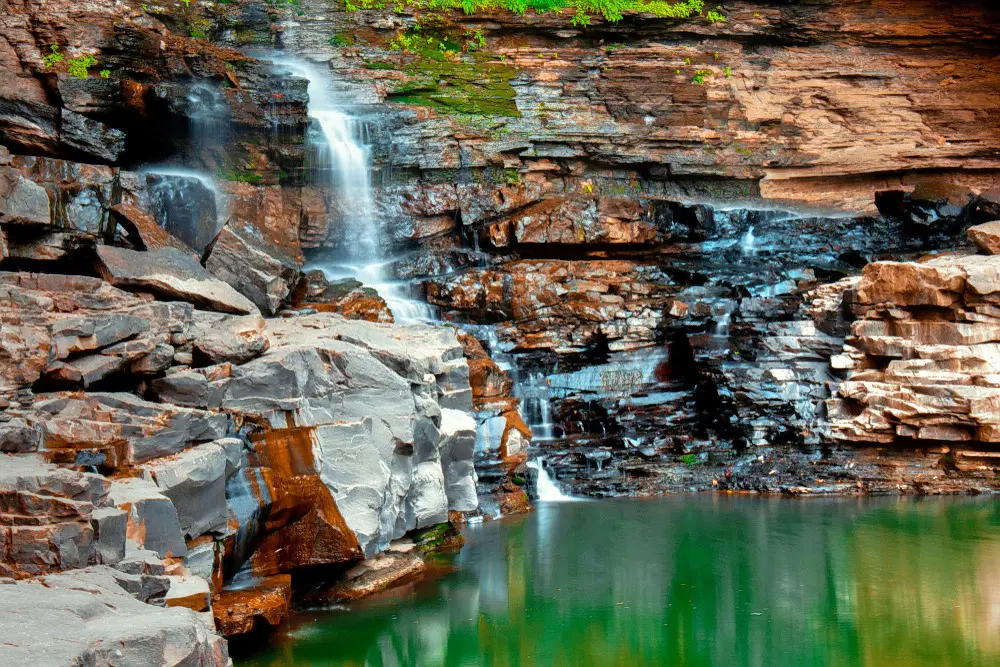
The town of Kaithoon stands as a small community close to Kota that made an extraordinary contribution to the rich cultural tradition of Indian textiles. Kota Doria weaving has established its name here as the main location for producing light yet resilient textiles through traditional hand-weaving techniques. Weavers use this historic skill to weave thin resilient fabrics by combining cotton and silk threads which regularly incorporate metal threads (zari) into their work. The specific weaving technique produces a distinctive checkered pattern which attracts consumers for creating sarees and dupattas as well as different garments.
History and Significance of Kota Doria
Rajasthan developed its fine weaving traditions in the 17th century following Mughal national control over the art from the past.
The perfect weaving technique reached its best form in Kaithoon through the support of Maharaja Bhim Singh who ruled Kota.
During its initial production Kota Doria existed only for members of the royal families alongside nobility through its lightweight properties and opulent texture.
This fabric receives its name “Doria” from the Hindi word “dori” that means thread through its exquisite thread designs.
Best Time to Visit
The climate during October through March provides an excellent walking experience and market exploration opportunity for visitors.
Early morning or late afternoon represents the optimum hours for touring the weaving workshops because they offer escape from the hot temperatures.
Related articles : 3 Best Places to Visit in Nagaur for Heritage, Spirituality & Culture
<p>The post Top 10 Best Visiting Places in Kota for Heritage, Nature & Culture first appeared on Traveling Info World.</p>
]]><p>The post 3 Best Places to Visit in Nagaur for Heritage, Spirituality & Culture first appeared on Traveling Info World.</p>
]]>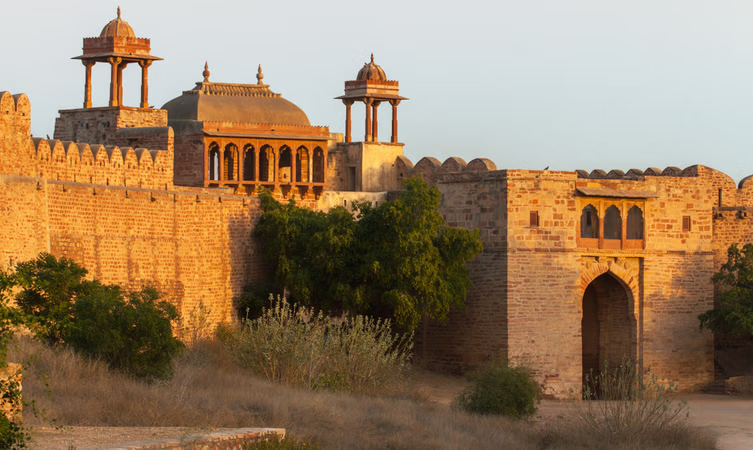
Nagaur Fort ranks among the many historical forts of Rajasthan representing the land of kings. Throughout the 4th century the Nag Dynasty constructed this spectacular fort at what today represents Rajasthan’s symbolic connection to its historic past. Tourists visit Nagaur Fort in Rajasthan by its alternate name Ahhichatragarh Fort which means Hooded Cobra Fort because it earned status as one of Nagaur’s most popular sites.
History
The historical Nagaur Fort now occupies 36 acres of land as it began its journey through years of time in the 4th century. The architectural elements of Rajput-Mughal style are demonstrated through the extensive palace carvings and enormous gates and beautiful courtyards of this structure. This historical complex displays its former greatness by maintaining its frescoes together with fountains temples and gardens and wall frescoes.
In 2002 Nagaur Fort achieved recognition through the UNESCO Asia-Pacific Heritage Award for Cultural Heritage Conservation because of its successful conservation and preservation initiative. Visitors interested in history and architecture should place this site at the top of their must-see destinations.
Major Attractions within Nagaur Fort
- Sheesh Mahal stands as a breathtaking mirror palace which showcases the remarkable skills of the past era.
- Deepak Mahal – Known for its beautiful fresco paintings and detailed carvings.
- Hadi Rani Mahal stands as a Rajputana bravery emblem with its combination of elegant balconies matched with arched windows.
- The Baradari serves as a delightful gathering venue together with an entertainment pavilion.
- Nagaur Fort contains numerous temples along with innovative ancient water storage facilities for showcasing the rulers’ brilliant design skills.
Visiting Information
- Location: Bhandariyon Ki Gali, Nagaur, Rajasthan 341001
- Timings: 9 AM – 1 PM, 2 PM – 5 PM (Daily)
Entry Charges:
- ₹15 per person for Indians
- ₹50 per person for Foreigners
Best Time to Visit
Visitors should plan their tour of Nagaur Fort during October through March because the pleasant weather makes exploration most comfortable. During January-February guests can attend the magnificent Nagaur Cattle Fair alongside enjoying the magnificent traditions of Rajasthan.
2. Tarkeen Dargah
Nagaur Fort remains one of the magnificent historical forts located within the royal domain of Rajasthan. This architectural masterpiece originated from the 4th century when the Nag Dynasty built it to affirm Rajasthan’s historic significance. Among all the tourist spots in Nagaur Rajasthan Ahhichatragarh Fort operates as a prominent attraction known as the Fort of the Hooded Cobra.
History
Nagaur Fort has successfully persevered through centuries because it grows across 36 acres of land. The fort demonstrates Rajput-Mughal architectural greatness through its elaborately carved palace buildings and majestic gates and enchanting courtyards. The fort tells stories about its historic past because it maintains its old frescoes and fountains and temples and gardens in excellent condition.
Nagaur Fort received recognition from UNESCO Asia-Pacific Heritage in 2002 for its exceptional work in careful preservation and restoration of its historic grandeur. History enthusiasts along with architecture lovers need to put this site at the top of their must-visit list.
- Sheesh Mahal stands as a beautiful mirror palace which demonstrates the exceptional artistic skills from ancient times.
- Deepak Mahal – Known for its beautiful fresco paintings and detailed carvings.
- The Hadi Rani Mahal stands as a representation of Rajputana valiance through its exquisite balconies together with arched windows.
- The royal gatherings along with cultural shows took place at Baradari which also served as a pavilion with a charming design.
- The fort combines various temples along with extensive water reservoirs to showcase the advanced architectural designs of historic rulers.
- Tarkeen Dargah serves as the second most important Muslim holy site in Nagaur after the Ajmer Dargah while being situated inside the fort area. An important founder of Khwaja Moinuddin Chisti named Khwaja Hamiduddin Nagauri became the reason for constructing this memorial building.
Visiting Information
- Location: Bhandariyon Ki Gali, Nagaur, Rajasthan 341001
- Timings: 9 AM – 1 PM, 2 PM – 5 PM (Daily)
Entry Charges:
- ₹15 per person for Indians
- ₹50 per person for Foreigners
Best Time to Visit
The ideal period to discover Nagaur Fort exists between October and March because of its pleasant climate. The vibrant Nagaur Cattle Fair runs from January to February beside the pleasant winter visiting period in October to March.
3. Amar Singh’s Cenotaph
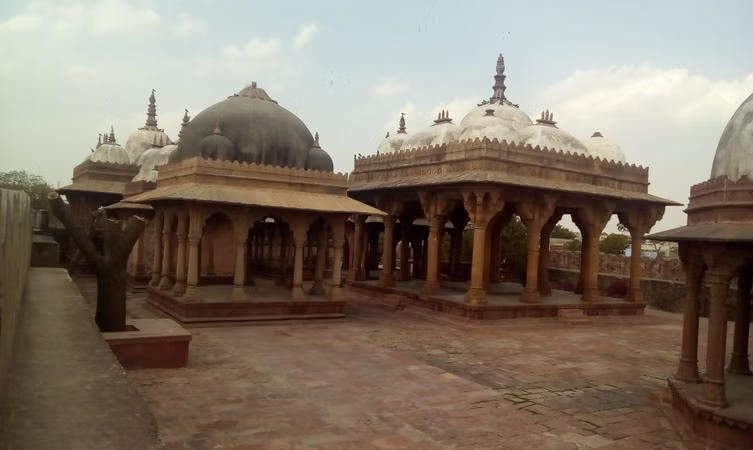
The royal state of Rajasthan houses various historical forts where Nagaur Fort stands as its remarkable monument. During the 4th century the Nag Dynasty kings constructed this enormous fortress which remains today as both an architectural masterpiece and Rajasthan’s precious historical emblem. Nagaur Fort which also goes by the name Ahhichatragarh Fort serves as a top attraction in Nagaur district within Rajasthan.
History
Continuing for 36 acres of land, Nagaur Fort endures through time to display centuries of historical passage. An architectural tradition of Rajput-Mughal design highlights the fort through its elegant carvings and dominating entryways and splendid interior areas. The fort shows the stories of past greatness through its preserved temple art and fountain features with plant sanctuaries along with courtyards and gates.
The UNESCO Asia-Pacific Heritage Award for Cultural Heritage Conservation presented Nagaur Fort with recognition in 2002 to commend the careful work done in preserving its noble magnificence. Architectural aficionados together with history devotees should definitely see this location because of its UNESCO recognition.
The ancient rulers demonstrated their engineering skills through multiple temples together with their advanced water reservoirs located inside the fort.
Inside the fort enclosure exists Tarkeen Dargah as one of two principal Muslim spiritual locations in Nagaur behind the Ajmer Dargah. The structure brings memory to the devout follower Khwaja Hamiduddin Nagauri who worshiped Khwaja Moinuddin Chisti.
Hierarchical significance exists for the Cenotaph of Amar Singh Rathore among historical locations in Nagaur where it commemorates the brave accomplishments of Amar Singh Rathore. Nagaur visitors must experience this cenotaph because it displays Rajput architecture and ornate floral carvings decorating its pillars.
Visiting Information
- Location: Bhandariyon Ki Gali, Nagaur, Rajasthan 341001
- Timings: 9 AM – 1 PM, 2 PM – 5 PM (Daily)
Entry Charges:
- ₹15 per person for Indians
- ₹50 per person for Foreigners
Cenotaph of Amar Singh Rathore Location: Amar Singh Colony, Nagaur, Rajasthan
Best Time to Visit
Visitors should plan their tour of the Nagaur Fort for the period between October and March because the weather remains mild. During January-February travelers can experience both the Nagaur Cattle Fair and Nagaur Fort because the festival coincides with the best period to explore this historical landmark.
Related articles : Best Place to Visit in Kotputli for Heritage, Spirituality & Nature
<p>The post 3 Best Places to Visit in Nagaur for Heritage, Spirituality & Culture first appeared on Traveling Info World.</p>
]]>