<p>The post Salta, Argentina’s Land of Colors, Culture, and High-Andean Wonders first appeared on Traveling Info World.</p>
]]>Salta is a place where Spanish colonial architecture meets indigenous culture, where vineyards thrive in desert climates, and where railway tracks climb into the clouds. From charming colonial cities to remote Andean villages, Salta offers travelers a journey through Argentina’s history, geography, and soul.
Salta City – Colonial Elegance and Cultural Heart
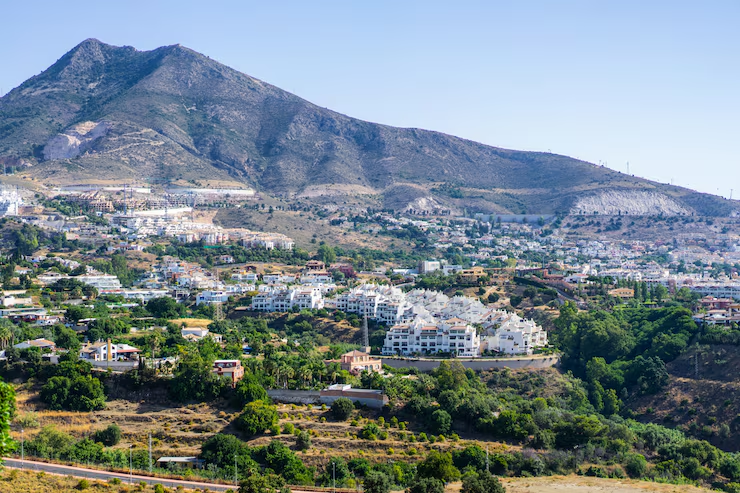
Salta City, the provincial capital, is one of Argentina’s best-preserved colonial cities. Surrounded by mountains and bathed in warm light, the city features elegant plazas, pastel-colored buildings, and historic churches.
The heart of the city is Plaza 9 de Julio, bordered by the iconic Salta Cathedral, the Cabildo, and museums showcasing regional history. The Museum of High Altitude Archaeology (MAAM) is a highlight, housing Inca artifacts and the famous Llullaillaco mummies.
Salta City is also known for its vibrant peñas—traditional folk music venues where visitors can enjoy live music, regional cuisine, and local wines. With its blend of history, culture, and hospitality, Salta City is the perfect starting point for exploring the province.
Cafayate – Wine, Sun, and Desert Landscapes
Nestled within the Calchaquí Valleys, Cafayate is Argentina’s second most important wine region and is famous for its high-altitude vineyards. The region’s dry climate and intense sunlight produce distinctive wines, particularly Torrontés, a floral white variety unique to Argentina.
Cafayate’s wineries range from small family-run bodegas to internationally recognized producers. Wine tastings are often paired with stunning views of vineyards framed by red rock mountains.
Beyond wine, Cafayate offers access to dramatic landscapes such as the Quebrada de las Conchas, known for colorful rock formations like the Amphitheater and Devil’s Throat. Cafayate perfectly blends gastronomy, nature, and relaxation.
Train to the Clouds – Engineering Above the Andes
The Train to the Clouds (Tren a las Nubes) is one of the world’s highest railways and one of Argentina’s most iconic experiences. The journey climbs to over 4,200 meters above sea level, crossing bridges, viaducts, and mountain tunnels.
The highlight of the trip is the La Polvorilla Viaduct, an engineering marvel suspended high above the desert floor. The route passes through remote Andean villages, salt flats, and rugged landscapes that feel otherworldly.
More than a train ride, this experience offers insight into Argentina’s highland culture and geography, making it a once-in-a-lifetime adventure.
Valles Calchaquíes – Valleys of Color and Silence

The Valles Calchaquíes stretch across Salta, Tucumán, and Catamarca provinces, but Salta’s section is particularly spectacular. These desert valleys are characterized by colorful mountains, cacti forests, and ancient agricultural terraces.
Scenic drives wind through red, orange, and ochre landscapes shaped by wind and time. Indigenous communities maintain traditions dating back centuries, and small villages dot the valleys.
The Valles Calchaquíes offer travelers tranquility, raw beauty, and a deep connection to the land. Sunsets here paint the mountains in surreal colors, creating unforgettable moments.
Cachi – Timeless Andean Village
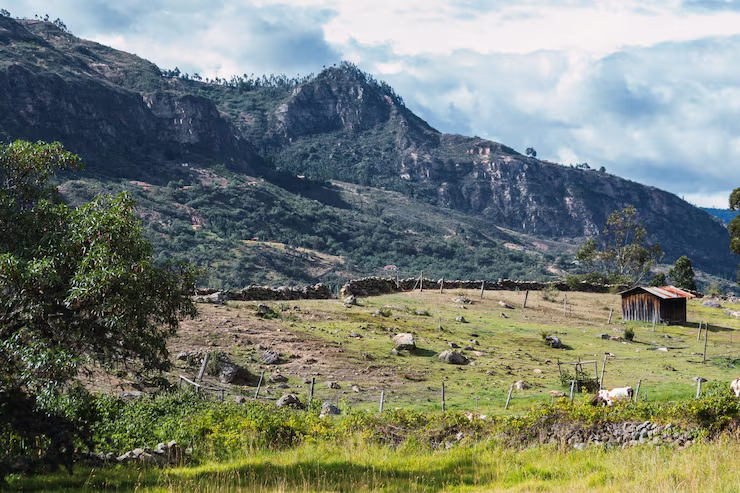
Located at the base of snow-capped peaks, Cachi is one of Salta’s most charming villages. With white adobe houses, cobblestone streets, and a peaceful plaza, Cachi feels frozen in time.
The village sits at over 2,200 meters above sea level and serves as a gateway to the Los Cardones National Park, home to vast forests of giant cacti. The nearby Cuesta del Obispo offers one of the most scenic drives in Argentina.
Cachi is ideal for travelers seeking authenticity, silence, and breathtaking landscapes. Its simple beauty and Andean spirit make it one of Salta’s most memorable destinations.
Why Salta Is a Must-Visit Destination
Salta Province captures the essence of northwestern Argentina through:
- Rich colonial and indigenous heritage
- High-altitude deserts and colorful valleys
- World-renowned wine regions
- Iconic rail journeys
- Authentic Andean villages
From the colonial charm of Salta City and the vineyards of Cafayate, to the awe-inspiring Train to the Clouds, the vast Valles Calchaquíes, and the timeless village of Cachi, Salta delivers an immersive travel experience filled with beauty, history, and soul.
For travelers seeking culture, adventure, and unforgettable landscapes, Salta is Argentina at its most poetic.
Related artical : Río Negro, Argentina: Lakes, Mountains & Coast
<p>The post Salta, Argentina’s Land of Colors, Culture, and High-Andean Wonders first appeared on Traveling Info World.</p>
]]><p>The post Top 5 Places to Visit in Corrientes first appeared on Traveling Info World.</p>
]]>Located in northeastern Argentina, Corrientes Province is a land shaped by water, wildlife, and tradition. Defined by vast wetlands, mighty rivers, and strong cultural identity, Corrientes offers one of the most authentic and nature-rich travel experiences in the country. It is a province where gaucho traditions, Guaraní heritage, and biodiversity coexist in remarkable harmony.
Corrientes is best known for the Iberá Wetlands, one of the most important ecosystems in South America, but the province offers much more than wildlife. Lively riverfront cities, fishing towns, engineering marvels, and peaceful national parks make Corrientes a destination that appeals to nature lovers, photographers, eco-tourists, and cultural travelers alike.
The province’s key attractions include Iberá Wetlands, Corrientes City, Ituzaingó, Yacyretá Dam, and Mburucuyá National Park, each revealing a different side of Corrientes’ identity.
Iberá Wetlands – Argentina’s Wildlife Sanctuary
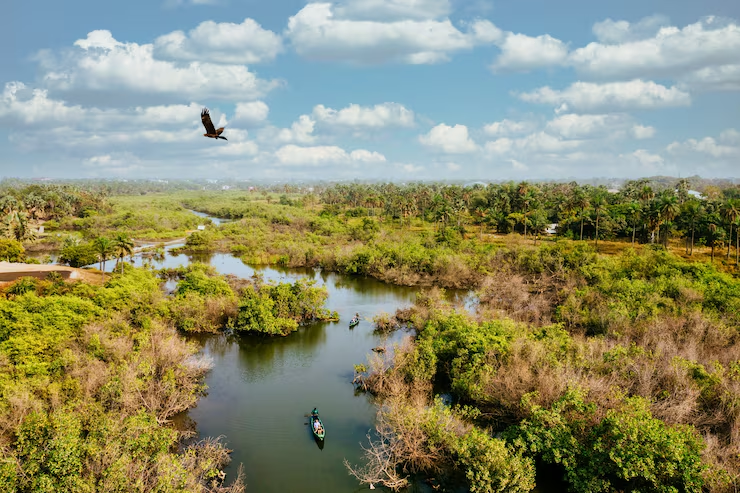
The Iberá Wetlands (Esteros del Iberá) are the crown jewel of Corrientes Province and one of the most significant wetland ecosystems on Earth. Covering over 13,000 square kilometers, this vast network of lagoons, marshes, floating islands, and grasslands supports extraordinary biodiversity.
Iberá is home to iconic species such as capybaras, caimans, marsh deer, giant anteaters, howler monkeys, and hundreds of bird species. In recent years, successful rewilding projects have reintroduced jaguars, making Iberá one of the few places in Argentina where these powerful predators roam freely again.
Eco-tourism is carefully managed here, focusing on conservation and sustainability. Visitors explore the wetlands through guided boat tours, wildlife safaris, horseback riding, and walking trails. Lodges and eco-estancias offer immersive stays that support local communities and environmental protection.
Iberá is not just a destination—it is a living conservation success story and one of Argentina’s greatest natural treasures.
Corrientes City – Riverfront Life and Colonial Roots
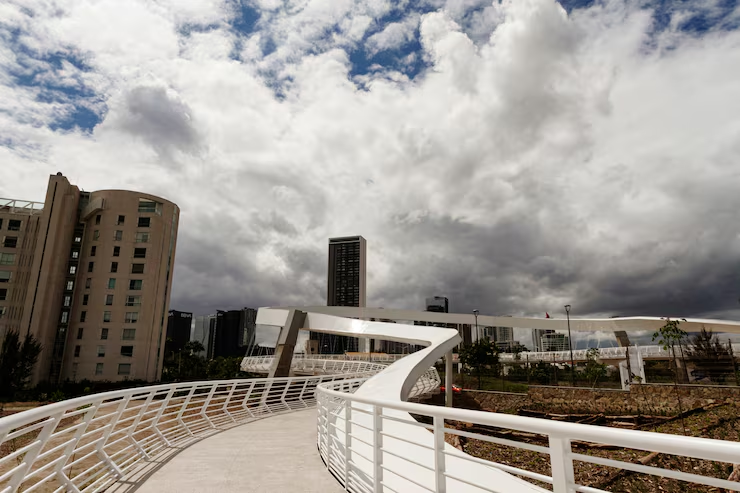
Corrientes City, the provincial capital, sits gracefully along the banks of the Paraná River, one of South America’s most important waterways. The city blends colonial history, river culture, and modern urban life, creating a relaxed yet culturally rich atmosphere.
The riverfront promenades, known as costaneras, are the heart of the city. Locals gather here to walk, cycle, fish, and enjoy sunsets over the Paraná. Beaches along the river offer swimming and leisure during warm months.
Corrientes City also has deep historical roots, visible in its colonial-era churches, plazas, and museums. The city is famous for its Carnival celebrations, considered among the best in Argentina, showcasing colorful costumes, music, and Afro-Guaraní rhythms.
As a cultural center, Corrientes reflects the province’s strong musical traditions, particularly chamamé, a folk genre recognized by UNESCO as Intangible Cultural Heritage.
Ituzaingó – Fishing Capital and Water Sports Haven
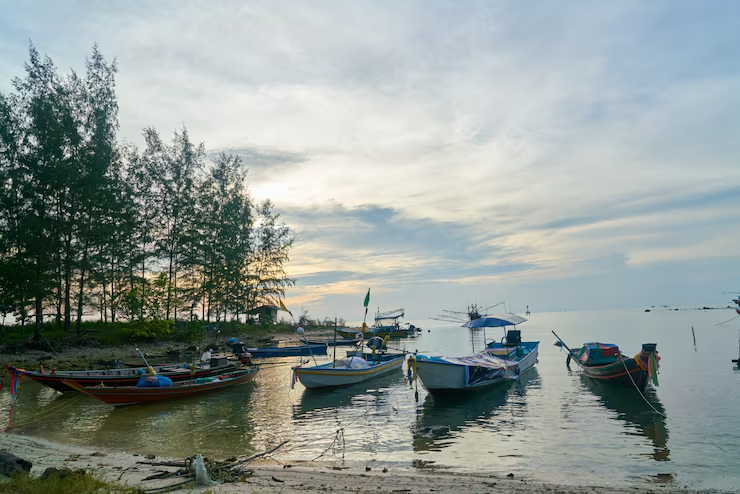
Located upstream along the Paraná River, Ituzaingó is a peaceful town known for sport fishing, water sports, and outdoor recreation. It is especially famous for dorado fishing, attracting anglers from across Argentina and beyond.
The town’s riverfront areas are ideal for boating, kayaking, jet skiing, and swimming. Its calm pace and natural setting make Ituzaingó a favorite destination for travelers seeking relaxation by the water.
Ituzaingó also serves as a gateway to nearby attractions, including the Yacyretá Dam and access points to the Iberá region. Festivals celebrating fishing culture and river life add to the town’s charm.
This destination highlights Corrientes’ deep connection to its rivers and outdoor traditions.
Yacyretá Dam – Engineering Marvel of South America
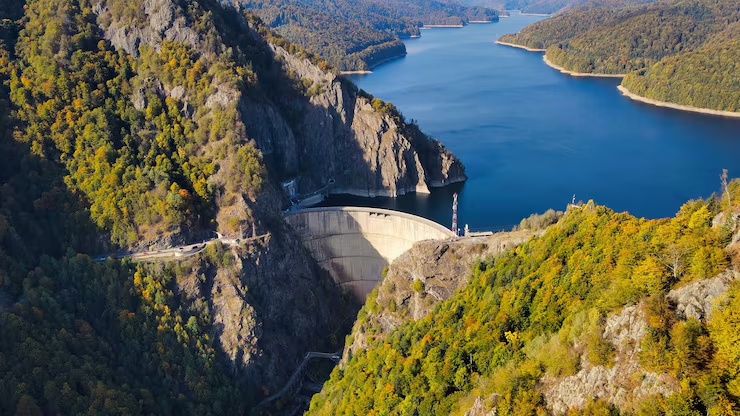
The Yacyretá Dam, shared between Argentina and Paraguay, is one of the largest hydroelectric dams in the world. Built on the Paraná River, it represents a monumental feat of engineering and regional cooperation.
Visitors can tour designated areas of the dam to learn about hydroelectric power generation, environmental management, and the dam’s impact on regional development. The massive scale of the structure is impressive, showcasing the power of modern infrastructure integrated with nature.
Beyond its technical importance, Yacyretá plays a vital role in supplying renewable energy to millions of people, making it a symbol of sustainable energy production in South America.
The dam adds a unique industrial and educational dimension to Corrientes’ tourism landscape.
Mburucuyá National Park – Quiet Beauty and Biodiversity
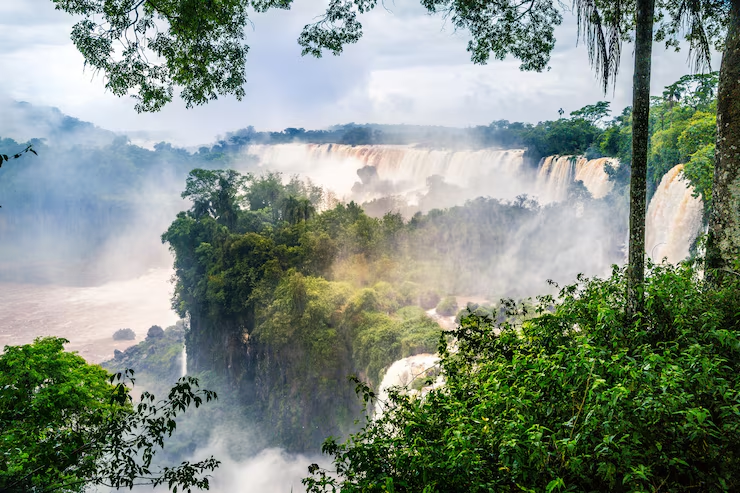
Mburucuyá National Park is one of Corrientes’ lesser-known gems, offering a peaceful alternative to the vast Iberá Wetlands. The park protects grasslands, forests, wetlands, and palm groves, creating a diverse natural environment.
It is an excellent destination for birdwatching, with over 300 recorded species, as well as for hiking and nature photography. The park’s trails are quiet and uncrowded, allowing visitors to experience Corrientes’ landscapes in solitude.
Mburucuyá also preserves traditional rural culture, with nearby communities maintaining gaucho customs and agricultural practices.
This park represents the quieter, more intimate side of Corrientes’ natural heritage.
Culture, Traditions, and Guaraní Influence
Corrientes Province is deeply influenced by Guaraní culture, which shapes its language, cuisine, music, and worldview. Guaraní words are commonly used alongside Spanish, and traditional foods reflect river-based ingredients such as fish and corn.
Music plays a central role in local identity, especially chamamé, which expresses the emotions, history, and spirituality of the region. Festivals and gatherings celebrate this cultural richness throughout the year.
The people of Corrientes are known for their warmth, hospitality, and strong connection to nature, making visitors feel welcomed and immersed in local life.
Why Corrientes Is One of Argentina’s Most Authentic Destinations
Corrientes Province offers an experience unlike any other in Argentina. It is a place where water defines life, where wildlife thrives, and where culture remains deeply rooted in tradition. From the extraordinary biodiversity of the Iberá Wetlands, to the riverfront charm of Corrientes City, the outdoor adventures of Ituzaingó, the grandeur of the Yacyretá Dam, and the peaceful landscapes of Mburucuyá National Park, Corrientes showcases Argentina at its most natural and genuine.
For travelers seeking eco-tourism, wildlife encounters, river culture, and authentic regional identity, Corrientes is an unforgettable destination.
Related artical : Top 5 Places to Visit in Córdoba
<p>The post Top 5 Places to Visit in Corrientes first appeared on Traveling Info World.</p>
]]><p>The post Top 5 Places to Visit in Rhode Island first appeared on Traveling Info World.</p>
]]>In this Rhode Island travel guide, we explore the top places to visit in Rhode Island, including Providence, Newport, Block Island, Narragansett, and Bristol.
Providence: Arts, Culture, and WaterFire Magic

Providence, Rhode Island’s capital and largest city, is a creative and cultural hub with a strong artistic identity and historic character.
Arts and Culture Scene
Providence is home to prestigious institutions like the Rhode Island School of Design (RISD), which contributes to the city’s vibrant art culture. Visitors can explore:
- RISD Museum, featuring diverse global art collections
- Art galleries and studios throughout the city
- Theater performances and live music venues
The city’s creative energy is visible in its architecture, public art, and cultural festivals.
WaterFire
One of Providence’s most iconic attractions is WaterFire, a unique public art installation where hundreds of bonfires are lit along the city’s rivers. Accompanied by music and performances, WaterFire transforms downtown Providence into a magical evening experience that draws visitors from around the world.
Newport: Gilded Age Mansions and Coastal Elegance
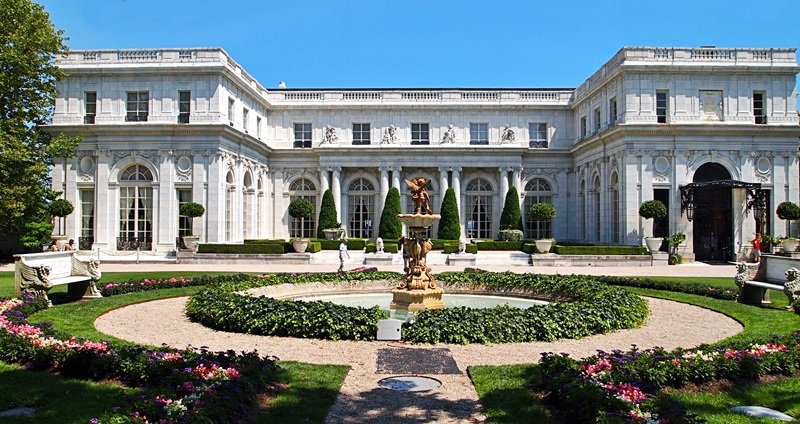
Newport is one of Rhode Island’s most famous destinations, known for its opulent Gilded Age mansions, sailing culture, and scenic coastal views.
Historic Mansions
Newport’s grand mansions, such as The Breakers and Marble House, were built by America’s wealthiest families during the late 19th century. Visitors can tour these estates to admire:
- Lavish interiors and architecture
- Beautifully landscaped grounds
- Insights into America’s elite history
Coastal Attractions
Newport also offers:
- A charming harbor filled with yachts
- The Cliff Walk, a scenic path along the shoreline
- Boutique shopping and fine dining
The blend of history and ocean views makes Newport unforgettable.
Block Island: Beaches, Bluffs, and Natural Beauty
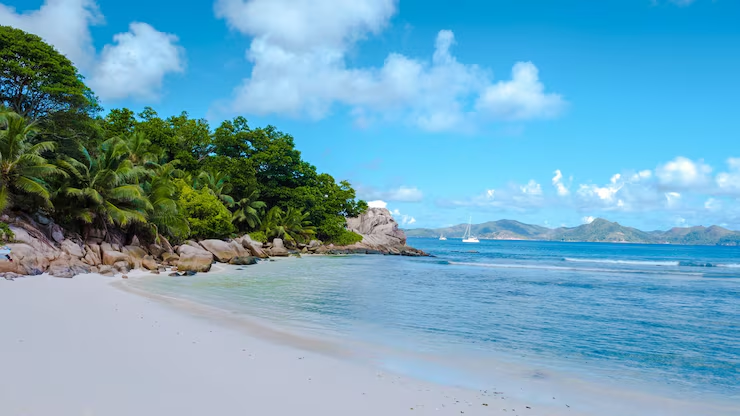
Located about 12 miles off the coast, Block Island is a peaceful escape known for its natural beauty and relaxed atmosphere.
Scenic Landscapes
Block Island features:
- Sandy beaches and dramatic bluffs
- Rolling hills and walking trails
- Lighthouses offering panoramic ocean views
The island’s preserved landscapes make it ideal for nature lovers and photographers.
Outdoor Activities
Visitors can enjoy swimming, biking, kayaking, and wildlife watching. With limited development, Block Island offers a refreshing break from crowded tourist destinations.
Narragansett: Classic Coastal Charm
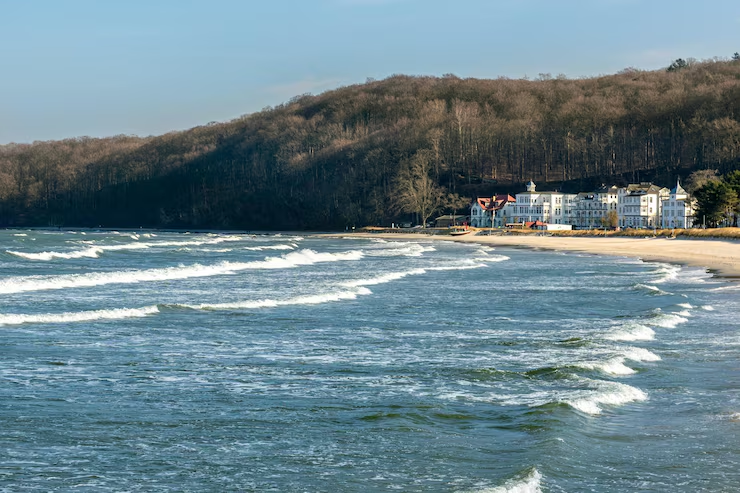
Narragansett is a classic New England beach town known for its welcoming vibe and scenic shoreline.
Beaches and Waterfront
Narragansett’s beaches are perfect for:
- Swimming and sunbathing
- Surfing and paddleboarding
- Beachside walks and sunsets
The town’s iconic Narragansett Towers add historic charm to the waterfront.
Local Culture
Narragansett also offers seafood restaurants, local shops, and seasonal events that capture the essence of Rhode Island’s coastal lifestyle.
Bristol: A Historic Harbor Town
Bristol is a picturesque harbor town with deep historical roots and a strong sense of community.
History and Heritage
Bristol is known for:
- Its beautifully preserved downtown
- Maritime history and colonial architecture
- One of the oldest Fourth of July celebrations in the U.S.
Walking along the harbor reveals a blend of history and scenic beauty.
Outdoor Spaces
The town also features waterfront parks, bike paths, and sailing opportunities, making it a pleasant destination for leisurely exploration.
Why Visit Rhode Island?
Rhode Island stands out for its:
- Stunning coastline and beaches
- Historic mansions and harbor towns
- Vibrant arts and cultural events
- Compact size with diverse attractions
You can experience cities, beaches, and islands all within a short drive.
Final Thoughts
Rhode Island proves that size doesn’t limit experience. From the artistic energy of Providence and the grandeur of Newport to the natural beauty of Block Island, the coastal charm of Narragansett, and the historic streets of Bristol, the Ocean State offers unforgettable travel moments.
Whether you’re planning a coastal getaway, a cultural exploration, or a relaxing beach vacation, Rhode Island is a destination worth discovering.
Related artical : Top 5 Places to Visit in Pennsylvania
<p>The post Top 5 Places to Visit in Rhode Island first appeared on Traveling Info World.</p>
]]><p>The post Top 5 Places to Visit in North Carolina first appeared on Traveling Info World.</p>
]]>In this North Carolina travel guide, we explore the top places to visit in North Carolina, including the Great Smoky Mountains, the Outer Banks, Asheville, Charlotte, and Raleigh.
Great Smoky Mountains: Nature, Wildlife, and Scenic Hiking
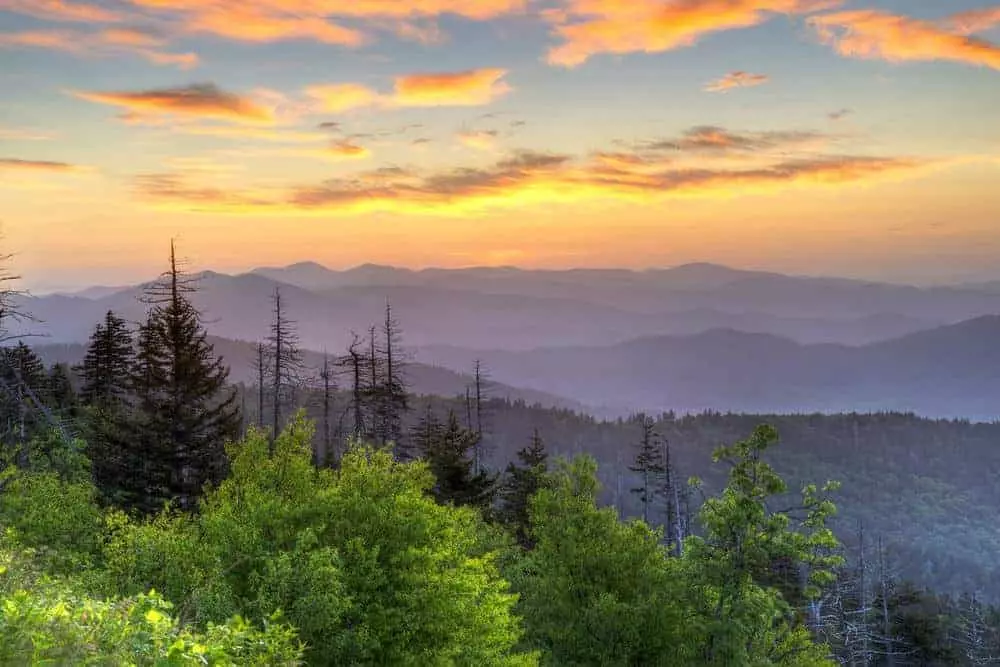
The Great Smoky Mountains, located along North Carolina’s western border, are among the most visited national parks in the United States. Known for their rolling mist, dense forests, and diverse wildlife, these mountains are a paradise for outdoor enthusiasts.
Hiking and Scenic Beauty
The park offers hundreds of miles of hiking trails, ranging from gentle walks to challenging climbs. Popular activities include:
- Hiking to waterfalls and scenic overlooks
- Wildlife spotting, including deer and black bears
- Exploring historic cabins and churches
Each season brings its own charm, with spring wildflowers, lush summer greenery, colorful fall foliage, and serene winter landscapes.
Outer Banks: Beaches, Lighthouses, and Coastal History
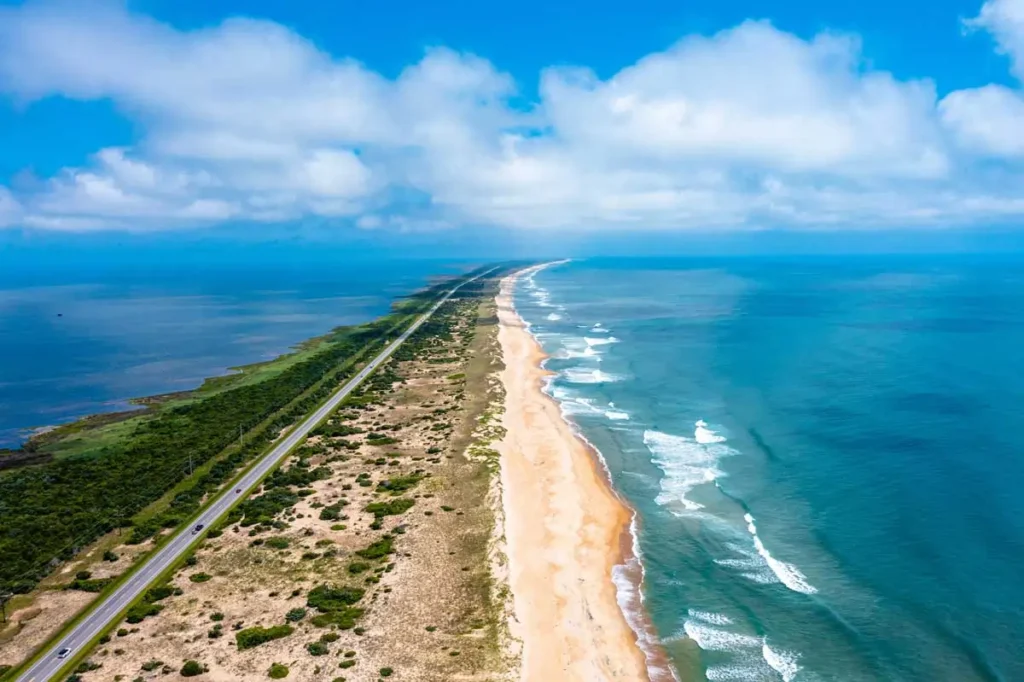
The Outer Banks is a chain of barrier islands stretching along North Carolina’s coast. Known for its wide beaches, historic lighthouses, and maritime heritage, this region is ideal for relaxation and coastal exploration.
Beaches and Outdoor Activities
Visitors can enjoy:
- Long, uncrowded sandy beaches
- Swimming, surfing, and kiteboarding
- Beachcombing and fishing
Historic Landmarks
The Outer Banks is rich in history, with highlights such as:
- Cape Hatteras Lighthouse, one of the most recognizable lighthouses in the U.S.
- Wright Brothers National Memorial, where the first powered flight took place
The Outer Banks offers a perfect blend of nature and American history.
Asheville: Arts, Culture, and the Blue Ridge Parkway
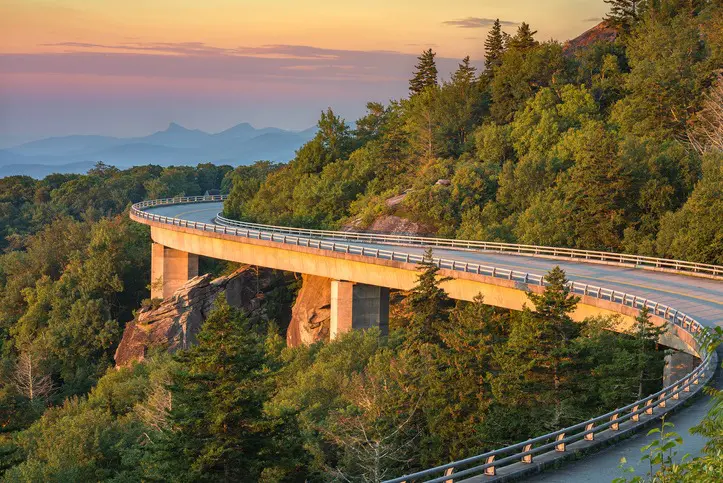
Nestled in the Blue Ridge Mountains, Asheville is known for its creative spirit, historic architecture, and stunning mountain scenery.
Arts and Local Culture
Asheville has a thriving arts scene with:
- Art galleries and studios
- Live music and festivals
- A strong local food and craft brewery culture
The city’s welcoming and laid-back vibe makes it a favorite among artists and travelers alike.
Blue Ridge Parkway
Asheville is a gateway to the Blue Ridge Parkway, often called “America’s Favorite Drive.” The parkway offers:
- Scenic overlooks
- Hiking trails
- Some of the best fall foliage views in the country
This area is especially popular during autumn when the mountains burst into vibrant colors.
Charlotte: NASCAR and Modern City Life

Charlotte, the largest city in North Carolina, is a fast-growing metropolitan area that blends modern city life with deep-rooted traditions.
NASCAR Heritage
Charlotte is the heart of NASCAR culture. Visitors can explore:
- NASCAR Hall of Fame
- Race shops and museums
- Motorsports events and exhibits
Urban Attractions
Beyond racing, Charlotte offers:
- Modern museums and sports venues
- Shopping and dining districts
- A lively nightlife scene
The city’s energy and innovation make it a dynamic destination for urban travelers.
Raleigh: Museums, Education, and Green Spaces

As the capital city, Raleigh is known for its strong educational presence, cultural institutions, and well-planned green spaces.
Museums and Learning
Raleigh is part of the “Research Triangle” and features:
- North Carolina Museum of Natural Sciences
- North Carolina Museum of Art
- Historic sites and cultural centers
Many museums offer free admission, making Raleigh an excellent destination for families and learners.
Universities and Parks
Home to major universities, Raleigh has a youthful and intellectual atmosphere. The city also boasts numerous parks, trails, and lakes, providing plenty of opportunities for outdoor recreation.
Why Visit North Carolina?
North Carolina stands out for its incredible variety. In one state, travelers can experience:
- Mountain hiking and scenic drives
- Coastal beaches and historic lighthouses
- Artistic mountain towns
- Modern cities with strong cultural roots
Its diverse geography and welcoming communities make it a destination for all seasons.
Final Thoughts
North Carolina offers a rich blend of natural beauty, cultural depth, and modern excitement. From hiking in the Great Smoky Mountains and relaxing on the beaches of the Outer Banks to exploring Asheville’s arts scene and discovering Charlotte and Raleigh’s urban attractions, the Tar Heel State has something for everyone.
Whether you’re planning a family vacation, a nature getaway, or a cultural city break, North Carolina is a destination worth exploring.
Related artical : Top 5 Places to Visit in New Mexico
<p>The post Top 5 Places to Visit in North Carolina first appeared on Traveling Info World.</p>
]]>