<p>The post Top 5 Tourist Places in Minya, Egypt. first appeared on Traveling Info World.</p>
]]>Often called the “Bride of Upper Egypt,” Minya offers something extraordinary: a journey into Egypt that feels authentic, raw, and deeply historical. Here, the Nile flows calmly between fertile farmland and golden desert cliffs. Ancient tombs hide within limestone mountains. Forgotten cities whisper stories of revolutionary pharaohs. Monasteries cling to cliffs in breathtaking isolation.
Minya is not crowded like Luxor or Cairo. It is quieter. More intimate. More mysterious.
For travelers seeking archaeology beyond the famous pyramids — and for those wanting to explore Egypt’s religious, cultural, and natural contrasts — Minya is one of the country’s most fascinating destinations.
Let’s explore the top attractions that make Minya truly exceptional.
1. Beni Hassan Tombs – Masterpieces of Middle Kingdom Art
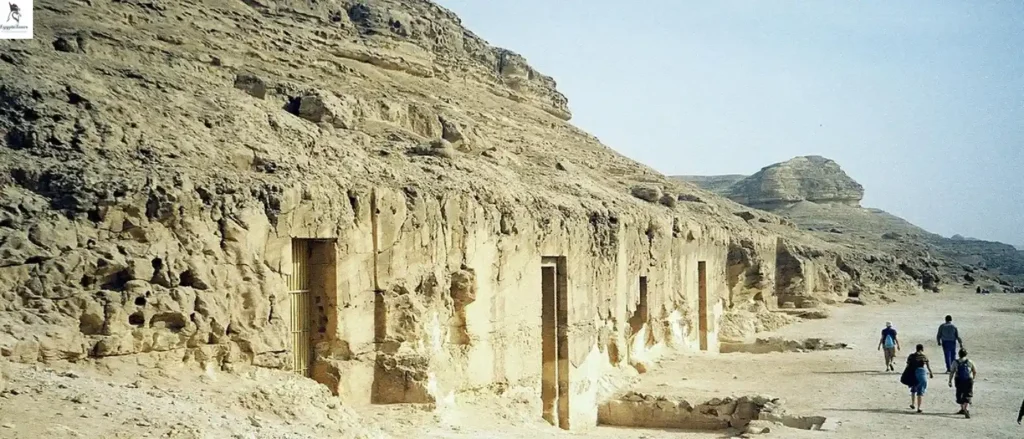
One of Minya’s most important archaeological treasures is the Beni Hassan Tombs, located about 20 kilometers south of Minya city.
A Window into the Middle Kingdom
These rock-cut tombs date back nearly 4,000 years to the Middle Kingdom period (c. 2050–1710 BCE). Unlike the grand temples of Luxor, Beni Hassan provides something more intimate: detailed insight into daily life in ancient Egypt.
Carved into limestone cliffs overlooking the Nile Valley, the tombs belong to powerful provincial governors and officials.
Art That Feels Alive
What makes Beni Hassan extraordinary are its wall paintings. The colors remain remarkably preserved, showing scenes such as:
- Wrestling matches (over 200 wrestling positions illustrated in one tomb)
- Hunting in the desert
- Fishing along the Nile
- Farming activities
- Trade and foreign visitors
Unlike royal tombs focused on gods and the afterlife, these paintings highlight real life — offering historians valuable insight into society during the Middle Kingdom.
The Scenic Climb
To reach the tombs, visitors climb a path up the limestone cliffs. From the top, the panoramic view of the Nile Valley is breathtaking:
Green farmland stretches below, framed by the winding river and distant desert hills.
It’s a powerful contrast — fertile life beside endless desert.
Beni Hassan is not just an archaeological site; it is a living story carved into stone.
2. Tell El-Amarna – The City of Akhenaten
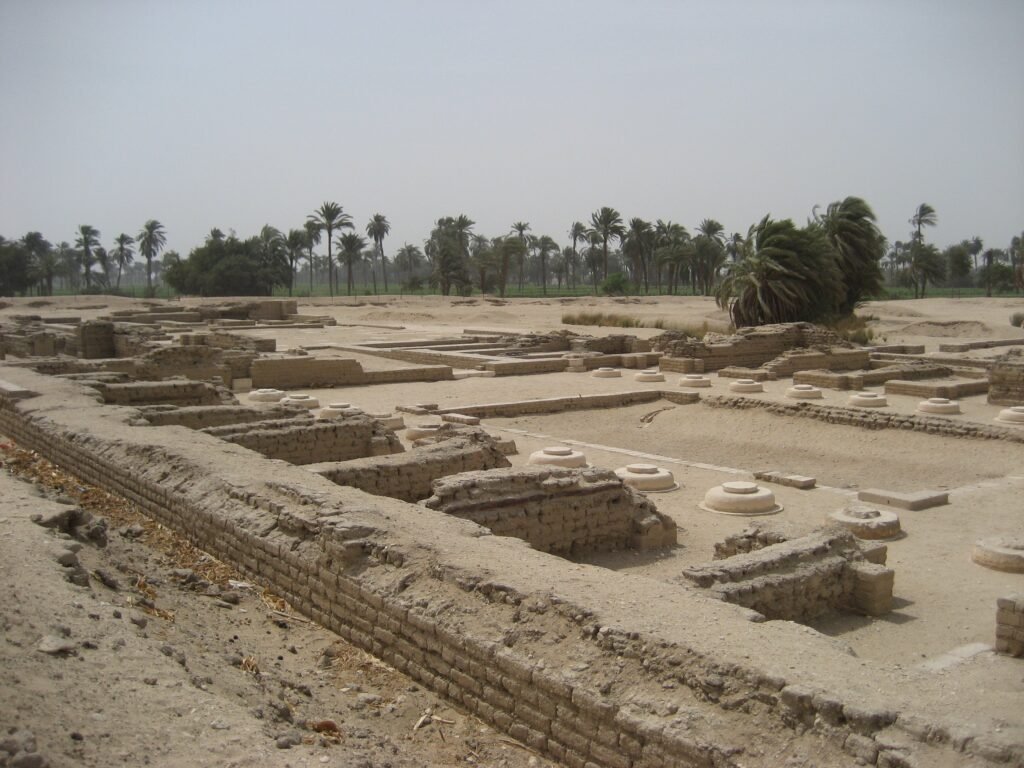
Perhaps the most revolutionary chapter in ancient Egyptian history unfolded in Minya — at Tell El-Amarna, the short-lived capital city built by Pharaoh Akhenaten.
The Pharaoh Who Changed Religion
Around 1353 BCE, Akhenaten introduced radical reforms. He abandoned traditional Egyptian polytheism and promoted worship of a single deity — the Aten, represented by the sun disk.
To escape the influence of powerful priests in Thebes, he built a new capital city in the desert: Akhetaten (modern-day Tell El-Amarna).
A City in the Desert
Today, visitors can explore the remains of this ancient city, including:
- Foundations of palaces
- Administrative buildings
- Residential districts
- Boundary stelae carved into cliffs
- Tombs of nobles
Although much of the city was dismantled after Akhenaten’s death, the site remains historically significant.
The Amarna Art Style
Akhenaten introduced a unique artistic style that broke traditional Egyptian conventions. Sculptures and reliefs from this period show:
- Elongated facial features
- Naturalistic body forms
- Intimate family scenes
It was a dramatic departure from rigid royal depictions.
Nefertiti’s Legacy
This is also the era of Queen Nefertiti, one of Egypt’s most famous queens. Her iconic bust, now in Berlin, originated from this revolutionary period.
Standing at Tell El-Amarna, surrounded by desert silence, you can imagine a once-thriving city that dared to change ancient religion — only to be erased within decades.
It is one of Egypt’s most fascinating historical mysteries.
3. Monastery of the Virgin Mary – A Cliffside Spiritual Sanctuary
Perched dramatically on limestone cliffs overlooking the Nile Valley is the Monastery of the Virgin Mary (Deir Al-Adhra), one of Egypt’s most important Coptic Christian pilgrimage sites.
A Sacred Refuge
According to tradition, the Holy Family — Mary, Joseph, and baby Jesus — passed through this region during their flight into Egypt.
The monastery is believed to be built near one of the places where they stayed.
A Breathtaking Setting
The monastery’s location is unforgettable. It sits high above the valley, surrounded by desert cliffs, offering:
- Panoramic views of the Nile
- Quiet spiritual atmosphere
- Cool mountain breezes
The journey to the monastery feels like a pilgrimage itself.
Architecture and Faith
The complex includes:
- Ancient chapels
- Prayer halls
- Cave shrines
- Monastic residences
Each year, thousands of pilgrims visit during religious festivals, filling the area with devotion and celebration.
For travelers interested in Egypt’s Christian heritage, this monastery offers profound cultural depth and stunning natural scenery.
4. Minya Nile Corniche – The Heart of Modern Life
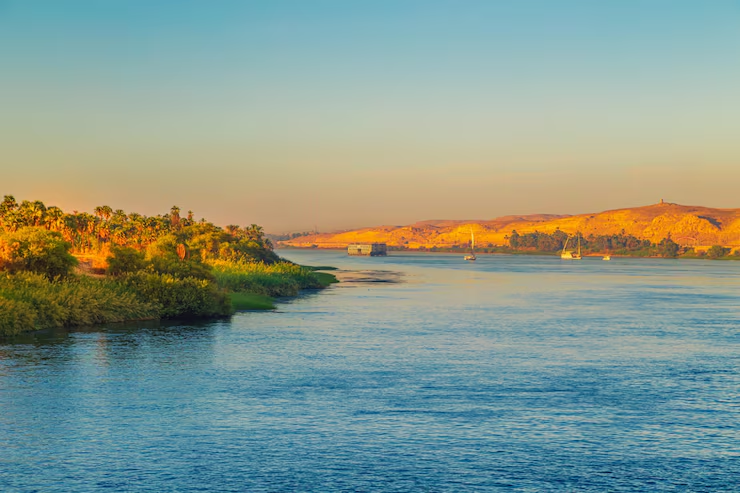
While Minya is famous for archaeology, the city itself offers peaceful Nile charm.
The Minya Corniche runs along the riverbank and serves as the social center of the city.
Everyday Egypt
Here, you’ll see:
- Families strolling at sunset
- Children playing
- Couples enjoying river views
- Small cafés serving tea and local snacks
The atmosphere is relaxed and authentic — far from mass tourism.
Nile Views at Sunset
As evening approaches, the sky reflects across the Nile’s surface. Boats drift slowly along the water. The sound of city life blends with the river’s calm flow.
It’s the perfect place to experience local Egyptian life in a natural setting.
Minya’s Corniche reminds visitors that Egypt is not only about ancient monuments — it’s also about living communities along the timeless Nile.
5. Desert Landscapes and Hidden Archaeological Sites
Minya’s surrounding desert holds countless archaeological secrets beyond the major sites.
Tuna El-Gebel
One of the most important nearby sites is Tuna El-Gebel, known for:
- Catacombs of sacred animals
- Tomb of Petosiris
- Greek and Roman influences
The site contains underground burial chambers for ibises and baboons — animals sacred to the god Thoth.
Ashmunein (Hermopolis Magna)
This was once a major religious center dedicated to Thoth. Today, visitors can see:
- Colossal statues
- Temple ruins
- Greek and Roman remains
The blending of Egyptian and Greco-Roman heritage makes it historically fascinating.
Vast Open Silence
Driving through Minya’s desert landscapes feels surreal. Limestone cliffs rise dramatically. Archaeological mounds appear unexpectedly. The sky stretches endlessly.
It’s a region where history is not concentrated in one site — it is scattered across the land.
Culture and Identity of Minya
Minya reflects the deep traditions of Upper Egypt.
Agricultural Heartland
The Nile’s fertile banks support:
- Wheat fields
- Sugarcane
- Cotton
- Fruit orchards
The contrast between green farmland and golden desert creates one of Egypt’s most visually striking landscapes.
Religious Diversity
Minya is known for its strong Coptic Christian community, alongside Muslim communities. This coexistence shapes the governorate’s cultural identity.
Religious festivals and traditions are an important part of local life.
Why Visit Minya?
Minya offers:
Ancient Middle Kingdom tombs
Revolutionary pharaonic history
Sacred Christian pilgrimage sites
Hidden Greco-Roman ruins
Peaceful Nile views
Authentic Egyptian culture
Unlike Egypt’s more crowded destinations, Minya feels undiscovered — a place where travelers can explore at their own pace.
Best Time to Visit
The best time to visit Minya is from October to April, when temperatures are cooler and ideal for exploring desert sites.
Summers can be extremely hot, especially when climbing archaeological locations.
Final Thoughts
Minya is a destination for curious travelers — those who want to go beyond the obvious.
Here, you can:
Stand inside Middle Kingdom tombs filled with daily-life art.
Walk through the ruins of a revolutionary capital city.
Pray inside a monastery carved into desert cliffs.
Watch the Nile flow peacefully beside modern Egyptian life.
Explore archaeological landscapes that few tourists ever see.
Minya may not have the global fame of Giza or Luxor — but it possesses something equally powerful: authenticity.
It is Egypt in its purest form — ancient, spiritual, agricultural, and timeless.
Related artical : Top 5 Tourist Places in Matrouh, Egypt.
<p>The post Top 5 Tourist Places in Minya, Egypt. first appeared on Traveling Info World.</p>
]]><p>The post Top 5 Tourist Places in Matrouh, Egypt. first appeared on Traveling Info World.</p>
]]>Unlike the Red Sea resorts of Hurghada or Sharm El-Sheikh, Marsa Matrouh offers a softer, more serene Mediterranean charm. The waters here are astonishingly clear, shimmering in shades of turquoise and emerald. The beaches feel almost Caribbean in appearance, yet they remain deeply Egyptian in spirit.
But Matrouh is more than just beaches.
Beyond the coastline lies the mystical Siwa Oasis, ancient legends like Cleopatra’s Bath, powerful World War II history in El Alamein, and hidden coastal coves such as Agiba Beach.
Matrouh is a destination of contrasts — sea and desert, history and relaxation, legend and nature.
Whether you’re seeking luxury beach days, historical exploration, or desert adventure, Matrouh delivers one of Egypt’s most diverse travel experiences.
Let’s explore the top attractions in Matrouh.
1. Marsa Matrouh Beaches – Crystal-Clear Mediterranean Waters
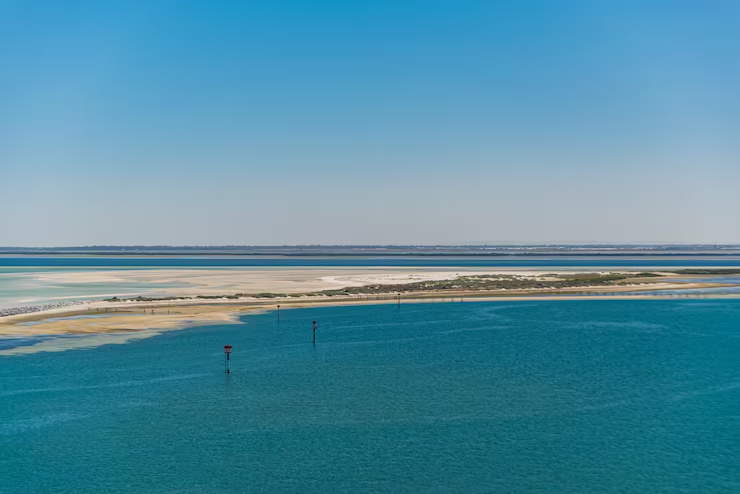
The heart of the governorate is Marsa Matrouh city, famous for its spectacular beaches. Often described as having some of the clearest waters in Egypt, these beaches are the main reason visitors travel here each summer.
Why Are Marsa Matrouh’s Beaches Special?
The Mediterranean coastline here features natural rock formations that act as protective barriers, creating calm, shallow lagoons with gentle waves. This makes the beaches:
- Safe for swimming
- Family-friendly
- Perfect for relaxation
- Ideal for clear-water photography
The color of the water ranges from light turquoise near the shore to deep blue further out, creating a stunning visual contrast with white sands.
Popular Beaches in Marsa Matrouh
Some of the most visited beaches include:
- Rommel Beach
- Lido Beach
- Al-Obayed Beach
- Cleopatra Beach
Each offers soft sand, calm waters, and peaceful Mediterranean views.
Sunset Magic
As the sun sets over the Mediterranean horizon, the sky transforms into warm shades of orange and pink. The reflection across the calm water creates a romantic and tranquil atmosphere.
Evenings along the corniche in Marsa Matrouh are lively yet relaxed, with families walking, children playing, and cafés serving fresh seafood.
Marsa Matrouh’s beaches are not just beautiful — they are soothing to the soul.
2. Cleopatra’s Bath – A Legendary Natural Rock Pool

One of the most fascinating attractions in Marsa Matrouh is Cleopatra’s Bath, a natural rock formation surrounded by crystal-clear seawater.
A Place of Ancient Legend
According to local legend, Queen Cleopatra herself once bathed here while visiting Egypt’s northern coast. Whether historically confirmed or not, the legend adds an air of romance and mystery to the site.
Natural Engineering
Cleopatra’s Bath is a naturally formed rock pool where seawater flows through carved stone openings. The constant movement of water keeps the pool fresh and clear.
Visitors can:
- Swim in the rock pool
- Walk across the surrounding stone formations
- Enjoy panoramic sea views
- Capture stunning photographs
The contrast between rugged rocks and shimmering Mediterranean waters creates one of Matrouh’s most iconic landscapes.
Best Time to Visit
Early morning or late afternoon is ideal to avoid crowds and strong midday sun.
Cleopatra’s Bath combines natural beauty with storytelling, making it a must-visit destination.
3. Siwa Oasis – A Desert Paradise of Salt Lakes and Ancient History

While technically part of Matrouh Governorate but located deep inland near the Libyan border, Siwa Oasis is one of Egypt’s most extraordinary destinations.
A Hidden Desert World
Surrounded by endless desert dunes, Siwa feels like another world. It is known for:
- Palm groves
- Olive trees
- Natural freshwater springs
- Salt lakes
- Traditional mud-brick architecture
The oasis culture is distinct, with its own Amazigh (Berber) heritage and traditions.
Siwa’s Salt Lakes
The salt lakes of Siwa are famous for their incredible buoyancy. Due to high salt concentration, visitors float effortlessly on the surface.
The bright turquoise water surrounded by white salt crusts creates surreal landscapes that look almost otherworldly.
Temple of the Oracle
Siwa is historically significant as the site of the Temple of the Oracle of Amun, where Alexander the Great is said to have visited in 331 BCE.
The temple ruins sit atop a hill overlooking the oasis, offering panoramic desert views.
Shali Fortress
In the center of Siwa town stands the ruins of Shali Fortress, a traditional mud-brick citadel built in the 13th century. Its narrow alleys and towers reflect Siwa’s unique architectural style.
Desert Adventures
Visitors to Siwa can also enjoy:
- 4×4 desert safaris
- Sandboarding on massive dunes
- Camping under the stars
- Visiting natural hot springs
Siwa Oasis transforms Matrouh from a beach destination into a multi-dimensional adventure experience.
4. El Alamein War Museum – A Powerful WWII Memorial

Matrouh is also home to one of the most significant World War II battlefields — El Alamein.
The Battle That Changed History
The Second Battle of El Alamein (1942) marked a turning point in the North African campaign during World War II. Allied forces halted the Axis advance, altering the course of the war.
The War Museum
The El Alamein War Museum displays:
- Military vehicles
- Tanks and artillery
- Uniforms and weapons
- Historical photographs
- Maps explaining battle strategies
The museum provides context for the massive scale of conflict that once took place across these deserts.
War Cemeteries
Nearby, well-maintained war cemeteries honor soldiers from various nations who lost their lives in the battles.
Visiting El Alamein adds historical depth to a trip otherwise filled with beaches and natural beauty.
5. Agiba Beach – A Scenic Coastal Cove
Among Matrouh’s most picturesque spots is Agiba Beach, whose name means “The Amazing” — a fitting description.
A Hidden Gem
Agiba Beach is surrounded by high cliffs and rock formations, creating a secluded and intimate atmosphere.
The water here is remarkably clear, and the elevated viewpoints above the beach offer breathtaking panoramic scenes.
Photography Paradise
From the cliffs, visitors can capture:
- Turquoise waves crashing against rocks
- White sand below
- The vast Mediterranean stretching endlessly
It is one of the most photographed beaches in Egypt.
A More Private Experience
Unlike larger public beaches, Agiba feels quieter and more exclusive. It’s perfect for travelers seeking natural beauty away from heavy crowds.
Culture and Atmosphere of Matrouh
Matrouh has a relaxed and welcoming atmosphere.
Bedouin Heritage
The region is influenced by Bedouin culture, particularly in desert areas. Visitors may experience:
- Traditional tea
- Handmade crafts
- Local storytelling traditions
Fresh Mediterranean Cuisine
Seafood is a highlight in Marsa Matrouh, with dishes including:
- Grilled fish
- Shrimp
- Calamari
- Mediterranean-style salads
Restaurants along the corniche serve fresh daily catches with sea views.
Best Time to Visit Matrouh
The best time to visit is from June to September for beach lovers.
However, for Siwa Oasis and desert adventures, October to April offers more comfortable temperatures.
Why Visit Matrouh?
Matrouh offers:
Crystal-clear Mediterranean beaches
Legendary rock formations
A magical desert oasis
World War II historical landmarks
Hidden scenic coves
Cultural and Bedouin heritage
Few destinations in Egypt combine coastal beauty, desert adventure, and global history in one region.
Final Thoughts
Matrouh is where Egypt reveals its Mediterranean soul. From the calm turquoise waters of Marsa Matrouh to the dramatic cliffs of Agiba Beach, from the legendary Cleopatra’s Bath to the timeless beauty of Siwa Oasis, every corner offers something unforgettable.
Add the historical weight of El Alamein and the warmth of local culture, and Matrouh becomes far more than a summer destination — it becomes a journey through nature, legend, and history.
For travelers seeking a different side of Egypt — one defined by turquoise waters, white sands, desert silence, and powerful stories — Matrouh is a destination that truly amazes.
Related artical : Top 5 Tourist Places in Luxor, Egypt.
<p>The post Top 5 Tourist Places in Matrouh, Egypt. first appeared on Traveling Info World.</p>
]]><p>The post Top 5 Tourist Places in Luxor, Egypt. first appeared on Traveling Info World.</p>
]]>Unlike Cairo, which blends modern life with ancient remnants, Luxor feels like a living museum. Nearly every corner reveals towering columns, carved hieroglyphs, or grand statues that have stood for more than 3,000 years.
Divided by the Nile River into the East Bank and the West Bank, Luxor offers two distinct experiences: monumental temples dedicated to the gods on the East Bank, and vast burial sites for kings and queens on the West Bank.
Whether you are passionate about archaeology, fascinated by ancient civilizations, or simply seeking one of the most extraordinary cultural journeys on Earth, Luxor delivers an unforgettable experience.
Let’s explore the most iconic attractions in Luxor.
1. Karnak Temple – The Largest Religious Complex Ever Built
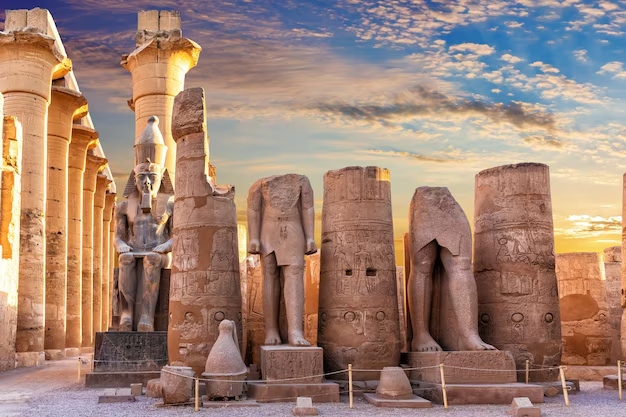
No visit to Luxor is complete without stepping into the magnificent Karnak Temple Complex. Covering over 200 acres, Karnak is not just a temple — it is an entire city of sanctuaries, pylons, obelisks, and sacred lakes built over a span of nearly 2,000 years.
A Monument to the Gods
Karnak was primarily dedicated to Amun-Ra, the king of the gods, along with his wife Mut and son Khonsu. Successive pharaohs expanded the complex, each leaving their mark in stone.
Walking through Karnak is like traveling through centuries of history.
The Great Hypostyle Hall
One of Karnak’s most breathtaking features is the Great Hypostyle Hall, a vast forest of 134 massive columns arranged in 16 rows.
These columns:
- Reach heights of over 20 meters
- Are covered in detailed hieroglyphs
- Create dramatic light and shadow effects
Standing among them feels almost surreal — as if dwarfed by ancient power and ambition.
Obelisks and Sacred Lake
Karnak also features towering obelisks, including one erected by Queen Hatshepsut, and a sacred lake used for religious rituals.
Every stone at Karnak tells a story of devotion, politics, and artistic mastery.
Why Karnak is Extraordinary
- Largest temple complex in Egypt
- Built over multiple dynasties
- Incredible hieroglyphic carvings
- Architectural innovation spanning centuries
Karnak is not simply visited — it is experienced.
2. Luxor Temple – A Masterpiece Illuminated at Night
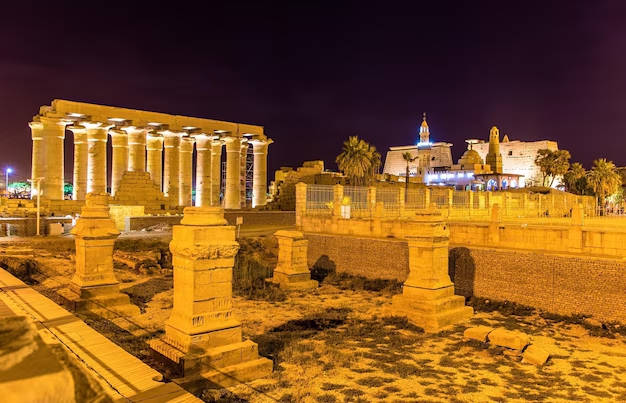
Located in the heart of modern Luxor city, Luxor Temple is one of the most beautifully preserved temples in Egypt.
Unlike Karnak, which evolved over centuries, Luxor Temple has a more unified architectural style. It was primarily built by Amenhotep III and later expanded by Ramses II.
Avenue of Sphinxes
Luxor Temple was once connected to Karnak by a 3-kilometer-long avenue lined with hundreds of sphinx statues. This grand ceremonial road was used during the annual Opet Festival.
Today, much of this avenue has been restored, allowing visitors to imagine the grandeur of ancient processions.
Colossal Statues of Ramses II
At the temple entrance stand enormous seated statues of Ramses II. Their scale and precision reflect the pharaoh’s desire to project eternal power.
The Magic of Night Illumination
While Luxor Temple is impressive during the day, it becomes truly magical at night.
Soft golden lights illuminate:
- Massive columns
- Ancient relief carvings
- Towering statues
The calm evening atmosphere combined with dramatic lighting creates one of the most unforgettable sights in Egypt.
Visiting Luxor Temple after sunset offers a completely different emotional experience — peaceful, majestic, and timeless.
3. Valley of the Kings – Tombs of the Pharaohs
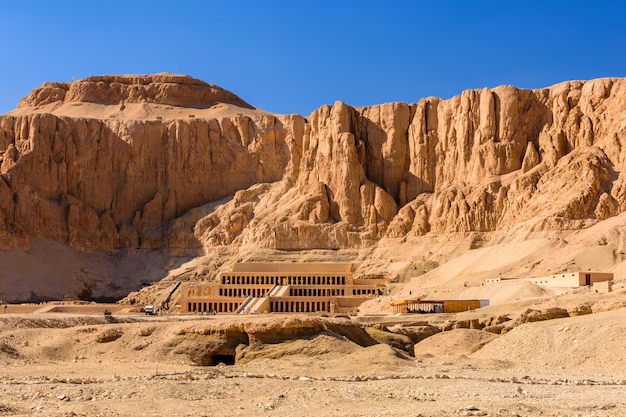
Crossing to the West Bank of the Nile brings you to one of the most important archaeological sites in the world — the Valley of the Kings.
Hidden among desert hills, this valley served as the burial place for New Kingdom pharaohs for nearly 500 years.
Why the Valley Was Chosen
Unlike pyramids, which were visible targets for tomb robbers, the tombs here were carved deep into desert cliffs to protect royal burials.
Inside the Tombs
The Valley contains more than 60 tombs, including those of:
- Tutankhamun
- Ramses II
- Seti I
- Thutmose III
Inside, walls are covered with colorful scenes from the Book of the Dead, guiding pharaohs through the afterlife.
The tomb of Tutankhamun, discovered in 1922 by Howard Carter, remains one of the most famous archaeological finds in history.
A Spiritual Atmosphere
Standing inside these tombs, surrounded by detailed paintings created over 3,000 years ago, feels intimate and powerful. The silence of the desert above contrasts with the artistic brilliance hidden within.
The Valley of the Kings offers direct connection to the individuals who once ruled ancient Egypt.
4. Temple of Hatshepsut – A Dramatic Cliffside Wonder
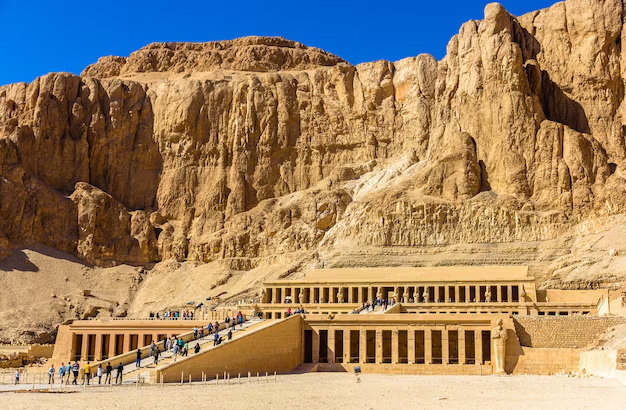
One of Luxor’s most architecturally unique monuments is the Temple of Hatshepsut, located at Deir el-Bahari.
Built for Queen Hatshepsut, one of Egypt’s few female pharaohs, this temple stands dramatically against towering limestone cliffs.
A Monument to a Powerful Queen
Hatshepsut ruled during a prosperous and peaceful period. Her temple reflects elegance and innovation rather than brute monumentality.
The structure features:
- Three massive terraces
- Long colonnaded walkways
- Detailed relief carvings
Architectural Harmony
The temple blends seamlessly with the surrounding cliffs, creating one of Egypt’s most photogenic landscapes.
Historical Significance
Hatshepsut’s reign was marked by trade expeditions and economic growth. However, after her death, attempts were made to erase her legacy.
Despite these efforts, her temple remains one of the most impressive monuments in Luxor.
Visiting this site offers not only architectural admiration but also insight into one of ancient Egypt’s most fascinating rulers.
5. Hot Air Balloon Rides – Sunrise Over the Nile
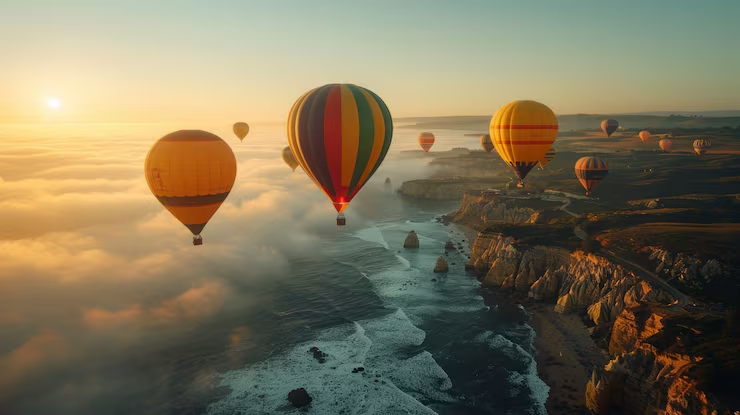
For a truly unforgettable Luxor experience, few activities compare to a hot air balloon ride at sunrise.
A View Like No Other
As the balloon rises gently above the Nile Valley, passengers witness:
- The sun emerging over the desert
- The Nile River glowing in morning light
- Green farmland contrasting with golden sands
- Temples and tombs scattered below
The peaceful silence of floating above ancient monuments creates a magical perspective.
Why It’s Special
From the air, you can see:
- The layout of ancient Thebes
- The Valley of the Kings
- Hatshepsut’s Temple
- The Colossi of Memnon
It’s one of the most breathtaking ways to appreciate Luxor’s geography and historical scale.
East Bank vs West Bank – Two Sides of History
Luxor’s unique layout divides its monuments symbolically:
East Bank – Land of the Living
West Bank – Land of the Dead
Temples dedicated to gods were built on the sunrise side of the Nile, while royal tombs were placed on the sunset side — symbolizing the journey into the afterlife.
This spiritual symbolism adds deeper meaning to exploring both sides of the river.
Culture and Modern Life in Luxor
Though famous for ancient monuments, Luxor is also a lively modern city.
Visitors can enjoy:
- Traditional markets (souks)
- Nile-side cafés
- Felucca boat rides
- Local restaurants serving Egyptian cuisine
The blend of ancient grandeur and everyday Egyptian hospitality creates a welcoming atmosphere.
Best Time to Visit Luxor
The best time to visit is from October to April, when temperatures are cooler.
Summer can be extremely hot, especially when exploring outdoor archaeological sites.
Early mornings and late afternoons are ideal for sightseeing.
Why Visit Luxor?
Luxor offers:
The largest religious complex ever built
Temples illuminated beautifully at night
Royal tombs hidden in desert valleys
One of Egypt’s most iconic female rulers
Unmatched sunrise views from the sky
Direct connection to the New Kingdom era
Few destinations in the world provide such concentration of monumental history in one place.
Final Thoughts
Luxor is not just a destination — it is a journey through time. From the towering columns of Karnak to the illuminated elegance of Luxor Temple, from the hidden tombs of the Valley of the Kings to the dramatic terraces of Hatshepsut’s Temple, every monument tells a story of power, faith, and eternity.
Add the serenity of a Nile sunrise from a hot air balloon, and Luxor becomes an experience that touches both intellect and emotion.
For anyone exploring Egypt, Luxor is essential — a city where the ancient world still stands in magnificent form, waiting to be discovered.
Related artical : Top 5 Tourist Places in Kafr El Sheikh, Egypt.
<p>The post Top 5 Tourist Places in Luxor, Egypt. first appeared on Traveling Info World.</p>
]]><p>The post Top 5 Tourist Places in Kafr El Sheikh, Egypt. first appeared on Traveling Info World.</p>
]]>Unlike Egypt’s famous archaeological hotspots, Kafr El Sheikh is defined by water and greenery. From the vast wetlands of Burullus Lake to the coastal breeze of Baltim Beach, the governorate presents a softer, more relaxed side of Egyptian travel.
It is a destination where migratory birds gather, fishermen sail at dawn, farmers cultivate fertile lands, and local traditions remain deeply rooted in daily life.
For travelers seeking nature, authenticity, and cultural immersion beyond Egypt’s mainstream tourism, Kafr El Sheikh is a hidden gem worth exploring.
Let’s discover the top attractions in Kafr El Sheikh.
1. Burullus Lake – A Protected Wildlife Reserve of International Importance

One of the most significant natural landmarks in northern Egypt is Burullus Lake, the second-largest natural lake in the country. This vast lagoon lies between the Mediterranean Sea and the fertile farmlands of the Nile Delta, creating a unique ecosystem that supports extraordinary biodiversity.
Designated as a protected area and recognized under international environmental agreements, Burullus Lake is a paradise for wildlife enthusiasts and eco-tourists.
A Sanctuary for Migratory Birds
Burullus Lake is globally known as one of the most important bird habitats in the Mediterranean region. Every year, thousands of migratory birds stop here during their seasonal journeys between Europe and Africa.
Bird species you may encounter include:
- Flamingos
- Herons
- Egrets
- Pelicans
- Ducks and geese
- Rare waterfowl
During migration seasons, the sky above the lake becomes alive with movement. For birdwatchers and photographers, this is one of Egypt’s most rewarding natural destinations.
Unique Wetland Ecosystem
The lake is surrounded by:
- Reed beds
- Sand dunes
- Shallow waters
- Marshlands
This combination creates an environment rich in fish and aquatic plants. The lake plays a crucial role in supporting local fisheries and maintaining ecological balance.
Activities at Burullus Lake
Visitors can enjoy:
- Birdwatching excursions
- Boat rides with local fishermen
- Nature photography
- Peaceful lakeside walks
The atmosphere here is calm and untouched, offering a refreshing escape from city life.
Burullus Lake represents the natural heart of Kafr El Sheikh.
2. Baltim Beach – A Peaceful Mediterranean Escape

Along the northern coast of Kafr El Sheikh lies Baltim Beach, a serene stretch of Mediterranean coastline known for its clean sands, refreshing sea breeze, and family-friendly environment.
Unlike heavily commercialized beach destinations, Baltim offers a relaxed and affordable seaside experience.
A Local Favorite
Baltim is particularly popular among Egyptian families during the summer months. The beach provides:
- Wide sandy shores
- Gentle waves
- Clear sea views
- Casual beachfront cafés
Its calm environment makes it ideal for those seeking relaxation rather than nightlife or luxury resorts.
Ideal for Summer Retreats
During the summer season, Baltim transforms into a lively coastal retreat. Families gather to swim, picnic, and enjoy seafood meals by the sea.
The Mediterranean breeze helps moderate temperatures, making it a comfortable escape from inland heat.
Sunset by the Sea
Evenings at Baltim are magical. As the sun sets over the Mediterranean horizon, the sky turns shades of orange and pink, creating a peaceful and romantic atmosphere.
Baltim Beach is perfect for:
- Swimming
- Sunbathing
- Beach photography
- Relaxed seaside dining
For travelers exploring northern Egypt, it offers a tranquil coastal experience.
3. Desouk Mosque – A Spiritual and Architectural Landmark

The city of Desouk, located in Kafr El Sheikh Governorate, is home to one of Egypt’s most important religious landmarks — the Ibrahim El-Desouki Mosque.
This mosque holds deep spiritual significance and attracts visitors and pilgrims from across the country.
A Center of Sufi Tradition
The mosque is dedicated to Sheikh Ibrahim El-Desouki, a respected Sufi saint. His shrine inside the mosque draws thousands of visitors, particularly during annual religious festivals.
Like other major Sufi centers in Egypt, the mosque becomes especially lively during celebrations, when worshippers gather for spiritual ceremonies, prayers, and communal events.
Architectural Beauty
The mosque features:
- Elegant minarets
- Spacious prayer halls
- Decorative Islamic patterns
- A grand courtyard
The structure blends traditional Islamic architectural styles with local Delta characteristics.
A Cultural Experience
Even outside festival times, Desouk Mosque offers a peaceful environment for reflection and appreciation of religious heritage.
Visitors interested in Egypt’s spiritual traditions will find this site meaningful and culturally rich.
4. Delta Countryside – The Agricultural Beauty of Northern Egypt

Kafr El Sheikh is deeply rooted in agriculture. Its countryside reflects the incredible fertility of the Nile Delta, which has supported civilizations for thousands of years.
Endless Green Fields
Driving through the governorate, you’ll see:
- Rice paddies
- Wheat fields
- Cotton crops
- Vegetable farms
- Irrigation canals fed by Nile branches
The lush greenery contrasts beautifully with Egypt’s desert imagery.
A Rural Lifestyle
Life in the Delta countryside revolves around farming and community. In villages across Kafr El Sheikh, you can observe:
- Farmers working in fields at sunrise
- Traditional irrigation techniques
- Livestock grazing
- Women baking bread in clay ovens
The pace of life here is calm and deeply connected to the land.
Seasonal Changes
Each season brings different colors to the countryside:
- Spring offers vibrant green growth
- Summer showcases golden harvests
- Autumn highlights agricultural activity
- Winter remains mild and fertile
For slow travelers and photographers, the Delta countryside is a treasure trove of authentic imagery.
5. Fishing Villages – Preserving Traditional Coastal Life
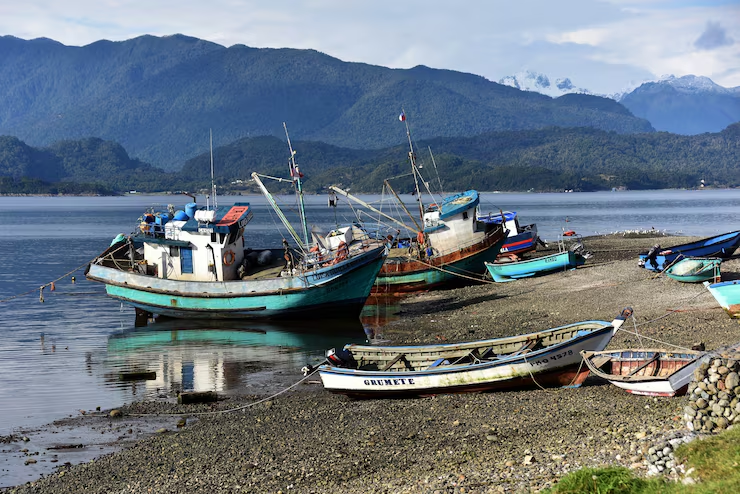
One of the most fascinating aspects of Kafr El Sheikh is its traditional fishing communities located around Burullus Lake and along the Mediterranean coast.
Life by the Water
Fishing villages here are defined by:
- Wooden fishing boats
- Nets drying along the shore
- Early morning departures at sunrise
- Fresh fish markets
Fishing is not just an occupation — it is a way of life passed down through generations.
A Unique Cultural Experience
Visitors can witness:
- Fishermen repairing nets
- Daily fish auctions
- Traditional boat-building techniques
- Simple waterfront homes
The rhythm of life in these villages follows the movement of water and the changing seasons.
Fresh Seafood
One of the highlights of visiting these communities is tasting freshly caught seafood, including:
- Tilapia
- Mullet
- Shrimp
- Crab
Local seafood dishes are simple yet flavorful, reflecting the freshness of the ingredients.
Culture and Daily Life in Kafr El Sheikh
Kafr El Sheikh reflects the authentic character of Egypt’s Nile Delta — hardworking, community-oriented, and deeply traditional.
Hospitality and Warmth
Visitors often experience genuine hospitality. In rural areas especially, people are welcoming and proud of their local culture.
Simple but Rich Traditions
Life here revolves around:
- Agriculture
- Fishing
- Religious celebrations
- Family gatherings
Unlike major tourist cities, the region offers an unfiltered look at everyday Egyptian life.
Best Time to Visit Kafr El Sheikh
The ideal time to visit is from October to April, when temperatures are mild and comfortable.
Spring and autumn are particularly pleasant for:
- Exploring wetlands
- Visiting the countryside
- Enjoying beach walks
Summer is ideal for Baltim Beach but can be warm inland.
Related artical : Top 5 Tourist Places in Ismailia, Egypt.
<p>The post Top 5 Tourist Places in Kafr El Sheikh, Egypt. first appeared on Traveling Info World.</p>
]]><p>The post Top 5 Tourist Places in Ismailia, Egypt. first appeared on Traveling Info World.</p>
]]>Unlike the intense energy of Cairo or the desert drama of Giza, Ismailia is calm, green, and open. Wide streets lined with trees, colonial-era architecture, waterfront promenades, and relaxed coastal areas give the city a distinctive character.
Often referred to as the “City of Beauty and Enchantment,” Ismailia is deeply connected to the construction of the Suez Canal — one of the most strategic and economically vital waterways in modern history.
Whether you’re fascinated by global trade routes, enjoy lakeside relaxation, love birdwatching, or seek a quiet Egyptian getaway, Ismailia delivers a rich and memorable experience.
Let’s explore the top attractions in Ismailia.
1. The Suez Canal – Witness One of the World’s Greatest Engineering Feats

The Suez Canal is not just a waterway — it is a symbol of global commerce and human ambition. Stretching approximately 193 kilometers, it connects the Mediterranean Sea to the Red Sea, allowing ships to travel between Europe and Asia without navigating around Africa.
Ismailia sits proudly along this strategic canal, offering some of the best views and historical context of its construction and operation.
A Waterway That Changed the World
Completed in 1869, the Suez Canal transformed international trade by dramatically reducing travel time between continents. Today, thousands of massive cargo ships pass through each year, carrying goods that fuel the global economy.
Standing along the canal in Ismailia, you can watch enormous container ships glide slowly through the narrow channel — a fascinating sight that highlights the scale of global maritime traffic.
Best Places to View the Canal
- Canal-side promenades
- Designated viewing points
- Cafés overlooking the water
- Ferry crossing points
Watching ships pass through the canal is surprisingly captivating. The contrast between peaceful surroundings and giant vessels moving silently across the water creates a powerful visual experience.
Canal History and Local Identity
The Suez Canal is central to Ismailia’s identity. The city was established during the canal’s construction and retains elements of European-influenced architecture from that period.
For travelers interested in modern history, colonial engineering projects, and global geopolitics, the Suez Canal alone makes Ismailia worth visiting.
2. Lake Timsah – Waterfront Leisure and Sunset Serenity

At the heart of Ismailia lies Lake Timsah, a beautiful saltwater lake connected to the Suez Canal. The lake gives the city a relaxed, coastal atmosphere despite being inland.
A Natural Gathering Place
Lake Timsah is where locals come to unwind. The waterfront offers:
- Walking paths and green parks
- Open spaces for picnics
- Fishing spots
- Lakeside cafés and restaurants
Families gather here in the evenings, children play near the shore, and couples stroll along the promenade.
Stunning Sunsets
One of the most magical experiences in Ismailia is watching the sunset over Lake Timsah. As the sun dips below the horizon, golden and orange hues reflect across the water, creating a peaceful and romantic atmosphere.
The combination of lake, sky, and distant ships on the canal makes for exceptional photography.
Water Activities
Depending on the season, visitors may enjoy:
- Small boat rides
- Kayaking
- Fishing excursions
- Relaxing by waterfront resorts
Lake Timsah offers the perfect balance between city life and natural calm.
3. Ismailia Museum – A Window into Canal and Ancient History
For those who wish to understand the deeper historical layers of the region, the Ismailia Museum is a must-visit.
Established in 1934, it is one of Egypt’s oldest museums and was originally built to house artifacts discovered during the construction of the Suez Canal.
What You’ll Discover
The museum displays a diverse collection of artifacts from:
- Pharaonic periods
- Greco-Roman eras
- Islamic history
- Canal construction era
Exhibits include statues, pottery, coins, tools, and historical photographs.
The Canal’s Historical Narrative
The museum highlights the story of the Suez Canal’s construction, including:
- The massive workforce involved
- Engineering techniques of the 19th century
- The canal’s political importance
For visitors exploring Ismailia, the museum provides essential context that enriches the entire experience.
4. Fayed Beaches – Relaxed Coastal Escapes Along the Canal

Located south of Ismailia along the western shore of the Great Bitter Lake (part of the Suez Canal system), Fayed is known for its quiet beaches and relaxed coastal atmosphere.
A Peaceful Alternative to Busy Resorts
Unlike the heavily developed Red Sea resorts, Fayed offers:
- Calm sandy beaches
- Gentle waters
- Family-friendly resorts
- Affordable seaside accommodations
It’s a favorite weekend getaway for Egyptians seeking relaxation without long-distance travel.
Swimming and Leisure
The waters in this area are generally calm, making them suitable for:
- Swimming
- Sunbathing
- Picnicking
- Casual waterfront dining
The relaxed vibe makes Fayed ideal for travelers who prefer peaceful coastal environments.
5. Natural Reserves and Birdlife – A Haven for Nature Lovers
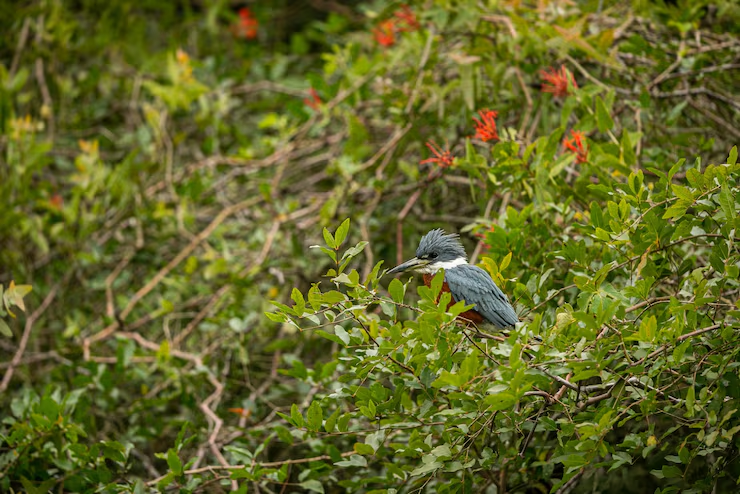
Ismailia and its surrounding areas are home to important natural reserves that attract migratory birds and wildlife.
Birdwatching Paradise
Because of its location along migratory routes, the region hosts various bird species throughout the year.
Birdwatchers may spot:
- Flamingos
- Herons
- Ducks
- Egrets
- Other migratory waterbirds
Lake areas and wetlands near Ismailia provide ideal conditions for birdlife.
Eco-Tourism Opportunities
Nature lovers can enjoy:
- Quiet observation walks
- Photography sessions
- Exploring wetlands
- Experiencing Delta and canal ecosystems
The combination of water, greenery, and open skies makes Ismailia surprisingly rich in biodiversity.
Culture and Atmosphere of Ismailia
Ismailia has a unique personality compared to other Egyptian cities.
European Architectural Influence
Due to its connection with the Suez Canal Company, parts of the city feature:
- French-style villas
- Colonial-era buildings
- Wide, organized streets
This gives Ismailia a more spacious and relaxed urban layout.
Friendly and Calm Environment
The city is known for being:
- Clean and organized
- Less crowded than Cairo
- Family-friendly
- Safe and welcoming
It offers a slower pace of life that many visitors find refreshing.
Best Time to Visit Ismailia
The ideal time to visit is from October to April, when temperatures are mild and perfect for outdoor activities.
Spring and autumn are especially pleasant for exploring waterfront areas and natural reserves.
Summers can be warm but are moderated by the breeze from the canal and lake.
Related artical : Top 5 Tourist Places in Giza, Egypt.
<p>The post Top 5 Tourist Places in Ismailia, Egypt. first appeared on Traveling Info World.</p>
]]><p>The post Top 5 Tourist Places in Giza, Egypt. first appeared on Traveling Info World.</p>
]]>Located just across the Nile River from Cairo, Giza blends ancient civilization with modern Egyptian life. It is a destination where 4,500-year-old monuments stand proudly beside bustling streets, and where history feels alive in every direction.
Whether you are a first-time visitor to Egypt or a returning traveler seeking deeper exploration, Giza is a must-visit destination that never fails to inspire awe.
Let’s explore the top attractions in Giza.
1. The Pyramids of Giza – The Last Wonder of the Ancient World
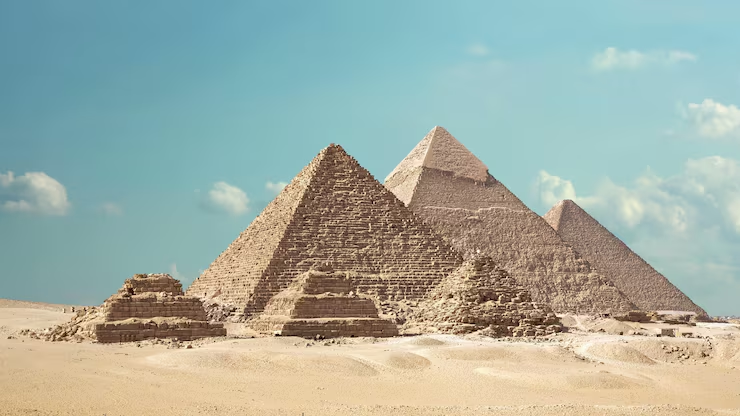
The Pyramids of Giza are the most famous monuments in Egypt — and the only surviving Wonder of the Ancient World.
Built over 4,500 years ago during the Fourth Dynasty of the Old Kingdom, these pyramids were constructed as royal tombs for powerful pharaohs. Standing at the edge of the Sahara Desert, they continue to amaze visitors with their scale, precision, and mystery.
The Great Pyramid of Khufu
The largest and most impressive of the three pyramids is the Great Pyramid, built for Pharaoh Khufu (also known as Cheops). Originally standing at 146 meters (481 feet), it remained the tallest man-made structure in the world for nearly 4,000 years.
What makes it extraordinary:
- Built with approximately 2.3 million stone blocks
- Each block weighs several tons
- Near-perfect alignment with the cardinal directions
- Complex internal chambers and passageways
Visitors can enter the pyramid and climb through narrow corridors leading to the King’s Chamber — an unforgettable and slightly adventurous experience.
Pyramid of Khafre
The second pyramid belongs to Pharaoh Khafre. It appears taller than the Great Pyramid due to its elevated position, and it still retains some of its original smooth limestone casing at the top.
Pyramid of Menkaure
The third and smallest pyramid was built for Pharaoh Menkaure. Though smaller, it remains an essential part of the iconic Giza skyline.
The Great Sphinx
Guarding the pyramids stands the Great Sphinx of Giza, one of the most mysterious monuments in the world.
Carved from a single limestone rock, the Sphinx features:
- The body of a lion
- The head of a pharaoh (believed to represent Khafre)
It symbolizes strength and wisdom. Standing before the Sphinx, visitors often feel a deep connection to ancient history.
Why Visit the Pyramids of Giza?
- Experience one of the world’s greatest archaeological sites
- Witness the only remaining Ancient Wonder
- Capture unforgettable desert sunrise and sunset photos
- Ride camels or horses across the plateau
- Explore ancient tombs and smaller pyramids nearby
The Giza Plateau is not just a monument — it is a journey back to the dawn of civilization.
2. Saqqara – The Birthplace of Pyramid Design
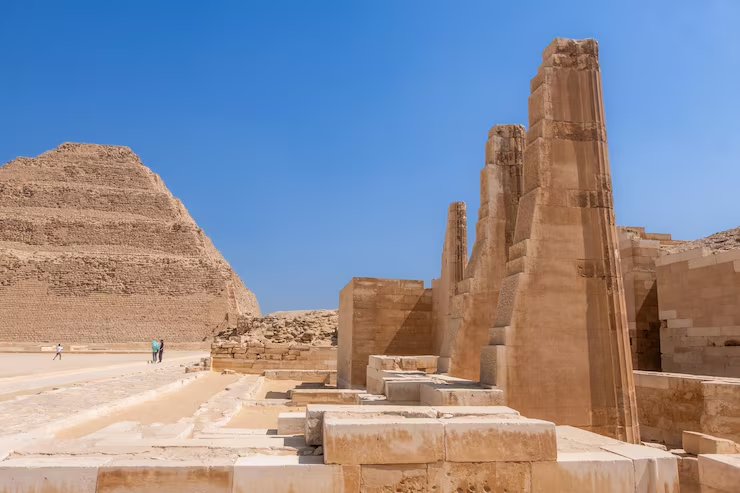
About 30 kilometers south of Giza lies Saqqara, one of Egypt’s most important archaeological sites.
While the Giza pyramids are the most famous, Saqqara holds something even more historically significant — the Step Pyramid of Djoser, the world’s first pyramid.
The Step Pyramid of Djoser
Built around 2630 BCE for Pharaoh Djoser by the architect Imhotep, this pyramid marked a revolutionary moment in architectural history.
Instead of smooth sides, it consists of six stepped layers stacked on top of one another. It represents the transition from simple mastaba tombs to the true pyramids seen later at Giza.
Why Saqqara is Special
Saqqara is not just one pyramid — it is a vast necropolis filled with:
- Tombs decorated with colorful wall carvings
- Ancient burial shafts
- Newly discovered artifacts
- The Pyramid of Teti
- Serapeum (burial place of sacred Apis bulls)
The tomb paintings here are remarkably well preserved, showing daily life scenes from ancient Egypt — farming, fishing, music, and religious rituals.
For history enthusiasts, Saqqara offers deeper insight into Egypt’s early dynasties and the evolution of pyramid construction.
3. Dahshur – The Experimental Pyramids
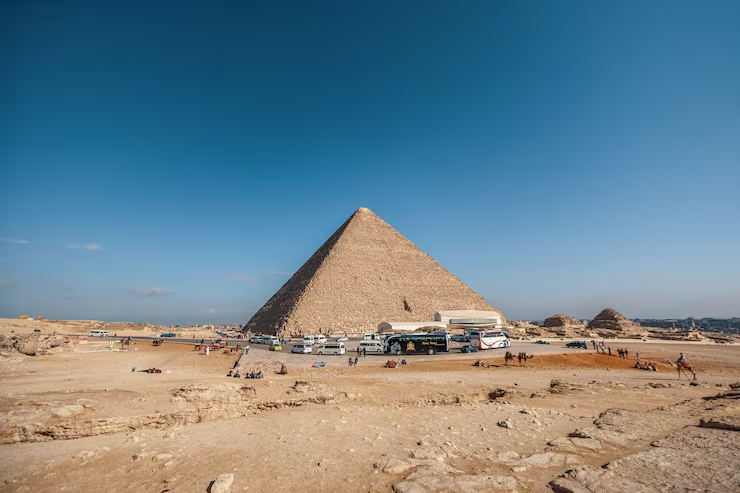
Further south lies Dahshur, a quieter and less crowded pyramid site that showcases architectural experimentation.
Dahshur is home to two fascinating pyramids built by Pharaoh Sneferu.
The Bent Pyramid
The Bent Pyramid is unique because its angle changes midway up the structure. Originally planned with a steep slope, the builders adjusted the angle during construction to prevent collapse.
This visible change gives the pyramid its distinctive “bent” appearance.
The Red Pyramid
The Red Pyramid is considered Egypt’s first successful smooth-sided pyramid. Its reddish limestone blocks give it its name.
Visitors can enter the Red Pyramid and explore its interior chambers, often with far fewer crowds than at Giza.
Why Visit Dahshur?
- Peaceful atmosphere
- Fewer tourists
- Up-close pyramid exploration
- Stunning desert scenery
Dahshur allows travelers to experience pyramid history in a more relaxed setting.
4. The Grand Egyptian Museum – A New Era of Archaeology
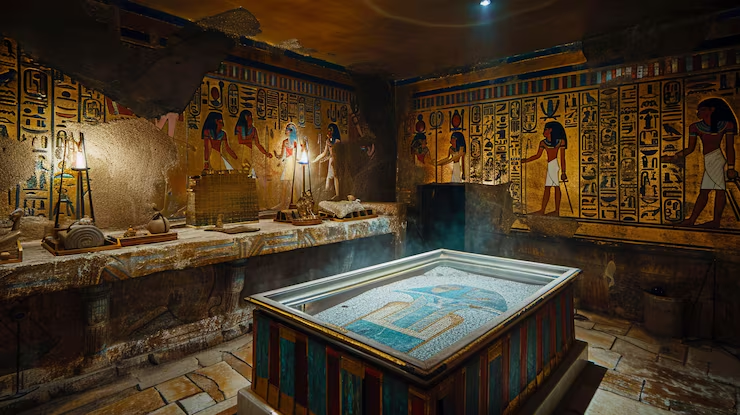
Located near the Giza Plateau, the Grand Egyptian Museum (GEM) is one of the most ambitious museum projects in the world.
Designed to house over 100,000 artifacts, the museum represents a new chapter in preserving and displaying Egypt’s ancient heritage.
Highlights of the Grand Egyptian Museum
- The complete treasures of Tutankhamun
- Massive statues of ancient pharaohs
- Interactive exhibits
- Modern architectural design
- Panoramic pyramid views from inside the museum
The museum blends cutting-edge technology with ancient artifacts, creating a world-class visitor experience.
For anyone visiting Giza, the Grand Egyptian Museum is an essential stop that enhances understanding of Egypt’s history.
5. Nile Cruises – A Different Perspective of Giza
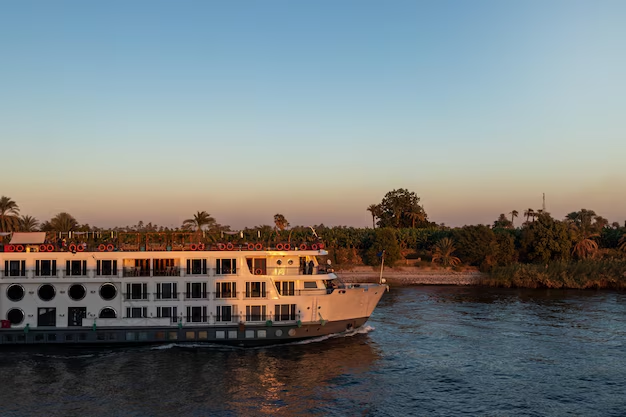
While Giza is famous for its desert monuments, the Nile River offers another side of its beauty.
Nile Dinner Cruises
Visitors can enjoy:
- Traditional Egyptian cuisine
- Live music and dance performances
- Belly dancing shows
- Stunning nighttime views of Cairo and Giza
Felucca Boat Rides
For a more traditional experience, travelers can take a felucca — a wooden sailing boat — for a peaceful ride along the Nile.
The gentle breeze and river reflections create a calming contrast to the busy city streets.
Nile cruises provide relaxation after a full day exploring pyramids and museums.
Culture and Modern Life in Giza
Beyond its ancient monuments, Giza is a living, vibrant city with bustling streets, markets, and local neighborhoods.
Visitors can explore:
- Traditional cafés
- Local restaurants serving koshari and grilled meats
- Shopping areas
- Artisan markets selling souvenirs
Giza combines ancient grandeur with modern Egyptian culture.
Best Time to Visit Giza
The best months to visit are October to April, when temperatures are cooler and more comfortable for walking outdoors.
Early mornings and late afternoons are ideal for exploring the pyramids to avoid heat and crowds.
Related artical : Top 5 Tourist Places in Gharbia, Egypt.
<p>The post Top 5 Tourist Places in Giza, Egypt. first appeared on Traveling Info World.</p>
]]><p>The post Top 5 Tourist Places in Gharbia, Egypt. first appeared on Traveling Info World.</p>
]]>With its vibrant religious festivals in Tanta, peaceful Delta villages, bustling local markets, lush green farmlands, and historic mosques, Gharbia stands as one of the most culturally grounded regions in northern Egypt.
If you are looking to explore beyond pyramids and beach resorts, Gharbia offers an experience rooted in tradition, community, and rural beauty.
Let’s explore the top attractions in Gharbia.
1. Tanta – The Spiritual Capital of the Nile Delta
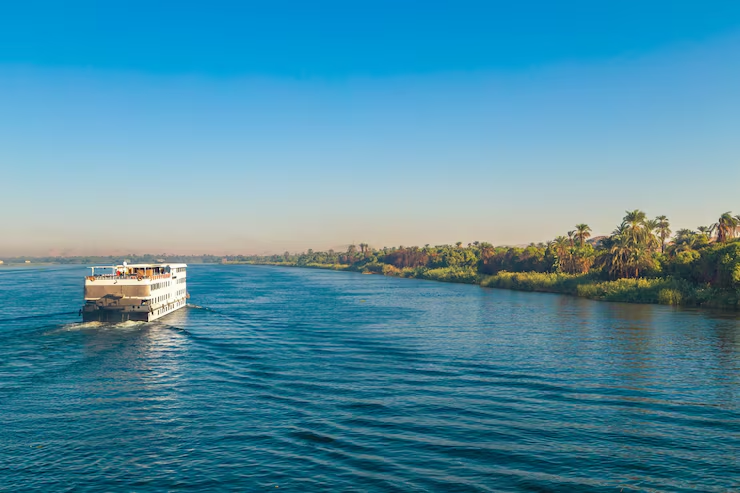
Tanta, the capital of Gharbia, is one of Egypt’s most spiritually significant cities. Known primarily for the Ahmad Al-Badawi Mosque and its famous religious festivals, Tanta attracts millions of visitors each year.
Ahmad Al-Badawi Mosque – A Major Religious Landmark
The Ahmad Al-Badawi Mosque is one of Egypt’s most important Islamic shrines. It is dedicated to Sheikh Ahmad Al-Badawi, a revered 13th-century Sufi saint.
The mosque is a stunning example of Islamic architecture, featuring:
- Large domes
- Elegant minarets
- Intricate decorative details
- Spacious prayer halls
Inside the mosque lies the tomb of Ahmad Al-Badawi, which draws pilgrims from across Egypt and neighboring countries.
The atmosphere inside is peaceful yet powerful. Visitors often witness worshippers praying, reflecting, and seeking blessings.
The Famous Tanta Religious Festival (Moulid)
Tanta is most famous for hosting one of the largest religious festivals in the Middle East — the Moulid of Ahmad Al-Badawi.
Each year, millions of people gather in Tanta to celebrate this event. The city transforms into a lively spiritual celebration filled with:
- Sufi chanting and spiritual ceremonies
- Traditional music
- Street food vendors
- Colorful tents and gatherings
- Religious lectures and performances
The festival reflects Egypt’s deep-rooted Sufi traditions and is a powerful display of community unity and faith.
For travelers interested in cultural immersion, witnessing this festival is an unforgettable experience.
2. Nile Delta Villages – Authentic Rural Tourism
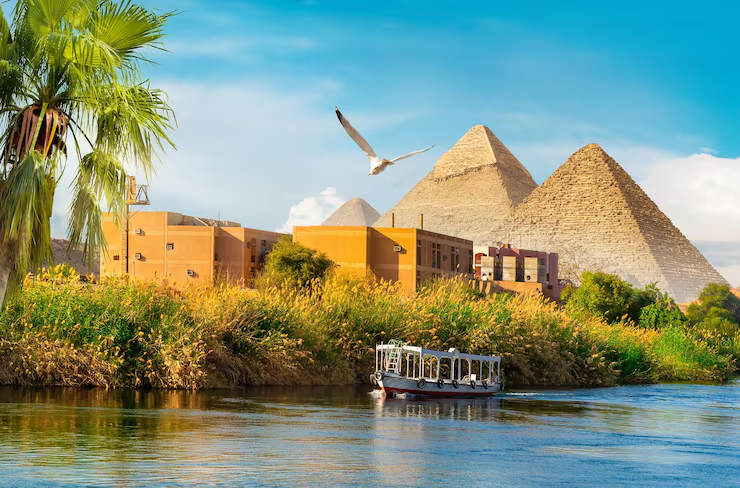
Beyond Tanta’s spiritual energy lies the true charm of Gharbia — its peaceful Nile Delta villages.
Life in the Delta Countryside
Gharbia is primarily an agricultural governorate, and much of its beauty lies in its rural simplicity. Small villages are surrounded by:
- Green fields of rice and wheat
- Irrigation canals
- Palm trees
- Traditional mud-brick homes
Walking through these villages offers a completely different side of Egypt — far from tourist crowds and modern city noise.
Here, daily life revolves around farming, family, and community.
Rural Hospitality
Visitors to Delta villages often experience incredible hospitality. Locals are warm, welcoming, and curious about visitors.
It’s common to see:
- Farmers working in the fields
- Women baking traditional bread
- Children playing along irrigation canals
- Livestock grazing peacefully
For photographers and cultural travelers, the Nile Delta villages provide authentic and picturesque scenes of Egyptian rural life.
3. Local Markets – The Pulse of Everyday Egyptian Life
If you truly want to understand Gharbia, you must explore its local markets.
Traditional Souks in Tanta and Nearby Towns
Markets in Gharbia are lively, colorful, and full of character. Vendors sell everything from:
- Fresh vegetables and fruits
- Spices and herbs
- Textiles and clothing
- Household goods
- Traditional sweets
The scent of spices fills the air, while merchants call out to customers in energetic voices.
A Cultural Experience
Unlike modern shopping malls, these markets reflect real Egyptian daily life.
Visitors can observe:
- Bargaining traditions
- Friendly conversations between vendors
- Traditional weighing scales
- Handmade goods
Street food is also a highlight. You may find:
- Fresh falafel (taameya)
- Koshari
- Sugarcane juice
- Local pastries
Exploring these markets is not just about shopping — it’s about experiencing the rhythm of Delta life.
4. Agricultural Landscapes – The Green Heart of the Delta
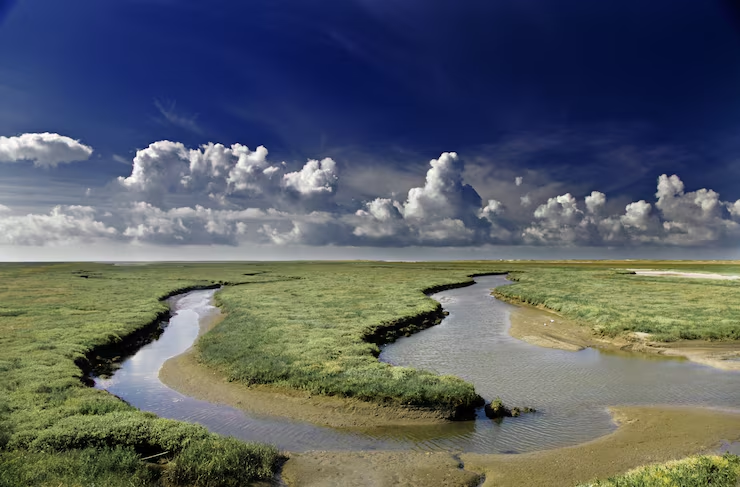
One of Gharbia’s most defining features is its lush agricultural landscape.
Fertile Lands of the Nile Delta
The Nile Delta is one of the most fertile regions in the world, and Gharbia sits at its heart. The land here is rich and productive, supporting crops such as:
- Cotton
- Rice
- Wheat
- Corn
- Vegetables
Driving through Gharbia, you’ll see endless stretches of greenery, intersected by narrow irrigation canals that distribute Nile water to farms.
Seasonal Beauty
Each season brings a different look to the countryside:
- Spring offers bright green fields
- Summer brings golden crops
- Autumn showcases harvest scenes
- Winter remains mild and pleasant
The calm rural scenery makes Gharbia perfect for slow travel and countryside photography.
5. Historic Mosques – Cultural and Architectural Heritage
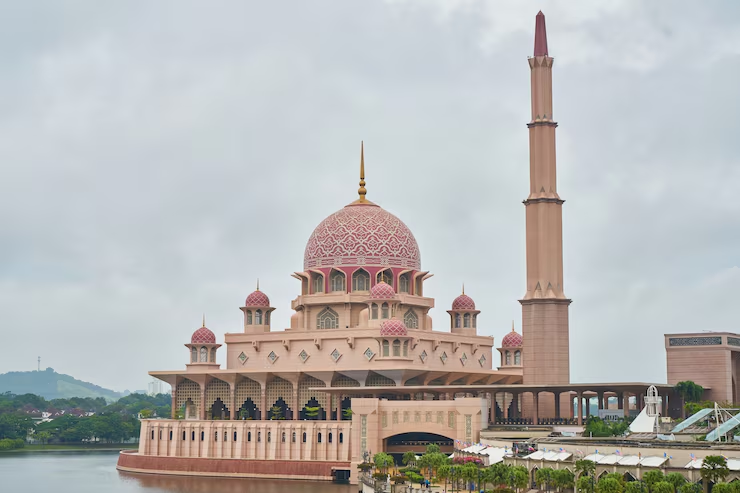
Gharbia is home to numerous historic mosques beyond Ahmad Al-Badawi Mosque.
Islamic Architecture in the Delta
Many of the mosques in Gharbia feature:
- Classic Islamic arches
- Decorative geometric patterns
- Traditional minarets
- Courtyards for community gatherings
These mosques serve as both religious centers and social hubs for local communities.
A Reflection of Community Life
In Delta towns, mosques are central to daily life. They are places not only for prayer but also for:
- Religious education
- Community discussions
- Celebrations during Ramadan and Eid
Visiting these historic mosques offers insight into the spiritual backbone of Gharbia.
Culture and Traditions in Gharbia
Gharbia reflects traditional Egyptian values deeply rooted in family, agriculture, and faith.
Festivals and Celebrations
In addition to the famous Tanta Moulid, the region celebrates:
- Ramadan nights with lanterns and gatherings
- Eid festivals with communal prayers
- Wedding celebrations filled with music and dancing
Traditional Cuisine
Gharbia’s cuisine is simple yet delicious, often made from fresh local ingredients.
Popular dishes include:
- Ful medames (fava beans)
- Taameya (Egyptian falafel)
- Molokhia
- Fresh baked baladi bread
- Local cheeses and dairy products
Because of the agricultural richness, food here is always fresh and flavorful.
Best Time to Visit Gharbia
The ideal time to visit Gharbia is between October and April, when temperatures are moderate and perfect for walking and exploring rural areas.
If you wish to experience the Tanta religious festival, check the Islamic calendar for the Moulid of Ahmad Al-Badawi.
Final Thoughts
Gharbia represents the soul of the Nile Delta — spiritual, fertile, traditional, and welcoming. From the spiritual atmosphere of Tanta’s Ahmad Al-Badawi Mosque to the quiet charm of rural villages and lush farmlands, the region offers a deeply authentic Egyptian experience.
If you’re exploring Egypt beyond the usual tourist attractions, Gharbia deserves a place on your journey. It may not be flashy, but its cultural richness and community spirit make it unforgettable.
Related artical : Top 5 Tourist Places in Damietta, Egypt.
<p>The post Top 5 Tourist Places in Gharbia, Egypt. first appeared on Traveling Info World.</p>
]]><p>The post Top 5 Tourist Places in Damietta, Egypt. first appeared on Traveling Info World.</p>
]]>Unlike the desert landscapes many associate with Egypt, Faiyum surprises visitors with waterfalls, vast freshwater lakes, protected wildlife areas, UNESCO heritage sites, and even prehistoric whale fossils dating back millions of years.
This unique combination of nature and history makes Faiyum one of the most diverse destinations in the country. Whether you are an adventure traveler, a history lover, a photographer, or simply someone looking for a peaceful escape from Cairo’s busy streets, Faiyum offers an unforgettable experience.
Let’s explore the top attractions in Faiyum.
1. Wadi El Rayan – Egypt’s Only Natural Waterfalls

Wadi El Rayan is undoubtedly one of Faiyum’s most famous attractions. Located within a protected natural reserve, this stunning area is known for its beautiful lakes, desert landscapes, and Egypt’s only natural waterfalls.
Yes — waterfalls in Egypt.
The reserve consists of two large lakes connected by cascading waterfalls. The upper lake flows into the lower lake, creating a rare and picturesque scene in the middle of the desert.
Why Visit Wadi El Rayan?
The contrast between golden sand dunes and sparkling blue water is breathtaking. Visitors can enjoy:
- Watching the waterfalls cascade between the lakes
- Sandboarding on nearby dunes
- Picnicking by the water
- Spotting desert wildlife
- Taking incredible sunset photos
The peaceful atmosphere makes it ideal for couples, families, and nature lovers alike.
Adventure and Relaxation Combined
Wadi El Rayan is perfect for both relaxation and adventure. Some travelers come to swim in the lakes, while others prefer off-road desert safaris around the reserve.
The area is also home to rare wildlife species, including gazelles and various bird species, making it a popular spot for eco-tourism.
The best time to visit is during the cooler months (October to April), when the weather is pleasant and ideal for exploring.
2. Lake Qarun – A Historic Lake of Beauty and Birdlife

Lake Qarun is one of the oldest natural lakes in the world. Once part of the ancient Lake Moeris mentioned in Pharaonic history, today it remains one of Egypt’s most important inland lakes.
Stretching across the northern part of Faiyum, Lake Qarun offers a peaceful environment far from city noise.
Birdwatching Paradise
Lake Qarun is internationally recognized as a birdwatching hotspot. During migration seasons, thousands of birds stop here, including:
- Flamingos
- Herons
- Ducks
- Grebes
For nature photographers and bird enthusiasts, this is one of Egypt’s top eco-destinations.
Relaxation by the Water
Visitors can enjoy:
- Lakeside walks
- Fishing trips
- Quiet reflection time
- Stunning sunset views
The calm waters reflecting the desert hills create a magical atmosphere, especially in the evening.
Unlike coastal beaches, Lake Qarun provides a tranquil inland escape surrounded by natural scenery.
3. Wadi Al-Hitan – The UNESCO “Valley of the Whales”
One of the most extraordinary places in Egypt — and in the world — is located right in Faiyum.
Wadi Al-Hitan, also known as the Valley of the Whales, is a UNESCO World Heritage Site famous for containing fossilized remains of prehistoric whales that lived over 40 million years ago.
A Journey Back in Time
This site offers visitors a rare opportunity to walk among ancient whale skeletons preserved in the desert sands.
These fossils provide crucial scientific evidence of whale evolution — showing how ancient land mammals gradually transformed into sea creatures.
It is truly like stepping into a natural open-air museum.
What to Expect
Visitors can explore:
- Well-preserved whale skeletons
- Informational displays explaining evolution
- Desert landscapes stretching endlessly
- Unique rock formations
The silence and vastness of the desert make the experience even more powerful.
Wadi Al-Hitan is not just a tourist attraction — it is a globally important scientific site that connects visitors to Earth’s prehistoric past.
4. Tunis Village – Faiyum’s Artistic and Cultural Gem
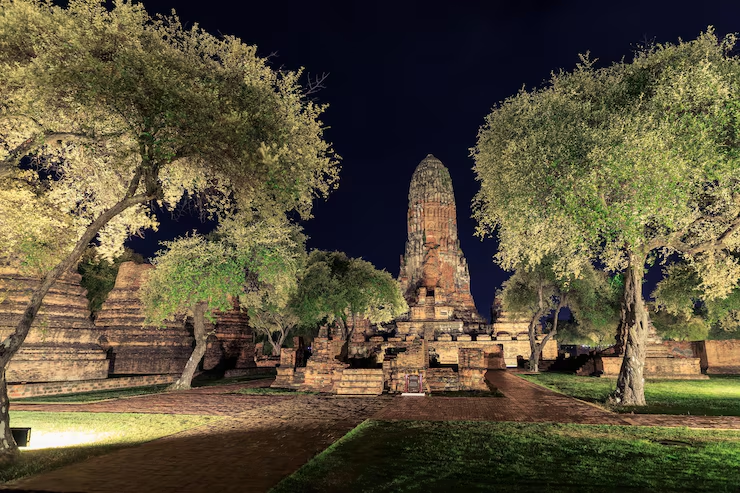
Tunis Village is a charming and colorful artistic community overlooking Lake Qarun. Over the years, it has become famous for its pottery workshops, art studios, and peaceful rural atmosphere.
The Pottery Capital of Faiyum
The village gained international recognition thanks to its ceramic artists. Handmade pottery pieces here are beautifully crafted and often inspired by Egyptian culture and nature.
Visitors can:
- Watch artisans create pottery
- Take pottery-making workshops
- Buy handmade souvenirs
- Explore art galleries
The creative energy in Tunis Village makes it completely different from other rural areas in Egypt.
Relaxing Countryside Vibes
Surrounded by green fields and overlooking the lake, Tunis Village offers boutique guesthouses and eco-lodges perfect for weekend getaways.
Many visitors from Cairo come here for relaxation, art retreats, and photography.
Its peaceful charm and artistic spirit make it one of Faiyum’s most beloved destinations.
5. Hawara Pyramid – Ancient Ruins of the Middle Kingdom

While Faiyum is known for natural beauty, it also holds deep historical significance.
The Hawara Pyramid was built during the 12th Dynasty by Pharaoh Amenemhat III. Although much of the pyramid is now in ruins, it remains an important archaeological site.
The Lost Labyrinth
Ancient historians once described a massive “Labyrinth” near Hawara that rivaled the grandeur of the pyramids. Though little remains today, the legend adds mystery and intrigue to the site.
Why History Lovers Should Visit
Visiting Hawara offers:
- Insight into Middle Kingdom architecture
- A quieter pyramid experience away from Giza crowds
- A glimpse into ancient engineering techniques
Standing near the pyramid, surrounded by desert silence, gives visitors a sense of Egypt’s vast and layered history.
Why Visit Faiyum?
Faiyum is unique because it combines:
Natural waterfalls in the desert
A prehistoric UNESCO whale valley
One of the world’s oldest lakes
An artistic pottery village
Ancient pyramid ruins
Peaceful eco-tourism experiences
Few destinations in Egypt offer such diversity in one location.
It’s perfect for:
- Weekend trips from Cairo
- Nature lovers
- History enthusiasts
- Adventure seekers
- Photographers
- Families
Best Time to Visit Faiyum
The best months are October to April when temperatures are cooler and more comfortable for outdoor exploration.
Summer can be very hot, especially in desert areas like Wadi Al-Hitan.
Final Thoughts
Faiyum is truly one of Egypt’s hidden treasures. It offers something rare — waterfalls in the desert, prehistoric whale fossils, ancient pyramids, artistic communities, and peaceful lakes all within one governorate.
For travelers who want to experience a different side of Egypt beyond the pyramids of Giza and the temples of Luxor, Faiyum provides a refreshing, diverse, and unforgettable journey.
If you’re exploring Egypt’s Nile Delta and nearby regions, pairing Faiyum with destinations like Damietta creates a perfect balance of desert adventure and coastal relaxation.
Related artical : Top 5 Tourist Places in Dakahlia, Egypt.
<p>The post Top 5 Tourist Places in Damietta, Egypt. first appeared on Traveling Info World.</p>
]]><p>The post Top 5 Tourist Places in Damietta, Egypt. first appeared on Traveling Info World.</p>
]]>This city blends natural beauty, cultural heritage, and local industry, making it a unique destination for travelers seeking authenticity and coastal relaxation.
Let’s explore the top attractions in Damietta.
1. Ras El Bar – Egypt’s Classic Beach Resort

Ras El Bar is Damietta’s most famous destination and one of Egypt’s oldest summer resorts. Located at the meeting point of the Nile River and the Mediterranean Sea, it offers a rare and scenic natural phenomenon — watching river waters merge into the open sea.
The area is especially popular during the summer months, when families from Cairo and other Delta cities come to enjoy the refreshing sea breeze and clean beaches. The long sandy coastline provides plenty of space for swimming, sunbathing, and evening walks.
Ras El Bar is also known for its charming wooden beach houses, known locally as “eshash,” which give the area a nostalgic character. The relaxed vibe, combined with seafood restaurants and seaside cafés, makes it an ideal destination for both families and couples.
Sunrise and sunset views here are particularly stunning, as the sky reflects beautifully across both river and sea.
2. Damietta Corniche – Where the Nile Meets the Mediterranean
The Damietta Corniche is one of the city’s most scenic areas. Stretching along the Nile River, it provides peaceful walking paths, riverside cafés, and panoramic water views.
What makes this location special is its proximity to the point where the Nile branches into the Damietta branch before reaching the Mediterranean. Visitors can enjoy watching fishing boats glide across the water while feeling the cool Delta breeze.
In the evenings, the Corniche becomes lively with families strolling, children playing, and locals gathering at cafés. The area reflects the calm and friendly spirit of Damietta.
It’s the perfect place for a relaxing walk, photography, or simply sitting by the water and enjoying the view.
3. Furniture Markets – The Craftsmanship Capital of Egypt

Damietta is famous throughout Egypt for its furniture industry. The city has long been considered the country’s furniture capital, known for high-quality woodwork and handcrafted designs.
Walking through the furniture markets, visitors will see workshops and showrooms displaying everything from classic carved wooden pieces to modern European-style interiors.
The craftsmanship here has been passed down through generations, making furniture production a core part of Damietta’s identity and economy.
Even if you’re not shopping, exploring these markets offers a fascinating look into the city’s artisanal culture. The scent of fresh wood, the sound of carving tools, and the intricate designs showcase the pride Damietta takes in its craftsmanship.
4. Azhar Mosque (Damietta) – A Historic Religious Landmark

The Azhar Mosque in Damietta is one of the city’s oldest and most important religious sites. With its elegant Islamic architecture and peaceful courtyard, it stands as a symbol of the city’s spiritual heritage.
Although not as large as Cairo’s famous Al-Azhar Mosque, this mosque holds significant local importance and reflects traditional Delta-style Islamic design.
Visitors can admire its arches, minaret, and tranquil prayer halls. The mosque serves as both a place of worship and a reminder of Damietta’s historical depth.
For travelers interested in cultural and religious architecture, it offers a quiet and meaningful stop.
5. Lighthouse Area – A Coastal Landmark

The lighthouse area in Ras El Bar marks one of the most iconic spots in Damietta. Positioned near the point where the Nile meets the Mediterranean, the lighthouse guides ships entering the river branch.
This area is especially popular for evening visits. The sea breeze, open horizon, and sound of waves create a relaxing atmosphere.
It’s also a favorite photography location, offering panoramic views of both river and sea stretching into the distance.
Standing here, visitors truly feel the geographical uniqueness of Damietta — a city shaped by both river and ocean.
Why Visit Damietta?
Damietta offers a peaceful coastal experience without the heavy crowds of larger tourist cities. It combines:
- Beautiful beaches at Ras El Bar
- Scenic Nile views along the Corniche
- Traditional craftsmanship in furniture markets
- Historic religious architecture
- A relaxed, family-friendly atmosphere
For travelers exploring the Nile Delta or looking for a quiet Mediterranean escape in Egypt, Damietta is a hidden gem worth discovering.
<p>The post Top 5 Tourist Places in Damietta, Egypt. first appeared on Traveling Info World.</p>
]]><p>The post Top 5 Tourist Places in Dakahlia, Egypt. first appeared on Traveling Info World.</p>
]]>Whether you’re seeking riverside relaxation, coastal escapes, or cultural exploration, Dakahlia provides a refreshing alternative to Egypt’s more tourist-heavy destinations.
In this complete travel guide, we explore the top places to visit, things to do, local culture, food, and travel tips for visiting Dakahlia.
Where is Dakahlia Located?
Dakahlia Governorate is situated in northern Egypt within the fertile Nile Delta region. It is bordered by:
- Damietta to the north
- Sharqia to the south
- Gharbia and Kafr El Sheikh to the west
- Port Said to the east
Its capital city, Mansoura, lies along the Damietta branch of the Nile River and serves as the political, cultural, and economic center of the governorate.
Thanks to its rich agricultural lands and strategic river location, Dakahlia has played an important role in Egypt’s history for centuries.
1. Mansoura – The Heart of Dakahlia

A City with History and Energy
Mansoura is one of the most important cities in the Nile Delta and is widely known for its educational institutions, especially Mansoura University. The city has a youthful and energetic atmosphere thanks to its large student population.
Historically, Mansoura is significant for the Battle of Mansoura (1250 AD) during the Seventh Crusade. It was here that Egyptian forces defeated King Louis IX of France. The city’s name, “Mansoura,” means “The Victorious,” reflecting this historic triumph.
Things to Do in Mansoura
Explore the Nile Corniche
The Mansoura Corniche runs along the Nile and is one of the most pleasant places to relax. Visitors can enjoy:
- Scenic river views
- Cafés overlooking the water
- Evening walks with locals
- Street food vendors
Sunset along the Nile is especially beautiful, with golden reflections shimmering on the water.
Visit Dar Ibn Luqman
This historic house is believed to be where King Louis IX was imprisoned after the Battle of Mansoura. It now functions as a small museum and is an important historical landmark.
Discover Local Markets
Traditional markets in Mansoura offer everything from fresh produce and spices to clothing and handmade goods. Exploring these markets provides insight into everyday Egyptian life.
2. Talkha Corniche – Peaceful Riverside Charm

Located just across the Nile from Mansoura, Talkha is a quieter town that offers a more relaxed atmosphere. While Mansoura buzzes with activity, Talkha provides calm riverside charm.
Why Visit Talkha?
Nile Promenade
Talkha’s Corniche is ideal for:
- Family outings
- Picnics by the river
- Peaceful morning walks
- Photography
The views of Mansoura from across the river create a scenic backdrop, especially at night when city lights reflect on the water.
Relaxed Local Atmosphere
Unlike major tourist cities, Talkha allows visitors to experience authentic Delta life without crowds.
3. Gamasa Beach – Dakahlia’s Mediterranean Escape

While Dakahlia is mostly known for agriculture and river life, it also has access to the Mediterranean Sea through Gamasa.
A Popular Summer Destination
Gamasa transforms into a lively beach resort during summer. Egyptian families flock here to enjoy:
- Sandy beaches
- Fresh sea breezes
- Affordable vacation rentals
- Seafood restaurants
Though it may not be as internationally known as Alexandria or Hurghada, Gamasa offers a more local and budget-friendly beach experience.
Activities in Gamasa
- Swimming in the Mediterranean
- Beachside relaxation
- Enjoying traditional seafood dishes
- Evening strolls along the coast
Summer (June–September) is peak season, while spring and autumn offer quieter visits.
4. Historic Mosques and Religious Heritage

Dakahlia is home to several historic mosques that reflect Islamic architectural traditions and local craftsmanship.
Architectural Beauty
Many mosques in the region feature:
- Elegant minarets
- Decorative Islamic calligraphy
- Traditional domes
- Peaceful courtyards
These mosques are not only religious centers but also important cultural landmarks.
Spiritual and Cultural Experience
Visiting local mosques provides insight into:
- Daily prayer traditions
- Community gatherings
- Islamic heritage in the Nile Delta
Respectful attire and behavior are recommended when visiting.
5. The Fertile Delta Farmlands
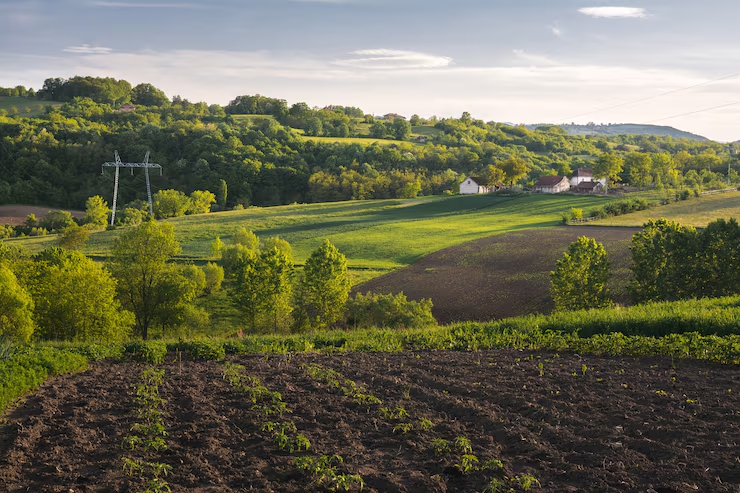
One of Dakahlia’s most defining features is its vast green countryside. The Nile Delta is among the most fertile agricultural areas in the world.
Rural Beauty
Traveling through Dakahlia’s villages, you’ll see:
- Palm trees and irrigation canals
- Rice and wheat fields
- Traditional farming techniques
- Farmers working with livestock
The landscape offers a peaceful contrast to Egypt’s desert imagery.
Agricultural Importance
Dakahlia plays a major role in producing:
- Rice
- Cotton
- Vegetables
- Fruits
This agricultural wealth has sustained the region for centuries.
Culture and Daily Life in Dakahlia
Unlike Egypt’s heavily touristed areas, Dakahlia provides a glimpse into authentic daily life.
Hospitality
Locals in the Nile Delta are known for their warmth and hospitality. Visitors are often welcomed with friendliness and curiosity.
Traditional Cuisine
Dakahlia offers delicious Egyptian dishes such as:
- Koshari (lentils, rice, pasta with tomato sauce)
- Ful Medames (fava beans)
- Fresh Nile fish
- Mediterranean seafood in Gamasa
- Baladi bread and local cheeses
Street food and family-owned restaurants offer the most authentic flavors.
Best Time to Visit Dakahlia
The ideal time to explore Dakahlia is from October to April when temperatures are mild and comfortable.
Seasonal Overview:
- Winter (Dec–Feb): Cool and pleasant
- Spring (Mar–May): Warm and green countryside
- Summer (Jun–Sep): Hot inland, but perfect for Gamasa Beach
How to Reach Dakahlia
From Cairo
Dakahlia is approximately 120–150 km from Cairo. Travel options include:
- Train to Mansoura
- Bus services
- Private car or taxi
The journey typically takes 2–3 hours.
Travel Tips for Visiting Dakahlia
- Dress modestly, especially in rural areas.
- Learn a few basic Arabic phrases.
- Carry cash, as smaller towns may not accept cards.
- Respect local customs and religious traditions.
- Visit during evening hours for the best Nile views.
Why Dakahlia is Worth Visiting
Dakahlia may not appear in every international travel brochure, but it offers something rare — authenticity. It is a place where you can:
- Walk along the Nile without tourist crowds
- Experience real Egyptian daily life
- Enjoy Mediterranean beaches at local prices
- Explore fertile farmlands and peaceful villages
- Discover historic Islamic architecture
For travelers seeking a deeper and more local connection to Egypt, Dakahlia is a hidden gem waiting to be explored.
Final Thoughts
Dakahlia represents the true spirit of the Nile Delta — fertile, vibrant, historic, and welcoming. From the lively streets of Mansoura to the calm waters of Talkha and the sandy shores of Gamasa, this governorate offers a diverse and rewarding travel experience.
If you’re planning a trip to Egypt and want to go beyond the typical tourist route, Dakahlia deserves a place on your itinerary.
Related artical : Top 5 Tourist Places in Cairo, Egypt.
<p>The post Top 5 Tourist Places in Dakahlia, Egypt. first appeared on Traveling Info World.</p>
]]>