<p>The post Top 5 Tourist Places in Amazonas, Colombia first appeared on Traveling Info World.</p>
]]>The Amazonas department of Colombia is one of the most extraordinary regions on Earth. Vast, mysterious, and alive with biodiversity, it forms part of the world’s largest tropical rainforest—the Amazon. This region is not about fast tourism or luxury skyscrapers; it is about nature in its rawest form, ancient cultures, powerful rivers, and unforgettable wildlife encounters.
Located at the southernmost tip of Colombia, bordering Brazil and Peru, Amazonas is a destination for explorers, nature lovers, photographers, and travelers seeking a deep connection with the planet. From river towns hidden in the jungle to national parks filled with pink dolphins and ancient trees, this region offers an experience unlike anywhere else in the country.
This long-form travel guide explores the top five must-visit places in Amazonas, revealing why this region is one of South America’s most important ecological and cultural treasures.
1. Leticia – Gateway to the Amazon Rainforest
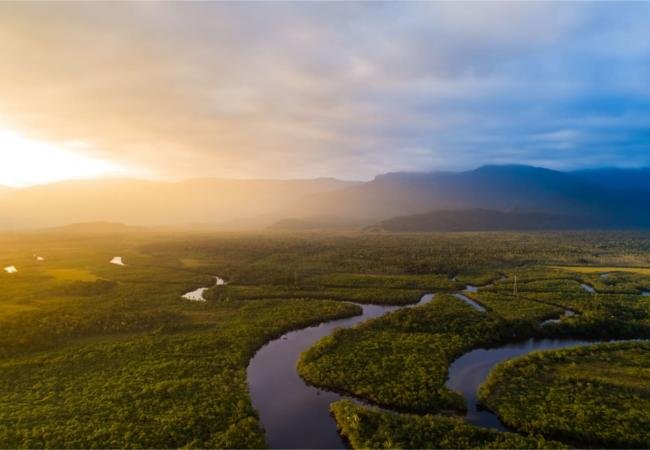
Leticia is the capital of the Amazonas department and the main entry point for travelers visiting the Colombian Amazon. Though relatively small, this lively river city plays a crucial role as the gateway to the rainforest and surrounding indigenous communities.
A City in the Jungle
Unlike most Colombian cities, Leticia has no road connections to the rest of the country. Visitors arrive by plane or by river, instantly feeling the sense of isolation and adventure that defines the Amazon. The city sits directly on the banks of the Amazon River, surrounded by thick rainforest and shared borders with Brazil and Peru.
Despite its remote location, Leticia is vibrant and welcoming. Markets, river ports, eco-lodges, and tour operators line the streets, catering to travelers eager to explore the jungle.
Cultural Diversity and Indigenous Influence
Leticia is home to a diverse population, including indigenous groups such as the Tikuna, Yagua, and Huitoto. Their languages, traditions, and crafts are an essential part of daily life. Visitors can learn about traditional medicines, ancestral rituals, and sustainable living practices through guided cultural experiences.
The city’s markets showcase handmade jewelry, woven baskets, wooden carvings, and natural products made from Amazonian plants.
Wildlife Encounters Near the City
Even within city limits, wildlife is everywhere. Monkeys roam freely in nearby parks, colorful birds fill the sky, and iguanas can be spotted sunbathing along the riverbanks. At dusk, travelers often gather at the riverfront to watch flocks of birds return to the jungle as the sun sets over the Amazon.
Why Visit Leticia?
Leticia is more than a transit point—it is the starting chapter of every Amazon adventure. It offers comfort, cultural immersion, and access to some of the most pristine rainforest areas in the world.
2. Amazon River – The Lifeline of the Rainforest

The Amazon River is the soul of the region and one of the most powerful natural forces on Earth. Flowing through multiple countries and carrying more water than any other river in the world, it defines life in Amazonas.
River Cruises and Jungle Journeys
Exploring the Amazon River by boat is one of the most unforgettable experiences in Colombia. From short wildlife cruises to multi-day jungle expeditions, the river serves as the main highway through the rainforest.
River journeys reveal:
- Dense jungle walls rising from the water
- Hidden tributaries and flooded forests
- Remote villages accessible only by canoe
- Wildlife sightings along the riverbanks
The slow rhythm of the river allows travelers to truly absorb the scale and beauty of the Amazon.
Wildlife Along the River
The Amazon River is home to extraordinary wildlife. Travelers may encounter:
- Pink river dolphins surfacing near boats
- Sloths resting in riverside trees
- Capybaras grazing along muddy banks
- Caimans lurking in shallow waters
- Macaws, toucans, and herons flying overhead
Early mornings and sunsets are the best times for wildlife viewing.
Life on the Water
For local communities, the river is everything. It provides food, transportation, and cultural identity. Fishing boats, wooden canoes, and river taxis move constantly between towns and villages, creating a dynamic yet peaceful scene.
Watching daily life unfold along the river offers insight into a lifestyle deeply connected to nature.
Why Visit the Amazon River?
The Amazon River is not just a river—it is an ecosystem, a culture, and a way of life. Experiencing it firsthand helps travelers understand why protecting the Amazon is vital for the planet.
3. Amacayacu National Park – A Sanctuary of Biodiversity

Amacayacu National Park is one of Colombia’s most important protected areas and a true highlight of any Amazonas journey. Covering vast stretches of rainforest, flooded jungle, and river channels, the park represents the Amazon in its purest form.
A Biodiversity Hotspot
Amacayacu is home to an astonishing variety of life, including:
- Over 400 bird species
- Hundreds of plant species
- Monkeys, jaguars, tapirs, and sloths
- Reptiles, amphibians, and insects found nowhere else
The park’s name comes from an indigenous word meaning “river of the hammocks,” reflecting its cultural roots.
Pink River Dolphins
One of the park’s most famous inhabitants is the pink river dolphin, a rare and magical species found only in the Amazon basin. These dolphins are often spotted swimming near boats, especially in flooded forest areas.
Seeing them in the wild is a once-in-a-lifetime experience and a symbol of the Amazon’s mystery.
Guided Nature Walks and Canoe Trips
Visitors explore Amacayacu through guided jungle hikes and canoe trips led by trained local guides. These walks reveal medicinal plants, ancient trees, animal tracks, and the hidden details of rainforest life.
Night walks offer a completely different experience, with glowing insects, nocturnal animals, and the sounds of the jungle filling the darkness.
Why Visit Amacayacu National Park?
This park is a living classroom of nature. It allows travelers to experience the Amazon responsibly while supporting conservation efforts and indigenous participation.
4. Puerto Nariño – Colombia’s Eco-Friendly River Town

Puerto Nariño is a small, peaceful town located along the Amazon River and often described as one of Colombia’s most beautiful villages. What makes it special is its strong commitment to sustainability and eco-friendly living.
A Town Without Cars
Puerto Nariño is famously car-free. Transportation is done on foot or by bicycle, creating a quiet, relaxed atmosphere that feels worlds away from modern cities. Wooden walkways connect houses, schools, and shops.
The absence of traffic allows nature to thrive—birds, butterflies, and small animals are part of everyday life.
Indigenous Heritage
The town has a strong indigenous presence, particularly from the Tikuna and Yagua communities. Their traditions influence education, local governance, and tourism.
Visitors can learn about ancestral customs, traditional clothing, and community-led conservation initiatives.
River Views and Observation Tower
Puerto Nariño offers stunning views of the Amazon River and nearby lakes. An observation tower provides panoramic views of the surrounding rainforest canopy, especially beautiful at sunrise and sunset.
Nearby lakes are ideal for spotting pink dolphins and water birds.
Why Visit Puerto Nariño?
Puerto Nariño represents hope for sustainable tourism in the Amazon. It shows that communities can protect nature while welcoming travelers in a respectful, meaningful way.
5. Monkey Island – Conservation-Focused Wildlife Encounters
Monkey Island is one of the most popular wildlife attractions near Leticia, offering visitors the chance to see rescued monkeys living freely in a protected environment.
A Sanctuary, Not a Zoo
Monkey Island is a conservation project dedicated to rehabilitating monkeys rescued from illegal wildlife trade. The animals are not caged and roam freely through the forest.
Species commonly found here include:
- Squirrel monkeys
- Capuchin monkeys
- Tamarins
Visitors observe the monkeys in their natural habitat while learning about conservation efforts.
Educational and Responsible Tourism
Guides explain the importance of protecting wildlife and the dangers of illegal animal trafficking. Visitors are encouraged to observe respectfully and avoid behaviors that could harm the animals.
The experience is both joyful and educational, especially for families and first-time Amazon visitors.
Why Visit Monkey Island?
Monkey Island offers a responsible way to connect with Amazonian wildlife, supporting conservation while creating unforgettable memories.
Final Thoughts: Why Amazonas Is a Once-in-a-Lifetime Destination
Amazonas is not just a place you visit—it is a place you feel. From the powerful flow of the Amazon River to the quiet paths of Puerto Nariño, from the biodiversity of Amacayacu to the cultural richness of Leticia, this region represents the heart of the natural world.
Traveling here fosters a deeper appreciation for nature, indigenous wisdom, and environmental responsibility. It is a destination that changes perspectives and leaves a lasting impact.
If you are searching for adventure, authenticity, and connection with the planet, Amazonas, Colombia, is a journey worth taking.
Related artical : Top 5 Tourist Places in Bogotá, Colombia
<p>The post Top 5 Tourist Places in Amazonas, Colombia first appeared on Traveling Info World.</p>
]]><p>The post Top 5 Tourist Places in Amazonas, Brazil first appeared on Traveling Info World.</p>
]]>Amazonas is the largest state in Brazil and one of the most extraordinary regions on Earth. Covering a vast portion of the Amazon Basin, this state is a living, breathing ecosystem filled with dense rainforests, winding rivers, rare wildlife, and indigenous cultures that date back thousands of years. For travelers seeking adventure, nature, culture, and once-in-a-lifetime experiences, Amazonas is not just a destination—it is a journey into the very lungs of our planet.
The Amazon Rainforest alone represents more than half of the world’s remaining tropical rainforest, and Amazonas is at its core. From bustling river ports to untouched jungle reserves, the region offers an unmatched blend of urban culture and raw wilderness. Whether you are a wildlife enthusiast, eco-tourist, photographer, or curious explorer, Amazonas promises unforgettable memories.
In this detailed travel blog, we explore the top 5 tourist places in Amazonas, Brazil, focusing on destinations that truly capture the spirit of the Amazon: Manaus, the Amazon Rainforest, the Meeting of the Waters, the Anavilhanas Archipelago, and Jaú National Park. Each location offers something unique, and together they form a complete picture of why Amazonas is one of the world’s most fascinating travel destinations.
1. Manaus – Gateway to the Amazon

Manaus is the capital city of Amazonas and the main entry point for most travelers visiting the Amazon region. Situated on the banks of the Rio Negro, Manaus is a vibrant city that blends colonial history, modern development, and deep Amazonian culture.
A City Born of the Rubber Boom
Manaus rose to prominence during the late 19th and early 20th centuries during the rubber boom, when the demand for natural rubber brought immense wealth to the region. This period transformed Manaus into one of the richest cities in the world at the time, leaving behind a legacy of grand architecture and European influence in the middle of the rainforest.
Teatro Amazonas: The Cultural Icon
The most iconic landmark in Manaus is the Teatro Amazonas, a magnificent opera house built in 1896. Featuring a colorful dome tiled with over 36,000 ceramic pieces imported from Europe, the theater symbolizes the city’s golden age. Inside, visitors can admire Italian marble staircases, chandeliers, and an acoustically perfect auditorium. Guided tours and live performances make it a must-visit attraction.
Markets, Museums, and River Life
Manaus is also home to the Adolpho Lisboa Municipal Market, inspired by Paris’ Les Halles, where visitors can explore local fruits, spices, fish, and traditional Amazonian products. The city offers museums such as the Amazon Museum (MUSA) and the Palace of Justice, which provide insight into the region’s biodiversity and history.
Despite being a modern city, Manaus is deeply connected to the river. Boats depart daily from its port to remote jungle lodges, indigenous communities, and river villages, making it the true gateway to the Amazon Rainforest.
2. Amazon Rainforest – The World’s Greatest Natural Wonder

The Amazon Rainforest is the crown jewel of Amazonas and one of the most important ecosystems on Earth. Stretching across millions of square kilometers, it is home to unparalleled biodiversity and plays a crucial role in regulating the global climate.
Unmatched Biodiversity
The rainforest is home to millions of species, many of which are found nowhere else on the planet. Jaguars, pink river dolphins, sloths, monkeys, macaws, poison dart frogs, and countless insects thrive in this lush environment. Scientists estimate that the Amazon contains nearly 10% of the world’s known species.
Jungle Lodges and Eco-Tourism
Visitors can explore the rainforest through eco-friendly jungle lodges located deep within the forest. These lodges offer guided hikes, canoe trips, wildlife spotting, and educational programs led by experienced naturalists. Staying in a jungle lodge allows travelers to experience the rainforest both day and night, revealing completely different ecosystems after sunset.
Indigenous Culture and Traditions
The Amazon Rainforest is also home to many indigenous tribes who maintain traditional ways of life. Guided cultural visits provide an opportunity to learn about ancient knowledge, medicinal plants, hunting techniques, and spiritual beliefs. These experiences promote respect and understanding while supporting sustainable tourism.
A Transformative Experience
Walking through the Amazon Rainforest is a deeply humbling experience. Towering trees, echoing animal calls, and the constant rhythm of nature create a sense of connection that few places in the world can offer. It is not just a destination—it is a life-changing encounter with nature at its purest.
3. Meeting of the Waters – Nature’s Living Phenomenon
One of the most fascinating natural attractions near Manaus is the Meeting of the Waters (Encontro das Águas). This phenomenon occurs where the dark waters of the Rio Negro meet the sandy-colored waters of the Solimões River, flowing side by side for several kilometers without mixing.
Why the Rivers Don’t Mix
The striking visual contrast is caused by differences in water temperature, speed, and density. The Rio Negro is warmer, slower, and acidic, while the Solimões is cooler, faster, and rich in sediments. These factors prevent immediate mixing, creating a dramatic natural spectacle visible even from space.
A Popular River Excursion
Boat tours from Manaus take visitors directly to the Meeting of the Waters. Tour guides explain the science behind the phenomenon while travelers witness the sharp line dividing the two rivers. Many tours also include stops at floating villages, local markets, and opportunities to swim or fish nearby.
Symbol of the Amazon
The Meeting of the Waters is more than a visual wonder—it symbolizes the diversity and complexity of the Amazon region. Two rivers, each with unique characteristics, coexist without losing their identity, reflecting the cultural and ecological richness of Amazonas.
4. Anavilhanas Archipelago – A Maze of River Islands

The Anavilhanas Archipelago is one of the largest river archipelagos in the world, located along the Rio Negro between Manaus and Novo Airão. Comprising over 400 islands and countless channels, this region is a paradise for nature lovers and adventure seekers.
A Unique River Landscape
Unlike oceanic archipelagos, Anavilhanas is formed by river dynamics, creating constantly changing landscapes depending on the water level. During the dry season, sandy beaches emerge, while in the wet season, flooded forests create magical canoe routes through submerged trees.
Wildlife and Birdwatching
The archipelago is home to diverse wildlife, including howler monkeys, caimans, river otters, and hundreds of bird species. Birdwatchers can spot herons, kingfishers, toucans, and rare Amazonian birds in their natural habitat.
Eco-Tourism and Community Experiences
Visitors can explore Anavilhanas through guided canoe trips, kayaking adventures, and boat tours. Nearby communities offer authentic cultural experiences, traditional cuisine, and insight into river-based lifestyles. Sustainable tourism initiatives help protect the ecosystem while supporting local livelihoods.
A Peaceful Escape
Anavilhanas offers a quieter, more intimate Amazon experience compared to heavily trafficked areas. Its serene waterways and untouched beauty make it an ideal destination for travelers seeking tranquility and deep immersion in nature.
5. Jaú National Park – A UNESCO World Heritage Site

Jaú National Park is one of the largest protected rainforest areas in South America and a UNESCO World Heritage Site. Covering over 2.2 million hectares, it represents one of the most pristine examples of Amazonian ecosystems.
Conservation and Biodiversity
The park protects vast areas of tropical rainforest, rivers, and floodplains. It is home to endangered species such as the Amazonian manatee, giant otter, and black caiman. Strict conservation policies ensure minimal human impact, preserving the park’s ecological integrity.
Remote and Untouched Wilderness
Jaú National Park is accessible primarily by river, making it one of the most remote destinations in Amazonas. This isolation has helped maintain its untouched beauty and provides visitors with a rare opportunity to experience the Amazon as it existed centuries ago.
Guided Exploration
Tourism in Jaú is carefully managed, with guided expeditions focusing on education and conservation. Visitors can enjoy river cruises, wildlife observation, and forest walks led by experts who share deep knowledge of the ecosystem.
A Global Treasure
As a UNESCO site, Jaú National Park is recognized for its global importance. Visiting the park is not just a travel experience—it is a reminder of humanity’s responsibility to protect one of Earth’s most vital natural regions.
Conclusion: Why Amazonas Should Be on Every Traveler’s List
Amazonas is a destination unlike any other. From the historic streets of Manaus to the untouched depths of Jaú National Park, the state offers a perfect balance of culture, adventure, and nature. The Amazon Rainforest inspires awe, the Meeting of the Waters fascinates the mind, and the Anavilhanas Archipelago soothes the soul.
Traveling through Amazonas is more than sightseeing—it is an education, a spiritual experience, and a call to protect one of the world’s most precious ecosystems. For those seeking meaningful travel and unforgettable encounters, Amazonas stands as one of the greatest destinations on the planet.
Whether you are planning your first trip to Brazil or looking for a deeper connection with nature, the wonders of Amazonas await.
Related artical : Top 5 Tourist Places in Alagoas, Brazil
<p>The post Top 5 Tourist Places in Amazonas, Brazil first appeared on Traveling Info World.</p>
]]>