<p>The post Best place to visit in Libya first appeared on Traveling Info World.</p>
]]>
Introduction
Leptis Magna stands among the most extraordinary archaeological treasures of the ancient world and is widely regarded as the finest Roman city ever built in Africa. Located along Libya’s Mediterranean coast near the modern city of Khoms, Leptis Magna represents a remarkable testament to the power, wealth, and architectural brilliance of the Roman Empire.
Founded by Phoenician settlers around the 7th century BCE, the city later came under Carthaginian influence before becoming part of the Roman Republic. Its golden age arrived during the reign of Septimius Severus, who was born in the city and transformed it into one of the empire’s most magnificent urban centers.
Today, visitors can walk through remarkably preserved streets, temples, baths, markets, and theaters that have survived for nearly two thousand years. The city’s extraordinary preservation makes it one of the most important archaeological sites in the world.
Historical Importance
Leptis Magna served as a major commercial center connecting Africa, Europe, and the Middle East through maritime trade. Merchants transported olive oil, grain, exotic animals, and luxury goods through its bustling harbor. Wealth generated from trade allowed the city to develop impressive public monuments and sophisticated infrastructure.
The city reached its peak during the second and third centuries CE when Emperor Septimius Severus invested enormous resources into its expansion. Grand avenues, triumphal arches, and monumental buildings transformed Leptis Magna into a showcase of Roman power and prosperity.
Archaeologists continue to uncover evidence of advanced urban planning, engineering, and artistic achievement throughout the site.
Major Attractions
Visitors can explore the Severan Forum, Hadrianic Baths, Roman Theater, Amphitheater, Basilica, Harbor, and the magnificent Arch of Septimius Severus. These structures demonstrate the extraordinary scale and sophistication of Roman architecture.
The site remains one of the most valuable windows into daily life during the height of the Roman Empire.
2. Sabratha – The Mediterranean Jewel of Roman Libya

Introduction
Sabratha is one of North Africa’s most impressive archaeological sites and a UNESCO World Heritage Site. Situated along the Mediterranean coast west of Tripoli, the city flourished as a Phoenician trading settlement before becoming a major Roman urban center.
The city served as a vital port connecting Mediterranean trade networks with the interior regions of Africa. Merchants transported gold, ivory, spices, and other valuable goods through Sabratha, contributing to its wealth and prosperity.
Today, Sabratha stands as one of the best-preserved examples of Roman urban planning and architecture in North Africa.
Historical Legacy
Founded by Phoenician traders around the 6th century BCE, Sabratha grew into an important commercial center under Roman rule. Public buildings, temples, baths, and marketplaces reflected the city’s prosperity and strategic importance.
The city experienced significant development during the Roman Imperial period when monumental structures were constructed throughout the urban center.
Earthquakes and changing political conditions eventually led to its decline, but many of its most impressive monuments survived.
The Famous Roman Theater
The most iconic landmark in Sabratha is its magnificent Roman theater. Rising three stories high and decorated with elaborate columns, statues, and carvings, the theater is considered one of the finest surviving examples of Roman theatrical architecture anywhere in the world.
Visitors can also explore temples dedicated to Roman deities, basilicas, public baths, and residential districts that provide insight into life in the ancient city.
3. Cyrene – The Intellectual Capital of Ancient Libya

Introduction
Cyrene was one of the most important Greek cities outside Greece and became a renowned center of philosophy, science, education, and culture in the ancient Mediterranean world.
Founded by Greek settlers from Thera in 631 BCE, Cyrene developed into the capital of the Cyrenaica region and one of the wealthiest cities in North Africa.
Today, the site contains extensive ruins that showcase centuries of Greek and Roman civilization.
Historical Significance
Cyrene became famous for its intellectual achievements and was home to philosophers, mathematicians, scientists, and scholars whose contributions influenced the development of Western civilization.
The city prospered through agriculture and trade, particularly the export of silphium, a valuable plant prized throughout the ancient world.
Its cultural influence extended far beyond North Africa and contributed significantly to Greek intellectual history.
Architectural Highlights
Visitors can explore the Temple of Apollo, Agora, Acropolis, Sanctuary of Demeter, Roman Baths, and extensive necropolises. These monuments reflect both Greek and Roman architectural traditions and provide insight into the city’s long and distinguished history.
Cyrene remains one of the most important archaeological sites associated with ancient Greek civilization.
4. Ghadames Old Town – The Pearl of the Desert

Introduction
Ghadames Old Town is one of the most remarkable examples of traditional desert architecture in the world. Located near Libya’s borders with Algeria and Tunisia, the city has been called the “Pearl of the Desert” due to its beauty and historical significance.
The town developed as a major stop along trans-Saharan trade routes, connecting North Africa with sub-Saharan Africa.
Architectural Wonder
The old town consists of interconnected mud-brick houses designed to protect residents from the extreme desert climate. Covered passageways create shaded streets, while rooftop walkways allow movement throughout the city.
The innovative design provides natural cooling and demonstrates centuries of architectural adaptation to harsh environmental conditions.
Cultural Heritage
Ghadames reflects a unique blend of Arab, Amazigh, and Saharan influences. Traditional customs, crafts, and social structures continue to shape local identity.
The city remains one of the finest surviving examples of traditional Saharan urban planning.
5. Tripoli Medina – The Historic Heart of Libya

Introduction
Tripoli Medina is the historic center of Libya’s capital and one of North Africa’s most fascinating old cities.
For centuries, merchants, travelers, scholars, and craftsmen passed through its gates, creating a vibrant urban environment rich in culture and history.
Historical Importance
The Medina reflects influences from Phoenician, Roman, Arab, Ottoman, and Italian periods. Its narrow alleys, bustling markets, mosques, and traditional houses preserve centuries of urban development.
Visitors can explore ancient streets filled with history while experiencing the atmosphere of a living historic city.
Architectural Heritage
The Medina contains numerous historic mosques, caravanserais, marketplaces, and residential buildings that showcase traditional craftsmanship and architectural beauty.
Its rich cultural heritage continues to make it one of Libya’s most important historical destinations.
6. Red Castle Museum – Guardian of Libya’s History

Introduction
Red Castle Museum, also known as Assaraya Alhamra, is one of Libya’s most important cultural institutions.
Located in Tripoli, the massive fortress overlooks the Mediterranean Sea and preserves artifacts spanning thousands of years of Libyan history.
Historical Development
The fortress evolved through Phoenician, Roman, Arab, Ottoman, and Italian periods, with each civilization contributing to its expansion.
Its strategic location made it one of the most important defensive structures in North Africa.
Museum Collections
The museum contains archaeological artifacts, sculptures, mosaics, manuscripts, traditional costumes, and exhibits documenting Libya’s diverse historical heritage.
It remains one of the country’s most significant repositories of cultural memory.
7. Arch of Marcus Aurelius – A Roman Masterpiece

Introduction
The Arch of Marcus Aurelius is one of the most recognizable Roman monuments in Libya and one of the few surviving Roman structures in central Tripoli.
Built during the second century CE, the arch commemorates Emperor Marcus Aurelius and reflects the artistic and engineering achievements of Roman civilization.
Architectural Significance
Decorated with intricate carvings and relief sculptures, the arch demonstrates the exceptional craftsmanship of Roman artisans.
Its elegant proportions and remarkable preservation make it one of Libya’s most important historical landmarks.
The monument continues to symbolize the city’s ancient Roman heritage.
8. Akakus Mountains – The Natural Wonder of the Sahara

Introduction
The Akakus Mountains are among the most spectacular desert landscapes on Earth.
Located in southwestern Libya, the mountains feature towering sandstone formations, natural arches, deep canyons, and colorful rock formations shaped by millions of years of erosion.
Prehistoric Heritage
The mountains contain thousands of prehistoric rock paintings and engravings depicting animals, hunting scenes, and ancient human life.
These artworks provide evidence that the Sahara was once a fertile region inhabited by diverse communities.
Natural Beauty
The dramatic scenery attracts adventurers, geologists, archaeologists, and photographers from around the world.
The region remains one of Africa’s greatest natural treasures.
9. Ubari Lakes – The Miracles of the Desert

Introduction
The Ubari Lakes are among the Sahara Desert’s most extraordinary natural phenomena.
Surrounded by towering dunes and palm groves, these lakes create stunning landscapes where blue water contrasts dramatically with golden sand.
Geological Formation
The lakes were formed by ancient underground water systems and remain among the Sahara’s most unique ecological environments.
Despite their remote location, they support wildlife and oasis vegetation.
Tourist Attractions
Popular lakes include Gaberoun, Umm al-Maa, and Mandara. Visitors are drawn by the breathtaking scenery, peaceful atmosphere, and photographic opportunities.
The lakes remain one of Libya’s most remarkable natural destinations.
10. Tadrart Acacus – The Open-Air Museum of Human History

Introduction
Tadrart Acacus is a UNESCO World Heritage Site renowned for its extraordinary rock art, geological formations, and prehistoric significance.
Located in southwestern Libya, the region contains one of the world’s most important collections of ancient rock paintings and engravings.
Human History Preserved in Stone
The artwork found throughout Tadrart Acacus documents thousands of years of human history. Paintings depict giraffes, elephants, cattle, hunters, and daily life from periods when the Sahara was green and fertile.
These images provide invaluable insight into environmental change and human adaptation over millennia.
A Landscape Like No Other
Towering cliffs, sandstone arches, colorful rock formations, and endless desert vistas create one of the most visually stunning environments in Africa.
Tadrart Acacus remains one of humanity’s greatest archaeological and natural treasures, offering visitors a rare opportunity to explore both the history of civilization and the beauty of the Sahara.
11. Waw an Namus – The Volcanic Oasis of the Sahara

Introduction
Waw an Namus is one of the most extraordinary natural wonders in the Sahara Desert and one of Africa’s most fascinating geological formations. Located deep within the remote Libyan desert, Waw an Namus is a massive volcanic caldera surrounded by black volcanic ash fields, colorful lakes, and isolated desert vegetation. Its name translates roughly as “Oasis of Mosquitoes,” a reference to the insects that thrive around its rare water sources.
Visible from space due to its striking black volcanic deposits, Waw an Namus is often described as one of the most surreal landscapes on Earth. The contrast between dark volcanic terrain, blue-green lakes, and golden desert sands creates an almost alien environment unlike anywhere else in North Africa.
For adventurers, geologists, photographers, and nature enthusiasts, Waw an Namus represents one of Libya’s most spectacular hidden treasures.
Geological History
The volcanic crater was formed thousands of years ago through powerful volcanic activity that reshaped the surrounding desert landscape. Over time, groundwater accumulated within the caldera, creating several lakes despite the extreme arid conditions of the Sahara.
The black volcanic ash surrounding the crater stretches for kilometers and provides evidence of the immense eruptions that once occurred in the region.
Today, Waw an Namus remains one of the Sahara’s most remarkable geological landmarks.
12. Apollonia – The Ancient Port of Cyrene

Introduction
Apollonia was the ancient harbor city of Cyrene and one of the most important maritime centers in the eastern Mediterranean. Located along Libya’s beautiful coastline near modern Susah, Apollonia served as the gateway through which goods, travelers, and ideas entered and left the prosperous city of Cyrene.
Founded during the Greek period, the city flourished under Greek, Roman, and Byzantine rule. Its strategic coastal location enabled extensive trade with Greece, Egypt, and other Mediterranean civilizations.
Today, Apollonia is one of Libya’s most impressive archaeological sites, offering visitors the opportunity to explore ancient harbors, churches, palaces, and defensive walls overlooking the Mediterranean Sea.
Historical Significance
For centuries, Apollonia played a critical role in regional commerce and naval activity. Ships carrying grain, olive oil, wine, and luxury goods regularly docked at its harbor.
The city became especially important during the Byzantine era when large churches and public buildings were constructed throughout the settlement.
The ruins provide valuable insight into the maritime history of ancient North Africa.
13. Benghazi Zoo – A Family Attraction in Eastern Libya

Introduction
Benghazi Zoo is one of the most popular recreational destinations in eastern Libya and a favorite attraction for families, students, and visitors. Located within Libya’s second-largest city, the zoo serves as both an educational facility and a public leisure destination.
The zoo houses a variety of animal species and provides visitors with opportunities to learn about wildlife conservation and biodiversity. Large green spaces, walking paths, and recreational facilities make it a popular location for weekend outings.
Educational Importance
Beyond entertainment, the zoo plays an important role in environmental education by introducing visitors to different animal species and ecosystems.
Children and students benefit from learning about wildlife while enjoying outdoor recreational activities.
The zoo remains one of Benghazi’s most visited family attractions.
14. Green Mountains – Libya’s Natural Paradise

Introduction
The Jabal al Akhdar, commonly known as the Green Mountains, is one of Libya’s most beautiful natural regions. Unlike the country’s vast desert landscapes, this area features forests, fertile valleys, rolling hills, waterfalls, and rich biodiversity.
The region receives significantly more rainfall than most parts of Libya, allowing vegetation to flourish and creating landscapes that resemble parts of the Mediterranean rather than the Sahara.
Natural Beauty
The Green Mountains are famous for their scenic valleys, olive groves, wildflowers, and panoramic viewpoints. During spring, the region becomes particularly vibrant as flowers bloom across the countryside.
Visitors can enjoy hiking, photography, birdwatching, and nature exploration throughout the area.
The Green Mountains remain one of North Africa’s most unique ecological regions.
15. Ptolemais – The Forgotten Ancient Metropolis

Introduction
Ptolemais was once one of the largest cities in ancient Cyrenaica and served as an important administrative and commercial center.
Founded during the Hellenistic period and later expanded under Roman rule, the city contained magnificent public buildings, baths, forums, and residential districts.
Today, extensive ruins reveal the scale and sophistication of one of North Africa’s most important ancient cities.
Historical Importance
Ptolemais served as a major center of governance and trade, connecting inland settlements with Mediterranean maritime routes.
Its architecture reflects both Greek and Roman influences, making it an important site for understanding the development of ancient civilization in Libya.
The city remains one of the region’s most significant archaeological treasures.
16. Tobruk War Cemetery – A Memorial of Courage

Introduction
Tobruk War Cemetery is one of the most important World War II memorial sites in North Africa.
The cemetery honors thousands of soldiers who lost their lives during the North African Campaign, particularly during the fierce battles fought around Tobruk between Allied and Axis forces.
Beautifully maintained grounds provide a peaceful environment for remembrance and reflection.
Historical Significance
The Siege of Tobruk became one of the defining events of the North African Campaign. Soldiers from numerous nations fought under extremely difficult conditions across Libya’s deserts.
The cemetery stands as a powerful reminder of sacrifice, courage, and the human cost of war.
Visitors from around the world come to pay their respects and learn about this important chapter of history.
17. House Cave of Gharyan – Libya’s Underground Architecture

Introduction
The House Cave of Gharyan represents one of Libya’s most fascinating architectural traditions.
Residents of the Gharyan region developed underground homes carved into the earth to protect themselves from extreme temperatures. These cave houses feature central courtyards surrounded by rooms excavated into the ground.
Architectural Innovation
The underground design naturally regulates temperature, keeping interiors cool during hot summers and warm during colder seasons.
These structures demonstrate remarkable ingenuity and adaptation to environmental conditions.
Visitors can explore examples of this unique architectural heritage and gain insight into traditional desert life.
18. Martyrs’ Square – The Heart of Tripoli

Introduction
Martyrs’ Square is one of Libya’s most famous public spaces and serves as the symbolic center of the capital city.
Located near the Mediterranean waterfront and the historic Medina, the square has witnessed many significant political, cultural, and social events throughout Libya’s modern history.
Historical and Cultural Importance
The square has served as a gathering place for celebrations, public ceremonies, and important national events.
Surrounded by historic buildings and overlooking the sea, it remains one of Tripoli’s most recognizable landmarks.
Visitors often begin their exploration of the city from this iconic location.
19. Ras al Hilal Beach – The Hidden Coastal Paradise

Introduction
Ras al Hilal Beach is one of Libya’s most beautiful coastal destinations, located along the spectacular shores of the Green Mountains region.
The beach is famous for its crystal-clear waters, dramatic cliffs, natural coves, and lush surroundings that create a stunning contrast between mountains and sea.
Natural Beauty
Unlike many coastal areas in North Africa, Ras al Hilal combines Mediterranean beaches with nearby forests and green hills.
Visitors can enjoy swimming, photography, hiking, and relaxation in one of Libya’s most scenic coastal environments.
The area remains a hidden gem for nature lovers.
20. Ghat Oasis – The Jewel of the Western Sahara

Introduction
Ghat Oasis is one of the most historic and culturally significant oasis settlements in the Sahara Desert.
Situated near the borders of Algeria and Niger, the oasis has served for centuries as a center of trade, culture, and desert civilization.
Surrounded by palm groves, mountains, and vast desert landscapes, Ghat offers a unique blend of natural beauty and historical significance.
Cultural Heritage
The oasis is closely associated with the Tuareg People, whose traditions, language, and craftsmanship continue to shape local identity.
Visitors can experience authentic Saharan culture while exploring one of the desert’s most beautiful settlements.
Ghat Oasis remains one of Libya’s greatest treasures and a symbol of life flourishing in the heart of the Sahara.
Related artical : Best place to visit in Al Qubbah
<p>The post Best place to visit in Libya first appeared on Traveling Info World.</p>
]]><p>The post Best place to visit in Al Qubbah first appeared on Traveling Info World.</p>
]]>
Introduction
Al Qubbah is a charming town located in the heart of eastern Libya’s famous Jabal al Akhdar (Green Mountains) region. Known for its pleasant climate, rolling hills, fertile valleys, agricultural heritage, and breathtaking natural scenery, Al Qubbah offers a unique side of Libya that contrasts sharply with the vast deserts found throughout much of the country.
Nestled among forests, olive groves, and cultivated farmland, Al Qubbah has long been an important settlement within the historic region of Cyrenaica. The town’s strategic position along routes connecting coastal cities with inland communities helped it develop into a center of agriculture, trade, and cultural exchange.
Today, Al Qubbah remains one of eastern Libya’s most picturesque destinations, attracting visitors interested in nature, history, and authentic rural life.
History of Al Qubbah
The history of Al Qubbah is closely connected to the ancient region of Cyrenaica, one of North Africa’s most important historical territories. For centuries, communities settled in the fertile highlands due to the area’s favorable climate, abundant rainfall, and productive agricultural land.
Throughout Greek, Roman, Byzantine, and Islamic periods, the surrounding region played a significant role in trade, farming, and regional administration. Agricultural products from the Green Mountains supplied nearby settlements and Mediterranean markets.
Over time, Al Qubbah developed into a thriving town where farming, livestock raising, and commerce supported local prosperity. Traditional customs and community values have remained important aspects of life despite modernization.
Today, the town preserves its historical character while benefiting from modern infrastructure and development.
1. Jabal al Akhdar (Green Mountains)

Libya’s Most Beautiful Natural Region
The nearby Jabal al Akhdar is one of the country’s most spectacular natural attractions.
Unlike the Sahara Desert, this region is characterized by green hills, forests, valleys, and fertile farmland. Higher rainfall supports diverse vegetation and creates landscapes rarely associated with Libya.
Visitors can enjoy hiking, photography, sightseeing, and nature exploration throughout the mountain region.
The Green Mountains remain the defining natural feature of Al Qubbah.
2. Al Qubbah Old Town
Discovering Traditional Cyrenaican Heritage
The historic neighborhoods of Al Qubbah preserve elements of traditional architecture and community life.
Stone houses, narrow streets, courtyards, and local gathering spaces reflect generations of adaptation to the mountain environment. These structures offer valuable insight into the history and cultural development of the region.
Visitors can explore the old town while experiencing authentic local traditions.
The district remains an important symbol of the town’s historical identity.
3. Olive Groves of Al Qubbah

A Tradition Rooted in the Land
Olive cultivation has been a cornerstone of life in Al Qubbah for centuries.
Thousands of olive trees cover the surrounding hills and valleys, producing high-quality olives and olive oil that support local livelihoods. These groves contribute significantly to both the economy and the beauty of the region.
Visitors can walk through scenic agricultural landscapes while learning about traditional farming practices.
The olive groves remain among Al Qubbah’s most recognizable features.
4. Mountain Viewpoints
Panoramic Views Across Cyrenaica
The elevated terrain surrounding Al Qubbah provides spectacular viewpoints overlooking valleys, forests, and rolling hills.
Visitors can enjoy breathtaking scenery that showcases the unique geography of eastern Libya. The changing light throughout the day creates ideal conditions for photography and sightseeing.
These viewpoints offer opportunities to appreciate the natural beauty that has made the Green Mountains famous.
The landscapes remain among the region’s greatest attractions.
5. Traditional Markets of Al Qubbah

The Center of Community Life
The traditional markets of Al Qubbah continue to play an important role in local commerce.
Vendors sell agricultural products, spices, textiles, handcrafted goods, and household items while maintaining commercial traditions that have existed for generations.
Visitors can experience authentic local culture while exploring lively market streets.
The markets remain vital to the social and economic life of the community.
6. Forested Valleys and Nature Trails

Exploring the Natural Beauty of the Highlands
The valleys surrounding Al Qubbah offer some of Libya’s most scenic outdoor environments.
Nature trails pass through forests, rocky hillsides, and fertile landscapes rich in plant life. Visitors can enjoy hiking, birdwatching, and photography while exploring this unique ecological region.
The peaceful environment provides a refreshing contrast to urban areas and desert landscapes.
These trails attract nature enthusiasts from across the country.
7. Historic Mosques of Al Qubbah
Spiritual and Cultural Landmarks
Several historic mosques in Al Qubbah reflect the town’s long-standing Islamic heritage.
These religious structures serve as places of worship, education, and community gathering while showcasing traditional architectural styles and craftsmanship.
Visitors interested in history and architecture can appreciate both the spiritual and cultural significance of these landmarks.
The mosques remain central to community life.
8. Agricultural Plains and Farms

The Fertile Heart of the Region
The lands surrounding Al Qubbah support a wide range of agricultural activities.
Farmers cultivate grains, fruits, vegetables, and olives using methods developed over generations. The fertile plains contribute significantly to regional food production and economic stability.
Visitors can explore picturesque rural landscapes while learning about local farming traditions.
Agriculture remains a cornerstone of life in the town.
9. Seasonal Wildflower Landscapes

A Colorful Natural Display
During favorable seasons, parts of the Al Qubbah region become covered with wildflowers and vibrant vegetation.
The combination of rainfall, fertile soil, and moderate temperatures creates colorful landscapes that attract photographers and nature enthusiasts.
Visitors often find these seasonal displays among the most beautiful sights in eastern Libya.
The wildflowers highlight the ecological richness of the Green Mountains.
10. Modern Al Qubbah
Growth While Preserving Heritage
Modern Al Qubbah continues to develop through investments in education, healthcare, transportation, and public services.
New residential areas, schools, and commercial facilities contribute to economic growth while improving quality of life for residents. At the same time, local communities work to preserve cultural landmarks and traditional values.
This balance between progress and heritage helps maintain the town’s unique character.
Al Qubbah continues to thrive as an important center within eastern Libya.
Related artical : Best place to visit in Tajura
<p>The post Best place to visit in Al Qubbah first appeared on Traveling Info World.</p>
]]><p>The post Best place to visit in Tajura first appeared on Traveling Info World.</p>
]]>
Introduction
Tajura is one of the oldest and most historically significant coastal settlements in northwestern Libya. Located just east of Tripoli, Tajura has long served as an important gateway to the capital and a center of maritime trade, agriculture, education, and cultural exchange. With its beautiful Mediterranean coastline, historic mosques, traditional neighborhoods, and vibrant community life, Tajura offers visitors a fascinating blend of history and modern urban development.
Often referred to as one of the oldest continuously inhabited areas near Tripoli, Tajura has played a crucial role in Libya’s history for centuries. Its strategic coastal location made it an important settlement for traders, travelers, and scholars moving across North Africa and the Mediterranean.
Today, Tajura continues to thrive as an important residential and commercial center while preserving many elements of its rich cultural heritage.
History of Tajura
The history of Tajura dates back many centuries and is closely connected to the development of coastal settlements along the Mediterranean Sea. Due to its favorable location and fertile surroundings, the area attracted merchants, fishermen, and farming communities who established prosperous settlements.
Throughout the Ottoman period, Tajura became an important center of trade and Islamic scholarship. Mosques, schools, and community institutions contributed to the area’s reputation as a place of learning and religious devotion.
As Tripoli expanded during the twentieth century, Tajura grew alongside the capital while maintaining its distinct identity and traditions. The city continued to serve as an important coastal community supporting commerce, education, and local industry.
Today, Tajura remains one of Libya’s most historically significant urban districts and an important part of the greater Tripoli region.
1. Tajura Beach

Relaxing Along the Mediterranean
The coastline of Tajura is one of its most attractive natural features.
Beautiful sandy beaches, clear Mediterranean waters, and scenic coastal views make the area popular for recreation and relaxation. Residents and visitors enjoy swimming, fishing, beach walks, and spectacular sunset views throughout the year.
The coastline has supported maritime activities for generations and continues to play an important role in community life.
Visitors often appreciate the peaceful atmosphere and natural beauty of the shoreline.
2. Old Tajura District

Exploring the Historic Heart of the City
The historic neighborhoods of Tajura preserve traditional architecture and urban design that reflect centuries of development.
Narrow streets, historic homes, courtyards, and community gathering spaces provide insight into the daily lives of earlier generations. The district showcases a blend of Arab, Ottoman, and Mediterranean influences that continue to shape local identity.
Visitors can explore the area while learning about the city’s rich cultural and architectural heritage.
The old district remains an important symbol of Tajura’s history.
3. Tajura Grand Mosque

A Center of Faith and Learning
The Tajura Grand Mosque is one of the city’s most important religious landmarks.
For generations, the mosque has served as a place of worship, education, and community gathering. Its architecture reflects traditional Islamic design while highlighting the region’s cultural heritage.
Visitors interested in history and architecture often admire the beauty and significance of this landmark.
The mosque continues to play a central role in community life.
4. Mediterranean Waterfront Promenade
Scenic Views Along the Coast
The waterfront areas of Tajura provide excellent opportunities to enjoy the Mediterranean Sea.
Walking paths, open spaces, and seaside gathering areas attract families, visitors, and local residents. The promenade offers panoramic views of the coastline and serves as a popular destination for evening walks and relaxation.
Visitors can enjoy fresh sea breezes while experiencing the beauty of Libya’s Mediterranean coast.
The waterfront remains one of the city’s most enjoyable attractions.
5. Traditional Markets of Tajura
The Commercial Heart of the Community
The traditional markets of Tajura continue to serve as important centers of trade and social interaction.
Vendors offer fresh produce, seafood, textiles, spices, household goods, and locally crafted products while maintaining commercial traditions that have existed for generations.
Visitors can explore vibrant streets filled with local culture and everyday activity.
The markets remain an essential part of community life.
6. Coastal Fishing Harbor

Preserving Maritime Traditions
Fishing has been an important economic activity in Tajura for centuries.
Local fishermen continue to harvest seafood from the Mediterranean while preserving skills and traditions passed down through generations. The harbor remains a lively center of activity and contributes significantly to the local economy.
Visitors can observe fishing boats, fresh seafood markets, and maritime culture in action.
The harbor remains a key part of the city’s identity.
7. Palm Gardens and Agricultural Areas

Fertile Lands Near the Sea
The areas surrounding Tajura contain gardens, palm groves, and agricultural lands that have supported local communities for generations.
Farmers cultivate fruits, vegetables, and olive trees while contributing to the region’s food production and economy. These green spaces provide a refreshing contrast to urban development.
Visitors can enjoy peaceful landscapes while learning about traditional agricultural practices.
The agricultural heritage remains an important aspect of the city’s character.
8. Educational and Cultural Institutions

Supporting Knowledge and Community Development
Tajura has long been associated with education and cultural activity.
Schools, community centers, and cultural organizations contribute to intellectual development and help preserve local traditions. These institutions play important roles in promoting learning, creativity, and social engagement.
Visitors interested in community life can gain insight into the values that shape the city’s future.
Education remains a cornerstone of local development.
9. Coastal Sunset Viewpoints

Spectacular Mediterranean Evenings
The coastline of Tajura offers some of the most beautiful sunset views near Tripoli.
As the sun descends over the Mediterranean, the sky fills with shades of gold, orange, pink, and crimson that reflect across the water. Residents and visitors often gather along the shore to enjoy the peaceful atmosphere.
Photography enthusiasts particularly appreciate these scenic moments.
The sunsets remain one of the city’s most memorable attractions.
10. Modern Tajura

Growth and Progress on the Mediterranean Coast
Modern Tajura continues to expand through investments in housing, infrastructure, education, healthcare, and commercial development.
Its proximity to Tripoli makes it an important residential and economic center while allowing it to maintain a distinct community identity. New projects aim to improve quality of life while preserving historical landmarks and cultural traditions.
The city’s development reflects a balance between modernization and heritage preservation.
Tajura continues to thrive as one of the most important coastal communities in northwestern Libya.
Related artical : Best place to visit in Zuwara
<p>The post Best place to visit in Tajura first appeared on Traveling Info World.</p>
]]><p>The post Best place to visit in Zuwara first appeared on Traveling Info World.</p>
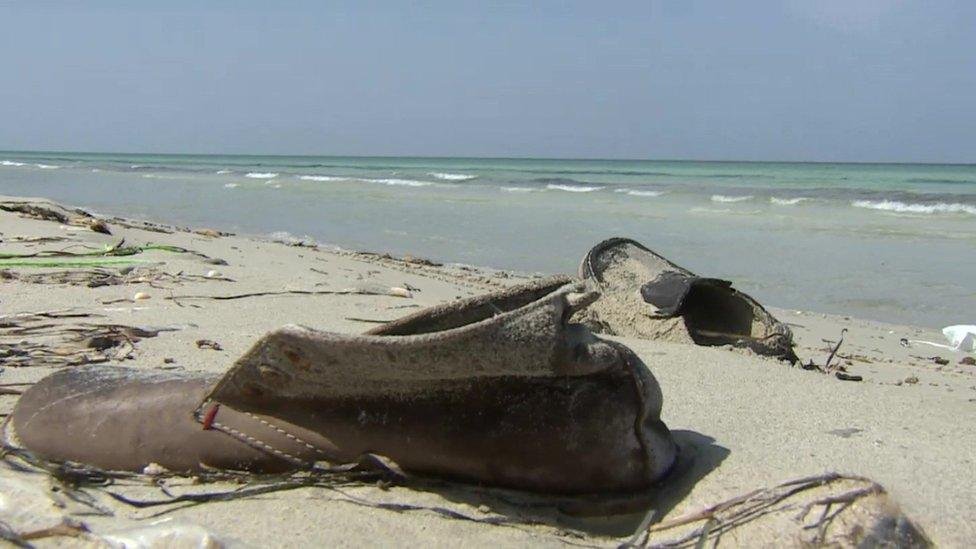
]]>
Introduction
Zuwara is one of Libya’s most unique and culturally rich coastal cities, located along the Mediterranean Sea near the border with Tunisia. Renowned for its beautiful beaches, Amazigh heritage, traditional architecture, fishing culture, and vibrant community life, Zuwara offers visitors a distinctive perspective on Libyan history and culture.
Unlike many other coastal cities in Libya, Zuwara is widely recognized as one of the most important centers of Amazigh People culture in the country. The city preserves its indigenous language, traditions, music, crafts, and festivals while embracing modern development and economic growth.
Surrounded by sandy beaches, salt flats, palm groves, and Mediterranean waters, Zuwara combines natural beauty with a rich cultural legacy that has evolved over centuries. Today, it remains one of western Libya’s most fascinating destinations and an important symbol of cultural diversity.
History of Zuwara
The history of Zuwara dates back centuries and is closely connected to the Amazigh communities that have inhabited the region since ancient times. Its strategic location along the Mediterranean coast made it an important center of maritime trade, fishing, and cultural exchange.
Throughout history, merchants traveling across North Africa interacted with local communities, contributing to the city’s economic and cultural development. Zuwara maintained strong connections with neighboring regions while preserving its distinctive identity and traditions.
During the Ottoman period and later eras, the city continued to grow as a center of commerce and agriculture. Fishing, salt production, and maritime activities became important components of the local economy.
Today, Zuwara remains one of Libya’s most culturally significant coastal cities and a proud guardian of Amazigh heritage.
1. Zuwara Beach

The Jewel of the Mediterranean Coast
The beautiful beaches of Zuwara are among the most attractive coastal destinations in western Libya.
Soft golden sands, crystal-clear Mediterranean waters, and peaceful surroundings make the beaches ideal for relaxation, swimming, and photography. Families and visitors gather along the shoreline to enjoy the refreshing sea breeze and stunning ocean views.
The coastline has supported fishing and maritime activities for generations and remains central to the city’s identity.
Visitors often consider Zuwara’s beaches among the finest in the region.
2. Zuwara Old Town
Walking Through Living History
The historic districts of Zuwara preserve traditional architecture and community layouts that reflect centuries of cultural development.
Narrow streets, whitewashed buildings, courtyards, and local gathering spaces provide insight into how generations of residents adapted to coastal life. The area reflects a blend of Amazigh traditions and Mediterranean influences.
Visitors exploring the old town can experience authentic local culture and discover the city’s rich historical character.
The district remains one of Zuwara’s most important heritage attractions.
3. Amazigh Cultural Center

Celebrating Indigenous Heritage
Zuwara is widely regarded as one of Libya’s most important centers of Amazigh People culture.
Local cultural institutions help preserve the Amazigh language, music, crafts, literature, and historical traditions. Educational programs and community events promote awareness of indigenous heritage and encourage cultural continuity.
Visitors interested in history and anthropology can gain valuable insight into one of North Africa’s oldest living cultures.
The preservation of Amazigh identity remains a source of pride throughout the city.
4. Zuwara Fishing Harbor

A Living Maritime Tradition
The fishing harbor of Zuwara reflects the city’s centuries-old relationship with the Mediterranean Sea.
Colorful boats line the waterfront as fishermen bring in daily catches that support local markets and restaurants. Fishing remains one of the city’s most important traditional industries and contributes significantly to the local economy.
Visitors can observe maritime activities and learn about the skills and traditions that have sustained coastal communities for generations.
The harbor remains one of the city’s most vibrant locations.
5. Abu Kammash Coastal Area

Exploring the Natural Coastline
The nearby Abu Kammash coastal region offers beautiful landscapes characterized by beaches, wetlands, and scenic Mediterranean views.
The area supports diverse ecosystems and provides opportunities for nature observation and photography. Its peaceful environment attracts visitors seeking to experience the natural beauty of western Libya.
The coastline demonstrates the ecological richness of the region.
It remains one of the area’s most attractive natural destinations.
6. Traditional Markets of Zuwara
The Commercial Heart of the Community
The traditional markets of Zuwara serve as important centers of trade and social interaction.
Vendors offer seafood, spices, textiles, handcrafted goods, household products, and agricultural items while continuing commercial traditions that have existed for generations.
Visitors can explore vibrant streets filled with local flavors, colors, and cultural experiences.
The markets remain essential to daily life and community identity.
7. Salt Flats of Zuwara

A Unique Coastal Environment
The salt flats surrounding Zuwara are among the region’s most distinctive natural features.
For centuries, local communities harvested salt from these areas, contributing to the economy and supporting trade networks across North Africa. The flats also create striking visual landscapes that attract photographers and nature enthusiasts.
Visitors can learn about traditional salt production and the ecological significance of coastal wetlands.
The salt flats remain an important part of Zuwara’s heritage.
8. Palm Groves and Agricultural Lands
Fertility Along the Coast
The lands surrounding Zuwara support agriculture and provide scenic rural landscapes.
Palm groves, olive trees, and cultivated fields contribute to food production while enhancing the natural beauty of the region. Farming traditions have been passed down through generations and remain important to local livelihoods.
Visitors can explore peaceful countryside environments that complement the city’s coastal attractions.
Agriculture continues to play a valuable role in community life.
9. Mediterranean Sunset Promenade

Spectacular Evenings by the Sea
The waterfront areas of Zuwara provide stunning views of Mediterranean sunsets.
As the sun descends toward the horizon, the sea reflects brilliant shades of gold, orange, and crimson, creating unforgettable scenery. Residents and visitors gather along the coast to enjoy the peaceful atmosphere and natural beauty.
The promenade offers an ideal setting for relaxation and photography.
It remains one of the city’s most beloved locations.
10. Modern Zuwara

Growth While Preserving Identity
Modern Zuwara continues to develop through investments in education, infrastructure, healthcare, and commerce. New residential neighborhoods, public facilities, and business opportunities support economic growth while improving quality of life.
Despite modernization, the city remains committed to preserving its cultural heritage, language, and traditions. This balance between progress and preservation helps maintain Zuwara’s unique character.
The city’s future reflects both innovation and respect for its historical roots.
Zuwara continues to thrive as one of Libya’s most distinctive coastal destinations.
Related artical : Best place to visit in Hun
<p>The post Best place to visit in Zuwara first appeared on Traveling Info World.</p>
]]><p>The post Best place to visit in Hun first appeared on Traveling Info World.</p>
]]>
Introduction
Hun is one of the most important oasis towns in central Libya and serves as the administrative center of the Jufra region. Located deep within the Sahara Desert, Hun has long been a vital crossroads connecting Libya’s northern coastal cities with the remote southern regions of the country. Known for its rich history, traditional architecture, palm groves, cultural heritage, and proximity to spectacular desert landscapes, Hun offers visitors a fascinating glimpse into life in the heart of the Sahara.
For centuries, caravans traveling across the desert relied on Hun as a place to rest, trade, and replenish supplies. Its strategic location helped transform the oasis into a center of commerce and cultural exchange where diverse communities interacted and shared traditions.
Today, Hun remains an important regional center while preserving many aspects of its historical identity and desert heritage.
History of Hun
The history of Hun dates back many centuries and is closely connected to the development of oasis settlements in central Libya. The availability of water and fertile land made the area attractive for settlement despite its remote desert location.
Throughout the medieval and early modern periods, Hun served as an important stop along caravan routes linking the Mediterranean coast with the Fezzan region and sub-Saharan Africa. Merchants transported dates, salt, textiles, livestock, and other goods through the oasis, contributing to economic growth and cultural exchange.
The city later became part of regional trade and administrative networks that strengthened its importance within Libya. Traditional agriculture, commerce, and community life continued to shape the development of Hun throughout the twentieth century.
Today, the city remains a symbol of resilience and adaptation in one of the world’s most challenging environments.
1. Hun Old Town
Discovering Traditional Desert Architecture
The historic quarters of Hun preserve traditional mud-brick architecture that reflects centuries of desert living.
Narrow alleyways, thick walls, shaded courtyards, and carefully designed homes helped residents cope with the extreme climate while fostering strong community relationships. These structures demonstrate remarkable knowledge of sustainable building techniques.
Visitors can explore the old town and gain insight into how generations of oasis inhabitants adapted to life in the Sahara.
The district remains one of Hun’s most important cultural treasures.
2. Palm Groves of Hun

Green Life in the Desert
The extensive palm groves surrounding Hun form the foundation of the oasis ecosystem.
Date cultivation has supported local communities for centuries, providing food, economic opportunities, and protection from harsh desert conditions. The palm trees create a lush environment that contrasts dramatically with the surrounding sands.
Visitors can walk through these groves while learning about traditional irrigation systems and agricultural practices.
The palm groves remain central to the city’s identity and economy.
3. Al-Foqaha Oasis

A Nearby Oasis Treasure
Located within the broader Jufra region, Al-Foqaha Oasis is one of the area’s most scenic desert settlements.
The oasis features palm groves, traditional communities, and beautiful desert surroundings that illustrate the importance of water resources in sustaining life in the Sahara.
Visitors can experience a quieter side of desert life while appreciating the region’s natural beauty.
The oasis remains an important component of central Libya’s cultural landscape.
4. Waddan Heritage Sites

Exploring the Historic Jufra Region
Near Hun lies Waddan, another historic oasis settlement that shares strong cultural and historical ties with the region.
Traditional architecture, local markets, and historic neighborhoods provide valuable insight into the development of oasis communities across central Libya.
Visitors often explore both Hun and Waddan to gain a broader understanding of the Jufra region’s heritage.
The connection between these settlements reflects centuries of shared history.
5. Desert Caravan Routes

Following the Paths of Ancient Traders
Hun served as an important station along the historic caravan routes that connected Libya’s coastal cities with southern regions and sub-Saharan Africa.
Merchants traveling through the Sahara relied on the oasis for water, shelter, and trade opportunities. These routes facilitated the exchange of goods, cultures, and ideas across vast distances.
Visitors can learn about the extraordinary journeys undertaken by desert travelers throughout history.
The caravan heritage remains deeply woven into the city’s identity.
6. Jufra Desert Landscapes

The Beauty of Central Libya
The desert landscapes surrounding Hun showcase the grandeur of the Sahara.
Rolling dunes, rocky plateaus, vast plains, and dramatic horizons create breathtaking scenery that changes throughout the day as sunlight transforms the colors of the landscape.
Visitors can enjoy photography, sightseeing, and exploration of one of the world’s most remarkable natural environments.
The desert remains one of the region’s greatest attractions.
7. Traditional Markets of Hun
The Commercial Heart of the Oasis
The traditional markets of Hun continue to serve as centers of commerce and social interaction.
Merchants sell dates, spices, textiles, handicrafts, household goods, and agricultural products while maintaining trading traditions that have existed for generations.
Visitors can experience authentic local culture and observe the daily rhythms of oasis life.
The markets remain essential to the city’s economic and social vitality.
8. Black Desert Formations

Unique Geological Wonders
The region around Hun contains fascinating geological formations that differ from the classic image of sandy deserts.
Dark volcanic rocks, weathered outcrops, and unusual landforms create dramatic landscapes that attract geology enthusiasts and photographers.
Visitors can explore environments that reveal the complex geological history of the Sahara.
These formations add diversity to the region’s natural attractions.
9. Desert Stargazing Experience

A Sky Filled with Endless Stars
The remote location of Hun provides exceptional opportunities for stargazing.
Far from major urban centers, the region experiences minimal light pollution, allowing visitors to observe countless stars, planets, and the Milky Way with extraordinary clarity.
The silence of the desert enhances the experience, creating unforgettable evenings beneath the vast Saharan sky.
Stargazing remains one of the most memorable activities available in the region.
10. Modern Hun

Balancing Tradition and Progress
Modern Hun continues to grow through investments in infrastructure, education, healthcare, and public services. New development projects aim to improve quality of life while supporting economic opportunities for residents.
Despite modernization, the city remains deeply connected to its historical roots and cultural traditions. Efforts to preserve heritage sites and traditional practices help maintain Hun’s unique identity.
The city’s future reflects both progress and respect for its remarkable past.
Hun continues to serve as an important center within central Libya.
Related artical : Best place to visit in Awbari
<p>The post Best place to visit in Hun first appeared on Traveling Info World.</p>
]]><p>The post Best place to visit in Awbari first appeared on Traveling Info World.</p>
]]>
Introduction
Awbari, often spelled Ubari, is one of the most extraordinary desert destinations in North Africa. Located in the heart of the Fezzan region, Awbari is famous for its breathtaking oasis lakes, towering golden dunes, ancient caravan routes, and rich Tuareg heritage. Surrounded by some of the most spectacular desert scenery in the Sahara, the city serves as a gateway to landscapes that seem almost otherworldly.
For centuries, Awbari was an important stop for caravans crossing the Sahara. Travelers relied on its oases for water, shelter, and supplies while moving between North Africa and sub-Saharan Africa. Today, Awbari attracts adventurers, photographers, historians, and nature enthusiasts who wish to experience one of the Sahara’s most remarkable natural environments.
The combination of crystal-clear lakes, endless dunes, palm groves, and cultural traditions makes Awbari one of Libya’s most unforgettable destinations.
History of Awbari
The history of Awbari is closely connected to the development of oasis settlements in the Fezzan region. Due to its strategic location near major caravan routes, the area became an important center of trade and cultural exchange.
Merchants traveling through the Sahara transported goods such as gold, salt, ivory, textiles, and spices. These trade networks brought prosperity to oasis communities and encouraged the development of agriculture, craftsmanship, and local governance.
Over the centuries, Awbari became associated with the traditions of the Tuareg People, who played a major role in trade, transportation, and desert culture throughout the region.
Today, the city preserves its historical identity while continuing to serve as one of Libya’s most fascinating oasis settlements.
1. Gaberoun Lake

The Most Famous Desert Lake in Libya
Gaberoun Lake is one of the most spectacular natural attractions in the Sahara Desert.
Surrounded by massive sand dunes and palm trees, the lake creates a stunning contrast between blue water and golden desert landscapes. The tranquil setting attracts visitors seeking natural beauty and unique photographic opportunities.
The lake is part of the famous Ubari Lakes system and remains one of Libya’s most iconic destinations.
Its breathtaking scenery makes it a highlight of any journey through the Fezzan region.
2. Umm Al-Maa Lake

A Hidden Gem in the Sahara
The beautiful Umm Al-Maa Lake is another remarkable desert lake located near Awbari.
Its calm waters, surrounded by palm groves and towering dunes, create an environment that appears almost surreal. Visitors often describe the lake as one of the most peaceful locations in the Sahara.
The site provides opportunities for sightseeing, photography, and appreciating the rare beauty of desert ecosystems.
The lake remains one of the region’s most treasured natural wonders.
3. Mandara Lake

Crystal Waters Among Golden Dunes
Mandara Lake is known for its striking scenery and peaceful atmosphere.
The lake reflects the surrounding dunes and sky, creating spectacular visual effects throughout the day. The combination of water, sand, and vegetation provides a rare glimpse into the ecological diversity of the Sahara.
Visitors often consider Mandara one of the most beautiful locations in southern Libya.
Its natural beauty continues to inspire travelers from around the world.
4. Ubari Sand Sea

Endless Oceans of Sand
The vast dune fields surrounding Awbari form part of one of the Sahara’s most impressive sand seas.
Towering dunes rise dramatically above the desert floor, creating landscapes of extraordinary beauty and scale. Wind continuously reshapes the dunes, producing ever-changing patterns and formations.
Visitors can enjoy desert excursions, dune exploration, and unforgettable sunset experiences.
The sand sea remains one of the defining features of Awbari.
5. Ancient Caravan Routes
Following the Paths of Desert Merchants
Awbari played an important role in the trans-Saharan trade networks that connected North Africa with regions further south.
Merchants crossing the desert relied on the oasis for water, food, and shelter. These routes facilitated the exchange of goods, ideas, and cultural traditions across vast distances.
Visitors can learn about the extraordinary journeys undertaken by traders who crossed one of the world’s most challenging environments.
The caravan heritage remains deeply connected to local history.
6. Tuareg Cultural Heritage

Guardians of the Sahara
Awbari is closely associated with the traditions of the Tuareg People, who have inhabited the Sahara for centuries.
Known for their desert knowledge, craftsmanship, music, and distinctive blue clothing, the Tuareg developed a rich cultural heritage that continues to influence the region today.
Visitors interested in culture can learn about traditional customs, storytelling, and desert lifestyles.
The preservation of Tuareg heritage remains an important aspect of community identity.
7. Palm Groves of Awbari
Green Life in the Desert
The palm groves surrounding Awbari provide essential resources for local communities.
Date cultivation has supported oasis life for generations while contributing to the region’s economy. The groves also create cooler microclimates and provide shelter from desert winds.
Visitors can explore these lush landscapes and learn about traditional agricultural practices.
The palm groves remain central to life in the oasis.
8. Desert Camping Experience

Sleeping Beneath the Stars
The desert surrounding Awbari offers some of the finest camping experiences in North Africa.
Visitors can spend evenings beneath clear skies filled with countless stars while enjoying the silence and beauty of the Sahara. Traditional desert camps provide opportunities to experience local hospitality and culture.
The experience of spending a night among the dunes remains unforgettable.
Desert camping is one of the most popular activities in the region.
9. Desert Wildlife and Ecosystems

Life in Extreme Conditions
Despite its harsh environment, the Awbari region supports a variety of wildlife adapted to desert conditions.
Birds, reptiles, insects, and specialized plant species survive through remarkable adaptations that allow them to thrive in extreme heat and limited water availability.
Visitors interested in ecology can gain insight into the resilience of life in the Sahara.
The region’s ecosystems demonstrate the remarkable diversity of desert environments.
10. Desert Sunrise and Sunset Viewpoints

Nature’s Greatest Light Show
The dunes surrounding Awbari provide some of the most spectacular sunrise and sunset views in the Sahara.
As sunlight interacts with the sand, the landscape transforms into vibrant shades of gold, orange, red, and purple. These dramatic displays attract photographers and nature enthusiasts from around the world.
Visitors often consider these moments among the highlights of their desert journey.
The scenery showcases the timeless beauty of the Sahara.
Related artical : Best place to visit in Marj
<p>The post Best place to visit in Awbari first appeared on Traveling Info World.</p>
]]><p>The post Best place to visit in Marj first appeared on Traveling Info World.</p>
]]>
Introduction
Marj, also known as Al Marj, is one of the most beautiful and agriculturally rich cities in eastern Libya. Nestled within the fertile region of Cyrenaica and surrounded by the lush landscapes of the Jabal al Akhdar (Green Mountains), Marj offers a striking contrast to the desert environments often associated with Libya. Known for its rolling hills, fertile plains, historical significance, and agricultural heritage, the city has played an important role in the development of eastern Libya for centuries.
Marj serves as a gateway to some of Libya’s most scenic natural landscapes and historical sites. Its moderate climate, fertile soils, and strategic location have made it an attractive settlement since ancient times. Visitors to Marj can explore a destination where history, nature, and traditional Libyan culture blend together in a unique and captivating setting.
Today, Marj remains a vital center of agriculture, education, and regional commerce while preserving a rich cultural heritage that reflects its long and fascinating history.
History of Marj
The history of Marj stretches back to antiquity, when the surrounding region formed part of the historic territory of Cyrenaica. Ancient Greek settlers established prosperous communities throughout eastern Libya, attracted by the fertile land and favorable climate.
The area later became part of the Roman Empire and continued to flourish as an agricultural center supplying grain, olives, and other products to Mediterranean markets. During the Byzantine and Islamic periods, settlements in the region maintained their importance as centers of farming and trade.
Modern Marj developed significantly during the twentieth century and became known for its agricultural productivity and regional influence. The city has experienced periods of growth, reconstruction, and modernization while maintaining strong connections to its historical roots.
Today, Marj stands as one of Libya’s most important inland cities and a symbol of the agricultural wealth of eastern Libya.
1. Al Marj Old Town

Discovering the Historic Soul of the City
The historic districts of Marj provide visitors with a glimpse into the city’s rich cultural and architectural heritage.
Traditional homes, narrow streets, and community spaces reflect centuries of development influenced by Arab, Ottoman, and Mediterranean traditions. Walking through the old town offers opportunities to experience local culture and appreciate the craftsmanship of earlier generations.
The district preserves many elements of Marj’s historical identity while continuing to serve as an important part of community life.
Visitors interested in history and architecture often find the old town particularly rewarding.
2. Jabal al Akhdar (Green Mountains)

Libya’s Most Beautiful Natural Region
The nearby Jabal al Akhdar, or Green Mountains, is one of the country’s most spectacular natural attractions.
Unlike much of Libya’s desert terrain, this region features forests, fertile valleys, rolling hills, and diverse plant life supported by higher levels of rainfall. The landscapes provide breathtaking scenery and support rich agricultural activity.
Visitors can enjoy hiking, sightseeing, photography, and exploration of one of North Africa’s most unique ecological regions.
The Green Mountains remain a defining feature of Marj’s identity.
3. Agricultural Plains of Marj

The Breadbasket of Eastern Libya
The fertile plains surrounding Marj have supported agriculture for thousands of years.
Farmers cultivate wheat, barley, olives, fruits, and vegetables that contribute significantly to Libya’s food production. The region’s favorable climate and fertile soils have made it one of the country’s most productive agricultural areas.
Visitors can explore picturesque countryside landscapes while learning about traditional and modern farming practices.
Agriculture remains at the heart of Marj’s economy and cultural heritage.
4. Ancient Roman Ruins Near Marj

Echoes of the Ancient World
The region around Marj contains archaeological sites that reflect its importance during the Greek and Roman periods.
Ancient settlements, roads, and architectural remains provide valuable insight into the civilizations that once flourished in Cyrenaica. These sites highlight the region’s role in Mediterranean trade and cultural exchange.
Visitors interested in archaeology can explore remnants of a past that shaped the history of eastern Libya.
The ancient heritage of the area continues to attract scholars and history enthusiasts.
5. Olive Groves of Cyrenaica

A Tradition Rooted in the Land
Olive cultivation has been a cornerstone of life in the Marj region for centuries.
Extensive groves cover the surrounding hills and plains, producing high-quality olives and olive oil that support local livelihoods and culinary traditions. The cultivation of olives reflects a deep connection between the community and the land.
Visitors can enjoy scenic rural landscapes while learning about one of the region’s most important agricultural products.
The olive groves contribute greatly to the beauty and economy of the area.
6. Regional Cultural Centers

Preserving Local Identity
Marj is home to institutions and organizations dedicated to preserving local culture, history, and traditions.
Educational programs, exhibitions, and community events help promote awareness of the region’s rich heritage. Music, storytelling, crafts, and traditional customs continue to play important roles in daily life.
Visitors can gain a deeper understanding of Cyrenaican culture and the values that shape community identity.
These cultural centers contribute significantly to the preservation of local heritage.
7. Scenic Valley Landscapes
Exploring the Beauty of the Highlands
The valleys and hills surrounding Marj offer some of the most picturesque scenery in Libya.
Seasonal greenery, rocky outcrops, and fertile farmland create landscapes that differ dramatically from the country’s desert regions. These environments provide opportunities for nature walks, photography, and outdoor recreation.
Visitors often appreciate the tranquility and natural beauty of the area.
The scenic landscapes remain among Marj’s most attractive features.
8. Traditional Markets of Marj

The Center of Daily Life
The traditional markets of Marj continue to serve as vibrant centers of commerce and community interaction.
Vendors sell agricultural products, spices, textiles, handicrafts, and household goods while maintaining trading traditions that have existed for generations. The markets provide opportunities to experience authentic local culture and hospitality.
Visitors can explore lively commercial districts and interact with local residents.
The markets remain an important part of the city’s social and economic life.
9. Mountain Viewpoints
Panoramic Views Across Cyrenaica
The elevated areas surrounding Marj offer spectacular views of the Green Mountains and surrounding countryside.
Visitors can enjoy breathtaking panoramas that reveal the natural beauty and agricultural richness of the region. Sunrise and sunset provide particularly memorable experiences as changing light transforms the landscape.
Photography enthusiasts often consider these viewpoints among the best in eastern Libya.
The scenery highlights the unique geography of Cyrenaica.
10. Modern Marj

Building for the Future
Modern Marj continues to develop through investments in education, healthcare, transportation, and public infrastructure.
New residential neighborhoods, schools, and commercial facilities support economic growth while improving quality of life for residents. At the same time, efforts are made to preserve historical sites and cultural traditions.
The balance between modernization and heritage helps maintain the city’s unique character.
Marj continues to play an important role in the future of eastern Libya.
Related artical : Best place to visit in Bani Walid
<p>The post Best place to visit in Marj first appeared on Traveling Info World.</p>
]]><p>The post Best place to visit in Bani Walid first appeared on Traveling Info World.</p>
]]>
Introduction
Bani Walid is one of Libya’s most historic inland cities, located southeast of Tripoli within a fertile valley surrounded by rolling hills and desert landscapes. Known for its deep tribal heritage, traditional culture, agricultural significance, and scenic natural surroundings, Bani Walid has long been an important center of settlement and community life in northwestern Libya.
Situated along the banks of the seasonal Wadi Merdum, the city enjoys a unique environment where fertile lands meet the edge of the Sahara. This advantageous location has supported agriculture, trade, and human settlement for centuries. Bani Walid is particularly renowned for its hospitality, cultural traditions, and strong sense of community identity.
Today, the city continues to preserve its historical character while embracing modern development, making it one of Libya’s most distinctive inland destinations.
History of Bani Walid
The history of Bani Walid extends back many centuries, with archaeological evidence suggesting human activity in the region since ancient times. The fertile valley and access to water resources attracted settlers who established agricultural communities and trade connections with neighboring regions.
Over the centuries, Bani Walid became associated with influential tribal groups and developed into a respected center of commerce, agriculture, and local governance. Its location along historical travel routes connecting coastal Libya with inland regions enhanced its strategic importance.
During the Ottoman era and later periods of Libyan history, the city continued to grow while maintaining its strong cultural identity. Traditional customs, tribal leadership, and agricultural practices remained central to community life.
Today, Bani Walid stands as a symbol of resilience, heritage, and continuity in the heart of Libya.
1. Wadi Merdum

The Lifeline of Bani Walid
The Wadi Merdum is the most important natural feature of the city and has supported human settlement for generations.
The valley provides fertile soils that sustain agriculture and create a green landscape uncommon in many parts of Libya. During seasonal rains, the wadi becomes a vibrant corridor that supports vegetation and wildlife.
Visitors can enjoy scenic views, peaceful surroundings, and insight into the relationship between water resources and community development.
The valley remains central to the city’s identity and prosperity.
2. Bani Walid Old Town

Preserving Traditional Heritage
The historic neighborhoods of Bani Walid provide a fascinating glimpse into traditional Libyan urban life.
Stone and mud-brick houses, narrow streets, and community gathering spaces reflect architectural traditions that evolved in response to local environmental conditions. These districts preserve cultural values and social structures that have shaped the city for centuries.
Visitors exploring the old town can appreciate the craftsmanship and historical character of the area.
The district remains an important symbol of local heritage.
3. Valley Viewpoints

Panoramic Views Across the Region
The hills surrounding Bani Walid offer spectacular viewpoints overlooking the valley and surrounding countryside.
Visitors can enjoy panoramic vistas that reveal the contrast between fertile agricultural lands and the broader desert environment. Sunrise and sunset provide particularly stunning opportunities for photography and sightseeing.
The elevated terrain allows visitors to appreciate the geography that has shaped the city’s history and development.
These viewpoints remain among the area’s most attractive natural features.
4. Traditional Markets of Bani Walid

The Heart of Community Life
The traditional markets of Bani Walid serve as important centers of commerce and social interaction.
Vendors offer agricultural products, textiles, handicrafts, household goods, and local specialties while continuing trading traditions that have existed for generations. The markets provide opportunities for residents to gather, exchange news, and support local businesses.
Visitors can experience authentic Libyan culture and hospitality while exploring these lively commercial areas.
The markets remain vital to the city’s economic and social life.
5. Agricultural Farms and Palm Groves

Fertility in the Desert Environment
The fertile lands surrounding Bani Walid support a variety of agricultural activities.
Farmers cultivate dates, olives, grains, vegetables, and fruits using traditional and modern farming techniques. Palm groves provide both economic value and natural beauty while contributing to the region’s identity.
Visitors can explore rural landscapes that demonstrate the importance of agriculture in sustaining local communities.
The agricultural heritage remains a cornerstone of life in Bani Walid.
6. Tribal Heritage and Cultural Traditions

Celebrating Generations of Identity
Bani Walid is widely known for its strong tribal heritage and rich cultural traditions.
Hospitality, poetry, storytelling, music, and community celebrations continue to play important roles in daily life. These traditions have been passed down through generations and remain essential elements of local identity.
Visitors interested in culture can gain valuable insight into the social customs and values that shape community life.
The preservation of tradition remains a source of pride for residents.
7. Historic Mosques of Bani Walid
Spiritual and Architectural Landmarks
Several historic mosques throughout Bani Walid reflect centuries of Islamic faith and community development.
These religious buildings serve as places of worship, education, and social gathering while showcasing traditional architectural styles. Their design and historical significance contribute to the city’s cultural heritage.
Visitors can appreciate both the spiritual importance and aesthetic beauty of these landmarks.
The mosques remain integral to community life.
8. Desert Landscapes Around Bani Walid

Where the Valley Meets the Sahara
Beyond the fertile valley lies the vast desert landscape that characterizes much of Libya.
Rolling plains, rocky hills, and open horizons create dramatic scenery that contrasts with the greenery of the valley. These environments have influenced local culture, travel routes, and economic activities for centuries.
Visitors can explore the transition between agricultural and desert ecosystems.
The surrounding landscapes contribute greatly to the area’s appeal.
9. Local Handicrafts and Artisan Traditions

Preserving Traditional Skills
Artisans in Bani Walid continue to practice traditional crafts that reflect the city’s cultural heritage.
Textiles, woven goods, decorative items, and handmade products showcase skills passed down through generations. These crafts provide both economic opportunities and cultural continuity.
Visitors can learn about local craftsmanship while supporting traditional industries.
The artisan heritage remains an important part of community identity.
10. Modern Bani Walid
Growth While Honoring Tradition
Modern Bani Walid continues to develop through investments in infrastructure, education, healthcare, and public services.
New residential neighborhoods, schools, and commercial centers contribute to economic growth while improving quality of life for residents. At the same time, local communities remain committed to preserving historical landmarks and cultural traditions.
This balance between modernization and heritage helps maintain the city’s unique character.
Bani Walid continues to evolve while staying connected to its roots.
Related artical : Best place to visit in Kufra
<p>The post Best place to visit in Bani Walid first appeared on Traveling Info World.</p>
]]><p>The post Best place to visit in Kufra first appeared on Traveling Info World.</p>
]]>
Introduction
Kufra is one of the most remote and fascinating oasis regions in North Africa. Located deep within the southeastern Sahara Desert, Kufra has long been a vital center of trade, exploration, agriculture, and cultural exchange. Surrounded by vast expanses of sand dunes, rocky plains, and endless desert horizons, the oasis stands as a remarkable example of human resilience and adaptation in one of the harshest environments on Earth.
For centuries, Kufra served as an important crossroads connecting Libya with Egypt, Sudan, and Central Africa. Caravans crossing the Sahara relied on its wells, palm groves, and settlements for survival. Today, the region remains famous for its breathtaking desert landscapes, extensive agricultural projects, historical significance, and unique cultural heritage.
Visitors to Kufra discover a destination where ancient caravan traditions, oasis life, and spectacular Saharan scenery combine to create one of Libya’s most extraordinary travel experiences.
History of Kufra
The history of Kufra is closely linked to the ancient trade routes that crossed the Sahara Desert. Due to its strategic location and reliable water sources, the oasis became a crucial stop for merchants, pilgrims, and explorers traveling between North Africa and sub-Saharan Africa.
Throughout the centuries, Kufra developed as a center of commerce and Islamic learning. The oasis was particularly associated with the Senussi Order, which established religious institutions and played an important role in the social and political life of the region.
European explorers of the nineteenth and early twentieth centuries considered Kufra one of the most remote and mysterious destinations in the Sahara. Its isolation and strategic importance attracted significant attention from geographers and adventurers.
Today, Kufra remains a symbol of endurance and cultural heritage while continuing to serve as an important center for agriculture and regional development.
1. Kufra Oasis

The Lifeline of the Sahara
The Kufra Oasis is the heart of the region and one of the largest oasis systems in Libya.
The oasis supports extensive palm groves, agricultural fields, and settlements that have sustained human life for centuries. Underground water sources provide the resources necessary for farming and daily life despite the surrounding desert conditions.
Visitors are often amazed by the contrast between the lush greenery of the oasis and the vast Sahara beyond.
The oasis remains essential to the region’s identity and survival.
2. Al-Jawf

The Main Urban Center of Kufra
Al-Jawf serves as the principal settlement and administrative center of the Kufra region.
The town contains markets, mosques, educational institutions, and residential neighborhoods that support the surrounding oasis communities. It has long functioned as a hub for trade, transportation, and cultural activities.
Visitors can explore local markets, interact with residents, and experience daily life in one of the Sahara’s most important oasis towns.
Al-Jawf remains the cultural and economic heart of Kufra.
3. Rebiana Oasis
A Hidden Gem of the Desert
The nearby Rebiana Oasis is one of the Sahara’s lesser-known but most beautiful oasis settlements.
Surrounded by dunes and desert plains, Rebiana offers visitors a peaceful environment characterized by palm groves, traditional communities, and stunning natural scenery.
The oasis demonstrates how human settlements have adapted to desert life for generations.
Its isolation contributes to its unique charm and authenticity.
4. Buzema Lakes

Water in the Heart of the Desert
The Buzema Lakes are among the most remarkable natural attractions in the region.
These desert lakes create a striking contrast to the surrounding arid environment and support local ecosystems that attract birds and wildlife.
Visitors are often surprised to discover bodies of water in the midst of the Sahara.
The lakes contribute to the ecological diversity of the Kufra region.
5. Senussi Heritage Sites
The Spiritual Legacy of the Sahara
Kufra played an important role in the history of the Senussi Order, one of the most influential religious movements in North Africa.
Religious schools, mosques, and historical sites associated with the movement remain important cultural landmarks. These institutions contributed to education, social development, and spiritual life throughout the Sahara.
Visitors interested in history and religion can explore the legacy of this influential movement.
The Senussi heritage remains deeply connected to Kufra’s identity.
6. Great Sand Sea

Endless Waves of Golden Sand
The region surrounding Kufra forms part of the immense Great Sand Sea, one of the largest sand dune systems on Earth.
Towering dunes rise hundreds of meters above the desert floor, creating landscapes of extraordinary beauty. Wind continuously reshapes the sand, producing ever-changing patterns and formations.
Visitors can enjoy desert expeditions and photography opportunities in one of the world’s most dramatic natural environments.
The Great Sand Sea remains a defining feature of the Kufra region.
7. Kufra Agricultural Circles

Modern Agriculture in the Desert
One of Kufra’s most fascinating modern attractions is its large-scale agricultural projects.
Using center-pivot irrigation systems, farmers cultivate crops in circular fields that are visible from space. These projects demonstrate how technology can transform desert landscapes into productive agricultural areas.
Visitors interested in innovation and sustainability often find these developments particularly impressive.
The agricultural circles symbolize modern adaptation to desert environments.
8. Traditional Desert Markets
The Commercial Heart of the Oasis
Local markets in Kufra continue a tradition of trade that dates back centuries.
Merchants sell dates, textiles, spices, livestock, handicrafts, and household goods while maintaining commercial practices rooted in the caravan era. These markets remain important centers of economic activity and community interaction.
Visitors can experience authentic Saharan culture while exploring the lively atmosphere of local commerce.
The markets preserve a vital connection to the region’s trading heritage.
9. Desert Stargazing Experience

One of the Clearest Skies on Earth
The remote location of Kufra provides exceptional conditions for observing the night sky.
Far from urban light pollution, visitors can view countless stars, planets, and the Milky Way with extraordinary clarity. The silence and vastness of the Sahara enhance the experience, creating unforgettable evenings beneath the desert sky.
Astronomy enthusiasts often consider the region one of the finest stargazing locations in North Africa.
The celestial views remain among Kufra’s most magical attractions.
10. Desert Adventure and Exploration

Discovering the Vastness of the Sahara
Kufra serves as a gateway to some of the most remote and untouched regions of the Sahara Desert.
Visitors can explore dunes, rocky plateaus, ancient caravan routes, and hidden oasis settlements while experiencing the immense scale of the desert. These adventures provide unique opportunities to learn about geology, ecology, and human history.
The surrounding landscapes continue to attract explorers seeking authentic desert experiences.
Kufra remains one of the Sahara’s most legendary destinations.
Related artical : Best place to visit in Jalu
<p>The post Best place to visit in Kufra first appeared on Traveling Info World.</p>
]]><p>The post Best place to visit in Jalu first appeared on Traveling Info World.</p>
]]>
Introduction
Jalu is one of Libya’s most beautiful and historic oasis towns, located deep within the Sahara Desert in the southeastern part of the country. Surrounded by endless sand dunes, vast desert plains, and lush palm groves, Jalu represents a remarkable example of how human communities have adapted and flourished in one of the world’s most challenging environments.
For centuries, Jalu served as an important stop along trans-Saharan trade routes connecting North Africa with the interior of the African continent. The oasis provided water, food, and shelter for travelers crossing the desert, making it a vital center of commerce and cultural exchange. Today, Jalu remains famous for its date palm plantations, traditional architecture, rich history, and spectacular desert landscapes.
Visitors to Jalu discover a destination where ancient traditions, natural beauty, and desert heritage combine to create one of Libya’s most fascinating travel experiences.
History of Jalu
The history of Jalu dates back many centuries and is closely tied to the development of oasis settlements throughout the Sahara. Due to its reliable water sources and fertile lands, the oasis attracted traders, farmers, and travelers who established thriving communities within the desert.
Throughout the medieval period, Jalu became an important stop along caravan routes transporting goods such as gold, salt, dates, textiles, and spices. These trade networks connected the oasis with major cities across North Africa and beyond.
Local communities developed sophisticated irrigation systems and agricultural practices that enabled them to cultivate crops despite the harsh desert climate. Over time, Jalu grew into a prosperous settlement known for its agricultural productivity and strategic location.
Today, the city continues to preserve its historical identity while serving as an important cultural and economic center within Libya’s desert regions.
1. Jalu Oasis

The Lifeblood of the Desert
The Jalu Oasis is the heart of the city and one of the most important natural attractions in the Sahara.
Fed by underground water sources, the oasis supports extensive palm groves, agricultural fields, and residential areas. The contrast between the lush greenery and the surrounding desert creates a breathtaking landscape that has fascinated travelers for centuries.
Visitors can explore the oasis while learning about traditional irrigation systems and sustainable desert agriculture.
The oasis remains the foundation of life and prosperity in Jalu.
2. Jalu Palm Groves

A Forest in the Desert
Thousands of date palms surround Jalu, creating one of the most productive agricultural regions in Libya’s desert interior.
Date cultivation has supported local communities for generations and remains a major component of the local economy. The palm groves provide shade, food, and protection from desert winds while contributing to the oasis ecosystem.
Visitors walking through these groves experience a peaceful environment unlike any other in the Sahara.
The palm forests remain one of Jalu’s defining features.
3. Old Town of Jalu

Exploring Traditional Oasis Architecture
The historic districts of Jalu preserve traditional mud-brick architecture designed specifically for desert conditions.
Narrow streets, shaded passageways, thick walls, and courtyard homes helped residents cope with extreme temperatures while fostering strong community relationships. These structures reflect centuries of architectural adaptation and cultural tradition.
Visitors can wander through the old town and discover how generations of desert inhabitants built sustainable communities in a challenging environment.
The historic quarter remains an important cultural landmark.
4. Great Sand Sea
Endless Oceans of Sand
Near Jalu lies part of the vast Great Sand Sea, one of the largest sand dune regions in the world.
Towering dunes stretch across the horizon, creating dramatic landscapes shaped by centuries of wind and erosion. The changing colors of the sand during sunrise and sunset provide spectacular visual experiences.
Visitors often enjoy desert excursions, photography, and exploration of these extraordinary natural formations.
The Great Sand Sea remains one of North Africa’s most impressive geographical wonders.
5. Traditional Desert Wells

Engineering Survival in the Sahara
Ancient wells played a critical role in the development of Jalu and continue to illustrate the ingenuity of desert communities.
These water sources provided essential supplies for agriculture, trade caravans, and daily life. Local residents developed sophisticated methods of managing and conserving water resources in one of the driest regions on Earth.
Visitors can learn about the technologies and practices that made oasis life possible.
The wells remain symbols of resilience and adaptation.
6. Desert Caravan Heritage

Following the Ancient Trade Routes
For centuries, Jalu served as an important station along trans-Saharan caravan routes.
Merchants carrying gold, salt, textiles, dates, and other valuable goods relied on the oasis for rest and supplies during long desert journeys. These routes facilitated cultural exchange and economic development across vast distances.
Visitors can learn about the extraordinary challenges faced by caravan travelers and the crucial role Jalu played in regional commerce.
The caravan legacy remains deeply embedded in the city’s history.
7. Desert Wildlife and Natural Environment

Life in an Extreme Landscape
Although the Sahara appears harsh and barren, the region surrounding Jalu supports a variety of wildlife adapted to desert conditions.
Birds, reptiles, small mammals, and specialized plant species thrive within oasis ecosystems and surrounding desert habitats. These organisms demonstrate remarkable adaptations to heat, drought, and limited resources.
Visitors interested in nature can gain a deeper appreciation for the biodiversity that exists within the Sahara.
The natural environment contributes significantly to Jalu’s uniqueness.
8. Traditional Culture of the Oasis

Preserving Generations of Heritage
The people of Jalu maintain cultural traditions that have evolved over centuries of oasis life.
Hospitality, storytelling, music, traditional crafts, and agricultural customs remain important aspects of community identity. These practices reflect both local heritage and the broader cultural influences of the Sahara.
Visitors can learn about everyday life in the oasis and gain insight into the values that have sustained desert communities for generations.
The preservation of cultural heritage remains a source of pride.
9. Desert Sunrise and Sunset Viewpoints

Nature’s Most Spectacular Display
The desert landscapes surrounding Jalu offer extraordinary opportunities to witness breathtaking sunrises and sunsets.
As sunlight interacts with the dunes and oasis vegetation, the landscape transforms into a palette of gold, orange, red, and purple hues. These moments provide some of the most memorable experiences available in the Sahara.
Visitors often describe the views as among the most beautiful in North Africa.
The scenery continues to inspire photographers and travelers alike.
10. Modern Jalu

Growth While Preserving Tradition
Modern Jalu continues to develop through improvements in education, healthcare, transportation, and public services. Despite modernization, local communities remain committed to preserving their cultural heritage and environmental resources.
Agriculture, commerce, and regional services support economic growth while maintaining strong connections to traditional ways of life.
The balance between development and preservation helps ensure a sustainable future for the oasis.
Jalu remains a remarkable example of human resilience and innovation in the Sahara.
Related artical : Best place to visit in Nalut
<p>The post Best place to visit in Jalu first appeared on Traveling Info World.</p>
]]>