Now Reading: Best place to visit in Zuwara
-
01
Best place to visit in Zuwara
Best place to visit in Zuwara
Introduction
Zuwara is one of Libya’s most unique and culturally rich coastal cities, located along the Mediterranean Sea near the border with Tunisia. Renowned for its beautiful beaches, Amazigh heritage, traditional architecture, fishing culture, and vibrant community life, Zuwara offers visitors a distinctive perspective on Libyan history and culture.
Unlike many other coastal cities in Libya, Zuwara is widely recognized as one of the most important centers of Amazigh People culture in the country. The city preserves its indigenous language, traditions, music, crafts, and festivals while embracing modern development and economic growth.
Surrounded by sandy beaches, salt flats, palm groves, and Mediterranean waters, Zuwara combines natural beauty with a rich cultural legacy that has evolved over centuries. Today, it remains one of western Libya’s most fascinating destinations and an important symbol of cultural diversity.
History of Zuwara
The history of Zuwara dates back centuries and is closely connected to the Amazigh communities that have inhabited the region since ancient times. Its strategic location along the Mediterranean coast made it an important center of maritime trade, fishing, and cultural exchange.
Throughout history, merchants traveling across North Africa interacted with local communities, contributing to the city’s economic and cultural development. Zuwara maintained strong connections with neighboring regions while preserving its distinctive identity and traditions.
During the Ottoman period and later eras, the city continued to grow as a center of commerce and agriculture. Fishing, salt production, and maritime activities became important components of the local economy.
Today, Zuwara remains one of Libya’s most culturally significant coastal cities and a proud guardian of Amazigh heritage.
1. Zuwara Beach

The Jewel of the Mediterranean Coast
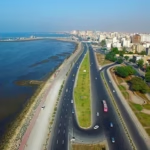
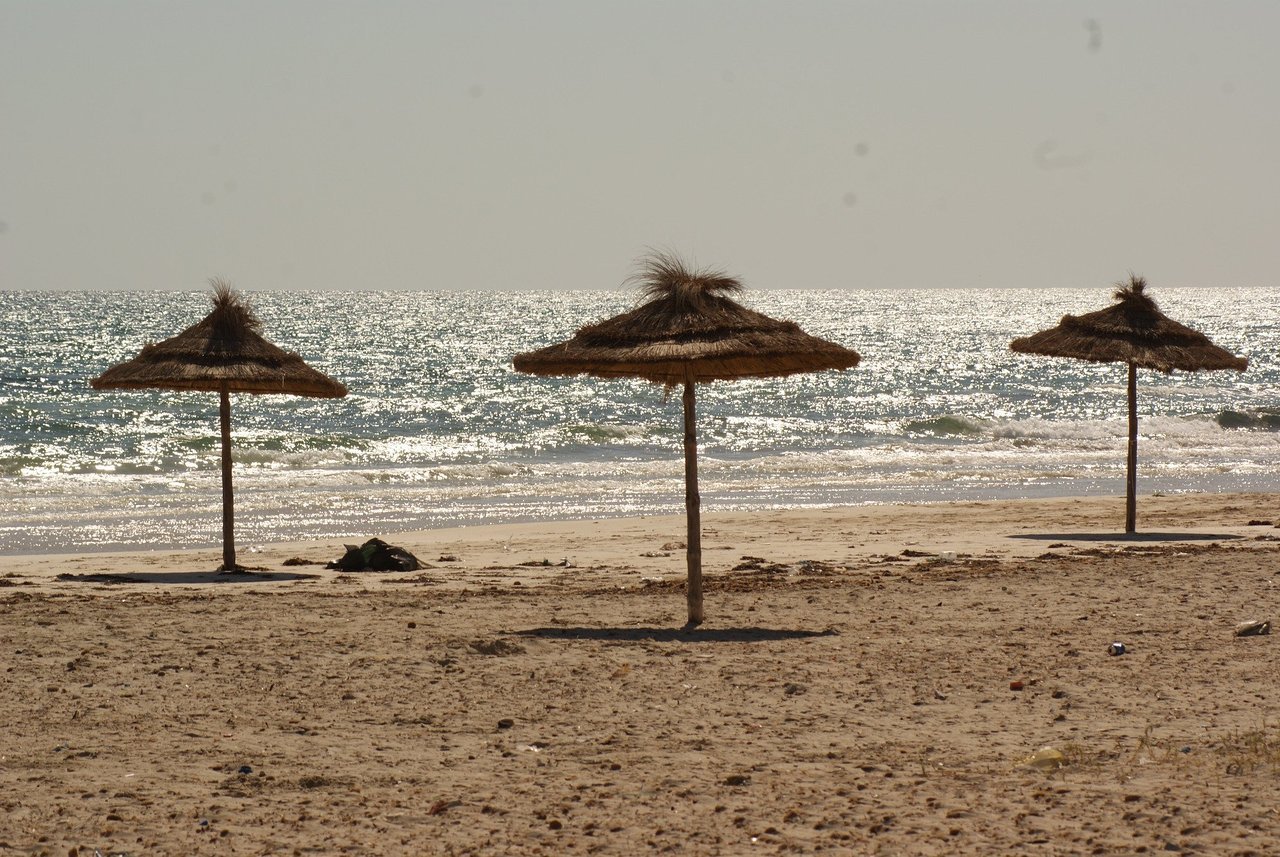
The beautiful beaches of Zuwara are among the most attractive coastal destinations in western Libya.
Soft golden sands, crystal-clear Mediterranean waters, and peaceful surroundings make the beaches ideal for relaxation, swimming, and photography. Families and visitors gather along the shoreline to enjoy the refreshing sea breeze and stunning ocean views.
The coastline has supported fishing and maritime activities for generations and remains central to the city’s identity.
Visitors often consider Zuwara’s beaches among the finest in the region.
2. Zuwara Old Town
Walking Through Living History
The historic districts of Zuwara preserve traditional architecture and community layouts that reflect centuries of cultural development.
Narrow streets, whitewashed buildings, courtyards, and local gathering spaces provide insight into how generations of residents adapted to coastal life. The area reflects a blend of Amazigh traditions and Mediterranean influences.
Visitors exploring the old town can experience authentic local culture and discover the city’s rich historical character.
The district remains one of Zuwara’s most important heritage attractions.
3. Amazigh Cultural Center

Celebrating Indigenous Heritage
Zuwara is widely regarded as one of Libya’s most important centers of Amazigh People culture.
Local cultural institutions help preserve the Amazigh language, music, crafts, literature, and historical traditions. Educational programs and community events promote awareness of indigenous heritage and encourage cultural continuity.
Visitors interested in history and anthropology can gain valuable insight into one of North Africa’s oldest living cultures.
The preservation of Amazigh identity remains a source of pride throughout the city.
4. Zuwara Fishing Harbor

A Living Maritime Tradition
The fishing harbor of Zuwara reflects the city’s centuries-old relationship with the Mediterranean Sea.
Colorful boats line the waterfront as fishermen bring in daily catches that support local markets and restaurants. Fishing remains one of the city’s most important traditional industries and contributes significantly to the local economy.
Visitors can observe maritime activities and learn about the skills and traditions that have sustained coastal communities for generations.
The harbor remains one of the city’s most vibrant locations.
5. Abu Kammash Coastal Area

Exploring the Natural Coastline
The nearby Abu Kammash coastal region offers beautiful landscapes characterized by beaches, wetlands, and scenic Mediterranean views.
The area supports diverse ecosystems and provides opportunities for nature observation and photography. Its peaceful environment attracts visitors seeking to experience the natural beauty of western Libya.
The coastline demonstrates the ecological richness of the region.
It remains one of the area’s most attractive natural destinations.
6. Traditional Markets of Zuwara
The Commercial Heart of the Community
The traditional markets of Zuwara serve as important centers of trade and social interaction.
Vendors offer seafood, spices, textiles, handcrafted goods, household products, and agricultural items while continuing commercial traditions that have existed for generations.
Visitors can explore vibrant streets filled with local flavors, colors, and cultural experiences.
The markets remain essential to daily life and community identity.
7. Salt Flats of Zuwara

A Unique Coastal Environment
The salt flats surrounding Zuwara are among the region’s most distinctive natural features.
For centuries, local communities harvested salt from these areas, contributing to the economy and supporting trade networks across North Africa. The flats also create striking visual landscapes that attract photographers and nature enthusiasts.
Visitors can learn about traditional salt production and the ecological significance of coastal wetlands.
The salt flats remain an important part of Zuwara’s heritage.
8. Palm Groves and Agricultural Lands
Fertility Along the Coast
The lands surrounding Zuwara support agriculture and provide scenic rural landscapes.
Palm groves, olive trees, and cultivated fields contribute to food production while enhancing the natural beauty of the region. Farming traditions have been passed down through generations and remain important to local livelihoods.
Visitors can explore peaceful countryside environments that complement the city’s coastal attractions.
Agriculture continues to play a valuable role in community life.
9. Mediterranean Sunset Promenade

Spectacular Evenings by the Sea
The waterfront areas of Zuwara provide stunning views of Mediterranean sunsets.
As the sun descends toward the horizon, the sea reflects brilliant shades of gold, orange, and crimson, creating unforgettable scenery. Residents and visitors gather along the coast to enjoy the peaceful atmosphere and natural beauty.
The promenade offers an ideal setting for relaxation and photography.
It remains one of the city’s most beloved locations.
10. Modern Zuwara

Growth While Preserving Identity
Modern Zuwara continues to develop through investments in education, infrastructure, healthcare, and commerce. New residential neighborhoods, public facilities, and business opportunities support economic growth while improving quality of life.
Despite modernization, the city remains committed to preserving its cultural heritage, language, and traditions. This balance between progress and preservation helps maintain Zuwara’s unique character.
The city’s future reflects both innovation and respect for its historical roots.
Zuwara continues to thrive as one of Libya’s most distinctive coastal destinations.
Related artical : Best place to visit in Hun