
Now Reading: Best place to visit in Moldova
-
01
Best place to visit in Moldova
Best place to visit in Moldova
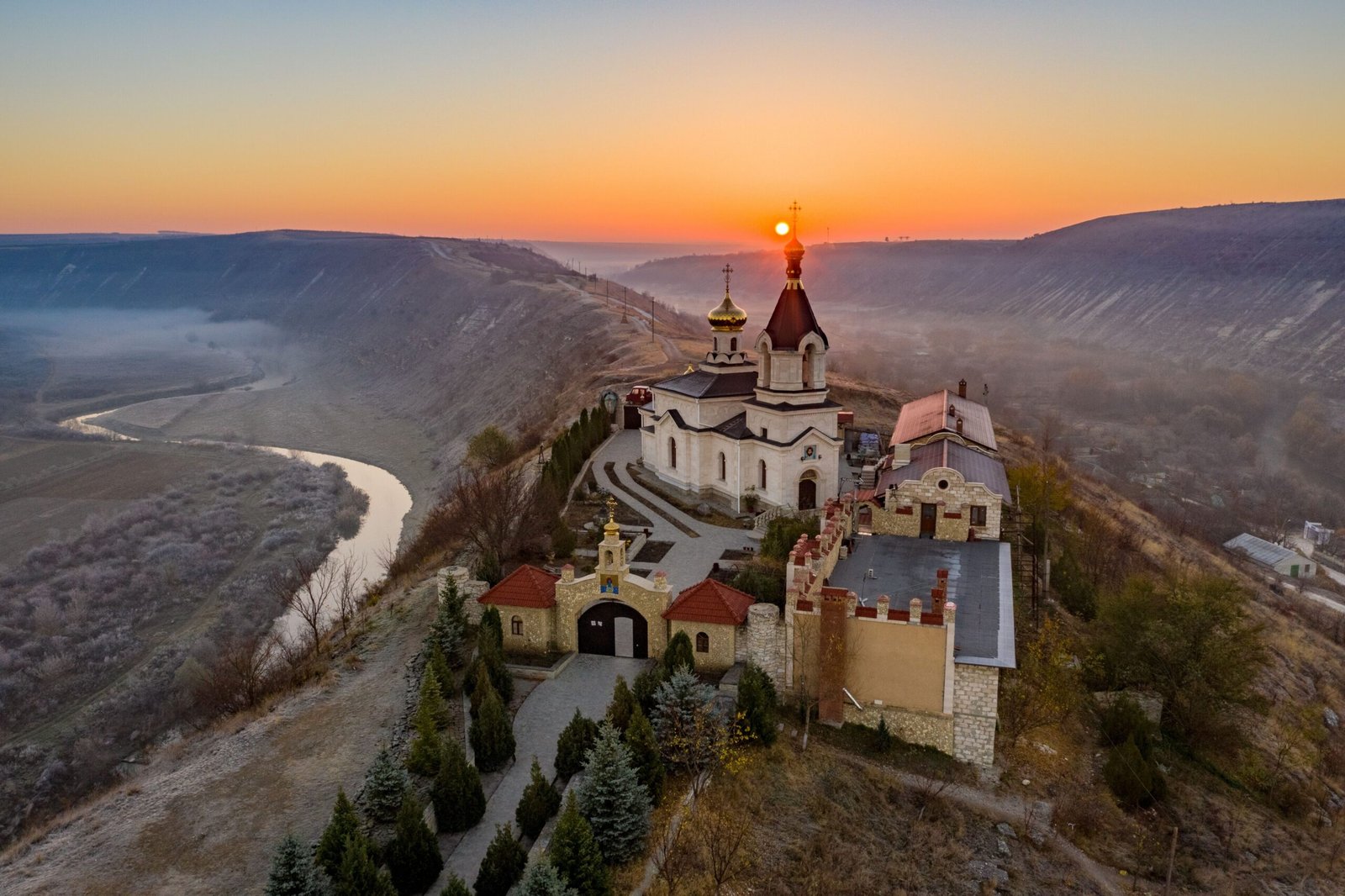
1. Orheiul Vechi Travel Guide: Explore Moldova’s Spectacular Ancient Archaeological Complex

Meta Description
Discover Orheiul Vechi in Moldova, a breathtaking archaeological and cultural complex featuring cave monasteries, ancient fortifications, limestone cliffs, and stunning countryside landscapes.
Introduction
Orheiul Vechi is one of Moldova’s most remarkable historical and natural attractions. Located along the winding Răut River, this open-air archaeological and cultural reserve combines spectacular limestone cliffs, ancient cave monasteries, medieval ruins, and picturesque rural landscapes.
Visitors can explore centuries-old cave churches carved into the cliffs, walk through traditional Moldovan villages, admire panoramic viewpoints, and discover archaeological remains dating back thousands of years. The peaceful atmosphere and breathtaking scenery make Orheiul Vechi one of the country’s most iconic destinations.
History
Human settlement at Orheiul Vechi dates back thousands of years. The site was inhabited by ancient Dacians before later becoming an important medieval settlement occupied by Mongols and Moldavians. During the Middle Ages, Orthodox monks carved monasteries into the limestone cliffs, many of which remain active today. Orheiul Vechi continues to preserve Moldova’s rich cultural, religious, and archaeological heritage.
Best Time to Visit
The best time to visit is April through October, when pleasant weather allows visitors to enjoy hiking, sightseeing, and panoramic views across the valley.
2. Cricova Winery Travel Guide: Discover Moldova’s Legendary Underground Wine Cellars

Meta Description
Explore Cricova Winery in Moldova, famous for its vast underground wine cellars, premium wines, guided tastings, and one of the world’s largest wine collections.
Introduction
Cricova Winery is one of the world’s most famous wine destinations and a symbol of Moldova’s centuries-old winemaking tradition. Located just north of Chișinău, the winery features over 120 kilometers of underground tunnels that function as enormous wine cellars, complete with streets named after different wines.
Visitors can tour the underground galleries by electric train, learn about traditional and modern winemaking techniques, explore impressive wine collections, and enjoy guided tastings featuring award-winning Moldovan wines.
History
The underground limestone mines beneath Cricova were transformed into wine cellars during the 1950s. Since then, the winery has become internationally recognized for producing exceptional sparkling wines using traditional methods and preserving one of the world’s most valuable wine collections.
Best Time to Visit
The ideal time to visit is year-round, although May through October is especially popular for combining winery tours with vineyard visits.
3. Mileștii Mici Winery Travel Guide: Visit the World’s Largest Wine Cellar

Meta Description
Visit Mileștii Mici Winery in Moldova, home to the world’s largest wine cellar featuring over 200 kilometers of underground tunnels and millions of bottles of wine.
Introduction
Mileștii Mici Winery is internationally renowned as the world’s largest wine cellar, earning a place in the Guinness World Records. Hidden beneath the Moldovan countryside lies an extraordinary underground network of more than 200 kilometers of limestone tunnels storing millions of bottles of premium wine.
Visitors can explore the vast underground galleries by car or electric transport, admire endless rows of aging wine, learn about Moldova’s rich viticultural traditions, and enjoy expertly guided wine tastings in beautifully decorated tasting halls.
History
The limestone tunnels originally served as mines before being transformed into wine storage facilities during the 1960s. Today, Mileștii Mici preserves one of the largest and most valuable wine collections in the world and represents the heart of Moldova’s internationally respected wine industry.
Best Time to Visit
The best time to visit is throughout the year, with May to October offering ideal weather for combining winery tours with countryside excursions.
4. Chișinău Travel Guide: Discover the Green Capital of Moldova

Meta Description
Explore Chișinău, the capital of Moldova, famous for leafy parks, historic monuments, museums, vibrant cafés, cultural attractions, and welcoming city life.
Introduction
Chișinău is the political, cultural, and economic heart of Moldova. Known for its wide tree-lined boulevards, beautiful public parks, Soviet-era architecture, elegant churches, museums, and lively cafés, Chișinău offers visitors a unique blend of history, modern culture, and hospitality.
Travelers can visit impressive monuments, enjoy local cuisine, explore bustling markets, discover fascinating museums, and use the city as a gateway to Moldova’s famous wineries and historic monasteries.
History
Founded during the 15th century, Chișinău grew into an important administrative center under the Russian Empire before later becoming the capital of independent Moldova in 1991. Despite suffering significant damage during World War II, the city has been rebuilt while preserving many of its historical landmarks and green spaces.
Best Time to Visit
The ideal time to visit is May through September, when warm weather makes exploring the city’s parks, squares, and outdoor attractions especially enjoyable.
5. Cathedral Park Travel Guide: Relax in Chișinău’s Historic Green Oasis

Meta Description
Visit Cathedral Park in Chișinău, Moldova’s beautiful central park featuring peaceful gardens, historic monuments, shaded walkways, and the iconic Nativity Cathedral.
Introduction
Cathedral Park is one of the city’s most beloved public spaces and an important cultural landmark. Located in the heart of Chișinău, the park surrounds the magnificent Nativity Cathedral and offers beautifully landscaped gardens, tree-lined pathways, fountains, benches, and monuments.
Visitors can relax beneath centuries-old trees, admire elegant landscaping, photograph the nearby cathedral, attend cultural events, or simply enjoy the peaceful atmosphere that makes Cathedral Park a favorite gathering place for both locals and tourists.
History
The park was established during the 19th century as part of the development of central Chișinău. Over the years, it has remained a symbol of the city’s cultural and spiritual life while undergoing several restorations to preserve its historic character.
Best Time to Visit
The best time to visit is April through October, when flowers bloom, trees are lush, and the pleasant weather is perfect for leisurely walks and sightseeing.
6. Nativity Cathedral Travel Guide: Discover Moldova’s Most Important Orthodox Cathedral

Meta Description
Visit the Nativity Cathedral in Chișinău, Moldova’s principal Orthodox church, renowned for its elegant architecture, historic significance, beautiful frescoes, and peaceful atmosphere.
Introduction
Nativity Cathedral is the spiritual heart of Moldova and one of the country’s most recognizable religious landmarks. Located in Cathedral Park in the center of Chișinău, the cathedral is admired for its elegant Neoclassical architecture, impressive white façade, beautiful bell tower, and richly decorated interior.
Visitors can admire magnificent Orthodox icons, colorful frescoes, ornate chandeliers, and peaceful prayer halls while experiencing the cathedral’s serene atmosphere. It remains an active place of worship and one of the city’s most photographed attractions.
History
The cathedral was built between 1830 and 1836 under the direction of architect Avraam Melnikov. During the Soviet era, the cathedral suffered extensive damage and was temporarily closed before being carefully restored after Moldova regained independence. Today, it once again serves as the main cathedral of the Metropolis of Chișinău and All Moldova.
Best Time to Visit
The best time to visit is April through October, when pleasant weather allows visitors to explore both the cathedral and the surrounding Cathedral Park.
7. Stephen the Great Central Park Travel Guide: Relax in Chișinău’s Historic Green Heart

Meta Description
Explore Stephen the Great Central Park in Chișinău, Moldova’s oldest public park, featuring tree-lined walkways, historic monuments, fountains, and relaxing green spaces.
Introduction
Stephen the Great Central Park is the oldest and most popular public park in the Moldovan capital. Situated in the city center, the park is famous for its mature trees, beautifully landscaped gardens, elegant fountains, walking paths, and the iconic monument of Stephen the Great.
Visitors can enjoy peaceful strolls, outdoor concerts, cultural festivals, photography, and relaxing moments surrounded by nature while remaining close to many of Chișinău’s major attractions.
History
Established in 1818, Stephen the Great Central Park has served as a favorite meeting place for residents for more than two centuries. Over time, it has become a symbol of Chișinău and continues to host important cultural celebrations and public events throughout the year.
Best Time to Visit
The ideal time to visit is April through October, when flowers bloom and pleasant weather makes outdoor activities enjoyable.
8. Soroca Fortress Travel Guide: Explore Moldova’s Medieval Stronghold

Meta Description
Discover Soroca Fortress in Moldova, a magnificent medieval fortress famous for its circular architecture, military history, and scenic location along the Dniester River.
Introduction
Soroca Fortress is one of Moldova’s most impressive medieval landmarks. Situated on the banks of the Dniester River, the fortress features a distinctive circular design with five massive defensive towers connected by thick stone walls.
Visitors can explore restored defensive chambers, climb the fortress walls, enjoy panoramic river views, and learn about centuries of military history that shaped the region.
History
Originally built from wood during the 15th century by Stephen the Great, the fortress was later rebuilt in stone during the 16th century under Petru Rareș. It played a vital role in defending Moldavia against Ottoman invasions and remains one of the country’s best-preserved medieval fortifications.
Best Time to Visit
The best time to visit is May through September, when warm weather allows visitors to comfortably explore the fortress and surrounding riverside area.
9. Saharna Monastery Travel Guide: Discover Moldova’s Spiritual Mountain Retreat

Meta Description
Visit Saharna Monastery in Moldova, a peaceful Orthodox monastery surrounded by forests, waterfalls, scenic hiking trails, and breathtaking natural landscapes.
Introduction
Saharna Monastery is one of Moldova’s most important pilgrimage destinations and one of its most beautiful natural attractions. Nestled among forested hills and limestone cliffs near the Dniester River, the monastery offers visitors a peaceful atmosphere, scenic hiking trails, waterfalls, caves, and spectacular viewpoints.
Pilgrims and tourists alike come to admire the monastery’s beautiful churches, experience its spiritual atmosphere, and explore the surrounding nature reserve filled with waterfalls and lush greenery.
History
Founded during the 18th century, Saharna Monastery has long been regarded as one of Moldova’s holiest Orthodox sites. According to local tradition, a monk once witnessed a miraculous vision of the Virgin Mary on a nearby rock, making the monastery an important place of pilgrimage.
Best Time to Visit
The ideal time to visit is May through September, when hiking trails, waterfalls, and surrounding forests are at their most beautiful.
10. Țipova Monastery Travel Guide: Explore Europe’s Largest Cave Monastery Complex

Meta Description
Explore Țipova Monastery in Moldova, Europe’s largest cave monastery complex featuring ancient rock-cut churches, dramatic cliffs, scenic hiking trails, and panoramic Dniester River views.
Introduction
Țipova Monastery is one of Moldova’s most extraordinary historical and spiritual landmarks. Carved directly into towering limestone cliffs overlooking the Dniester River, the monastery complex consists of numerous caves, chapels, monks’ cells, and prayer halls connected by narrow pathways.
Visitors can hike through breathtaking landscapes, admire dramatic cliffside architecture, enjoy panoramic river views, and experience the peaceful atmosphere that has attracted monks and pilgrims for centuries.
History
Dating back to the 10th and 11th centuries, Țipova Monastery is believed to be one of the oldest cave monasteries in Eastern Europe. Throughout its long history, it served as a center of Orthodox monastic life and remains one of Moldova’s most important cultural and religious heritage sites.
Best Time to Visit
The best time to visit is May through September, when clear skies, warm temperatures, and lush scenery provide ideal conditions for hiking, photography, and exploring the monastery complex.
Related artical : Best place to visit in Nisporeni