
Now Reading: 1. New York City, NY – The City That Never Sleeps
-
01
1. New York City, NY – The City That Never Sleeps
1. New York City, NY – The City That Never Sleeps

Ultimate Guide to New York City Top lodestones and Hidden Gems
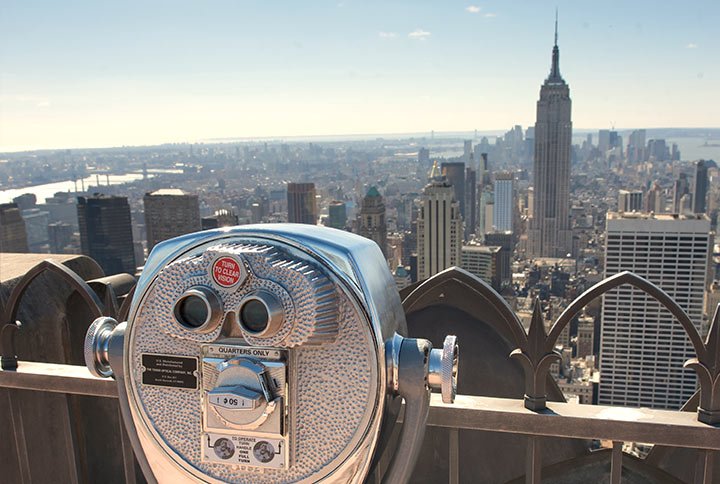
New York City stands as one of the world’s most iconic destinations, drawing millions of callers each time with its unmatched energy and endless lodestones. Whether you are a first- time caller or returning to explore more, NYC offers commodity extraordinary around every corner.
Times Square The Crossroads of the World
No visit to New York is complete without passing the glowing lights and electric atmosphere of Times Square. This bustling crossroad comes alive 24/7 with massive digital billboards, road players, and crowds from around the globe. Visit in the evening when the lights are most spectacular, and do not miss the TKTS cell for blinked Broadway tickets.
Central Park An Urban Oasis
Gauging 843 acres in the heart of Manhattan, Central Park provides a peaceful escape from the megacity’s hustle. Rent a bike, take a tardy perambulation, enjoy a boat lift on the lake, or simply relax on the Great Field. Visit Bethesda Fountain, Strawberry Fields, and the iconic Bow Bridge for perfect print openings.
Statue of Liberty Symbol of Freedom
Take a ferry to Liberty Island to see Lady Liberty over near. Book tickets in advance if you want to climb to the crown. The experience includes Ellis Island, where you can explore the Immigration Museum and discover the stories of millions who entered America seeking new openings.
Broadway Shows World- Class Entertainment
The Theater District hosts the stylish live performances on the earth. From long- running classics like” The Phantom of the Opera” to new megahit adaptations, Broadway offers indelible entertainment. Book tickets beforehand for popular shows, or try the lottery system for blinked same- day tickets.
World- Class Galleries
NYC boasts some of the finest galleries encyclopedically. The Metropolitan Museum of Art houses over two million workshop gauging 5,000 times. The Museum of Modern Art( MoMA) showcases contemporary masterpieces. The American Museum of Natural History captivates callers of all periods with its dinosaur fuds and planetarium.
Stylish Time to Visit Spring( April- May) and Fall( September- November) offer affable rainfall and beautiful leafage.
Getting Around Use the shelter system for effective, affordable transportation throughout the megacity.
2. San Francisco, CA – The Golden City by the Bay
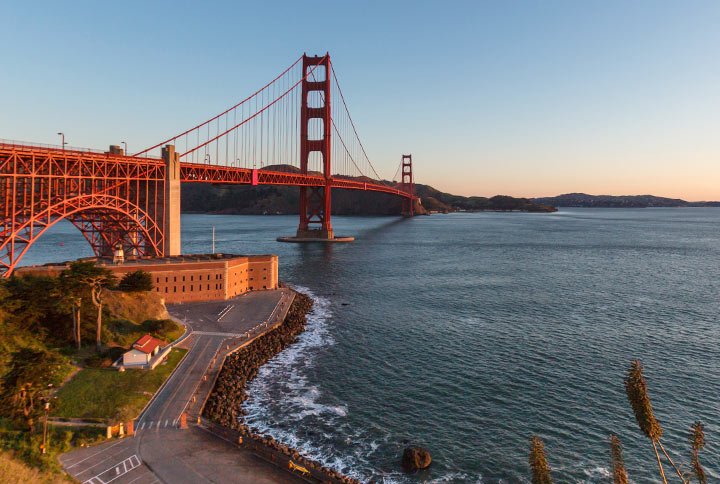
- Ultimate Guide to New York City: Top Attractions and Hidden Gems
- New York City stands as one of the world’s most iconic destinations, drawing millions of visitors each year with its unmatched energy and endless attractions. Whether you’re a first-time visitor or returning to explore more, NYC offers something extraordinary around every corner.
- Times Square: The Crossroads of the World No visit to New York is complete without experiencing the dazzling lights and electric atmosphere of Times Square. This bustling intersection comes alive 24/7 with massive digital billboards, street performers, and crowds from around the globe. Visit in the evening when the lights are most spectacular, and don’t miss the TKTS booth for discounted Broadway tickets.
- Central Park: An Urban Oasis Spanning 843 acres in the heart of Manhattan, Central Park provides a peaceful escape from the city’s hustle. Rent a bike, take a leisurely stroll, enjoy a boat ride on the lake, or simply relax on the Great Lawn. Visit Bethesda Fountain, Strawberry Fields, and the iconic Bow Bridge for perfect photo opportunities.
- Statue of Liberty: Symbol of Freedom Take a ferry to Liberty Island to see Lady Liberty up close. Book tickets in advance if you want to climb to the crown. The experience includes Ellis Island, where you can explore the Immigration Museum and discover the stories of millions who entered America seeking new opportunities.
- Broadway Shows: World-Class Entertainment The Theater District hosts the best live performances on the planet. From long-running classics like “The Phantom of the Opera” to new hit musicals, Broadway offers unforgettable entertainment. Book tickets early for popular shows, or try the lottery system for discounted same-day tickets.
- World-Class Museums NYC boasts some of the finest museums globally. The Metropolitan Museum of Art houses over two million works spanning 5,000 years. The Museum of Modern Art (MoMA) showcases contemporary masterpieces. The American Museum of Natural History captivates visitors of all ages with its dinosaur fossils and planetarium.
- Best Time to Visit: Spring (April-May) and Fall (September-November) offer pleasant weather and beautiful foliage.
- Getting Around: Use the subway system for efficient, affordable transportation throughout the city.
3.Washington, D.C. – The Nation’s Capital

- Exploring Washington, D.C.: History, Museums, and Monuments
- Washington, D.C. serves as America’s political heart and a treasure trove of history, culture, and free world-class museums. From the halls of power to moving memorials, the capital city offers educational and inspiring experiences.
- The National Mall: America’s Front Yard This iconic two-mile stretch connects the Lincoln Memorial to the U.S. Capitol, lined with monuments, memorials, and museums. Walk in the footsteps of historic marches and rallies that shaped the nation.
- Smithsonian Museums: Free Knowledge for All With 19 museums and galleries, the Smithsonian Institution offers unlimited exploration at no cost. The National Museum of Natural History features the Hope Diamond and dinosaur halls. The National Air and Space Museum displays historic aircraft and spacecraft. The National Museum of American History preserves cultural artifacts from the Star-Spangled Banner to First Ladies’ gowns.
- Don’t miss newer additions like the National Museum of African American History and Culture, which powerfully chronicles the African American experience, and the National Museum of the American Indian.
- Monuments and Memorials Pay respects at the moving Vietnam Veterans Memorial, where names of the fallen are etched in black granite. Stand before the seated Lincoln at his memorial. Reflect at the World War II Memorial’s fountain plaza. Visit the Martin Luther King Jr. Memorial, which honors the civil rights leader with powerful quotes carved in stone.
- The Capitol and White House Tour the U.S. Capitol building to see where Congress meets and learn about American democracy. Advance reservations are required. While White House tours require early planning through your congressional representative, you can view it from Pennsylvania Avenue and visit the White House Visitor Center.
- Cherry Blossoms If visiting in spring, witness the spectacular cherry blossoms that surround the Tidal Basin, typically blooming late March to early April. The National Cherry Blossom Festival celebrates this gift from Japan with events throughout the city.
- Best Time to Visit: Spring (March-May) for cherry blossoms and comfortable weather, or fall for fewer crowds.
- Transportation Tip: Use the Metro system to reach all major attractions efficiently.
4. Las Vegas Travel Guide: Beyond the Casinos

Las Vegas dazzles visitors with world-class entertainment, fine dining, and attractions that go far beyond gaming tables. This desert oasis offers experiences found nowhere else on Earth.
The Las Vegas Strip: Spectacle and Luxury Walk the famous 4.2-mile Strip to experience themed mega-resorts, each offering unique attractions. Watch the Bellagio Fountains dance to music, see the Mirage volcano erupt, ride the High Roller observation wheel, and explore indoor canals at The Venetian.
World-Class Entertainment Las Vegas hosts residencies by top musicians, acrobatic Cirque du Soleil productions, magic shows by renowned illusionists, and comedy acts by famous comedians. Shows range from family-friendly to adult-only, with options for every budget and taste.
Gourmet Dining Scene Celebrity chefs operate restaurants throughout Vegas. From Gordon Ramsay to Wolfgang Puck, Michelin-starred dining sits alongside all-you-can-eat buffets. Sample cuisines from around the world, often at better quality and value than their city of origin.
Daytime Adventures Escape the casinos with daytime activities. Explore the nearby Red Rock Canyon for hiking and rock climbing. Tour Hoover Dam, an engineering marvel that created Lake Mead. Take helicopter tours over the Strip or to the Grand Canyon. Visit the Valley of Fire State Park for stunning desert landscapes.
Nightlife and Pools Vegas nightclubs host world-famous DJs and attract thousands nightly. During the day, resort pool parties create outdoor club atmospheres with cabanas, cocktails, and dancing.
Budget-Friendly Options Free attractions include the Bellagio Fountains, Mirage volcano, Fall of Atlantis show at Caesars Palace, and the Fremont Street Experience light show in downtown Vegas. Many casinos offer free gaming lessons.
Best Time to Visit: March-May and September-November for pleasant temperatures and reasonable rates.
Money-Saving Tip: Join casino rewards programs for free room upgrades, show tickets, and dining discounts.
5. New Orleans, LA – The Big Easy
New Orleans Guide Jazz, Culture, and Unforgettable Cuisine
New Orleans stands piecemeal from every other American megacity with its unique mix of French, Spanish, African, and Caribbean influences. This soulful megacity celebrates life through music, food, and carnivals like nowhere differently.
The French Quarter major Heart of the City Wander through the oldest neighborhood in New Orleans, where Spanish and French social armature lines narrow thoroughfares decorated with wrought- iron sundecks. Jackson Square serves as the central gathering place, girdled by artists, fortune tellers, and road players. Visit St. Louis Cathedral, the oldest continuously active Roman Catholic edifice in the United States.
Bourbon Street and Beyond While Bourbon Street is notorious for escapism and entertainment, adventure to quieter thoroughfares like Royal Street for antique shops and art galleries, and Chartres Street for major spots and original caffs.
Music far and wide Jazz was born in New Orleans, and music fills the air throughout the megacity. Visit Preservation Hall for traditional jazz in an intimate setting. Catch free performances on Frenchmen Street, where original musicians play in clubs and on sidewalks. During the day, brass bands may spontaneously parade through the thoroughfares.
Creole and Cajun Cuisine New Orleans’ food scene is fabulous. Try hand dishes like gumbo, jambalaya, po’boys, beignets at Café Du Monde, muffuletta sandwiches, and fresh Gulf seafood. Do not miss a traditional New Orleans breakfast with grits and Bananas Foster. Fine dining establishments and hole- in- the- wall joints likewise serve exceptional food.
Mardi Gras and Carnivals While Mardi Gras is the most notorious festivity, New Orleans hosts carnivals time- round. Jazz Fest( April- May) brings world- class musicians together. French Quarter Festival celebrates original culture. magician Music trades witness jewels the fall season.
Garden District and Streetcars Lift the major St. Charles streetcar to the Garden District, where stunning antebellum palaces sit beneath massive oak trees. Tour Lafayette Cemetery and enjoy the neighborhood’s peaceful fineness.
Stylish Time to Visit February- May for carnivals and affable rainfall, or October- November for smaller crowds.
Cultural Tip Embrace the relaxed” Big Easy” pace and engage with locals who authentically love participating their megacity’s culture.
6. Chicago, IL – The Windy City
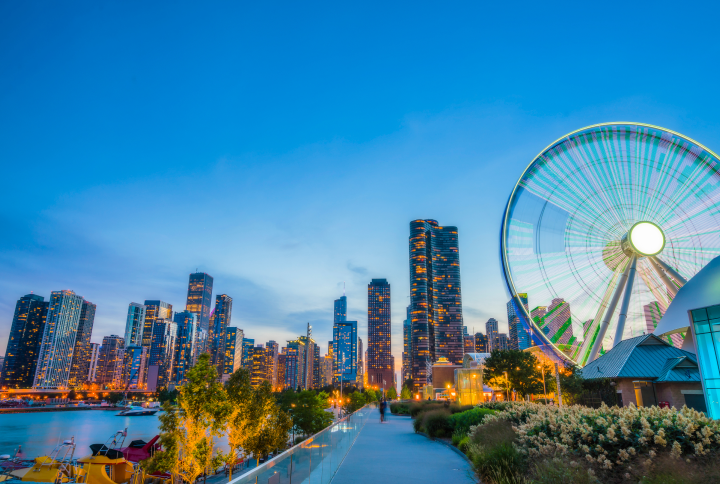
Chicago Travel Guide: Architecture, Culture, and Deep-Dish Pizza
Chicago impresses with its stunning skyline, world-class museums, diverse neighborhoods, and deep cultural roots. This Midwestern metropolis combines urban sophistication with Midwest friendliness.
Architectural Wonders Chicago rebuilt after the Great Fire of 1871 to become the birthplace of the skyscraper. Take an architectural boat tour on the Chicago River to learn about iconic buildings designed by legends like Frank Lloyd Wright and Louis Sullivan. The Willis Tower (formerly Sears Tower) offers breathtaking views from its Skydeck, including The Ledge glass boxes extending over the edge.
Millennium Park: Urban Art and Gathering Space This 24.5-acre park features Cloud Gate (affectionately called “The Bean”), a mirror-finished sculpture perfect for photos. Watch free concerts at the Jay Pritzker Pavilion, cool off in Crown Fountain’s interactive water feature, and stroll through the Lurie Garden.
Museum Campus Three major museums cluster along the lakefront. The Field Museum houses Sue, the largest and most complete T. rex ever found, plus extensive natural history collections. The Shedd Aquarium features 32,000 aquatic animals. The Adler Planetarium explores space and astronomy with shows and exhibits.
The Art Institute of Chicago One of the oldest and largest art museums in America displays masterpieces including Grant Wood’s “American Gothic,” Edward Hopper’s “Nighthawks,” and Georges Seurat’s “A Sunday on La Grande Jatte.” The museum’s collection spans 5,000 years and every corner of the globe.
Chicago Food Scene Deep-dish pizza is the famous draw, with Giordano’s, Lou Malnati’s, and Pequod’s serving legendary pies. But Chicago offers much more: Chicago-style hot dogs, Italian beef sandwiches, Garrett Popcorn, and innovative fine dining at restaurants like Alinea.
Navy Pier and Lakefront Navy Pier extends into Lake Michigan with restaurants, shops, gardens, and a Ferris wheel offering city views. The 18-mile Lakefront Trail is perfect for biking or jogging with stunning lake and skyline views.
Diverse Neighborhoods Explore beyond downtown to discover Chicago’s character. Wicker Park and Bucktown offer hip boutiques and restaurants. Pilsen showcases Mexican culture and vibrant murals. Chinatown serves authentic cuisine. Lincoln Park combines upscale living with a free zoo.
Best Time to Visit: Summer (June-August) for warm weather and festivals, though it can be crowded and expensive.
Transportation: The ‘L’ train system efficiently connects neighborhoods and major attractions.
7. Miami, FL – Where Culture Meets Paradise

Miami Travel Guide: Beaches, Art Deco, and Latin Flavor
Miami combines tropical beauty with sophisticated urban culture, creating a destination unlike any other in the United States. This diverse city offers stunning beaches, vibrant nightlife, world-class art, and cuisine influenced by Latin America and the Caribbean.
South Beach: Art Deco and Ocean Views The iconic Art Deco Historic District features over 800 preserved buildings from the 1930s and 40s, painted in pastel colors. Ocean Drive buzzes with outdoor cafes, models, and photographers. The wide sandy beach and turquoise water provide the perfect backdrop for swimming, sunbathing, and people-watching.
Wynwood Walls: Street Art Capital This former warehouse district transformed into an outdoor museum showcasing massive murals by renowned street artists from around the world. The neighborhood now hosts galleries, boutiques, craft breweries, and trendy restaurants.
Little Havana: Cuban Culture and Cuisine Experience authentic Cuban-American culture along Calle Ocho (8th Street). Watch domino games at Maximo Gomez Park, smoke cigars hand-rolled by master torcedors, dance to live salsa music, and feast on Cuban sandwiches, croquetas, and café cubano.
Design District and Coral Gables The Design District features luxury fashion boutiques, contemporary art galleries, and innovative dining. Coral Gables offers Mediterranean Revival architecture, the stunning Venetian Pool carved from a rock quarry, and tree-lined streets perfect for exploring.
Vizcaya Museum and Gardens This Italian Renaissance-style villa overlooks Biscayne Bay with formal gardens, fountains, and lavishly decorated rooms filled with European antiques. The estate provides a glimpse into Miami’s Gilded Age history.
Everglades National Park Just outside Miami, this unique ecosystem protects sawgrass marshes, mangrove forests, and diverse wildlife including alligators, manatees, and hundreds of bird species. Take an airboat tour for an unforgettable adventure.
Miami’s Culinary Scene From fresh stone crab to innovative fusion cuisine, Miami’s restaurants reflect the city’s multicultural population. Sample Peruvian ceviche, Argentine steaks, Caribbean seafood, and tropical fruits at local markets.
Nightlife and Entertainment World-famous nightclubs host celebrity DJs and attract international crowds. Rooftop bars offer sunset views over the city and ocean. Live music venues present everything from Latin jazz to electronic dance music.
Best Time to Visit: December-April for warm, dry weather and peak season energy. Summer offers lower prices but heat and humidity.
Beach Tip: Arrive early to secure parking and prime beach spots, especially on weekends.
8. Boston, MA – Where History Comes Alive
Boston Travel Guide Revolutionary History Meets Modern Innovation
Boston seamlessly blends social heritage with slice- edge invention, creating a megacity that honors its history while embracing the future. From Revolutionary War spots to world- famed universities, Boston offers intellectual and artistic uproariousness.
The Freedom Trail Walking Through History This 2.5- afar red slipup trail connects 16 historically significant spots, telling the story of the American Revolution. Start at Boston Common, America’s oldest public demesne. Visit the Massachusetts State House with its golden pate, the Old State House where the Boston Massacre passed, Paul Revere’s House, Old North Church where the” one if by land, two if by ocean” signal was given, and the USS Constitution, the world’s oldest commissioned nonmilitary vessel still round.
Faneuil Hall and Quincy Market This major business served as a meeting hall for revolutionaries and now houses caffs, shops, and road players. Sample New England bone
chowder, lobster rolls, and other original specialties at food booths.
Harvard University and MIT Cross the Charles River to Cambridge and stint Harvard Yard, the major heart of America’s oldest institution of advanced education. Visit the Harvard Museum of Natural History and Harvard Art Galleries. Explore MIT’s lot and its innovative MIT Museum showcasing robotics, holography,
and slice- edge technology.
Fenway Park America’s utmost Cherished Ballpark Catch a Red Sox game at this iconic colosseum, erected in 1912. Indeednon-baseball suckers appreciate the major atmosphere, the fabulous herbage Monster left field wall, and the passionate suckers.
New England Cuisine Boston’s food scene centers on fresh seafood. Try authentic New England bone
chowder( thick and delicate, noway with tomatoes), fresh lobster rolls served cold with mayo or hot with adulation, fried bones, and Boston cream pie for cate.
Boston Harbor and Waterfront Walk along the HarborWalk for shorefront views and access to caffs
and lodestones. Take a ferry to the Boston Harbor islets for strands, hiking, and Civil War- period Fort Warren.
Beacon Hill Charming Historic Neighborhood
Stroll cobblestone thoroughfares lined with Federal- style rowhouses, gas lights, and window boxes overflowing with flowers. Acorn Street is one of America’s most mugged thoroughfares.
Galleries and Culture
The Museum of Fine trades houses an emotional collection gauging ancient Egypt to contemporary art. The Isabella Stewart Gardner Museum displays masterpieces in an alluring Venetian- style palazzo girding a lush yard. The Museum of Science offers interactive shows for all periods.
Stylish Time to Visit September- November for fall leafage and affable rainfall, or spring to see the megacity bloom.
Walking City Boston’s compact size and major thoroughfares make walking the stylish way to explore, however wear comfortable shoes for cobblestones.
9. Grand Canyon, AZ – Nature’s Masterpiece
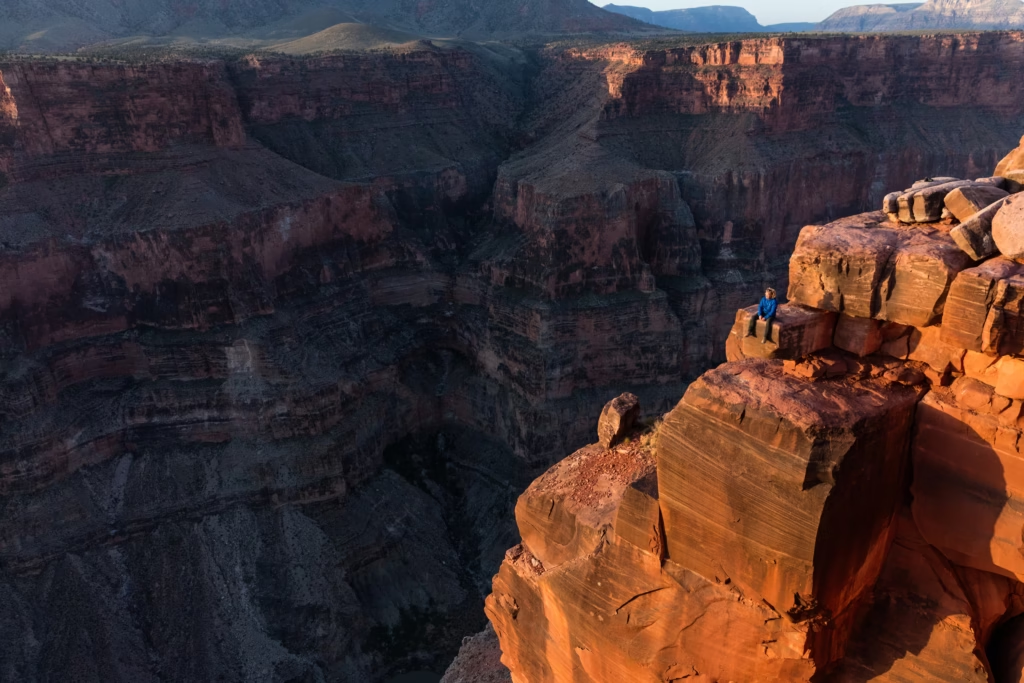
Grand Canyon National Park: Complete Visitor’s Guide
The Grand Canyon stands as one of Earth’s most spectacular natural wonders, revealing nearly two billion years of geological history in its colorful rock layers. This immense chasm stretches 277 miles long, up to 18 miles wide, and plunges over a mile deep.
South Rim: The Classic Experience Open year-round, the South Rim hosts 90% of park visitors with good reason. Drive or shuttle along Hermit Road and Desert View Drive for constantly changing vantage points. Mather Point and Yavapai Point offer stunning panoramic views perfect for first-time visitors. Grandview Point provides a quieter experience with expansive vistas.
Hiking the Canyon Descending into the canyon offers an entirely different perspective. The Bright Angel Trail and South Kaibab Trail are the most popular routes, but remember: going down is optional, coming up is mandatory. Start early to avoid midday heat, bring plenty of water, and don’t attempt to reach the Colorado River and return in one day unless you’re an experienced hiker in excellent condition.
For easier walks, the Rim Trail follows the canyon edge for 13 miles, mostly paved and accessible to wheelchairs and strollers. It connects major viewpoints and visitor centers.
Sunrise and Sunset The canyon transforms as light changes throughout the day. Sunrise at Mather Point or Yavapai Point illuminates the eastern canyon with warm golden light. Sunset at Hopi Point or Mohave Point paints the western canyon in spectacular oranges, reds, and purples. Arrive early as parking fills quickly.
North Rim: The Road Less Traveled Open mid-May through mid-October, the North Rim sits 1,000 feet higher and receives a fraction of South Rim visitors. The drive requires several hours more than the South Rim, but rewards visitors with a more peaceful, forested environment. The canyon views from Point Imperial and Cape Royal are equally stunning.
Helicopter and Airplane Tours Aerial tours provide breathtaking perspectives impossible from the rim. Flights range from 30-minute overviews to all-day adventures including landing on the canyon floor or rafting on the Colorado River.
Colorado River Rafting Multi-day rafting trips through the canyon offer the ultimate adventure. Expeditions range from 3 to 18 days, combining thrilling rapids with camping on river beaches and hiking to hidden waterfalls and ancient ruins.
Desert View Watchtower This 70-foot stone tower designed by architect Mary Colter provides 360-degree views. Inside, murals by Hopi artist Fred Kabotie depict Native American legends.
Best Time to Visit: Spring (March-May) and fall (September-November) offer pleasant temperatures and fewer crowds. Summer sees extreme heat in the inner canyon. Winter brings snow to the rims but beautiful solitude.
Planning Tips: Book accommodations months in advance, especially for rim lodges. Bring layers as temperatures vary significantly from rim to canyon floor. Stay hydrated and respect your physical limits.
10. Yellowstone National Park – America’s First National Park
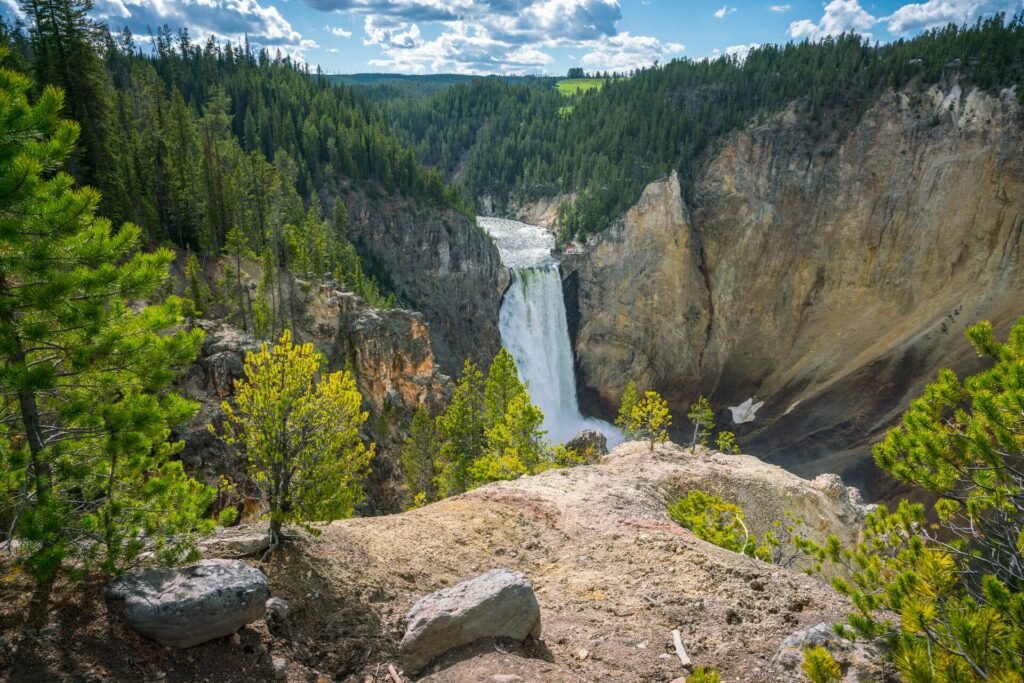
Yellowstone National Park: Geysers, Wildlife, and Wilderness
Established in 1872 as the world’s first national park, Yellowstone protects a vast wilderness ecosystem sitting atop one of Earth’s largest active volcanic systems. This creates a landscape unlike any other, with geysers, hot springs, mud pots, and diverse wildlife roaming freely.
Old Faithful and Upper Geyser Basin The park’s most famous feature, Old Faithful, erupts approximately every 90 minutes, shooting water up to 180 feet high. The surrounding Upper Geyser Basin contains the world’s highest concentration of geysers. Walk the boardwalk loop to see colorful hot springs like Morning Glory Pool and other active geysers.
Grand Prismatic Spring: Nature’s Rainbow The largest hot spring in the United States and third-largest in the world displays vivid colors from deep blue in the center to brilliant orange and yellow at the edges, created by heat-loving microorganisms. View it from the boardwalk or hike to the overlook trail for an elevated perspective revealing the full spectrum.
Yellowstone’s Wildlife The park hosts the largest concentration of mammals in the lower 48 states. Bison herds wander throughout the park, often causing “bison jams” when they cross roads. Look for elk grazing in meadows, especially near Mammoth Hot Springs. Gray wolves hunt in the Lamar Valley, earning it the nickname “America’s Serengeti.” Grizzly bears and black bears roam the backcountry.
Mammoth Hot Springs: Living Terraces These otherworldly terraces constantly change as hot water deposits calcium carbonate, creating travertine formations that resemble frozen waterfalls. The Lower and Upper Terrace boardwalks wind through active and dormant springs in shades of white, yellow, and orange.
Grand Canyon of the Yellowstone Not to be confused with the Grand Canyon in Arizona, this dramatic gorge showcases the golden and pink rock that gave the park its name. The Lower Falls plunge 308 feet, twice the height of Niagara Falls. View the canyon from Artist Point, Uncle Tom’s Trail, or the South Rim Trail.
Norris Geyser Basin The hottest and most changeable thermal area in the park features Steamboat Geyser, the world’s tallest active geyser. Though eruptions are unpredictable, the basin offers fascinating geology and microbial mats creating colorful patterns.
Yellowstone Lake At 7,732 feet elevation, this is North America’s largest high-elevation lake. The West Thumb Geyser Basin sits on its shore, where thermal features meet the lake’s cold water. Rent a boat, fish for cutthroat trout, or simply enjoy the peaceful views.
Lamar Valley: Best Wildlife Watching Wake before dawn to see wildlife most active in the early morning. Bring binoculars or a spotting scope. Rangers and wolf watchers with large scopes often share views and information. Wolves, bison, elk, pronghorn, and bears frequent this valley.
Best Time to Visit: May-September for road accessibility and wildlife watching. Late April-May for baby animals. September for rutting elk and fewer crowds. Winter offers unique experiences like snowcoach tours and seeing geothermal features in frozen landscapes, but most roads close.
Important Reminders: Stay at least 25 yards from bison and elk, 100 yards from bears and wolves. The ground near thermal features can be dangerously thin—stay on boardwalks. Plan for crowds in summer and reserve lodging well in advance.