
Now Reading: Alaska Top Visiting Places
-
01
Alaska Top Visiting Places
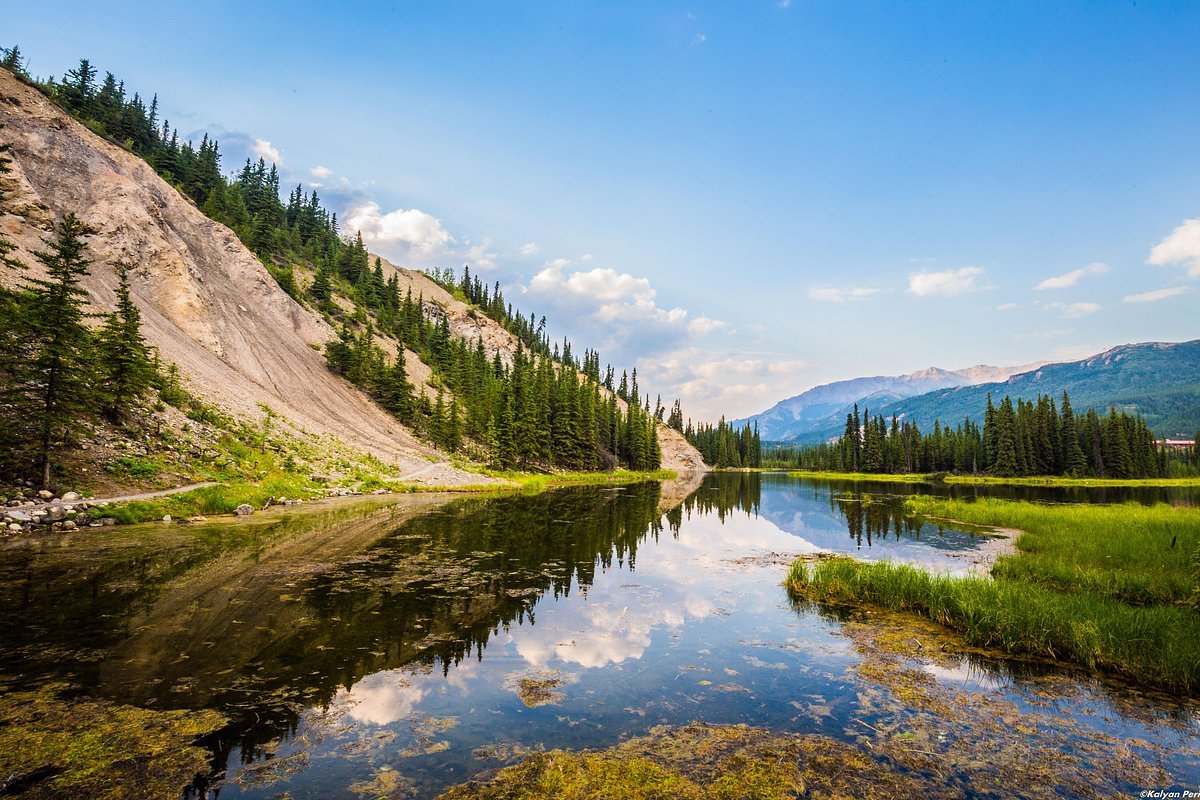
Alaska Top Visiting Places
Denali National Park Alaska: Ultimate Guide to Wildlife, Mount Denali & Adventure 2024

America’s Ultimate Wilderness Experience
Denali National Park encompasses 6 million acres of wild Alaska – an area larger than Massachusetts – where glaciers carve through mountains, rivers braid across tundra valleys, and wildlife roams freely as it has for millennia. At the heart of this pristine wilderness stands Denali (formerly Mount McKinley), North America’s tallest peak at 20,310 feet, a massive pyramid of rock and ice that dominates the landscape and creates its own weather systems.
Understanding Denali: More Than Just a Mountain
The mountain’s Athabascan name, Denali, means “the Great One” or “the High One,” and it’s immediately clear why. The mountain rises nearly 18,000 feet from base to summit, one of the greatest vertical reliefs on Earth. For perspective, Mount Everest rises only about 12,000 feet from its base, though it reaches a higher elevation overall.
Denali creates such massive weather systems that it’s only fully visible about 30% of the time. Clouds typically shroud the peak, making clear-day sightings feel like winning the lottery. When visible, however, the mountain’s sheer scale defies comprehension, appearing almost too large to be real.
But Denali National Park offers so much more than mountain views. The park protects complete ecosystems where predator and prey relationships remain intact, where grizzly bears dig for ground squirrels, wolves hunt caribou, and golden eagles soar on thermals rising from the tundra.
The Bus System: Preserving Wilderness While Providing Access
Only the first 15 miles of the park road are paved and open to private vehicles. Beyond Savage River, the 92-mile park road is accessible only via park buses or special permits (limited lottery-based road permits). This system, implemented to protect the wilderness and wildlife, actually enhances the visitor experience.
Narrated Bus Tours operate throughout the day, with routes including:
Denali Natural History Tour (5 hours): Travels 62 miles to the Teklanika River with naturalist guides providing insights into geology, ecology, and wildlife. This tour is ideal for those with limited time or mobility considerations.
Tundra Wilderness Tour (8 hours): Ventures 62 miles with more time for wildlife viewing and photography stops. Guides share detailed information about the park’s ecosystems and natural history.
Kantishna Experience (13 hours): The full 92-mile journey to the historic mining district of Kantishna at the park’s western end. This marathon trip provides the deepest penetration into the wilderness and highest probability of seeing Denali on clear days.
Transit Buses offer the most flexible option for hikers and photographers. These green buses stop anywhere along the road for wildlife viewing or to let passengers off for hiking. You can board any bus with space to continue deeper or return to the entrance. This hop-on, hop-off system allows you to customize your experience.
The bus ride itself becomes an adventure. The narrow, unpaved road climbs mountain passes, crosses braided rivers, and winds along cliff edges with stomach-dropping views. Drivers are skilled at navigating the rough terrain while scanning for wildlife. Fellow passengers become a community, collectively spotting animals and sharing the experience.
Winter (Mid-September – Early May):
The park road closes beyond mile 3, but winter offers unique experiences for prepared adventurers. Dog sledding, cross-country skiing, and fat-tire biking provide access. Winter camping and backcountry skiing attract hardy souls seeking ultimate solitude. The park entrance area remains accessible by road, and some programs operate during winter. Temperatures commonly drop below -40°F.
Best Chance to See Denali (the mountain):
Clear views are never guaranteed, but statistically:
- Early morning offers best visibility
- June and July have highest percentage of clear days (still only about 30-40%)
- Locations west of mile 50 provide best vantage points
- Multiple-day visits increase odds
- Weather can change rapidly – if you see it, photograph immediately
Planning Your Visit
How Much Time to Allocate:
Minimum 2 days allows for one bus trip into the park. Ideal visit is 3-4 days, allowing multiple bus trips at different times, hiking opportunities, and buffer time for weather.
Reservations:
Book bus tours and campgrounds well in advance (reservations open December 1 for the following summer). Peak season (late June – early August) books months ahead. Last-minute cancellations sometimes open spaces, and some seats are held for day-of bookings.
Where to Stay:
Inside the Park:
- Wonder Lake Campground: The park’s most remote campground (mile 85) offers primitive tent camping with stunning Denali views on clear days. No RVs. Accessed only by camper bus.
- Riley Creek, Savage River, Teklanika River Campgrounds: Drive-in campgrounds with varying amenities. Teklanika requires minimum 3-night stay.
- Sanctuary River and Igloo Creek: Small, primitive campgrounds accessible by camper bus.
Park Entrance Area: Multiple lodges and cabins operate near the park entrance, including McKinley Chalet Resort, Denali Bluffs Hotel, and numerous smaller properties. These provide comfortable accommodations, restaurants, and tour booking services.
Healy (10 miles north): Budget-friendly options including hotels, hostels, and RV parks. Good for visitors with vehicles.
Talkeetna (2.5 hours south): Charming town offering an alternative base with flight-seeing tours, restaurants, and lodging.
Glacier Bay National Park: Where Ice Meets the Sea
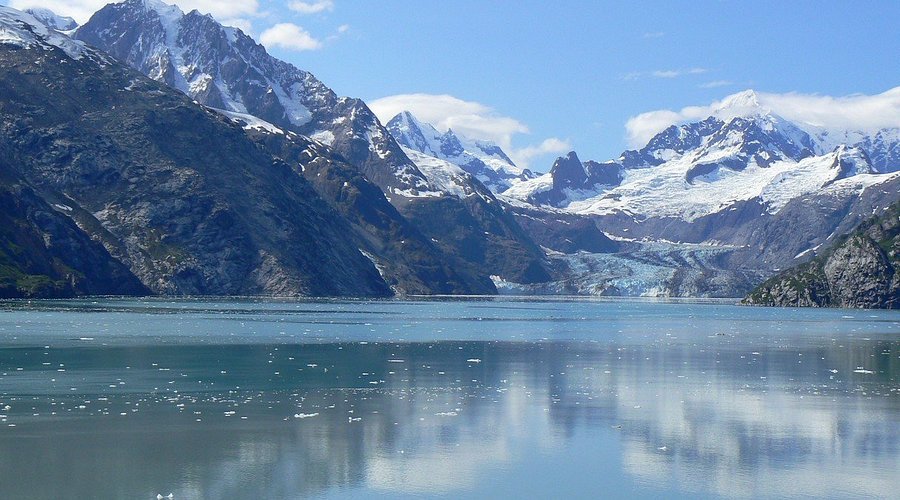
Alaska’s Glacial Masterpiece
Glacier Bay National Park protects 3.3 million acres where massive glaciers flow from mountains to sea, calving icebergs into pristine fjords. This UNESCO World Heritage Site showcases one of Earth’s most dramatic landscapes – where ice-carved valleys meet the ocean, creating a spectacular environment that’s constantly changing and thunderously alive.
A Landscape Reborn: Glacier Bay’s Remarkable Story
In 1750, Glacier Bay didn’t exist as we know it today. A massive glacier filled the entire bay, extending all the way to the current park entrance at Icy Strait. Since then, the glaciers have retreated over 65 miles – one of the fastest glacial retreats ever recorded. This recession revealed a pristine laboratory for studying how ecosystems develop on newly exposed land.
When Captain George Vancouver explored the area in 1794, ice still blocked much of the bay. By the time John Muir visited in 1879, significant retreat had already occurred, inspiring him to write extensively about the dynamic landscape. Today’s visitors witness the ongoing process as glaciers continue advancing or retreating depending on local conditions.
This dramatic change continues before our eyes. Some glaciers advance (notably Johns Hopkins Glacier), while others retreat (like Muir Glacier, which has thinned and receded dramatically). The bay represents a living geology lesson in glaciation, climate, and ecological succession.
The Glaciers: Rivers of Ice
Glacier Bay contains over 1,000 glaciers, with roughly a dozen tidewater glaciers that reach the sea. These are the stars of any visit, showcasing nature’s raw power.
Margerie Glacier stands as one of the park’s most spectacular and accessible tidewater glaciers. This actively calving glacier faces are 350 feet tall above water (with much more below the surface) and extends a mile wide. Tour boats position themselves at safe distances while passengers watch and wait.
Calving events – when chunks of ice break off and crash into the water – occur unpredictably. The ice face groans, cracks, and suddenly massive pieces weighing thousands of tons thunder into the bay, creating waves and an echoing boom that reverberates off surrounding mountains. The sound resembles thunder or cannon fire.
First-time viewers often underestimate the scale. What appears to be a small piece of falling ice might actually be the size of a building. The splash creates waves that rock boats hundreds of yards away. After major calving events, the bay churns with ice chunks (called “bergy bits” and smaller “growlers”) floating like crushed ice in a giant’s cocktail.
Grand Pacific Glacier sits at the terminus of Glacier Bay’s main arm, marking the U.S.-Canada border. This glacier, unlike bright blue Margerie nearby, shows gray sediment-streaked ice from its grinding journey over rock. The contrast between the two glaciers sitting side by side demonstrates how different glaciers can behave.
Johns Hopkins Glacier, at the head of Johns Hopkins Inlet, remains highly active and surrounded by dramatic mountain peaks. The narrow inlet typically fills with ice, limiting boat access. When accessible, it offers one of the park’s most spectacular scenes. Harbor seals pupping on ice floes add wildlife interest.
Lamplugh Glacier’s intense blue ice face captivates photographers. The color intensity comes from compressed ice absorbing all light wavelengths except blue, which reflects back to our eyes.
Understanding Glacier Ice:
The brilliant blue color in glacial ice develops over centuries. Fresh snow contains air pockets that reflect white light. As snow accumulates and compresses into ice under immense pressure, air bubbles escape. The resulting dense ice absorbs red and yellow light wavelengths while reflecting blue, creating that stunning sapphire color in ice caves, crevasses, and recently calved icebergs.
Icebergs float with only 10% above water – the other 90% remains hidden below. This makes them especially dangerous for boats and explains their massive impact when they roll or split apart.
Wildlife: An Abundance of Life
Glacier Bay’s cold, nutrient-rich waters support remarkable marine life, while the surrounding forests and mountains host terrestrial species.
Humpback Whales are Glacier Bay’s most celebrated residents. These massive marine mammals (up to 50 feet long and 40 tons) migrate to Alaska waters each summer to feed on the rich concentrations of krill and small fish. Glacier Bay typically hosts 100-150 humpbacks during summer months.
Whale watching in Glacier Bay feels intimate because the bay’s protected waters keep seas relatively calm, allowing excellent viewing opportunities. Whales frequently surface nearby boats, exhaling through their blowholes with distinctive misty spouts. Breaching – when whales leap almost entirely out of the water and crash back down – occurs regularly, creating spectacular photo opportunities.
Humpbacks feed using bubble-net feeding, a cooperative hunting technique where whales dive beneath fish schools and blow circular bubble curtains that concentrate prey. The whales then surge upward through the bubble net with mouths open, gulping thousands of fish in one massive mouthful. Watching this behavior from a boat is unforgettable.
Orcas (Killer Whales) hunt in pods throughout the bay, feeding on seals, porpoises, and fish. These apex predators, with distinctive black and white coloring and tall dorsal fins, generate excitement whenever they appear. Different orca populations exist – resident pods eat fish while transient pods hunt marine mammals.
Sea Otters float on their backs, cracking shellfish on rocks balanced on their chests, thoroughly entertaining visitors with their adorable antics. These charismatic animals were hunted nearly to extinction for their thick fur before gaining protection. Their population has rebounded significantly.
Harbor Seals rest on ice floes calved from glaciers, particularly abundant near Johns Hopkins Glacier where females give birth on the ice. The ice provides safety from land predators like bears and wolves. Hundreds of seals may be visible hauled out on ice, their spotted forms unmistakable.
Steller Sea Lions patrol the waters and haul out on rocks. Males can weigh up to 2,500 pounds, making them much larger than seals. Their dog-like barking carries across the water.
Seabirds abound, including puffins (horned and tufted species), black-legged kittiwakes, marbled murrelets, pigeon guillemots, cormorants, and bald eagles. Seeing puffins with their colorful beaks and awkward flying is a highlight for birders.
On Land: Black and brown (grizzly) bears, wolves, moose, mountain goats (on high cliffs), coyotes, beavers, and various other mammals inhabit the park. Though harder to see from boats, land-based visitors sometimes encounter these animals.
Best Time to Visit
Peak Season (Late May – Early September):
The only time day boat tours operate. Wildlife viewing peaks during these months when humpback whales, seals, sea otters, and seabirds congregate to feed.
Winter (October – April):
The bay becomes nearly inaccessible as tour services close. Only the lodge’s winter caretakers, researchers, and occasional hardy adventurers experience winter’s solitude. The bay partially freezes, and glaciers appear even more dramatic against snow-covered landscapes.
Weather Considerations:
Glacier Bay’s weather is famously unpredictable. Southeast Alaska’s maritime climate means rain can occur any time. Pack layers and quality rain gear regardless of forecast. Even sunny mornings can turn gray and drizzly by afternoon.
Temperatures remain cool even in summer – rarely exceeding 65°F. Wind chill near glaciers makes it feel colder. The boat’s covered areas provide heated shelter.
Clear days offer spectacular views of mountains and glaciers. Overcast days can feel moody and atmospheric, with low clouds clinging to peaks. Rainy days create ethereal mist among glaciers and can produce dramatic photography. No weather is “bad” – each creates different moods.
Related artical : Alabama Top Visiting Places