
Now Reading: Top 5 Places to Visit in Autonomous City
-
01
Top 5 Places to Visit in Autonomous City

Top 5 Places to Visit in Autonomous City
Buenos Aires (CABA): Exploring the Soul of Argentina’s Capital City
Buenos Aires, officially known as the Autonomous City of Buenos Aires (CABA), is the beating heart of Argentina. A city of passion, culture, history, and rhythm, Buenos Aires blends European elegance with Latin American spirit like no other place in the world. From colorful immigrant neighborhoods and historic plazas to refined cemeteries, lively nightlife, and tango-filled streets, the city offers a deeply immersive experience for travelers.
Often called the “Paris of South America,” Buenos Aires is more than grand boulevards and classical architecture—it is a city that lives loudly, emotionally, and artistically. Each neighborhood tells a different story, reflecting waves of immigration, political struggles, artistic movements, and everyday porteño (Buenos Aires local) life.
Among its many districts, La Boca, Recoleta, Palermo, Plaza de Mayo, and San Telmo stand out as must-visit areas that capture the city’s essence. Together, they reveal Buenos Aires as a city where history and modern life coexist in colorful harmony.
La Boca & Caminito – Color, Football, and Immigrant Roots
La Boca is one of the most iconic and visually striking neighborhoods in Buenos Aires. Located near the old port area, it was historically home to Italian immigrants, particularly from Genoa, who arrived in the late 19th century. These immigrants shaped La Boca’s culture, architecture, and traditions, giving it a strong working-class identity that remains visible today.
The heart of La Boca is Caminito, a short pedestrian street famous for its brightly painted houses, open-air art galleries, tango dancers, and street musicians. The colorful buildings were originally made from scrap materials and painted with leftover ship paint, resulting in the vibrant look that has become a symbol of Buenos Aires worldwide.
La Boca is also synonymous with football culture, as it is home to the legendary Boca Juniors Stadium, La Bombonera. Football here is not just a sport—it is religion. On match days, the neighborhood pulses with energy, chants, and emotion, reflecting Argentina’s deep love for the game.
Beyond Caminito, La Boca also offers cultural centers, local art spaces, and historic corners that reflect the struggles and creativity of immigrant communities. While some areas require caution, La Boca remains an unforgettable place where art, music, football, and history collide.
Recoleta – Elegance, History, and Intellectual Charm
Recoleta represents the refined and aristocratic side of Buenos Aires. Known for its elegant architecture, wide avenues, museums, and upscale cafés, Recoleta reflects the city’s European influence, especially from France and Spain.
The most famous landmark here is the Recoleta Cemetery, one of the most unique cemeteries in the world. Rather than traditional graves, the cemetery is filled with elaborate mausoleums, statues, and tombs belonging to Argentina’s most prominent families. Among them is the tomb of Eva Perón (Evita), one of the country’s most influential and beloved historical figures. Her resting place attracts visitors from around the globe.
Recoleta is also a cultural hub. Nearby attractions include the National Museum of Fine Arts, which houses an impressive collection of Argentine and international art, and the Recoleta Cultural Center, a lively space for exhibitions, performances, and events.
Street cafés, bookshops, and shaded plazas give Recoleta a relaxed yet sophisticated atmosphere. It’s a neighborhood where intellectual conversation, history, and beauty blend seamlessly, making it ideal for travelers who enjoy culture, architecture, and quiet exploration.
Palermo – Green Spaces, Nightlife, and Trendy Culture
Palermo is Buenos Aires’ largest and most diverse neighborhood, known for its parks, fashion, food, and nightlife. It represents the modern, youthful, and creative side of the city.
One of Palermo’s highlights is its vast green areas, including Bosques de Palermo, a large park system featuring lakes, rose gardens, jogging paths, and picnic spots. These parks offer a refreshing escape from the city’s busy streets and are popular with locals year-round.
Palermo is divided into several sub-districts, each with its own character. Palermo Soho is famous for boutique shopping, street art, and trendy cafés, while Palermo Hollywood is known for restaurants, bars, and nightlife. At night, the area comes alive with music, social gatherings, and cultural energy.
Food lovers will find Palermo especially exciting, as it offers everything from traditional Argentine steakhouses to international cuisine and innovative fusion restaurants. Vegan, vegetarian, and gourmet dining options are also widely available.
With its botanical gardens, modern design, and creative atmosphere, Palermo reflects the evolving identity of Buenos Aires—forward-looking while still deeply rooted in tradition.
Plaza de Mayo – The Political and Historical Heart
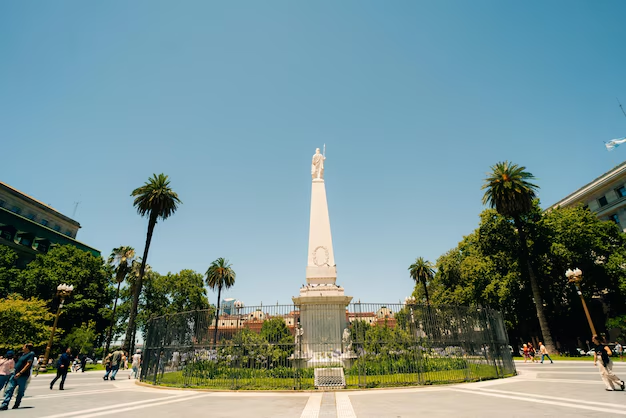
Plaza de Mayo is the most historically significant square in Buenos Aires and the symbolic center of Argentina’s political life. Since colonial times, this plaza has witnessed revolutions, protests, celebrations, and defining moments in the nation’s history.
Dominating the square is the Casa Rosada, the presidential palace, instantly recognizable by its distinctive pink color. It has served as the seat of Argentina’s government for generations and remains a powerful symbol of national authority.
Surrounding the plaza are important colonial and political buildings, including the Metropolitan Cathedral, where Pope Francis once served as Archbishop of Buenos Aires, and the Cabildo, a historic government building dating back to Spanish rule.
Plaza de Mayo is also deeply connected to social movements. It is famous for the Mothers of the Plaza de Mayo, who gathered here weekly during Argentina’s military dictatorship to demand information about their disappeared children. Their white headscarves remain a symbol of resistance and human rights.
Visiting Plaza de Mayo offers insight into Argentina’s struggles, resilience, and democratic spirit.
San Telmo – Tango, Antiques, and Old Buenos Aires
San Telmo is the oldest neighborhood in Buenos Aires and one of its most atmospheric. Known for cobblestone streets, colonial buildings, and strong tango culture, San Telmo feels like a step back in time.
The neighborhood is famous for its Sunday antique market along Defensa Street, where vendors sell antiques, crafts, vinyl records, and artwork. Street performers, tango dancers, and musicians fill the area, creating a lively and authentic atmosphere.
San Telmo is considered the birthplace of tango, and the dance remains deeply rooted in the neighborhood. Visitors can watch spontaneous tango performances in public squares or attend traditional tango shows in historic venues.
Beyond tango, San Telmo offers museums, historic mansions, and cozy cafés. Its slightly worn elegance adds to its charm, reflecting the city’s layered history and artistic soul.
San Telmo is a favorite among travelers seeking authenticity, culture, and a strong connection to Buenos Aires’ past.
Related artical : Top 20 Places to Visit in Antigua and Barbuda