
Now Reading: Top 5 Places to Visit in Chaco
-
01
Top 5 Places to Visit in Chaco
Top 5 Places to Visit in Chaco
Chaco Province: Argentina’s Wild Heart of Forests, Rivers, and Living Culture
Located in northern Argentina, Chaco Province is one of the country’s most distinctive and least-explored regions. Far from the glaciers of Patagonia and the peaks of the Andes, Chaco reveals a completely different Argentina—one shaped by dense forests, wide rivers, wetlands, wildlife, and deep indigenous heritage. This is a land where nature still dominates daily life and traditions remain strongly connected to the land.
Chaco lies within the Gran Chaco ecosystem, one of South America’s largest forested regions, stretching across Argentina, Paraguay, and Bolivia. The province offers travelers a chance to experience raw wilderness, unique biodiversity, and cultural authenticity without crowds. From jaguar habitat and bird-filled wetlands to riverside villages and an unexpected urban art scene, Chaco is both surprising and deeply rewarding.
Among the province’s most remarkable destinations are El Impenetrable National Park, Resistencia, Chaco National Park, Isla del Cerrito, and Villa Río Bermejito—each showcasing a different side of Chaco’s natural and cultural identity.
El Impenetrable National Park – Into Argentina’s Wildest Forest
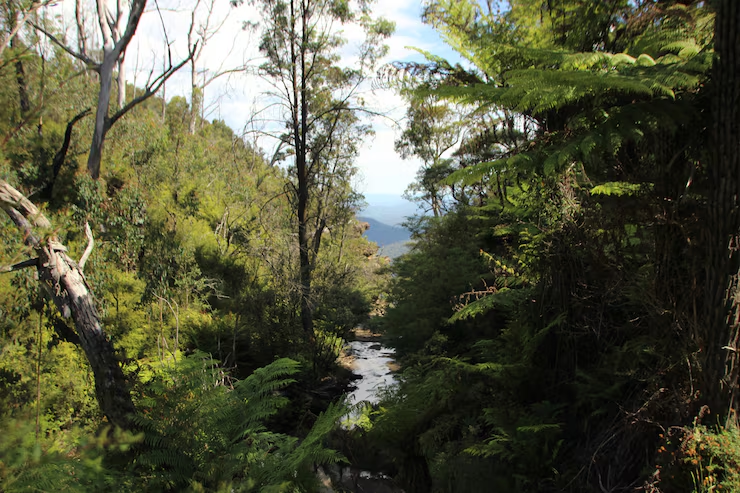
El Impenetrable National Park is one of Argentina’s newest and most important protected areas. As its name suggests, the region was once considered nearly impossible to cross due to its dense forests, thorny vegetation, and extreme climate. Today, it stands as a symbol of conservation and wilderness.
The park protects a vast area of native Gran Chaco forest, home to some of Argentina’s most threatened wildlife. Species such as jaguars, giant anteaters, tapirs, peccaries, and pumas roam this remote landscape, along with hundreds of bird species. The biodiversity here is extraordinary, making it a key destination for wildlife enthusiasts and conservation-minded travelers.
Visiting El Impenetrable is an adventure in itself. The experience focuses on guided excursions, nature walks, wildlife tracking, and learning about the fragile ecosystem. Indigenous communities play a role in conservation and tourism, offering insights into traditional knowledge and sustainable living.
This national park represents Chaco at its wildest—untouched, powerful, and essential for Argentina’s ecological future.
Resistencia – Argentina’s Open-Air Sculpture Capital
At first glance, Resistencia, the capital of Chaco Province, may seem like a quiet northern city. But walk its streets, and you quickly discover something extraordinary. Resistencia is known as the “Open-Air Sculpture Capital of Argentina”, with more than 600 sculptures displayed in parks, sidewalks, plazas, and public spaces.
The city’s strong artistic identity comes from decades of cultural investment and international sculpture biennials. Art here is not confined to museums—it is part of everyday life. Bronze, stone, and metal sculptures appear around every corner, creating a unique urban atmosphere.
Beyond its art scene, Resistencia offers leafy boulevards, riverfront views, cultural centers, and museums that explore regional history and indigenous cultures. Cafés and public spaces provide a relaxed pace, reflecting the warmth of northern Argentine life.
Resistencia proves that Chaco is not only about wilderness—it is also a place of creativity, expression, and cultural pride.
Chaco National Park – Wetlands and Birdwatching Paradise
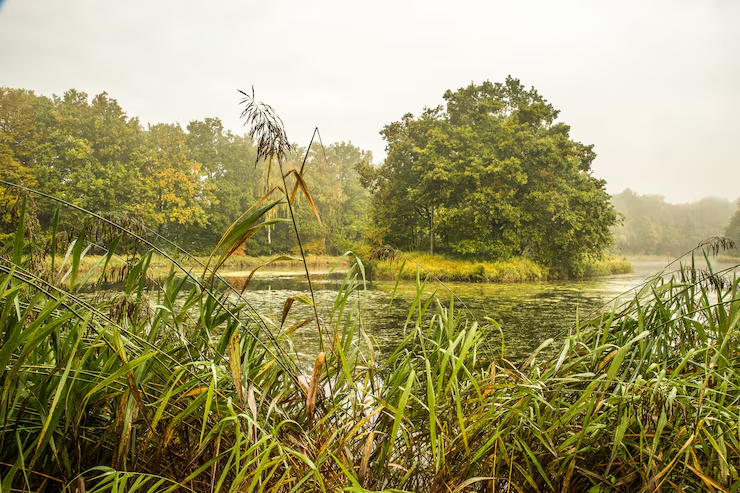
Chaco National Park offers a completely different natural environment from El Impenetrable. Instead of dry forests, this park protects wetlands, lagoons, grasslands, and palm savannas, creating an ideal habitat for birds and aquatic wildlife.
The park is especially popular with birdwatchers, as it is home to herons, storks, ibises, jabirus, and countless migratory species. Mammals such as capybaras, marsh deer, and foxes are also commonly spotted.
Well-marked trails and observation points allow visitors to explore the park at a relaxed pace. Seasonal flooding transforms the landscape, changing colors and wildlife patterns throughout the year.
Chaco National Park highlights the ecological diversity of the province and showcases how water shapes life in northern Argentina. It is peaceful, scenic, and ideal for nature photography and quiet exploration.
Isla del Cerrito – Rivers, Beaches, and Fishing Traditions
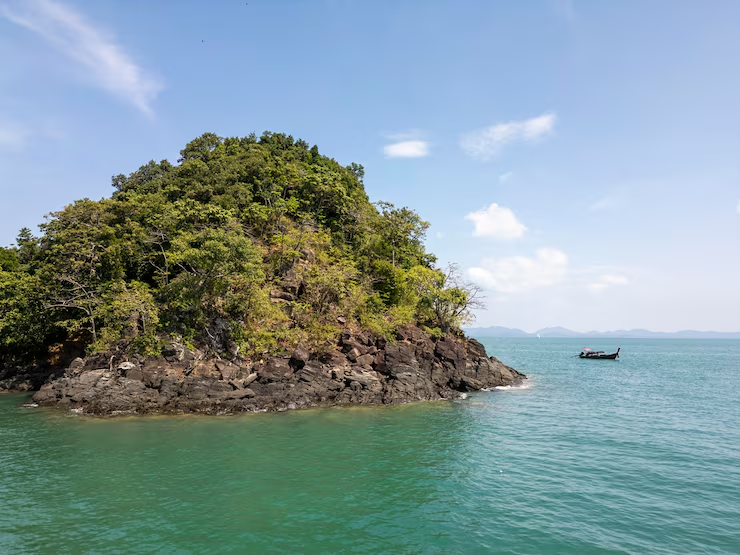
Isla del Cerrito is a charming riverside destination located at the confluence of the Paraná and Paraguay rivers. Surrounded by water and lush vegetation, the island offers a refreshing contrast to Chaco’s forests and wetlands.
The island is known for its river beaches, calm atmosphere, and excellent fishing opportunities. Anglers come from across the region to fish for dorado, surubí, and other freshwater species. Boat excursions, kayaking, and riverside walks are popular activities.
Isla del Cerrito also has historical significance, once serving as a strategic point during colonial times. Today, it is a peaceful getaway where visitors can relax, enjoy local cuisine, and experience river culture.
This destination reflects Chaco’s close relationship with its rivers, which serve as sources of food, transport, and community life.
Villa Río Bermejito – Indigenous Culture and River Tourism
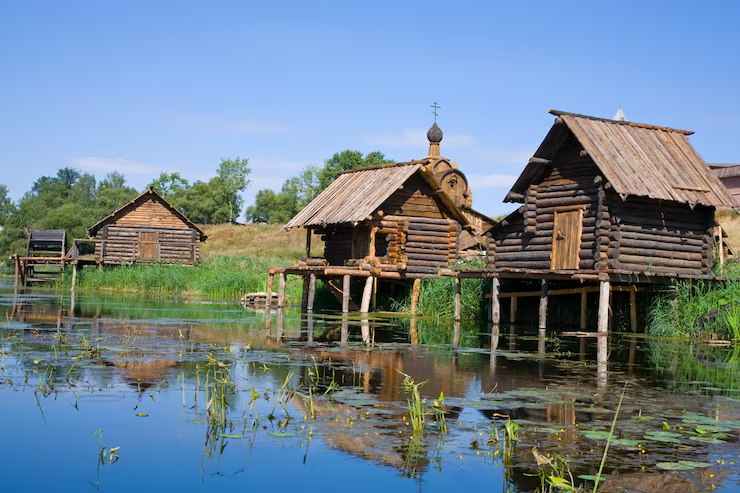
Villa Río Bermejito is one of Chaco’s most culturally rich destinations. Located along the Bermejito River, this town is closely connected to indigenous communities, particularly the Qom (Toba) people, who maintain strong traditions and cultural identity.
The river is central to life here. Its sandy beaches attract visitors during warmer months, while fishing, boating, and swimming are part of daily routines. River tourism has grown steadily, offering travelers an opportunity to enjoy nature while supporting local communities.
Cultural experiences are a major highlight of Villa Río Bermejito. Visitors can learn about indigenous crafts, music, storytelling, and traditional knowledge of the land. Festivals and community events provide deeper insight into Chaco’s living heritage.
This destination represents the human side of Chaco—where culture, nature, and tradition coexist in harmony.
Related artical : Top 5 Places to Visit in Catamarca Province