
Now Reading: Top 20 Tourist Places in Armenia For Travel Guide
-
01
Top 20 Tourist Places in Armenia For Travel Guide
Top 20 Tourist Places in Armenia For Travel Guide
1. Yerevan – The Pink City of History and Culture
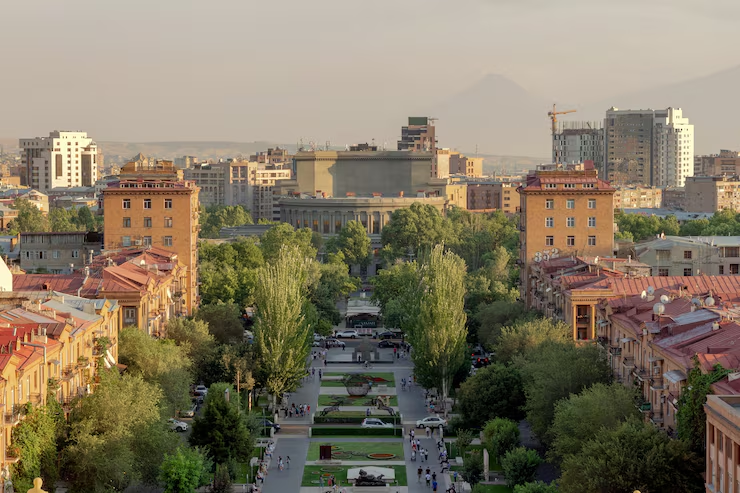
Yerevan, the capital and largest city of Armenia, is one of the world’s oldest continuously inhabited cities, with a history stretching back more than 2,800 years. Often called the “Pink City” due to the rose-colored volcanic stone used in its buildings, Yerevan blends ancient heritage with modern urban life. Republic Square is the heart of the city, surrounded by grand government buildings, museums, hotels, and lively cafés. In the evenings, the musical fountains attract both locals and tourists.
The city is rich in cultural institutions such as the History Museum of Armenia, the Matenadaran manuscript museum, and the Armenian Genocide Memorial and Museum, which offers a deeply moving historical experience. Yerevan’s café culture is vibrant, with outdoor seating, live music, and a strong social atmosphere. Northern Avenue and Cascade Complex add a modern, artistic touch to the city, with sculptures, galleries, and panoramic views of Mount Ararat on clear days.
Yerevan is also a gastronomic destination, offering traditional Armenian dishes like khorovats (barbecue), dolma, and lavash bread alongside contemporary cuisine. With its walkable streets, friendly locals, and deep-rooted history, Yerevan serves as the perfect starting point for exploring Armenia.
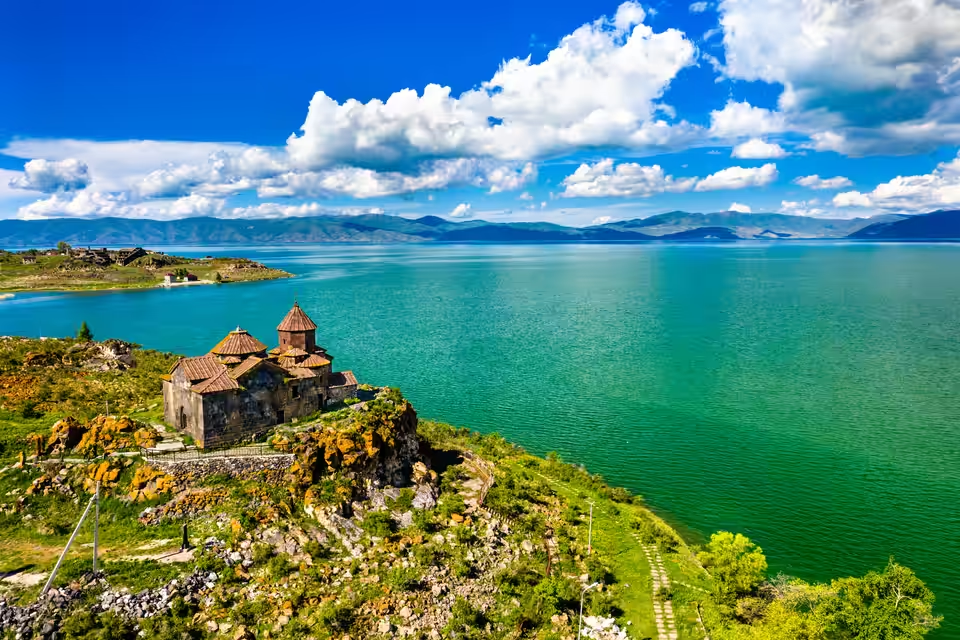
2. Lake Sevan – Armenia’s Blue Jewel
Lake Sevan is one of the largest high-altitude freshwater lakes in the world and one of Armenia’s most treasured natural landmarks. Located about 1,900 meters above sea level, the lake covers a vast area and plays a vital role in the country’s ecology, economy, and culture. Its clear blue waters contrast beautifully with the surrounding mountains, creating breathtaking scenery in every season.
During summer, Lake Sevan becomes a popular retreat for locals and tourists alike. Visitors enjoy swimming, boating, jet skiing, and relaxing along the lakeshore. The lake is also famous for its fish, especially Sevan trout, which is a staple of Armenian cuisine. Numerous lakeside restaurants serve fresh seafood with scenic views.
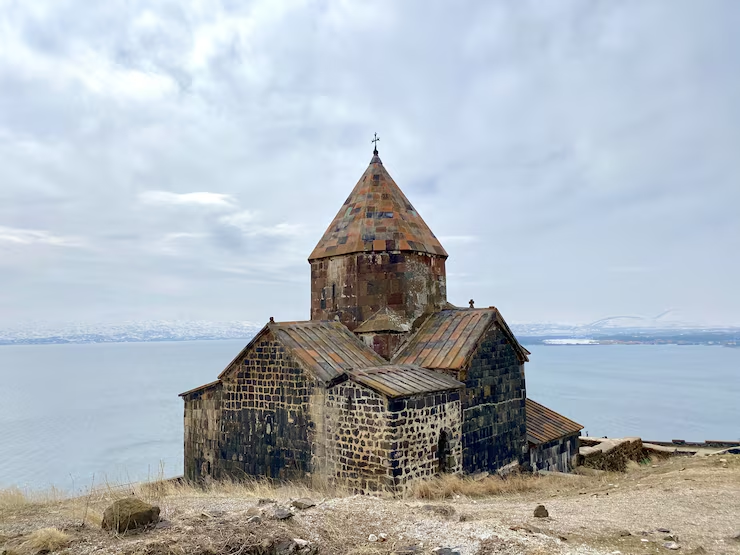
Cultural landmarks such as Sevanavank Monastery sit atop a peninsula overlooking the lake, offering both historical significance and stunning panoramas. The area around Lake Sevan is ideal for photography, picnics, and peaceful escapes from city life. Whether visited for leisure, culture, or natural beauty, Lake Sevan is an essential Armenian experience.
3. Garni Temple – Armenia’s Pagan Heritage

Garni Temple is the only surviving Greco‑Roman pagan temple in Armenia and a rare example of classical architecture in the region. Built in the 1st century AD and dedicated to the sun god Mihr, the temple stands majestically above the Azat River Gorge, surrounded by dramatic mountain scenery.
Constructed with basalt columns in the Ionic style, Garni Temple reflects Armenia’s pre‑Christian past and its historical connections with the Roman world. Nearby, visitors can explore the ruins of a royal palace, bathhouse with mosaic floors, and ancient fortifications. The site offers sweeping views of the surrounding canyon, making it a favorite spot for photographers.
A short walk from the temple leads to the Symphony of Stones, a natural basalt column formation resembling organ pipes. Garni is often combined with a visit to nearby Geghard Monastery, making it a key highlight of any Armenian itinerary.
4. Geghard Monastery – Rock‑Carved Spiritual Wonder

Geghard Monastery is one of Armenia’s most extraordinary religious sites and a UNESCO World Heritage Site. Dating back to the 4th century, the monastery is famous for its churches and chambers carved directly into the surrounding rock cliffs. The name “Geghard” means “spear,” referring to the spear believed to have pierced Christ, once kept here.
The complex is set within a narrow mountain gorge, creating a peaceful and mystical atmosphere. Inside, visitors can see beautifully carved khachkars (stone crosses), ancient inscriptions, and acoustically rich chambers where chants resonate powerfully.
Geghard is not only a place of worship but also a masterpiece of medieval Armenian architecture. Its harmony with nature and spiritual significance make it one of the most memorable destinations in Armenia.
5. Echmiadzin Cathedral – Heart of Armenian Christianity
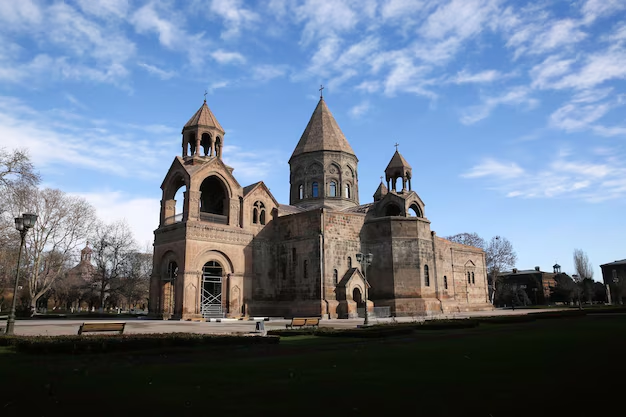
Echmiadzin Cathedral is the spiritual center of the Armenian Apostolic Church and one of the oldest Christian cathedrals in the world. Built in the early 4th century after Armenia became the first nation to adopt Christianity as a state religion, the cathedral is a UNESCO World Heritage Site.
Located in Vagharshapat, near Yerevan, Echmiadzin is a place of deep religious importance. The cathedral complex includes museums, seminaries, and beautifully landscaped grounds. Inside, visitors can admire sacred relics, ancient manuscripts, and religious artwork.
For Armenians worldwide, Echmiadzin represents faith, identity, and continuity. For visitors, it offers insight into Armenia’s role in early Christian history and its enduring spiritual traditions.
6. Khor Virap – Monastery with Mount Ararat Views
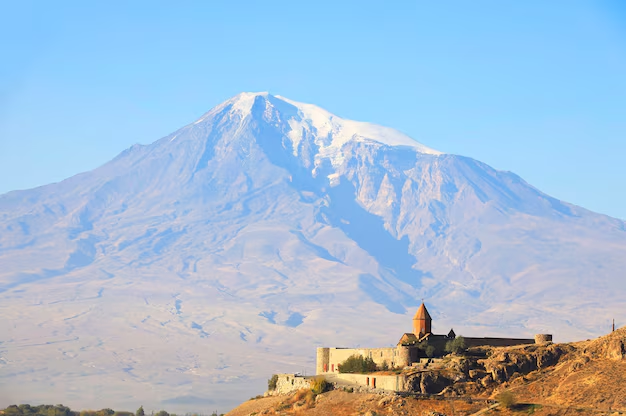
Khor Virap is one of Armenia’s most iconic monasteries, famous for its breathtaking views of Mount Ararat. Located near the Turkish border, the monastery is historically significant as the place where Saint Gregory the Illuminator was imprisoned for 13 years.
Visitors can descend into the underground pit where Saint Gregory was held, adding a powerful historical dimension to the visit. The site’s open plains and dramatic mountain backdrop make it one of the most photographed places in Armenia.
Khor Virap combines religious importance, natural beauty, and national symbolism, making it a must‑see destination.
7. Tatev Monastery – Jewel of Southern Armenia
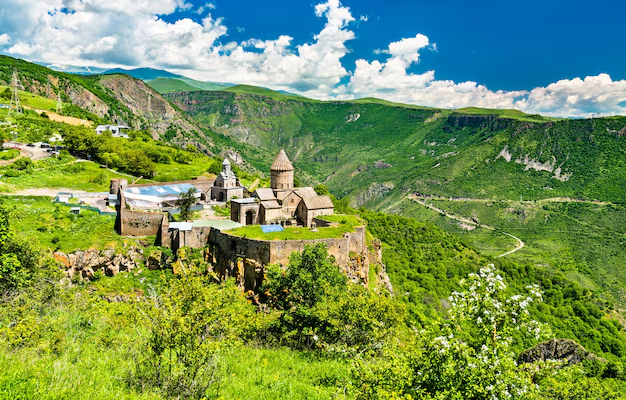
Tatev Monastery is a stunning medieval complex perched on a cliff edge in southern Armenia. Dating back to the 9th century, it was once a major educational and religious center.
The journey to Tatev is an attraction itself, featuring the Wings of Tatev, the world’s longest reversible cable car. The ride offers spectacular views of the Vorotan Gorge.
Tatev’s remote location, dramatic setting, and historical importance make it one of Armenia’s most unforgettable landmarks.
8. Dilijan – Armenia’s Green Getaway

Dilijan is one of Armenia’s most beloved resort towns, often called “Armenian Switzerland” because of its lush forests, rolling hills, and fresh mountain air. Located in the Tavush region, Dilijan has long been known as a health and spa destination, attracting visitors seeking relaxation, nature, and cultural charm. The town’s mild climate and clean environment make it an ideal escape from Armenia’s busier cities.
Dilijan’s historic quarter preserves traditional Armenian architecture, with wooden balconies, stone houses, and artisan workshops that reflect the town’s creative spirit. Visitors can explore local art studios, small museums, and cozy cafés serving Armenian and European cuisine. The town has also become a cultural hub, home to music schools and creative centers that attract artists and students from across the country.
Beyond the town itself, Dilijan serves as a gateway to forests, hiking trails, and ancient monasteries. Scenic walks lead to viewpoints overlooking valleys and rivers, while nearby spiritual sites add depth to any visit. Whether you come for wellness, culture, or outdoor exploration, Dilijan offers a peaceful atmosphere that perfectly blends nature, tradition, and creativity, making it one of Armenia’s most refreshing destinations.
9. Dilijan National Park – Forests and Biodiversity

Dilijan National Park is one of Armenia’s most ecologically rich and scenic protected areas, covering vast stretches of dense forest, mountain landscapes, rivers, and alpine meadows. Located around the town of Dilijan, the park is often referred to as Armenia’s “green lung” due to its biodiversity and pristine environment.
The park is home to a wide variety of plant and animal species, including rare trees, wildflowers, birds, and mammals. Nature lovers and photographers are drawn here for its peaceful atmosphere and ever-changing scenery across the seasons. Autumn paints the forests in vivid shades of red and gold, while spring and summer bring blooming flowers and clear mountain streams.
Dilijan National Park is also culturally significant, containing some of Armenia’s most beautiful monasteries. Haghartsin and Goshavank, hidden among forested hills, blend harmoniously with their surroundings and offer both spiritual and historical insight. Numerous hiking trails connect natural viewpoints, lakes, and monuments, making the park ideal for eco-tourism and slow travel.
Whether hiking, birdwatching, or simply enjoying quiet walks, Dilijan National Park offers a deep connection to Armenia’s natural heritage and is a must-visit for anyone seeking tranquility and untouched landscapes.
10. Noravank – Monastery in a Red Canyon
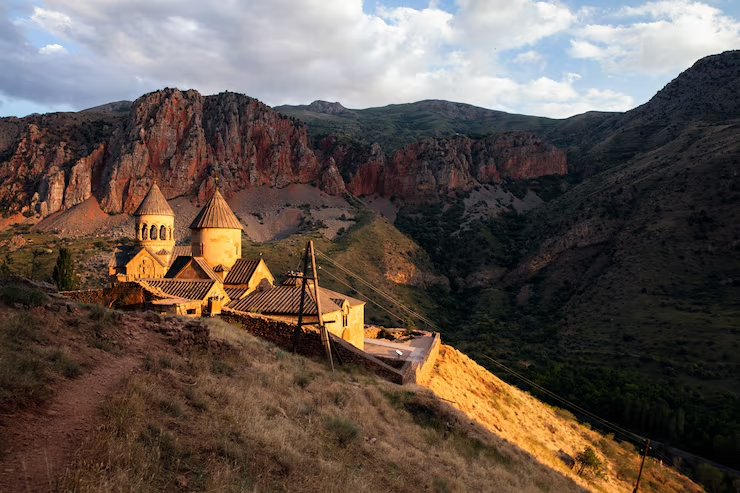
Noravank Monastery is one of Armenia’s most visually striking landmarks, dramatically set within a narrow red-rock canyon in the Vayots Dzor region. The journey to Noravank is an experience in itself, with winding roads passing towering cliffs carved by centuries of erosion.
Founded in the 13th century, Noravank was an important religious and cultural center. Its most famous structure, the two-story Surb Astvatsatsin Church, features an exterior staircase that leads to the upper chapel—an unusual and impressive architectural design. The monastery complex is closely associated with the renowned Armenian architect and sculptor Momik, whose detailed stone carvings add artistic depth to the site.
Noravank’s remote location creates a powerful sense of serenity and isolation. Surrounded by towering cliffs that glow in shades of orange and crimson during sunset, the monastery feels both spiritual and timeless. Visitors often combine a visit with wine tasting in nearby Areni, making it a highlight of southern Armenia.
Noravank perfectly captures the harmony between nature, faith, and medieval architecture, offering one of the most unforgettable landscapes in the country.
11. Gyumri – Cultural Capital of Armenia
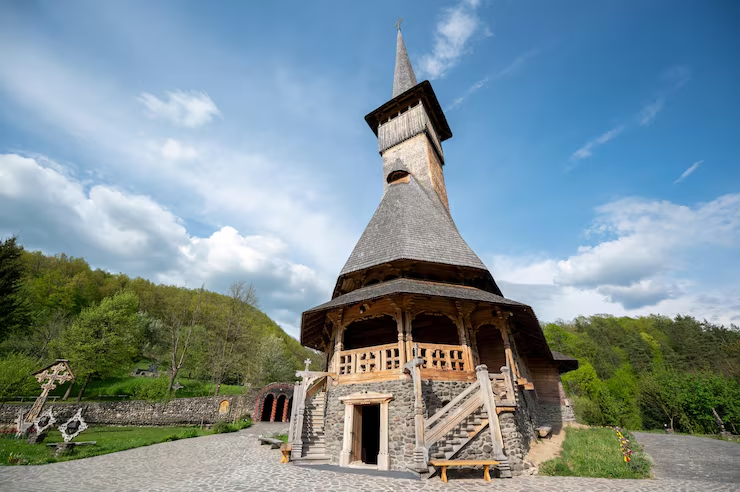
Gyumri is Armenia’s second-largest city and one of its most culturally distinctive destinations. Known for its black volcanic stone architecture, artistic spirit, and sharp sense of humor, Gyumri has long been regarded as the country’s cultural capital.
Despite suffering severe damage during the 1988 earthquake, Gyumri has preserved much of its historic charm. The old Kumayri district features cobblestone streets, 19th-century buildings, and beautifully restored homes. Museums dedicated to local artists, writers, and filmmakers highlight Gyumri’s deep creative roots.
Gyumri is also famous for its traditional crafts, music, and theater scene. Locals are known for their hospitality and wit, giving the city a warm and lively atmosphere. Cafés, galleries, and cultural centers bring energy to the streets, while churches and monuments reflect its long history.
Visiting Gyumri offers a deeper understanding of Armenian identity, resilience, and creativity. It is a city that balances history with modern expression, making it an essential stop for travelers interested in culture, art, and authentic local life.
2. Areni – Birthplace of Armenian Wine
Areni is a small village with enormous historical significance, widely recognized as the heart of Armenia’s ancient wine-making tradition. Located in the Vayots Dzor region, Areni is surrounded by vineyards that have thrived for thousands of years.
Nearby archaeological discoveries revealed the world’s oldest known winery, dating back over 6,000 years, confirming Armenia’s role as one of the earliest wine-producing regions on Earth. The Areni grape variety, still used today, produces rich red wines with deep character.
Visitors can tour family-run wineries, taste local wines, and learn about traditional fermentation methods passed down through generations. The village hosts an annual Areni Wine Festival, celebrating music, food, and wine culture.
Set against dramatic mountain landscapes and close to attractions like Noravank, Areni combines history, gastronomy, and hospitality. It is a must-visit destination for wine lovers and cultural travelers seeking a taste of Armenia’s ancient traditions.
13. Karahunj – Armenia’s Stonehenge

Karahunj, also known as Zorats Karer, is one of Armenia’s most mysterious archaeological sites. Located in southern Armenia, this ancient monument consists of hundreds of massive standing stones, some with precisely drilled holes.
Estimated to be over 7,000 years old, Karahunj is often compared to Stonehenge due to theories suggesting astronomical or ceremonial functions. Some researchers believe the holes were used to observe stars, while others argue the site served religious or territorial purposes.
The open landscape surrounding Karahunj adds to its mystique, especially at sunrise and sunset. Visitors are free to walk among the stones, experiencing a powerful sense of ancient history and unanswered questions.
Karahunj remains one of Armenia’s most intriguing destinations, appealing to history enthusiasts, photographers, and travelers fascinated by ancient civilizations and lost knowledge.
14. Amberd Fortress – Medieval Stronghold
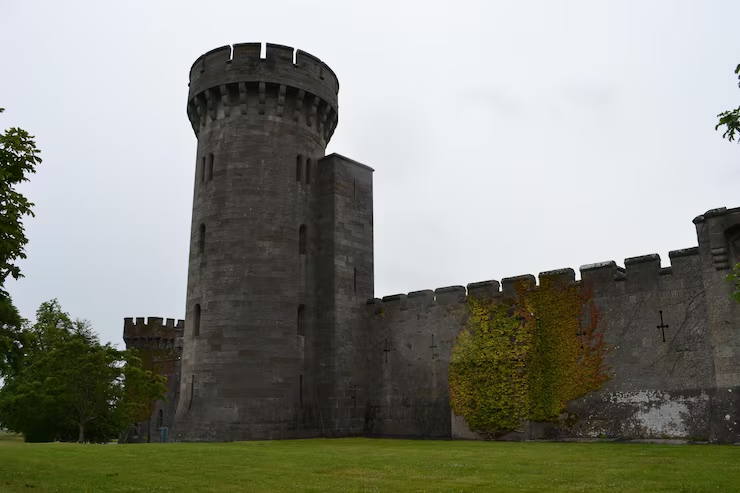
Amberd Fortress stands dramatically on the slopes of Mount Aragats, surrounded by deep gorges and sweeping mountain views. Built between the 7th and 11th centuries, the fortress once protected important trade routes and royal estates.
The name “Amberd” means “fortress in the clouds”, an accurate description given its elevated position. Visitors can explore stone walls, towers, a church, and remnants of living quarters, gaining insight into medieval Armenian defense systems.
In summer, the surrounding meadows are green and vibrant, while winter brings snow-covered ruins that feel straight out of a legend. Amberd’s remote location enhances its atmosphere, making it a rewarding destination for history lovers and photographers.
15. Mount Aragats – Armenia’s Highest Peak

Mount Aragats is Armenia’s highest mountain, rising majestically with four distinct peaks surrounding a vast volcanic crater. It is a favorite destination for hikers, climbers, and adventure seekers.
During summer, alpine flowers blanket the slopes, creating stunning scenery. Various hiking routes suit different skill levels, from gentle walks to challenging summit climbs. The mountain also holds cultural significance, appearing in Armenian legends and folklore.
From the heights of Aragats, visitors enjoy sweeping views across Armenia’s landscapes, making the journey both physically rewarding and spiritually uplifting.
6. Jermuk – Spa Town of Wellness
Jermuk is Armenia’s most famous spa town, known worldwide for its mineral water, hot springs, and wellness resorts. Nestled among forests and mountains, Jermuk offers clean air and a calm atmosphere ideal for rest and recovery.
Visitors can sample mineral water directly from public fountains, explore nearby waterfalls, or relax in modern spa facilities. The town’s peaceful environment makes it a popular retreat for health tourism.
17. Khndzoresk – Cave Village Adventure
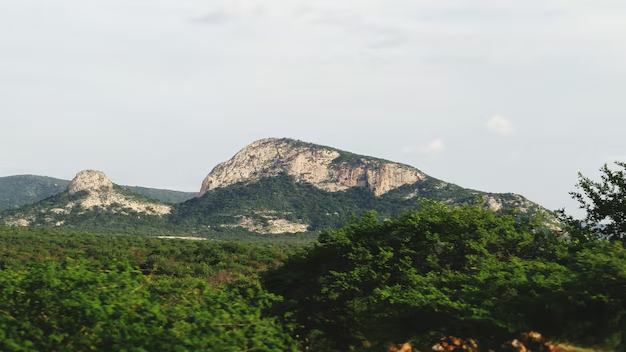
Khndzoresk is a historic cave village carved into dramatic cliffs. A swinging bridge connects the modern settlement to the ancient cave dwellings, creating a memorable experience.
The site reveals how communities once lived in harmony with nature, using caves as homes, churches, and storage spaces. Khndzoresk offers a fascinating look into Armenia’s rural past.
18. Shaki Waterfall – Natural Beauty of Syunik
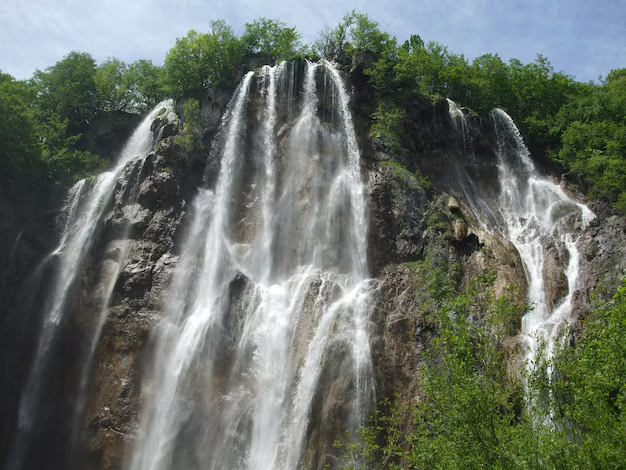
Shaki Waterfall is one of Armenia’s most picturesque waterfalls, cascading powerfully amid lush greenery in the Syunik region. Easy to access and surrounded by peaceful scenery, it is perfect for nature lovers and photographers.
19. Sevanavank Monastery – Lake Sevan Landmark
Sevanavank Monastery sits above Lake Sevan, offering breathtaking views of one of the world’s largest high-altitude lakes. Founded in the 9th century, it remains a symbol of Armenia’s spiritual heritage.
20. Haghpat Monastery – Medieval Masterpiece
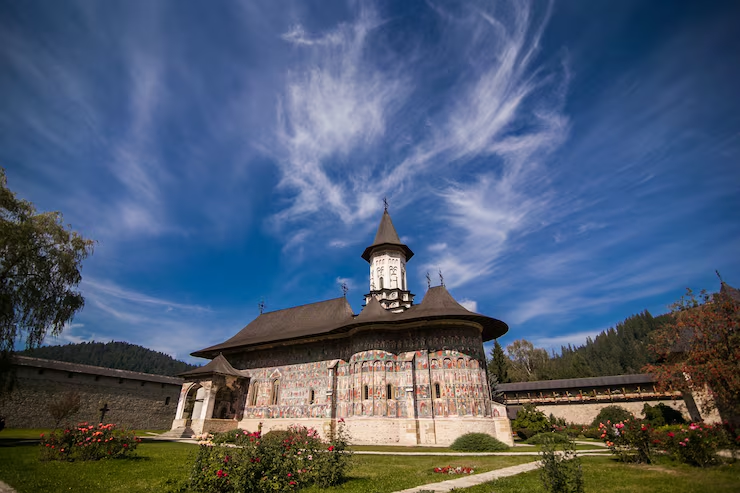
Haghpat Monastery is a UNESCO World Heritage Site and one of Armenia’s finest examples of medieval architecture. Built between the 10th and 13th centuries, it blends harmoniously with the surrounding green hills.
Haghpat’s peaceful atmosphere, intricate stone carvings, and historical depth make it a fitting conclusion to any journey through Armenia’s cultural and spiritual treasures.
Related artical : Tucumán, Argentina: Birthplace of Independence