
Now Reading: Top 20 Tourist Places in Belarus
-
01
Top 20 Tourist Places in Belarus
Top 20 Tourist Places in Belarus
1. Minsk – The Heart of Belarus
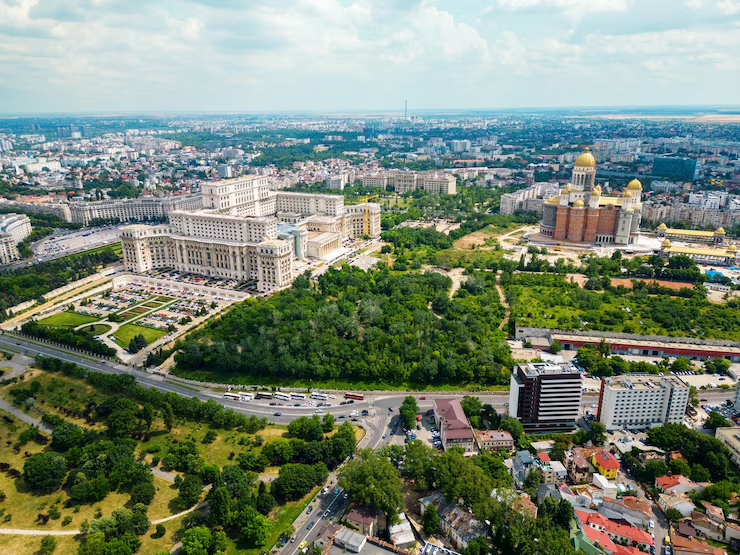
Minsk, the capital city of Belarus, is a fascinating blend of Soviet-era grandeur, modern urban life, and deep historical roots. Almost completely rebuilt after World War II, Minsk is known for its wide boulevards, monumental architecture, and carefully planned city layout. Unlike many European capitals, Minsk feels spacious and orderly, with large public squares, green parks, and impressive government buildings.
The city’s cultural scene is vibrant, with world-class museums such as the National Art Museum of Belarus and the Great Patriotic War Museum, which offers a powerful insight into Belarus’s wartime history. Minsk is also home to beautiful theaters, including the iconic Bolshoi Theatre of Belarus, where ballet and opera performances attract visitors year-round.
Despite its modern appearance, Minsk has preserved pockets of older history. The Trinity Suburb showcases charming 19th-century houses, cafes, and riverside walks, while the Island of Tears stands as a solemn memorial to fallen soldiers. Minsk’s nightlife, cafés, and shopping districts add a contemporary flavor to the city.
Minsk is not just a capital—it is a symbol of Belarusian resilience, cultural pride, and transformation, making it an essential starting point for any journey through the country.
2. Mir Castle – Medieval Majesty
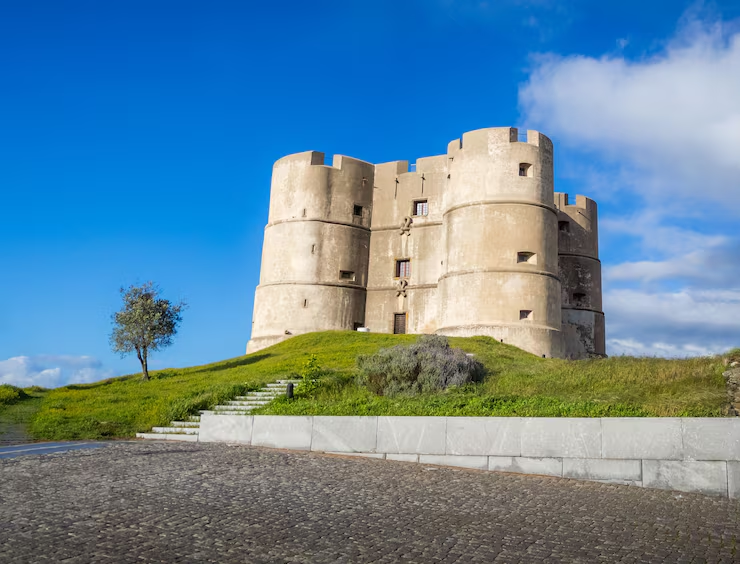
Mir Castle is one of Belarus’s most iconic landmarks and a UNESCO World Heritage Site. Built in the late 15th century, the castle reflects a mix of Gothic, Renaissance, and Baroque architectural styles. Its massive defensive towers, thick walls, and central courtyard tell stories of medieval battles, noble families, and political change.
Originally constructed by the Ilyinich family and later owned by the powerful Radziwiłł dynasty, Mir Castle played a significant role in Belarusian and regional history. Over centuries, it endured wars, invasions, and periods of neglect before being carefully restored.
Today, visitors can explore its towers, underground passages, exhibition halls, and reconstructed living quarters. The surrounding landscaped park and lake add to the castle’s fairy-tale atmosphere. Mir Castle is not just a monument—it is a living museum that showcases the evolution of Belarusian aristocracy and medieval life.
3. Nesvizh Castle – Palace of Power and Elegance
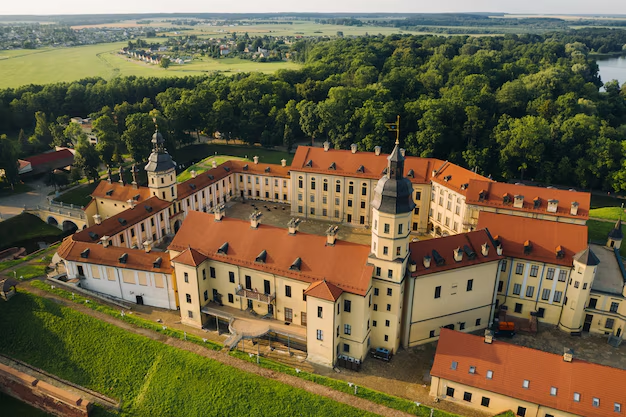
Nesvizh Castle is another UNESCO World Heritage Site and one of the most magnificent palace complexes in Eastern Europe. Once the main residence of the influential Radziwiłł family, the castle served as a political, cultural, and economic center for centuries.
The palace features luxurious halls, ornate ceilings, antique furniture, and impressive art collections. Surrounding the castle are beautifully designed gardens, lakes, and parklands inspired by European palace traditions.
Nesvizh Castle also holds religious significance, with the Corpus Christi Church nearby—one of the earliest Baroque churches in the region. Visiting Nesvizh feels like stepping into the golden age of nobility, where power, culture, and refinement shaped Belarusian history.
4. Brest – City at the Crossroads
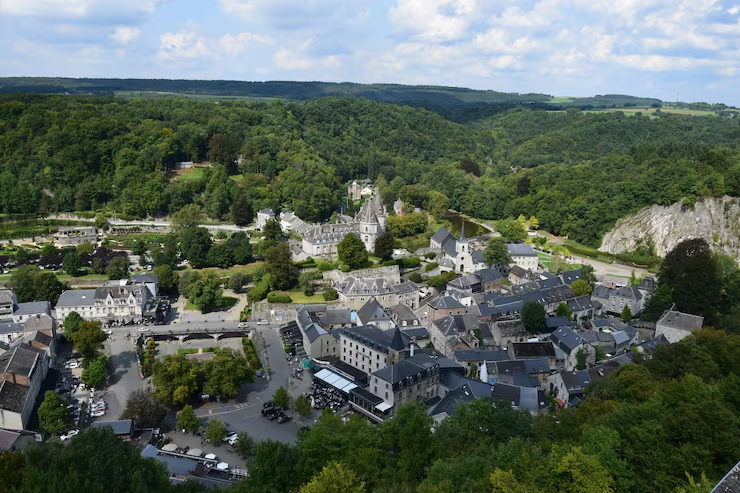
Brest is a historic city located near the Polish border, making it a cultural crossroads between Eastern and Western Europe. Over centuries, Brest has changed hands many times, influencing its architecture, traditions, and identity.
The city features pleasant pedestrian streets, parks, and riverside views. Brest’s old town reflects a mix of Slavic and European influences, while museums and monuments highlight its strategic importance.
Brest is also a gateway to nearby natural attractions, making it both a cultural and travel hub. Its welcoming atmosphere and historical depth make it an excellent stop for travelers exploring western Belarus.
5. Brest Fortress – Symbol of Courage
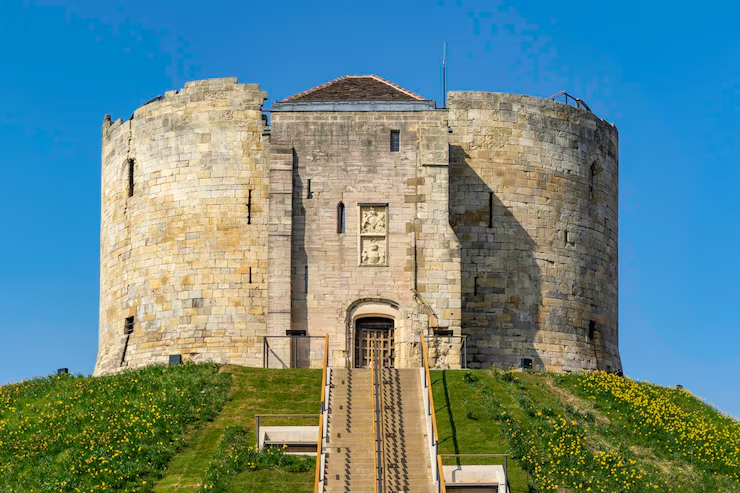
The Brest Fortress is one of the most powerful war memorials in Europe and a defining symbol of Belarusian resilience. During the early days of World War II, the fortress became famous for its heroic defense against invading forces.
Today, the fortress complex includes massive monuments, preserved ruins, museums, and eternal flames honoring the soldiers who defended it. The scale and emotional impact of the site leave a lasting impression on visitors.
Walking through Brest Fortress is a deeply moving experience. It is not only a historical site but also a place of remembrance, sacrifice, and national pride.
6. Belovezhskaya Pushcha National Park – Europe’s Primeval Forest
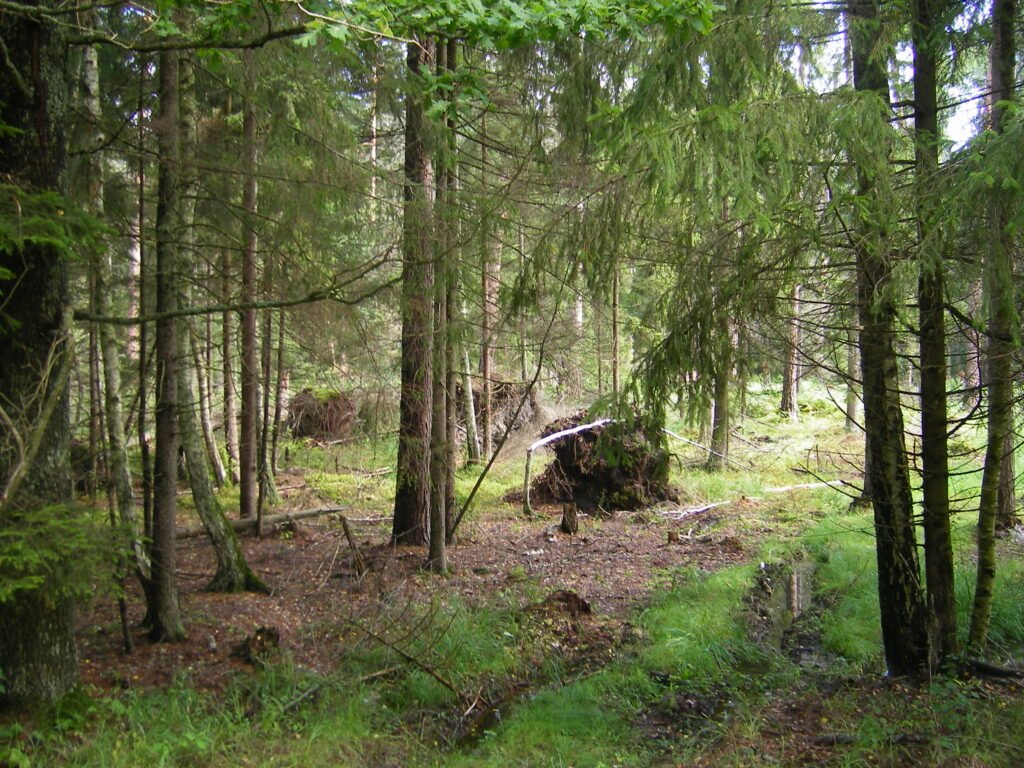
Belovezhskaya Pushcha National Park is one of the oldest and most extraordinary forests in Europe and a UNESCO World Heritage Site. Located on the border between Belarus and Poland, this ancient woodland has existed for thousands of years and remains one of the last primeval forests on the continent. Towering oak trees, dense greenery, and untouched ecosystems give the park a magical, timeless atmosphere.
The park is most famous for being home to the European bison, Europe’s heaviest land animal. Once nearly extinct, these majestic creatures now roam freely within the protected forest. Visitors can observe bison, deer, wild boar, wolves, and rare bird species, making it a paradise for wildlife lovers and photographers.
Belovezhskaya Pushcha also has deep cultural significance. It served as a royal hunting ground for medieval kings and later as a protected reserve under the Russian Empire. Today, visitors can explore nature trails, cycling routes, museums, and even the residence of Father Frost, the Slavic version of Santa Claus.
This park represents Belarus’s commitment to conservation and offers a rare opportunity to experience nature as it existed centuries ago.
7. Grodno – A City of Kings and Churches
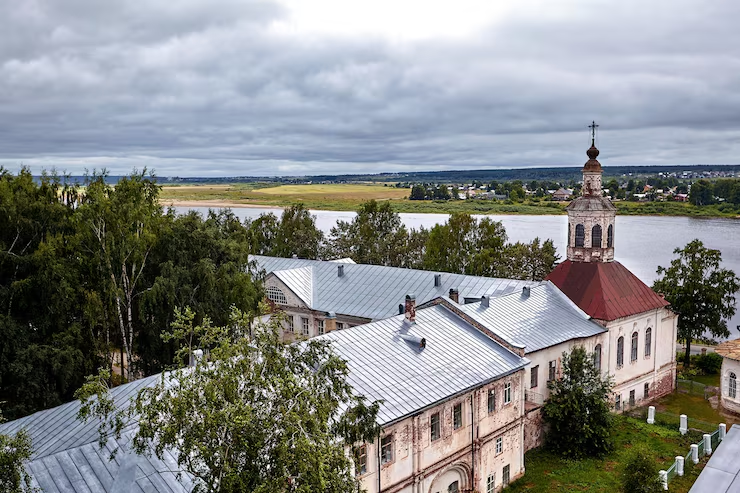
Grodno is one of Belarus’s oldest and most architecturally diverse cities. Situated near the borders of Poland and Lithuania, it has long been influenced by various European cultures. The city’s historic center features cobblestone streets, Catholic and Orthodox churches, and remnants of royal residences.
Grodno is unique for having two castles—the Old Castle and the New Castle—both of which played important roles in regional politics. The Old Castle dates back to medieval times and once hosted kings of the Polish–Lithuanian Commonwealth.
Religious architecture is a highlight of Grodno. The St. Francis Xavier Cathedral, with its impressive Baroque interior, is one of the most beautiful churches in Belarus. Grodno’s relaxed atmosphere, combined with its historical richness, makes it a charming destination for travelers interested in culture and history.
8. Gomel – Riverside Elegance
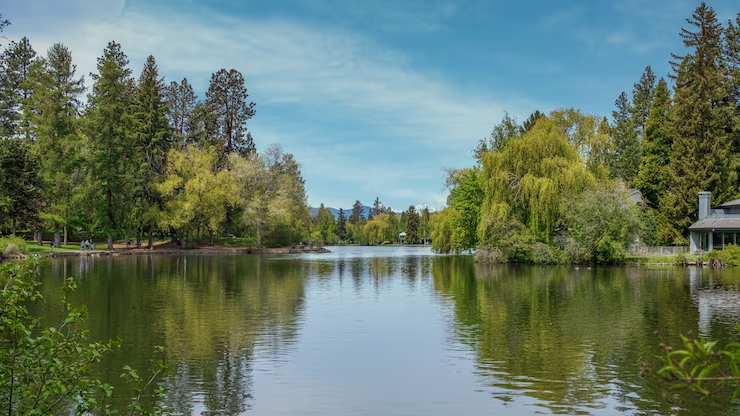
Gomel is a picturesque city located along the Sozh River in southeastern Belarus. Known for its green spaces and elegant architecture, Gomel offers a calmer, more refined travel experience.
The city’s main attraction is the Rumyansev-Paskevich Palace and Park Complex, a stunning neoclassical palace surrounded by landscaped gardens. From its riverfront paths to its scenic viewpoints, Gomel is ideal for leisurely walks and photography.
Gomel’s cultural institutions, museums, and theaters reflect its historical importance as a regional center. The combination of natural beauty and architectural elegance makes Gomel one of Belarus’s most pleasant cities to explore.
9. Mogilev – Historic Heart of Eastern Belarus
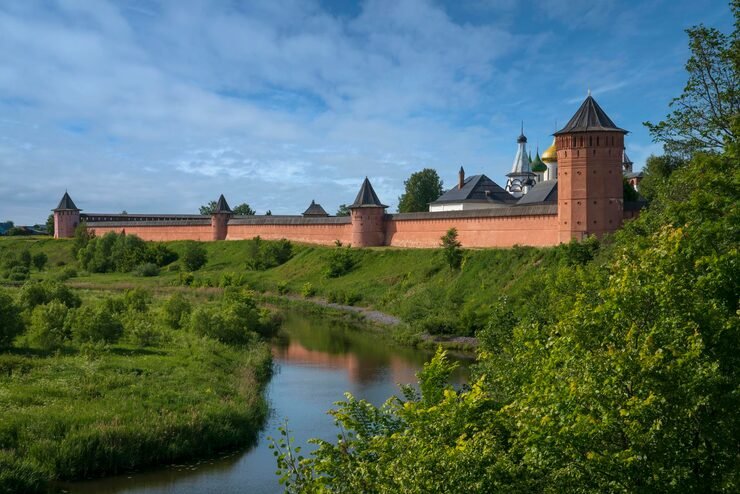
Mogilev is an important historical city situated along the Dnieper River. With roots dating back to medieval times, the city has long served as a trade, religious, and cultural center.
Key landmarks include the St. Nicholas Monastery, known for its beautiful frescoes, and Town Hall Square, which reflects Mogilev’s historic civic importance. The city offers scenic river views and peaceful parks that invite relaxation.
Mogilev’s blend of religious heritage, river landscapes, and local traditions makes it a rewarding destination for travelers seeking authenticity beyond major tourist hubs.
10. Vitebsk – City of Art and Inspiration
Vitebsk is best known as the birthplace of world-famous artist Marc Chagall, whose works were inspired by the city’s dreamlike atmosphere. Located in northeastern Belarus, Vitebsk has long been a cultural and artistic center.
The city celebrates its creative legacy through museums, galleries, and annual events such as the Slavianski Bazaar International Arts Festival, which attracts performers from around the world. Visitors can explore Chagall’s childhood home and dedicated art museum.
Vitebsk’s old town, riverbanks, and historic churches create a poetic setting that reflects its artistic soul. It is a city where history, creativity, and culture come together beautifully.
11. Braslav Lakes National Park – Land of Blue Waters
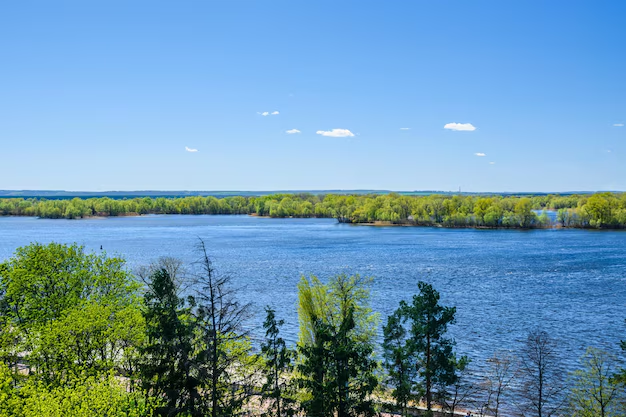
Braslav Lakes National Park is one of Belarus’s most breathtaking natural regions, known for its chain of more than 300 lakes surrounded by forests, hills, and wetlands. Located near the borders of Latvia and Lithuania, the park offers a peaceful escape into pristine nature.
The lakes are famous for their crystal-clear water and scenic islands. Popular activities include swimming, kayaking, fishing, hiking, and birdwatching. Elevated viewpoints provide panoramic views of the lake-dotted landscape, especially stunning at sunrise and sunset.
Braslav town itself has historical roots, with ancient settlements dating back centuries. The park also supports eco-tourism, featuring wooden cottages, campsites, and traditional village experiences. It is an ideal destination for travelers seeking tranquility, outdoor adventure, and natural beauty.
12. Polotsk – Cradle of Belarusian History
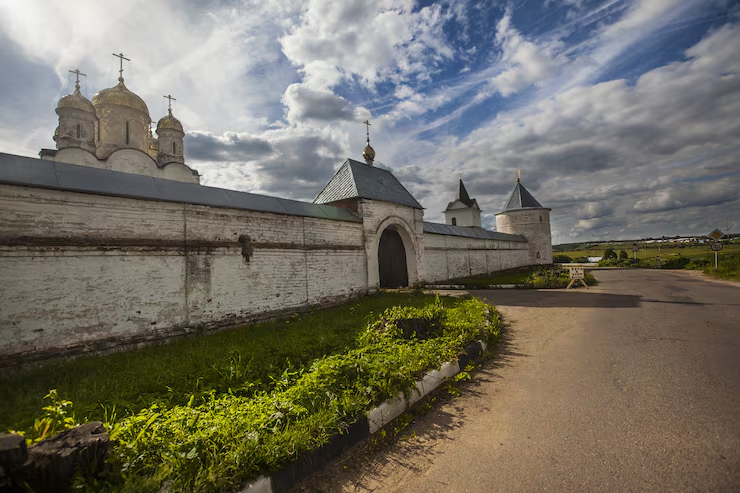
Polotsk is one of the oldest cities in Eastern Europe, with a history dating back over a thousand years. It is often considered the spiritual and cultural birthplace of Belarus.
The city’s most iconic landmark is St. Sophia Cathedral, originally built in the 11th century. This magnificent structure symbolizes early Christianity and statehood in the region. Polotsk also played a vital role in medieval trade routes connecting the Baltic and Slavic lands.
Polotsk’s museums, monasteries, and historical streets preserve its ancient atmosphere. Visiting Polotsk feels like stepping into the early chapters of Belarusian civilization, making it an essential destination for history enthusiasts.
13. Minsk Sea (Zaslavl Reservoir) – Capital’s Recreation Haven
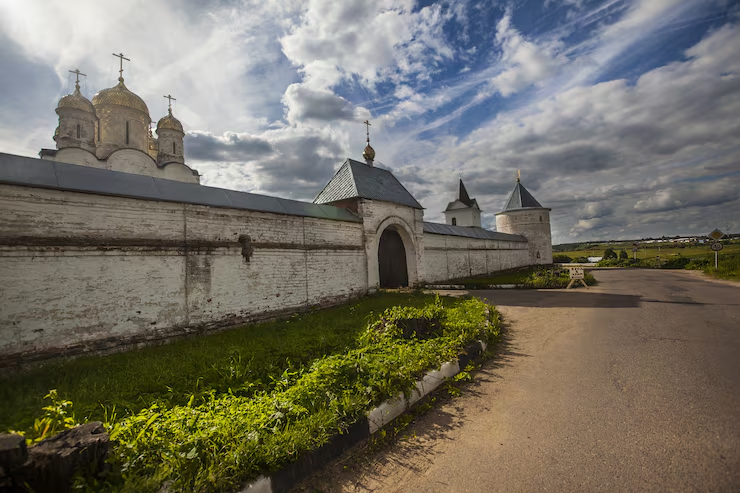
The Minsk Sea, officially known as the Zaslavl Reservoir, is a large artificial lake located just outside the capital city. It is a favorite recreational destination for both locals and tourists.
The reservoir offers sandy beaches, boating, sailing, and picnic areas. Resorts and cafes line the shore, creating a lively summer atmosphere. In winter, the area transforms into a peaceful retreat with snowy landscapes.
Nearby Zaslavl is one of Belarus’s oldest towns, adding historical interest to the region. The Minsk Sea perfectly balances relaxation and accessibility, making it an ideal getaway from urban life.
14. Dudutki Ethnographic Museum – Living History
Dudutki is an open-air ethnographic museum that showcases traditional Belarusian rural life. Located near Minsk, it allows visitors to experience centuries-old crafts and customs.
Blacksmiths, bakers, potters, and weavers demonstrate their skills using traditional tools. Visitors can taste homemade cheese, bread, and local spirits, creating a hands-on cultural experience.
Dudutki is more than a museum—it is a living village where history comes alive. It offers insight into Belarusian identity, craftsmanship, and hospitality, making it a must-visit cultural attraction.
15. Lida Castle – Medieval Stronghold
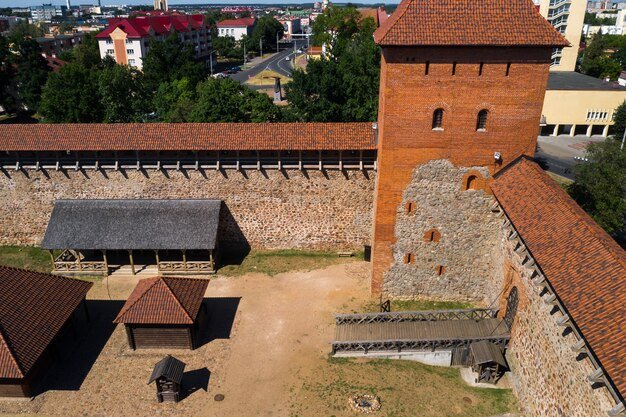
Lida Castle is a striking medieval fortress built in the 14th century by Grand Duke Gediminas. Constructed of brick and stone, it was designed to protect the region from invasions.
The castle’s massive walls and towers dominate the surrounding landscape. Today, it hosts historical reenactments, festivals, and exhibitions that bring medieval history to life.
Lida Castle stands as a powerful symbol of Belarus’s defensive past and medieval heritage, offering visitors an immersive journey into the Middle Ages.
16. Novogrudok Castle Ruins – Birthplace of a Kingdom
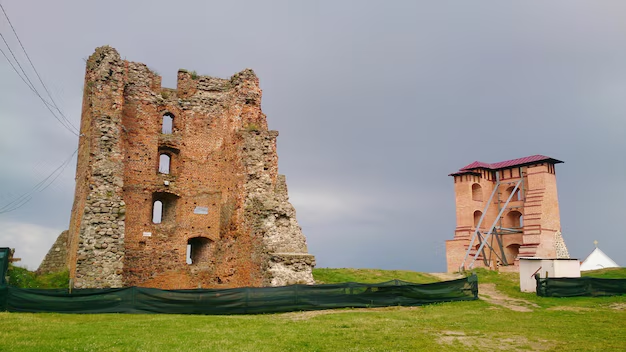
Novogrudok Castle stands on a high hill overlooking the town of Novogrudok and is one of the most historically significant sites in Belarus. Built in the 13th century, it is believed to be the first capital of the Grand Duchy of Lithuania, making it central to the political history of the region.
Although only ruins remain today, the massive earthworks and stone fragments still convey the castle’s former strength. From the hilltop, visitors enjoy sweeping views of forests and countryside, adding to the site’s dramatic atmosphere. Informational panels help visitors imagine the castle’s original towers and walls.
Novogrudok is also the birthplace of renowned poet Adam Mickiewicz, whose museum is nearby. The ruins symbolize Belarus’s medieval power and cultural heritage, making them a meaningful stop for history lovers.
17. Pripyatsky National Park – Wild Heart of Belarus
Pripyatsky National Park is a vast protected area in southern Belarus, dominated by rivers, wetlands, forests, and floodplains. It is one of Europe’s most important natural ecosystems and a haven for wildlife.
The park is home to rare species including elk, wild boar, wolves, and hundreds of bird species. Boat safaris along the Pripyat River allow visitors to explore untouched wetlands. Seasonal flooding creates a unique landscape often compared to the Amazon of Europe.
Eco-tourism facilities promote sustainable travel, making Pripyatsky a paradise for nature lovers, photographers, and researchers.
18. Khatyn Memorial – A Place of Remembrance
Khatyn Memorial is one of Belarus’s most powerful and emotional landmarks. It commemorates villages destroyed during World War II and the civilians who lost their lives.
The memorial stands on the site of the former village of Khatyn, which was burned in 1943. Bells ring periodically, symbolizing lives lost. Sculptures, eternal flames, and symbolic chimneys create a haunting yet respectful atmosphere.
Khatyn is not just a memorial—it is a national symbol of suffering, resilience, and remembrance, offering visitors a deep historical and emotional experience.
19. Zaslavl – Ancient Town Near Minsk
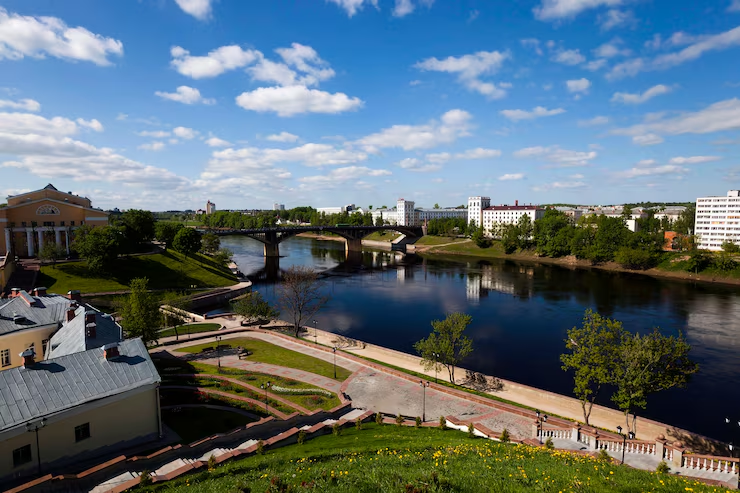
Zaslavl is one of the oldest towns in Belarus, located just outside Minsk. Founded in the 10th century, it played a key role in early Slavic history.
The town features ancient earthworks, old churches, and small museums. Zaslavl combines archaeological heritage with rural charm, offering a quieter historical experience compared to larger cities.
Its proximity to Minsk makes it ideal for a cultural day trip.
20. St. Sophia Cathedral, Polotsk – Spiritual Symbol of Belarus
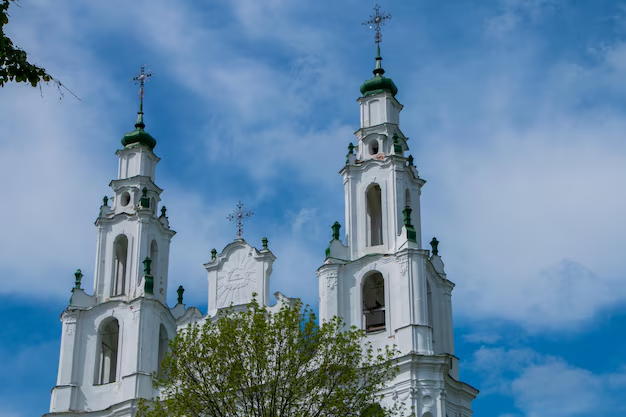
St. Sophia Cathedral in Polotsk is one of the oldest stone churches in Eastern Europe, originally built in the 11th century. It symbolizes the rise of Christianity and statehood in the region.
The cathedral’s architecture reflects centuries of reconstruction, blending Baroque and medieval styles. Today, it functions as a cultural and religious monument, hosting concerts and exhibitions.
As a symbol of faith, history, and resilience, St. Sophia Cathedral beautifully concludes any journey through Belarus.
Related artical : Top 20 Tourist Places in Bavaria