Now Reading: Top 5 Tourist Places in Acre, Brazil
-
01
Top 5 Tourist Places in Acre, Brazil
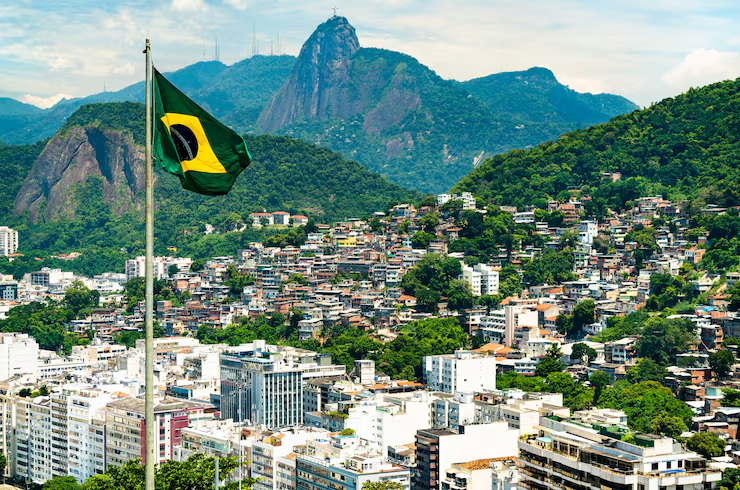
Top 5 Tourist Places in Acre, Brazil
Acre, located in the far western part of Brazil, is one of the country’s most mysterious and least-explored states. Bordering Peru and Bolivia, Acre is deeply connected to the Amazon Rainforest and plays a vital role in Brazil’s environmental history. Unlike Brazil’s famous coastal destinations, Acre offers raw nature, indigenous culture, riverside life, and powerful stories of conservation and resistance.
This remote Amazonian state is perfect for travelers seeking authenticity, biodiversity, and meaningful cultural experiences. From dense rainforests and wild rivers to historic towns shaped by environmental activism, Acre is a destination that rewards curiosity and respect for nature.
Below are the Top 5 Visiting Places in Acre, each offering a unique perspective on Amazonian life, conservation, and adventure.
1. Rio Branco – Cultural Heart of Acre
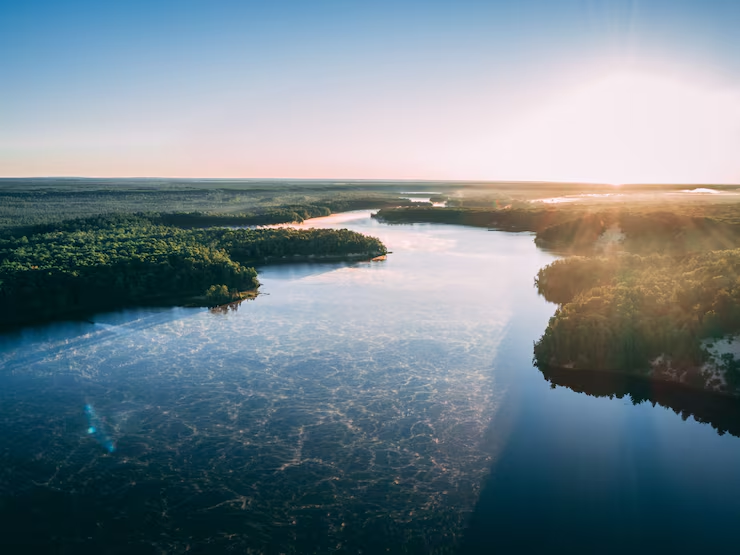
Rio Branco, the capital and largest city of Acre, serves as the cultural, political, and economic heart of the state. Located along the banks of the Acre River, the city blends urban life with deep Amazonian roots, offering visitors an excellent introduction to the region.
History and Culture
Rio Branco was founded during the rubber boom of the late 19th century, and its history is closely linked to the struggles for Acre’s integration into Brazil. The city preserves this past through museums, monuments, and cultural centers that highlight indigenous heritage, rubber tapper traditions, and Acre’s unique identity.
Key cultural attractions include:
- Palácio Rio Branco, a historic government building and museum
- Museu da Borracha (Rubber Museum), explaining the rubber trade that shaped the region
- Memorial dos Autonomistas, dedicated to Acre’s political history
Modern City Life
Despite its remote location, Rio Branco offers modern amenities, lively markets, cafés, and riverside promenades. The Gameleira Riverfront is a popular gathering place where locals enjoy evening walks, cultural events, and street food.
Why Visit Rio Branco
Rio Branco is the ideal starting point for exploring Acre. It provides cultural context, comfortable accommodations, and access to surrounding natural attractions while showcasing how modern life coexists with the Amazon.
2. Chico Mendes Extractive Reserve – Legacy of Conservation
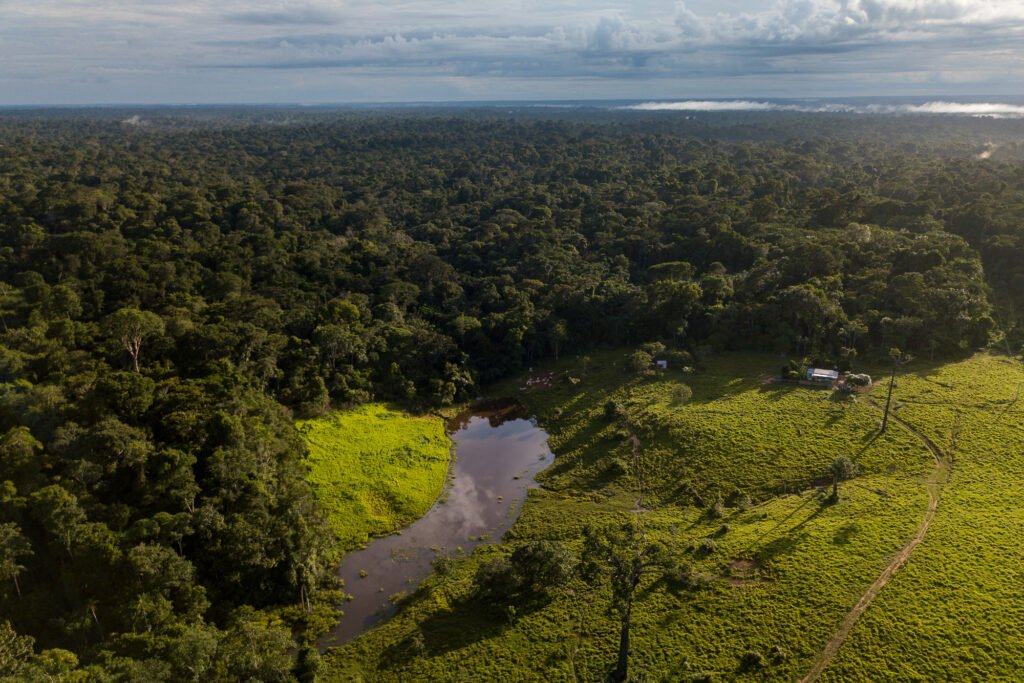
The Chico Mendes Extractive Reserve is one of the most important conservation areas in Brazil and a symbol of sustainable development in the Amazon. Named after Chico Mendes, the renowned environmental activist and rubber tapper leader, this reserve represents a model where forest conservation and human livelihoods coexist.
Who Was Chico Mendes
Chico Mendes was a rubber tapper who fought to protect the rainforest and the rights of forest communities. His activism gained global attention, and his assassination in 1988 turned him into an international symbol of environmental resistance.
Life Inside the Reserve
The reserve allows traditional communities to continue sustainable activities such as:
- Rubber tapping
- Brazil nut harvesting
- Small-scale agriculture
- Fishing and forest gathering
Visitors can experience daily Amazonian life by staying in community lodges, walking forest trails, and learning directly from local families.
Nature and Biodiversity
The reserve protects vast stretches of pristine rainforest, home to:
- Jaguars
- Tapirs
- Monkeys
- Macaws and other tropical birds
- Medicinal plants used for generations
Why Visit the Chico Mendes Reserve
This destination offers more than scenery—it provides insight into ethical tourism, conservation, and the human stories behind forest protection. It is ideal for eco-tourists, researchers, and travelers seeking meaningful experiences.
3. Serra do Divisor National Park – Acre’s Wildest Landscape
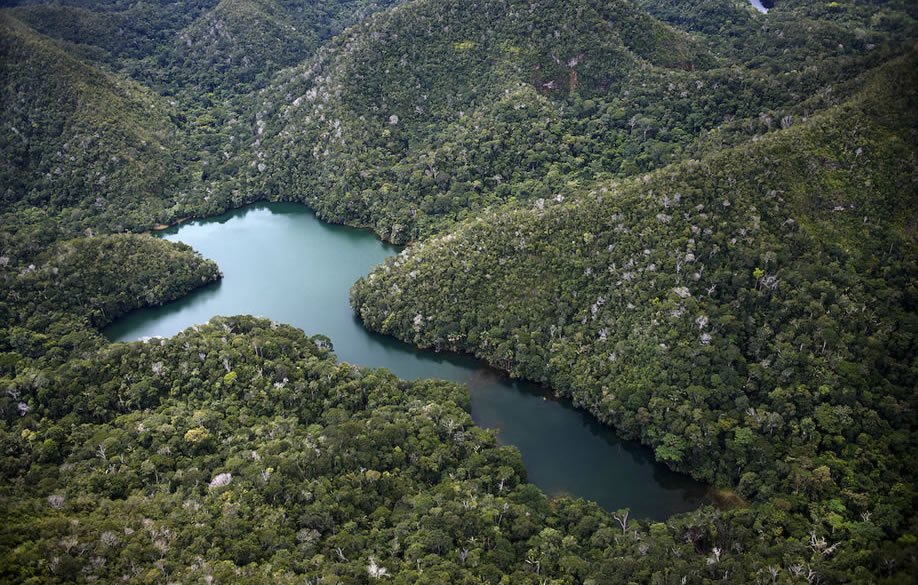
Serra do Divisor National Park is one of the most biodiverse and visually striking areas in the Amazon. Located near the Peruvian border, the park features dramatic mountains, waterfalls, rivers, and dense rainforest—an unusual landscape for the Amazon basin.
Unique Geography
Unlike the flat terrain typical of much of the Amazon, Serra do Divisor has:
- Mountain ridges
- Deep valleys
- Crystal-clear rivers
- Hidden waterfalls
These geographical features create diverse ecosystems that support rare plant and animal species.
Biodiversity Hotspot
The park is home to:
- Rare orchids
- Giant river otters
- Harpy eagles
- Amphibians found nowhere else on Earth
- Indigenous territories with limited contact
Adventure and Exploration
Accessing Serra do Divisor requires effort, making it perfect for adventurous travelers. Activities include:
- Multi-day jungle treks
- River expeditions
- Wildlife observation
- Waterfall exploration
Because infrastructure is minimal, visits should be arranged with experienced local guides.
Why Visit Serra do Divisor
This park represents the Amazon at its wildest and most untouched. It is ideal for explorers, scientists, photographers, and travelers seeking remote, raw nature far from mass tourism.
4. Xapuri – Birthplace of Environmental Resistance
Xapuri is a small but historically powerful town located in eastern Acre. It is best known as the hometown of Chico Mendes, and it plays a crucial role in Brazil’s environmental and social history.
Historical Importance
Xapuri was once a rubber boom town and later became the epicenter of rubber tapper resistance against deforestation. Today, it preserves this legacy through:
- Casa de Chico Mendes, his former home turned into a museum
- Local memorials and cultural centers
- Community storytelling and educational tours
Town Atmosphere
Xapuri has a quiet, authentic feel with colorful houses, riverside views, and a strong sense of community. Life here moves at a slower pace, allowing visitors to connect deeply with local culture.
Cultural and Educational Tourism
Visitors can:
- Learn about social movements in the Amazon
- Meet community leaders and activists
- Explore traditional markets
- Experience rural Amazonian life
Why Visit Xapuri
Xapuri is not about luxury or entertainment—it is about understanding the Amazon’s human story. It offers powerful lessons on conservation, courage, and community-driven change.
5. Purus River – Journey Through the Amazon Waterways
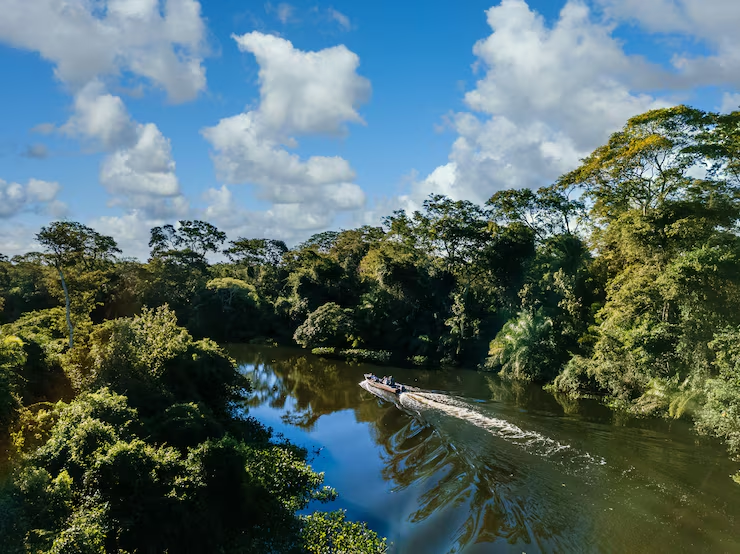
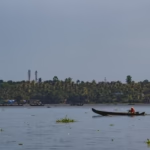
The Purus River is one of the major tributaries of the Amazon River and a vital lifeline for communities across Acre. Traveling along the Purus offers an unforgettable glimpse into river-based Amazonian life.
River Life and Communities
Along the Purus River, small villages depend on the river for:
- Transportation
- Fishing
- Trade
- Daily survival
Wooden boats, stilt houses, and floating markets define the landscape.
Scenic Beauty
The river winds through untouched rainforest, offering:
- Dense jungle views
- Wildlife sightings
- Sunsets reflected on calm waters
- Sounds of birds and insects echoing through the forest
River Travel Experiences
Visitors can enjoy:
- Multi-day river cruises
- Canoe and boat trips
- Wildlife observation
- Cultural exchanges with riverside communities
Why Visit the Purus River
The Purus River provides one of the most authentic Amazon experiences available. It is perfect for travelers who want to disconnect from modern life and immerse themselves in nature and traditional cultures.
Related artical : Top 20 Tourist Places in Botswana