
Now Reading: Top 5 Tourist Places in Mato Grosso do Sul, Brazil
-
01
Top 5 Tourist Places in Mato Grosso do Sul, Brazil
Top 5 Tourist Places in Mato Grosso do Sul, Brazil
Introduction: Mato Grosso do Sul – Brazil’s Capital of Crystal-Clear Waters and Wildlife
Mato Grosso do Sul is one of Brazil’s most breathtaking yet underrated travel destinations. Located in the Central-West region, this state is internationally famous for its pristine rivers, limestone caves, rich wetlands, and extraordinary biodiversity. It is a place where nature dominates the landscape, offering travelers a rare chance to experience Brazil in its purest and most sustainable form.
The state is home to the southern portion of the Pantanal, the world’s largest tropical wetland, as well as the globally renowned eco-tourism hub of Bonito, often considered the cleanest and most environmentally protected destination in Brazil. Mato Grosso do Sul is a paradise for snorkeling, wildlife observation, adventure tourism, and responsible travel.
In this in-depth travel blog, we explore the top 5 tourist places in Mato Grosso do Sul: Bonito, Pantanal (South), Campo Grande, Bodoquena Mountains, and Rio da Prata. Together, these destinations reveal why the state is one of Brazil’s greatest eco-tourism treasures.
1. Bonito – World-Famous Snorkeling and Cave Adventures
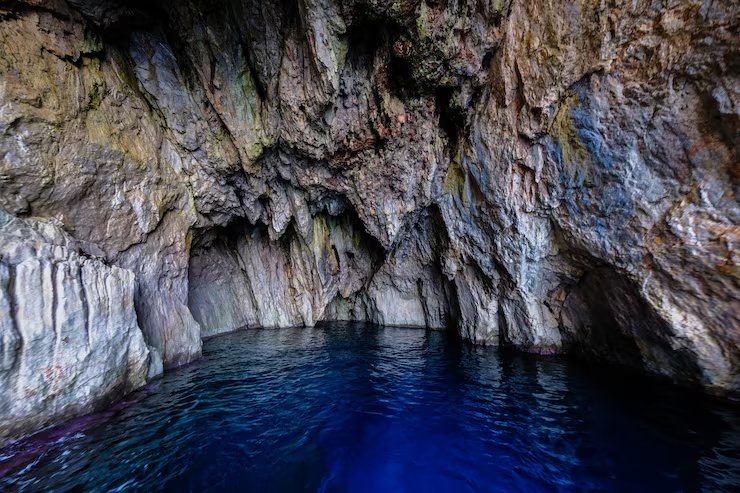
Bonito is the undisputed tourism capital of Mato Grosso do Sul and one of the most celebrated eco-tourism destinations in South America. Known for its crystal-clear rivers, underground caves, waterfalls, and strict environmental protection policies, Bonito sets the global standard for sustainable tourism.
Crystal-Clear Rivers and Snorkeling
Bonito’s rivers are renowned for their exceptional clarity, thanks to natural limestone filtration. Places like Rio Sucuri, Rio da Prata, and Aquário Natural allow visitors to float effortlessly above schools of colorful fish in water so clear it feels unreal.
Snorkeling in Bonito is accessible even to beginners, as the gentle current naturally carries visitors downstream while guides ensure safety and environmental protection.
Caves and Underground Wonders
Bonito is also famous for its caves, particularly Gruta do Lago Azul (Blue Lake Cave). This iconic site features a deep blue underground lake surrounded by impressive rock formations. Sunlight entering the cave creates a magical glow that has made it one of Brazil’s most photographed natural attractions.
Strict Eco-Tourism Rules
What truly sets Bonito apart is its commitment to sustainability. Visitor numbers are limited at each attraction, ensuring minimal environmental impact. Guided tours are mandatory, helping preserve the delicate ecosystems while educating travelers.
Bonito is a must-visit destination for anyone seeking immersive, responsible, and unforgettable nature experiences.
2. Pantanal (South) – Wildlife Encounters in the World’s Largest Wetland
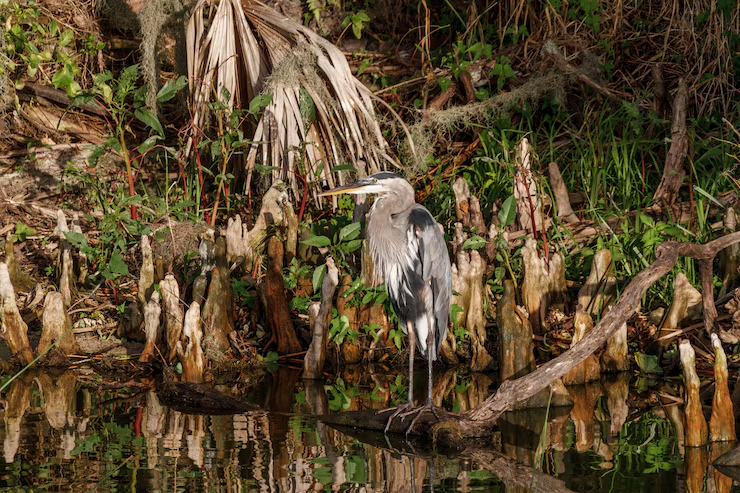
The Pantanal (South) region of Mato Grosso do Sul is one of the most biodiverse places on Earth. Covering vast floodplains, rivers, and grasslands, it offers some of the best wildlife viewing opportunities in the world.
Extraordinary Wildlife Diversity
The southern Pantanal is home to jaguars, giant anteaters, tapirs, capybaras, caimans, and hundreds of bird species, including macaws and herons. Unlike dense rainforests, the open wetlands make wildlife easier to spot, often at close range.
Safari-style jeep tours, boat excursions, and guided walks provide unforgettable encounters with animals in their natural habitat.
Seasonal Transformations
The Pantanal changes dramatically throughout the year. During the wet season, large areas are flooded, creating a vast aquatic ecosystem. In the dry season, animals congregate around shrinking water sources, making wildlife sightings even more frequent.
Each season offers a unique perspective, making the Pantanal a year-round destination.
Eco-Lodges and Conservation
Tourism in the Pantanal is centered around eco-lodges and traditional ranches (fazendas). These lodges focus on conservation, education, and community involvement, allowing visitors to contribute directly to wildlife protection.
3. Campo Grande – Cultural Capital and Travel Hub
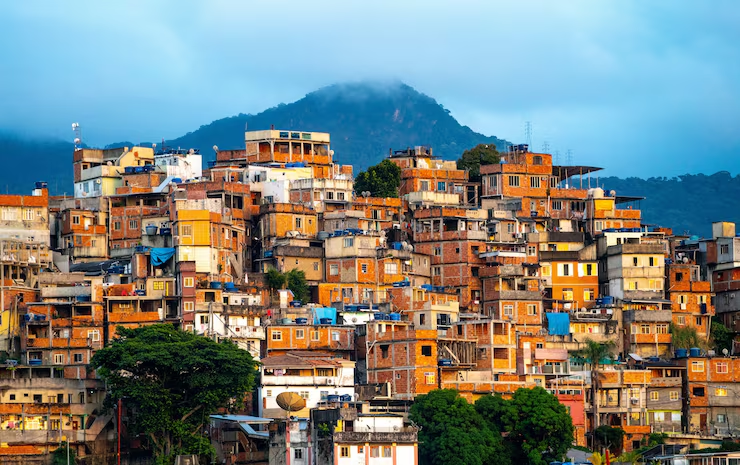
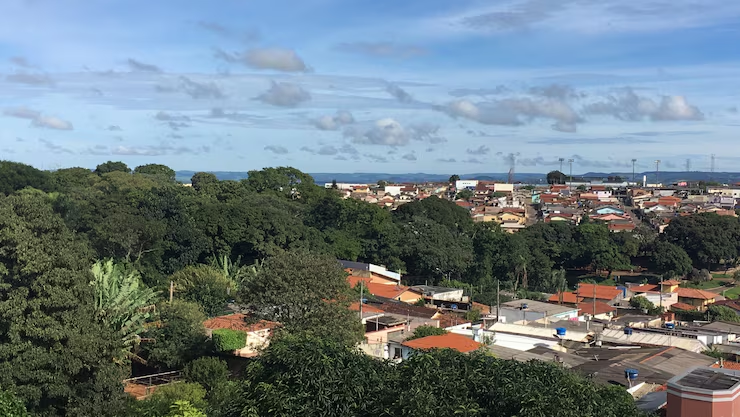
Campo Grande, the capital of Mato Grosso do Sul, serves as the main gateway to the state’s natural wonders. Often referred to as the “City of the Guava Tree,” Campo Grande blends urban comfort with deep connections to nature and Indigenous heritage.
Cultural Diversity and History
The city has a rich cultural mix influenced by Indigenous peoples, rural Brazilian traditions, and immigrant communities from Europe and Japan. Museums, cultural centers, and historical landmarks offer insight into the region’s past and present.
Parks and Urban Nature
Campo Grande is known for its green spaces, including Parque das Nações Indígenas, one of the largest urban parks in Brazil. The park is ideal for walking, cycling, birdwatching, and relaxing.
Strategic Location
With its airport, hotels, and transport infrastructure, Campo Grande is the perfect starting point for trips to Bonito, the Pantanal, and the Bodoquena Mountains. It provides all modern conveniences while maintaining a relaxed atmosphere.
4. Bodoquena Mountains – Eco-Tourism and Scenic Landscapes
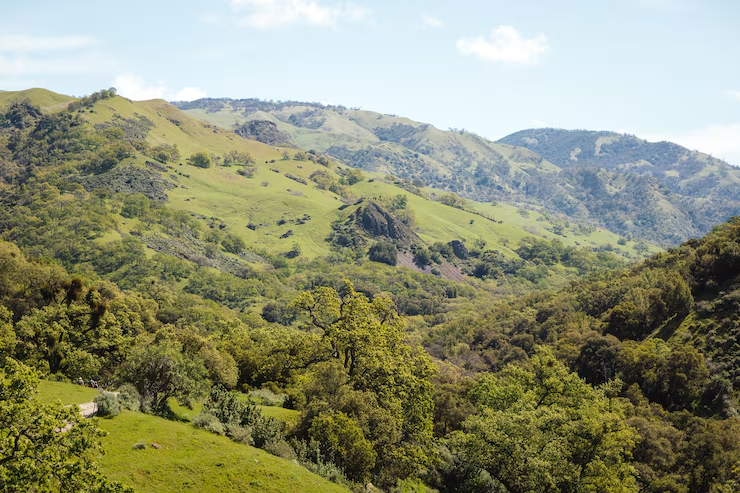
The Bodoquena Mountains (Serra da Bodoquena) form a stunning limestone plateau that plays a crucial role in the region’s natural beauty. This area is responsible for filtering the waters that feed Bonito’s famous rivers.
Waterfalls, Rivers, and Trails
The region is filled with waterfalls, caves, and forested trails, making it ideal for hiking, swimming, and nature photography. The Serra da Bodoquena National Park protects a significant portion of this ecosystem.
Rich Biodiversity
The mountains support diverse plant and animal life, including monkeys, birds, and rare plant species. Guided eco-tours provide educational insight into the ecological importance of the region.
Adventure and Sustainability
Activities such as rappelling, trekking, and birdwatching are popular here. Like Bonito, tourism in the Bodoquena Mountains emphasizes sustainability and environmental awareness.
5. Rio da Prata – One of Brazil’s Most Beautiful Snorkeling Experiences
Rio da Prata is one of the crown jewels of Mato Grosso do Sul and a highlight of any visit to the region. Located near Bonito, it is widely considered one of the most beautiful freshwater snorkeling sites in the world.
Crystal-Clear Waters and Aquatic Life
The river’s exceptional clarity allows visitors to float above dense aquatic vegetation and schools of fish, including pacu, dourado, and piraputanga. The experience feels like drifting through a living aquarium.
Farm-to-River Experience
Tours typically begin with a walk through a private nature reserve and working farm, offering insight into local rural life and conservation practices. This combination of culture and nature makes the experience especially meaningful.
Carefully Managed Tourism
Visitor numbers are strictly limited, ensuring that the ecosystem remains pristine. Trained guides ensure both safety and environmental protection throughout the experience.
Rio da Prata represents the very best of sustainable tourism in Brazil.
Related artical : Top 5 Tourist Places in Mato Grosso, Brazil