
Now Reading: Top 5 Tourist Places in Sergipe, Brazil
-
01
Top 5 Tourist Places in Sergipe, Brazil
Top 5 Tourist Places in Sergipe, Brazil
Introduction: Sergipe – Brazil’s Smallest State with Big Cultural and Natural Treasures
Sergipe may be Brazil’s smallest state by area, but it offers an impressive variety of beaches, rivers, historic towns, dramatic landscapes, and rich northeastern culture. Located in Brazil’s Northeast region, Sergipe is often overlooked by international travelers, making it an ideal destination for those seeking authentic experiences, uncrowded attractions, and a relaxed pace of life.
From the calm urban beaches of its capital to one of Brazil’s most spectacular river canyons, from colonial UNESCO heritage towns to untouched dunes and mangrove reserves, Sergipe blends history, nature, and coastal beauty in a compact and easily accessible region.
In this detailed 2000+ word travel blog, we explore the top 5 tourist places in Sergipe:
- Aracaju
- Xingó Canyon
- São Cristóvão
- Mangue Seco
- Pirambu
Together, these destinations reveal why Sergipe is a hidden gem in Brazilian tourism.
1. Aracaju – Capital City with Calm Beaches and High Quality of Life
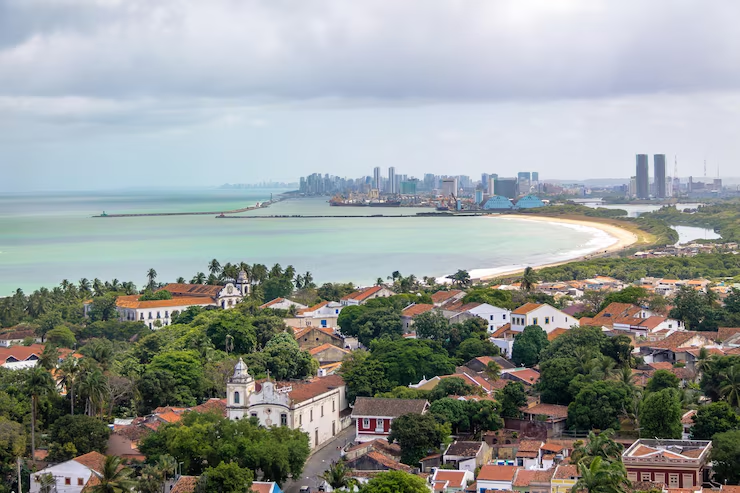
Aracaju, the capital of Sergipe, is one of Brazil’s most pleasant and well-organized cities. Known for its cleanliness, safety, and relaxed atmosphere, Aracaju offers a perfect balance between urban comfort and coastal charm.
Urban Beaches and Waterfront Life
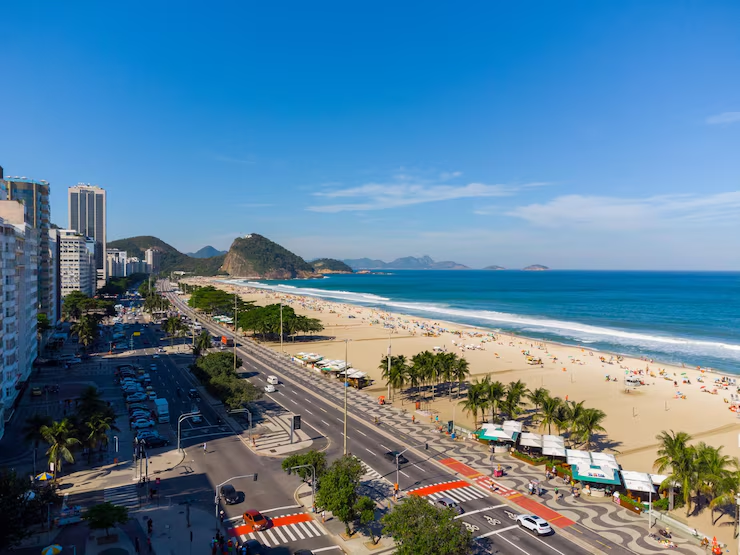
Aracaju’s coastline is lined with calm, wide beaches such as Atalaia Beach, the city’s most famous seaside area. The long promenade is ideal for walking, cycling, and enjoying ocean views. Unlike many large Brazilian beach cities, Aracaju’s beaches are peaceful and family-friendly.
Beach kiosks serve fresh coconut water, regional snacks, and seafood dishes, creating a lively yet relaxed environment.
Culture and Local Life
The city features cultural attractions such as museums, markets, and music venues that showcase northeastern traditions. The Aracaju Oceanarium provides insight into local marine life, while craft markets offer handmade items reflecting Sergipe’s cultural identity.
Gateway to Sergipe
Aracaju serves as the main base for exploring the rest of the state, with easy access to rivers, historic towns, and natural attractions.
2. Xingó Canyon – One of Brazil’s Most Dramatic River Landscapes
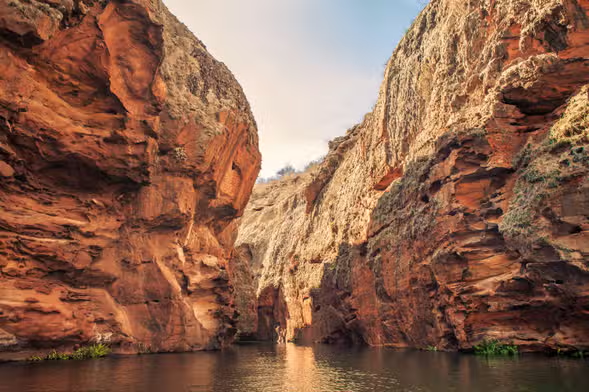
Xingó Canyon is Sergipe’s most spectacular natural attraction and one of the largest navigable river canyons in the world. Located on the São Francisco River, the canyon forms a dramatic landscape of towering rock walls and emerald-green waters.
A Natural Wonder of the Northeast
The canyon’s cliffs rise sharply from the river, creating a striking contrast with the semi-arid surroundings. Boat tours take visitors deep into the canyon, offering breathtaking views and photo opportunities.
Boat Tours and River Experience
Most visitors explore Xingó Canyon by boat, gliding through narrow passages between massive rock formations. Stops along the way allow swimming in calm river waters and short hikes to viewpoints.
Archaeological and Cultural Importance
The region around Xingó contains archaeological sites with ancient rock art and evidence of early human settlement, adding historical depth to the natural beauty.
Xingó Canyon is a must-see destination for nature lovers and photographers visiting Sergipe.
3. São Cristóvão – UNESCO World Heritage Colonial Town
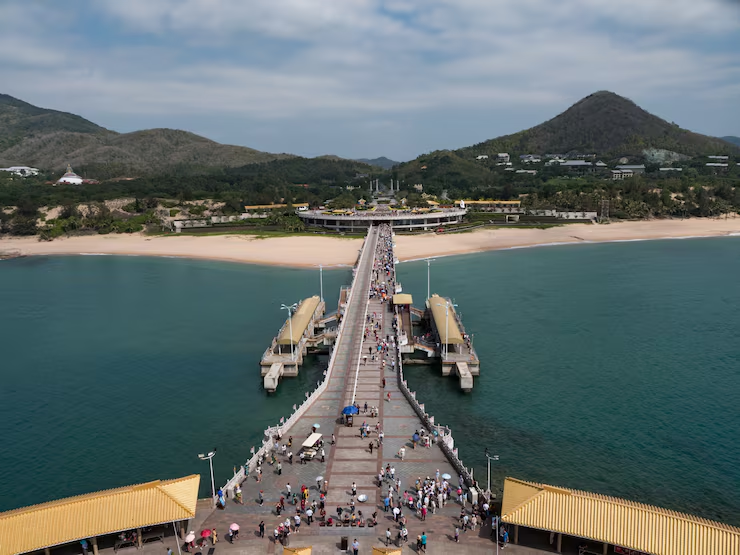
São Cristóvão is one of Brazil’s oldest cities and a UNESCO World Heritage Site. Founded in the 16th century, it played a key role during Brazil’s colonial period.
Praça São Francisco
The heart of the town is Praça São Francisco, a beautifully preserved square surrounded by colonial buildings, churches, and convents. The square represents a rare example of Portuguese urban planning in Brazil.
Churches, Museums, and History
São Cristóvão features historic churches such as the Church of São Francisco and museums that display religious art and artifacts from the colonial era. Walking through the cobblestone streets feels like stepping back in time.
Cultural Significance
The town hosts traditional festivals, religious celebrations, and cultural events that reflect Sergipe’s historical roots and local traditions.
4. Mangue Seco – Sand Dunes, Beaches, and Literary Fame
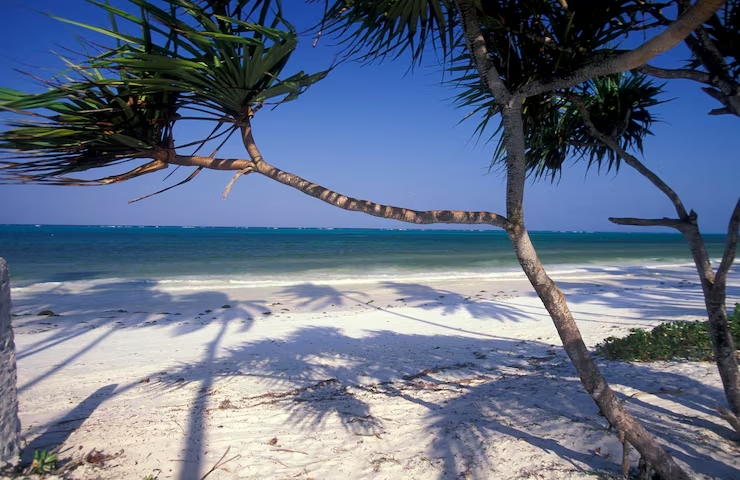
Mangue Seco is a remote and picturesque village located near the border between Sergipe and Bahia. Known for its vast sand dunes, quiet beaches, and rustic charm, Mangue Seco offers a peaceful escape into nature.
Dunes and Coastal Beauty
The landscape is defined by rolling white sand dunes, coconut groves, and wide, empty beaches. Visitors can explore the dunes by buggy or on foot, enjoying panoramic views of the coastline.
Cultural and Literary Importance
Mangue Seco gained fame as the setting for a popular Brazilian television series, which brought attention to its unique beauty and laid-back lifestyle.
Slow Tourism Experience
With no large resorts or busy nightlife, Mangue Seco is ideal for travelers seeking tranquility, simple accommodations, and natural scenery.
5. Pirambu – Coastal Nature Reserve and Turtle Conservation
Pirambu is a small coastal town known for its protected natural areas and strong focus on environmental conservation. It is home to one of Brazil’s most important sea turtle conservation projects.
Pirambu Biological Reserve
The Pirambu Biological Reserve protects coastal ecosystems including dunes, mangroves, and beaches. It plays a vital role in preserving biodiversity along Sergipe’s coast.
Sea Turtle Conservation
Pirambu is famous for its turtle conservation programs, where visitors can learn about marine life protection and the importance of preserving nesting sites.
Untouched Beaches and Nature
The beaches around Pirambu are largely undeveloped, offering a raw and peaceful coastal experience ideal for eco-tourism and nature observation.
Conclusion: Why Sergipe Is a Hidden Gem of Brazil
Sergipe proves that small destinations can offer extraordinary experiences. From the calm beaches and urban comfort of Aracaju to the awe-inspiring landscapes of Xingó Canyon, the colonial elegance of São Cristóvão, the serene dunes of Mangue Seco, and the protected nature of Pirambu, the state delivers remarkable diversity in a compact area.
For travelers seeking authenticity, culture, and natural beauty away from mass tourism, Sergipe stands out as one of Brazil’s most rewarding and underrated destinations. Exploring Sergipe is not just a trip—it is a discovery of Brazil’s quieter, richer side.
Related artical : Top 5 Tourist Places in São Paulo, Brazil