Now Reading: Top 20 Tourist Places in Cameroon
-
01
Top 20 Tourist Places in Cameroon

Top 20 Tourist Places in Cameroon
1. Yaoundé – The Political and Cultural Heart of Cameroon
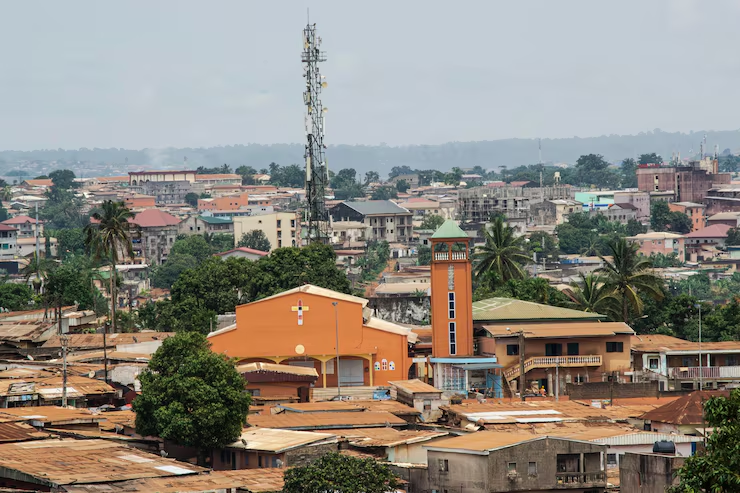
Yaoundé, the capital city of Cameroon, is often called the “City of Seven Hills” due to its rolling terrain and elevated landscape. Unlike many fast-paced African capitals, Yaoundé has a calmer and more administrative atmosphere, making it an excellent place to explore Cameroon’s political, cultural, and historical identity. The city is home to government buildings, embassies, national museums, and major universities, reflecting its role as the country’s political center.
One of Yaoundé’s key attractions is the National Museum of Cameroon, which offers valuable insight into the country’s diverse ethnic groups, traditional leadership systems, and colonial history. Nearby, the Monument de la Réunification stands as a powerful symbol of Cameroon’s reunification after colonial division. Visitors can also explore Notre-Dame des Victoires Cathedral, an architectural landmark and important religious site.
Yaoundé’s hilltop viewpoints provide scenic views of the city, especially from Mount Fébé, where visitors can enjoy fresh air, panoramic landscapes, and a peaceful environment away from city traffic. The Mount Fébé Monastery and hotel area is a popular spot for both locals and tourists.
Markets such as Marché Central and Mvog-Mbi Market showcase daily life, local crafts, spices, and Cameroonian cuisine. Food lovers can enjoy traditional dishes like ndolé, eru, and grilled fish served in local restaurants.
With its blend of culture, history, greenery, and relaxed pace, Yaoundé is an ideal introduction to Cameroon and a city that reflects the nation’s soul.
2. Douala – Cameroon’s Economic Powerhouse
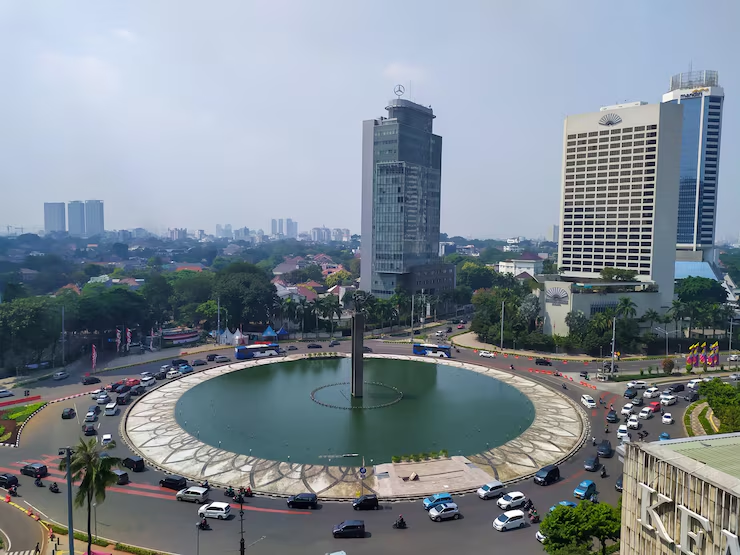
Douala is the largest city in Cameroon and serves as the country’s economic and commercial capital. Located along the Wouri River near the Atlantic coast, Douala is vibrant, energetic, and deeply connected to trade, industry, and modern urban life. It is the main port city of Cameroon, making it one of the most important economic hubs in Central Africa.
The city’s multicultural atmosphere is immediately noticeable. Douala is home to people from all regions of Cameroon, creating a lively mix of traditions, languages, music, and cuisine. The Bonanjo district reflects the city’s colonial past with administrative buildings and wide avenues, while areas like Akwa and Bonapriso are bustling centers of commerce, nightlife, and dining.
Cultural attractions include the Douala Maritime Museum, which tells the story of the city’s port and maritime history, and the Palace of the Kings of Bell, an important historical site linked to traditional leadership. Art lovers can explore contemporary galleries and street art that reflect Cameroon’s creative spirit.
Douala’s food scene is one of the best in the country, offering everything from street food to fine dining. Fresh seafood, grilled fish, plantains, and spicy sauces are local favorites. The city also has access to nearby beaches, allowing visitors to combine urban exploration with coastal relaxation.
Though busy and sometimes chaotic, Douala represents modern Cameroon at its most dynamic—full of opportunity, culture, and unstoppable energy.
3. Mount Cameroon – Africa’s Towering Volcanic Giant
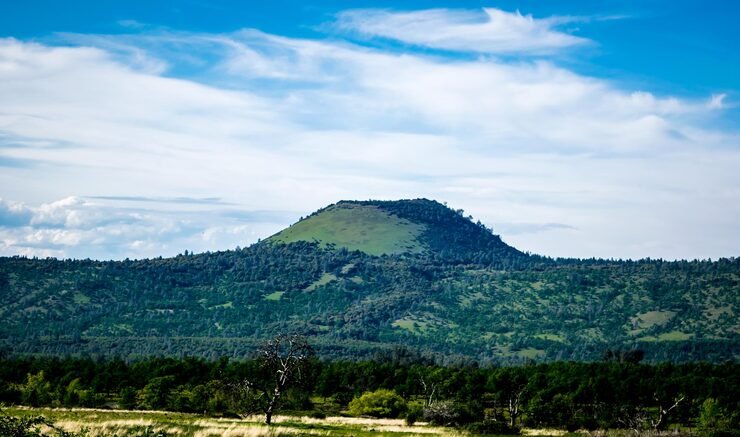
Mount Cameroon is the highest mountain in West and Central Africa, rising to approximately 4,095 meters above sea level. This active volcano dominates the landscape near the coastal town of Buea and offers one of Africa’s most challenging and rewarding hiking experiences.
Known locally as “Mongo ma Ndemi” (Mountain of Greatness), Mount Cameroon is famous for its dramatic scenery, changing vegetation zones, and powerful presence. As climbers ascend, they pass through tropical rainforest, savannah grasslands, volcanic rock fields, and eventually reach a barren summit shaped by lava flows.
The mountain is best known for the Mount Cameroon Race of Hope, an annual international marathon where athletes race from sea level to the summit and back. Even for non-athletes, guided treks allow hikers to experience parts of the mountain safely while enjoying breathtaking views of the Atlantic Ocean.
Mount Cameroon is also culturally significant to local communities, who consider it sacred. Occasional eruptions remind visitors of the mountain’s raw power, making it one of Africa’s most fascinating natural landmarks.
For adventure seekers, nature lovers, and photographers, Mount Cameroon offers a once-in-a-lifetime experience combining physical challenge, natural beauty, and cultural meaning.
4. Limbe – Coastal Beauty and Volcanic Landscapes
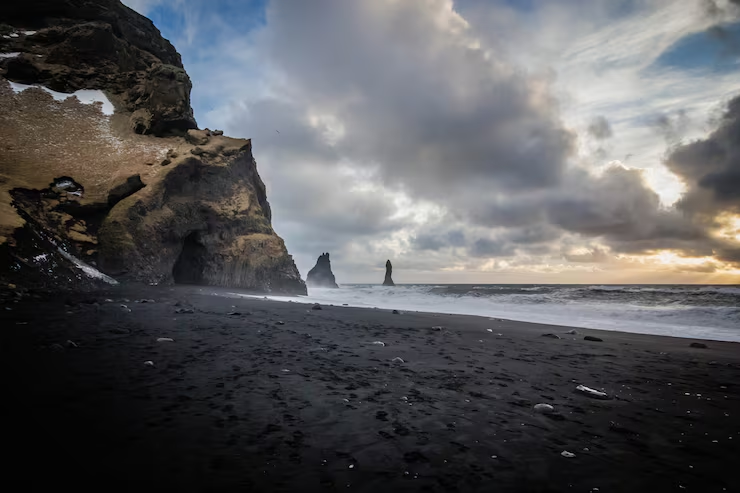
Limbe is a picturesque coastal town located at the foot of Mount Cameroon, where volcanic soil meets the Atlantic Ocean. Known for its black sand beaches, lush greenery, and relaxed atmosphere, Limbe is one of Cameroon’s most attractive tourist destinations.
The town’s beaches, such as Down Beach and Seme Beach, are popular for swimming, relaxation, and seafood dining. The volcanic origin of the sand gives the coastline a unique appearance, setting Limbe apart from other beach destinations in Africa.
Limbe is also known for its colonial heritage, as it was once a German colonial settlement. This history is reflected in parts of the town’s layout and architecture. The cooler coastal climate makes Limbe a pleasant escape from hotter inland cities.
The surrounding environment is rich in biodiversity, with nearby rainforests, botanical gardens, and wildlife centers. Limbe serves as a gateway to both marine and mountain ecosystems, making it ideal for eco-tourism.
With its blend of beaches, history, and natural scenery, Limbe is perfect for travelers seeking relaxation with a touch of adventure.
5. Limbe Wildlife Centre – A Sanctuary for Conservation
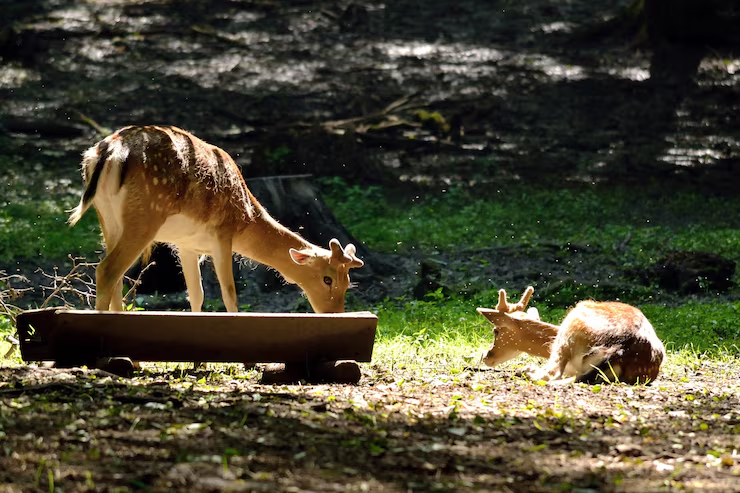
The Limbe Wildlife Centre is one of Cameroon’s most important conservation and education facilities. Located near Limbe town, this rescue center is dedicated to protecting endangered wildlife, particularly primates affected by illegal hunting and trafficking.
The center is best known for its chimpanzees, many of which were rescued from the pet trade or illegal captivity. Visitors can observe these intelligent animals in large, semi-natural enclosures designed to promote rehabilitation and social interaction. Other animals include gorillas, drills, monkeys, and reptiles native to Cameroon.
Beyond tourism, the Limbe Wildlife Centre plays a critical role in conservation awareness and environmental education. Guided tours explain the threats facing wildlife in Central Africa and the importance of protecting rainforests and ecosystems.
The center works closely with local communities and international conservation organizations to promote sustainable practices and wildlife protection laws. A visit here is not only educational but also emotionally impactful, highlighting the urgent need for conservation efforts.
For travelers interested in wildlife, ethics, and education, the Limbe Wildlife Centre offers a meaningful and responsible tourism experience.
6. Waza National Park – Cameroon’s Premier Safari Destination
Waza National Park is Cameroon’s most famous wildlife reserve and one of the top safari destinations in Central Africa. Located in the Far North Region, near the borders with Chad and Nigeria, the park covers vast savannah landscapes, seasonal floodplains, and open grasslands. Established in 1934 and later designated a national park, Waza is home to an impressive variety of African wildlife.
The park is best known for its large populations of elephants, lions, giraffes, buffaloes, antelopes, and warthogs. During the dry season, animals gather around water sources, offering excellent wildlife viewing opportunities. Bird lovers will also be delighted, as Waza hosts over 300 bird species, including migratory birds from Europe.
Safaris in Waza are typically conducted by 4×4 vehicles with experienced guides who understand animal behavior and park ecosystems. Early morning and late afternoon drives provide the best chances to see predators such as lions and hyenas in action. The open landscapes make wildlife easier to spot compared to dense rainforest parks.
Beyond wildlife, Waza offers insight into the Sahelian environment and the traditional cultures of northern Cameroon. Nearby villages allow visitors to experience local customs, music, and handicrafts.
Waza National Park is ideal for travelers seeking a classic African safari experience in a less-crowded, authentic setting.
7. Korup National Park – One of Africa’s Oldest Rainforests
Korup National Park is one of the most biologically diverse and oldest rainforests in Africa, estimated to be over 60 million years old. Located in southwestern Cameroon near the Nigerian border, this pristine rainforest is a paradise for nature lovers, scientists, and eco-tourists.
The park is home to rare and endangered species such as forest elephants, leopards, chimpanzees, drills, and Preuss’s red colobus monkey. Korup also boasts extraordinary plant diversity, with thousands of plant species, many of which are found nowhere else in the world.
One of the park’s highlights is its network of canopy walkways, allowing visitors to explore the rainforest from above the forest floor. These suspended bridges offer breathtaking views and a unique perspective of wildlife, birds, and plant life.
Guided treks through Korup introduce visitors to towering trees, medicinal plants, waterfalls, and remote forest villages. Local guides share knowledge about traditional forest use and conservation practices.
Korup National Park is perfect for adventurous travelers seeking untouched wilderness and an immersive rainforest experience unlike any other in Africa.
8. Dja Faunal Reserve – UNESCO-Protected Rainforest Wilderness

The Dja Faunal Reserve is one of the largest and best-protected rainforests in Africa and a UNESCO World Heritage Site. Located in southeastern Cameroon, this massive reserve is surrounded by the Dja River, which acts as a natural boundary and helps preserve its ecosystem.
Dja is renowned for its rich biodiversity, including gorillas, chimpanzees, forest elephants, leopards, and over 300 bird species. The reserve also contains an extraordinary variety of insects, reptiles, and plants, making it a global conservation treasure.
What sets Dja apart is its relatively untouched nature. Unlike many parks, there is minimal infrastructure, which helps protect wildlife but requires visitors to be well-prepared. Guided expeditions focus on research, conservation, and eco-tourism.
The reserve is also home to indigenous Baka (Pygmy) communities, who have lived sustainably in the forest for centuries. Cultural interactions provide insight into traditional hunting methods, music, storytelling, and forest survival skills.
Dja Faunal Reserve is best suited for serious eco-tourists and travelers passionate about conservation, offering a rare glimpse into Africa’s ancient rainforest ecosystems.
9. Kribi – Cameroon’s Beach Paradise
Kribi is Cameroon’s most popular beach destination, located along the Atlantic coast in the South Region. Known for its white sandy beaches, palm-lined shores, and calm waters, Kribi is a favorite getaway for both locals and international visitors.
The town has a laid-back atmosphere, making it ideal for relaxation. Beaches such as Grand Batanga and Londji offer excellent spots for swimming, sunbathing, and enjoying fresh seafood. Grilled fish served with plantains and spicy sauces is a local specialty.
Kribi is also a cultural hub, home to fishing communities and traditional coastal life. Visitors can explore local markets, watch fishermen bring in their daily catch, or enjoy nightlife along the beachfront.
Beyond the beaches, Kribi is close to lush rainforests and river systems, allowing travelers to combine coastal leisure with nature exploration. It is also the gateway to one of Cameroon’s most unique natural wonders—the Lobé Waterfalls.
Kribi’s beauty, accessibility, and relaxed vibe make it one of Cameroon’s top tourist destinations.
10. Lobé Waterfalls – Where the River Meets the Ocean
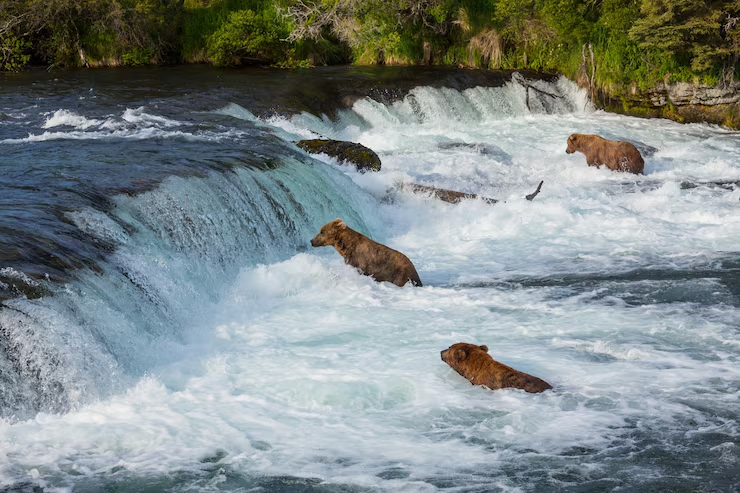
The Lobé Waterfalls are one of Cameroon’s most extraordinary natural attractions. Located just a few kilometers from Kribi, these waterfalls are unique because the Lobé River flows directly into the Atlantic Ocean, creating a spectacular and rare natural phenomenon.
Unlike towering waterfalls, Lobé consists of multiple cascades spread across rocks and islands, blending river water with ocean waves. Visitors can take canoe rides guided by local fishermen to get close to the falls and explore surrounding islets.
The area around Lobé is rich in biodiversity and cultural significance. Local communities consider the waterfalls sacred, and guides often share traditional legends and stories associated with the site.
Visitors can relax nearby, swim in safe areas, or enjoy fresh seafood prepared by local vendors. The combination of river, ocean, forest, and cultural heritage makes Lobé Waterfalls a must-visit destination.
Lobé Waterfalls offer a peaceful yet powerful reminder of nature’s beauty and Cameroon’s unique landscapes.
11. Bafut Palace – Symbol of Royal Heritage
Bafut Palace is one of Cameroon’s most important traditional landmarks and a powerful symbol of the country’s rich cultural heritage. Located near Bamenda in the Northwest Region, the palace is the residence of the Fon of Bafut, the traditional ruler of the Bafut people. It is recognized by UNESCO as part of Cameroon’s intangible cultural heritage.
The palace complex includes royal courtyards, shrines, ceremonial buildings, and sacred spaces that reflect centuries-old traditions. Visitors can explore museums within the palace that display royal artifacts such as thrones, masks, drums, weapons, and traditional costumes. Each item tells a story about leadership, spirituality, and community life.
Bafut Palace is not just a historical site—it is a living cultural institution. Important ceremonies, festivals, and rituals are still held here, allowing visitors to witness authentic traditions. If timed well, travelers may experience cultural dances, masquerades, and storytelling performances.
The surrounding village enhances the experience, offering insight into daily life, crafts, and farming practices of the Bafut people. Local guides explain customs and beliefs, helping visitors appreciate the deep cultural significance of the palace.
For travelers interested in African history, traditional governance, and living culture, Bafut Palace is an unforgettable destination.
12. Foumban – Cultural Capital of the Bamum Kingdom
Foumban is widely regarded as the cultural heart of the Bamum Kingdom and one of Cameroon’s most historically rich towns. Located in the West Region, Foumban has long been a center of art, craftsmanship, and royal tradition.
The town is famous for its skilled artisans who produce bronze statues, wood carvings, beadwork, pottery, and traditional textiles. Walking through Foumban’s markets feels like entering an open-air museum filled with centuries-old artistic techniques.
Foumban is also known for its vibrant festivals and royal ceremonies, which showcase Bamum music, dance, and storytelling. These events reflect the kingdom’s proud identity and its historical independence.
The town’s cultural atmosphere is deeply connected to its royal heritage, and visitors can explore traditional neighborhoods, artisan workshops, and ceremonial grounds. Friendly locals often share stories about Bamum history and customs.
For travelers seeking authentic cultural experiences, Foumban offers a deep connection to Cameroon’s artistic and royal traditions.
13. Foumban Royal Palace – Masterpiece of African Architecture
The Foumban Royal Palace is one of the most striking palaces in Africa and the official residence of the Sultan (King) of the Bamum people. Built in a unique architectural style resembling a European castle combined with African symbolism, the palace stands as a testament to Bamum innovation and royal power.
The palace museum houses an impressive collection of royal artifacts, including thrones, musical instruments, weapons, ceremonial clothing, and historical manuscripts. These collections document the reign of King Ibrahim Njoya, one of Africa’s most influential monarchs, who created the Bamum script and promoted education.
Visitors are often amazed by the palace’s distinctive roof, towers, and decorative elements, which blend traditional Bamum motifs with modern influences. Guided tours provide detailed explanations of royal customs, governance, and the palace’s role in preserving Bamum heritage.
The palace grounds are spacious and serene, offering opportunities for photography and quiet reflection. Cultural performances are sometimes held during festivals, adding life and color to the royal environment.
The Foumban Royal Palace is a must-visit for anyone interested in African royalty, architecture, and history.
14. Bamenda Highlands – Cool Climate and Scenic Beauty
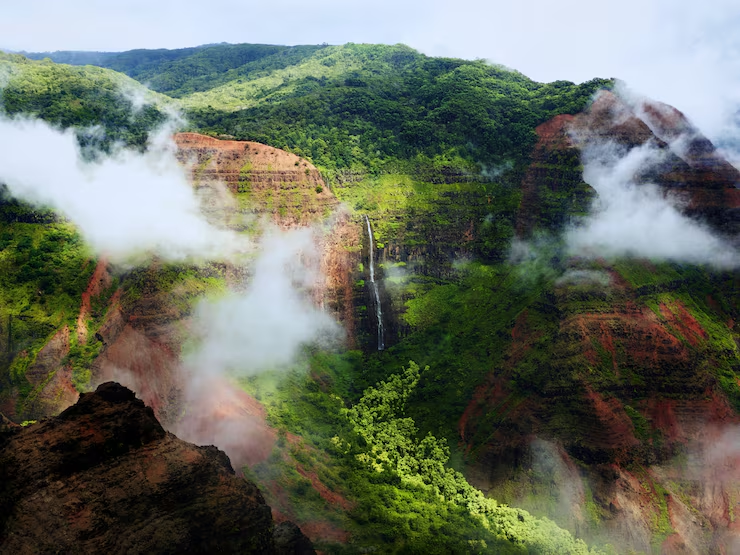
The Bamenda Highlands offer some of the most breathtaking landscapes in Cameroon. Located in the Northwest Region, this high-altitude area is known for its rolling hills, valleys, waterfalls, and cool climate.
The region is ideal for hiking, nature walks, and scenic photography. Travelers can explore lush farmlands, traditional villages, and mountain viewpoints that provide panoramic views of the surrounding countryside.
The Bamenda Highlands are also culturally rich, home to various ethnic groups with unique traditions, languages, and crafts. Local markets showcase handmade textiles, baskets, and agricultural products.
The pleasant weather makes the region a refreshing escape from Cameroon’s tropical heat. Visitors often enjoy peaceful stays in guesthouses and eco-lodges that blend with the natural environment.
For nature lovers and cultural explorers, the Bamenda Highlands provide a perfect balance of beauty and tradition.
15. Lake Nyos – A Place of Natural Mystery
Lake Nyos is one of Cameroon’s most intriguing natural landmarks, located in a volcanic crater in the Northwest Region. The lake gained global attention due to the tragic 1986 limnic eruption, when a sudden release of carbon dioxide caused the loss of many lives in nearby villages.
Today, Lake Nyos stands as both a site of remembrance and scientific importance. The deep blue waters and surrounding hills create a peaceful yet haunting landscape. Safety measures, including degassing systems, have been installed to prevent future disasters.
Visitors can learn about the geological processes behind the event and the efforts taken to protect local communities. The area also offers scenic views, walking trails, and opportunities to understand volcanic landscapes.
Lake Nyos is a powerful reminder of nature’s strength and the importance of scientific monitoring. It attracts travelers interested in geology, history, and natural phenomena.
16. Ekom-Nkam Waterfalls – Power and Natural Beauty

The Ekom-Nkam Waterfalls are among Cameroon’s most spectacular natural attractions. Located near Nkongsamba in the Littoral Region, these waterfalls plunge dramatically into a deep gorge, creating a breathtaking sight surrounded by lush rainforest.
The falls gained international attention after being featured in the film Greystoke: The Legend of Tarzan. The sound of cascading water, combined with mist rising from the gorge, creates a powerful and immersive experience. Multiple viewpoints allow visitors to admire the waterfalls from different angles.
Access involves a scenic walk through tropical forest, where visitors can observe birds, butterflies, and diverse plant life. During the rainy season, the waterfalls become especially impressive as water volume increases dramatically.
Ekom-Nkam is ideal for photography, picnics, and nature appreciation. Local guides share stories about the region and help visitors navigate trails safely. While swimming is not recommended due to strong currents, the surrounding environment offers peaceful spots to relax and enjoy the scenery.
For travelers seeking raw natural beauty and dramatic landscapes, Ekom-Nkam Waterfalls are an unforgettable destination.
17. Rhumsiki – Volcanic Wonders of the Far North
Rhumsiki is a unique village located in Cameroon’s Far North Region, near the border with Nigeria. It is famous for its dramatic volcanic rock formations, which rise sharply from the surrounding plains, creating an otherworldly landscape.
The most iconic feature is the Rhumsiki Peak, a tall volcanic plug that dominates the skyline. The village is also known for its traditional clay architecture and strong cultural identity.
Visitors can explore volcanic caves, lava formations, and scenic viewpoints. Local guides explain the geological history of the area and share legends tied to the rocks. Rhumsiki is also a great place to experience traditional music, dance, and crafts of the local communities.
The semi-arid climate contrasts sharply with southern Cameroon’s rainforests, offering a completely different travel experience. Sunsets in Rhumsiki are particularly stunning, as golden light reflects off the volcanic stone.
Rhumsiki is perfect for travelers interested in geology, culture, and off-the-beaten-path destinations.
18. Maroua – Cultural Heart of Northern Cameroon

Maroua is the cultural and economic center of northern Cameroon and a gateway to Sahelian landscapes. Located along the Mayo Kaliao River, the city reflects strong influences from Fulani, Arab, and Sahelian cultures.
Maroua is famous for its vibrant markets, where visitors can find leather goods, textiles, jewelry, and local spices. Traditional architecture, including mud-brick houses and mosques, adds to the city’s charm.
The surrounding countryside features rocky hills, open plains, and traditional villages. Nearby attractions include volcanic formations and access routes to Waza National Park.
Maroua is also known for its warm hospitality and rich culinary traditions. Local dishes feature grains, meat, and aromatic sauces unique to the region.
For travelers seeking authentic cultural experiences and insight into northern Cameroon’s traditions, Maroua is a fascinating destination.
19. Campo Ma’an National Park – Rainforest Meets the Sea
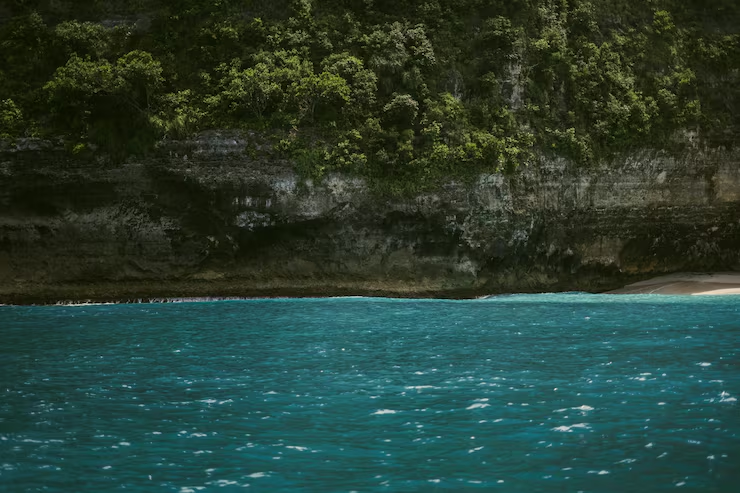
Campo Ma’an National Park is one of Cameroon’s most diverse protected areas, located in the South Region along the Atlantic coast. The park uniquely combines dense rainforest, rivers, mangroves, and beaches.
The park is home to elephants, gorillas, chimpanzees, leopards, and countless bird species. Guided eco-tours allow visitors to explore wildlife while supporting conservation efforts.
Campo Ma’an also protects important indigenous communities, including the Bagyeli (Pygmy) people. Cultural tours provide insight into traditional forest lifestyles and sustainable living practices.
The coastline within the park offers secluded beaches where rainforest meets the ocean—a rare and breathtaking sight. Visitors can enjoy boat rides, forest hikes, and wildlife tracking.
Campo Ma’an is ideal for eco-tourism enthusiasts, nature lovers, and travelers seeking untouched wilderness.
20. Buea – Colonial Town at Mount Cameroon’s Foot
Buea is a historic town located at the base of Mount Cameroon, Africa’s highest active volcano. Once the capital of German Cameroon, Buea retains colonial architecture and historical landmarks.
The town enjoys a cool climate due to its elevation, making it a popular retreat. Visitors can explore colonial-era buildings, botanical gardens, and museums that document Cameroon’s colonial past.
Buea is the starting point for Mount Cameroon treks, attracting hikers and adventure seekers from around the world. The surrounding area offers lush vegetation, waterfalls, and scenic viewpoints.
Local markets, cafés, and friendly communities give Buea a relaxed and welcoming atmosphere. The annual Mount Cameroon Race of Hope draws international attention and celebrates athletic endurance.
Buea perfectly combines history, nature, and adventure, making it a must-visit destination in Cameroon.
Related artical : Top 20 Tourist Places in Cambodia