
Now Reading: Top 5 Tourist Places in Guizhou, China
-
01
Top 5 Tourist Places in Guizhou, China
Top 5 Tourist Places in Guizhou, China
Guizhou: Waterfalls, Karst Landscapes, and Living Ethnic Traditions
Guizhou Province lies in southwestern China, a land of mountains, rivers, deep valleys, and rich ethnic diversity. Long isolated by its rugged terrain, Guizhou has preserved some of China’s most spectacular natural scenery and deeply rooted cultural traditions. Unlike China’s mega-cities and coastal hubs, Guizhou offers a slower, more authentic travel experience where nature and heritage remain closely intertwined.
From thunderous waterfalls and mist-covered karst forests to vibrant minority villages and ancient river towns, Guizhou is a province of discovery. This guide explores five must-visit destinations in Guizhou: Huangguoshu Waterfall, Xijiang Miao Village, Libo Karst Forest, Zhenyuan Ancient Town, and Guiyang.
1. Huangguoshu Waterfall – The Roaring Heart of Guizhou

Huangguoshu Waterfall is the most famous natural landmark in Guizhou and one of Asia’s largest and most powerful waterfalls. Located near Anshun, this magnificent cascade is the centerpiece of a vast waterfall group formed by the Baishui River.
A Natural Giant
Huangguoshu Waterfall stands 77.8 meters high and 101 meters wide, with an immense volume of water crashing down into a deep basin. During the rainy season, the waterfall becomes a thundering wall of white water, filling the air with mist and sound.
What makes Huangguoshu unique is not only its size but also its accessibility. Visitors can view the waterfall from multiple angles, including:
- Front viewing platforms
- Side paths along cliffs
- Water-Curtain Cave, a natural cave hidden behind the falling water
Walking through the Water-Curtain Cave allows travelers to stand behind the waterfall itself, offering a rare and unforgettable perspective.
Surrounding Scenic Area
Huangguoshu is part of a larger scenic area that includes smaller waterfalls, karst formations, forests, and rivers. Well-maintained walkways and bridges connect the attractions, making exploration comfortable while preserving the natural environment.
Cultural Significance
The waterfall has been celebrated in Chinese literature and folklore for centuries. It is often associated with power, endurance, and the raw beauty of nature. Local ethnic legends add spiritual depth to the site.
Best Time to Visit
The best time to visit Huangguoshu is from June to October, when water flow is strongest. Spring and autumn also offer pleasant weather and fewer crowds.
Huangguoshu Waterfall is not just a scenic spot—it is the roaring soul of Guizhou’s natural landscape.
2. Xijiang Miao Village – Heart of Miao Culture
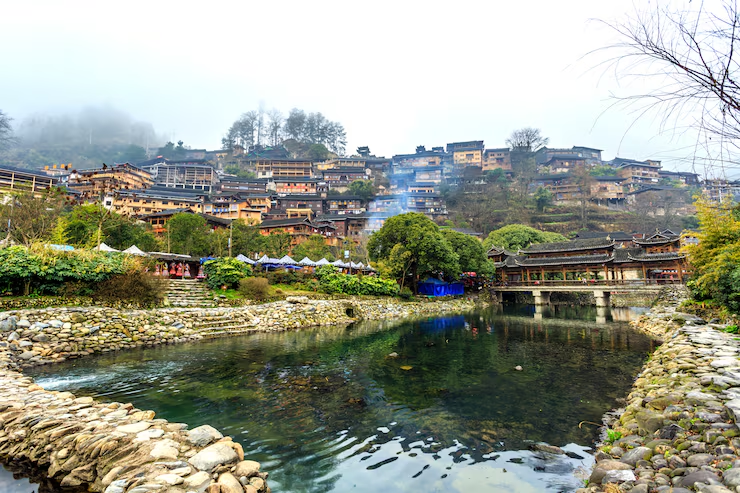
Xijiang Miao Village is the largest Miao ethnic village in China, home to thousands of traditional wooden houses cascading down green hillsides. Located in Qiandongnan Prefecture, Xijiang offers a rare opportunity to experience living Miao culture in its most vibrant form.
Village Layout and Architecture
The village is built along a river valley, with stilted wooden houses stacked layer upon layer. From above, the rooftops form a dramatic, wave-like pattern that blends seamlessly with the surrounding mountains.
At night, thousands of lights illuminate the village, creating one of Guizhou’s most iconic views.
Miao Traditions and Lifestyle
The Miao people have preserved their traditions for generations, including:
- Silver jewelry craftsmanship
- Colorful embroidered clothing
- Folk songs and dances
- Traditional festivals
Visitors may witness daily life such as weaving, farming, and cooking using ancestral methods.
Festivals and Tourism
Major festivals like the Miao New Year and Sister’s Meal Festival showcase elaborate costumes, music, and communal celebrations. Cultural performances are often held in the village square, offering insight into Miao history and storytelling.
Authentic Experiences
Staying overnight in a guesthouse allows visitors to experience early morning mist, traditional breakfasts, and quiet village rhythms before crowds arrive.
Xijiang Miao Village is not a reconstructed attraction—it is a living cultural landscape.
3. Libo Karst Forest – A World of Stone and Green
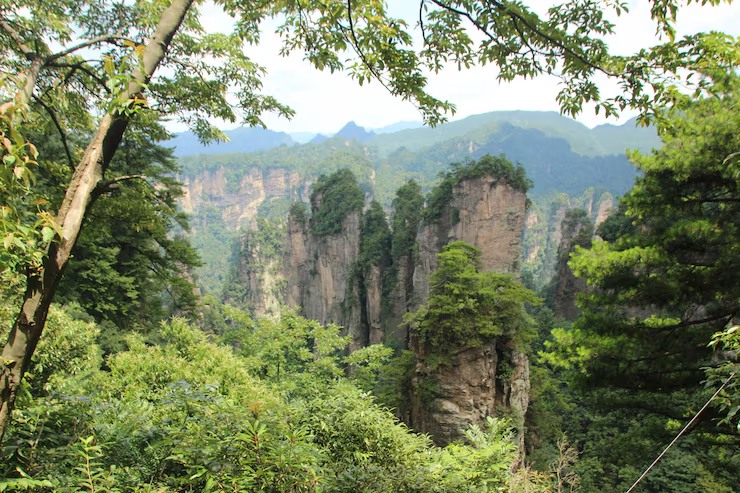
The Libo Karst Forest, part of the South China Karst UNESCO World Natural Heritage Site, is one of Guizhou’s most breathtaking natural environments. Located in southern Guizhou, Libo showcases a perfect harmony between dense forests and dramatic limestone formations.
Karst Landscape
The area is known for its:
- Towering limestone peaks
- Underground rivers and caves
- Clear streams and waterfalls
- Dense subtropical forests
The karst formations rise sharply from the forest floor, creating a mystical landscape often shrouded in mist.
Biodiversity Hotspot
Libo is one of China’s richest regions in biodiversity. Rare plants, ancient trees, and unique wildlife thrive in its protected environment.
Scenic Areas
Popular sections include:
- Small Seven Holes Scenic Area
- Large Seven Holes Scenic Area
- Natural bridges and caves
Wooden walkways guide visitors through forests and along turquoise streams.
Eco-Tourism and Conservation
Strict environmental protections ensure minimal human impact. Tourism here focuses on sustainability and education.
Why Visit Libo
Libo offers a tranquil escape into untouched nature, ideal for hiking, photography, and quiet reflection.
4. Zhenyuan Ancient Town – History by the River
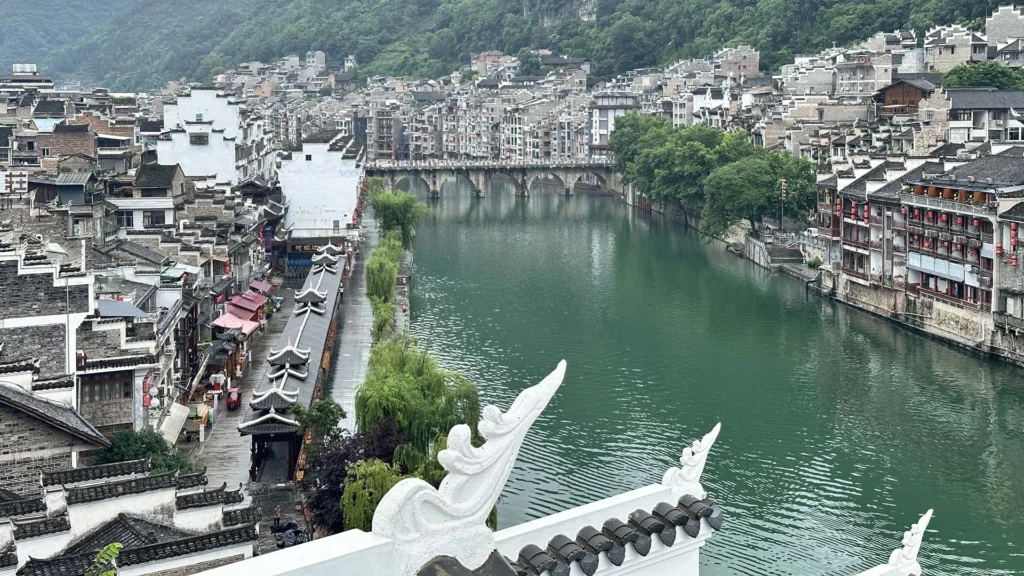
Zhenyuan Ancient Town is one of Guizhou’s most atmospheric historic settlements. Nestled along the Wuyang River, the town dates back over 2,000 years and has long served as a strategic and commercial center.
Riverside Setting
The river curves through the town in an S-shape, with ancient houses, temples, and city walls lining its banks. Bridges connect both sides, creating a picturesque and harmonious scene.
Architectural Heritage
Zhenyuan preserves:
- Ming and Qing dynasty residences
- Ancient docks and stone streets
- Taoist and Buddhist temples
At night, lanterns reflect on the water, creating a romantic and timeless atmosphere.
Cultural Depth
Zhenyuan reflects a blend of Han and minority cultures. It has been a place of military defense, trade, and religious practice throughout history.
Slow Travel Experience
Unlike larger tourist cities, Zhenyuan maintains a calm pace. Walking along the riverbanks and narrow alleys allows travelers to absorb its history quietly.
Zhenyuan Ancient Town feels like a living scroll of Chinese history.
5. Guiyang – Cool Capital and Green Gateway
Guiyang, the capital of Guizhou Province, is known as one of China’s most comfortable cities due to its cool climate, lush greenery, and relaxed atmosphere. Surrounded by mountains and rivers, Guiyang serves as the gateway to Guizhou’s natural and cultural attractions.
Climate and Environment
Guiyang enjoys mild temperatures year-round, earning it the nickname “City of Eternal Spring.” Parks, lakes, and green spaces are abundant.
Key Attractions
- Qianling Park – A large urban park with hills, lakes, and temples
- Jiaxiu Pavilion – Historic landmark on the Nanming River
- Guizhou Provincial Museum – Ethnic culture and history
Urban Culture and Cuisine
Guiyang is famous for its bold, spicy cuisine, featuring sour soups, chili peppers, and fermented flavors unique to Guizhou.
Modern Development
While preserving its natural charm, Guiyang is also emerging as a modern city with improved infrastructure and cultural venues.
Why Visit Guiyang
Guiyang is both a destination and a base for exploring Guizhou, offering comfort, culture, and easy access to nearby attractions.
Related artical : Top 5 Tourist Places in Guangdong, China