
Now Reading: Top 5 Tourist Places in Qinghai, China
-
01
Top 5 Tourist Places in Qinghai, China
Top 5 Tourist Places in Qinghai, China
Qinghai Travel Guide: Sacred Lakes, Salt Mirrors, Tibetan Buddhism, and the Roof of China
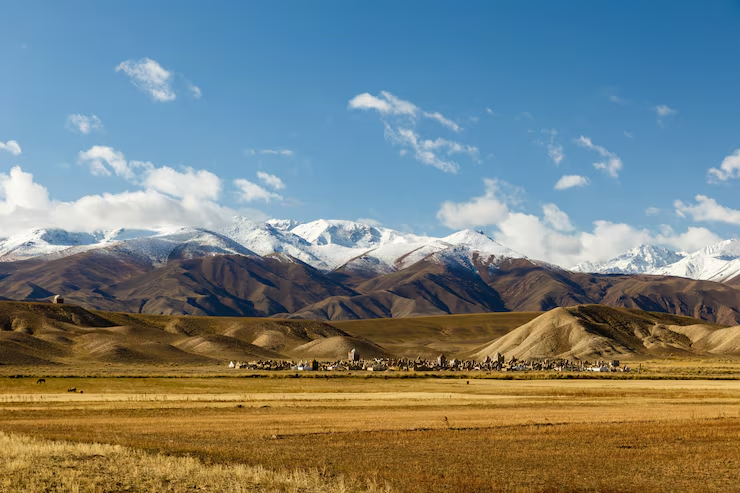
Qinghai Province is one of China’s most remote, spiritual, and awe-inspiring regions. Located on the northeastern edge of the Tibetan Plateau, Qinghai is a land of vast open spaces, high-altitude lakes, snow-capped mountains, and deeply rooted Tibetan culture. Often called the “Gateway to the Roof of the World,” Qinghai offers travelers an experience that feels both timeless and transformative.
Unlike China’s densely populated eastern provinces, Qinghai is defined by its silence, scale, and spirituality. Here, the sky feels closer, lakes stretch endlessly toward the horizon, prayer flags flutter in the wind, and ancient monasteries stand against dramatic mountain backdrops. Qinghai is not just a destination—it is a journey into nature’s raw power and cultural depth.
This 2,000+ word Qinghai travel guide explores the province’s top five must-visit destinations:
- Qinghai Lake
- Chaka Salt Lake
- Ta’er Monastery
- Kunlun Mountains
- Xining
1. Qinghai Lake – The Largest Saltwater Lake in China
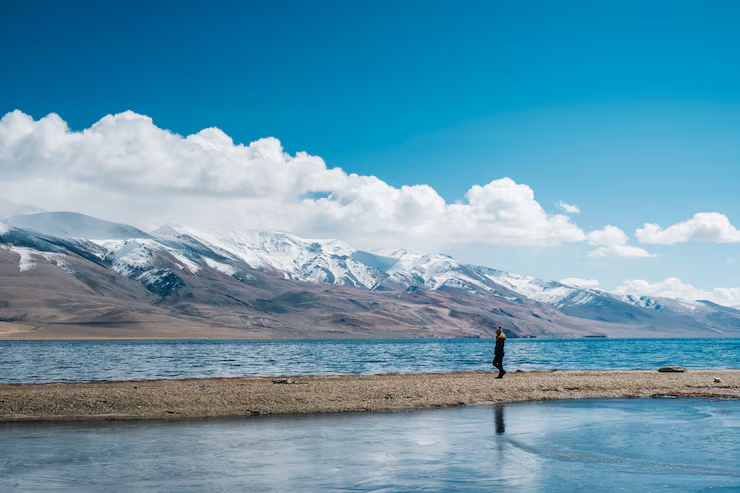
Qinghai Lake is the most iconic landmark in the province and the largest inland saltwater lake in China. Sitting at an altitude of over 3,200 meters, the lake is a symbol of Qinghai’s vastness and natural purity.
A Sea in the Sky
Stretching endlessly beneath a brilliant blue sky, Qinghai Lake resembles an inland sea. The water shifts color throughout the day—from deep sapphire to turquoise—depending on sunlight and weather conditions. Snow-capped mountains and rolling grasslands surround the lake, creating one of China’s most photogenic landscapes.
Seasonal Beauty
- Summer: Lush grasslands, grazing yaks, and blooming rapeseed flowers
- Autumn: Golden plains and clear skies
- Winter: Frozen lake surface and dramatic ice formations
Bird Island, located on the lake’s western shore, becomes a major sanctuary for migratory birds during spring and summer.
Cultural Significance
Qinghai Lake holds deep spiritual meaning for local Tibetan and Mongolian communities. Pilgrims often walk or cycle around the lake as an act of devotion.
Why Visit Qinghai Lake
Qinghai Lake offers a profound sense of space, peace, and natural grandeur, making it one of China’s most unforgettable landscapes.
2. Chaka Salt Lake – The “Mirror of the Sky”
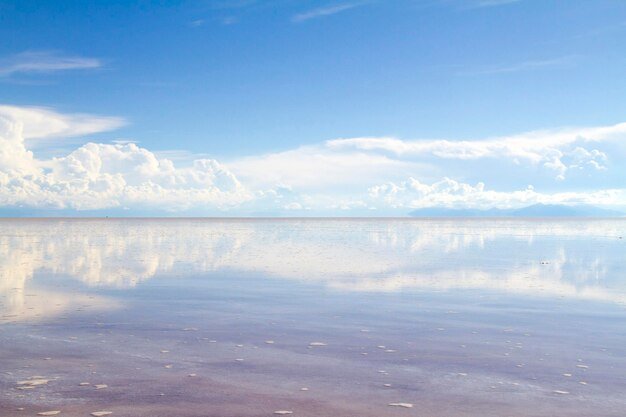
Chaka Salt Lake is one of China’s most surreal natural wonders and has earned the nickname “Mirror of the Sky.”
A Natural Reflection Wonderland
When conditions are right, the shallow salt lake reflects the sky so perfectly that the horizon seems to disappear. Clouds, mountains, and people appear suspended between earth and sky, creating dreamlike photographic scenes.
Salt Mining History
Chaka has been an important salt-producing area for over 3,000 years. Ancient wooden tracks and rail carts still cross the lake, offering a glimpse into traditional salt harvesting methods.
Best Time to Visit
- June to September: Calm water and clear reflections
- Early morning and sunset offer the best light for photography
Travel Tips
Visitors should wear shoe covers to walk safely on the salt crust and protect footwear.
Why Visit Chaka Salt Lake
Chaka Salt Lake is a visual masterpiece, offering one of the most unique photography experiences in Asia.
3. Ta’er Monastery – A Center of Tibetan Buddhist Learning

Ta’er Monastery, also known as Kumbum Monastery, is the most important Tibetan Buddhist monastery in Qinghai Province and one of the most influential in all of China.
Religious Significance
Founded in the 16th century, Ta’er Monastery is associated with the Gelug (Yellow Hat) school of Tibetan Buddhism, the same school as the Dalai Lama. It is a major center for religious study, pilgrimage, and ritual.
Architectural Beauty
The monastery complex features:
- Golden-roofed temples
- Colorful murals
- Intricate butter sculptures
- Tibetan prayer halls
The blend of Tibetan and Han architectural styles reflects Qinghai’s cultural diversity.
Living Spiritual Center
Ta’er Monastery remains an active religious site, with monks chanting, studying, and performing rituals daily. Visitors are encouraged to observe respectfully and follow monastery customs.
Why Visit Ta’er Monastery
Ta’er Monastery offers a deeply spiritual and cultural experience, providing insight into Tibetan Buddhism and high-plateau life.
4. Kunlun Mountains – The Sacred Backbone of Chinese Mythology
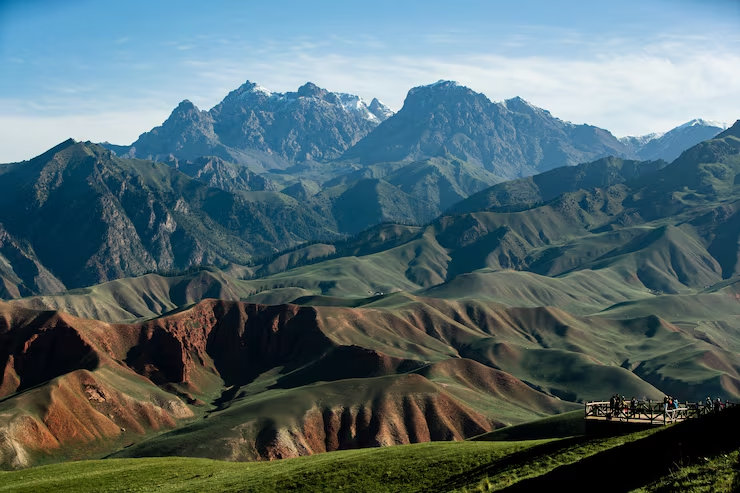
The Kunlun Mountains are one of the most legendary mountain ranges in Chinese culture. Often called the “Ancestor of All Mountains,” Kunlun occupies a central place in mythology, Taoism, and ancient geography.
Mythological Importance
In Chinese mythology, Kunlun is believed to be:
- The dwelling place of immortals
- A cosmic axis connecting heaven and earth
- The source of spiritual energy
Ancient texts describe Kunlun as a sacred land beyond the ordinary world.
Natural Grandeur
The mountain range features:
- Snow-covered peaks
- Vast deserts and high plains
- Glacial rivers and remote valleys
Much of Kunlun remains unexplored, adding to its mystique.
Adventure and Exploration
Kunlun attracts:
- Mountaineers
- Spiritual seekers
- Long-distance travelers
Its extreme environment demands preparation but rewards visitors with unmatched solitude and beauty.
Why Visit the Kunlun Mountains
Kunlun offers a journey into myth, wilderness, and the limits of human endurance, unlike anywhere else in China.
5. Xining – Cultural Gateway to the Tibetan Plateau
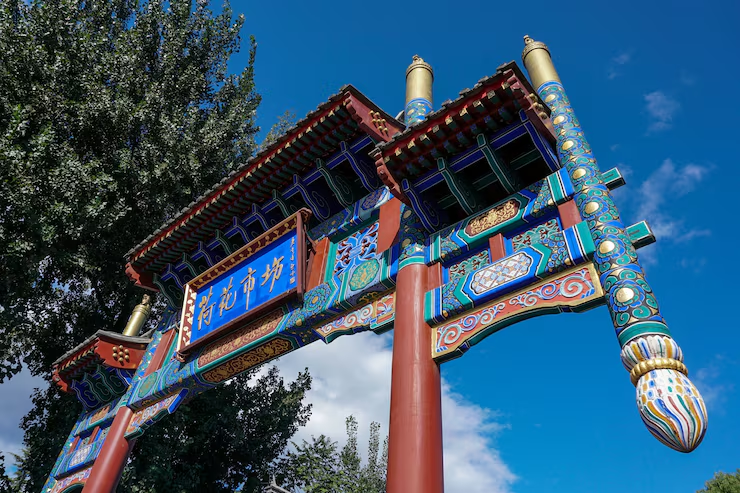
Xining, the capital of Qinghai Province, serves as the primary gateway for travelers entering the Tibetan Plateau. While modern and bustling, Xining retains deep cultural roots.
Multicultural City
Xining is home to:
- Tibetan
- Hui Muslim
- Han Chinese
- Mongolian communities
This diversity is reflected in the city’s architecture, markets, and cuisine.
Key Attractions
- Dongguan Grand Mosque – One of China’s largest mosques
- Qinghai Provincial Museum – Exhibits on Tibetan culture and plateau history
- Local markets offering traditional foods and handicrafts
Base for Exploration
Xining is an ideal base for acclimatization before heading to higher altitudes like Qinghai Lake or Kunlun Mountains.
Why Visit Xining
Xining provides cultural insight, logistical convenience, and a gentle introduction to high-altitude life.
Best Time to Visit Qinghai
- Summer (Jun–Aug): Best weather, green landscapes, festivals
- Spring & Autumn: Fewer crowds, cooler temperatures
- Winter: Harsh but beautiful, ideal for experienced travelers
Related artical : Top 5 Tourist Places in Liaoning, China