
Now Reading: Top 5 Tourist Places in Bogotá, Colombia
-
01
Top 5 Tourist Places in Bogotá, Colombia

Top 5 Tourist Places in Bogotá, Colombia
Bogotá, D.C.: A Complete Travel Guide to Colombia’s Cultural Capital
Bogotá, officially known as Bogotá, D.C., is the vibrant capital of Colombia and one of South America’s most fascinating cities. Sitting high in the Andes Mountains at an altitude of over 2,600 meters (8,660 feet), Bogotá is a city of contrasts—where colonial streets meet modern skyscrapers, ancient indigenous history blends with cutting-edge art, and quiet hilltop sanctuaries overlook a fast-moving urban landscape.
As Colombia’s political, cultural, and intellectual heart, Bogotá offers travelers a rich mix of history, architecture, gastronomy, and local life. The city is often the first stop for international visitors, and those who take time to explore quickly discover that Bogotá is far more than a gateway—it is a destination in its own right.
This long-form travel guide explores the top five must-visit places in Bogotá, helping you understand why each one is essential to experiencing the soul of the city.
1. La Candelaria – The Historic Soul of Bogotá

La Candelaria is the historic center of Bogotá and the birthplace of the city itself. Walking through this neighborhood feels like stepping back in time, with narrow cobblestone streets, colorful colonial houses, wooden balconies, and centuries-old churches lining every block.
Founded in the 16th century by Spanish conquistadors, La Candelaria remains the cultural and historical heart of Bogotá. It is here that the city’s story begins, and it is often the first place travelers explore.
Colonial Architecture and Streets
One of the most striking features of La Candelaria is its well-preserved colonial architecture. Buildings painted in bright yellows, blues, and reds sit beside grand white churches and historic government structures. Ornate doorways, iron balconies, and clay tile roofs give the area a timeless charm.
The streets themselves are a major attraction. Wandering aimlessly is part of the experience—every corner reveals a new plaza, hidden café, or mural filled with meaning.
Museums and Cultural Institutions
La Candelaria is home to many of Bogotá’s most important museums, including:
- Museo Botero, featuring works by Colombia’s most famous artist, Fernando Botero
- Casa de la Moneda, showcasing Colombia’s monetary history
- Museo de Arte Colonial, highlighting religious and colonial art
These museums offer deep insight into Colombia’s artistic, political, and social evolution.
Street Art and Youth Culture
In contrast to its historic foundations, La Candelaria is also a hub for modern street art. Large murals decorate walls throughout the neighborhood, often addressing themes such as social justice, politics, and identity. Bogotá is considered one of the best cities in the world for street art, and La Candelaria is at its center.
The area also attracts students, artists, and travelers, giving it a youthful, energetic atmosphere. Bookstores, live music venues, and coffee shops fill the streets, making it a lively place both day and night.
Why Visit La Candelaria?
La Candelaria is not just a tourist attraction—it is the living memory of Bogotá. To understand the city’s past and present, this neighborhood is essential. Whether you are interested in history, art, architecture, or photography, La Candelaria offers endless discoveries.
2. Monserrate – Spiritual Landmark with Panoramic Views

Towering above Bogotá, Monserrate is one of the city’s most iconic landmarks. This mountain rises more than 3,100 meters above sea level and offers breathtaking panoramic views of the entire city below.
At the summit stands the Santuario del Señor Caído de Monserrate, a church that has been a pilgrimage site for centuries.
Getting to the Top
Visitors can reach Monserrate in several ways:
- Cable car (teleférico) – The most scenic option
- Funicular railway – A historic and comfortable ride
- Hiking trail – Popular with locals, especially on Sundays
The journey itself is an experience, offering sweeping views as you ascend above the city.
The Sanctuary and Religious Importance
Monserrate holds deep spiritual significance for Colombians. The sanctuary houses a revered statue known as El Señor Caído (The Fallen Lord), and many visitors come to pray, give thanks, or fulfill religious promises.
On weekends and religious holidays, thousands of pilgrims make their way up the mountain, some even climbing barefoot as an act of devotion.
Views, Nature, and Atmosphere
From the top, Bogotá stretches endlessly in every direction. On clear days, the contrast between the city’s dense urban grid and the surrounding green mountains is striking. Sunrise and sunset are particularly magical, as the city lights slowly appear below.
The area also includes walking paths, gardens, and small restaurants serving traditional Colombian food, making it a pleasant place to linger.
Why Visit Monserrate?
Monserrate offers more than views—it provides perspective. It is a place to reflect, take photos, enjoy nature, and understand Bogotá’s relationship with spirituality and geography. No trip to the city feels complete without standing at the summit and looking out over the capital.
3. Gold Museum – A Journey into Pre-Columbian Civilizations
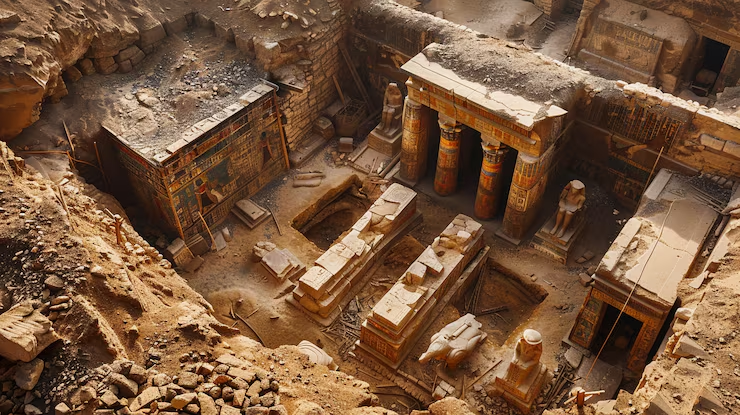
The Gold Museum (Museo del Oro) is one of Bogotá’s most famous attractions and one of the most important museums in Latin America. It houses the largest collection of pre-Columbian gold artifacts in the world, with more than 55,000 pieces on display.
Indigenous Civilizations and Gold
Long before the arrival of the Spanish, Colombia was home to advanced indigenous civilizations such as the Muisca, Tairona, Quimbaya, and Zenú. For these cultures, gold was not just a symbol of wealth—it had spiritual and ceremonial significance.
The museum explains how gold was used in rituals, offerings, and social ceremonies, helping visitors understand its deeper meaning beyond material value.
Iconic Exhibits
One of the museum’s most famous artifacts is the Muisca Raft, a small golden sculpture believed to represent the El Dorado ceremony. This artifact played a major role in the legend of El Dorado that attracted European explorers to South America.
Other exhibits include:
- Intricate jewelry and masks
- Ceremonial objects
- Tools and ornaments
- Musical instruments
Each piece reflects extraordinary craftsmanship and artistic skill.
Interactive and Educational Design
The Gold Museum is thoughtfully designed with modern displays, interactive lighting, and clear explanations in multiple languages. The exhibits guide visitors through different themes, including mythology, daily life, and spiritual beliefs.
A darkened room filled with illuminated gold pieces creates one of the most memorable museum experiences in the world.
Why Visit the Gold Museum?
This museum is essential for understanding Colombia’s ancient heritage. It challenges stereotypes and reveals the sophistication of pre-Columbian cultures. Even travelers who do not usually enjoy museums often find the Gold Museum unforgettable.
4. Plaza Bolívar – The Political and Cultural Heart of Bogotá

At the center of Bogotá lies Plaza Bolívar, the city’s main public square and the symbolic heart of the nation. Surrounded by historic buildings and government institutions, the plaza has witnessed centuries of political events, celebrations, protests, and daily life.
Historical Importance
Named after Simón Bolívar, the liberator of much of South America, Plaza Bolívar has been a gathering place since colonial times. It has played a central role in Colombia’s history, from independence movements to modern political demonstrations.
Surrounding Landmarks
The plaza is bordered by some of the most important buildings in Colombia:
- Cathedral of Bogotá – A grand neoclassical cathedral
- Capitolio Nacional – Home of the Colombian Congress
- Palace of Justice – Symbol of the judicial system
- Liévano Palace – Bogotá’s city hall
Together, these structures represent religion, government, and justice.
Daily Life and Atmosphere
Despite its political importance, Plaza Bolívar is also a lively public space. Locals and tourists gather here to relax, feed pigeons, take photos, or simply observe city life. Street performers, vendors, and artists add to the atmosphere.
The plaza feels especially powerful during national events, protests, or celebrations, when it becomes a stage for collective expression.
Why Visit Plaza Bolívar?
Plaza Bolívar is where Bogotá’s past and present converge. Standing in the square gives visitors a sense of Colombia’s struggles, achievements, and ongoing evolution. It is an essential stop for anyone interested in history, politics, or urban culture.
5. Usaquén – A Trendy District with Colonial Charm
Located in the northern part of the city, Usaquén offers a different side of Bogotá—one that blends historic charm with modern sophistication. Once a separate town, Usaquén has become one of the city’s most fashionable neighborhoods.
Historic Center and Architecture
Usaquén’s old town area features a small central plaza, colonial-style buildings, and a relaxed village atmosphere. The streets are lined with boutique shops, artisan stalls, and charming cafés.
The architecture here is softer and more intimate than in central Bogotá, making it a pleasant place for walking and dining.
Famous Flea Market
One of Usaquén’s biggest attractions is its Sunday flea market, which draws both locals and tourists. Artisans sell handmade jewelry, textiles, leather goods, artwork, and souvenirs. Street musicians and food vendors create a festive environment.
The market is an excellent place to experience local culture and pick up unique gifts.
Dining and Nightlife
Usaquén is also known for its excellent food scene. From traditional Colombian dishes to international fine dining, the neighborhood offers something for every taste. Many restaurants are housed in historic buildings, adding to the experience.
In the evenings, Usaquén becomes lively with bars, live music venues, and outdoor terraces.
Why Visit Usaquén?
Usaquén offers a perfect balance of history, creativity, and comfort. It is ideal for travelers looking to relax, shop, eat well, and enjoy a more laid-back side of Bogotá.
Final Thoughts: Why Bogotá Deserves Your Time
Bogotá is a city that rewards curiosity. From the historic streets of La Candelaria to the panoramic heights of Monserrate, from the ancient gold of indigenous civilizations to the modern energy of Usaquén, the city tells a powerful story of resilience, creativity, and identity.
These top five places provide a complete introduction to Bogotá’s character—its past, its people, and its spirit. Whether you are a history lover, culture enthusiast, foodie, or first-time visitor to South America, Bogotá offers experiences that are both meaningful and unforgettable.
If you take the time to explore beyond the surface, Bogotá will surprise you—and likely stay with you long after you leave.
Related artical : Top 5 Tourist Places in Taiwan, China