
Now Reading: Top 5 Tourist Places in Boyacá, Colombia
-
01
Top 5 Tourist Places in Boyacá, Colombia

Top 5 Tourist Places in Boyacá, Colombia
Boyacá, Colombia: A Complete Travel Guide to History, Highlands, and Handcrafted Traditions
The department of Boyacá, located in Colombia’s eastern Andes, is often described as the country’s historical and cultural backbone. This region played a decisive role in Colombia’s fight for independence and continues to preserve its traditions with pride and authenticity. With cool mountain climates, dramatic landscapes, and towns frozen in colonial time, Boyacá offers a deeply enriching travel experience.
Boyacá is not loud or flashy. Instead, it captivates travelers through quiet beauty, powerful history, and meaningful human connections. From cobblestone plazas and sacred battlefields to glacial lakes and artisan villages, this department tells Colombia’s story at a slower, more reflective pace.
This long-form travel guide explores the top five must-visit places in Boyacá, showing why this region is essential for understanding Colombia’s identity.
1. Villa de Leyva – A Perfectly Preserved Colonial Town
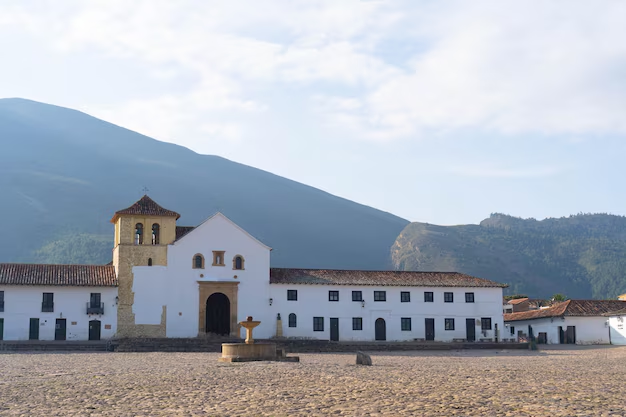
Villa de Leyva is one of Colombia’s most iconic colonial towns and a jewel of Boyacá. Founded in 1572, it has been meticulously preserved, making it feel like a living museum of Spanish colonial architecture.
A Town Frozen in Time
Villa de Leyva’s most striking feature is its massive cobblestone main square, one of the largest in Latin America. Surrounded by whitewashed buildings, wooden balconies, and clay-tiled roofs, the plaza creates a sense of harmony and timelessness.
Strict preservation laws have helped maintain the town’s original appearance, allowing visitors to experience colonial Colombia almost exactly as it was centuries ago.
Architecture, Museums, and History
The town is home to several important cultural sites, including:
- Casa de Antonio José de Sucre
- Museo del Carmen
- Paleontological Museum with ancient fossils
- Historic churches and convents
Villa de Leyva is also famous for nearby archaeological sites and fossil discoveries, highlighting the region’s deep geological history.
Culture, Festivals, and Atmosphere
Throughout the year, Villa de Leyva hosts cultural festivals celebrating music, astronomy, cinema, and gastronomy. Despite its popularity, the town retains a peaceful rhythm, especially in the early mornings and evenings.
Small cafés, artisan shops, and boutique hotels make it ideal for slow travel.
Why Visit Villa de Leyva?
Villa de Leyva offers colonial beauty, cultural depth, and tranquility. It is one of Colombia’s most photogenic and emotionally resonant destinations.
2. Lake Tota – Colombia’s Largest Lake and Andean Treasure
Lake Tota (Lago de Tota) is the largest natural lake in Colombia and one of the most breathtaking landscapes in Boyacá. Located at over 3,000 meters above sea level, the lake is surrounded by mountains, farmlands, and open skies.
A High-Altitude Natural Wonder
The lake’s deep blue waters contrast beautifully with the green hills and golden plains around it. The crisp mountain air and vast scenery create a sense of calm and freedom rarely found elsewhere.
Legends passed down through Indigenous Muisca culture describe Lake Tota as a sacred place connected to ancient myths and spiritual beliefs.
Playa Blanca – A Unique Inland Beach
One of the lake’s most surprising features is Playa Blanca, a white-sand beach along the shoreline. Despite its cold water temperatures, the beach offers a surreal experience—standing on sand while surrounded by Andean mountains.
The area is popular for walking, photography, and quiet reflection.
Rural Life and Sustainability
Communities around Lake Tota depend on agriculture, fishing, and tourism. The region is known for onion farming, and visitors can observe traditional rural lifestyles shaped by the high-altitude environment.
Environmental conservation is increasingly important here, as the lake is a vital water source for the region.
Why Visit Lake Tota?
Lake Tota provides raw natural beauty, cultural legends, and peaceful landscapes, making it one of Boyacá’s most unforgettable destinations.
3. Tunja – Historic Capital of Boyacá
Tunja, the capital city of Boyacá, is one of Colombia’s oldest cities and a cornerstone of national history. Founded in 1539 on the site of an important Muisca settlement, Tunja played a central role during the colonial era and the independence movement.
A City of History and Learning
Tunja is known as an intellectual and academic center, home to universities, libraries, and historic institutions. Its streets are filled with colonial mansions, churches, and government buildings that reflect its importance during Spanish rule.
The city’s historic center is rich with architecture and symbolism.
Colonial Houses and Churches
Notable landmarks include:
- Casa del Fundador Gonzalo Suárez Rendón
- Iglesia de San Ignacio
- Catedral Basílica Metropolitana
Many colonial houses feature intricate murals, courtyards, and religious artwork preserved from the 16th and 17th centuries.
Role in Colombia’s Independence
Tunja was a key strategic location during the fight for independence from Spain. Leaders, soldiers, and intellectuals gathered here to plan campaigns that would ultimately free the nation.
This historical weight gives the city a dignified and reflective atmosphere.
Why Visit Tunja?
Tunja offers depth, history, and authenticity. It is ideal for travelers who want to understand Colombia beyond surface-level tourism.
4. Puente de Boyacá – Landmark of Colombian Independence
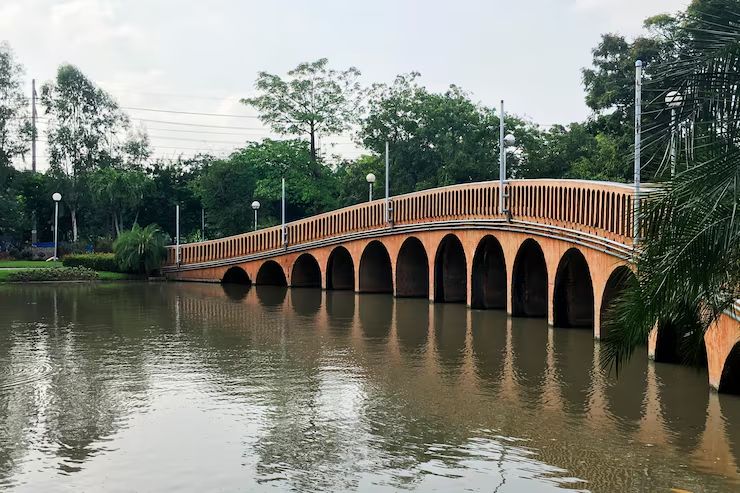
Puente de Boyacá is one of the most important historical landmarks in Colombia. Located just outside Tunja, this bridge and surrounding fields mark the site of the Battle of Boyacá, fought on August 7, 1819.
Birthplace of a Nation
The Battle of Boyacá was the decisive victory that secured Colombia’s independence from Spanish rule. Led by Simón Bolívar, patriot forces defeated the royalist army, changing the course of South American history.
Standing on this ground allows visitors to connect directly with the moment Colombia became a free nation.
Monuments and Memorials
The area surrounding the bridge is now a national monument and includes:
- Victory monuments and statues
- Memorial plazas
- Flags representing freedom and unity
The site is carefully maintained, offering space for reflection and national pride.
Educational and Emotional Impact
Puente de Boyacá is a common destination for students and historians, but it also resonates deeply with travelers. The quiet fields contrast with the intense historical events that unfolded here.
Why Visit Puente de Boyacá?
This landmark represents freedom, sacrifice, and national identity. It is one of the most meaningful places to visit in Colombia.
5. Ráquira – Colombia’s Artisan Pottery Town
Ráquira is one of Colombia’s most colorful and creative towns. Known nationwide for its pottery and handicrafts, Ráquira showcases Boyacá’s artisan spirit.
A Town of Color and Creativity
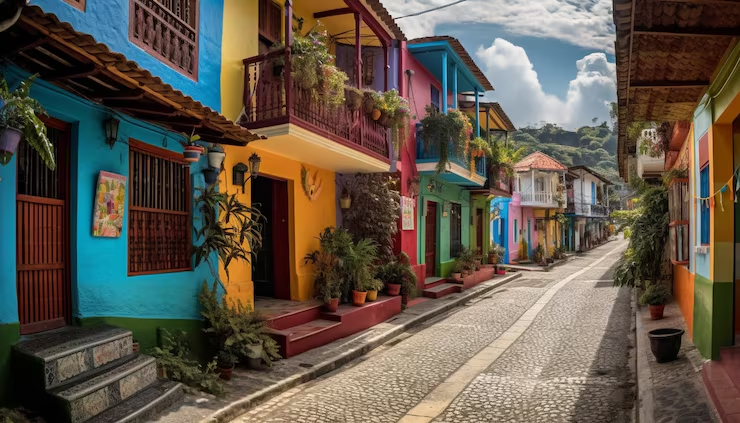
Walking through Ráquira feels like entering a living art gallery. Houses are painted in bright colors, and nearly every street is lined with workshops selling ceramics, clay figurines, woven goods, and souvenirs.
Artisans often work in open studios, allowing visitors to watch the creative process.
Pottery Traditions
Pottery in Ráquira dates back to pre-Columbian times. Today’s artisans combine ancient techniques with modern designs, keeping traditions alive while adapting to contemporary tastes.
Each piece reflects cultural identity, storytelling, and craftsmanship.
Supporting Local Communities
Purchasing handicrafts in Ráquira directly supports local families and preserves traditional skills. Tourism here is deeply connected to community livelihoods.
Why Visit Ráquira?
Ráquira offers joy, creativity, and human connection. It is a place where culture is shaped by hands, imagination, and heritage.
Final Thoughts: Why Boyacá Is the Soul of Colombian History
Boyacá is a department where Colombia’s past is not hidden in textbooks—it lives in towns, landscapes, and traditions. From the colonial perfection of Villa de Leyva to the sacred waters of Lake Tota, from historic Tunja to the battlefield of independence and the artisan streets of Ráquira, Boyacá tells a powerful story of identity and resilience.
This region rewards travelers who slow down, listen, and observe. It is ideal for history lovers, culture seekers, and those drawn to meaningful travel experiences.
If you want to understand Colombia—not just visit it—Boyacá is essential.
Related artical : Top 5 Tourist Places in Bolívar, Colombia