
Now Reading: Top 5 Tourist Places in Caquetá, Colombia
-
01
Top 5 Tourist Places in Caquetá, Colombia
Top 5 Tourist Places in Caquetá, Colombia
Caquetá, Colombia: Where the Andes Meet the Amazon
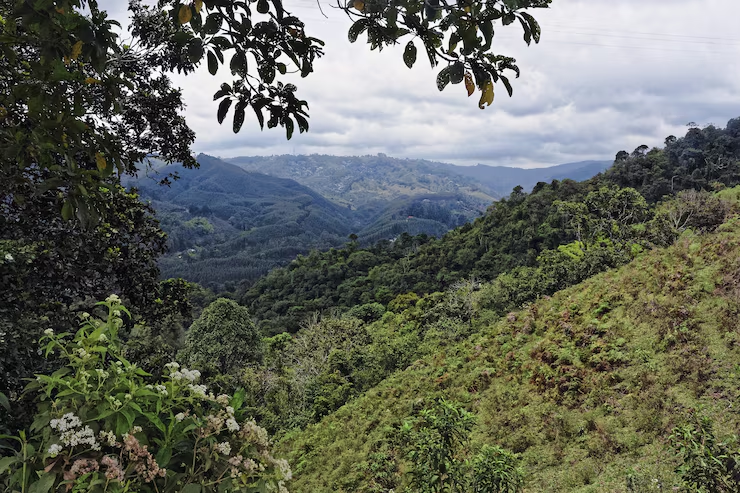
Located in southern Colombia, Caquetá is a department defined by transition. Here, the last ridges of the Andes descend into the vast Amazon rainforest, creating one of the most biologically rich and culturally fascinating regions in the country. Rivers replace roads, dense jungle replaces cities, and ancient traditions continue to shape daily life.
For decades, Caquetá remained off the tourist map, but today it is emerging as a destination for ecotourism, cultural immersion, and responsible travel. Travelers who venture here discover pristine landscapes, powerful rivers, vibrant wildlife, and communities deeply connected to nature.
This long-form travel guide explores the top five must-visit places in Caquetá, revealing why this region is one of Colombia’s most authentic and rewarding destinations.
1. Florencia – Gateway to the Amazonian Andes
Florencia, the capital city of Caquetá, is often called the “Golden Gate of the Colombian Amazon.” It serves as the main entry point into the department and represents a unique blend of Andean influence and Amazonian identity.
A City Between Two Worlds
Florencia sits at the foothills of the Andes, where mountainous terrain gradually gives way to rainforest. This geographical position shapes the city’s climate, culture, and lifestyle. Warm temperatures, frequent rain, and lush vegetation define the surroundings.
Despite being a regional capital, Florencia maintains a relaxed and welcoming atmosphere, making it an ideal starting point for exploration.
Cultural and Urban Life
Florencia functions as Caquetá’s administrative, educational, and commercial center. Markets, plazas, and riverside areas showcase everyday Amazonian life, while local food reflects a blend of Andean and jungle ingredients.
Key features of the city include:
- Riverfront walks and viewpoints
- Local museums and cultural centers
- Markets selling tropical fruits and regional products
The city also plays an important role in environmental education and conservation efforts.
Launch Point for Nature Exploration
From Florencia, travelers can easily access rivers, waterfalls, protected areas, and Indigenous territories. Tour operators and community guides often depart from the city to remote jungle locations.
Why Visit Florencia?
Florencia offers comfort, accessibility, and cultural context, making it the perfect gateway to discovering Caquetá’s natural wonders.
2. El Paujil – Ecotourism and Rural Amazon Life
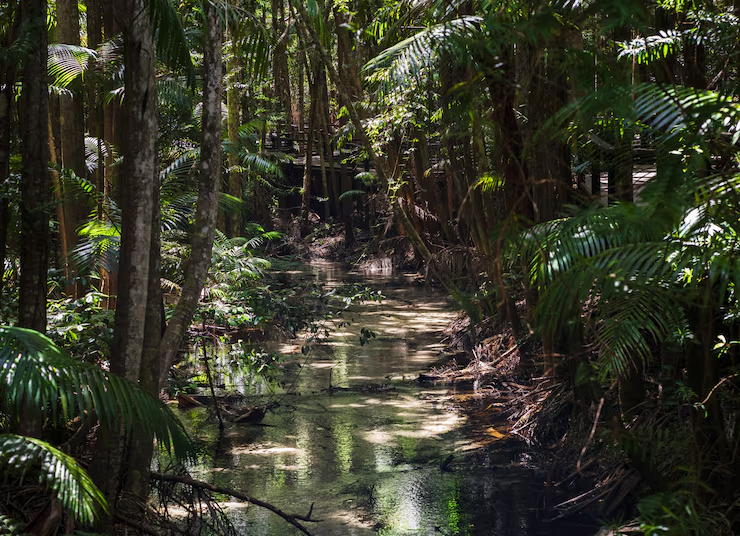
El Paujil is a small municipality that represents Caquetá’s growing commitment to ecotourism and sustainable development. Surrounded by forest, rivers, and farmland, it provides a glimpse into rural Amazonian life.
Nature-Focused Tourism
El Paujil is increasingly known for its nature-based tourism initiatives. Community-led projects focus on:
- Birdwatching
- Forest walks
- River exploration
- Environmental education
The region is home to a wide variety of bird species, making it attractive to wildlife enthusiasts.
Agricultural Traditions
The economy of El Paujil is closely tied to agriculture and livestock, with families working the land while adapting to sustainable practices. Visitors can observe how rural communities coexist with surrounding forests.
Peaceful Atmosphere
Unlike more developed tourist areas, El Paujil remains quiet and uncrowded. Travel here feels intimate and personal, often involving direct interaction with local residents.
Why Visit El Paujil?
El Paujil offers authentic ecotourism, community interaction, and untouched landscapes, ideal for travelers seeking meaningful experiences.
3. Orteguaza River – Lifeline of Wildlife and Communities

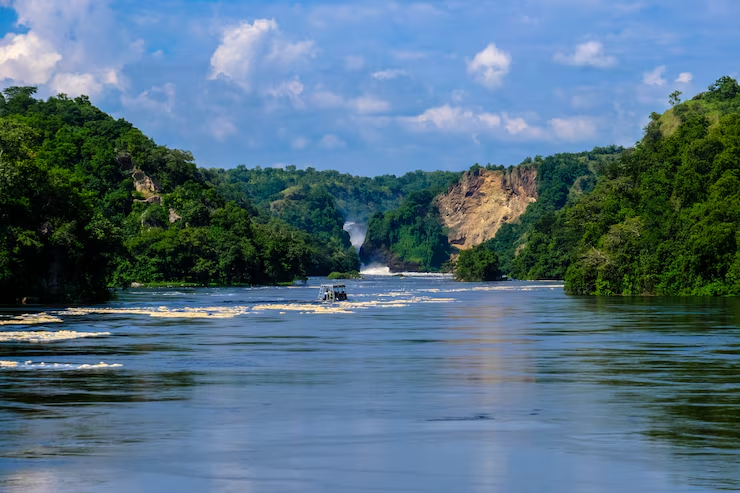
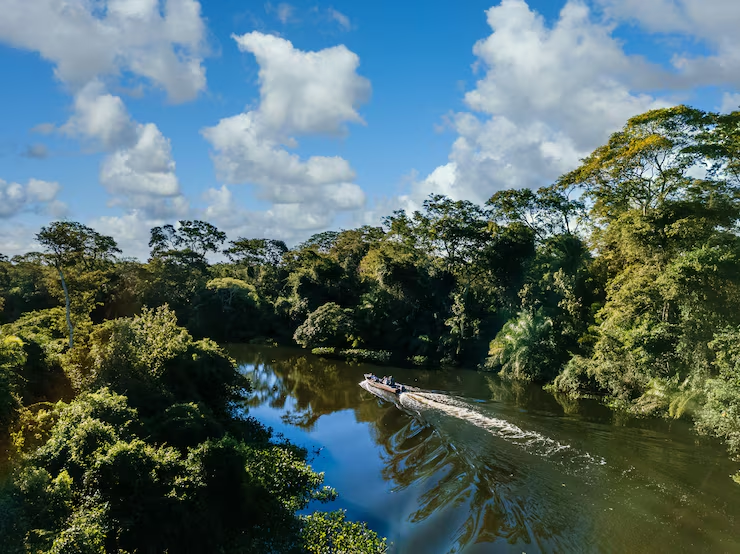
The Orteguaza River is one of Caquetá’s most important natural features. Flowing through dense jungle and rural settlements, it serves as a transportation route, food source, and ecological corridor.
A River Full of Life
The river supports a wide range of wildlife, including:
- River birds
- Fish species
- Reptiles and amphibians
- Mammals along the riverbanks
Early morning and late afternoon are ideal times for wildlife spotting, when animals are most active.
River-Based Experiences
Travel along the Orteguaza often takes place by boat, offering a peaceful and immersive way to experience the rainforest. Canoe trips allow visitors to glide past towering trees, listen to jungle sounds, and observe nature up close.
Cultural Importance
For local communities, the Orteguaza River is central to daily life. It provides water, transportation, and food, shaping settlement patterns and traditions.
Why Visit the Orteguaza River?
This river offers pure Amazonian immersion, where nature and culture flow together in harmony.
4. Natural Waterfalls – Hidden Jungle Scenery
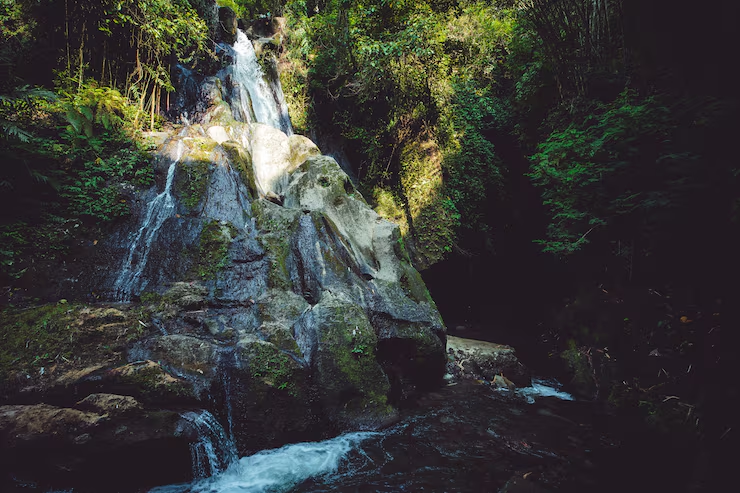
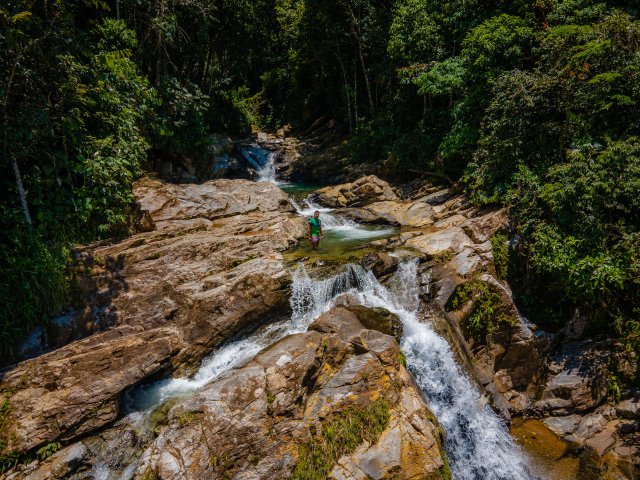
Caquetá is dotted with natural waterfalls, many of which remain hidden deep within the jungle. These cascades are formed by mountain streams descending into the rainforest, creating dramatic and refreshing landscapes.
Jungle Adventures
Reaching many waterfalls requires short hikes through forest trails, crossing streams and listening to the sounds of wildlife. The journey itself is often as rewarding as the destination.
Waterfalls vary in size and character—some plunge dramatically from rocky cliffs, while others flow gently over stone steps into clear pools.
Refreshment and Tranquility
The pools beneath waterfalls provide opportunities to swim and cool off in the humid Amazon climate. Surrounded by dense vegetation and birdsong, these spots feel isolated and peaceful.
Ecological Importance
Waterfalls play a role in maintaining local ecosystems by supporting plant and animal life. Responsible tourism helps preserve these fragile environments.
Why Visit Caquetá’s Waterfalls?
They offer adventure, serenity, and raw natural beauty, showcasing the untouched side of Colombia’s rainforest.
5. Indigenous Communities – Cultural Experiences and Ancestral Wisdom
One of the most meaningful aspects of traveling in Caquetá is the opportunity to engage with Indigenous communities who have lived in harmony with the rainforest for generations.
Living Cultures of the Amazon
Indigenous groups in Caquetá maintain deep knowledge of:
- Medicinal plants
- Sustainable hunting and fishing
- Spiritual traditions connected to nature
- Oral history and storytelling
Their worldview emphasizes balance, respect for the environment, and community cohesion.
Cultural Exchange Through Responsible Tourism
Some communities welcome visitors through carefully managed cultural experiences. These may include:
- Traditional food preparation
- Handicraft demonstrations
- Guided forest walks
- Storytelling and cultural explanations
These encounters prioritize respect and mutual learning.
Preserving Identity and Nature
Tourism provides an opportunity for Indigenous communities to strengthen cultural pride and support conservation efforts. Visitors gain a deeper understanding of Amazonian life beyond stereotypes.
Why Visit Indigenous Communities?
These experiences offer authentic cultural connection, education, and perspective, making them among the most impactful travel moments in Caquetá.
Final Thoughts: Why Caquetá Is One of Colombia’s Last Frontiers
Caquetá is not a destination for rushed travel or luxury resorts. It is a place for curious, respectful explorers who want to experience Colombia in its most natural and cultural form.
From the gateway city of Florencia to the quiet landscapes of El Paujil, from the flowing Orteguaza River to hidden waterfalls and living Indigenous traditions, Caquetá reveals a Colombia shaped by rivers, forests, and ancestral wisdom.
This department represents hope—where conservation, culture, and responsible tourism can coexist.
If you are looking for a destination that feels genuine, powerful, and deeply connected to the earth, Caquetá is waiting.
Related artical : Top 5 Tourist Places in Caldas, Colombia