
Now Reading: Top 5 Tourist Places in Valle del Cauca, Colombia
-
01
Top 5 Tourist Places in Valle del Cauca, Colombia
Top 5 Tourist Places in Valle del Cauca, Colombia
Valle del Cauca, Colombia: Salsa, Jungles, Rivers, Faith, and the Pulse of the Pacific
The Department of Valle del Cauca is one of Colombia’s most dynamic and emotionally rich regions. Stretching from the fertile Cauca River valley to the untamed Pacific coast, this department is a land of movement and contrast—where salsa rhythms dominate city streets, rainforests conceal crystal rivers, Afro-Colombian culture shapes daily life, and spirituality draws pilgrims from across the nation.
Valle del Cauca is not defined by a single image. It is many Colombias in one. It is the sensual energy of Cali’s dance floors, the raw power of the Pacific Ocean in Buenaventura, the emerald calm of San Cipriano’s jungle rivers, the devotion surrounding Buga’s basilica, and the everyday escape of the Pance River where locals reconnect with nature.
To travel through Valle del Cauca is to experience Colombia at full volume—culturally, emotionally, and rhythmically.
Cali – The Salsa Capital of the World
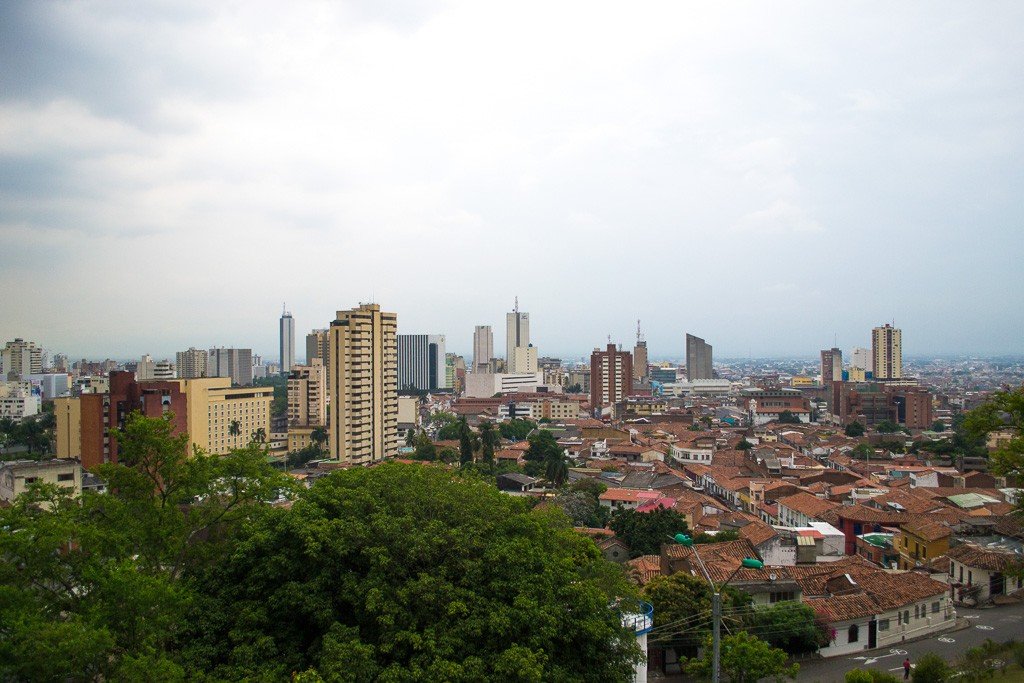
At the heart of Valle del Cauca stands Cali, a city that does not just play music—it moves to it. Known globally as the Salsa Capital of the World, Cali is a place where dance is identity, pride, and everyday language.
A City That Lives Through Dance
In Cali, salsa is not reserved for performances or festivals. It is embedded in life itself. Children learn to dance almost as soon as they learn to walk. Music spills out of homes, buses, corner shops, and public squares.
Cali-style salsa is fast, expressive, and athletic, reflecting the city’s energy and Afro-Caribbean roots. Dance schools are everywhere, training both professionals and everyday locals who simply love to move.
Nightlife with Cultural Depth
Cali’s nightlife is legendary, but it is not superficial. Salsa clubs are cultural spaces where generations meet, traditions are passed down, and community thrives. Visitors are welcomed, encouraged to dance, and quickly immersed in the rhythm.
Beyond salsa, Cali also offers:
- Live music venues
- Theater and cultural centers
- Art galleries and festivals
A City of Warmth and Resilience
Cali’s personality is defined by warmth—both in climate and human interaction. The city has faced challenges, yet its people respond with creativity, joy, and resilience. Food, music, and social life act as forms of collective healing and expression.
Why Cali stands out:
It is not just the salsa capital—it is one of the most rhythm-driven cities on Earth.
Buenaventura – Gateway to the Pacific and Afro-Colombian Soul
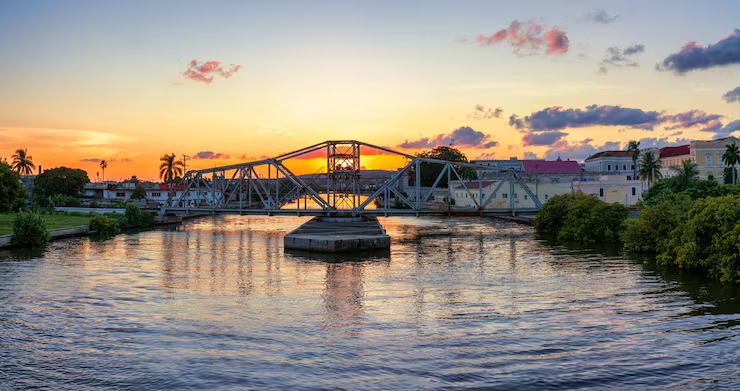
On Colombia’s Pacific coast lies Buenaventura, the country’s most important Pacific port and one of its most culturally significant cities. It is raw, intense, and deeply authentic.
Where the Pacific Shapes Life
Buenaventura exists in constant dialogue with the ocean. The Pacific here is powerful, unpredictable, and life-giving. Rain falls frequently, forests grow thick, and tides dictate daily rhythms.
The port plays a vital economic role for Colombia, but beyond commerce, Buenaventura is a cultural stronghold of Afro-Colombian heritage.
Afro-Colombian Culture and Identity
Music, spirituality, and oral tradition are central to life in Buenaventura. Marimba music, traditional chants, and percussion rhythms echo ancestral connections to Africa and the sea.
Cuisine reflects this identity, with dishes rich in coconut, seafood, herbs, and bold flavors. Food here is storytelling—it carries memory, survival, and celebration.
Nature Beyond the City
Beyond the urban port lie remote beaches, mangrove forests, and marine ecosystems. Whale watching, coastal exploration, and rainforest excursions reveal a Pacific world largely untouched by mass tourism.
Why Buenaventura stands out:
It represents Colombia’s Pacific heart—powerful, complex, and culturally profound.
San Cipriano – A Hidden Jungle Paradise
Deep in the rainforest near Buenaventura lies San Cipriano, one of Valle del Cauca’s most magical natural destinations. It is a place where jungle, river, and community exist in perfect balance.
A Journey Like No Other
Reaching San Cipriano is an adventure in itself. Visitors travel on hand-powered rail carts, gliding through dense rainforest along old railway tracks. The journey sets the tone—slow, immersive, and unforgettable.
Crystal-Clear Rivers and Rainforest Life
San Cipriano is famous for its emerald-clear river, so transparent that stones and fish are visible beneath the surface. The water flows gently, perfect for swimming, floating, and natural relaxation.
Surrounding the river is thick rainforest alive with:
- Tropical birds
- Butterflies
- Amphibians
- Towering trees
Community-Based Ecotourism
The village is managed by local Afro-Colombian communities who prioritize conservation and sustainable tourism. Visitors are guests, not consumers, and experiences are guided with care and respect.
Why San Cipriano stands out:
It is one of Colombia’s purest examples of sustainable jungle tourism.
Buga – Faith, History, and Pilgrimage
Inland from the coast lies Buga, a city known nationwide for its deep spiritual significance. It is home to one of Colombia’s most important religious landmarks.
The Basilica of the Lord of Miracles
The Basilica of Señor de los Milagros attracts millions of pilgrims each year. People travel from across Colombia and beyond to pray, give thanks, and seek miracles.
Regardless of personal belief, the atmosphere surrounding the basilica is powerful. Faith here is communal, emotional, and deeply rooted in history.
A City Shaped by Devotion
Buga’s streets, businesses, and rhythms reflect its spiritual identity. Religious festivals, processions, and quiet moments of reflection shape daily life.
The city also preserves colonial architecture and traditional town planning, offering a calm, orderly contrast to the energy of Cali.
Why Buga stands out:
It is a spiritual anchor in a region defined by movement and rhythm.
Pance River – Nature’s Escape for Cali Locals
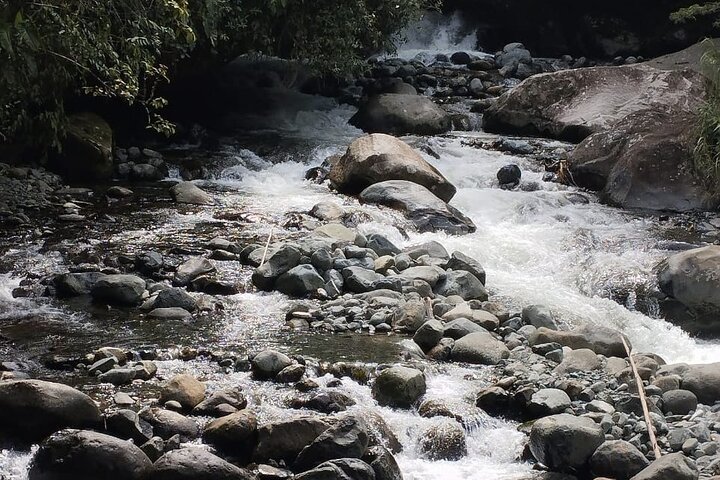
Just outside Cali lies the Pance River, one of the city’s most beloved natural retreats. For locals, Pance is not a tourist attraction—it is a lifestyle.
A River of Community and Calm
On weekends, families and friends gather along the riverbanks to swim, cook, talk, and relax. The water is cool and refreshing, flowing from the nearby mountains into shaded pools.
Accessible Nature
Unlike remote jungle destinations, Pance is easily reachable, making it a vital green space for urban well-being. It offers:
- Walking trails
- Picnic areas
- Natural swimming spots
- Mountain air
A Cultural Ritual
Visiting Pance is a ritual for Cali residents. It represents balance—an escape from heat, noise, and routine without leaving home behind.
Why Pance River stands out:
It shows how nature integrates seamlessly into everyday Colombian life.
Why Valle del Cauca Is One of Colombia’s Most Powerful Regions
Valle del Cauca is not gentle—it is alive. It pulses with rhythm, rain, faith, movement, and emotion. Few regions offer such diversity in such close proximity:
- Global-level music culture
- Untamed Pacific ecosystems
- Afro-Colombian heritage
- Jungle rivers and rainforests
- Deep spiritual traditions
It is a place that challenges travelers to feel more deeply and move more freely.
Final Thoughts: Valle del Cauca’s Living Energy
Valle del Cauca does not ask visitors to observe—it asks them to participate. To dance in Cali, listen in Buenaventura, float in San Cipriano, reflect in Buga, and rest along the Pance River.
This department is not about ticking attractions off a list. It is about experience, rhythm, and connection.
For travelers seeking culture with intensity, nature with soul, and cities with heartbeat, Valle del Cauca is not just a destination—it is an awakening.
Related artical : Top 5 Tourist Places in Tolima, Colombia