
Now Reading: Top 20 Tourist Places in Croatia
-
01
Top 20 Tourist Places in Croatia
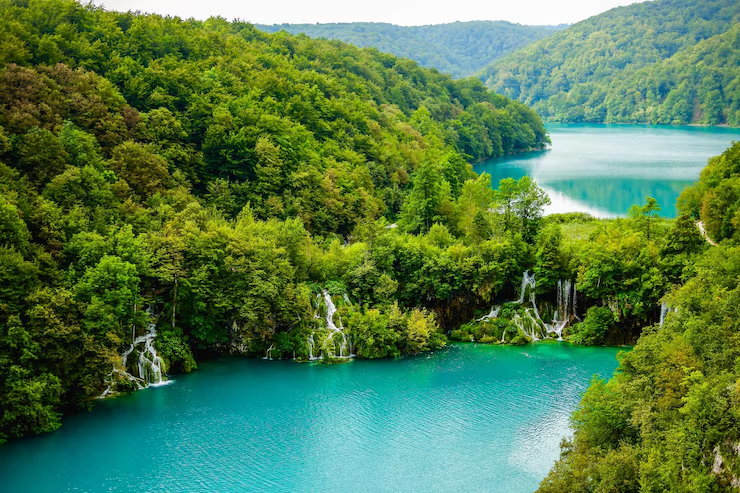
Top 20 Tourist Places in Croatia
1. Dubrovnik – The Pearl of the Adriatic
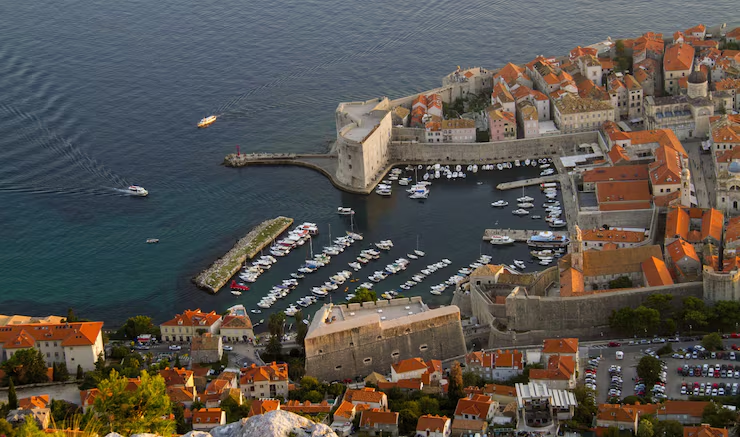
Dubrovnik is one of the most iconic destinations in Croatia and a UNESCO World Heritage Site famous for its well-preserved medieval walls. Often called the “Pearl of the Adriatic,” the city sits along the sparkling Adriatic Sea and offers a perfect blend of history, architecture, and coastal beauty.
Walking along the ancient city walls is one of Dubrovnik’s highlights, providing breathtaking views of terracotta rooftops and crystal-clear waters. Inside the Old Town, visitors can explore historic landmarks such as Rector’s Palace, Sponza Palace, and the stunning Dubrovnik Cathedral. The marble-paved Stradun street forms the heart of the city, lined with cafés, shops, and historic buildings.
Dubrovnik is also known for its beautiful beaches like Banje and Lapad, where visitors can relax after sightseeing. Boat trips to nearby islands, cable car rides to Mount Srđ, and sunset views over the Adriatic add to its charm. With its rich history, dramatic scenery, and vibrant atmosphere, Dubrovnik is a must-visit destination for travelers exploring Croatia.
2. Split – A Living Ancient City
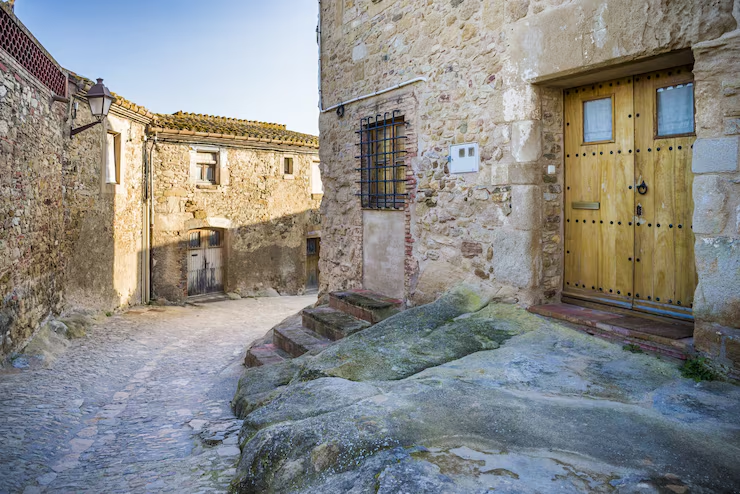
Split is Croatia’s second-largest city and one of the most unique destinations in Europe, built around the ancient Diocletian’s Palace. Unlike traditional ruins, this Roman palace is still alive, forming the city’s historic core filled with homes, shops, cafés, and streets.
The Old Town of Split is a maze of narrow stone alleys leading to landmarks such as the Cathedral of Saint Domnius, Peristyle Square, and the Temple of Jupiter. Visitors can climb the cathedral bell tower for panoramic views of the city and Adriatic coastline. The lively Riva promenade is perfect for evening strolls, offering waterfront cafés and stunning sunset views.
Split also serves as a gateway to nearby islands like Hvar, Brač, and Vis. With its beaches, nightlife, ancient history, and modern energy, Split offers a dynamic travel experience that blends past and present seamlessly.
3. Diocletian’s Palace – Roman Grandeur in Split
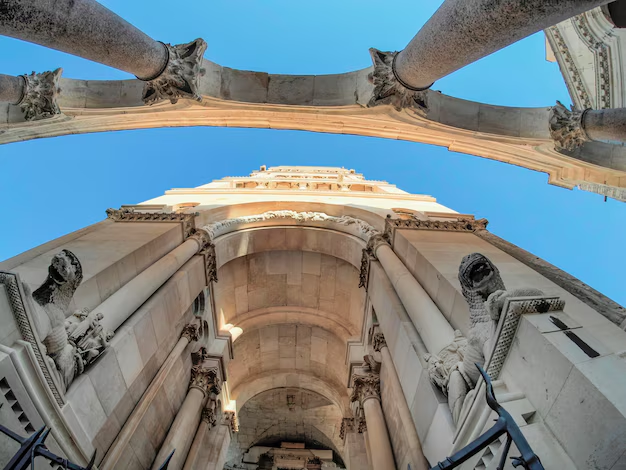
Diocletian’s Palace is one of the most impressive Roman monuments in the world and a UNESCO World Heritage Site. Built in the 4th century for Roman Emperor Diocletian, the palace forms the historic center of Split and remains one of the best-preserved Roman complexes ever constructed.
The palace includes temples, courtyards, underground cellars, and fortified walls. Visitors can explore the Peristyle courtyard, once the ceremonial heart of the palace, and the Cathedral of Saint Domnius, originally Diocletian’s mausoleum. The palace basements are particularly fascinating and were used as filming locations for Game of Thrones.
What makes Diocletian’s Palace truly special is that it is still lived in today. Shops, apartments, restaurants, and cafés exist within its ancient walls, creating a unique blend of history and modern life. It is not just a monument, but a living city within a city.
4. Zagreb – Croatia’s Cultural Capital
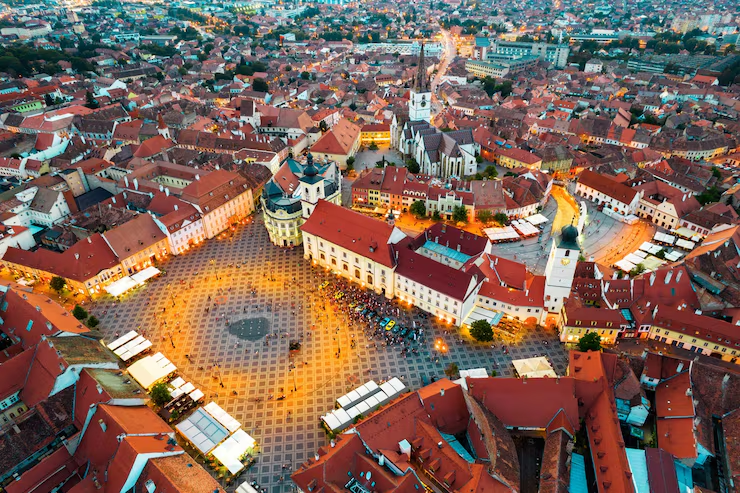
Zagreb, the capital of Croatia, is a charming city known for its museums, historic streets, and café culture. Unlike coastal destinations, Zagreb offers a more relaxed and cultural atmosphere, making it ideal for travelers interested in history and local life.
The city is divided into Upper Town (Gornji Grad) and Lower Town (Donji Grad). Upper Town features medieval streets, St. Mark’s Church with its colorful tiled roof, and panoramic views from Lotrščak Tower. Lower Town is known for elegant Austro-Hungarian architecture, parks, shopping streets, and museums.
Zagreb is famous for unique attractions such as the Museum of Broken Relationships, vibrant street markets like Dolac Market, and lively café-lined squares. Seasonal festivals, Christmas markets, and cultural events add to its appeal. Zagreb offers a perfect introduction to Croatia’s traditions, history, and everyday life.
5. Plitvice Lakes National Park – Nature’s Masterpiece
Plitvice Lakes National Park is Croatia’s most famous natural attraction and a UNESCO World Heritage Site. The park is renowned for its series of cascading lakes connected by waterfalls, surrounded by lush forests and wooden walkways.
Visitors can walk along scenic trails that pass turquoise lakes, roaring waterfalls, and tranquil streams. The constantly changing colors of the water, ranging from emerald green to deep blue, create a magical landscape. Wooden boardwalks allow close views of waterfalls without disturbing nature.
Plitvice is home to diverse wildlife, including deer, birds, and rare plant species. Each season offers a different experience, from vibrant greenery in summer to frozen waterfalls in winter. It is a paradise for nature lovers and photographers and one of the most unforgettable destinations in Croatia.
6. Krka National Park – Waterfalls and Natural Beauty
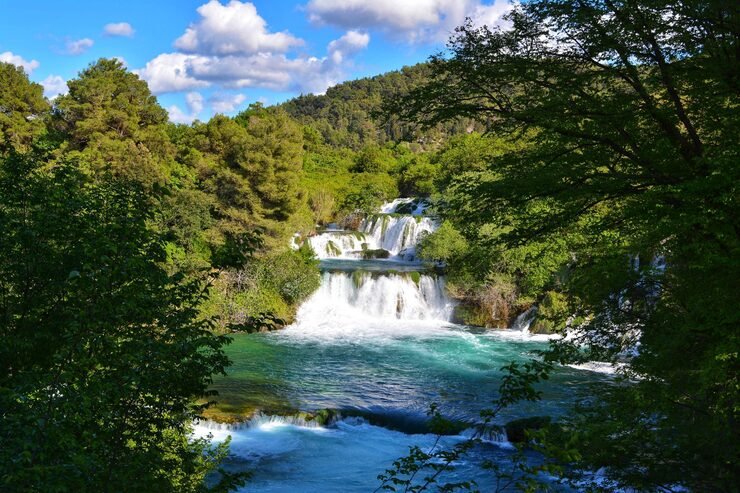
Krka National Park is one of Croatia’s most beautiful natural attractions, famous for its spectacular waterfalls, lush greenery, and peaceful walking trails. Located in central Dalmatia, the park is centered around the Krka River, which flows through limestone canyons and creates a series of stunning cascades.
The highlight of the park is Skradinski Buk, a massive multi-tiered waterfall surrounded by wooden walkways that allow visitors to explore the area up close. The sound of rushing water combined with crystal-clear pools creates a calming and immersive experience. Unlike many other parks, Krka also features historical elements such as old water mills and traditional stone houses.
Boat trips from Skradin offer scenic river views and easy access to the park. Krka is rich in wildlife, including birds, fish, and plant species unique to this region. Whether you enjoy photography, nature walks, or peaceful surroundings, Krka National Park offers a perfect escape into Croatia’s natural beauty.
7. Hvar – Sun, Sea, and Style
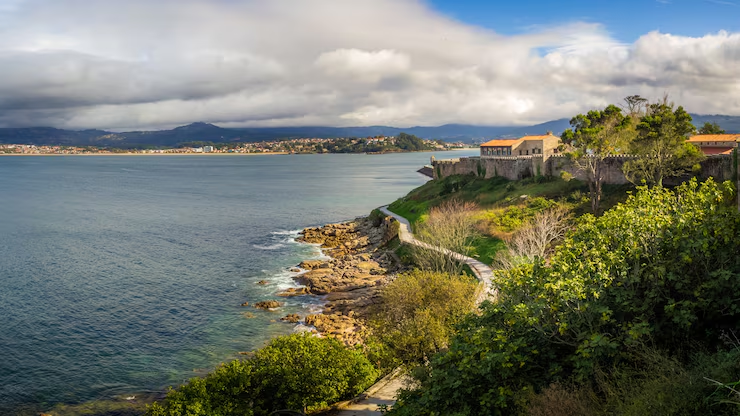
Hvar is one of Croatia’s most famous islands, known for its sunny climate, turquoise waters, and vibrant nightlife. Located in the Adriatic Sea, Hvar combines historical charm with modern luxury, attracting travelers from around the world.
The town of Hvar features a beautiful historic center with stone streets, a scenic harbor, and the impressive Fortica Fortress overlooking the town. From the fortress, visitors enjoy panoramic views of the Adriatic Sea and nearby Pakleni Islands. During the day, beaches such as Dubovica and Pokonji Dol offer crystal-clear water ideal for swimming and relaxation.
Hvar is also famous for its lavender fields, vineyards, and excellent seafood. At night, the island comes alive with beach clubs, bars, and music venues. Whether you seek relaxation, adventure, or nightlife, Hvar offers a perfect blend of all three.
8. Korčula – Medieval Island Charm
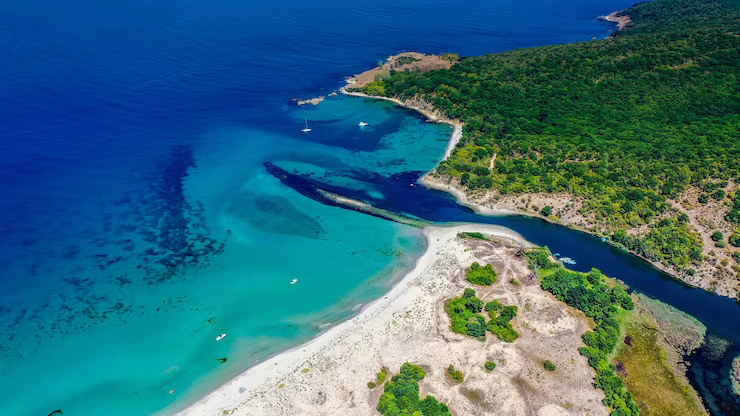
Korčula is a beautiful island town known for its medieval architecture, stone streets, and rich cultural heritage. Often referred to as “Little Dubrovnik,” Korčula is surrounded by fortified walls and towers that reflect its historic importance.
The Old Town is laid out in a unique fishbone pattern, designed to protect residents from strong winds while allowing fresh air to circulate. Visitors can explore landmarks such as St. Mark’s Cathedral, historic palaces, and charming squares. According to legend, Korčula is the birthplace of Marco Polo, adding to its historical appeal.
Beyond the town, the island offers vineyards, olive groves, and secluded beaches. Traditional sword dances like Moreška are still performed here, preserving local traditions. Korčula is ideal for travelers who enjoy history, culture, and relaxed island life.
9. Zadar – Where History Meets Innovation
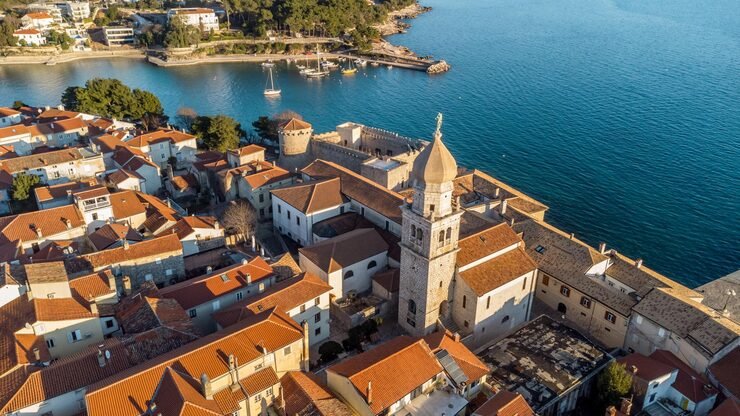
Zadar is a historic coastal city that beautifully blends ancient heritage with modern attractions. Located on the Dalmatian coast, Zadar is known for Roman ruins, medieval churches, and unique contemporary art installations.
The Old Town features remnants of Roman forums, ancient city walls, and landmarks such as St. Donatus Church and Zadar Cathedral. What makes Zadar truly special are its modern attractions like the Sea Organ, which creates music using ocean waves, and the Sun Salutation, a solar-powered light installation that glows at sunset.
Zadar offers stunning sunsets, waterfront promenades, and access to nearby islands and national parks. The city’s relaxed atmosphere, rich history, and innovative design make it a unique destination in Croatia.
10. Rovinj – Romance on the Adriatic
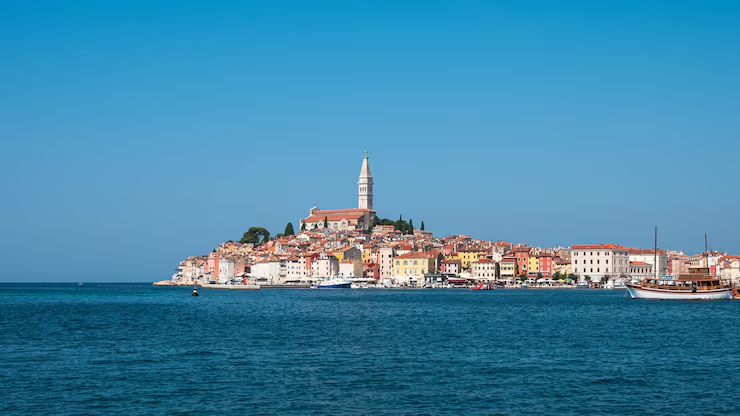
Rovinj is one of the most romantic towns in Croatia, known for its colorful houses, narrow cobbled streets, and scenic seaside setting. Located on the Istrian Peninsula, Rovinj feels like a charming Mediterranean painting brought to life.
The Old Town rises from the sea, crowned by the Church of St. Euphemia, whose bell tower offers panoramic views of the Adriatic. Walking through Rovinj’s winding streets reveals art galleries, small cafés, and local boutiques. The waterfront is ideal for leisurely walks, especially at sunset.
Rovinj is also surrounded by beautiful beaches and forest parks like Zlatni Rt, perfect for cycling and swimming. With its artistic atmosphere, stunning scenery, and relaxed pace, Rovinj is a favorite destination for couples and photographers.
11. Pula – Roman History by the Sea
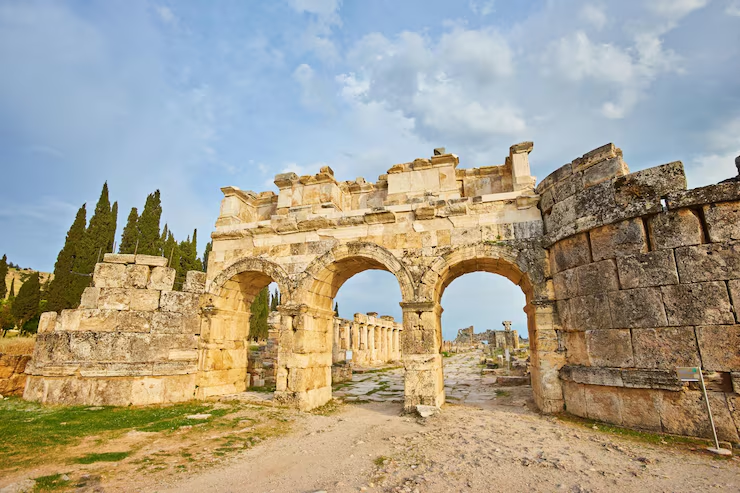
Pula is a historic coastal city located at the southern tip of the Istrian Peninsula, best known for its remarkable Roman heritage. The city’s long history dates back over 3,000 years, and many ancient structures still stand today, making it one of Croatia’s most fascinating cultural destinations.
Walking through Pula feels like stepping into the Roman era. In addition to ancient temples, triumphal arches, and city gates, Pula offers a relaxed Mediterranean atmosphere with modern cafés and seaside promenades. The city center blends historical landmarks with everyday local life, giving visitors a unique cultural experience.
Pula also features beautiful beaches along its coastline, especially around the Verudela Peninsula, where crystal-clear waters attract swimmers and divers. With its mix of ancient architecture, coastal charm, and vibrant cultural scene, Pula is a must-visit destination for history lovers and beach enthusiasts alike.
12. Pula Arena – A Masterpiece of Roman Engineering
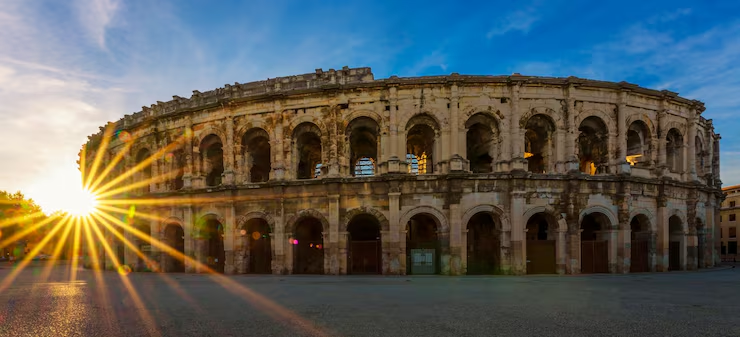
The Pula Arena is one of the best-preserved Roman amphitheaters in the world and the most iconic landmark in the city of Pula. Built in the 1st century AD, this massive structure once hosted gladiator battles and public spectacles during the Roman Empire.
The amphitheater is remarkably intact, with its towering limestone walls and underground chambers still accessible today. Visitors can walk through the arena floor, explore exhibition areas, and learn about ancient Roman entertainment and engineering techniques.
Today, the Pula Arena is used as a unique venue for concerts, film festivals, and cultural events, including the famous Pula Film Festival. Watching a performance inside this ancient structure is an unforgettable experience.
The Pula Arena stands as a powerful reminder of Croatia’s Roman past and is a highlight for anyone interested in history, architecture, or cultural heritage.
13. Trogir – UNESCO-Listed Medieval Treasure
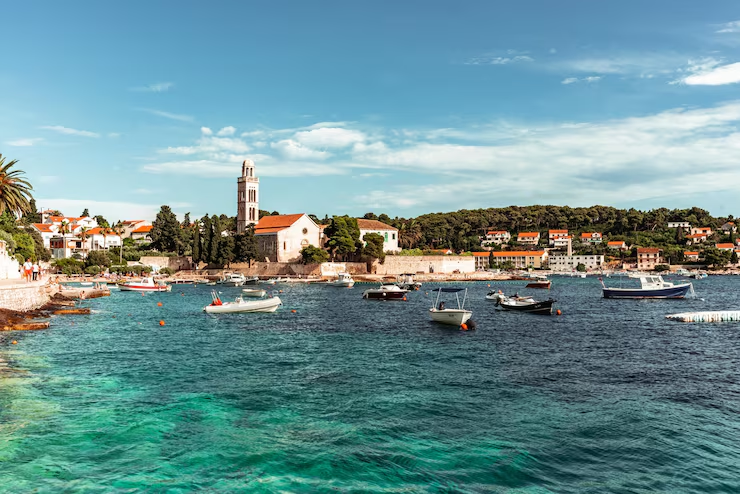
Trogir is a beautifully preserved medieval town located on a small island between the mainland and Čiovo Island. Recognized as a UNESCO World Heritage site, Trogir is famous for its Romanesque, Gothic, and Renaissance architecture.
The Old Town is a maze of narrow stone streets, charming squares, and historic buildings. Highlights include the Cathedral of St. Lawrence, with its intricately carved portal, and the Kamerlengo Fortress, which offers stunning views of the Adriatic Sea.
Trogir’s waterfront promenade is lined with cafés, restaurants, and yachts, creating a lively yet relaxed atmosphere. The town’s compact size makes it perfect for walking and exploring at a slow pace.
With its rich history, architectural beauty, and seaside charm, Trogir offers a perfect blend of culture and leisure for visitors.
14. Šibenik – City of Fortresses and Heritage
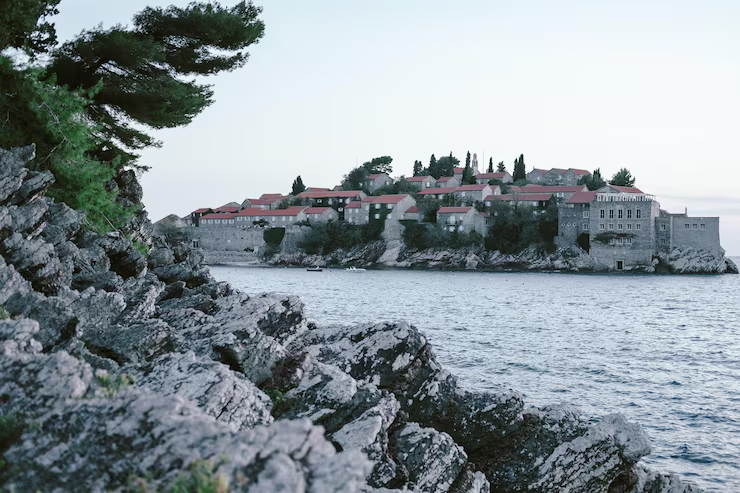
Šibenik is a historic coastal city located near the mouth of the Krka River and is known for its impressive fortresses and cultural landmarks. Unlike many Croatian cities, Šibenik was founded by Croats rather than Romans, giving it a unique identity.
The city’s most famous attraction is the Cathedral of St. James, a UNESCO World Heritage site built entirely of stone without mortar. The cathedral is a masterpiece of Renaissance and Gothic architecture and is one of the most important monuments in Croatia.
Šibenik is surrounded by four medieval fortresses that offer panoramic views of the city and sea. The old town features narrow streets, stone stairways, and hidden squares that reveal the city’s long history.
With its blend of history, architecture, and access to nearby national parks, Šibenik is an excellent destination for cultural travelers.
15. Brač – Island of Stone and Sea
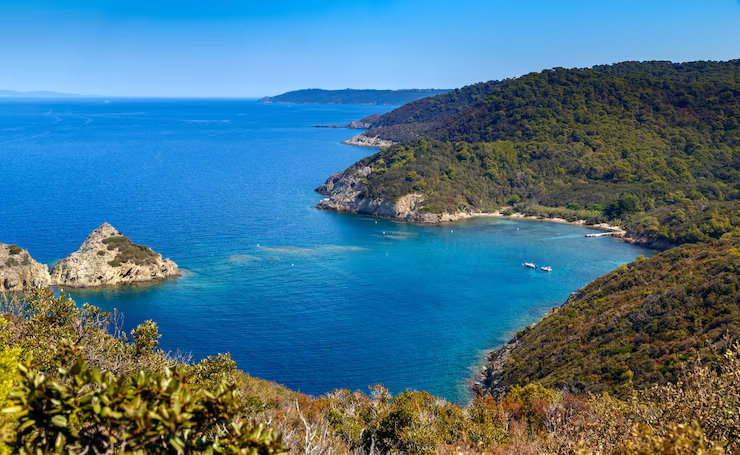
Brač is one of Croatia’s largest islands, famous for its white stone, charming villages, and stunning beaches. Located near Split, the island offers a mix of traditional culture and natural beauty.
The island is known for its stone quarries, which provided material for famous buildings around the world. Brač also features olive groves, vineyards, and quiet inland villages that showcase authentic island life.
Bol is the most popular town on Brač and serves as the gateway to Zlatni Rat Beach, one of Croatia’s most photographed natural landmarks. The island also offers hiking, cycling, and water sports, making it ideal for active travelers.
Brač is perfect for those seeking relaxation, scenic landscapes, and a genuine island experience.
16. Zlatni Rat Beach – Croatia’s Most Iconic Shoreline
Zlatni Rat Beach, located in the town of Bol on the island of Brač, is the most famous beach in Croatia and one of the most photographed in Europe. Its unique V-shaped or horn-shaped formation extends into the Adriatic Sea and changes direction depending on wind and sea currents, making it a natural wonder.
The beach is made of fine white pebbles, and the surrounding pine trees provide natural shade. The water here is exceptionally clear, making it ideal for swimming, snorkeling, and paddleboarding. Due to consistent winds, Zlatni Rat is also popular among windsurfers and kitesurfers.
Zlatni Rat is suitable for families, couples, and adventure lovers alike. Nearby cafés and beach bars offer refreshments, while walking paths connect the beach to Bol town. The combination of dramatic scenery, crystal-clear water, and easy accessibility makes Zlatni Rat Beach a must-visit destination in Croatia.
17. Vis Island – Peaceful Beauty and Authentic Charm
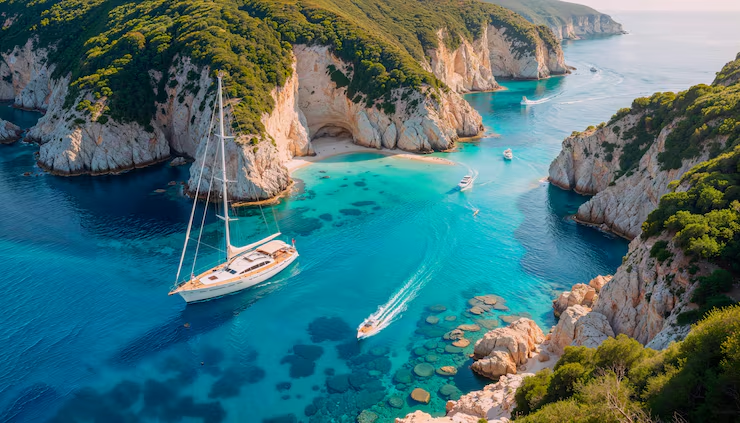
Vis Island is one of Croatia’s most tranquil and unspoiled islands, known for its relaxed atmosphere, hidden coves, and traditional way of life. For many years, Vis was closed to foreign visitors due to military use, which helped preserve its natural beauty.
The island features charming towns such as Vis and Komiža, where stone houses, fishing boats, and quiet harbors create a timeless feel. Visitors can explore secluded beaches, vineyards, and olive groves, or take boat trips to nearby caves and small islands.
Vis is also famous for its local cuisine, including fresh seafood and traditional dishes made with local ingredients. The island’s slow pace and natural scenery make it perfect for travelers seeking peace, authenticity, and stunning coastal views.
18. Blue Cave (Biševo) – A Natural Light Phenomenon
The Blue Cave, located on the small island of Biševo near Vis, is one of Croatia’s most magical natural attractions. This sea cave is famous for its glowing blue light, created when sunlight reflects through an underwater opening and illuminates the interior.
Visitors access the Blue Cave by small boat, usually in the late morning when the light effect is strongest. Inside the cave, the water appears electric blue, creating a surreal and unforgettable experience.
The Blue Cave is often included in island-hopping tours that visit nearby caves, beaches, and fishing villages. Although visits are short, the visual beauty leaves a lasting impression.
This natural wonder showcases the unique coastal geography of Croatia and is a must-see for nature lovers and photographers.
19. Makarska Riviera – Beaches Between Mountains and Sea
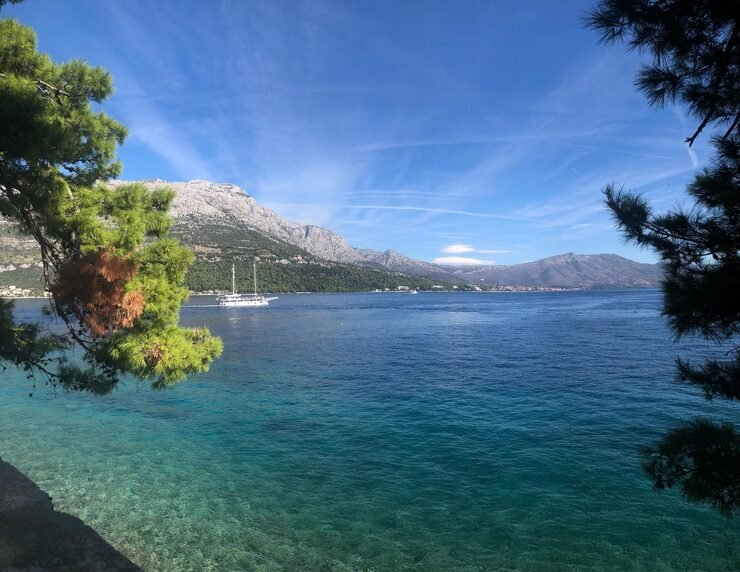
The Makarska Riviera is a stunning stretch of coastline in southern Dalmatia, famous for its long pebble beaches, turquoise waters, and dramatic mountain backdrop. The Biokovo Mountains rise sharply behind the coast, creating one of the most scenic landscapes in Croatia.
The Riviera includes popular towns such as Makarska, Brela, and Baška Voda, each offering beautiful beaches, seaside promenades, and lively nightlife. Visitors can enjoy swimming, snorkeling, boat trips, and coastal walks.
The area is also ideal for hiking and nature exploration, especially in Biokovo Nature Park. With its mix of relaxation, adventure, and vibrant atmosphere, the Makarska Riviera appeals to a wide range of travelers.
20. Mljet National Park – Green Island Paradise
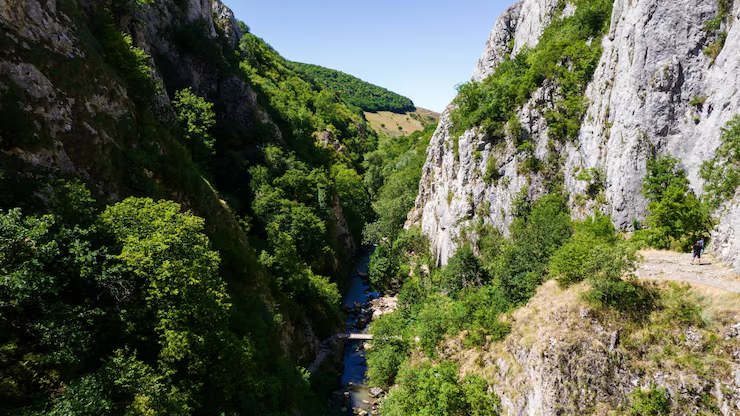
Mljet National Park is located on the western part of Mljet Island and is considered one of the most beautiful natural areas in Croatia. The park is known for its dense forests, peaceful atmosphere, and two unique saltwater lakes, Veliko Jezero and Malo Jezero.
Visitors can walk or cycle around the lakes, swim in calm waters, or kayak through scenic surroundings. In the middle of Veliko Jezero lies St. Mary’s Island, home to a historic Benedictine monastery that adds cultural depth to the landscape.
Mljet National Park is perfect for eco-tourism, relaxation, and nature lovers. Its untouched beauty and serene environment offer a refreshing contrast to Croatia’s busier tourist destinations.
Related artical : Top 20 Tourist Places in Cote d’Ivoire