
Now Reading: Top 5 Tourist Places in Sohag, Egypt
-
01
Top 5 Tourist Places in Sohag, Egypt
Top 5 Tourist Places in Sohag, Egypt
1. Abydos Temple – The Temple of Seti I
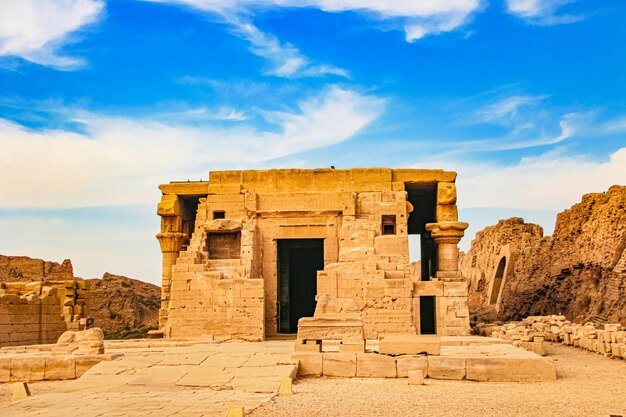
If there is one site that truly defines Sohag, it is Abydos — one of the most sacred cities of ancient Egypt. Long before Luxor rose to prominence, Abydos was a powerful spiritual center that attracted pilgrims from across the Nile Valley.
A Sacred City of Osiris
In ancient times, Abydos was the principal cult center of Osiris, the god of the afterlife and resurrection. Egyptians believed that Osiris was buried here, making the city a holy destination for those seeking a connection to eternity.
Pilgrims traveled great distances to honor Osiris, hoping that symbolic association with the god would secure their own rebirth in the afterlife. Pharaohs built monuments here not merely to celebrate power — but to align themselves with immortality.
Architectural Perfection of Seti I’s Temple
Built during the 19th Dynasty around 1290 BCE, the Temple of Seti I is considered one of the most artistically refined temples in Egypt. Unlike the colossal scale of Karnak, this temple feels intimate and harmonious.
Inside, visitors find:
- Seven sanctuaries dedicated to major deities
- Exceptionally detailed carved reliefs
- Elegant column halls
- Precisely inscribed hieroglyphs
The carvings are delicate and almost three-dimensional, showcasing some of the finest craftsmanship of the New Kingdom.
The Abydos King List
One of the temple’s most historically valuable treasures is the Abydos King List — a chronological list of 76 pharaohs carved into the wall. This inscription has been crucial for historians reconstructing ancient Egypt’s royal timeline.
The Osireion – A Mysterious Symbol of Eternity
Behind the temple stands the Osireion, a symbolic underground structure associated with Osiris. Built from massive stone blocks, its water-filled central chamber creates a mystical and solemn atmosphere.
Abydos is not just an archaeological site — it is one of the most spiritually powerful places in Egypt.
2. White Monastery – Early Christian Fortress of Faith
Sohag’s heritage extends beyond the pharaohs into early Christianity, and the White Monastery stands as a monumental testament to that era.
A Fortress in the Desert
Constructed in the 4th or 5th century CE, the White Monastery was built from white limestone blocks, many reused from ancient Egyptian temples. Its towering walls resemble a fortress, reflecting both spiritual devotion and the need for protection.
A Center of Monastic Life
At its height, the monastery housed thousands of monks and played a key role in shaping Christian monastic traditions. Egyptian monasticism would later influence Christian communities throughout Europe and the Middle East.
Inside the complex, visitors can observe:
- Ancient columns
- Coptic inscriptions
- Decorative carvings
- Remnants of painted plaster
Even in partial ruin, the White Monastery radiates spiritual endurance.
3. Red Monastery – A Masterpiece of Coptic Art
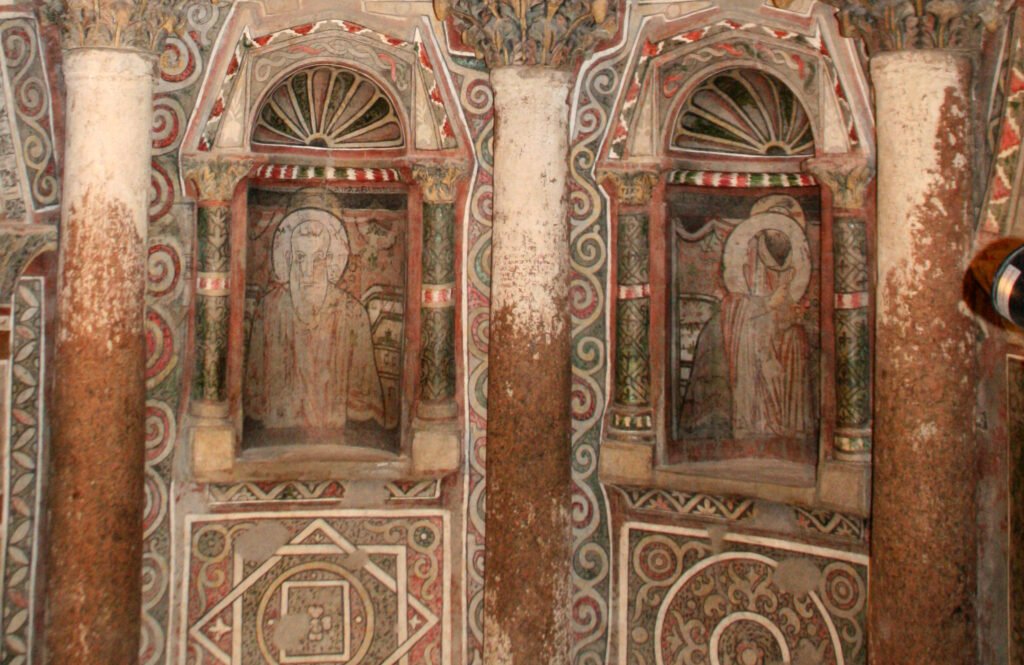
Located near the White Monastery, the Red Monastery is one of the best-preserved examples of early Coptic architecture in Egypt.
Modest Exterior, Extraordinary Interior
Named for its red brick construction, the monastery may appear simple from the outside. However, stepping inside reveals a breathtaking interior filled with color and artistry.
Vibrant Frescoes and Sacred Imagery
The church contains beautifully preserved frescoes depicting saints, biblical scenes, and intricate geometric designs. Recent restoration efforts have uncovered vivid colors that remained hidden for centuries.
The artwork reflects a blend of ancient Egyptian artistic traditions and early Christian symbolism, creating a unique cultural bridge between civilizations.
The Red Monastery stands as a remarkable symbol of Egypt’s religious continuity.
4. Nile River Views – Scenic Landscapes of Upper Egypt
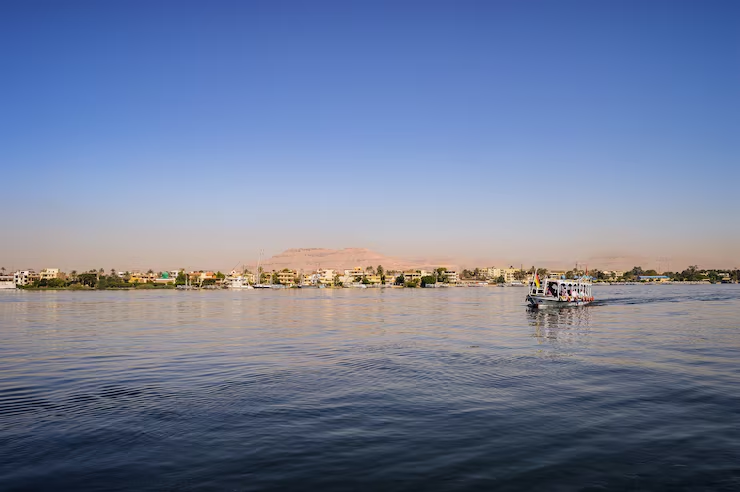
Like much of Upper Egypt, Sohag’s identity is shaped by the Nile.
Fertile Farmland and Agricultural Life
The river nourishes fields of wheat, sugarcane, vegetables, and date palms. A lush green ribbon stretches along the valley floor, sharply contrasting with the golden desert cliffs beyond.
Traditional Village Atmosphere
Villages along the Nile maintain traditional lifestyles centered around farming and family life. At sunset, the riverbanks come alive with fishermen casting nets, farmers returning from fields, and children playing near irrigation canals.
The pace of life feels timeless, offering visitors peaceful moments away from crowded tourist destinations.
5. Desert Archaeology – Ancient Tombs and Hidden History
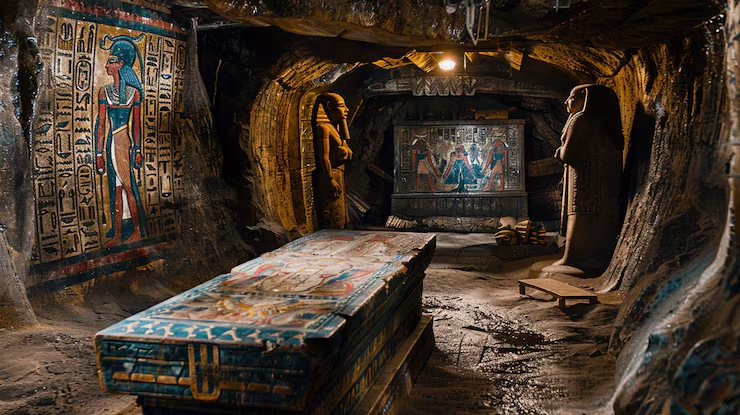
Beyond the fertile Nile Valley rises Sohag’s desert plateau, home to lesser-known but fascinating archaeological sites.
Ancient Tombs of Nobles and Governors
The desert cliffs contain tombs dating back thousands of years. These burial chambers belonged to provincial governors, nobility, and religious officials who played important roles in ancient society.
Wall carvings inside these tombs depict scenes of daily life, agricultural work, hunting, and religious ceremonies.
A Quiet Sense of Discovery
Because these sites receive fewer visitors than Luxor’s tombs, exploration often feels intimate and undisturbed. The silence of the desert enhances the experience, allowing travelers to connect deeply with history.
The Eternal Landscape
Standing on a desert plateau overlooking the Nile Valley offers one of Sohag’s most powerful views. The contrast between fertile green fields and endless golden desert reflects the balance that has defined Egypt for millennia.
Desert archaeology in Sohag is not about spectacle — it is about discovery, reflection, and timeless continuity.
Related artical : Top 5 Tourist Places in Sharqia, Egypt