
Now Reading: Top 20 Tourist Places in Equatorial Guinea
-
01
Top 20 Tourist Places in Equatorial Guinea
Top 20 Tourist Places in Equatorial Guinea
Equatorial Guinea is one of Africa’s least-visited yet most fascinating countries. Located on the west coast of Central Africa, it consists of a mainland region (Río Muni) and several volcanic islands in the Atlantic Ocean. With lush rainforests, remote beaches, colonial history, and dramatic volcanic landscapes, the country offers an untouched and adventurous travel experience.
From the capital city of Malabo on Bioko Island to remote tropical islands like Annobón, Equatorial Guinea is a destination for explorers seeking raw natural beauty and cultural depth.
Let’s explore the top attractions.
1. Malabo – The Island Capital
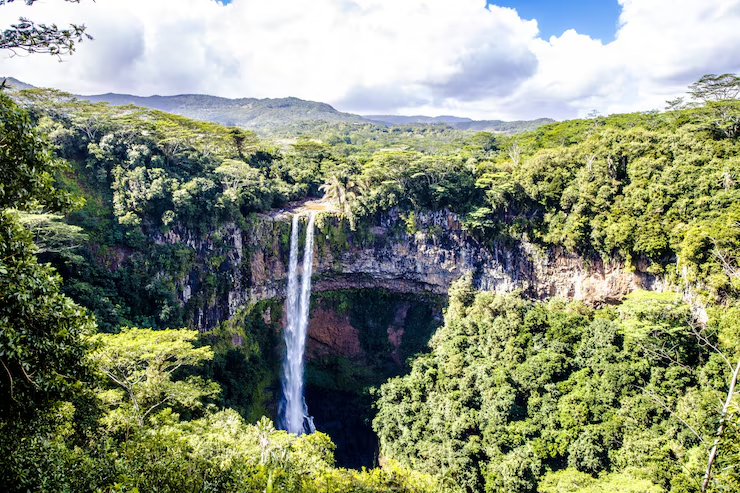
Malabo, the capital of Equatorial Guinea, sits on the northern coast of Bioko Island. With a backdrop of green volcanic mountains and views of the Atlantic Ocean, the city offers a unique blend of Spanish colonial heritage and African culture.
The city’s architecture reflects its colonial past under Spanish rule, with colorful buildings, administrative structures, and churches lining the streets. Government buildings and plazas form the heart of the city, while lively markets showcase local produce and seafood.
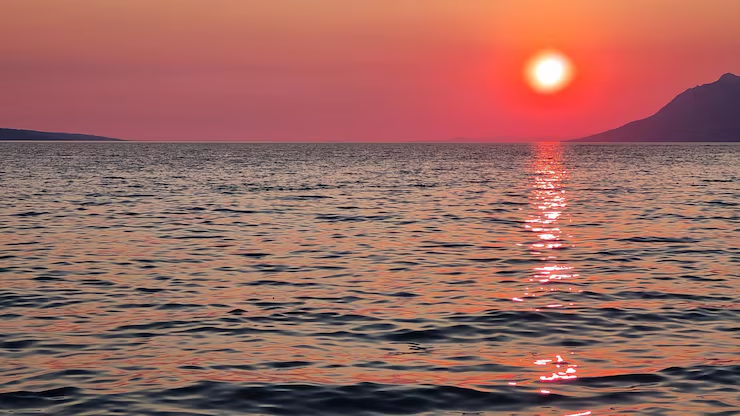
Malabo’s coastal setting provides beautiful ocean views, especially during sunset when the sky glows over the Gulf of Guinea. While relatively small, the capital is the country’s political and cultural center.
It serves as the gateway to exploring Bioko Island’s mountains, beaches, and rainforests.
2. Santa Isabel Cathedral (Malabo Cathedral) – Neo-Gothic Landmark
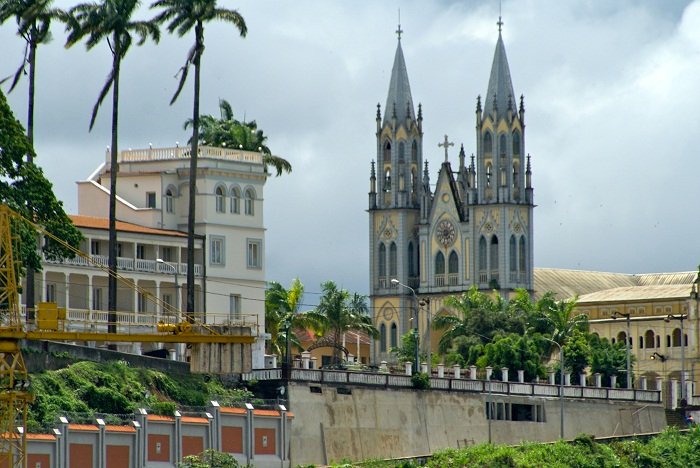
Santa Isabel Cathedral, located in central Malabo, is one of the most iconic buildings in Equatorial Guinea. Built during the Spanish colonial era, this striking Neo-Gothic cathedral features twin towers and pointed arches that stand out against the tropical skyline.
The cathedral’s cream-colored façade and symmetrical design make it a prominent landmark in the city center. Inside, visitors will find stained glass windows and a peaceful prayer hall reflecting Catholic influence in the country.
The cathedral symbolizes Equatorial Guinea’s historical ties to Spain and remains one of the most photographed sites in Malabo.
3. Pico Basile – The Roof of Equatorial Guinea
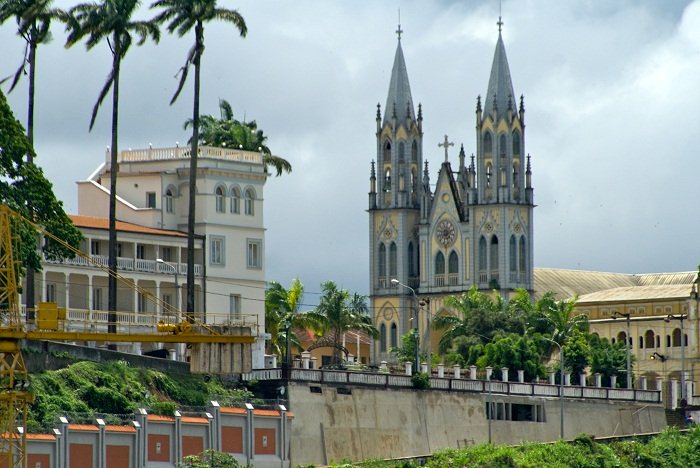
Pico Basile is the highest mountain in Equatorial Guinea, rising approximately 3,011 meters (9,879 feet) above sea level. Located on Bioko Island, this volcanic peak dominates the landscape.
On clear days, visitors can enjoy breathtaking panoramic views stretching across Bioko Island and even toward Cameroon’s coastline in the distance.
The mountain is surrounded by dense forest and rich biodiversity. Hiking routes offer adventurous travelers the opportunity to explore tropical vegetation and birdlife.
Pico Basile is not only a natural landmark but also a symbol of the country’s volcanic origins.
4. Bioko Island – Volcanic Landscapes, Rainforests, and Untouched Coastlines
Bioko Island is the true heart of Equatorial Guinea’s tourism and natural identity. Located in the Gulf of Guinea, just off the coast of Cameroon, this volcanic island is where dramatic mountains meet the Atlantic Ocean. It is a land shaped by fire and time, with towering peaks, dense rainforests, black-sand beaches, and remote fishing villages that feel completely untouched by mass tourism.
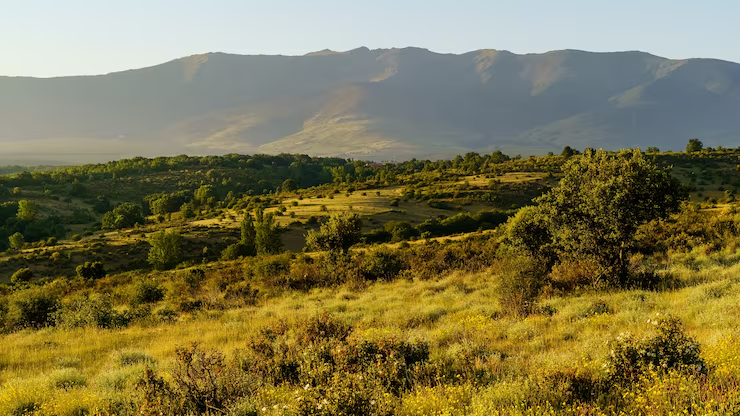
Formed millions of years ago through volcanic activity, Bioko’s rugged terrain creates one of Central Africa’s most striking island landscapes. The island is dominated by Pico Basile, the country’s highest peak, which rises dramatically above the coastline and is often covered in mist. The volcanic origins of Bioko are visible everywhere — from hardened lava flows to mineral-rich soils that nourish lush tropical vegetation.
Outside the capital city of Malabo, the island feels wild and raw. Coastal roads wind along cliffs overlooking crashing Atlantic waves, while inland forests shelter rare wildlife. Bioko is internationally recognized for its biodiversity. It is home to several species of primates, including drills and red colobus monkeys, as well as forest elephants in remote areas. The surrounding waters are rich with marine life, and its beaches serve as nesting grounds for endangered sea turtles.
The island’s beaches vary dramatically. Some are dark volcanic shores framed by jungle-covered hills, while others are lighter stretches of sand with calm waters. Unlike many tropical destinations, Bioko remains largely uncrowded. Travelers can explore remote villages where fishing boats line the shore and daily life follows traditional rhythms.
Bioko Island offers a rare kind of travel experience — one where nature dominates and tourism infrastructure is still developing. It is ideal for explorers seeking authenticity, raw beauty, and landscapes that feel undiscovered.
5. Arena Blanca Beach – A Rare White-Sand Escape
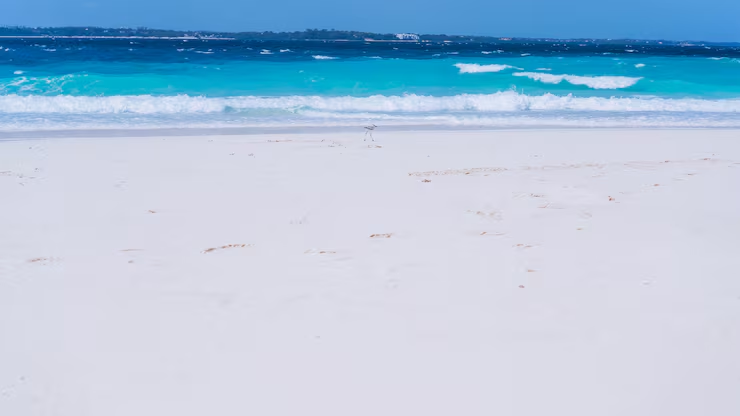
Arena Blanca stands out as one of Bioko Island’s most visually striking coastal destinations. While much of the island’s coastline is characterized by dark volcanic sand, Arena Blanca surprises visitors with its bright white shoreline — a rare contrast against the surrounding green hills and deep blue ocean.
Located not far from Malabo, Arena Blanca is one of the most accessible beaches on the island, making it a favorite weekend destination for locals. Yet despite its relative accessibility, it still maintains a peaceful, natural atmosphere.
The beach is particularly famous for seasonal butterfly migrations. At certain times of the year, thousands of butterflies gather in the area, creating a magical and almost surreal experience. Seeing colorful butterflies fluttering across a tropical beach adds a unique ecological dimension to the visit.
The waters at Arena Blanca are generally calmer than some other parts of the island, making it suitable for swimming when conditions are safe. The gentle waves, soft sand, and open horizon make it ideal for relaxation and photography.
Because tourism in Equatorial Guinea is still developing, Arena Blanca feels far less commercialized than beaches in other African coastal countries. There are no large resorts dominating the shoreline — just nature, sea breeze, and open space.
For travelers seeking a quiet beach day surrounded by raw beauty, Arena Blanca offers simplicity and serenity in its purest form.
6. Ureka – Jungle Wilderness and Turtle Nesting Beaches
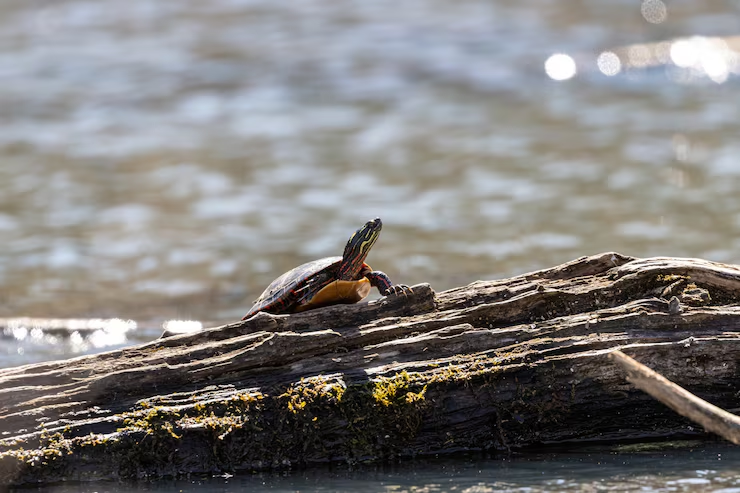
Ureka is one of the most remote and breathtaking destinations in Equatorial Guinea. Located on the southern coast of Bioko Island, this small village is surrounded by dense rainforest, dramatic mountain slopes, and powerful ocean waves. Reaching Ureka can be an adventure in itself, as the roads are rough and infrastructure is limited — but the reward is an untouched paradise.
What makes Ureka truly special is its ecological importance. The beaches here are among the most significant turtle nesting sites in the region. Four species of sea turtles — including the leatherback turtle — come ashore during nesting season. Witnessing a massive sea turtle slowly making its way across the sand under the moonlight is an unforgettable experience and one of Africa’s most remarkable wildlife encounters.
Beyond the beaches, Ureka is famous for its waterfalls. Several rivers descend from the island’s volcanic highlands, creating cascading falls that plunge into clear natural pools. These waterfalls are hidden within thick jungle, and reaching them often requires hiking through humid forest trails filled with tropical plants and birdsong.
The rainforest around Ureka is rich with biodiversity. Brightly colored birds, insects, and small mammals thrive in the thick vegetation. The air is heavy with humidity, the scent of earth and greenery filling every breath.
Unlike many tourist destinations, Ureka remains largely undeveloped. There are no luxury resorts or crowded attractions — only simple accommodations and a strong sense of isolation. For adventurous travelers seeking raw, unfiltered nature, Ureka represents the wild side of Equatorial Guinea.
7. Luba – Colonial Heritage and Coastal Calm
Luba is the second-largest town on Bioko Island and carries a strong sense of history. During the Spanish colonial period, Luba played an important economic and administrative role, and traces of that era remain visible in its architecture and layout.
Walking through Luba, visitors can still see colonial-era buildings, weathered by time yet full of character. The town’s waterfront offers peaceful ocean views, with fishing boats anchored near the shore. Compared to Malabo, Luba feels quieter and more traditional.
Fishing remains central to daily life here. Early in the morning, fishermen head out to sea in small wooden boats, returning later with their catch. Local markets display fresh fish and other coastal produce, giving visitors a glimpse into authentic island living.
Surrounding Luba are green hills and scenic coastal landscapes. The area serves as a starting point for exploring southern Bioko, including routes toward Ureka and other remote parts of the island.
Luba is not about major tourist attractions — it’s about atmosphere. It offers travelers a chance to slow down, observe local life, and appreciate the blend of history and nature that defines Bioko Island.
For those interested in colonial heritage, quiet seaside towns, and cultural authenticity, Luba provides a meaningful and relaxed experience.
8. Monte Alén National Park – The Rainforest Heart of Río Muni
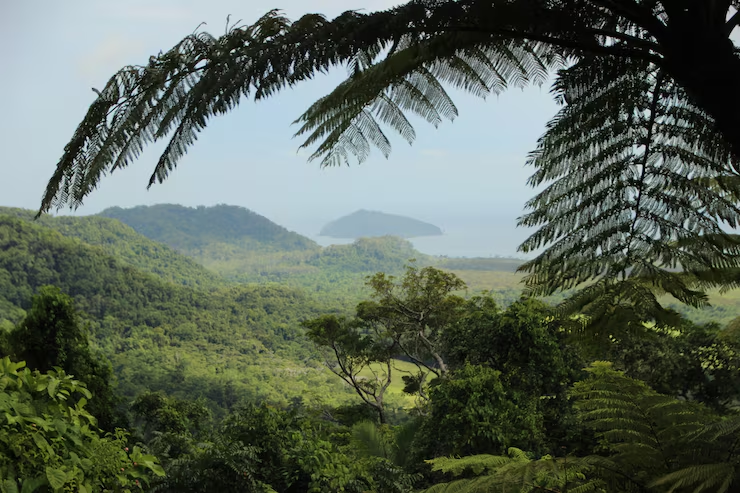
Monte Alén National Park is the crown jewel of mainland Equatorial Guinea. Located in the Río Muni region, this vast protected rainforest covers rolling hills, dense jungle, and winding rivers that feel completely untouched by modern development.
The park is one of Central Africa’s most important biodiversity hotspots. It is home to forest elephants, gorillas, chimpanzees, leopards, crocodiles, and numerous monkey species. Birdlife is equally impressive, with hornbills, kingfishers, and colorful tropical species filling the forest canopy with sound.
Unlike heavily commercialized safari destinations elsewhere in Africa, Monte Alén remains raw and adventurous. Exploring here feels like stepping into a true equatorial rainforest. Thick vegetation, towering trees, and humid air create an immersive jungle experience.
Rivers such as the Uoro and Laña cut through the forest, forming natural pools and scenic riverbanks. Guided treks allow visitors to hike through the jungle while learning about medicinal plants and local ecosystems.
Monte Alén is not about luxury — it’s about authenticity. It is ideal for eco-tourists, wildlife enthusiasts, and travelers seeking Africa in its most natural form.
9. Bata – Mainland Energy and Coastal Life
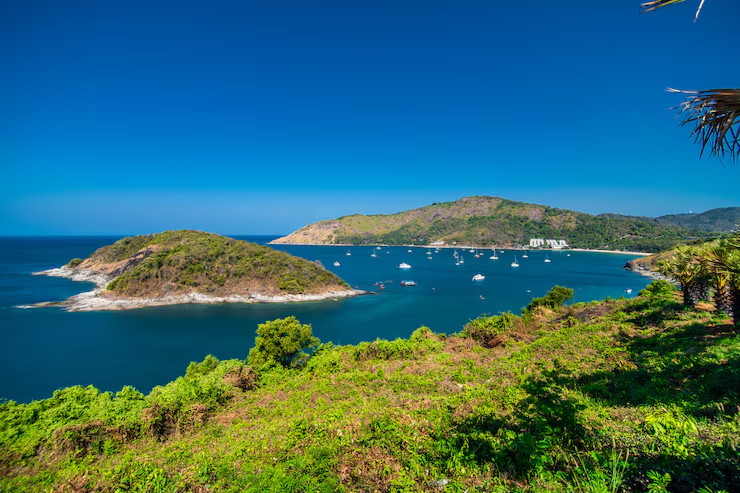
Bata is the largest city on mainland Equatorial Guinea and serves as the commercial hub of Río Muni. Located along the Atlantic coast, the city has a wide seaside promenade and modern infrastructure compared to many surrounding towns.
Unlike Malabo’s island setting, Bata has a broader urban layout with long avenues and expanding development. The coastline offers sandy beaches and scenic ocean views, particularly beautiful during sunset when the Atlantic glows in shades of orange and gold.
Bata also acts as a gateway to mainland attractions such as Monte Alén National Park and nearby coastal villages. Its markets are lively, filled with fresh produce, seafood, and local goods.
Though not traditionally a tourist-heavy city, Bata provides insight into the country’s mainland culture and economic life. It’s a place where traditional customs blend with modernization and coastal living.
10. Mbini (Rio Benito) – Rivers, Mangroves, and Quiet Beaches
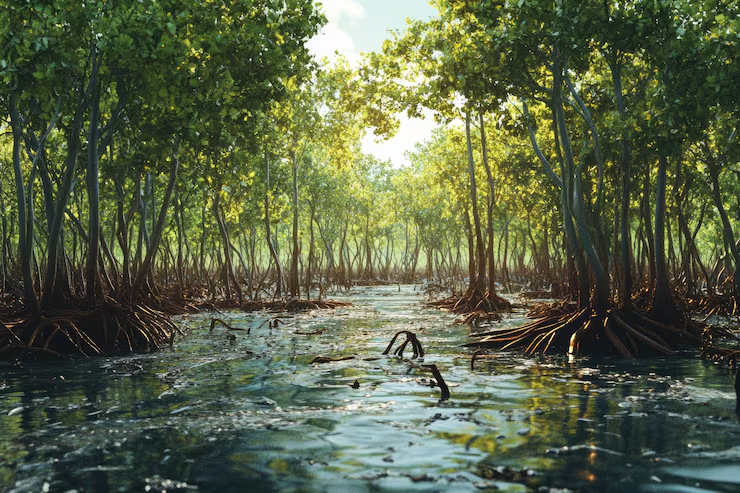
Mbini, also known historically as Rio Benito, is a peaceful riverside town where the Benito River meets the Atlantic Ocean. The area is known for its tranquil beaches, mangrove forests, and relaxed atmosphere.
The river estuary creates a unique ecosystem where freshwater and saltwater mix, attracting birdlife and marine species. Boat rides through the mangroves reveal a serene landscape of twisted roots and calm waters.
Mbini’s beaches are quiet and largely undeveloped, making them perfect for travelers seeking solitude. The rhythm of life here is slow, centered around fishing and small-scale local commerce.
The combination of river scenery and ocean coastline gives Mbini a distinctive charm. It’s a destination for reflection, photography, and experiencing coastal Equatorial Guinea without crowds.
11. Annobón Island – A Remote Atlantic Frontier
Annobón Island is one of the most isolated parts of Equatorial Guinea. Located far south of the mainland in the Atlantic Ocean, this volcanic island feels like a world of its own.
Reaching Annobón requires effort, but the journey rewards travelers with dramatic cliffs, crater lakes, and untouched coastline. The island’s volcanic origins are visible in its rugged terrain and steep slopes.
Annobón has a distinct cultural identity influenced by Portuguese and African heritage. The isolation of the island has preserved unique traditions and ways of life.
Wildlife, seabirds, and marine ecosystems thrive here. The surrounding waters are clear and rich with fish, while the island itself remains sparsely populated.
Annobón is for true explorers — those willing to travel far off the beaten path to experience one of Central Africa’s most remote islands.
12. San Antonio de Palé – The Soul of Annobón
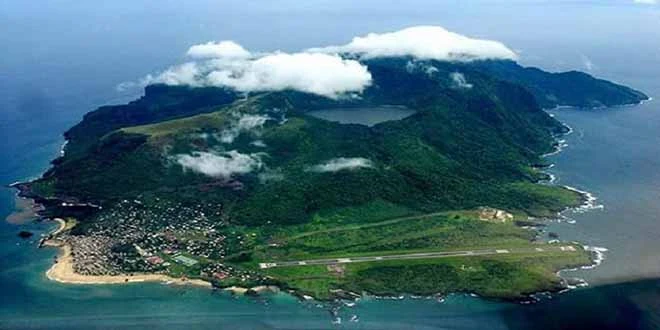
San Antonio de Palé is the main settlement on Annobón Island and the heart of its community life. Small and traditional, the village sits near the coast with colorful homes and a relaxed atmosphere.
Fishing plays a central role in daily life. Wooden boats line the shore, and locals gather in communal spaces to share stories and meals.
The simplicity of San Antonio de Palé is part of its appeal. Visitors experience genuine hospitality and a strong sense of cultural preservation.
With volcanic hills rising behind the village and the Atlantic stretching endlessly ahead, the setting feels both dramatic and peaceful.
13. Cogo – Coastal Scenery and Mainland Calm
Cogo is a quiet coastal town in the mainland region of Río Muni. Surrounded by forested hills and facing the Atlantic Ocean, it offers scenic beauty combined with rural tranquility.
The coastline near Cogo features natural beaches and rocky shores shaped by ocean waves. Inland, tropical forests extend toward the horizon, creating opportunities for nature exploration.
Cogo is not widely visited, which means daily life continues at a traditional pace. Fishing, small markets, and community gatherings define the town’s character.
For travelers interested in discovering lesser-known mainland destinations, Cogo offers authenticity and peaceful surroundings.
14. Corisco Island – A Small Island Near the Gabon Border
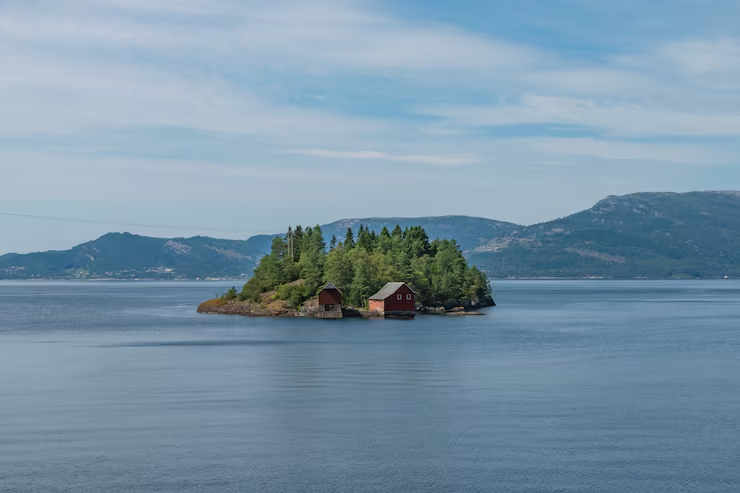
Corisco Island lies close to the border with Gabon and is known for its palm-fringed beaches and tropical charm. Though small, it holds historical and strategic importance due to its coastal location.
The island’s sandy shores and clear waters create postcard-like scenery. Fishing communities maintain a simple lifestyle, and the atmosphere remains relaxed.
Corisco’s remote setting and minimal development give it a quiet beauty rarely found in more commercial island destinations.
For travelers exploring the mainland coast, Corisco Island adds a touch of tropical island adventure to the journey.
15. Elobey Grande & Elobey Chico – Twin Tropical Islands
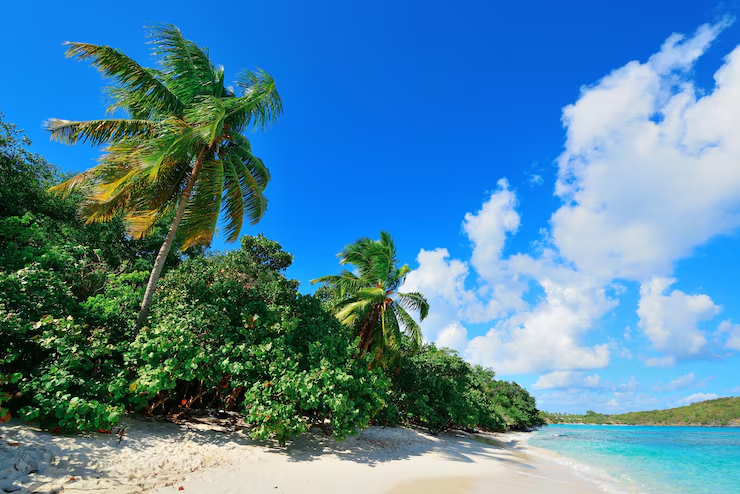
The Elobey Islands — Elobey Grande and Elobey Chico — are two small islands located near the mainland coast, not far from Gabon. Though modest in size, they hold historical significance and natural beauty that make them fascinating destinations.
Elobey Chico once served as the colonial capital of Spanish Guinea in the 19th century. Today, remnants of colonial buildings remain, partially reclaimed by tropical vegetation. Walking among these ruins offers a powerful reminder of the region’s past, where European influence once shaped local administration and trade.
Elobey Grande, the larger of the two, features quiet beaches lined with palm trees and surrounded by calm waters. Fishing communities live here, maintaining a traditional coastal lifestyle that has changed little over generations.
The surrounding waters are ideal for boat trips, offering scenic views of mangroves and small inlets. The islands’ peaceful isolation creates a tranquil escape from mainland life.
For travelers interested in history combined with untouched tropical scenery, the Elobey Islands provide a rare and authentic island experience.
16. Ilachi Waterfalls (Ureka Area) – Hidden Jungle Cascades
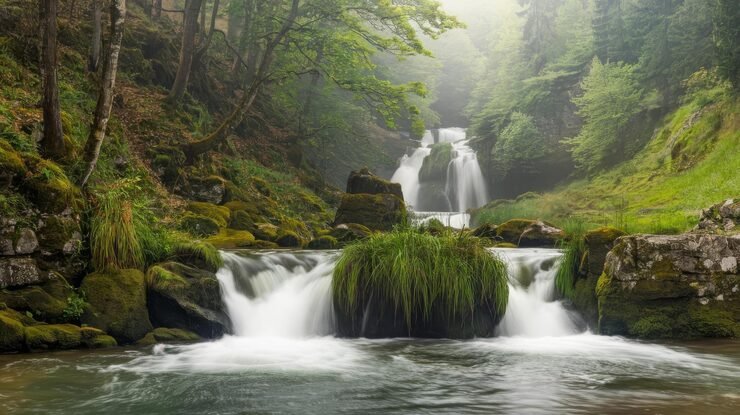
Deep within the lush rainforest near Ureka lie the Ilachi Waterfalls, one of Bioko Island’s most breathtaking natural treasures. Reaching these waterfalls requires hiking through dense jungle, crossing small streams, and navigating humid forest trails.
The journey itself is part of the adventure. Towering trees form a canopy overhead, filtering sunlight into soft green tones. The air is filled with birdsong and the distant sound of rushing water.
When visitors finally reach the falls, they are rewarded with cascading streams plunging into crystal-clear pools surrounded by moss-covered rocks. The contrast between the powerful waterfalls and the quiet forest atmosphere creates a magical setting.
These waterfalls remain largely untouched by tourism, preserving their wild beauty. Swimming in the cool natural pools after a jungle trek is both refreshing and unforgettable.
Ilachi Waterfalls represent the pure, unspoiled nature that defines southern Bioko Island.
17. Sipopo – Modern Luxury by the Sea
Sipopo offers a completely different side of Equatorial Guinea. Located just outside Malabo, this modern beachfront development was created to host international conferences and high-profile events.
Unlike the raw wilderness found elsewhere in the country, Sipopo features luxury hotels, paved promenades, landscaped gardens, and oceanfront resorts. The beach here is clean and organized, with calm waters and scenic coastal views.
Sipopo showcases the country’s investment in modern infrastructure and tourism development. Visitors can enjoy high-end accommodations while still being close to Bioko Island’s natural attractions.
At sunset, the beachfront offers beautiful views across the Gulf of Guinea, blending comfort with coastal elegance.
Sipopo is ideal for travelers who want a more refined stay while exploring Equatorial Guinea.
18. Malabo National Park (Pico Basile National Park) – Protected Mountain Wilderness
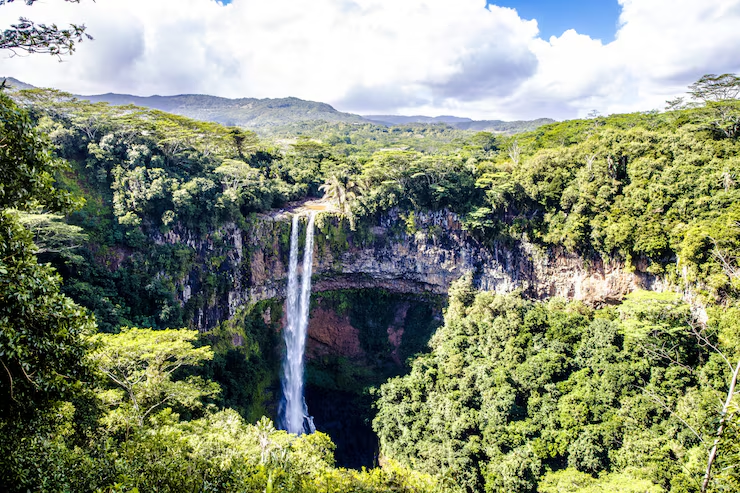
Malabo National Park, also known as Pico Basile National Park, protects the mountainous interior of Bioko Island. This area surrounds Pico Basile and preserves dense forest ecosystems that are critical to the island’s biodiversity.
The park features dramatic elevation changes, from lowland rainforest to misty mountain slopes. As altitude increases, temperatures cool and vegetation shifts, creating varied ecological zones.
Wildlife within the park includes primates, birds, reptiles, and unique plant species found only on Bioko Island. The forests play a vital role in conservation efforts aimed at protecting endangered species.
Hiking within the park offers sweeping views of the island’s coastline and surrounding ocean. On clear days, visitors may even glimpse the distant shores of Cameroon.
Malabo National Park combines scenic beauty with ecological importance, making it one of the country’s most valuable protected areas.
19. Moka Valley – Cool Highland Retreat
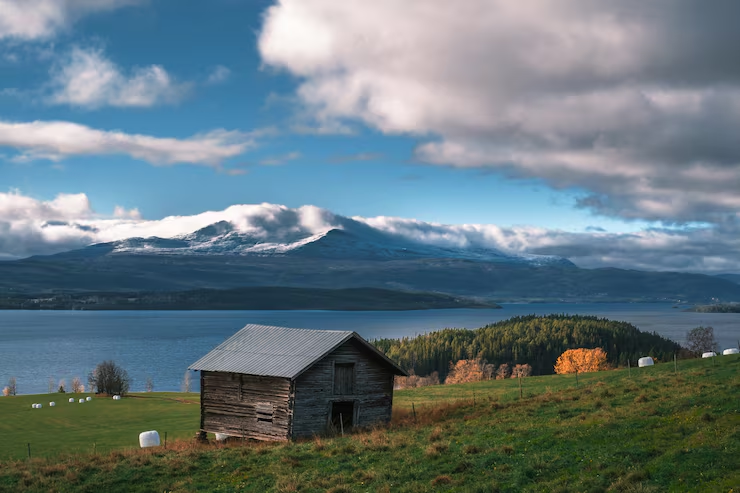
Nestled in the highlands of Bioko Island, Moka Valley offers a refreshing change from the humid coastal climate. Surrounded by rolling hills and volcanic peaks, this area is known for its cooler temperatures and scenic landscapes.
The valley contains small lakes, including Lake Biao, which sits inside an ancient volcanic crater. The peaceful waters reflect the surrounding greenery, creating a serene atmosphere ideal for relaxation and photography.
Moka Valley is also culturally significant, home to the Bubi people, the indigenous inhabitants of Bioko Island. Visitors may learn about traditional customs, architecture, and history while exploring the area.
The combination of mountain scenery, cultural heritage, and cooler air makes Moka Valley one of Bioko’s most tranquil destinations.
20. Riaba – Historic Coastal Village on Bioko Island
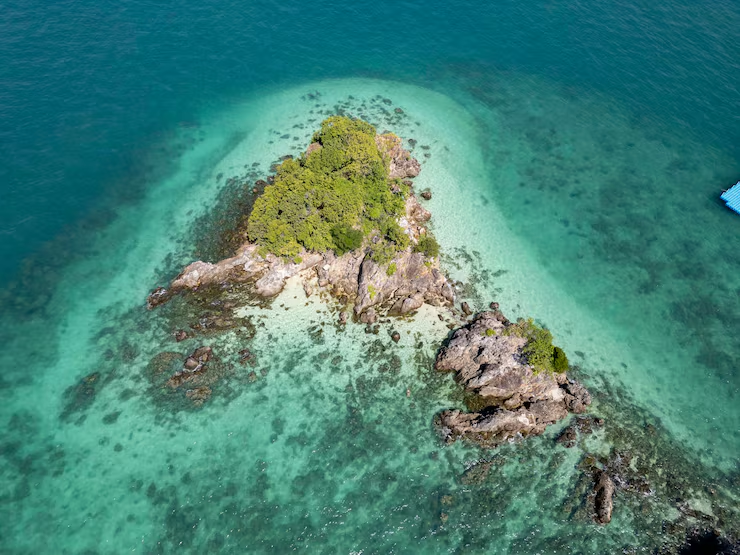
Riaba is one of the oldest settlements on Bioko Island and holds deep historical significance. Located on the southeastern coast, this quiet town was once an important colonial administrative center.
Today, Riaba is known for its calm coastal scenery and rural charm. The surrounding landscape includes forested hills and oceanfront views that feel peaceful and timeless.
Remnants of colonial-era structures can still be found in the area, offering insight into the island’s past. Fishing remains central to daily life, and visitors can observe traditional coastal living.
Riaba is not flashy or modern — its appeal lies in authenticity. It offers a glimpse into the historical and cultural foundations of Bioko Island.
Final Thoughts on Equatorial Guinea
Equatorial Guinea is one of Africa’s most underexplored destinations. Its combination of volcanic islands, dense rainforests, remote beaches, colonial history, and rich biodiversity makes it unique within Central Africa.
From the heights of Pico Basile to the isolated shores of Annobón and the rainforest depths of Monte Alén, the country offers adventure in its purest form. Tourism remains limited, which means visitors experience landscapes and communities largely untouched by mass travel.
For explorers seeking something rare, authentic, and naturally dramatic, Equatorial Guinea stands as one of Africa’s hidden treasures.
Related artical : Top 5 Tourist Places in Suez, Egypt