
Now Reading: Top 20 place to visit in france
-
01
Top 20 place to visit in france
Top 20 place to visit in france
1.Paris
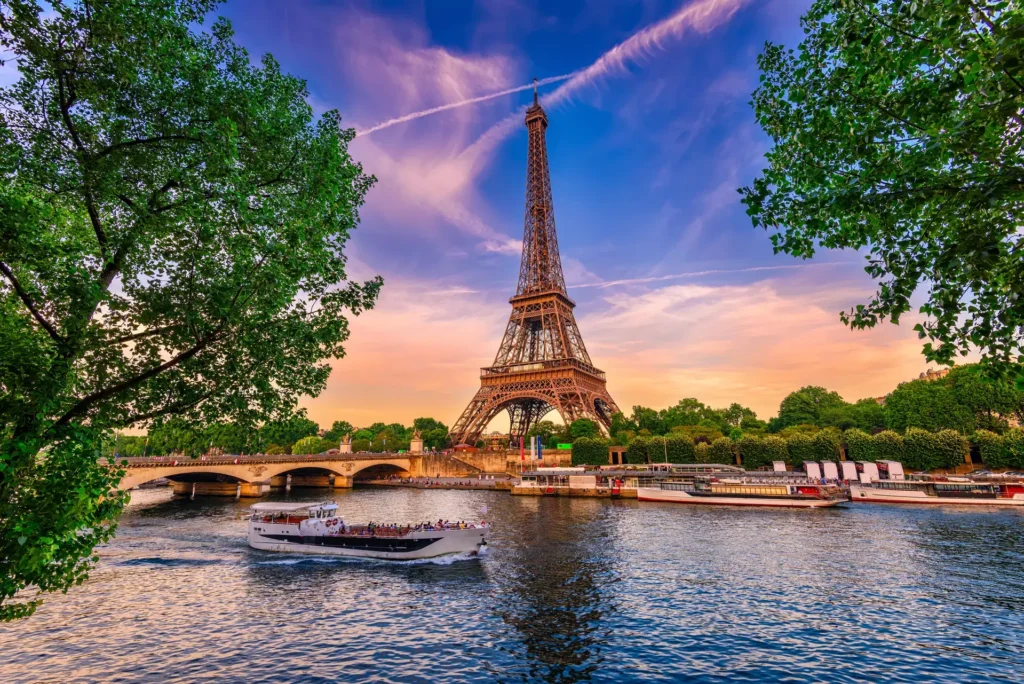
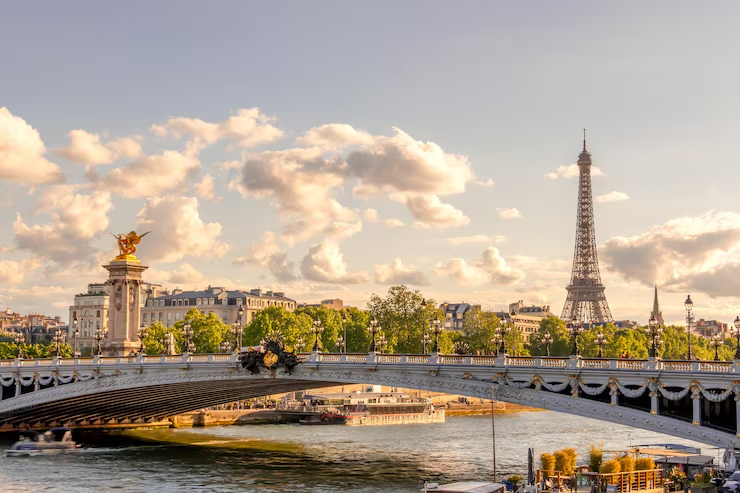
Paris, the city of romance, is the most visited place in the world. Toured by more than 20 million people, this French capital is home to some of the most iconic structures like the Eiffel Tower, museums like the Louvre, several happening boulevards, and several artistic treasures. People from all over the world visit Paris to feel the magical and amazing vibe that it oozes out and the lovable culture here can win you over with just one trip.It is popularly also called the “Fashion Capital of the World” and it hosts various fashion events throughout the year. The city remains at the forefront of international trends and many established boutiques and shops are a quintessential part of any visit.
Also, the city houses some of the many world-famous Michelin Star restaurants as well as some cozy bistros. So for the foodie in you, you will not be disappointed in Paris. Along with this, there are several boulangeries (bakeries), patisseries, and cheese shops that will make you just stay and keep tasting the delicious food items.The city is also home to various adventurous activities like Quad-bike trek, Bubble football, Indoor-freefall simulator, Hoverboard ride and Skydiving. Hosting the world’s biggest cycle event, Tour de France, the city attracts many adventure enthusiasts and cycling lovers.
Each and every season in Paris brings in an environment of joy here. The year starts with winter and lasts till February. Next followed by Spring, it lasts till May, June welcomes Summer season in Paris and lasts till August. Autumn starts in September and lasts until December.The average temperature of the city ranges from 8-degree Celsius to 25-degree Celsius
2.Nice
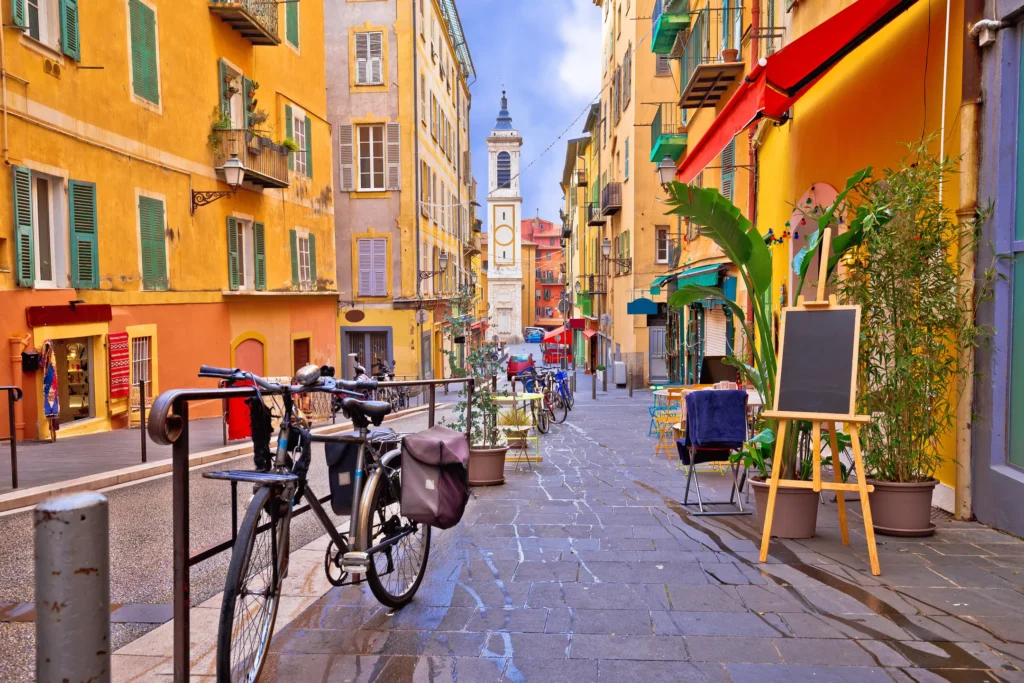
It wouldn’t take more than a visit for you to understand why English aristocrats and Impressionist painters were driven to Nice. With its spectacular seaside scenery, sunny and pleasant weather, the majestic city seems to leave no stone unturned to mesmerize its visitors.
Enveloped by the azure blue waters of the Baie des Anges and guarded by the foothills of the Maritime Alps, Nice experiences a mild and soothing climate all round the year. The city was originally discovered in the 1820s by the British as an appealing winter resort. Today, it still happens to be one of the most fascinating tourist attractions in the world.
Regarded as the center of the French Riviera, Nice is the ideal starting point for a tourist on holiday, before exploding the glistening coastline of Côte d’Azur.
Nice is one place, where you can go to simply enjoy a holiday. The beauty of the gardens and the sea have that mesmerizing Mediterranean vibe associated with it which will keep the visitors yearning for more. More over the distinctive Italian character of the city, also adds to it beauty. Whether strolling the famous Promenade des Anglais or wandering the quaint cobblestone streets, you’ll be only delighted at every stop of your visit to Nice.
3.Marseille
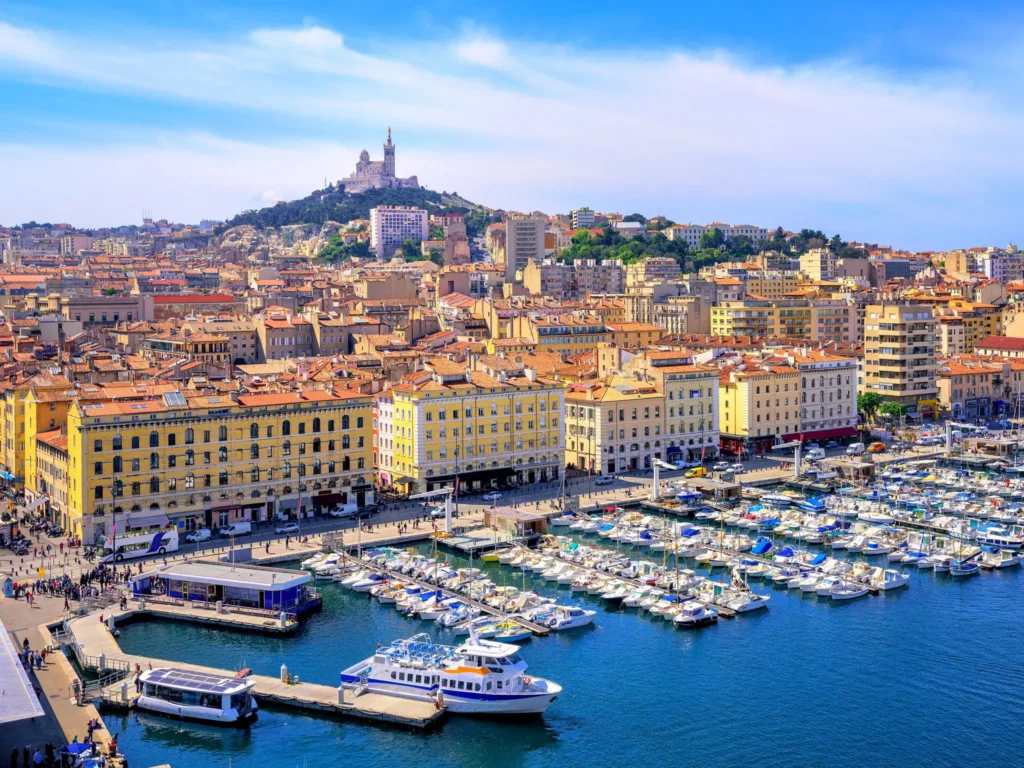
Located in the camargue region of southern France, near the mouth of River Rhone, Marseille is known as the second most populous city of the country. Founded by Greek settlers in 600 BC, Marseille is also believed to be the oldest city of France. The flamboyant multicultural port city of Marseille is known popularly for its well-preserved history, rich culture, marvellous architecture, and pristine beaches. Marseille is packed with a myriad of monumental and heritage landmarks including Palais Longchamp, Cathédrale La Major, and Abbaye Saint-Victor.
A plethora of parks and gardens including Parc Borély and Calanques National Park also adorn the city. With exuberant open-air shopping destinations like La Canebière, Marseille is a great destination for shoppaholics. There are also many other exciting things to do in Marseille, such as exploring the Egyptian and classical antiquities at La Vieille Charité, taking a hiking trip at Calanque de Port-Miou, sunbathing at the picturesque beaches of Massif des Calanques, and sipping some coffee & enjoying the breathtaking views at Old Port.
Marseille experiences a Mediterranean climate with hot and dry summers and cool and windy winters. The best time to visit Marseille is during the months of April, May, September, and October, when the weather is pleasant and balmy, perfect for moving around the city and exploring all the popular places to visit in Marseille. The warm and mild weather during these months is also suitable for visiting the beaches of the city and engaging in all the fun and thrilling water activities, such as kayaking, swimming, sailing, scuba diving, and windsurfing.
4.Lyon
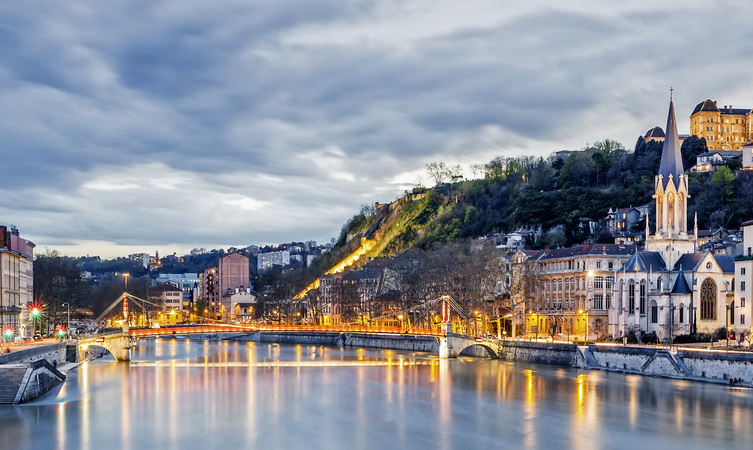
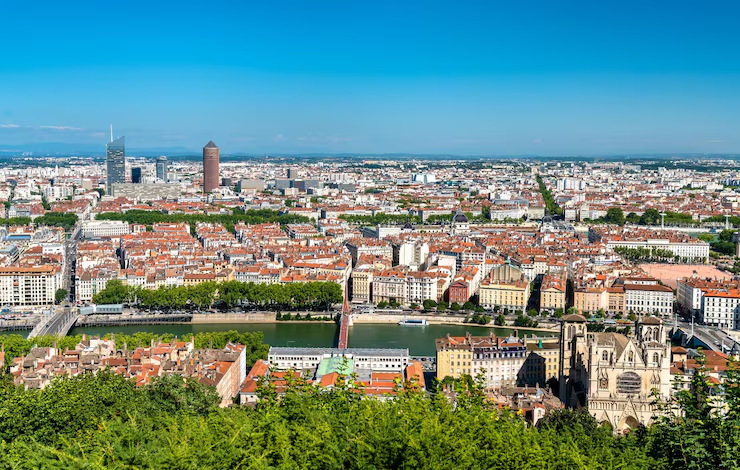
Lyon is the second-largest city in France. It is located at the confluence of rivers about 470 km south of Paris, 320 km north of Marseille, and 56 km northeast of Saint-Étienne. Lyon has been ranked as one of the most attractive cities in France because of its beautiful picturesque settings and scenic natural views. The city is recognized for its cuisine and gastronomy, and historical and architectural landmarks. The majestic Basilica Notre-Dame de Fourvière, situated atop Fourvière hill is a magnificent white church ornamented with mosaics and stained glass.
The unique architecture features a bell tower with a golden statue of the Virgin Mary. The ancient theatre of Fourvière is a monument on the left bank of the Saône River. The theater has a decorated floor, steep seating galleries, and the foundations of a large stage which can have 10,000 spectators at its peak. Lyon is famous for Traboules which are delightful renaissance passageways running beneath buildings in the direction of the Saône River. It was constructed to protect the delicate fabric like silk from inclement weather as it was transported from one spot to another.
To learn more about the city as well as marvel at some of the notable places you can head out on Hop-On Hop-Off Tour of Lyon, wine tasting tours, evening food tasting tours, and culinary walking tour with food tasting. The climate of Lyon is a humid subtropical climate as it borders the oceanic climate. The mean winter temperature is 3.2 °C (37.8 °F) and the mean summer temperature is 22 °C (71.6 °F).
5.Carcassonne
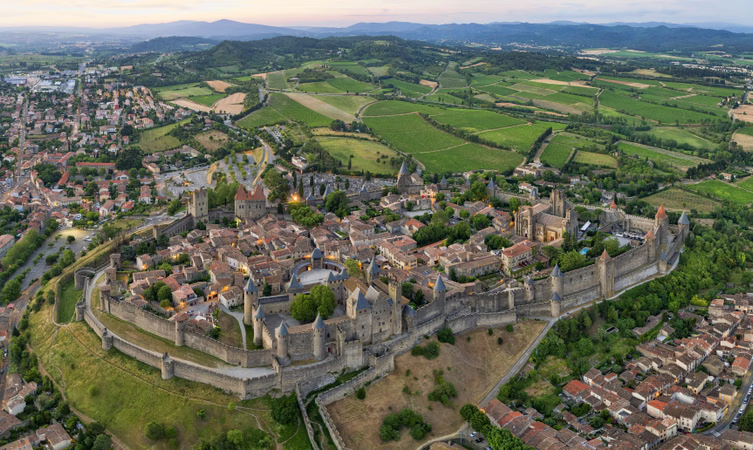
The ancient French city of Carcassonne is a wholesome package of mediaeval castles, museums of fine arts and lavish gardens that offers impressive sights to enjoy. In the fortified city whose history dates back to the sixth century BC you’d find iconic castles like Château Comtal which has been listed in the UNESCO heritage sites. The largest city of Europe, holds its importance in history owing to the existence of fortified settlement in pre-Roman period and outstanding infrastructure. Due to its strategic location between the Atlantic Ocean and Mediterranean sea, the city has been an important part of historic trade routes and crucial to the economy of the country. The large defences around the castles, streets and the cathedral dedicated to Saint Peter are reminiscent of Carcassonne’s fine Gothic infrastructure.
6.The Corniche Kennedy
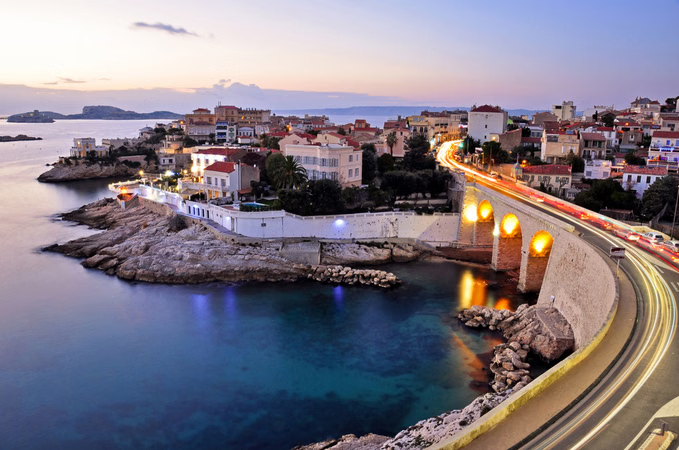
Savor the Mediterranean splendor of Corniche Kennedy, a scenic seaside promenade in Marseille, France. Bask in the breathtaking views of the azure waters and rugged coastal cliffs that line this iconic stretch. Embrace the cultural significance of Corniche Kennedy, immortalized by French author Jean-Claude Izzo in his eponymous novel.
Corniche Kennedy invites travelers to experience the allure of the French Riviera, with its charming coastal atmosphere and literary inspiration. Whether you’re strolling along the promenade, sunbathing on the rocky shores, or simply savoring the sea breeze, this destination offers a memorable escape.
A visit to Corniche Kennedy promises a delightful fusion of natural beauty, literary legacy, and coastal charm. Immerse yourself in the essence of Marseille’s coastal allure and literary heritage as you explore this enchanting promenade along the Mediterranean coast.
7.La Ciudad Del Vino Bordeaux
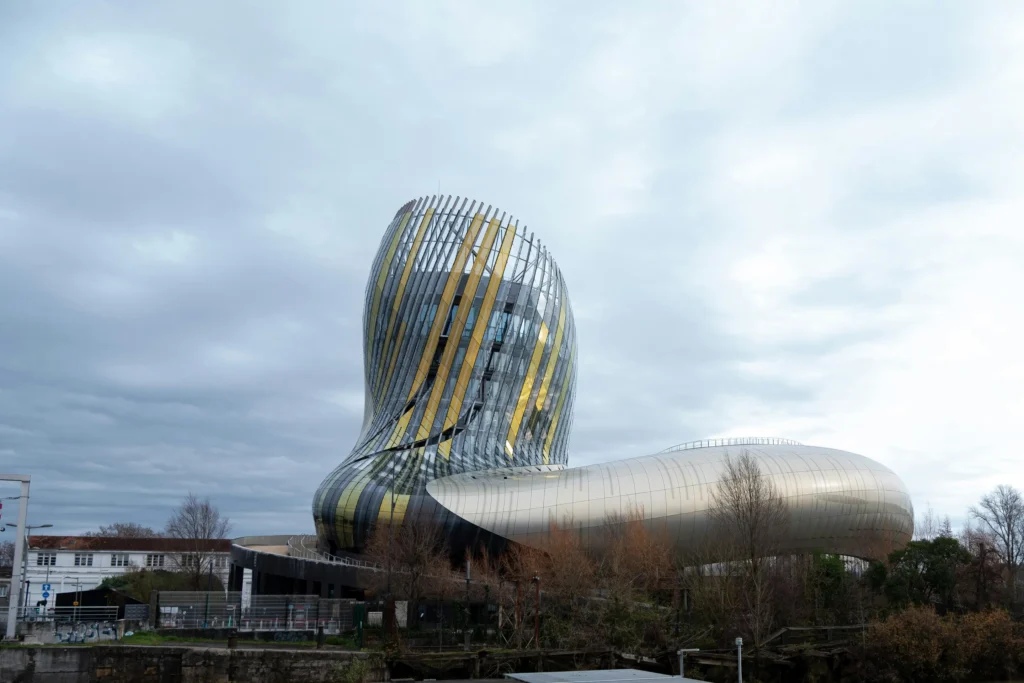
La Ciudad del Vino Bordeaux, nestled in the heart of France’s esteemed Bordeaux wine region, epitomizes the essence of viticultural excellence. This captivating city, known as the “City of Wine,” is a haven for wine aficionados and enthusiasts alike.
At La Ciudad del Vino Bordeaux, visitors embark on a sensory journey through centuries of winemaking heritage. From historic vineyards to modern wine cellars, the city offers immersive experiences that celebrate the artistry and craftsmanship behind Bordeaux’s world-renowned wines.
Guided tours lead guests through picturesque vineyards, where they learn about the region’s terroir and grape varietals. Interactive exhibits and multimedia installations provide insight into the winemaking process, from grape to glass. Wine tastings and masterclasses allow visitors to sample a diverse array of Bordeaux wines, discovering their unique flavors and characteristics.
With its blend of tradition and innovation, La Ciudad del Vino Bordeaux is a vibrant hub for wine culture, inviting travelers to explore, learn, and savor the extraordinary wines of Bordeaux.
8.Mont Saint Michel
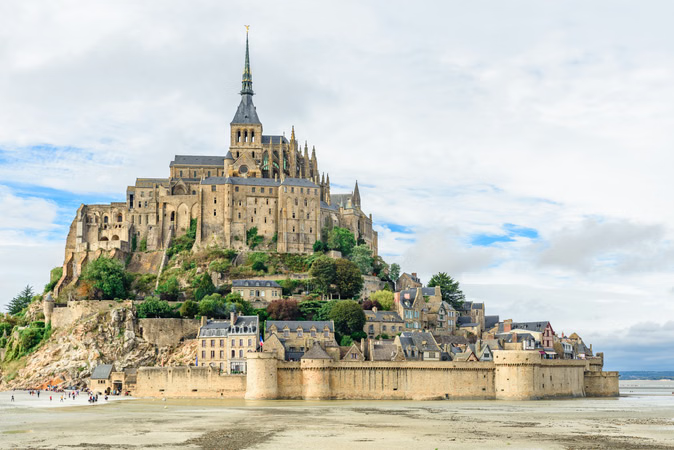
Many small souvenir stores exist at the entrance of Mont-Saint-Michel, providing medieval artifacts, local souvenirs, and Japanese Samurai swords. The bay around the Mont-Saint-Michel is famed for its high tides, which can change rapidly and strand pedestrians who stray from the causeway linking the island. You’ll also find a few expensive and premium hotels within the walls of Mont-Saint-Michel where you can have a magnificent stay.
Your trip to Mont-Saint-Michel won’t be complete if you don’t savor an omelet at the restaurant of Mère Poulard. There are also many creperies scattered in the alleyways, serving scrumptious pancakes that you’ll relish till the last bite. You can also see thousands of seagulls and gulls flying over Mont-Saint-Michel from the ramparts.
9.Abbaye de Cluny
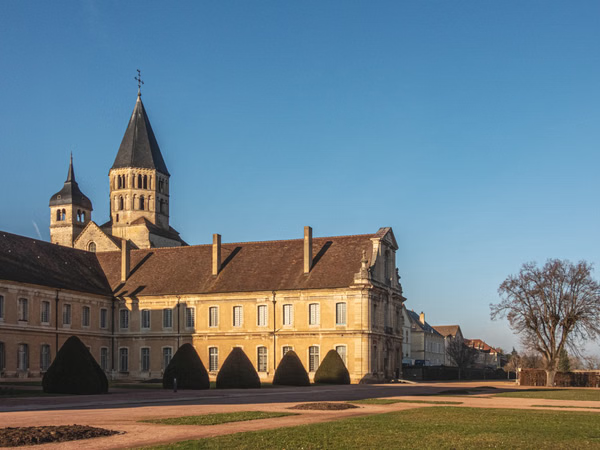
The Abbaye de Cluny, established in 910 by Duke William I of Aquitaine in Burgundy, France, was one of the most influential Benedictine monasteries of the medieval period. It quickly grew in prominence under the leadership of its abbots, notably Saint Odo, and became a center for the Cluniac Reforms, which aimed to revitalize the Benedictine order and monastic life across Europe. The abbey’s church, once the largest in Christendom, was a masterpiece of Romanesque architecture, reflecting Cluny’s spiritual and cultural significance. At its height, Cluny oversaw a vast network of subordinate priories and monasteries, spreading its influence throughout Christendom. The abbey also played a crucial role in the arts, fostering a revival in church music and architecture. Despite suffering during the French Revolution, the remnants of Cluny still attract scholars and visitors, offering a glimpse into the rich heritage of medieval monasticism and its enduring legacy in European history.
10.MOLE ANTONELLIANA
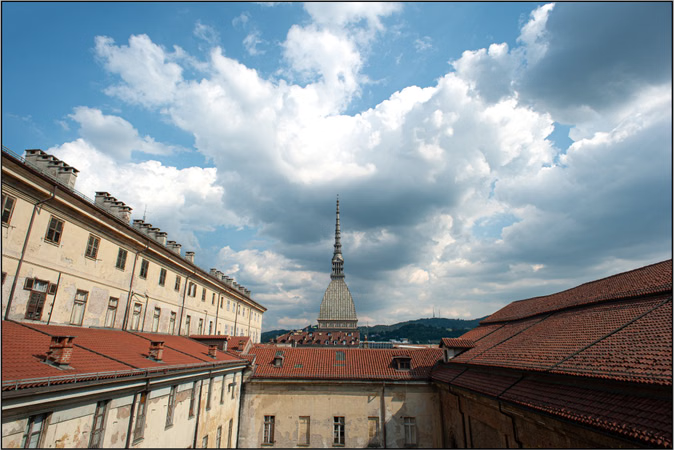
This one-of-a-kind structure, known to locals as “La Mole,” serves as one of the prime Turin attractions and landmarks. It was originally intended to be a synagogue by the building’s visionary 1863 architect, Alessandro Antonelli. Nonetheless, as Antonelli’s ambitions grew, the community’s resources ran out. In the end, the Mole was turned over to the city council, who initially turned it into a monument honoring King Vittorio Emanuele II
Even the Risorgimento Museum, which is now located in Palazzo Carignano, called this building home for a while before moving to its proper digs. The Museo Nazionale del Cinema, which is currently housed at the Mole, is proud to be the national cinema museum of Turin. Its unique collection of movie-related artifacts and papers justifies at least a half-day visit. Take the elevator up to the observation deck 85 meters above ground level on the spire, browse the bookstore for souvenirs, and enjoy a drink at the ultra-chic aperitivo lounge Cabiria Café before you depart.
11.PALAZZO MADAMA TURIN
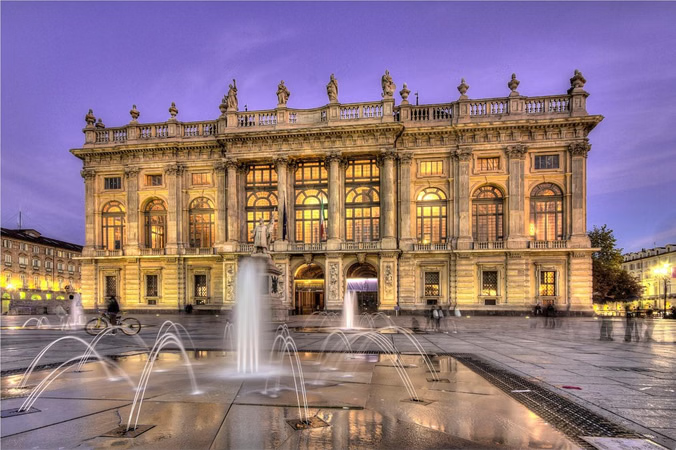
The Palazzo Madama in Turin is among the most famous historical places to visit in Turin in all of Piedmont. It has been home to the Civic Museum of Ancient Art since 1934; the museum’s permanent collection includes more than 70,000 pieces, spanning the Middle Ages to the 18th century, and including paintings, sculptures, furniture, majolica and porcelain, gold and silver, ivory, enamel, and textiles. The tour takes you through four levels and several different eras.
The collection of medieval stonework, including sculptures and jewelry made from stone, is housed in the basement, close to the Roman ruins; from there, visitors can access the Medieval Garden, an oasis of peace and nature in the middle of bustling Turin. On the first floor, you can see the castle from the 15th century as well as works from the Middle Ages and Renaissance, like Antonello da Messina’s the Portrait of a Man. The first floor’s Baroque rooms feature paintings and furniture by Piffetti and Prinotto in opulently decorated settings, along with artwork from the 17th and 18th centuries. On the upper level, you’ll find a wide variety of decorative arts from various time periods, including ceramics, ivories, jewelry, textiles, and glasswork.
12.LA VENARIA REALE
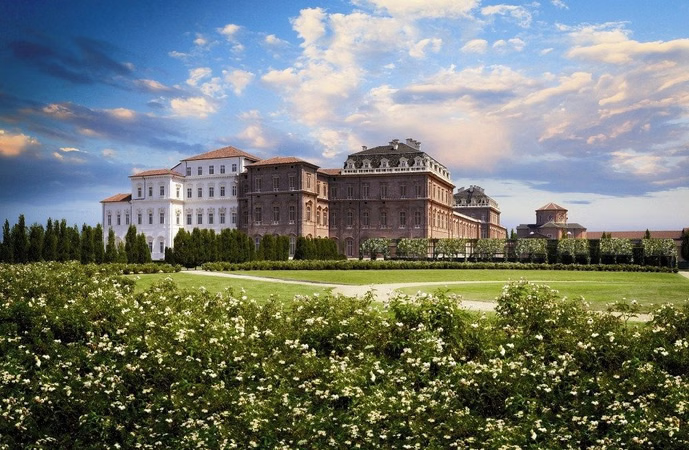
Visitors can marvel at the lavish interiors, adorned with intricate frescoes, sumptuous decorations, and period furnishings that evoke the splendor of royal life. The gardens, with their elegant fountains, manicured lawns, and scenic vistas, offer a serene retreat and a glimpse into the landscape design of the era. La Venaria Reale also hosts various exhibitions and cultural events, making it a vibrant cultural hub. As one of Italy’s largest and most visited cultural sites, La Venaria Reale provides an immersive journey through history, art, and nature, celebrating the rich heritage and artistic achievements of the Italian Baroque period. This stunning palace is a testament to Turin’s regal past and a must-visit for lovers of history and architecture.
13.PALAZZO MADAMA
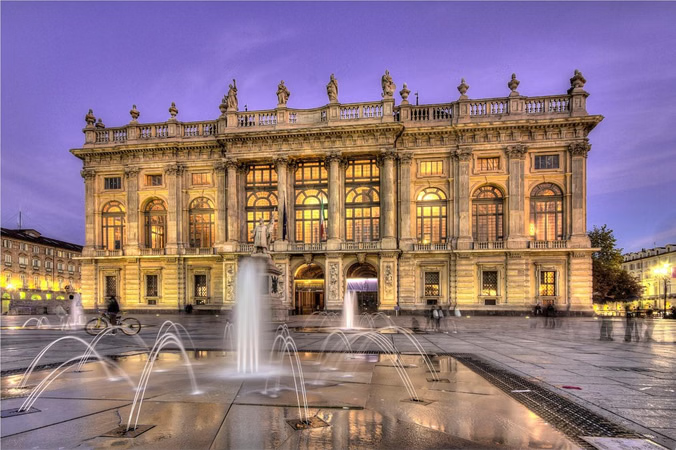
The Palazzo Madama in Turin is among the most famous historical places to visit in Turin in all of Piedmont. It has been home to the Civic Museum of Ancient Art since 1934; the museum’s permanent collection includes more than 70,000 pieces, spanning the Middle Ages to the 18th century, and including paintings, sculptures, furniture, majolica and porcelain, gold and silver, ivory, enamel, and textiles. The tour takes you through four levels and several different eras.
The collection of medieval stonework, including sculptures and jewelry made from stone, is housed in the basement, close to the Roman ruins; from there, visitors can access the Medieval Garden, an oasis of peace and nature in the middle of bustling Turin. On the first floor, you can see the castle from the 15th century as well as works from the Middle Ages and Renaissance, like Antonello da Messina’s the Portrait of a Man. The first floor’s Baroque rooms feature paintings and furniture by Piffetti and Prinotto in opulently decorated settings, along with artwork from the 17th and 18th centuries. On the upper level, you’ll find a wide variety of decorative arts from various time periods, including ceramics, ivories, jewelry, textiles, and glasswork.
14.GAM – CIVIC GALLERY OF MODERN AND CONTEMPORARY ART
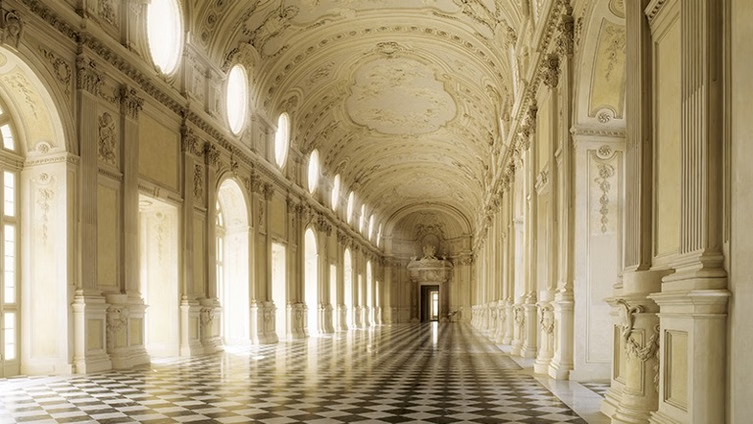
Founded in 1891, the GAM – Civic Gallery of Modern and Contemporary Art in Turin is one of Italy’s oldest modern art museums. It houses an extensive collection of over 45,000 works, including paintings, sculptures, installations, and photographs. The museum’s collection spans from the 19th century to contemporary times, featuring masterpieces by prominent Italian artists like Antonio Canova and Umberto Boccioni, as well as international figures such as Paul Klee and Pablo Picasso. The gallery is also known for its dynamic temporary exhibitions and educational programs, making it a hub for art enthusiasts and scholars. The museum’s architecture, combining historical and modern elements, enhances the experience, providing a serene and contemplative space for visitors.
15.MUSEE DE LA MOTO
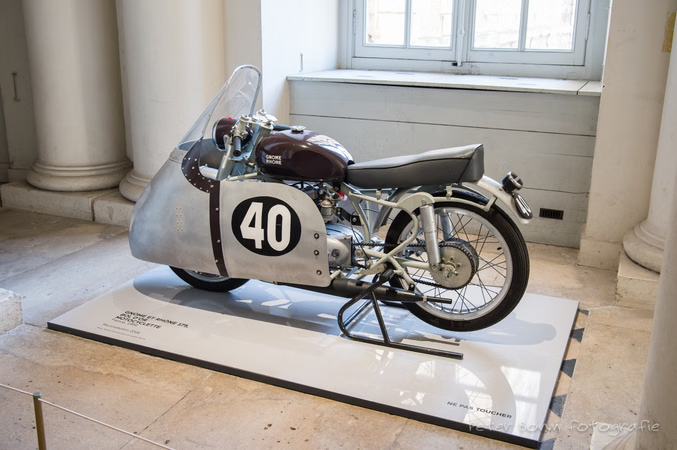
Housing around 200 different kinds of bikes, the Museum of a motorbike or Musee de la Moto is one of the more unique Marseille tourist attractions. The museum is housed inside a remodeled old factory and has an amazing bike collection including the classic model of an ancient petrol tricycle by Dion Bouton. The contemporary machines inside the museum tell a tale of industrial changes and changes in technology over the years. The museum also features recent acquisitions that belong to the early 20th century. Visit the 20th century old bike museum.
Visitors can also enjoy games inside the museum, one of which is called Mission Fantomard – an investigative game that leaves clues to find motorbikes inside that are haunted by ghosts inside the museum. The Museum also displays a comic strip designed by a graphic designer which is focused on the evolution of the motorbike, and also includes some games.
16.FRIOUL ARCHIPELAGO
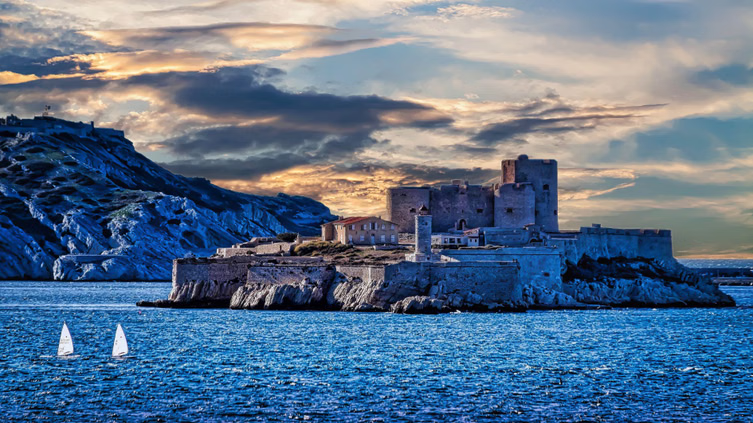
The cluster of islands known as the Frioul archipelago is located just a few miles from the coast of Marseille on the Mediterranean Sea. The islands are counted as districts of the city and include the ile d’if as an integral part. While this island is one of the major spots in the cluster, the other significant islands are the Ratonneau and the Pogues. The islands are located just a 15 minute Ferry ride from the old port and are home to a small number of people. To know more about this vibrant wildlife and vegetations.
The two main islands, namely the Ratonneau and the Pomegues are connected by a causeway, the Digue de Berry. These stunning islands offer its visitors fresh breath and a surreal view with lush landscapes, pristine coasts and more. The islands are also home to the Frioul Islands maritime park which protects the heritage and vegetation of the archipelago.
17.CHATEAU DE VILLANDRY GARDEN
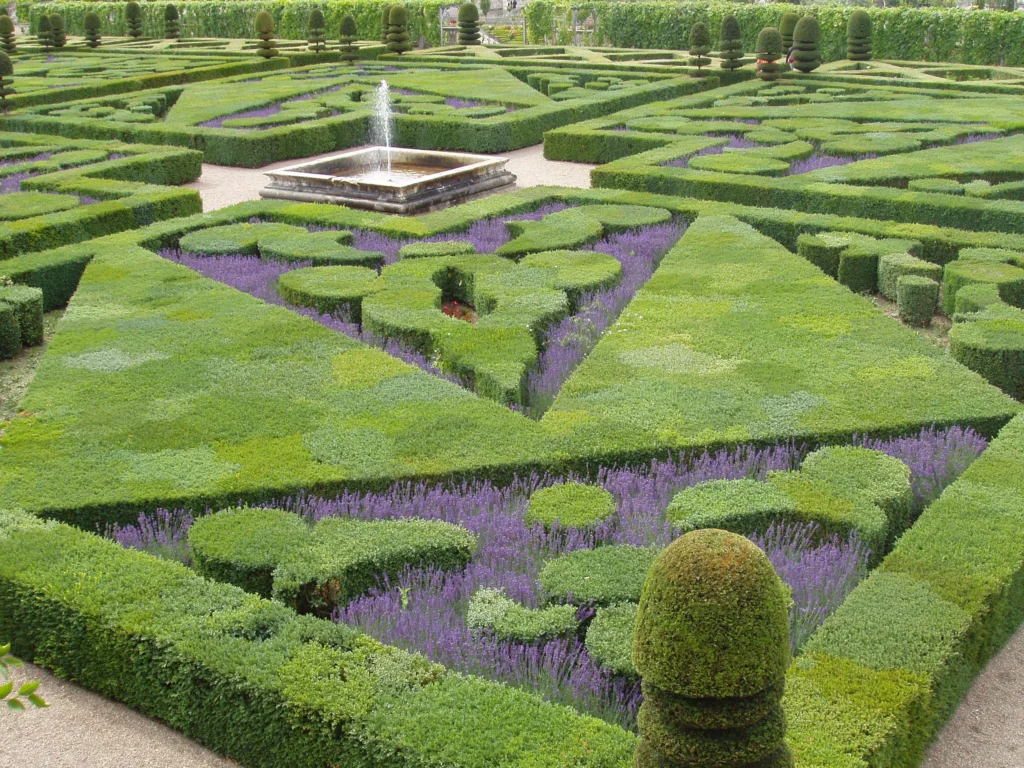
The gardens of Château de Villandry, a renowned example of Renaissance horticultural artistry, are celebrated for their breathtaking beauty and intricate design. Laid out in the 16th century, these gardens are divided into distinct sections, including ornamental, vegetable, and water gardens. Each area is meticulously arranged to reflect geometric patterns and vibrant color schemes, creating a harmonious blend of art and nature. The ornamental gardens feature elaborate designs with intricate parterres, while the vegetable gardens are organized into colorful, edible plots, showcasing both function and beauty. The water gardens add a serene, reflective quality to the landscape. The gardens at Villandry are not only a visual feast but also a testament to the sophistication of Renaissance garden design, demonstrating a deep understanding of symmetry, color, and spatial arrangement. They continue to attract visitors from around the world, eager to experience their timeless elegance.
18.LA BARBEN ZOO

The beautifully landscaped enclosures are designed to mimic the animals’ natural habitats, ensuring their well-being and comfort. Visitors can enjoy a variety of educational programs and interactive experiences, such as feeding sessions and guided tours, making it a perfect destination for families and wildlife enthusiasts.
The zoo’s commitment to conservation and animal welfare is evident through its involvement in numerous breeding programs and partnerships with wildlife organizations. Additionally, La Barben Zoo features a charming castle, offering a historical backdrop to the vibrant animal life, making it a unique and enriching visit for all ages.
19.Choco Story
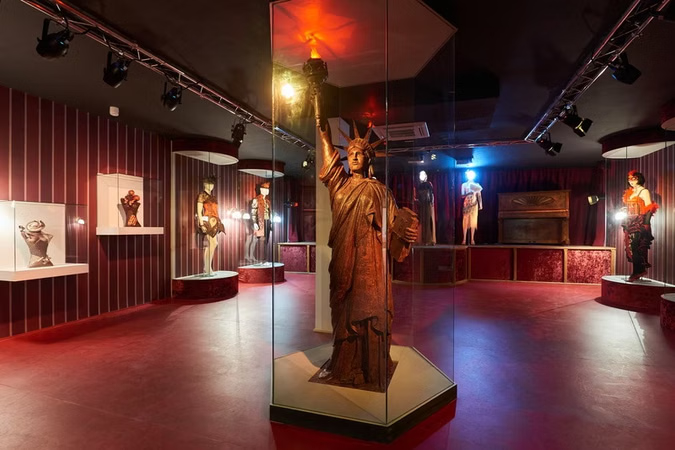
This charming attraction offers visitors a captivating journey through the history and production of chocolate, from its ancient origins to contemporary confectionery delights. As you wander through the exhibits, you’ll discover fascinating displays showcasing the evolution of chocolate-making techniques and the cultural significance of this beloved treat.
Interactive workshops provide a hands-on experience, allowing you to craft your own delectable creations under the guidance of expert chocolatiers. The museum also features a tempting array of samples, giving you a taste of the finest chocolates from around the world. Whether you’re a chocolate connoisseur or simply have a sweet tooth, Choco Story in Colmar promises an indulgent and educational experience that will leave you with a deeper appreciation for this timeless delicacy.
20.Petite France
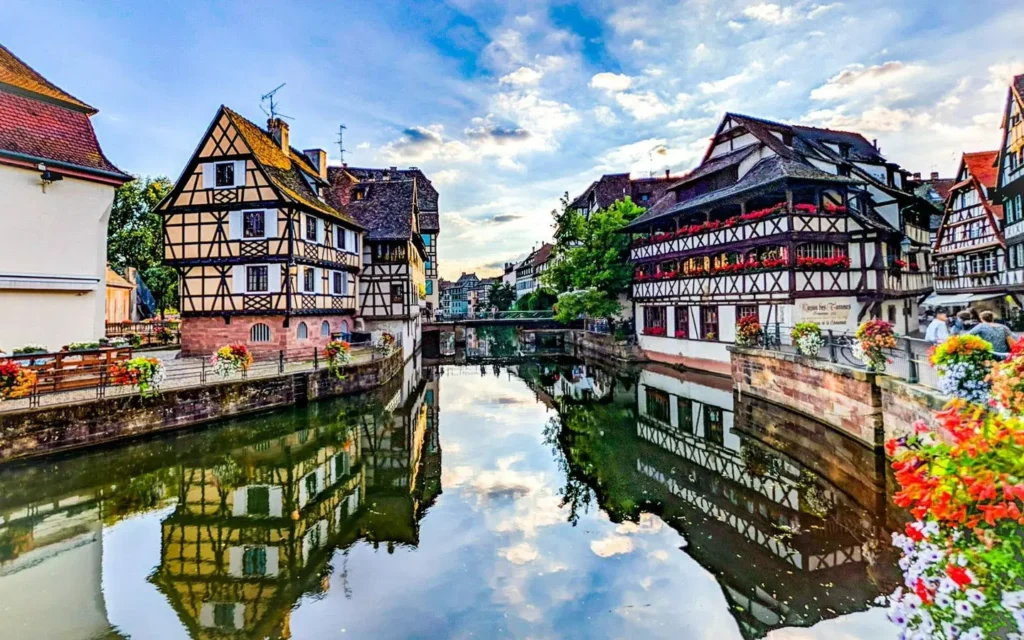
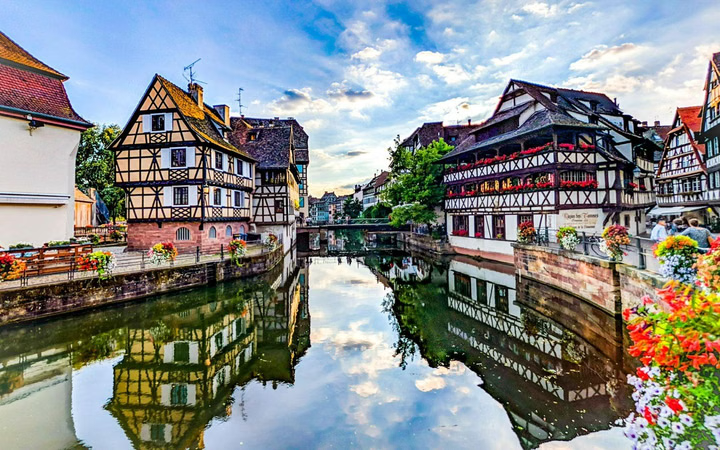
Petite France, a charming district in Strasbourg, France, is famed for its half-timbered houses, flower-lined canals, and medieval ambiance. Once home to tanners and fishermen, this UNESCO-listed area boasts cobbled streets, scenic waterfronts, and the iconic Maison des Tanneurs, making it a picturesque and historic destination in Alsace.
Related artical : Top 5 tourist place in Upper Normandy