
Now Reading: Top 5 place to visit in Siguiri
-
01
Top 5 place to visit in Siguiri
Top 5 place to visit in Siguiri
🏛️ 1. Siguiri City – The Historic Gold Capital of Guinea

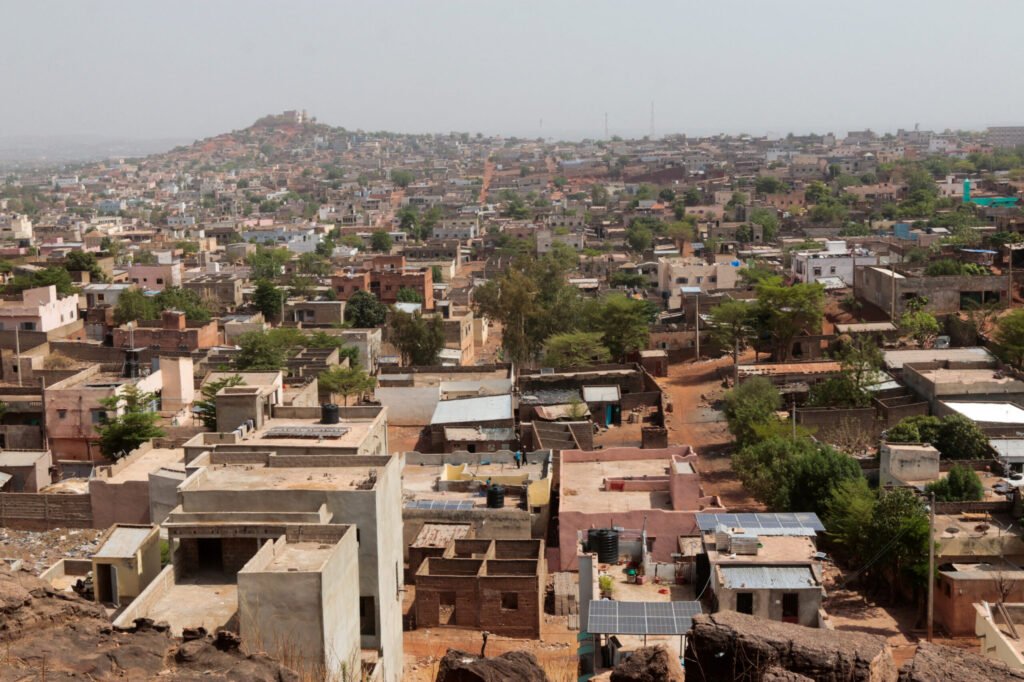
Siguiri is one of the most important cities in northeastern Guinea, famous for its gold mining industry, Mandinka culture, and beautiful river landscapes. Located near the border with Mali along the Niger River basin, Siguiri has long been known as one of West Africa’s historic gold-producing regions.
The city combines traditional Guinean culture with the activity of mining communities and regional trade. Markets throughout Siguiri are filled with colorful fabrics, local foods, fresh produce, handmade goods, and merchants arriving from nearby villages and neighboring countries.
Siguiri’s history is deeply connected to the ancient gold trade routes that once linked West African kingdoms with international merchants across the Sahara Desert. Even today, gold remains one of the region’s most valuable resources and an important part of local life.
Visitors exploring Siguiri can experience authentic Mandinka culture, peaceful savannah scenery, and the unique atmosphere of one of Guinea’s most historically significant inland cities.
🪙 2. Gold Mining & Ancient Trade Heritage – The Golden Wealth of Siguiri

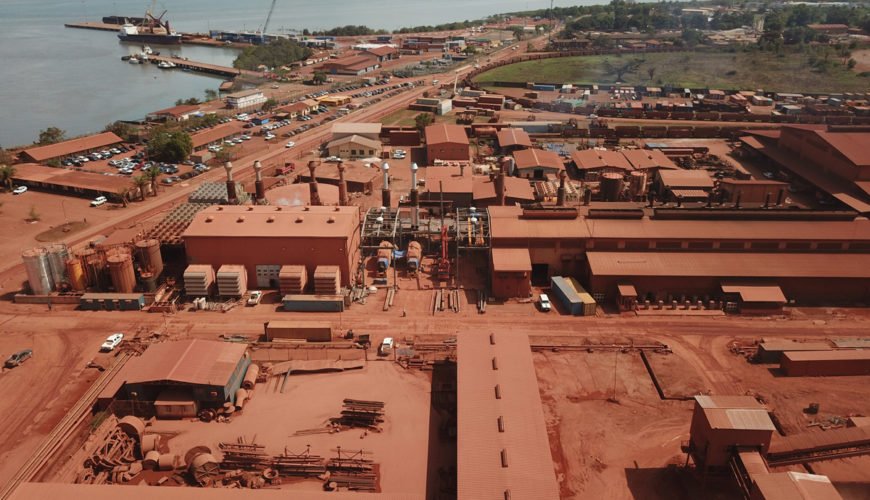
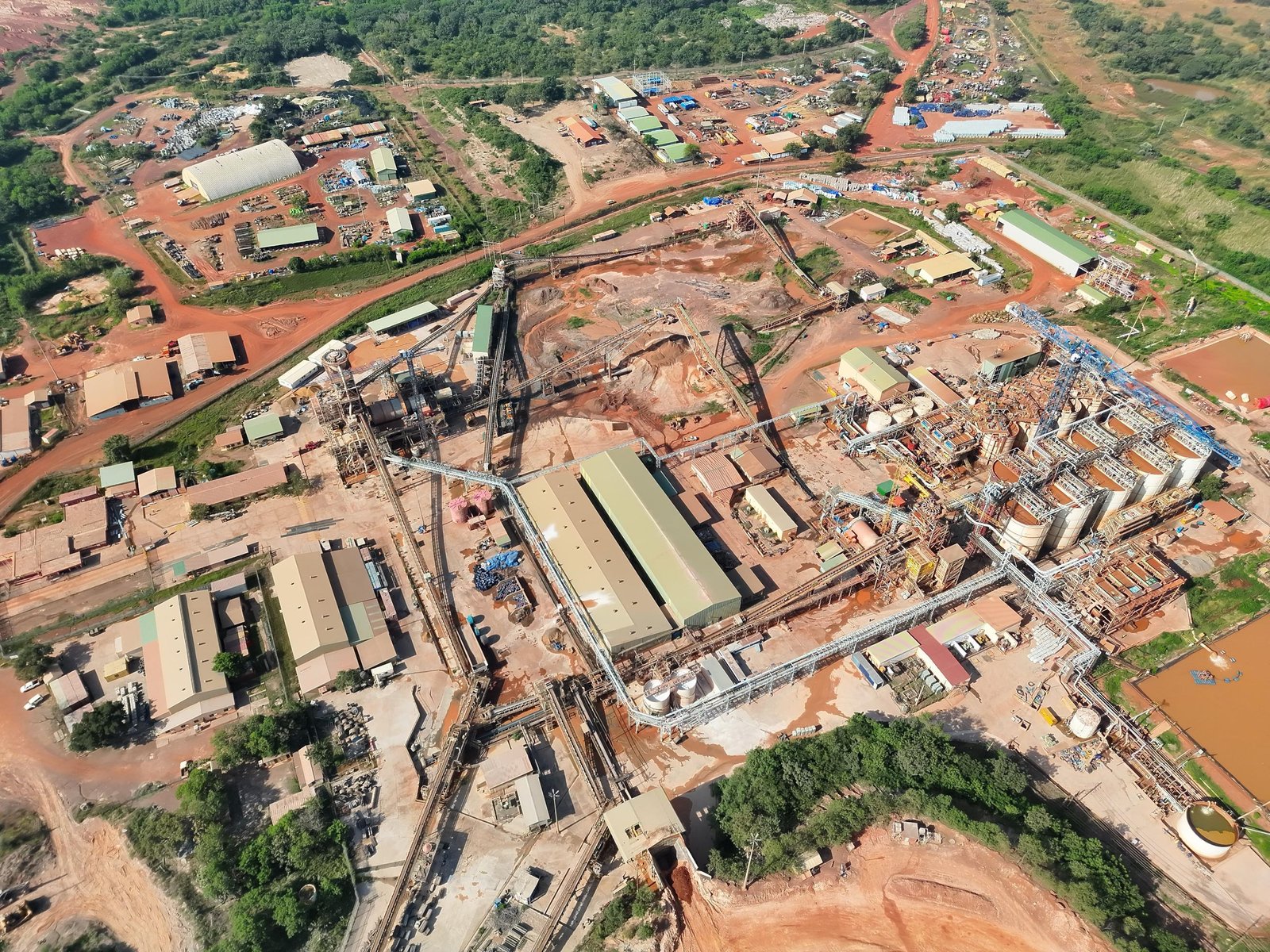
Siguiri is internationally recognized for its rich gold deposits and remains one of Guinea’s most important mining regions. Both industrial mining companies and traditional artisanal miners operate throughout the surrounding countryside searching for gold hidden beneath the earth.
Gold mining has shaped the history, economy, and identity of the region for centuries. Ancient West African empires became wealthy through the gold trade, and Siguiri’s lands were part of these historic networks connecting Africa with global markets.
Visitors traveling through the region can observe mining communities, riverside gold washing, and landscapes transformed by centuries of mineral exploration. Despite the mining activity, much of the surrounding countryside still retains its natural beauty and traditional village life.
The gold of Siguiri continues to make the region economically important within Guinea and West Africa.
🌊 3. Niger River Basin – The Lifeline of Upper Guinea

The region surrounding Siguiri lies within the vast basin of the famous Niger River, one of Africa’s greatest waterways. Rivers and streams flowing through the area support agriculture, fishing, transportation, and rural life across the savannah landscapes of Upper Guinea.
The calm waters and fertile riverbanks create peaceful scenery filled with fishing villages, grazing lands, and agricultural fields. During the rainy season, the rivers become especially important as water nourishes crops and transforms the dry plains into green fertile landscapes.
Travelers exploring the countryside can enjoy beautiful river views, traditional fishing activities, and sunsets reflecting across the water beneath wide African skies.
The river systems of Siguiri remain essential to the region’s economy, ecology, and cultural traditions.
🌾 4. Savannah Landscapes & Rural Traditions – The Peaceful Beauty of Upper Guinea

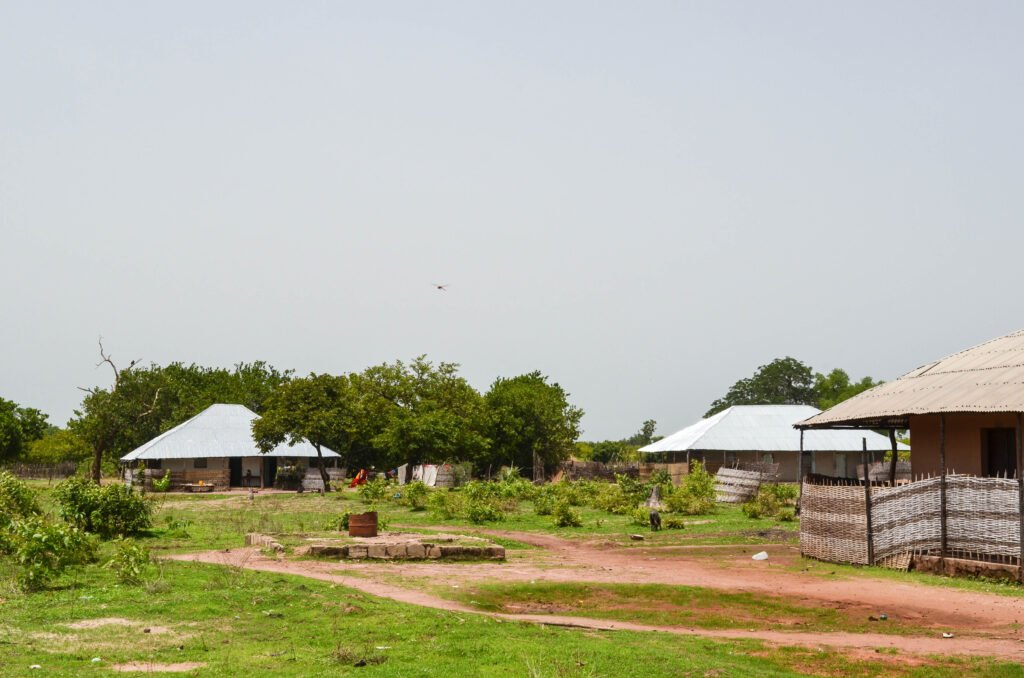
Siguiri is surrounded by vast savannah plains, rolling hills, forests, and agricultural lands that create beautiful natural scenery across northeastern Guinea. Rural communities throughout the region continue traditional farming and cattle-raising practices passed down through generations.
Farmers cultivate rice, millet, corn, peanuts, and cotton while herders guide cattle across open grasslands beneath the tropical sun. The region’s landscapes change dramatically between the dry and rainy seasons, creating different forms of beauty throughout the year.
The slower pace of life and strong connection to nature allow visitors to experience authentic rural Guinea far away from modern urban environments. Traditional villages scattered across the countryside preserve local customs, music, and community traditions.
The peaceful savannah landscapes of Siguiri highlight the timeless beauty of inland West Africa.
🎭 5. Mandinka Culture, Music & Markets – The Living Spirit of Siguiri

Siguiri is deeply connected to Mandinka culture, one of the most influential cultural traditions in West Africa. Music, oral storytelling, dance, and historical traditions remain important parts of social and community life throughout the region.
Traditional griots continue to preserve ancient stories and family histories through music and spoken performances accompanied by instruments such as the kora and balafon. Cultural festivals and celebrations bring communities together through dance, drumming, and colorful clothing.
The city’s markets are lively gathering places where people trade fabrics, spices, jewelry, agricultural products, and handmade crafts while sharing news and traditions from across the region.
The cultural richness of Siguiri reflects the deep heritage and historical importance of Mandinka civilization in West Africa.
Related artical : Top 5 place to visit in Kissidougou