
Now Reading: Top 5 place to visit in Gabú
-
01
Top 5 place to visit in Gabú
Top 5 place to visit in Gabú
🌍 1. Kaabu Empire Historical Sites – The Ancient Kingdom Legacy

Gabú is one of the most historically important towns in Guinea-Bissau because it was once the center of the powerful Kaabu Empire, an ancient Mandinka kingdom that dominated much of the region for centuries.
Visitors interested in African history can explore areas connected to the former empire and learn about the rise of Mandinka civilization, traditional rulers, ancient military systems, and trans-African trade routes. Oral legends and local storytelling traditions continue to preserve the memory of Kaabu’s royal heritage.
The historical atmosphere of Gabú gives travelers a chance to experience one of West Africa’s forgotten ancient kingdoms and understand how the region influenced culture, trade, and politics across surrounding countries.
For history lovers, Gabú is one of the most culturally meaningful destinations in Guinea-Bissau.
🌊 2. Colufe River Area – Peaceful Nature & Fishing Villages

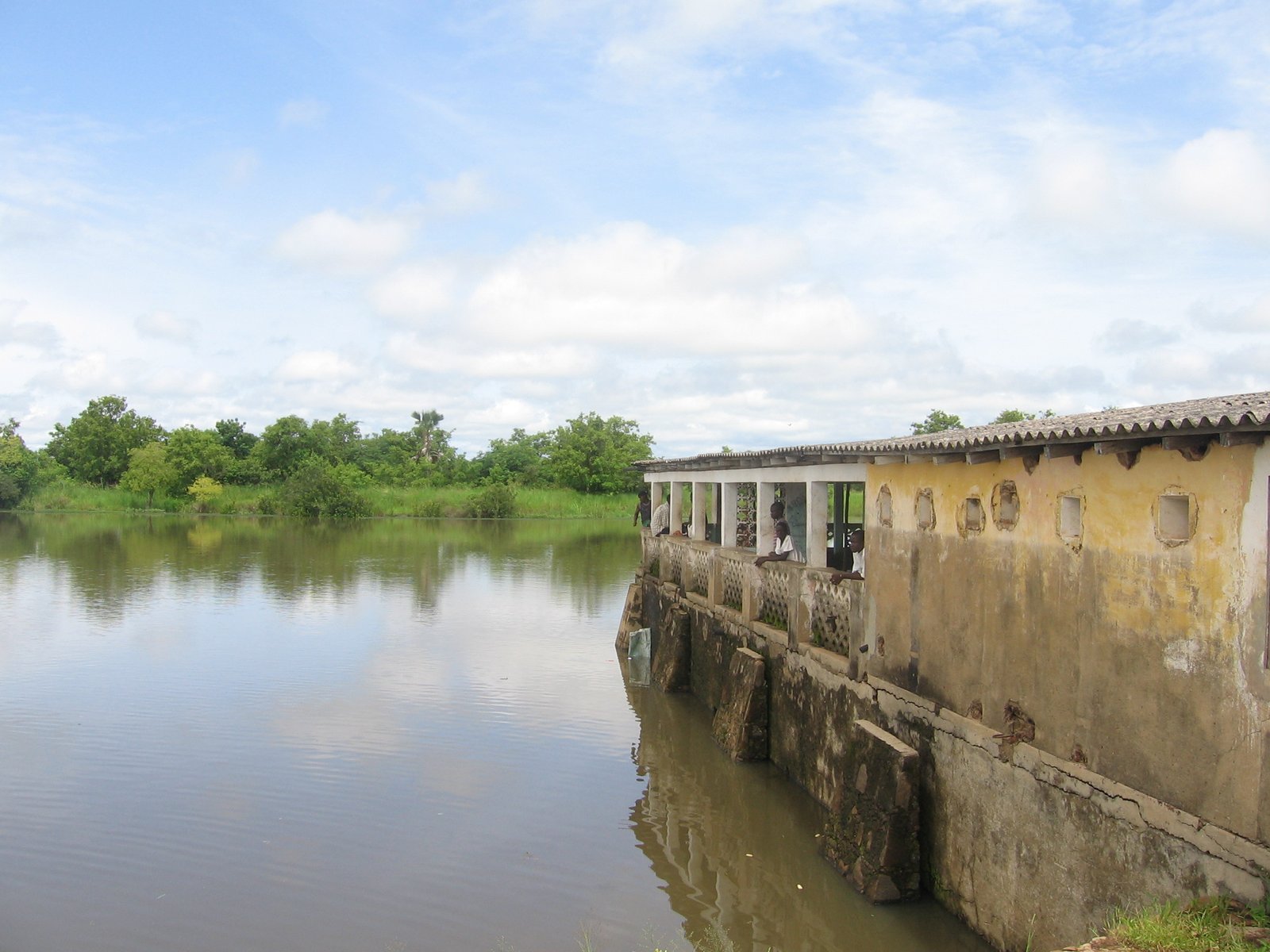
The Colufe River region near Gabú offers peaceful natural beauty filled with riverside villages, green vegetation, fishing communities, and quiet countryside scenery.
The river supports local agriculture and fishing while also creating refreshing landscapes ideal for relaxation and photography. Wooden canoes, traditional fishing methods, and rural riverside life provide visitors with an authentic experience of eastern Guinea-Bissau.
Birdsong, flowing water, and tropical vegetation create a calm atmosphere far away from crowded urban areas. During sunrise and sunset, reflections across the river make the scenery especially beautiful.
Nature lovers visiting Gabú often enjoy the peaceful simplicity of the river region.
🏺 3. Traditional Pottery & Artisan Communities

Several communities around Gabú are known for preserving traditional pottery and handmade craft techniques passed down through generations.
Local artisans create clay pots, cooking containers, decorative objects, woven baskets, leather goods, and handmade tools using traditional methods without modern machinery. Visitors can watch artisans shape clay by hand and learn about the importance of craftsmanship in rural community life.
These artisan villages offer travelers a unique cultural experience focused on creativity, heritage, and local traditions rather than busy city tourism.
The craftsmanship found around Gabú reflects the artistic identity and practical skills of the region’s communities.
🐄 4. Fulani Cattle Regions – The Nomadic Heritage of Gabú

The countryside around Gabú is famous for its Fulani pastoral culture, where cattle herding remains an important part of daily life and regional identity.
Travelers exploring rural areas can see large herds of cattle moving across open savannah landscapes under the guidance of Fulani herders dressed in traditional clothing. This centuries-old lifestyle continues to play an essential role in the economy and cultural traditions of eastern Guinea-Bissau.
The Fulani communities are known throughout West Africa for their strong pastoral traditions, hospitality, and deep connection to livestock and nature.
Experiencing this nomadic and agricultural heritage offers visitors a deeper understanding of traditional West African rural life.
🌄 5. Savannah Sunset Landscapes & Baobab Fields

One of the most beautiful experiences in Gabú is exploring the vast savannah landscapes surrounding the town. Open plains, dry grasslands, scattered baobab trees, and wide African skies create breathtaking scenery throughout the region.
During sunset, the landscape transforms into golden and orange colors as sunlight spreads across the savannah and silhouettes of baobab trees appear against the horizon. These natural views are especially popular among photographers and travelers seeking peaceful environments.
The region’s untouched countryside provides opportunities for scenic drives, walking trails, and quiet moments in nature far from crowded tourist destinations.
The combination of ancient history, river landscapes, artisan culture, pastoral traditions, and dramatic savannah scenery makes Gabú one of the most unique destinations in Guinea-Bissau.
Related artical : Top 5 place to visit in Bafatá