
Now Reading: Top 5 place to visit in Port-au-Prince
-
01
Top 5 place to visit in Port-au-Prince
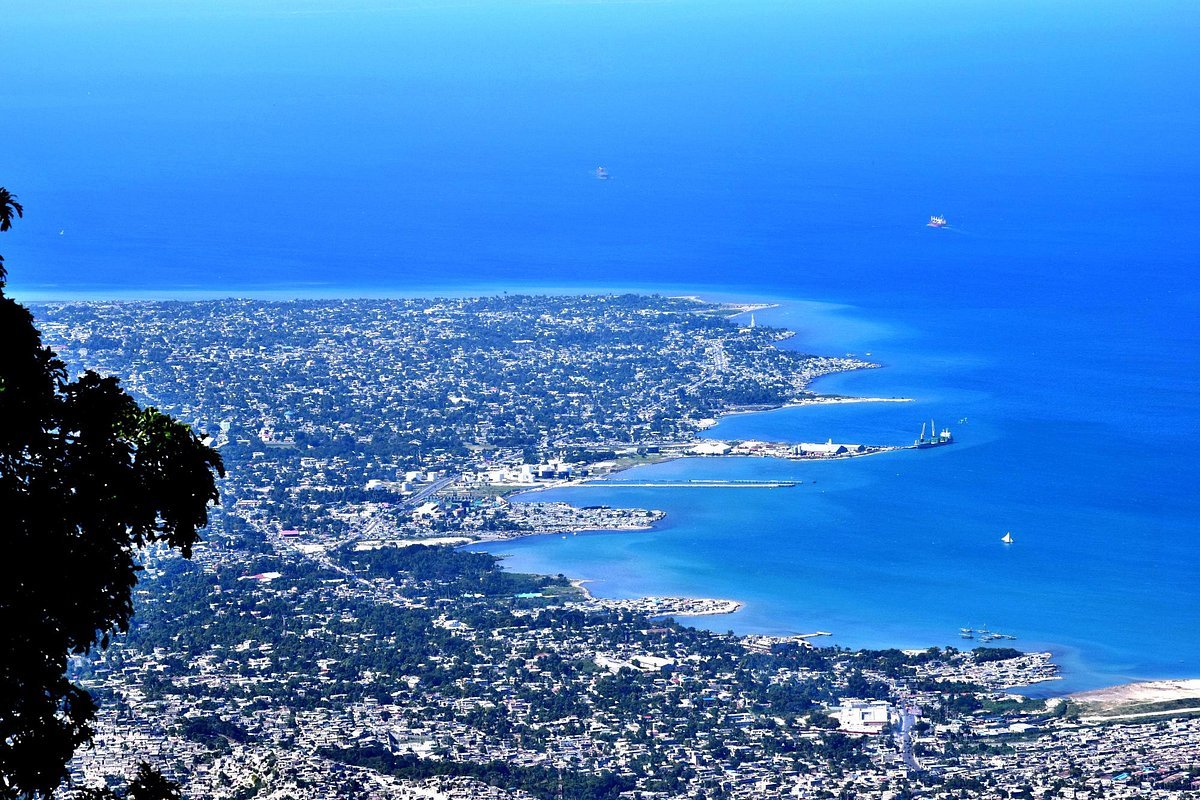
Top 5 place to visit in Port-au-Prince
🏛️ 1. Musée du Panthéon National Haïtien (MUPANAH) – Haiti’s Historical Treasure

The Musée du Panthéon National Haïtien (MUPANAH) is one of the most important cultural institutions in Haiti. Located in the center of Port-au-Prince, the museum preserves and showcases the country’s remarkable history, including its fight for independence and national identity.
Visitors can explore exhibits featuring:
- Artifacts from Haiti’s revolutionary period
- Historical documents and weapons
- Personal belongings of national heroes
- Traditional Haitian cultural displays
One of the museum’s most famous exhibits is the anchor from Christopher Columbus’s ship Santa María, linking Haiti to the earliest European exploration of the Americas.
The museum provides deep insight into Haiti’s role as the first independent Black republic in the world and its powerful revolutionary legacy.
MUPANAH is an essential destination for understanding Haitian history, pride, and resilience.
🎨 2. Iron Market (Marché en Fer) – The Colorful Heart of Local Life

The famous Iron Market, also known as Marché en Fer, is one of the most iconic landmarks in Port-au-Prince. Built during the late 19th century, the market features distinctive red iron architecture and serves as one of the busiest commercial centers in the city.
Inside the market, visitors can find:
- Handmade Haitian crafts
- Paintings and metal artwork
- Tropical fruits and spices
- Traditional clothing and souvenirs
The atmosphere is energetic and colorful, filled with music, conversation, and the scents of Caribbean cuisine.
The market also reflects the creativity and entrepreneurial spirit of Haitian culture. Local artisans sell beautifully crafted works inspired by Haiti’s African heritage, Vodou symbolism, and Caribbean traditions.
Walking through the Iron Market offers travelers an authentic experience of everyday life in Port-au-Prince.
⛪ 3. Cathédrale Notre-Dame de l’Assomption – Symbol of Strength & Recovery

The Cathédrale Notre-Dame de l’Assomption was once one of the most important religious landmarks in Haiti before suffering severe damage during the 2010 earthquake.
Although much of the structure remains in ruins, the cathedral continues to stand as a powerful symbol of resilience, remembrance, and hope for the Haitian people.
The cathedral’s remaining walls and towers reflect both French-inspired architecture and the historical importance of Christianity within Haitian society.
Visitors to the site often experience a deep sense of reflection while learning about:
- Haiti’s historical struggles
- The impact of natural disasters
- Community rebuilding efforts
- National resilience and unity
The cathedral remains an emotional and historically significant landmark in the heart of Port-au-Prince.
🌄 4. Kenscoff & Mountain Views – Cool Air Above the Capital

Located in the mountains above Port-au-Prince, Kenscoff offers a refreshing escape from the busy streets and tropical heat of the capital city.
Known for its cooler climate, green hills, and panoramic views, Kenscoff is famous for:
- Flower farms and gardens
- Scenic mountain landscapes
- Local agricultural markets
- Peaceful hiking opportunities
The winding mountain roads provide breathtaking views of Port-au-Prince, the Caribbean coastline, and surrounding valleys.
Because of its elevation, Kenscoff feels calmer and more relaxed than the crowded capital below. Many visitors come here to enjoy nature, fresh air, and beautiful scenery.
The mountain region demonstrates the geographic diversity and natural beauty that surround Haiti’s capital.
🎶 5. Haitian Art, Music & Cultural Life – The Soul of Port-au-Prince

Port-au-Prince is considered the artistic and cultural center of Haiti. Music, painting, dance, literature, and storytelling are deeply woven into everyday life throughout the city.
The capital is especially famous for:
- Vibrant Haitian paintings
- Metal drum and recycled art sculptures
- Kompa and rara music traditions
- Colorful street murals and performances
Art galleries and cultural spaces throughout the city showcase works inspired by Haitian spirituality, history, nature, and daily life.
Music fills the streets during festivals and celebrations, while local artists continue preserving Haiti’s unique creative traditions despite economic and social challenges.
The cultural energy of Port-au-Prince reveals the strength, imagination, and spirit of the Haitian people.
Related artical : Top 5 place to visit in Tumatumari