
Now Reading: Top 5 place to visit in Jérémie
-
01
Top 5 place to visit in Jérémie
Top 5 place to visit in Jérémie
🌊 1. Jérémie Coastline – Caribbean Beauty & Peaceful Beaches

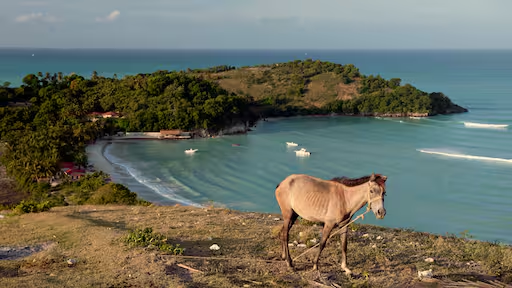
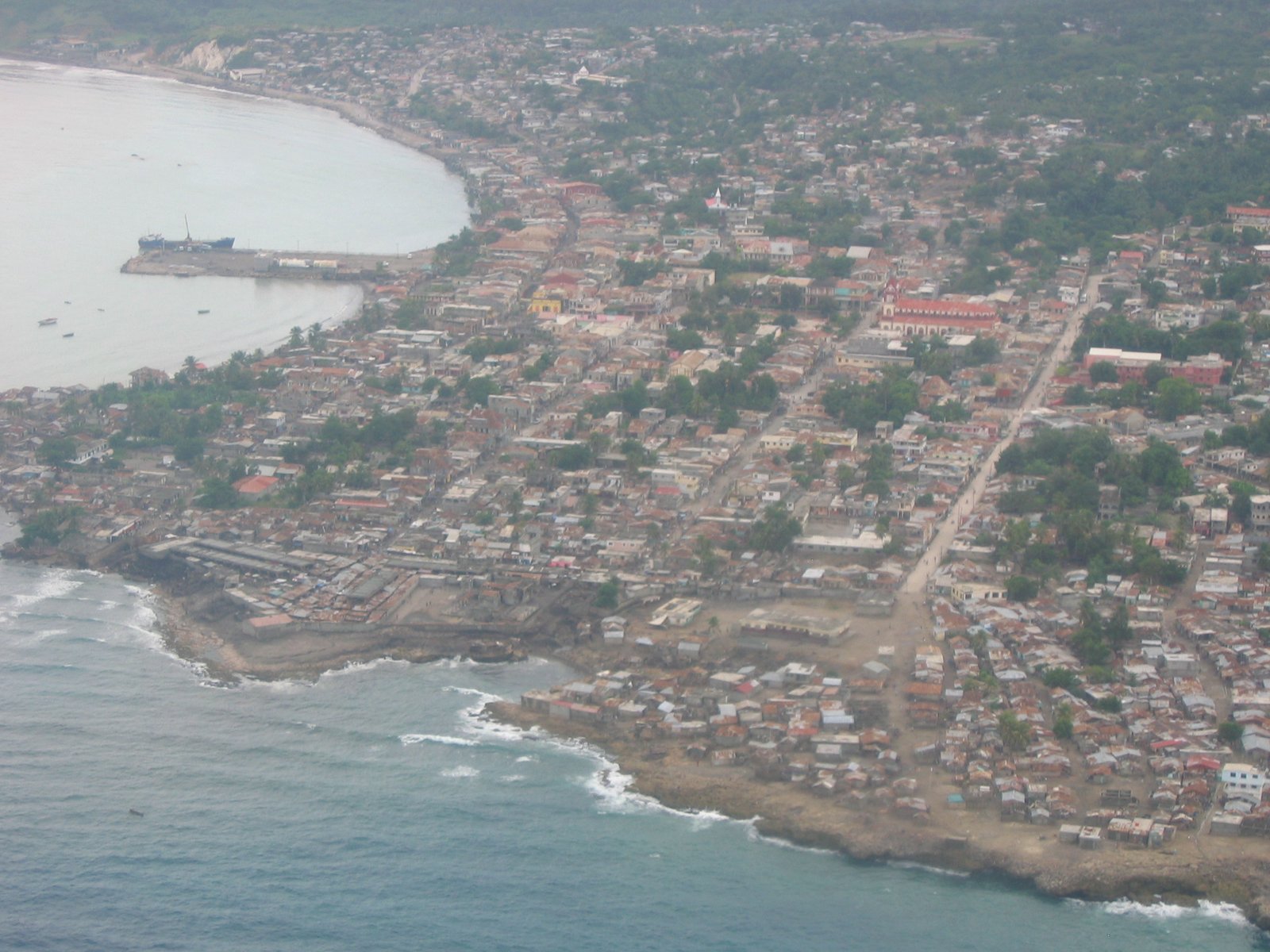
The coastline surrounding Jérémie is one of the most naturally beautiful regions in Haiti, offering peaceful Caribbean scenery, sandy beaches, tropical vegetation, and breathtaking ocean views. Located in the Grand’Anse department on Haiti’s southwestern peninsula, Jérémie is often called the “City of Poets” because of its cultural importance and calm atmosphere. Unlike the busier urban centers of Haiti, Jérémie provides travelers with a quieter and more relaxing coastal environment where nature and traditional lifestyles remain deeply connected.
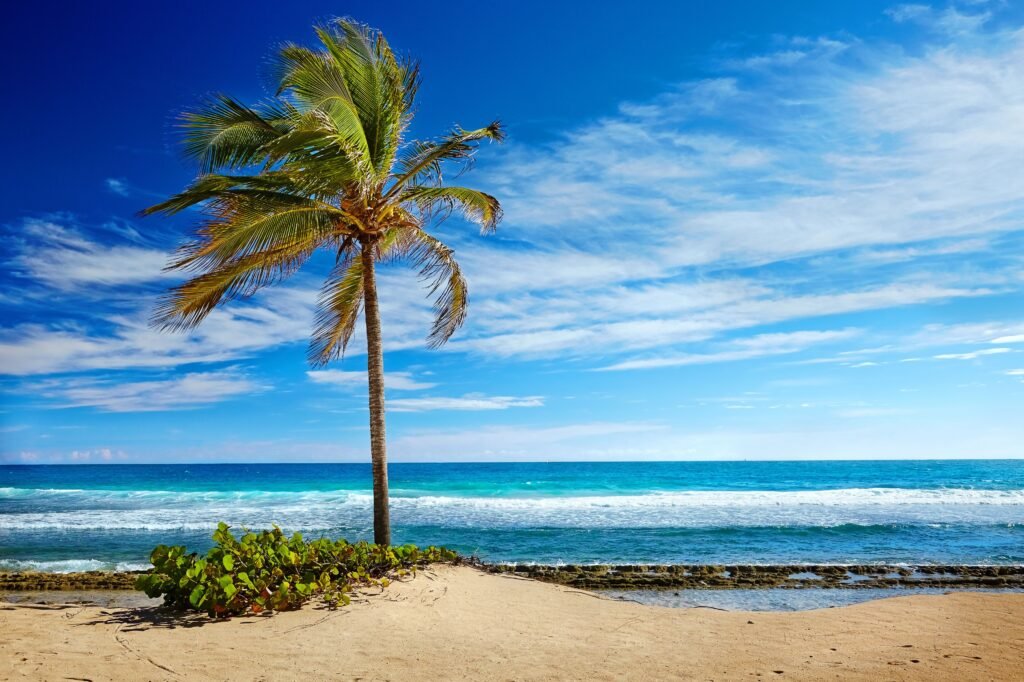
The beaches near Jérémie are known for their untouched beauty and peaceful surroundings. Coconut palms line the shore while fishing boats gently float on the Caribbean Sea beneath warm tropical skies. Visitors can enjoy swimming, walking along the coastline, photography, or simply relaxing while listening to the sound of waves and sea breezes. During sunset, the coastal scenery becomes especially magical as golden and orange light reflects across the calm water.
Fishing plays a major role in the local economy, and many coastal communities continue traditional Caribbean fishing practices that have existed for generations. Fresh seafood is commonly served in local restaurants, including fish, lobster, conch, and spicy Haitian dishes flavored with tropical ingredients.
The natural beauty of Jérémie’s coastline offers travelers a peaceful escape while showcasing the rich Caribbean landscapes that make southern Haiti so visually remarkable.
📚 2. Historic Jérémie – Haiti’s “City of Poets”

Jérémie is famous throughout Haiti for its literary and intellectual history, earning the nickname “City of Poets.” The city has produced many important Haitian writers, poets, philosophers, and political thinkers who helped shape the country’s cultural identity over the centuries. Walking through the historic streets of Jérémie reveals a blend of Caribbean charm, colonial influence, and artistic heritage that gives the city a unique personality compared to other Haitian destinations.
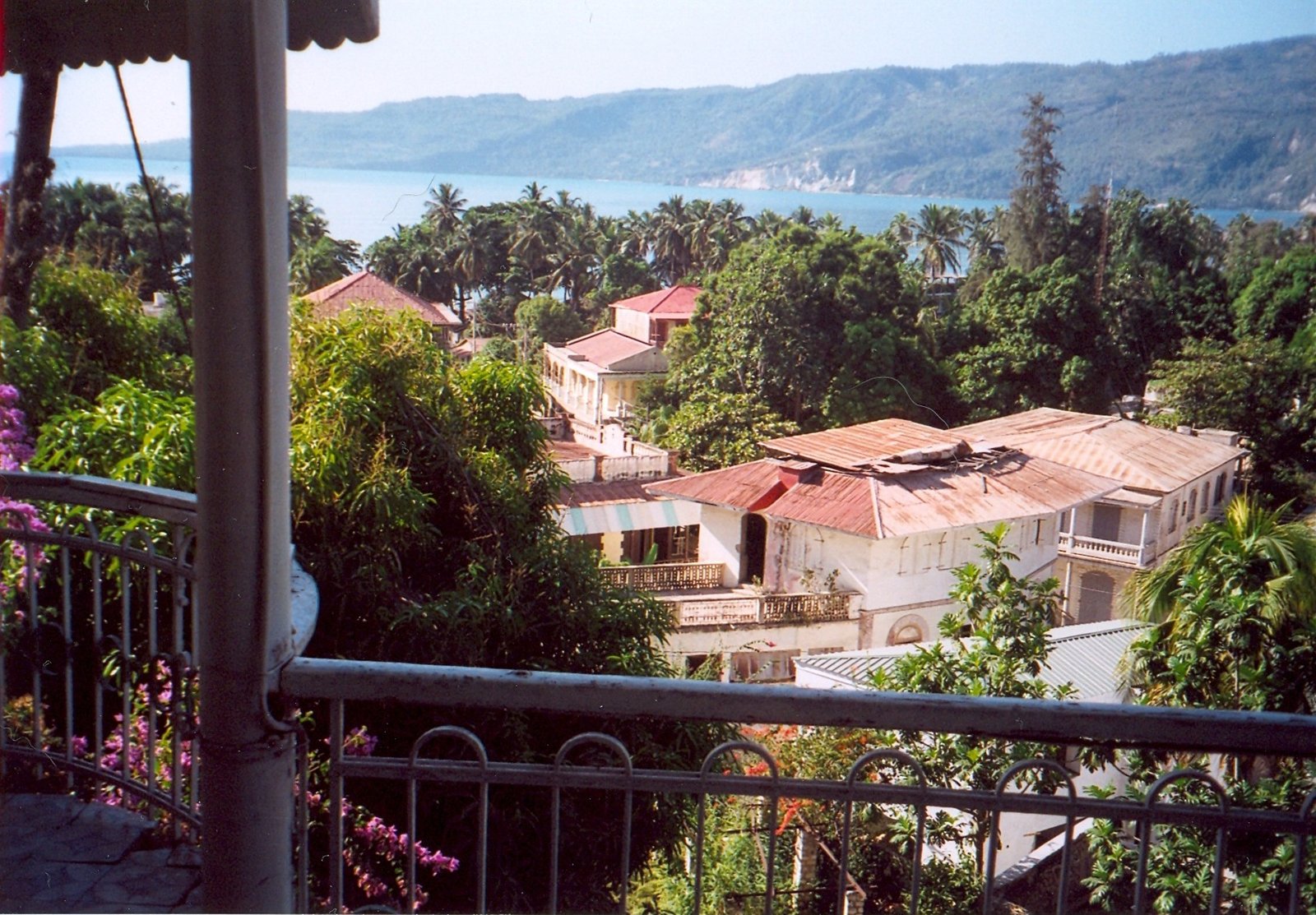
The architecture of Jérémie reflects French colonial traditions with colorful houses, balconies, old churches, and narrow streets that preserve much of the city’s historical atmosphere. Many buildings feature elegant wooden details and decorative facades that reflect the prosperity and cultural development of the region during earlier periods of Haitian history.
Literature, storytelling, music, and education continue to play important roles in the community. Local residents often take pride in the city’s intellectual traditions and cultural contributions to Haiti. Travelers exploring Jérémie can experience peaceful plazas, community gatherings, local markets, and everyday street life that reveal the warmth and hospitality of the local population.
The city’s slower pace and artistic atmosphere make it especially attractive for visitors seeking authentic Haitian culture away from crowded tourist areas. Jérémie’s historical and literary importance continues to inspire pride throughout the region today.
🌴 3. Dame-Marie & Nearby Coastal Villages – Traditional Caribbean Life

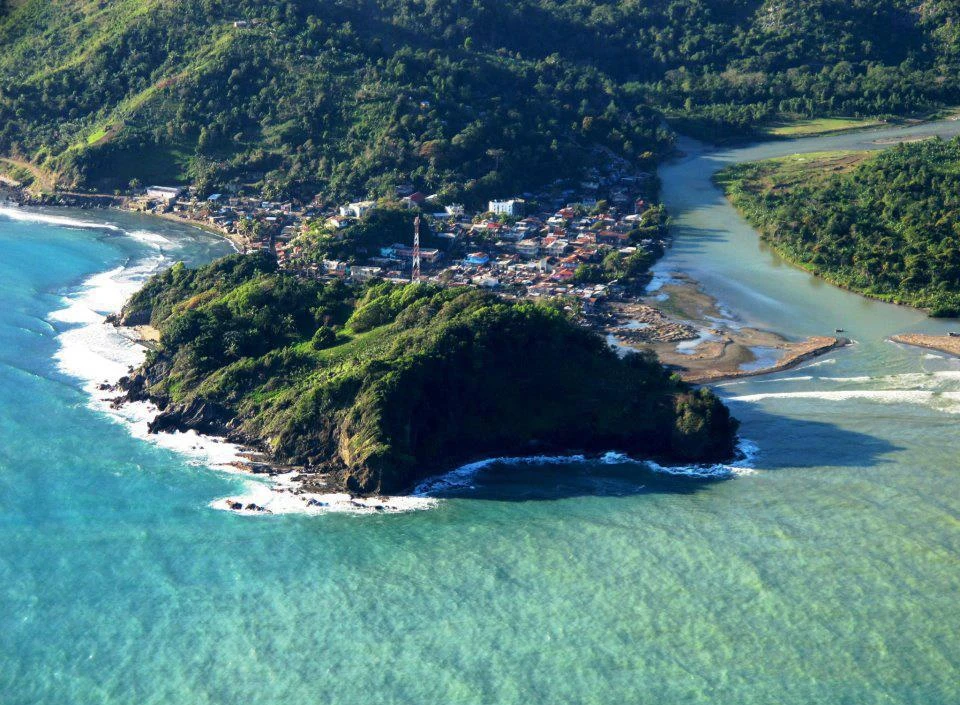
The coastal villages surrounding Jérémie, including Dame-Marie and other nearby communities, provide visitors with a glimpse into traditional Caribbean life in southwestern Haiti. These villages are surrounded by tropical forests, mountain scenery, fishing beaches, and agricultural land that create peaceful and picturesque environments far removed from modern urban life.
Fishing remains central to the local economy and culture. Wooden boats, handmade fishing nets, and colorful seaside markets reflect generations of connection between local communities and the Caribbean Sea. Early mornings are especially beautiful as fishermen head out onto calm waters while sunlight slowly rises above the coastline.
The villages are also known for their strong community traditions, music, storytelling, and local cuisine. Visitors can experience authentic Haitian hospitality while enjoying freshly prepared seafood, tropical fruits, and traditional meals made with local ingredients.
Roads through the coastal region offer stunning views of cliffs, mountains, palm trees, and ocean landscapes that change dramatically throughout the day. During sunset, the scenery becomes particularly breathtaking as golden light spreads across the sea and surrounding hills.
Exploring the coastal villages near Jérémie allows travelers to experience the peaceful rhythms of daily life and the natural beauty of Haiti’s southwestern peninsula.
🌄 4. Macaya Biosphere Region – Mountains, Rainforest & Biodiversity

The mountainous region near Jérémie includes part of the important Macaya Biosphere area, one of Haiti’s richest natural environments and a major center of biodiversity in the Caribbean. Dense tropical forests, mountain ridges, rivers, waterfalls, and cool highland climates create dramatic scenery filled with rare plant and animal species.
The forests surrounding the Macaya region are home to exotic birds, butterflies, reptiles, and unique vegetation found only in Haiti. Hiking trails and mountain paths provide opportunities for eco-tourism, photography, and exploration of untouched natural landscapes that remain relatively unknown to international travelers.
The region also plays a vital environmental role by protecting watersheds, forests, and ecosystems that support nearby communities. Local farmers in the mountains cultivate coffee, fruits, vegetables, and medicinal plants using traditional agricultural methods adapted to the rugged terrain.
Travelers visiting the mountains around Jérémie often appreciate the cool temperatures, peaceful atmosphere, and panoramic views stretching across forests and the Caribbean coastline in the distance. The combination of mountains and sea gives the region exceptional natural diversity and beauty.
The Macaya Biosphere region highlights the ecological richness of Haiti and demonstrates that the country possesses far more natural beauty than many people realize.
🎨 5. Local Markets & Haitian Culture – Everyday Life in Jérémie

The markets and streets of Jérémie offer visitors an authentic look into Haitian culture, traditions, and community life. Local markets are filled with colorful fruits, vegetables, seafood, spices, handmade crafts, and traditional foods that reflect the agricultural richness of the Grand’Anse region.
Walking through the city allows travelers to experience lively conversations, Caribbean music, and the strong sense of community that defines Haitian society. Vendors sell fresh mangoes, bananas, cassava, sugar cane products, and local dishes prepared using traditional recipes passed down through generations.
Art and creativity are deeply connected to life in Jérémie. Music, storytelling, poetry, and painting remain important forms of cultural expression throughout the region. Festivals and religious celebrations often fill the streets with dancing, drumming, and colorful decorations that showcase Haiti’s African and Caribbean cultural heritage.
The people of Jérémie are widely known for their hospitality, warmth, and strong local pride. Despite economic and environmental challenges, the city continues to preserve its rich cultural traditions and peaceful atmosphere.
Exploring the markets and neighborhoods of Jérémie provides travelers with meaningful insight into everyday Haitian life while revealing the resilience and creativity that continue to shape the region today.
Related artical :Top 5 place to visit in Jacmel