
Now Reading: Top 5 place to visit in Hinche
-
01
Top 5 place to visit in Hinche
Top 5 place to visit in Hinche
🏞️ 1. Bassin Zim – Hinche’s Spectacular Natural Wonder

Bassin Zim is one of the most famous natural attractions in central Haiti and undoubtedly the crown jewel of the Hinche region. Surrounded by tropical vegetation, rocky cliffs, caves, and forest landscapes, Bassin Zim is known for its breathtaking waterfall and deep natural pool that create one of the country’s most beautiful freshwater destinations. The waterfall cascades dramatically into cool blue-green water beneath a large natural rock formation, creating a peaceful and refreshing environment for visitors seeking nature and adventure.
The site is not only admired for its beauty but also for its cultural and historical importance. Local legends and spiritual traditions are connected to the area, and many Haitians consider Bassin Zim a place of mystery and natural energy. Visitors can swim beneath the waterfall, explore nearby caves, cross hanging bridges, or enjoy scenic walks through the surrounding forest trails. The sound of rushing water combined with tropical birds and cool mountain air creates a calm atmosphere that feels far removed from busy urban life.
The journey to Bassin Zim also offers beautiful views of rural Haiti, including farmland, rivers, and mountain landscapes surrounding Hinche. For photographers and nature lovers, the contrast between the lush greenery and flowing waterfall creates unforgettable scenery. Bassin Zim perfectly represents the hidden natural beauty that exists throughout Haiti’s interior regions.
⛪ 2. Hinche Cathedral – Spiritual & Historical Center of the City

The Hinche Cathedral is one of the city’s most important religious and architectural landmarks. Located in the center of Hinche, the cathedral serves as a major spiritual gathering place for local residents and reflects the strong religious traditions found throughout Haiti. The church’s architecture combines simple Caribbean design with colonial-era influence, featuring tall towers, elegant windows, and spacious interiors that create a peaceful atmosphere for worship and reflection.
Religion plays an important role in everyday life in Hinche, and the cathedral hosts community celebrations, weddings, religious festivals, and important ceremonies throughout the year. During Christian holidays, the church becomes filled with music, prayer, and cultural traditions that demonstrate the deep connection between spirituality and Haitian society.
The area surrounding the cathedral is also lively and culturally rich. Markets, small businesses, and local food vendors create an energetic atmosphere where visitors can observe daily life in the city. Walking through the neighborhood provides opportunities to interact with local residents and experience the warmth and hospitality that define the Hinche community.
The cathedral remains a symbol of resilience and unity for the people of Hinche, standing proudly through decades of political and environmental challenges faced by Haiti.
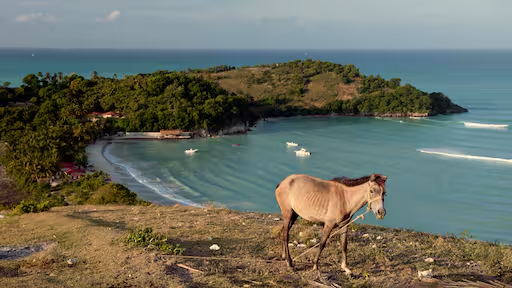
🌄 3. Central Plateau Mountains – Scenic Countryside & Rural Beauty

Hinche is located within Haiti’s beautiful Central Plateau region, an area known for its rolling mountains, green valleys, rivers, and rural agricultural landscapes. The countryside surrounding the city offers some of the most peaceful and scenic environments in Haiti, where traditional farming communities remain closely connected to nature and local customs.
The mountains and valleys around Hinche are filled with fertile farmland where local families grow corn, beans, sugar cane, cassava, bananas, and tropical fruits. Small villages scattered throughout the hills preserve traditional lifestyles that have changed very little over generations. Travelers exploring the countryside can observe farmers working the land, livestock grazing near rivers, and colorful rural markets filled with local produce.
The mountain scenery becomes especially beautiful during sunrise and sunset when warm golden light spreads across the valleys and hillsides. Cool breezes, open landscapes, and panoramic viewpoints create excellent opportunities for photography, hiking, and eco-tourism.
Unlike Haiti’s crowded coastal cities, the Central Plateau offers visitors a slower pace of life and a deeper connection to the country’s rural traditions and natural beauty. The landscapes surrounding Hinche reveal a peaceful side of Haiti that many international travelers rarely experience.
🎨 4. Local Markets & Cultural Traditions – Everyday Life in Hinche

The local markets of Hinche provide one of the best opportunities to experience authentic Haitian culture and daily community life. Markets are central to the city’s economy and social atmosphere, bringing together farmers, artisans, merchants, and families from surrounding villages to buy and sell goods.
Colorful stalls are filled with tropical fruits, vegetables, handmade baskets, spices, clothing, livestock, and traditional Haitian foods. The sounds of conversation, music, and bargaining create a lively environment filled with energy and cultural expression. Visitors walking through the markets can observe local traditions, regional dialects, and the strong sense of community that defines life in the Central Plateau.
Food plays a major role in the market experience. Traditional dishes such as rice and beans, fried plantains, cassava bread, spicy sauces, and grilled meats are commonly prepared using local ingredients and family recipes passed down through generations.
Music and storytelling also remain important parts of life in Hinche. Religious festivals, community celebrations, and local gatherings often include drumming, singing, and dance performances that reflect Haiti’s African cultural heritage.
The markets of Hinche reveal the resilience, creativity, and warmth of Haitian society while providing visitors with a meaningful connection to local culture.
🏛️ 5. Historic Heritage & Revolutionary Importance – Hinche’s Place in Haitian History

Hinche holds an important place in Haiti’s historical and political development. Located in the country’s interior, the city played a role during the Haitian Revolution and later became an important regional center for trade, agriculture, and administration within the Central Plateau.
Many historical influences remain visible through the city’s older buildings, churches, plazas, and community traditions. Hinche’s location made it an important connection point between rural mountain communities and larger urban regions throughout Haiti’s history.
The city is also known for preserving strong cultural traditions connected to family, agriculture, religion, and local identity. Oral storytelling, traditional music, and historical memory continue to shape the character of the community today.
Visitors exploring Hinche can gain a deeper understanding of Haiti beyond the country’s coastal tourism destinations. The city reflects the strength of rural Haitian society and the historical importance of the interior regions in shaping the nation’s identity.
Hinche’s combination of history, mountain scenery, cultural traditions, and natural beauty makes it one of the most authentic and meaningful destinations in central Haiti.
Related artical : Top 5 place to visit in Jérémie