
Now Reading: Top 5 place to visit in Carrefour
-
01
Top 5 place to visit in Carrefour
Top 5 place to visit in Carrefour
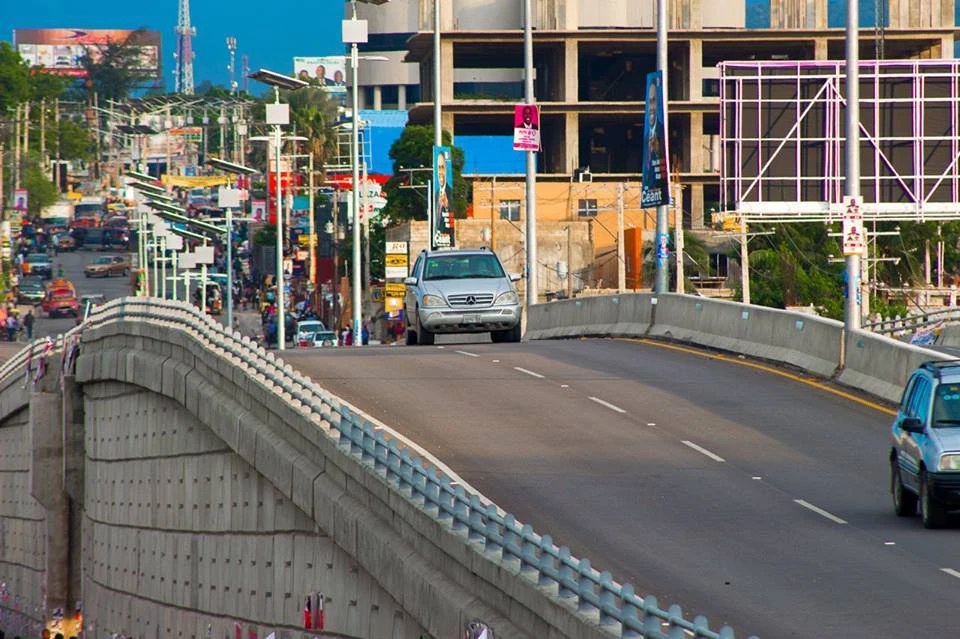
🏙️ 1. Carrefour City Center – Bustling Urban Life of Southern Port-au-Prince

Carrefour is one of the largest communes in the Port-au-Prince metropolitan area and is known for its busy streets, dense neighborhoods, and active commercial life. Located on the southern edge of the capital region, Carrefour serves as an important connection point between the city center and Haiti’s southern coastal routes.
The city center is filled with markets, small shops, roadside vendors, transportation hubs, and residential areas that create a constantly active urban environment. Tap-tap buses, motorcycles, and pedestrians move through narrow streets while local businesses operate from early morning until night.
Carrefour reflects the everyday reality of urban Haitian life, where people depend on small businesses, trade, and informal markets for their livelihoods. Despite challenges, the community is known for its resilience, energy, and strong social connections.
Visitors can experience authentic street culture, local food, and daily interactions that show the vibrant side of Haiti’s capital region. Carrefour offers a true look into the rhythm of Haitian urban living, shaped by both tradition and modern development.
🏘️ 2. Local Markets & Street Culture – The Heart of Community Life
The markets of Carrefour are central to the city’s identity and daily life. These markets bring together farmers, traders, artisans, and food vendors who sell everything from fresh produce to clothing, household goods, and handmade items.
Colorful stalls line the streets, filled with tropical fruits, vegetables, spices, seafood, rice, beans, and traditional Haitian products. The market atmosphere is lively, with constant movement, bargaining, music, and conversation filling the air.
Street food is a major highlight in Carrefour. Visitors can enjoy griot (fried pork), fried plantains, rice and beans, pikliz (spicy pickled vegetables), fresh juices, and grilled snacks prepared by local vendors.
Music is also an important part of market life. Kompa, gospel, and traditional rhythms are often heard from shops and street corners, creating a lively Caribbean atmosphere that reflects Haitian culture and identity.
The markets of Carrefour offer a powerful glimpse into the resilience, creativity, and entrepreneurial spirit of the local population.
⛪ 3. Churches & Community Spaces – Spiritual Life in Carrefour

Religion plays a very important role in Carrefour, where churches and community spaces serve as centers for spiritual life, education, and social support. Across the commune, Christian churches bring people together for worship, festivals, and community events.
Church buildings range from simple neighborhood chapels to larger congregations with active programs supporting education, charity, and youth development. Sundays are especially vibrant, with singing, drumming, and energetic services reflecting Haiti’s deep spiritual traditions.
Community life in Carrefour is closely tied to these religious institutions. They often provide assistance during difficult times, organize events, and strengthen relationships among residents.
Cultural and religious celebrations frequently include music, dance, and traditional expressions that combine African heritage with Caribbean Christian practices.
These spaces highlight the importance of faith, unity, and cultural identity in everyday life throughout Carrefour.
🌄 4. Hills & Elevated Views – Natural Landscape Around the City

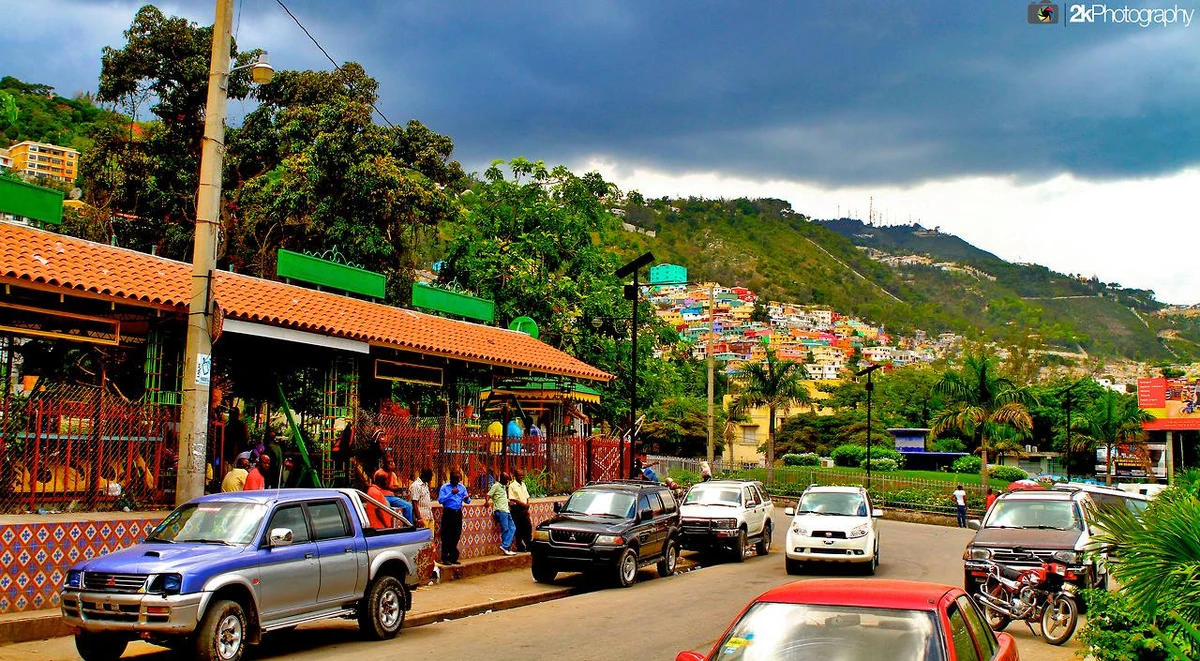
Carrefour is surrounded by hills and elevated landscapes that offer scenic views of the Port-au-Prince metropolitan region and nearby coastal areas. These natural elevations create a striking contrast between dense urban neighborhoods and green mountain terrain.
From higher points around Carrefour, visitors can see sweeping views of the city, ocean distance, and surrounding valleys. Sunrise and sunset are especially beautiful, as golden light spreads across rooftops, hills, and distant landscapes.
Some hillside areas include small communities, gardens, and natural vegetation that provide a quieter environment away from the busy city center. These spaces also offer cooler temperatures and refreshing breezes.
During the rainy season, the hills become greener and more vibrant, enhancing the natural beauty of the region. The combination of urban life and surrounding nature makes Carrefour visually dynamic and geographically diverse.
These elevated areas are ideal for photography, sightseeing, and understanding the layout of Haiti’s capital region.
🏞️ 5. Cultural Identity & Urban Haitian Lifestyle – Everyday Resilience
Carrefour represents modern Haitian urban culture shaped by resilience, creativity, and strong community ties. The commune is home to families, workers, students, and entrepreneurs who contribute to the vibrant social and economic life of the capital region.
Daily life in Carrefour reflects both challenges and strengths of urban Haiti. People rely on local businesses, informal markets, and community networks to support their livelihoods while maintaining strong cultural traditions.
Music, art, and storytelling remain important parts of life in the city. Kompa music, gospel performances, and street celebrations reflect Haiti’s cultural richness and African-Caribbean heritage.
Despite difficulties, Carrefour continues to show strong community spirit, adaptability, and creativity. Neighborhood gatherings, religious festivals, and cultural events bring people together and reinforce social unity.
For visitors, Carrefour offers a meaningful opportunity to understand real urban Haitian life—dynamic, hardworking, and deeply connected to cultural identity and community strength.
Related artical : Top place to visit in Delmas