
Now Reading: Best place to visit in Tidjikja
-
01
Best place to visit in Tidjikja
Best place to visit in Tidjikja
1. Tidjikja Old Town

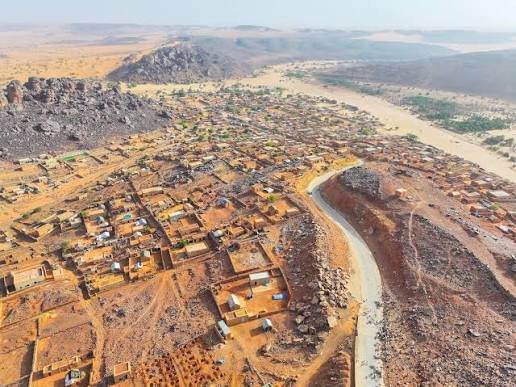
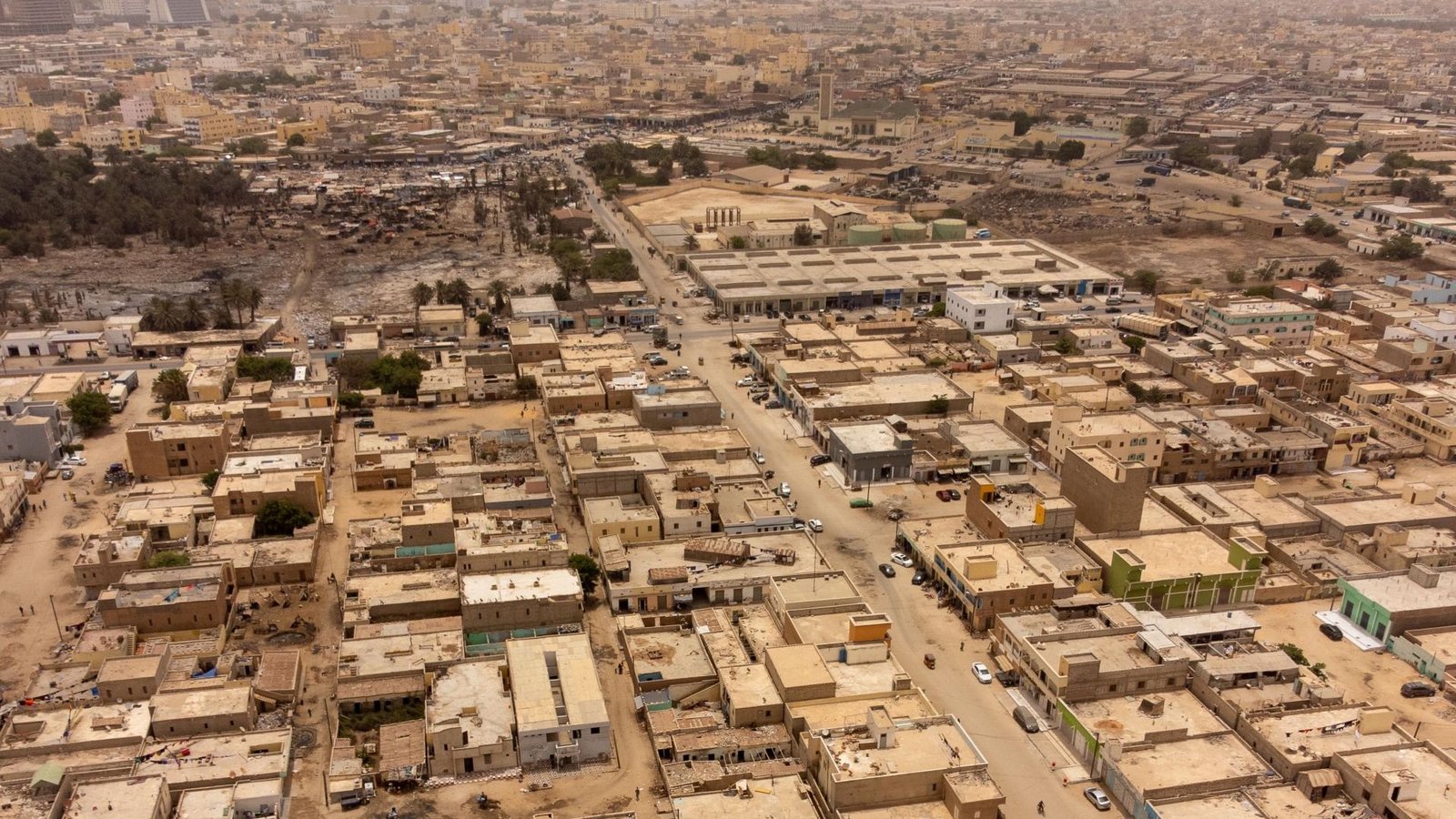
Tidjikja Old Town is the historic heart of the city and one of the most fascinating cultural destinations in central Mauritania. Founded in the 17th century, the town is famous for its traditional stone and mud-brick architecture, narrow alleyways, ancient homes, and centuries-old Islamic heritage. Walking through the old quarter feels like stepping back in time, where every street reflects the city’s rich history as an important stop along the trans-Saharan caravan routes.
Visitors can admire beautifully preserved traditional buildings, visit local artisan workshops, and explore quiet neighborhoods where Mauritanian culture has remained largely unchanged for generations. The town is also known for its hospitality, offering travelers the chance to meet local residents, enjoy traditional mint tea, and learn about the customs, history, and desert lifestyle that continue to shape Tidjikja today. The peaceful atmosphere and authentic Saharan architecture make the Old Town one of Mauritania’s hidden cultural treasures.
2. Tagant Plateau

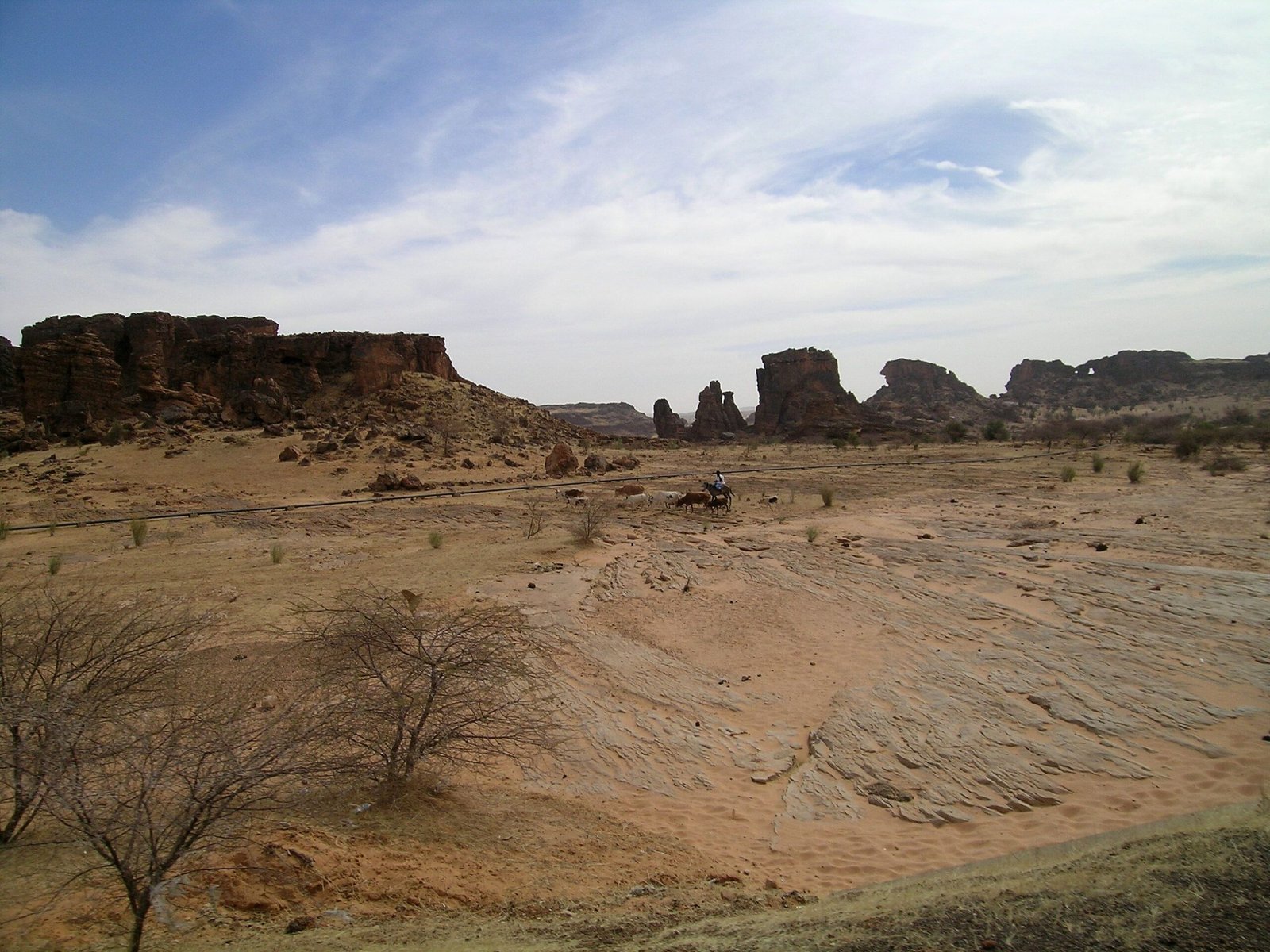
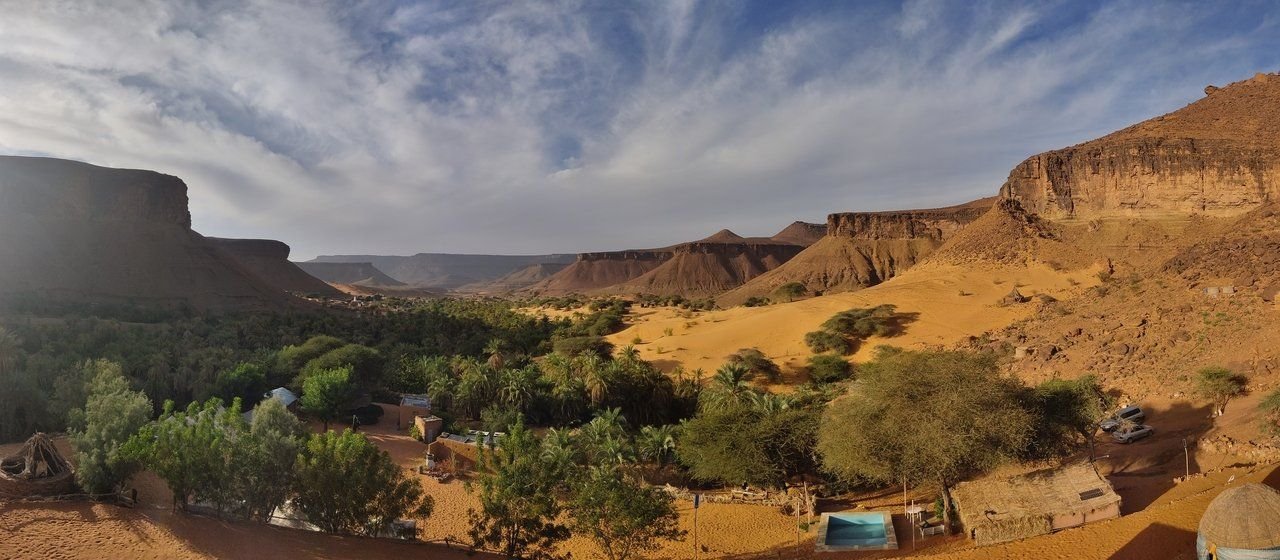
The magnificent Tagant Plateau surrounds Tidjikja and is one of Mauritania’s most spectacular natural landscapes. This vast elevated region is characterized by dramatic sandstone cliffs, rocky escarpments, deep valleys, desert plains, and breathtaking panoramic viewpoints overlooking the Sahara. The plateau offers incredible scenery that attracts photographers, hikers, geologists, and adventure travelers.
Visitors can explore ancient rock formations, hike through scenic canyons, and admire the unique desert environment that changes color throughout the day. During sunrise and sunset, the plateau glows with brilliant shades of orange, red, and gold, creating unforgettable landscapes that showcase the raw beauty of Mauritania.
3. Tidjikja Date Palm Oasis

Tidjikja is famous throughout Mauritania for its beautiful date palm groves and fertile oasis landscapes. Surrounded by towering palm trees, natural springs, and traditional irrigation channels, the oasis provides a refreshing contrast to the surrounding Sahara Desert.
Visitors can enjoy peaceful walks beneath the palm trees while learning about traditional date cultivation and oasis farming techniques that have supported local communities for centuries. The lush greenery, shaded pathways, and tranquil atmosphere make the oasis one of the most relaxing places to visit in the region.
4. Ancient Caravan Route

For centuries, Tidjikja played an important role in the trans-Saharan caravan trade connecting North Africa with West Africa. Merchants transported gold, salt, textiles, spices, and other valuable goods across the desert, making the city an important commercial and cultural center.
Visitors can explore historic caravan landscapes while learning about the remarkable journeys made by camel caravans that crossed the Sahara long before modern transportation. The surrounding desert still preserves much of the atmosphere that once defined these legendary trade routes.
5. Traditional Market

Tidjikja’s traditional market is a lively gathering place where local residents buy and sell dates, spices, leather goods, silver jewelry, woven textiles, pottery, handcrafted tools, and traditional Mauritanian clothing. The market reflects the city’s rich trading history and continues to serve as an important commercial center for the surrounding region.
Visitors can browse authentic handmade products, interact with local merchants, and experience the welcoming atmosphere of one of Mauritania’s historic desert towns.
6. Rock Art Sites

The Tagant region surrounding Tidjikja contains several prehistoric rock art sites that offer fascinating insight into ancient civilizations that once inhabited the Sahara. These remarkable engravings and paintings depict wildlife, human figures, cattle, hunting scenes, and daily life from thousands of years ago, when the Sahara was much greener than it is today.
Visitors interested in archaeology and history can explore these ancient sites while learning about the region’s prehistoric past and the changing climate of North Africa.
7. Desert Sand Dunes

The Sahara Desert surrounding Tidjikja offers endless expanses of golden sand dunes that create some of the most beautiful desert scenery in Mauritania. Visitors can enjoy camel trekking, hiking, sandboarding, photography, and guided 4×4 desert tours while exploring the vast open landscapes.
The dunes are especially spectacular during sunrise and sunset, when changing light creates dramatic shadows and vibrant colors across the sand.
8. Traditional Nomadic Camp

The desert surrounding Tidjikja is home to traditional nomadic communities that continue to preserve their ancient Saharan lifestyle. Visitors can experience authentic desert hospitality while learning about camel herding, handcrafted goods, traditional cuisine, music, storytelling, and life beneath the desert stars.
Sharing mint tea with local families provides an unforgettable cultural experience and a deeper understanding of Mauritania’s nomadic heritage.
9. Tagant Desert Wildlife Areas

Although largely desert, parts of the Tagant region support unique desert wildlife including gazelles, desert foxes, reptiles, migratory birds, and numerous hardy plant species adapted to the harsh climate. Guided nature excursions allow visitors to explore these remote habitats while learning about the ecology of the Sahara.
The peaceful landscapes and wide-open scenery also make this region ideal for birdwatching and nature photography.
10. Desert Sunset Viewpoint

One of the most unforgettable experiences in Tidjikja is watching the sunset over the Tagant Plateau and the surrounding Sahara Desert. As the sun slowly disappears beyond the horizon, the rocky cliffs, palm groves, and golden dunes are illuminated by brilliant shades of orange, crimson, pink, and gold.
Visitors often choose elevated viewpoints overlooking the desert to enjoy the cool evening breeze, breathtaking panoramic views, and complete silence of the Sahara. The spectacular scenery provides the perfect ending to a day of exploring Tidjikja and captures the timeless beauty of Mauritania’s extraordinary desert landscapes.
Related artical : Best place to visit in Aioun